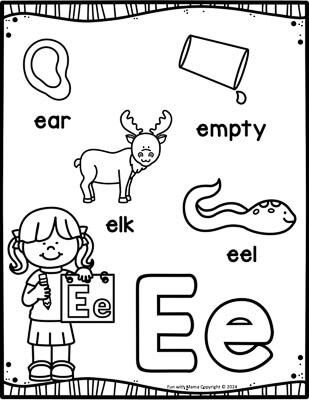
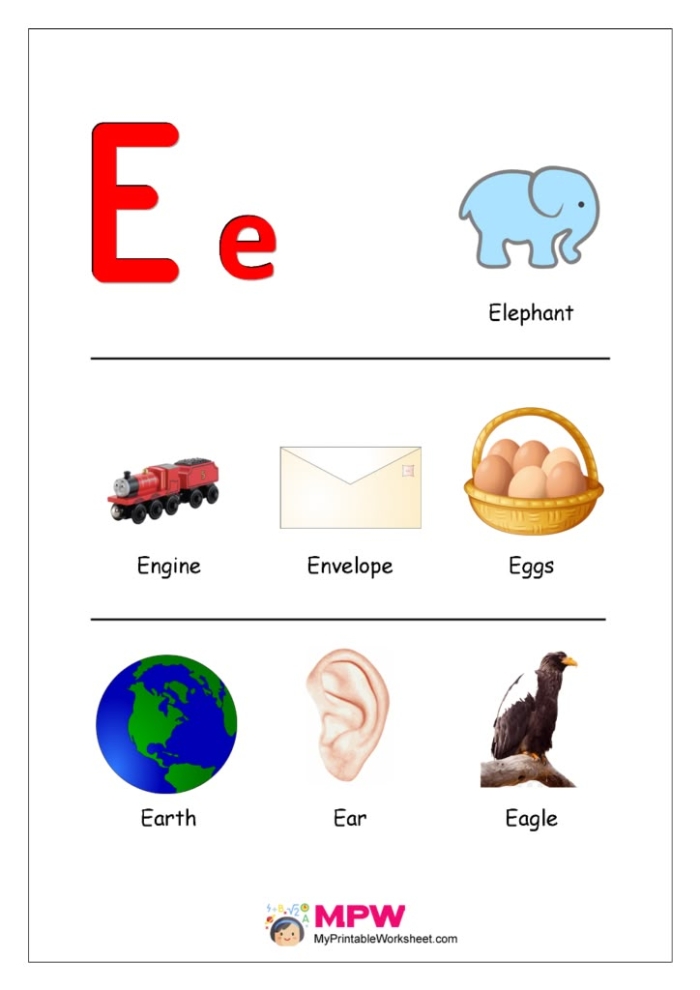
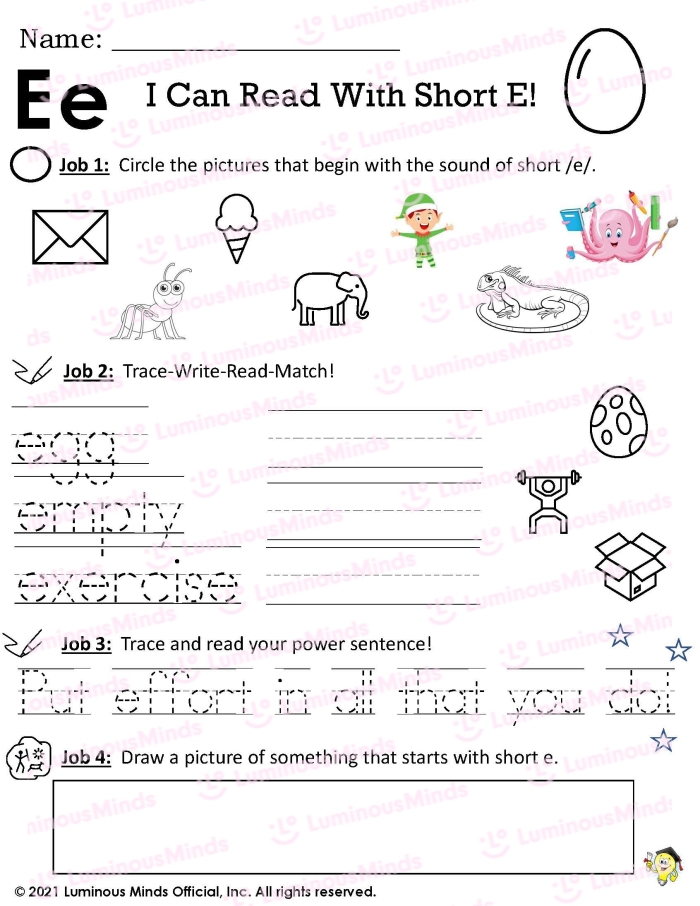
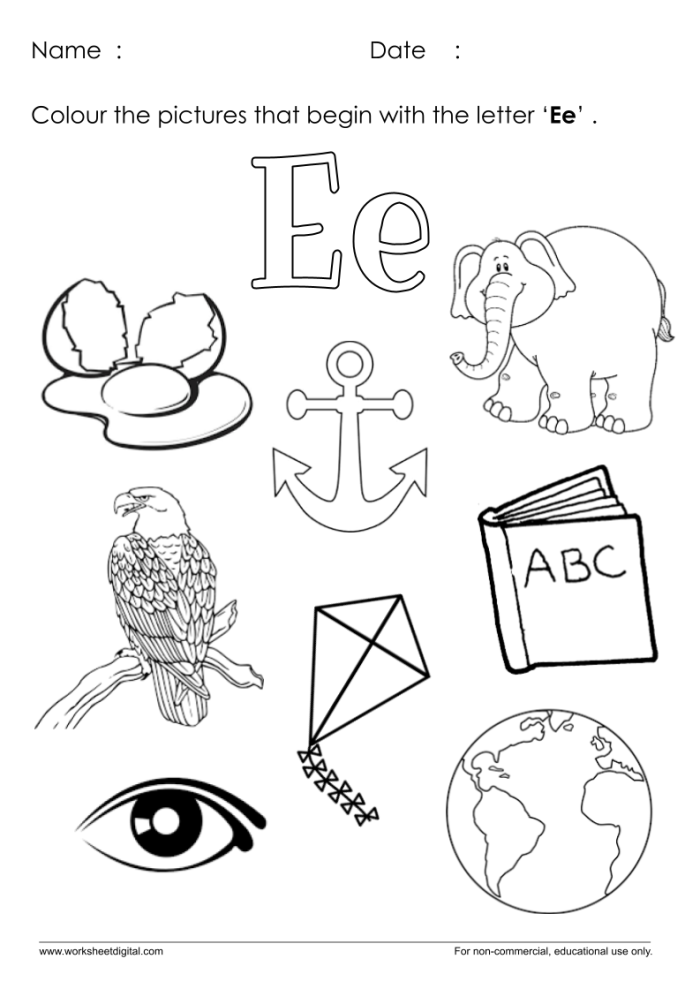
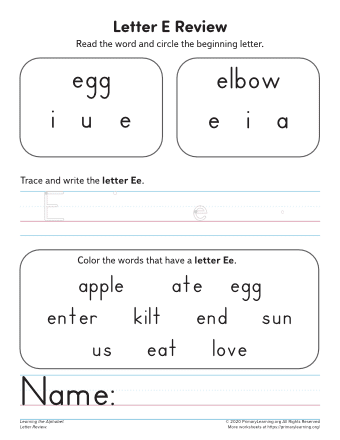
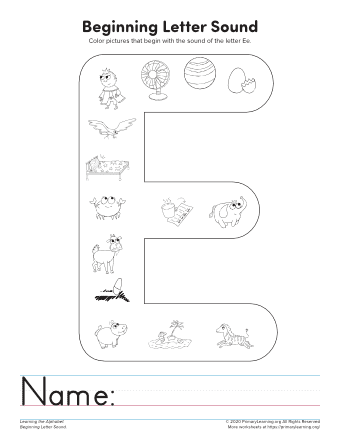
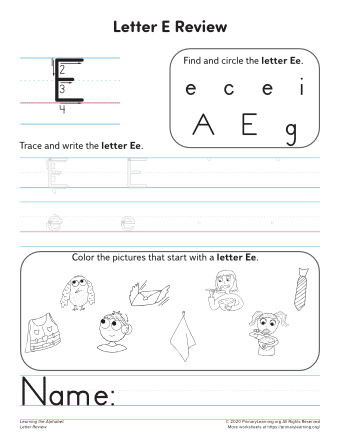
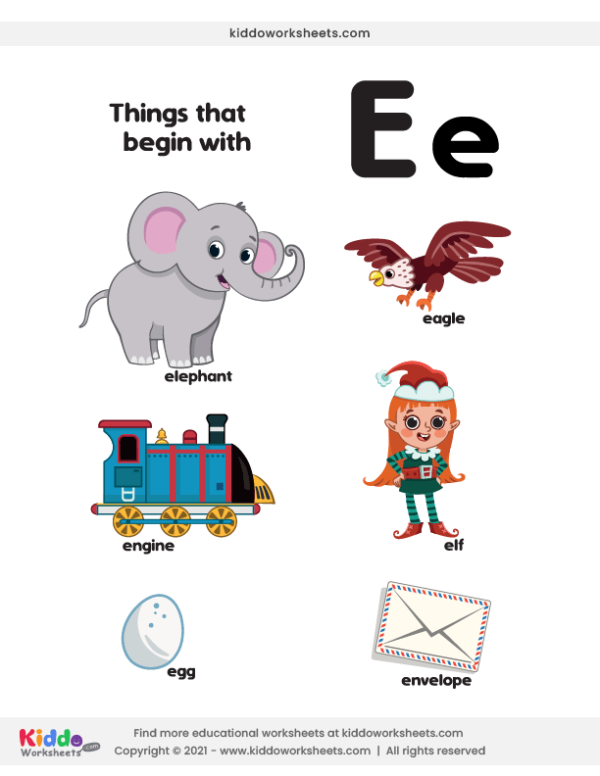
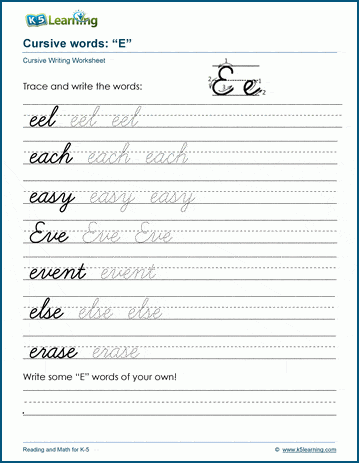
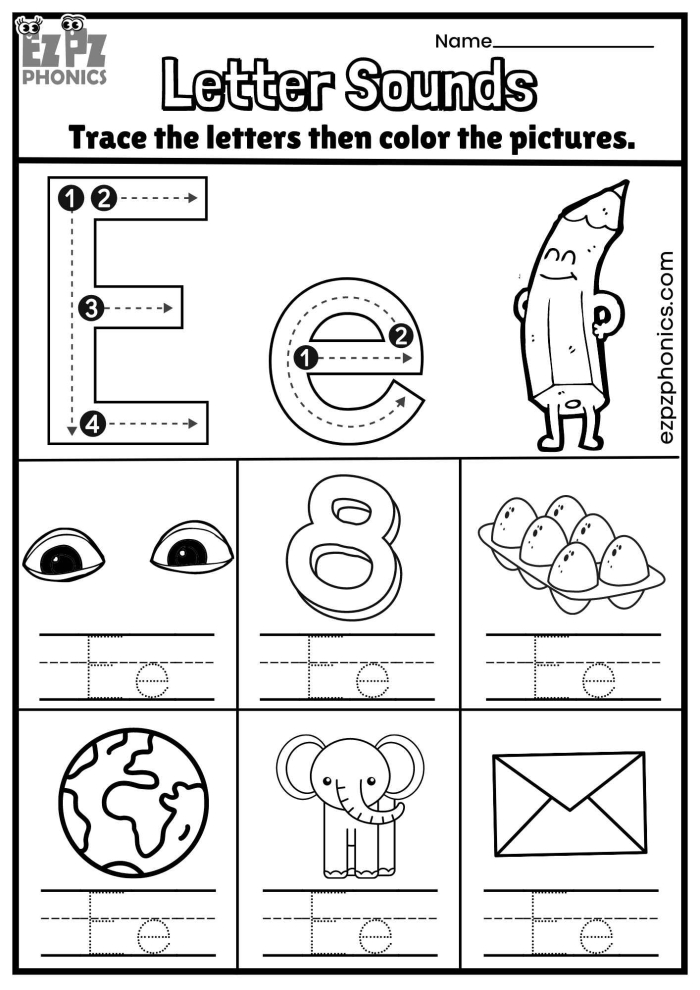
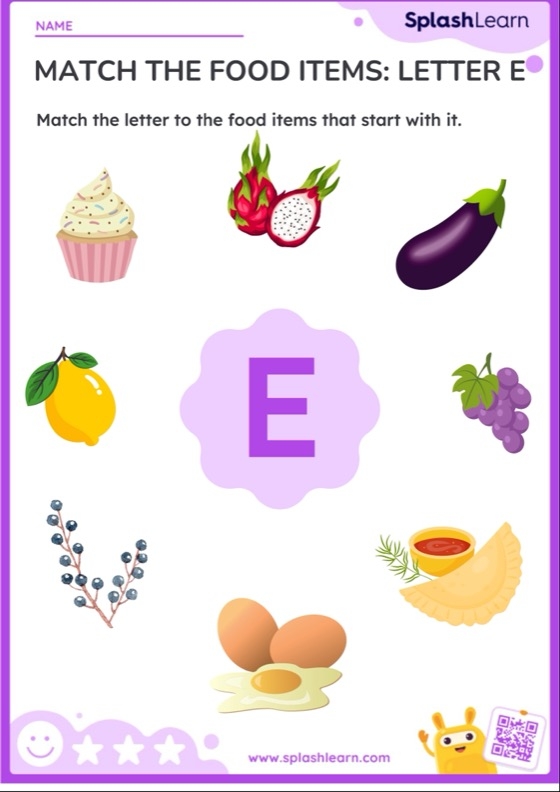
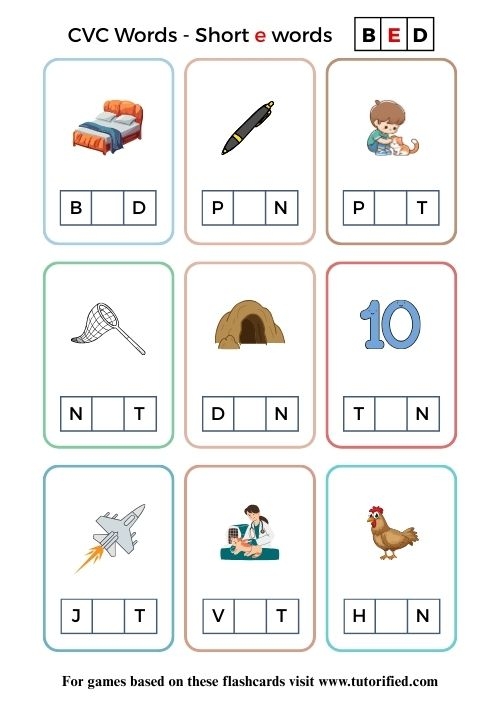
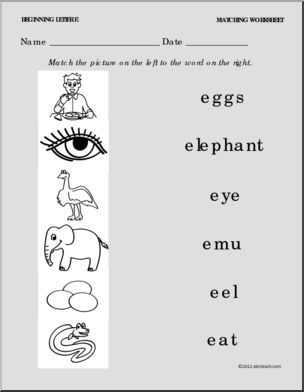
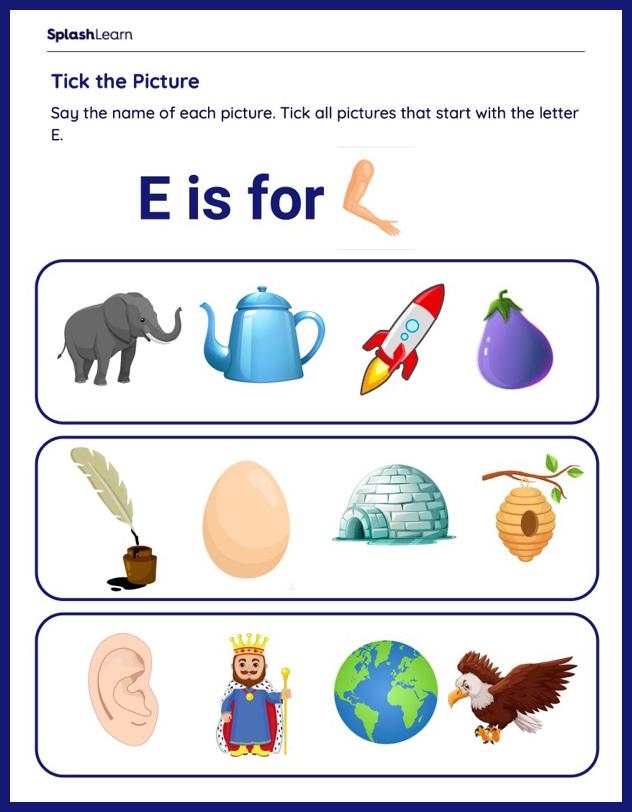
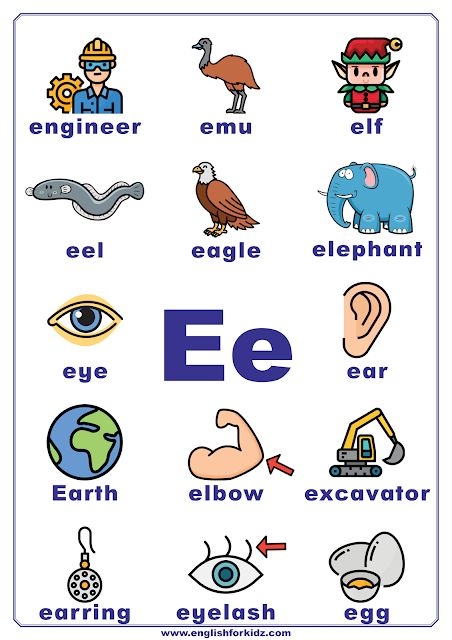
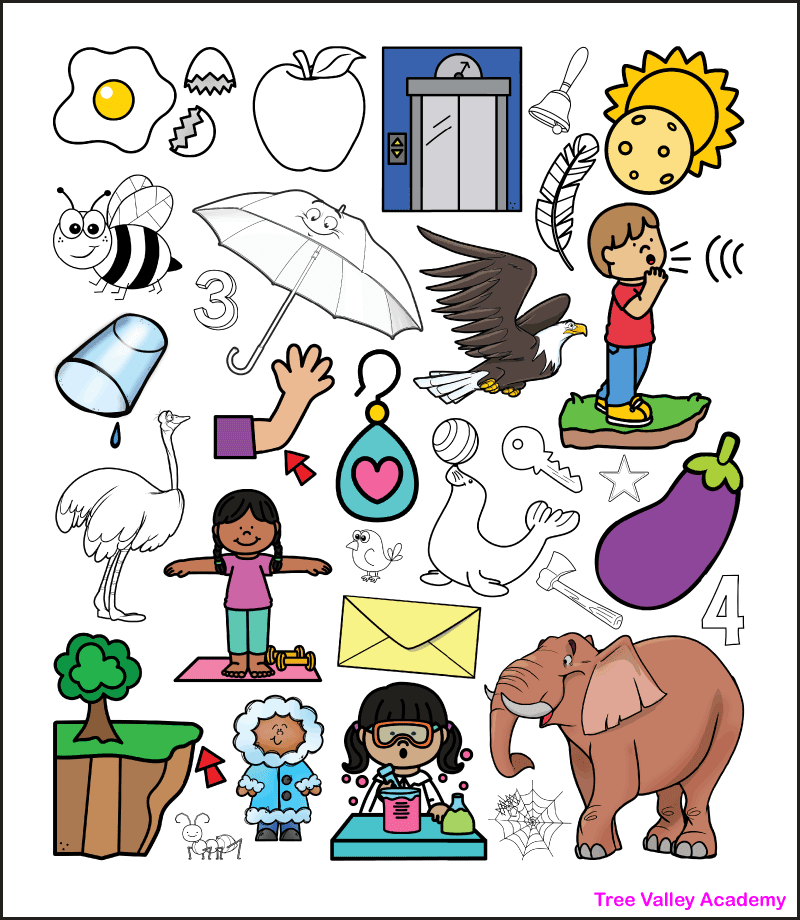
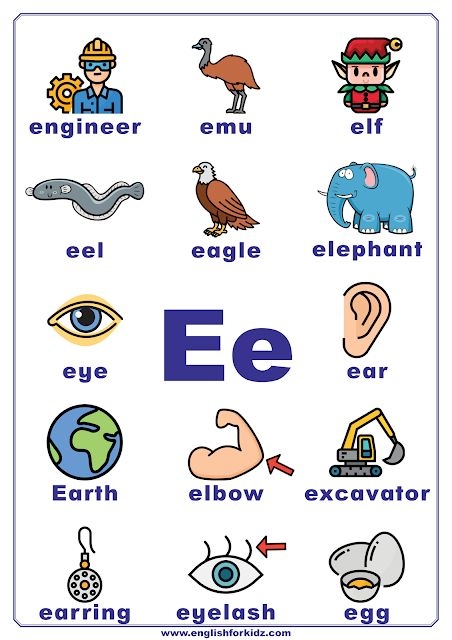
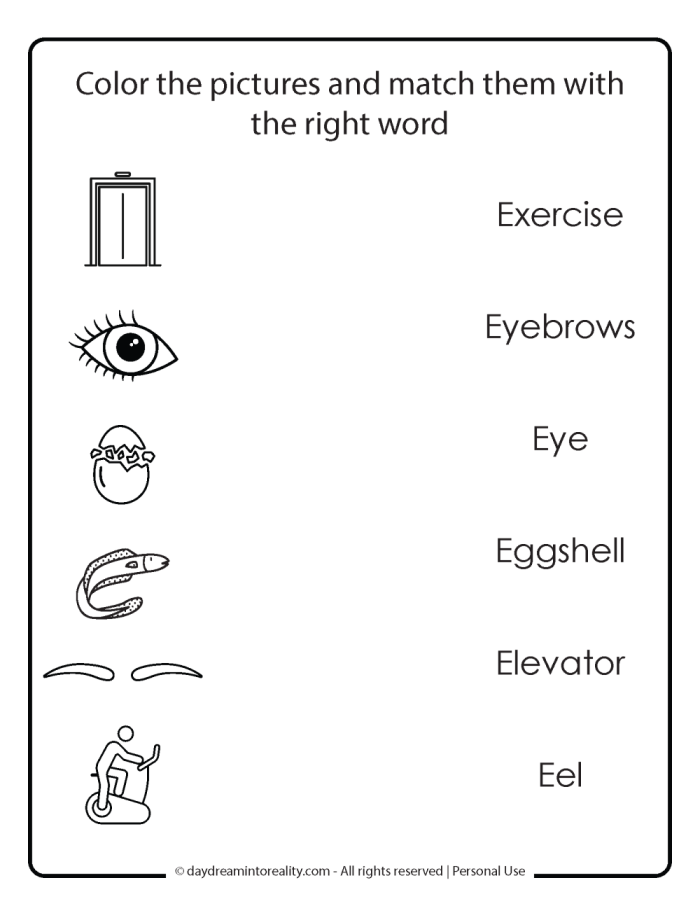
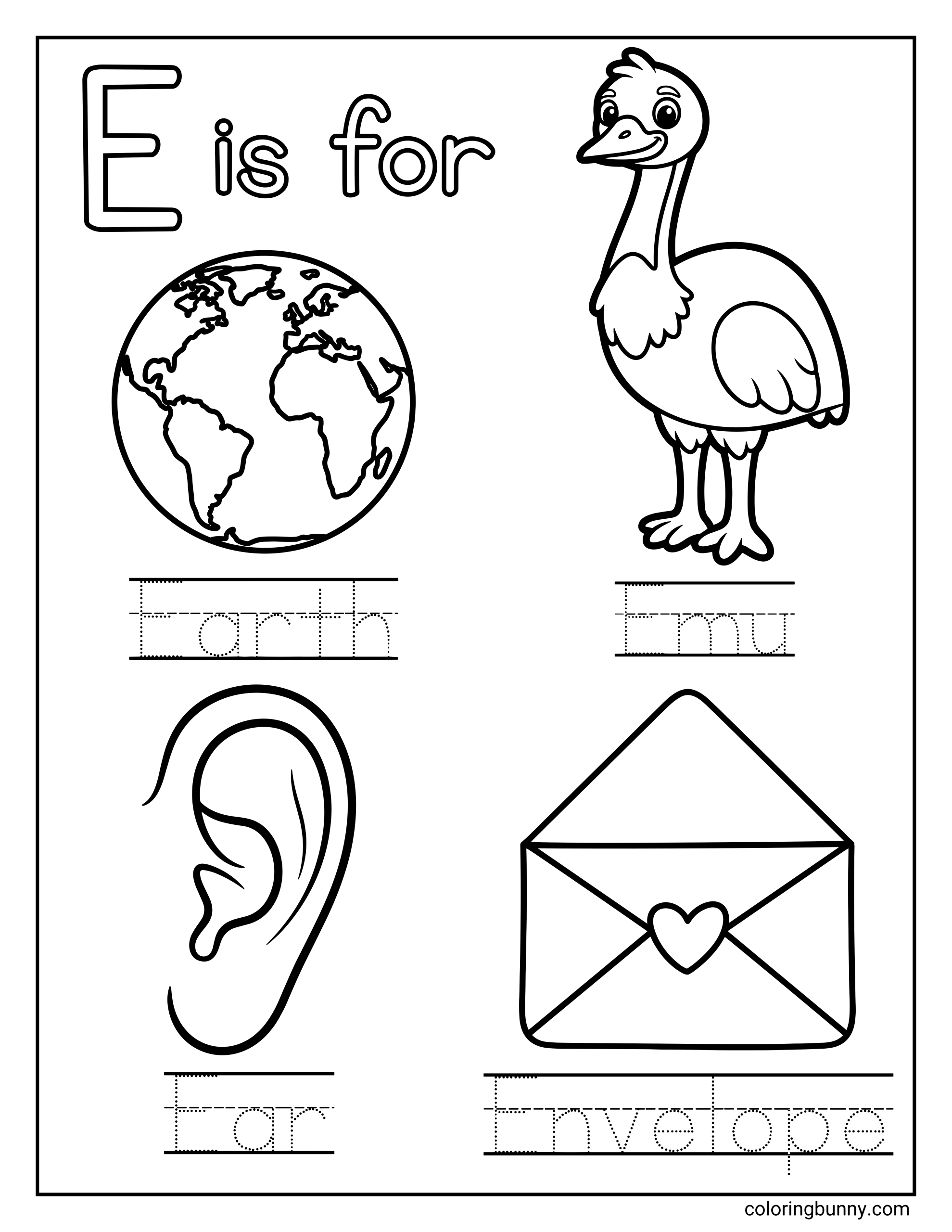
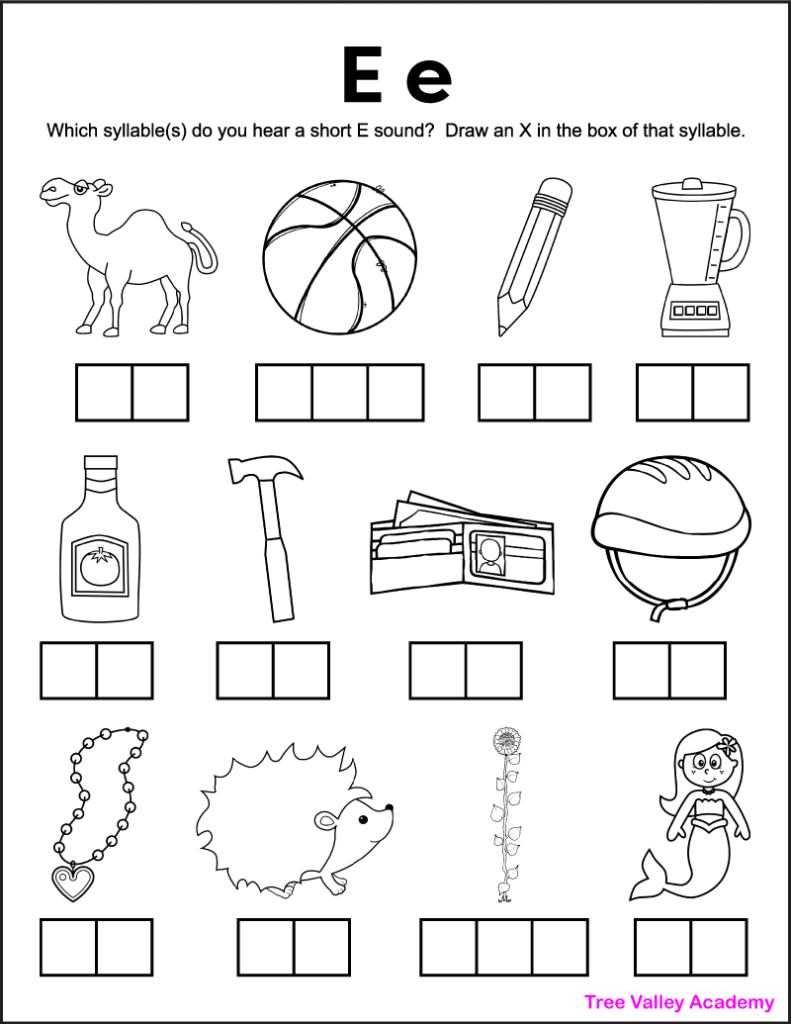
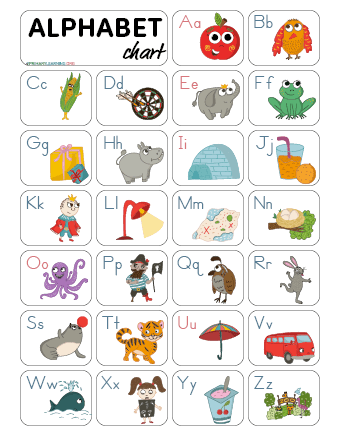
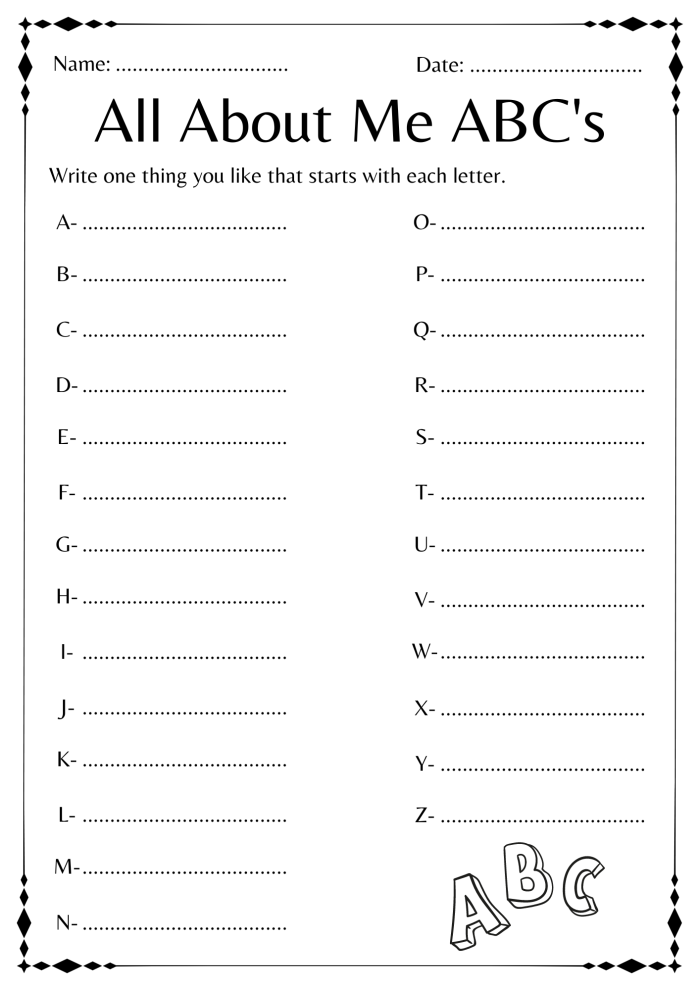
When your Pre-K child encounters a worksheet asking them to find things that start with E, you’re watching phonics in action. This type of activity forces young learners to connect letter sounds with real objects, which is exactly how early reading skills take root. Rather than memorizing letter names, children begin understanding that E makes a specific sound and that sound appears in words they see every day.
The challenge in these worksheets lies in the recognition process. Your child needs to identify pictures, say them aloud, listen for the E sound at the beginning, and then mark or circle the correct answers. It’s a multi-sensory approach that engages sight, hearing, and motor skills simultaneously. Some words feel obvious (elephant, egg, exit), while others require a bit more listening attention (eagle, emu, easel). This variety keeps the activity from becoming too simple or too frustrating.
What makes this type of phonics practice effective for Pre-K learners is the immediate feedback loop. When your child finds a picture of an elephant and recognizes the E sound, they’ve made a connection that reinforces letter-sound relationships. This foundation becomes essential as they progress toward blending sounds into words and eventually reading sentences.
You can extend this learning beyond the worksheet itself. Point out E words during everyday activities: eating breakfast, entering the classroom, or finding eggs at the grocery store. The more your child hears and uses these words, the stronger the phonics connection becomes. If your child enjoys this type of focused letter practice, exploring similar activities like V is for reading worksheets or letter book D activities can provide consistent phonics reinforcement across multiple letters.
Hands-On Worksheet Activities