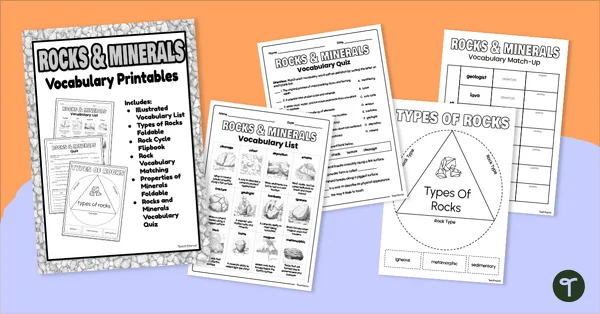
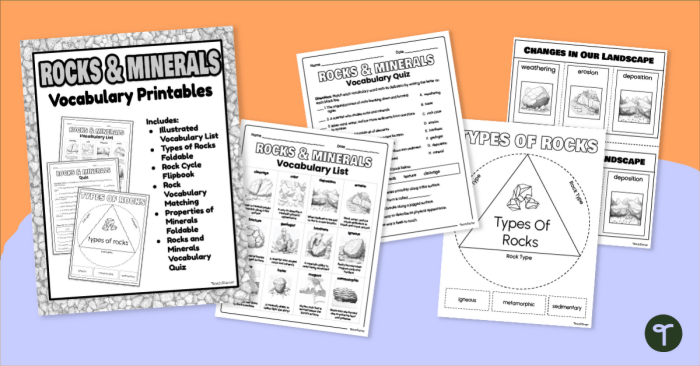
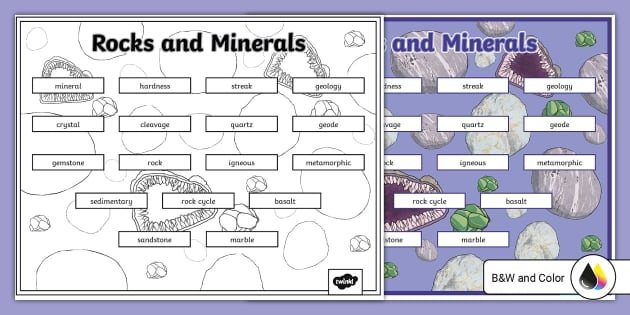
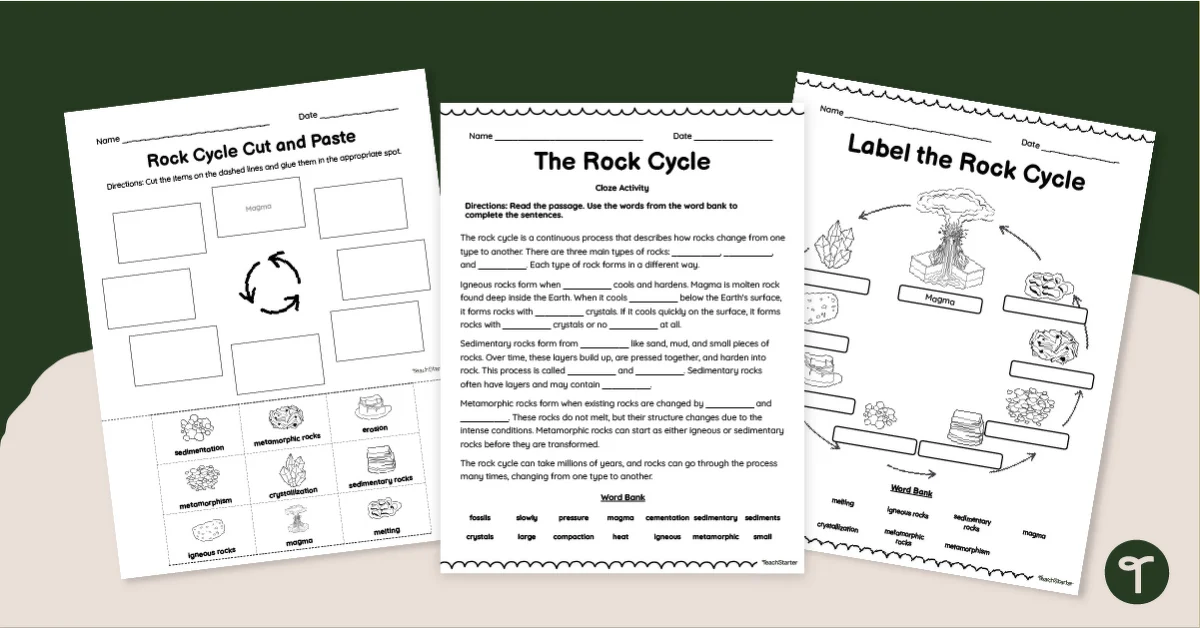
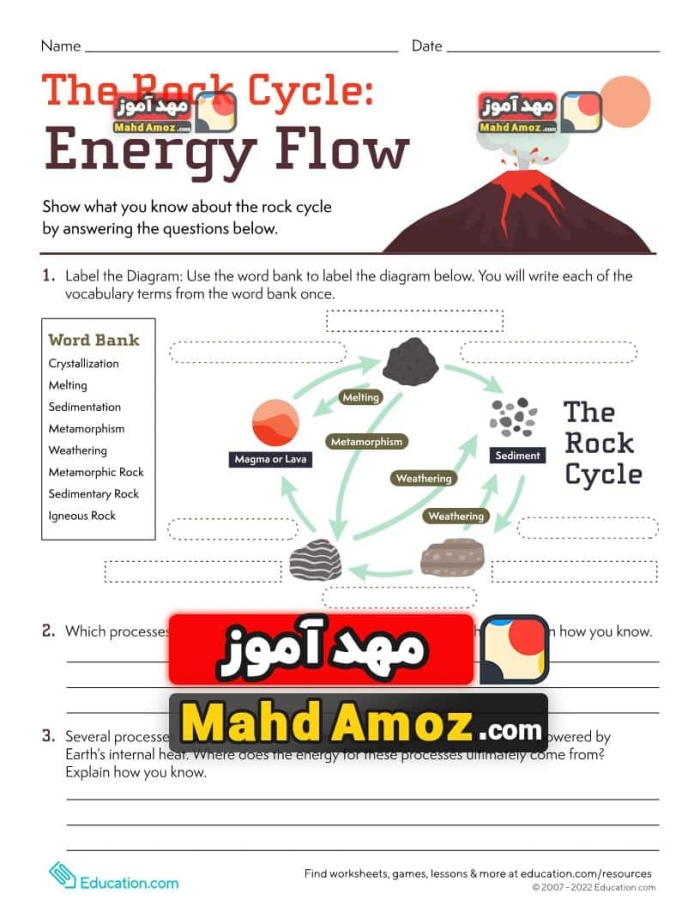
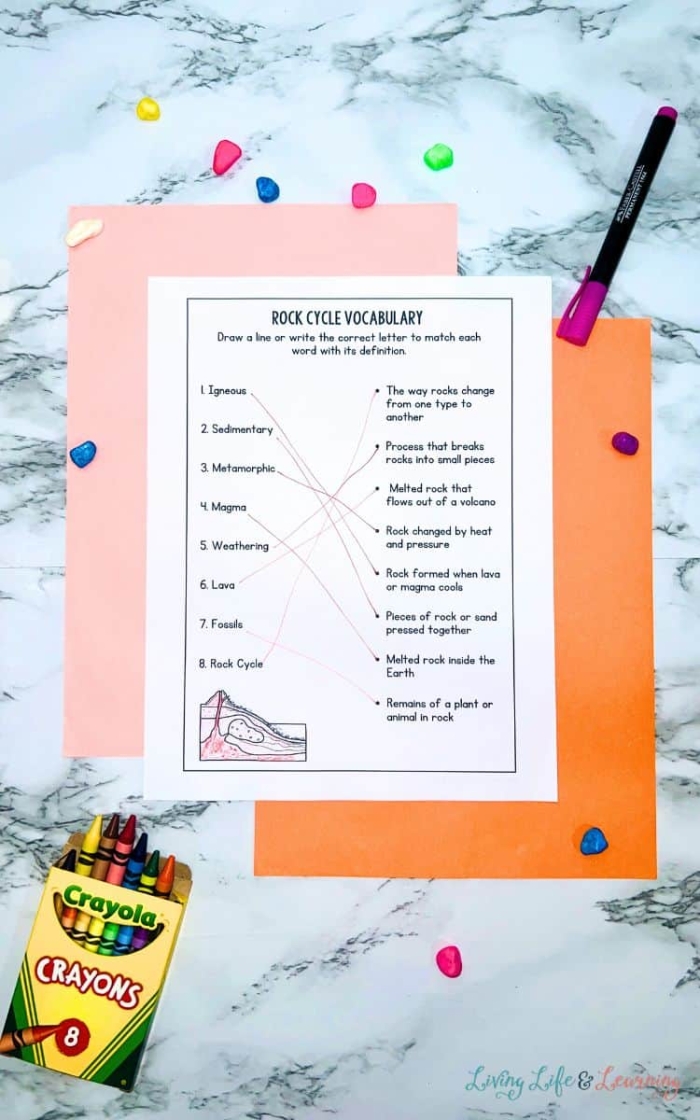
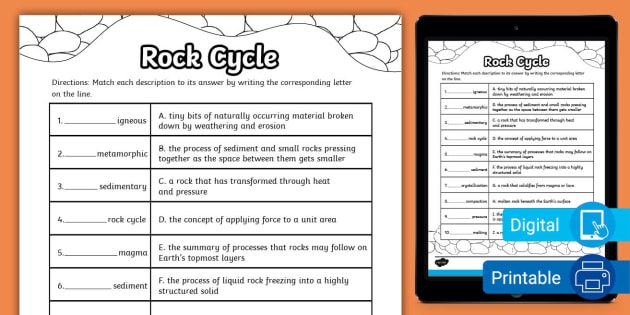
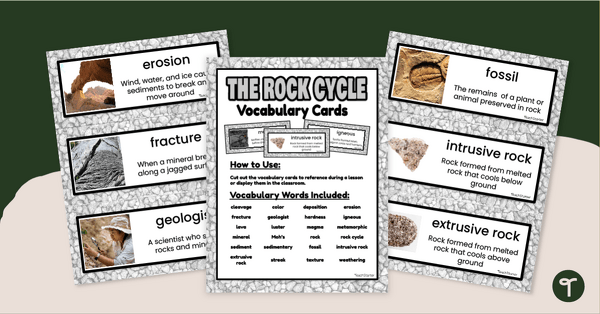
Matching vocabulary to definitions sounds simple, but it’s one of the most effective ways sixth grade students actually retain scientific terminology. This rock cycle vocabulary worksheet asks students to connect 12 key terms with their correct meanings, forcing them to think about each word rather than passively read it.
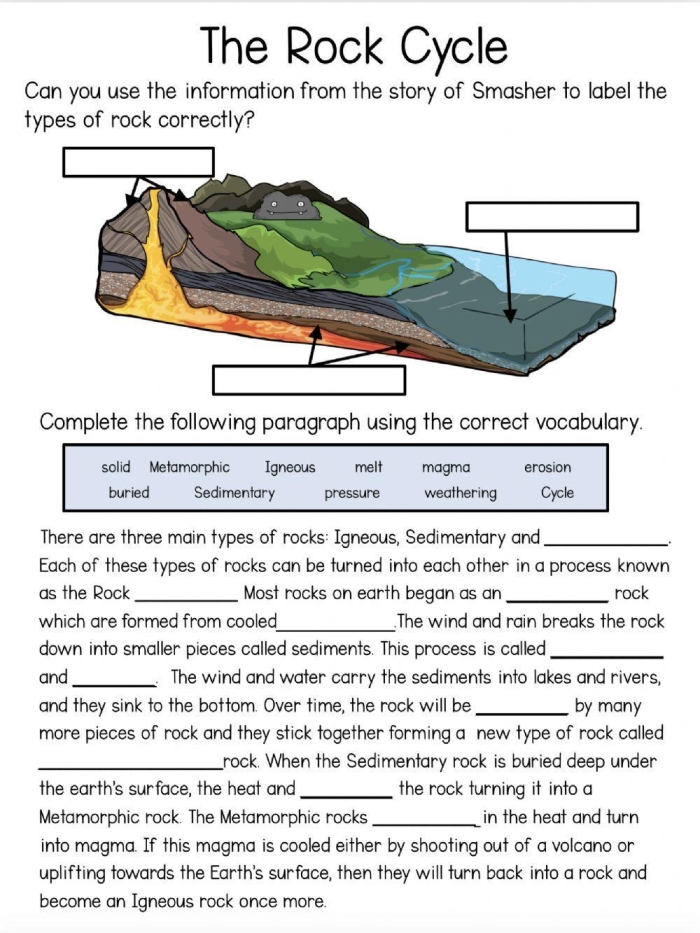
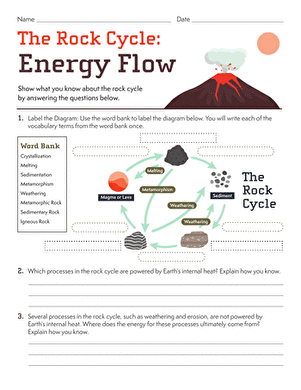
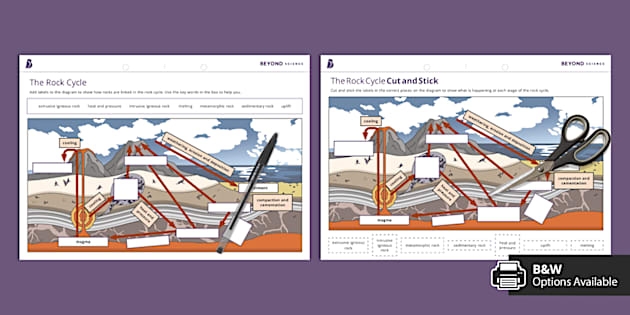
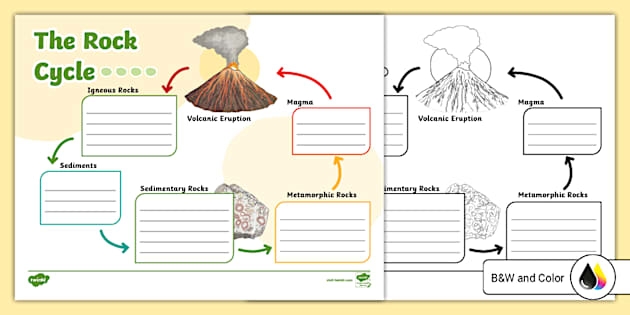
The rock cycle itself describes how rocks transform from one type to another over geological time. Igneous rocks form from cooled magma, sedimentary rocks develop from compressed sediment layers, and metamorphic rocks result from heat and pressure deep underground. Students need to understand these categories and the processes that move rocks through the cycle: weathering, erosion, deposition, compaction, cementation, and melting.
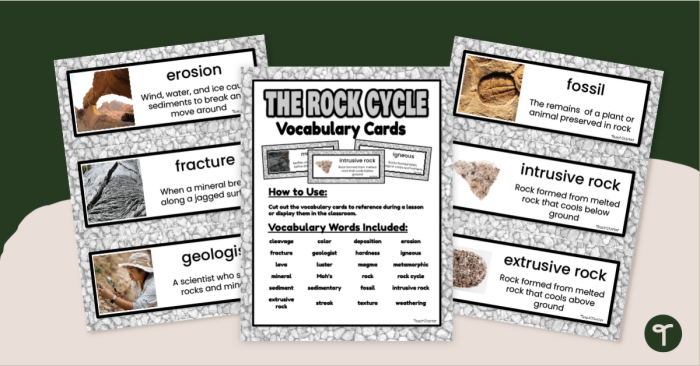
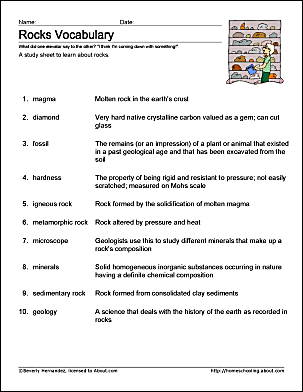
When sixth grade students complete a matching exercise like this one, they’re building the foundation for more complex geology concepts later. The worksheet typically includes terms like magma, lava, crystallization, and lithification. By matching each word to its definition, students create mental anchors that make the rock cycle less abstract and more concrete.
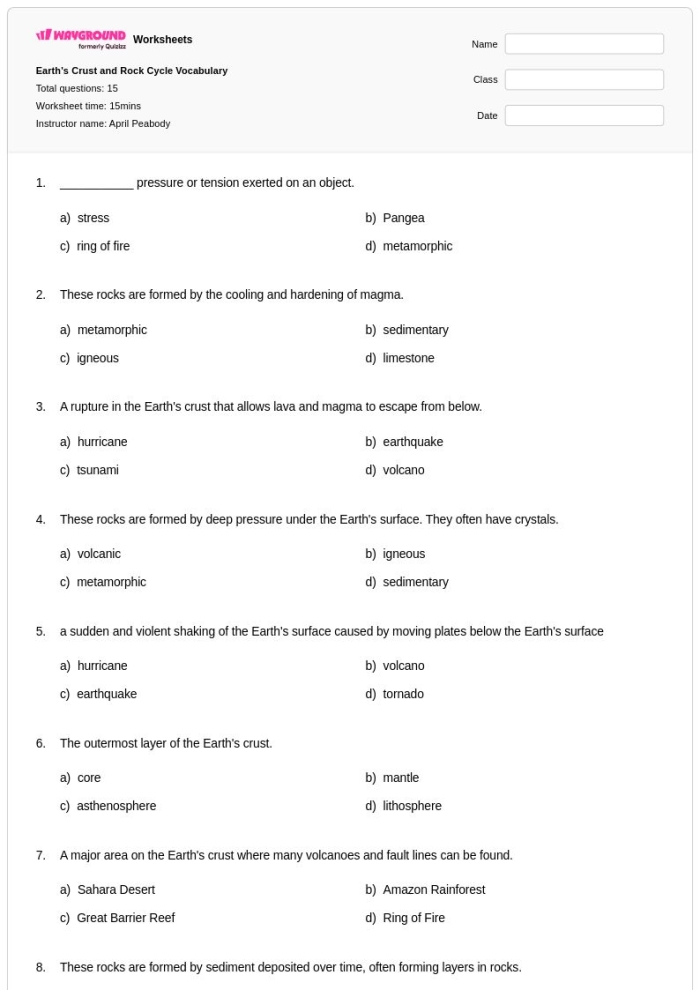
This type of exercise works well alongside other learning approaches. While matching activities help with vocabulary recognition, students benefit from combining this with reading comprehension skills. If you’re looking to strengthen related academic abilities, exploring resources like comparing and contrasting information from different sources can help students analyze scientific texts more critically.
The beauty of a 12-word matching worksheet is its manageability. It’s long enough to cover the essential rock cycle concepts but short enough that students don’t feel overwhelmed. Teachers can assign it as homework, use it for quick classroom reviews, or incorporate it into test preparation. The worksheet format also gives teachers immediate feedback about which terms students are struggling with before moving forward.
Try These Printable Worksheets