Place value is where math starts making sense for first graders. Once children understand that the number 23 means two tens and three ones, rather than just a random symbol, they’ve unlocked something fundamental about how numbers work.
Many first grade teachers notice that students who grasp tens and ones early develop stronger number sense across the board. This foundation helps them add and subtract with confidence, skip count by tens, and eventually understand larger numbers. The key is making it concrete and visual rather than abstract.
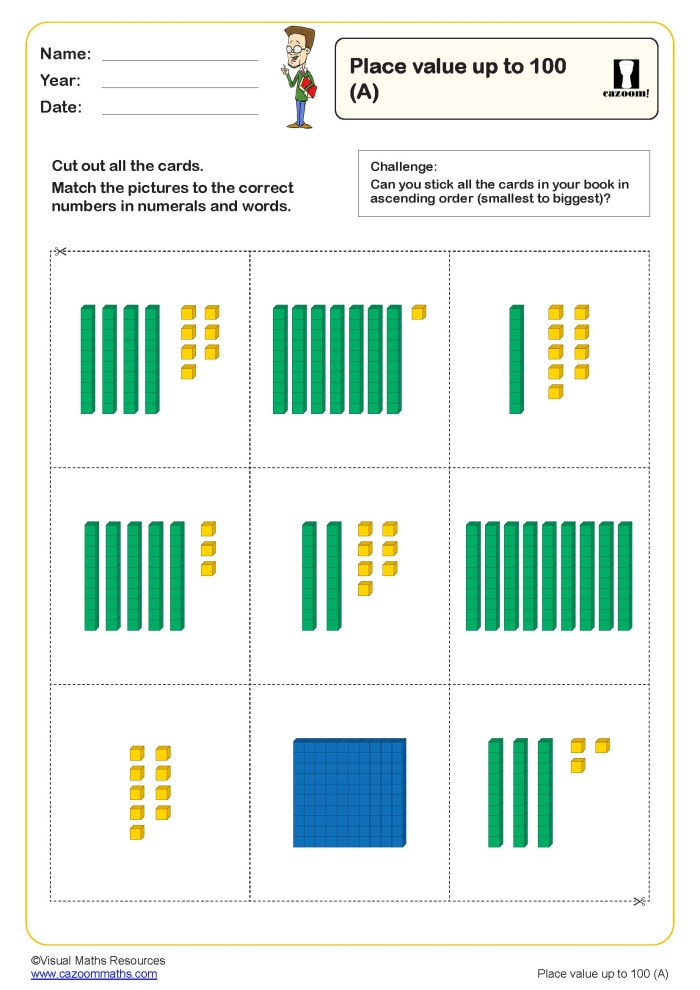
Start by using physical objects your child can touch and move around. Base ten blocks work beautifully, but you can also use bundles of ten popsicle sticks tied with rubber bands, or even groups of ten pennies. Show your child how ten ones always equal one ten. Let them bundle sticks together, separate them back out, and repeat. This hands-on repetition builds the neural pathways needed for the concept to stick.
Once your child is comfortable with physical manipulatives, introduce two-digit numbers slowly. Write 24 on paper and ask them to show it with their objects: two bundles of ten and four single items. Have them practice with numbers between 10 and 30 first, then gradually increase the range.
Games make this practice feel less like work. Create simple scenarios where your child needs to count out groups of ten, or play store using prices like 15 cents. When you’re reading together, you might also explore how numbers appear in stories and contexts beyond just math time.
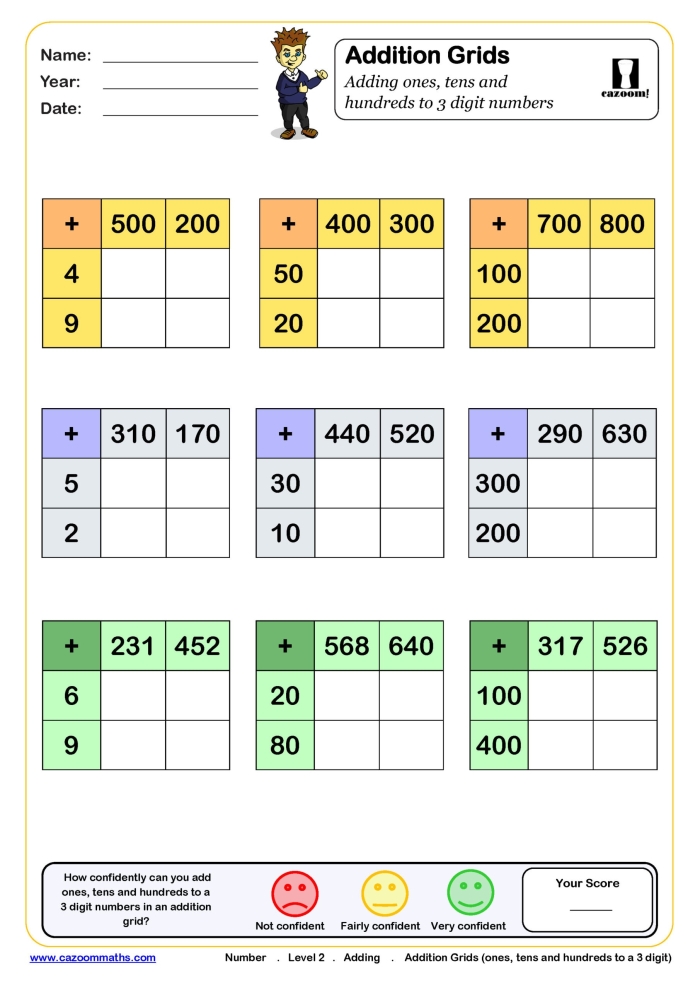
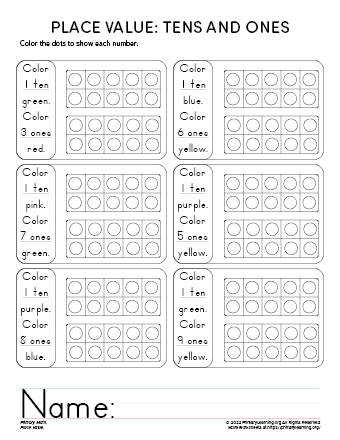
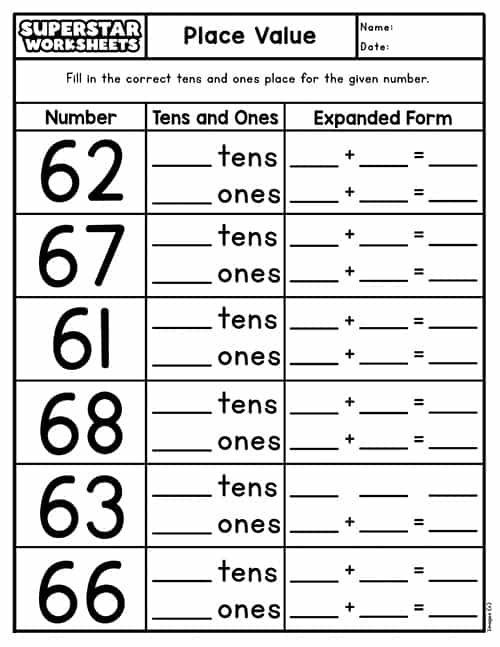
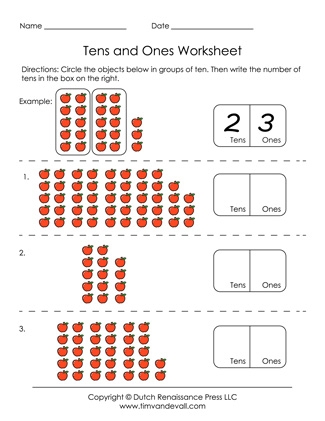
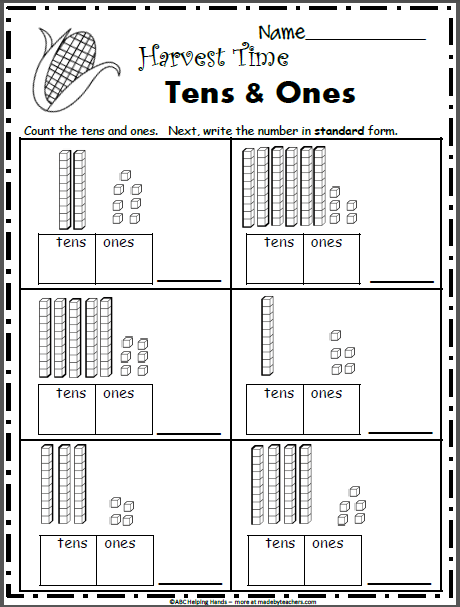
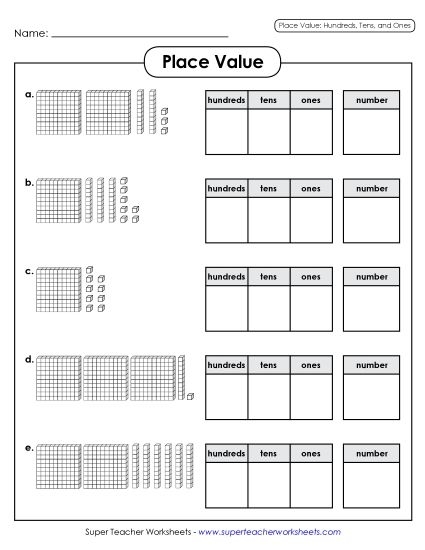
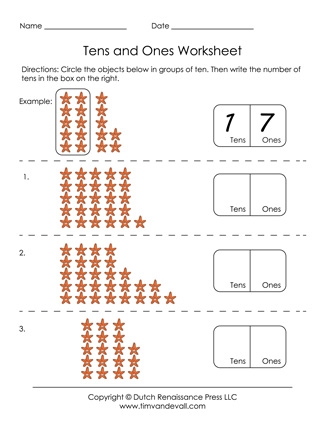
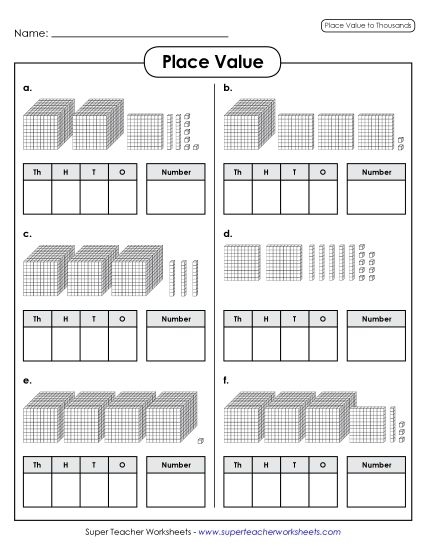
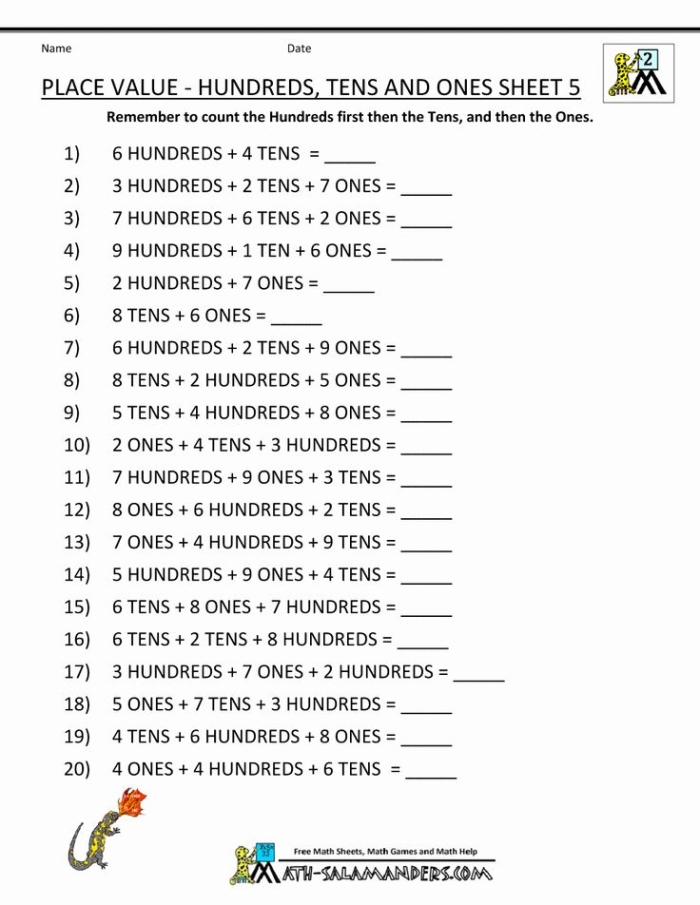
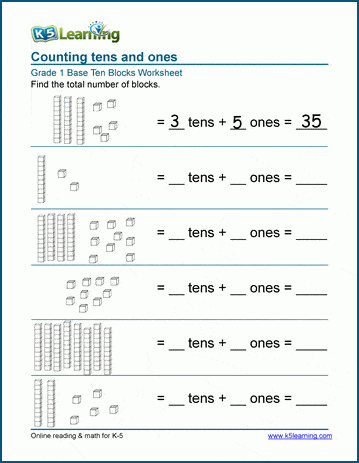
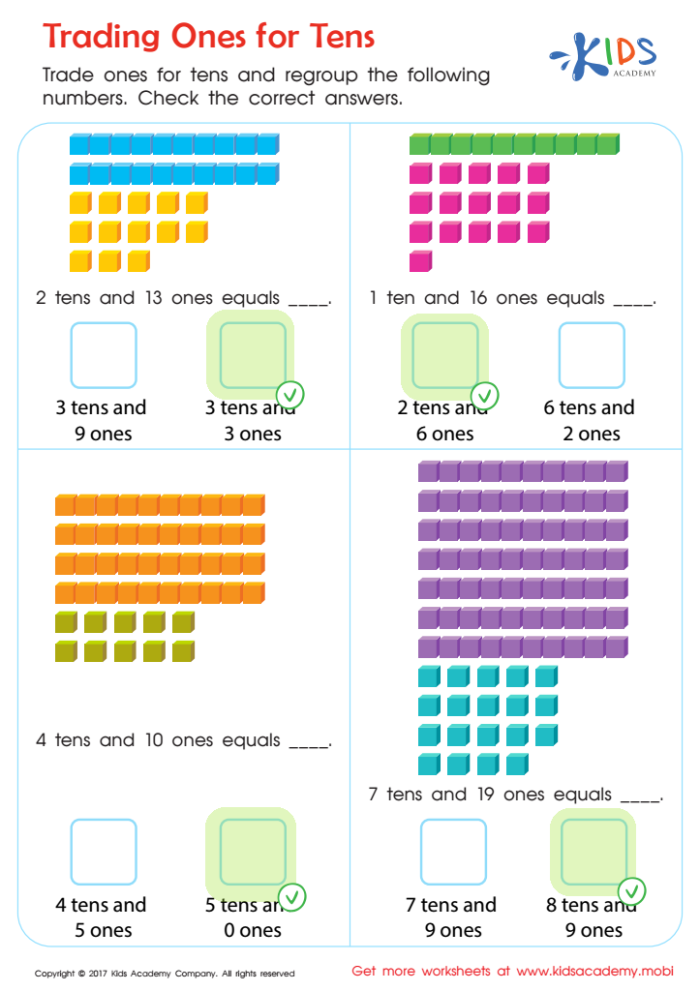
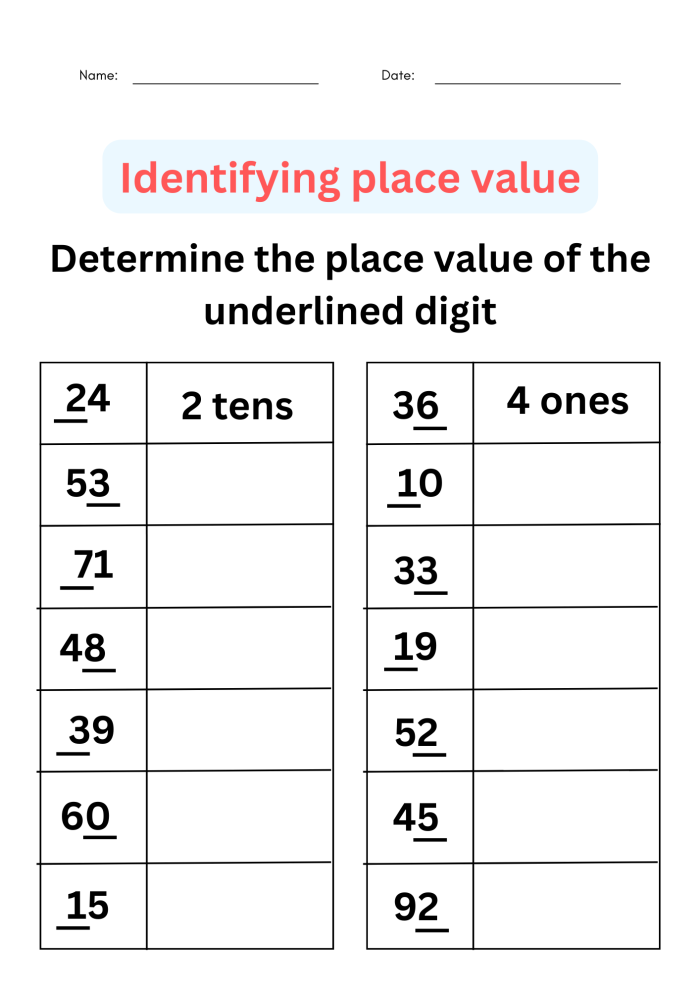
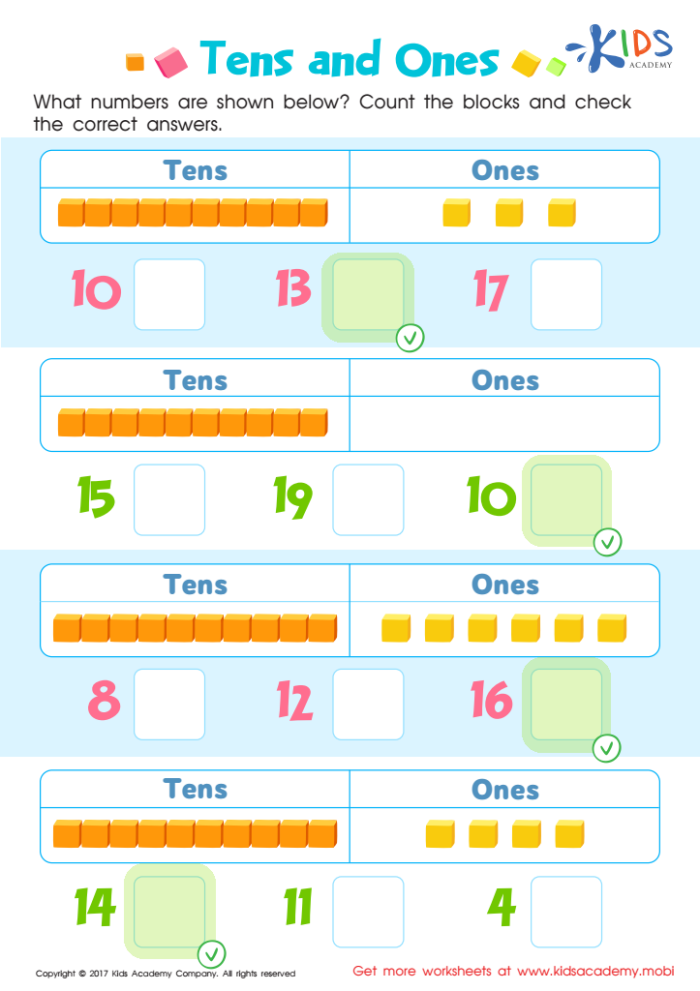
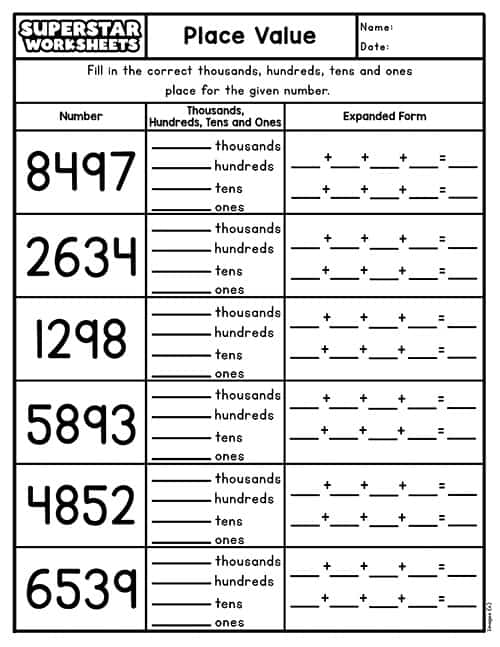
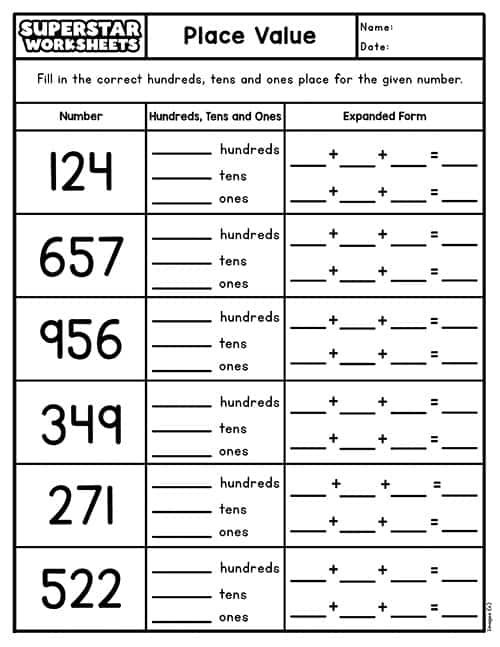
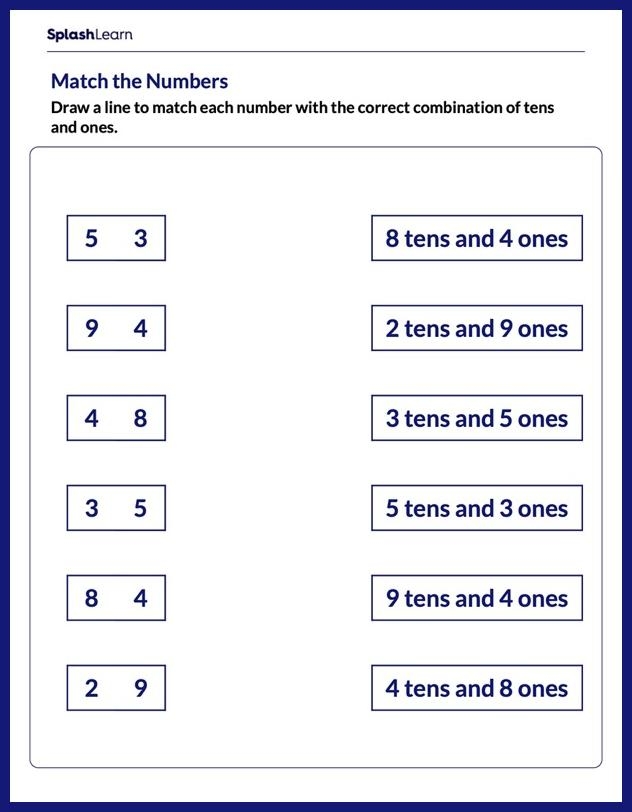
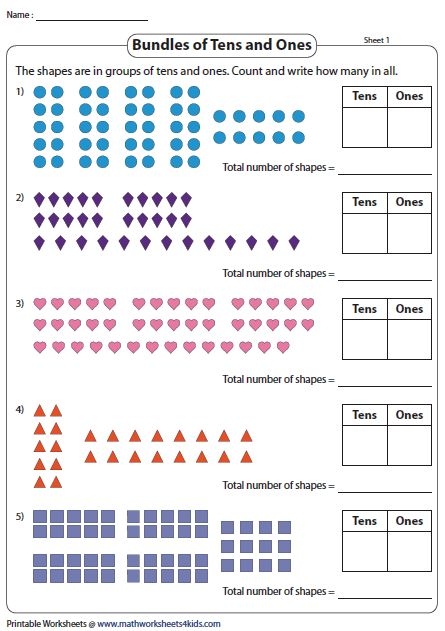
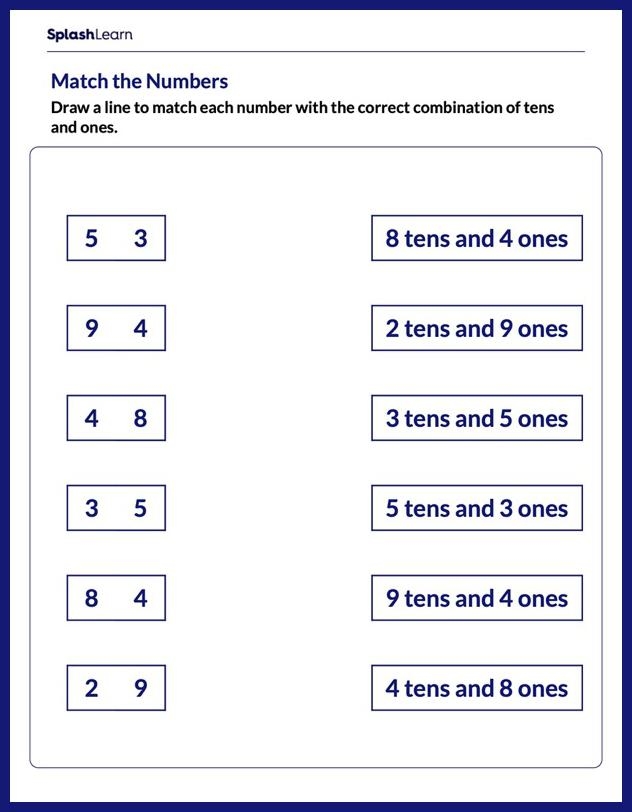
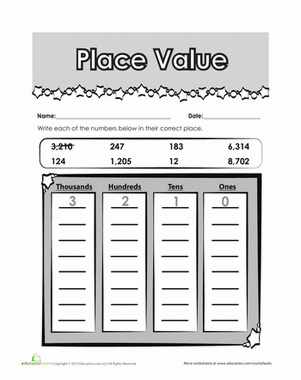
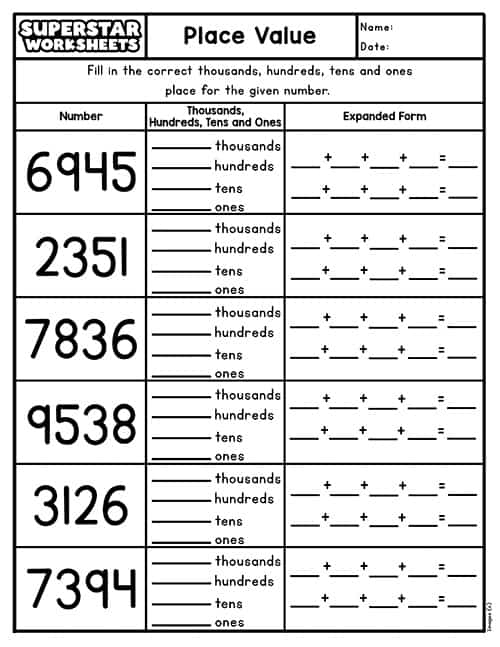
Pairing hands-on learning with printable tens and ones worksheets gives children multiple ways to practice. These worksheets reinforce what they’ve learned with manipulatives and help build the connection between concrete objects and written numbers. Your first grader will start seeing numbers as quantities rather than just symbols.
Hands-On Worksheet Activities