Kids stare at the clock face and freeze. They know the numbers go around in a circle, but the two hands moving at different speeds feel like a puzzle with no solution. This is the moment when telling time shifts from abstract to frustrating, and it happens to nearly every first grader learning to read an analog clock.
The challenge isn’t really about numbers. Most children in first grade already understand basic counting and number recognition. The real difficulty comes from translating the position of two hands into actual time. The minute hand travels faster and covers more distance, while the hour hand creeps slowly from number to number. Add in the fact that we read the hour hand’s position between two numbers, and you have a concept that requires spatial reasoning, number sense, and pattern recognition all at once.
This is exactly why practice matters so much. When kids work through telling time problems repeatedly, their brains start recognizing patterns. They begin to see that when the minute hand points to 12, it’s always on the hour. They notice the hour hand’s position changes predictably as minutes pass. These observations don’t happen after one lesson or a single worksheet.
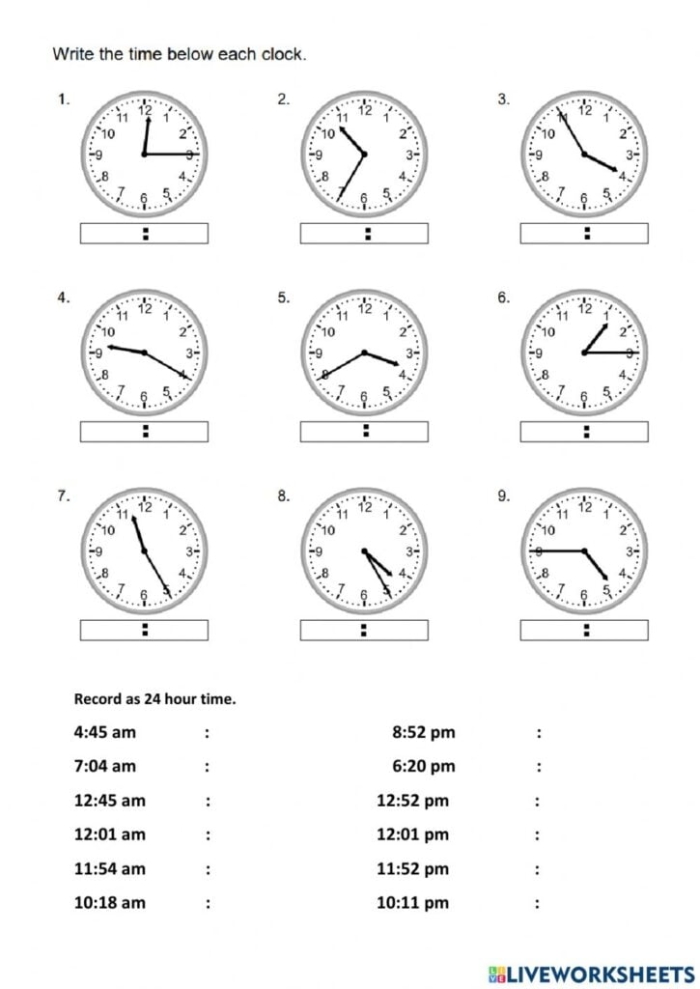
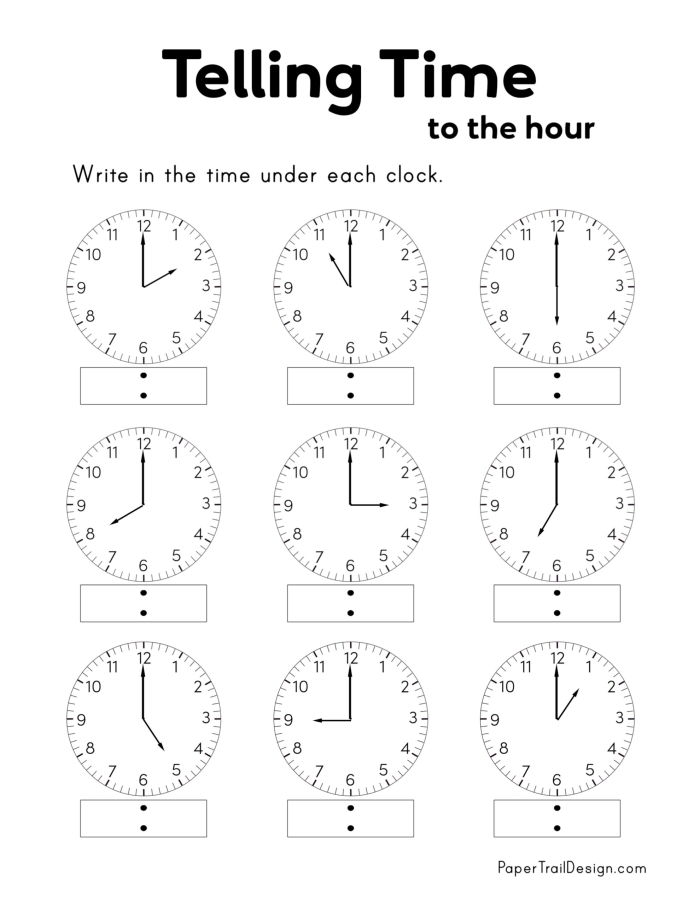
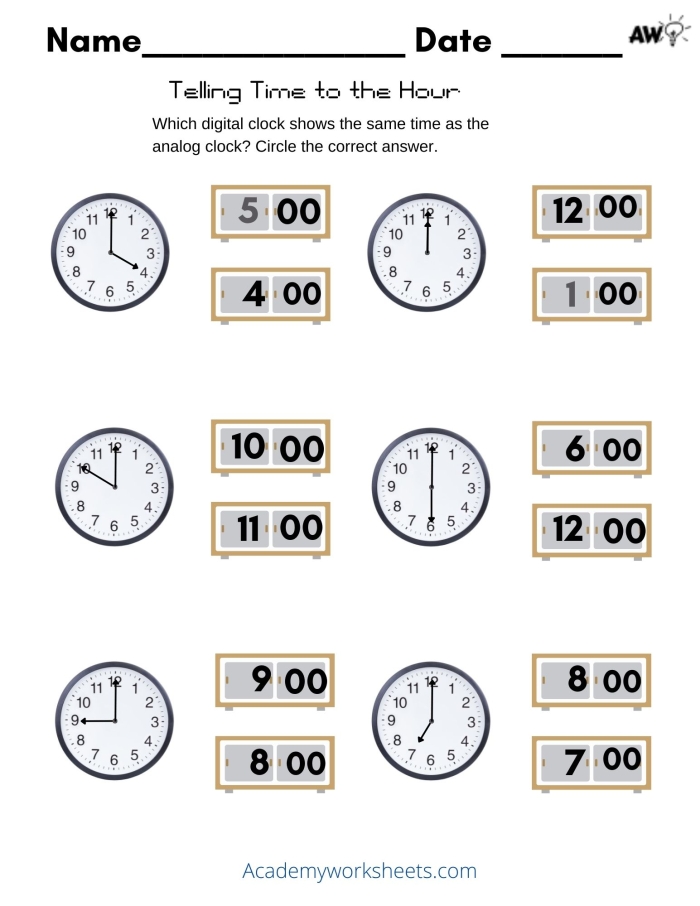
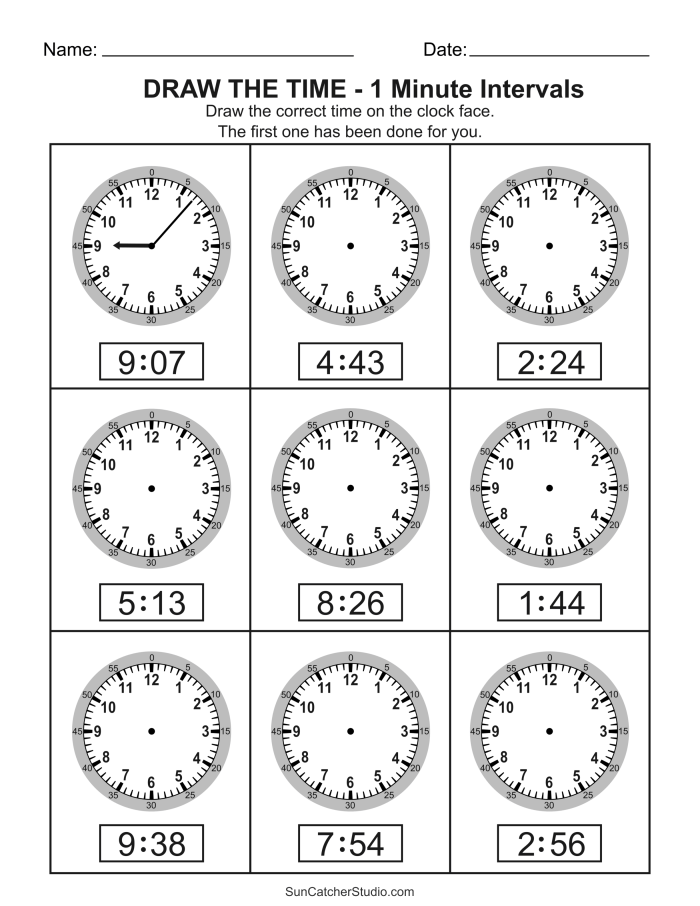
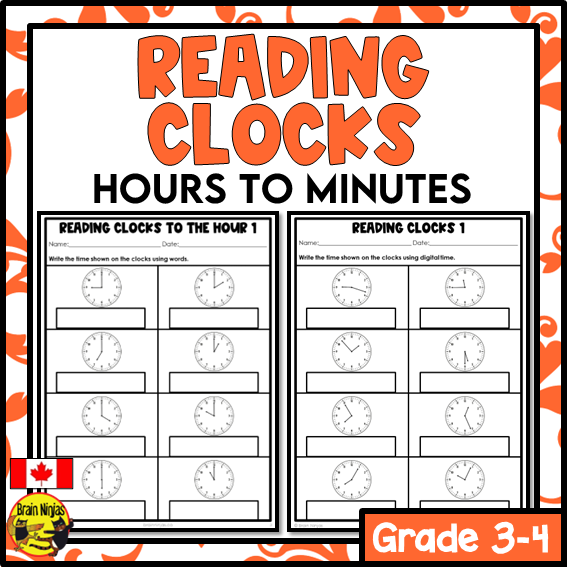
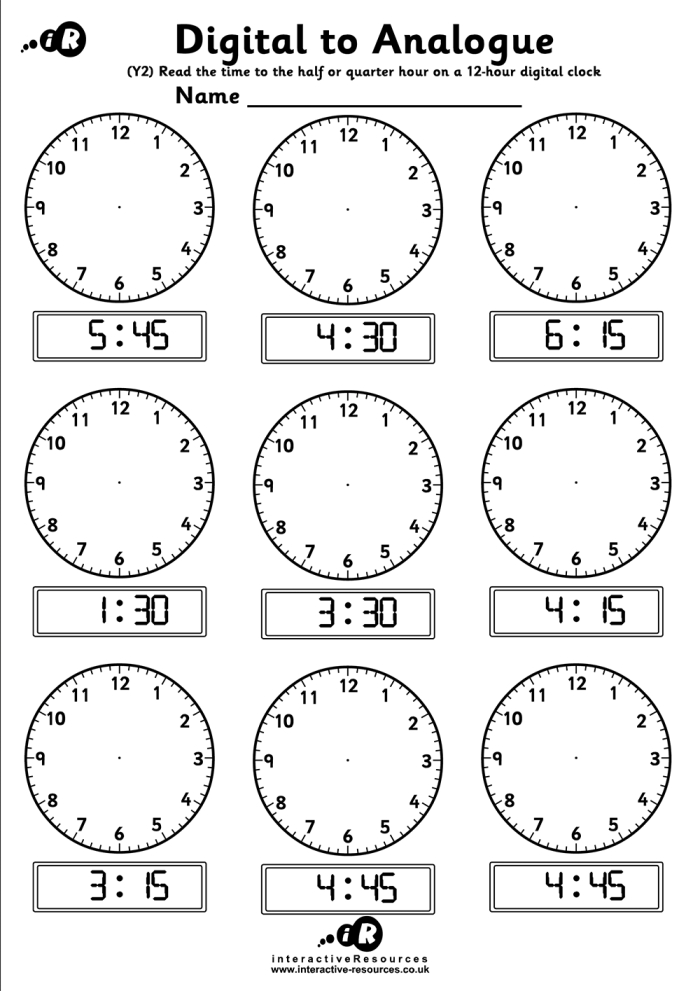
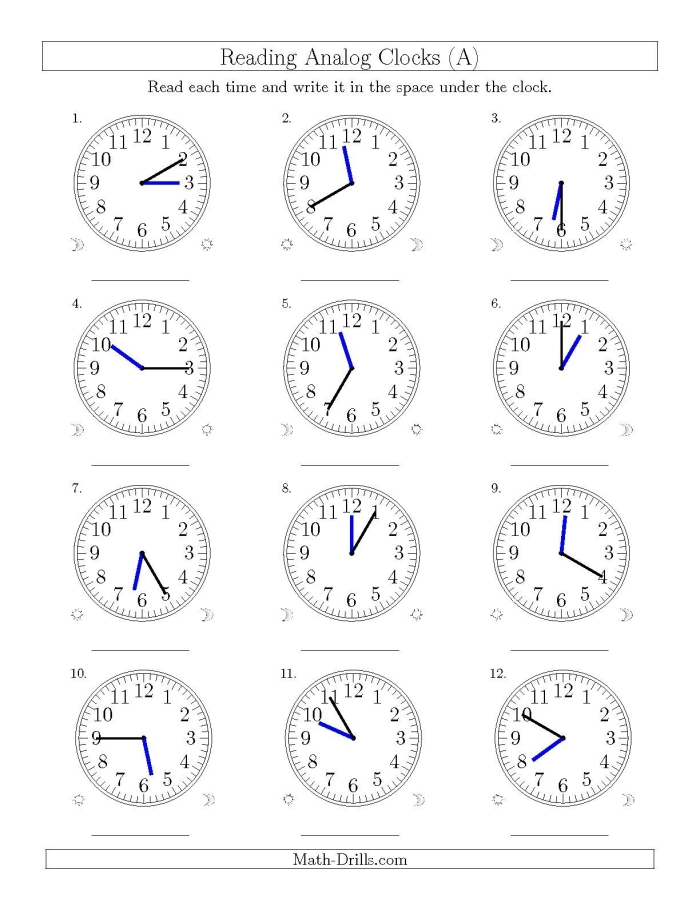
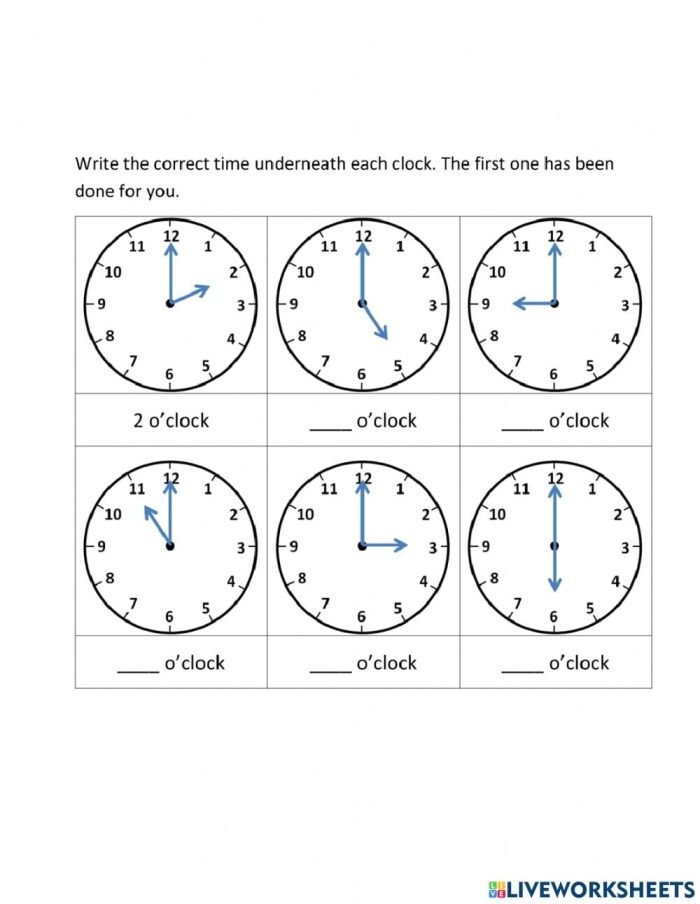
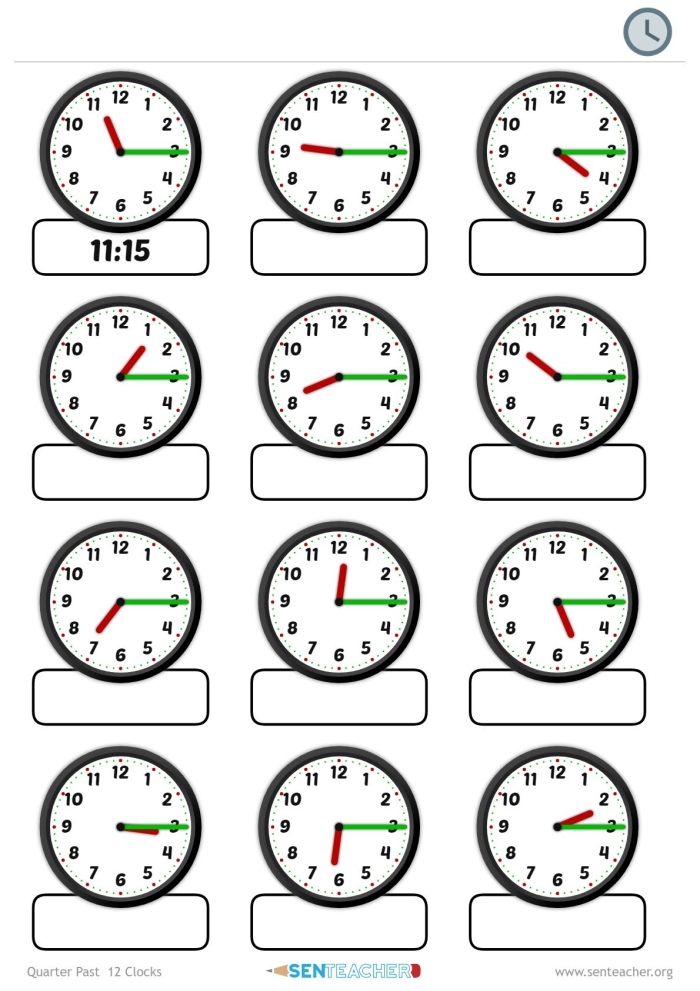
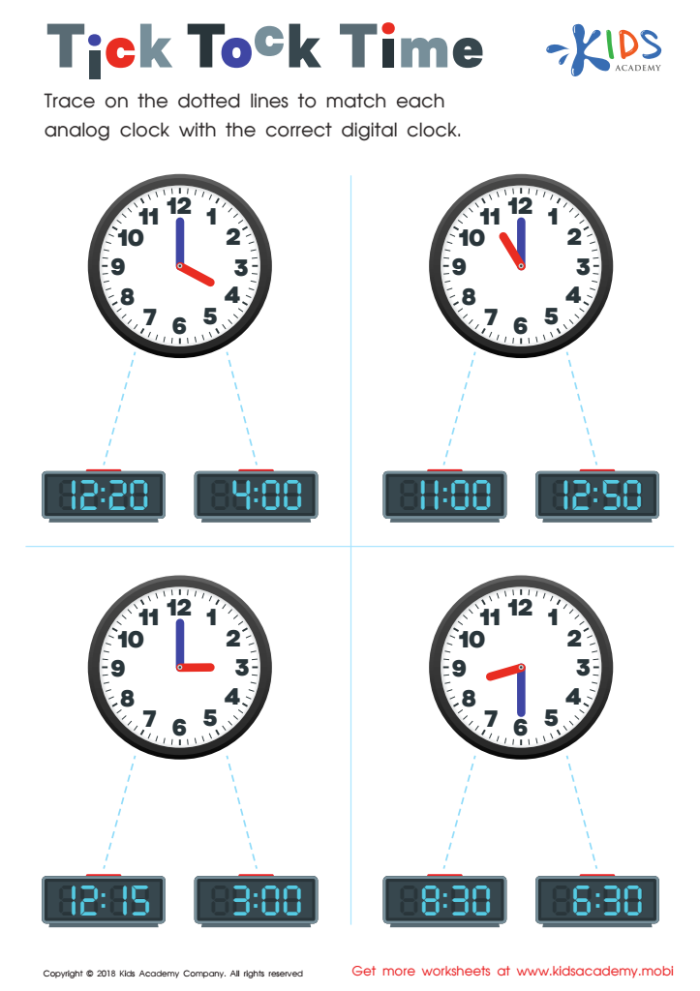
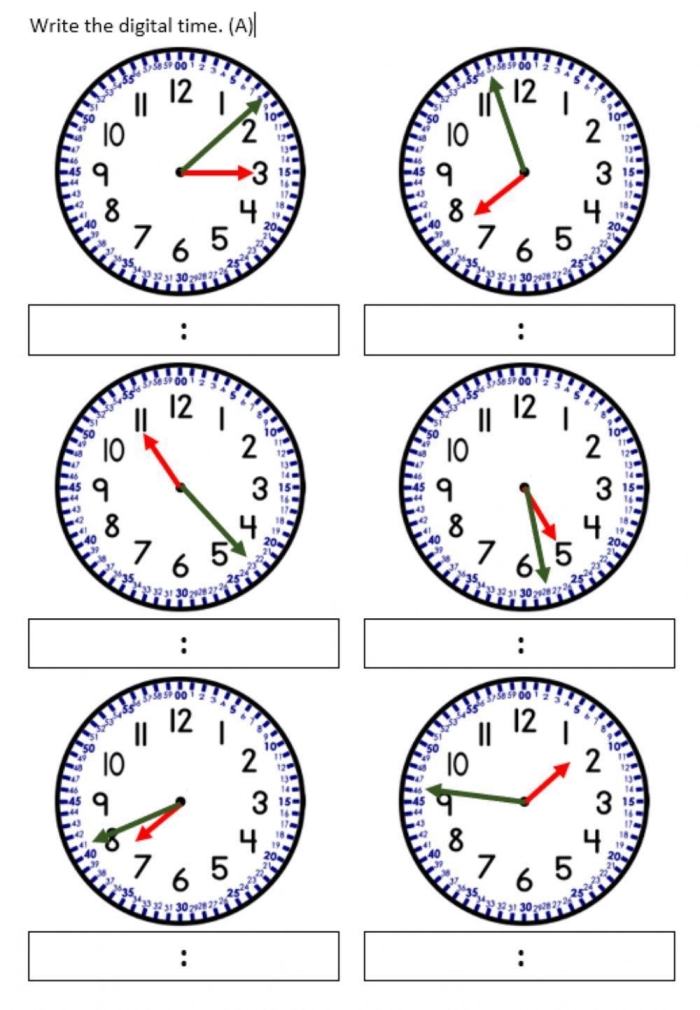
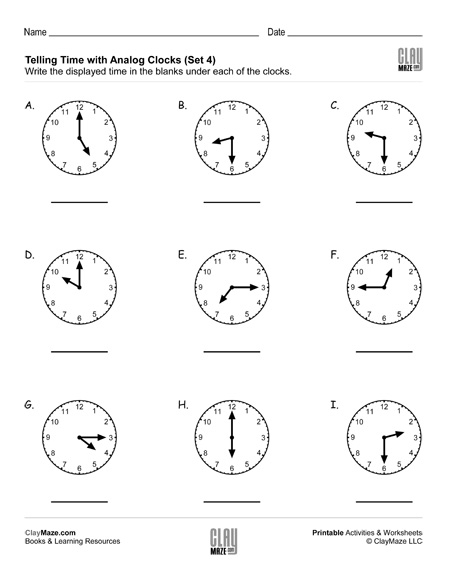
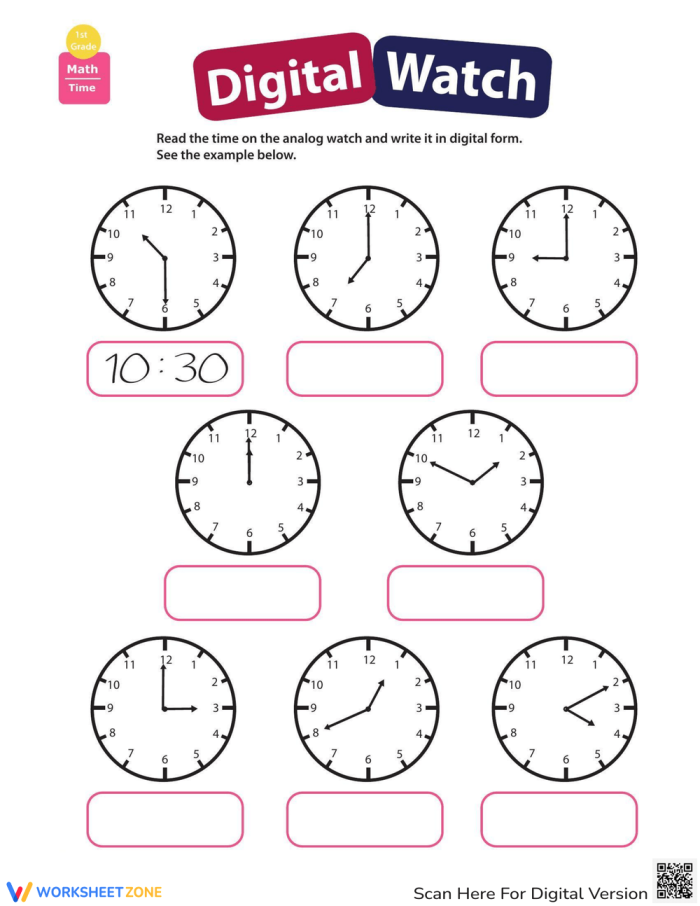
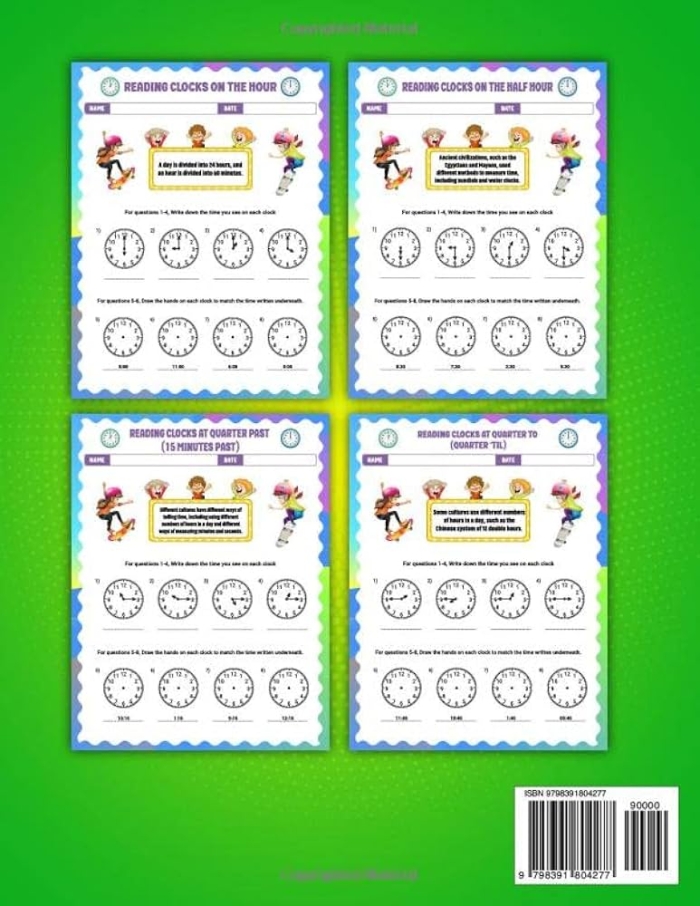
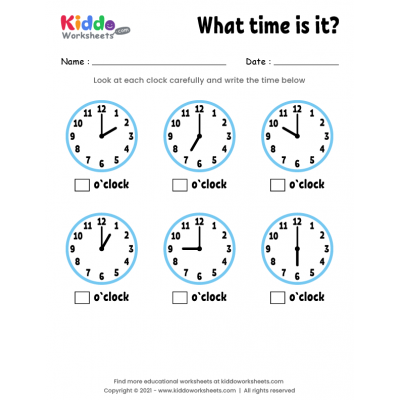
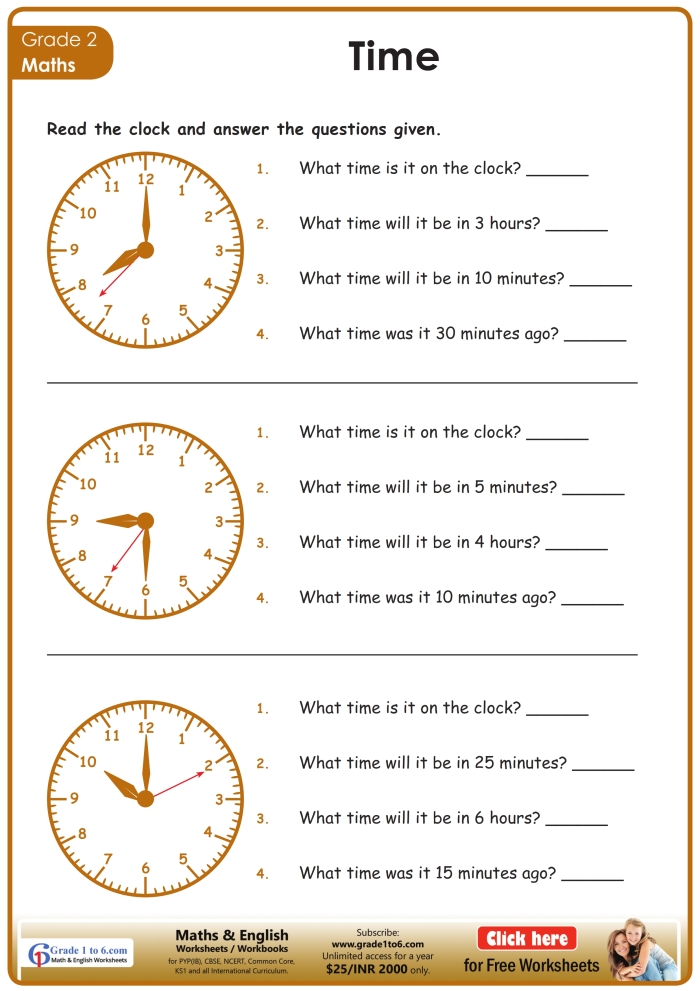
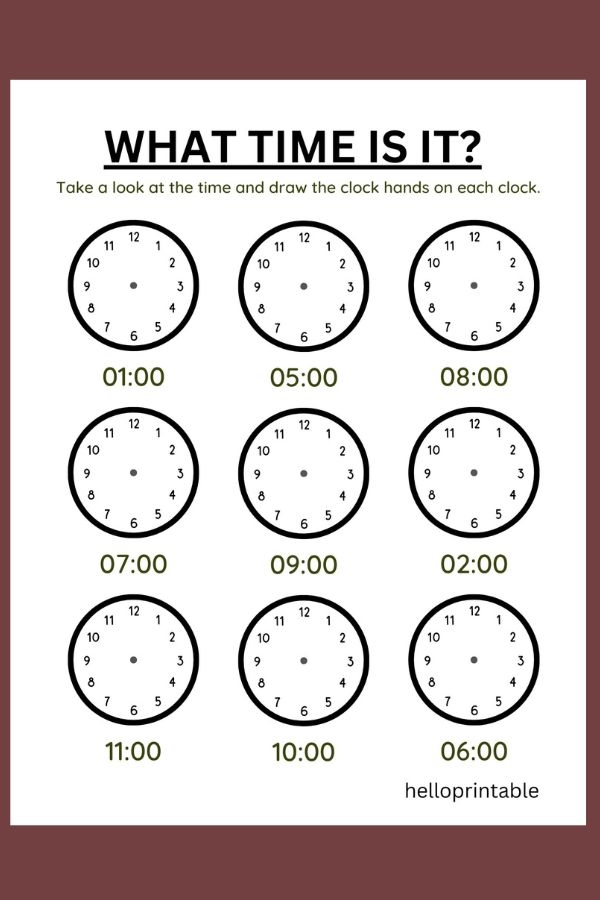
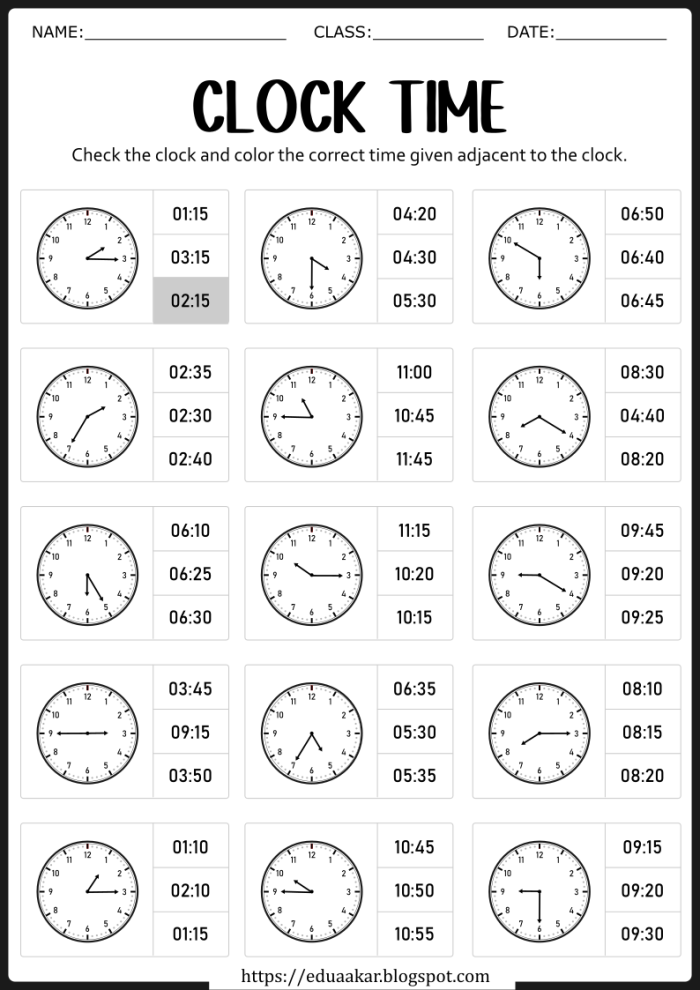
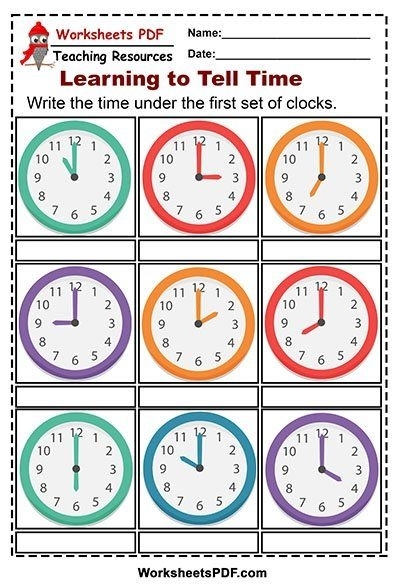
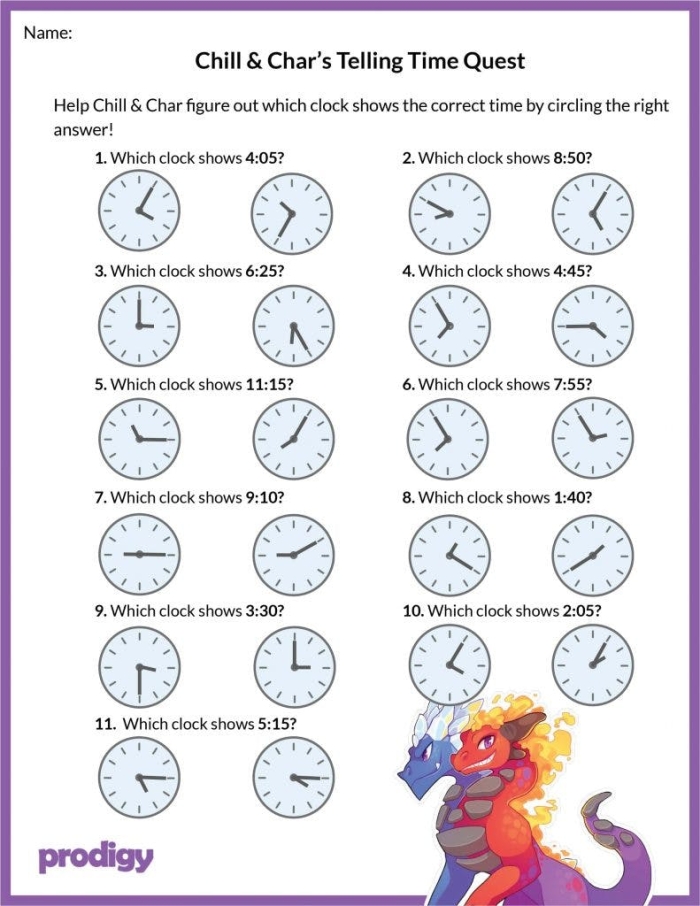
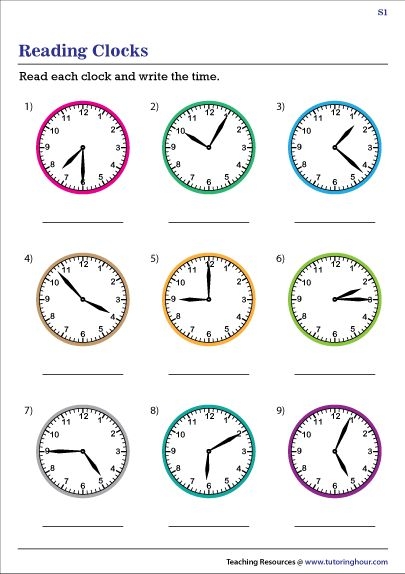
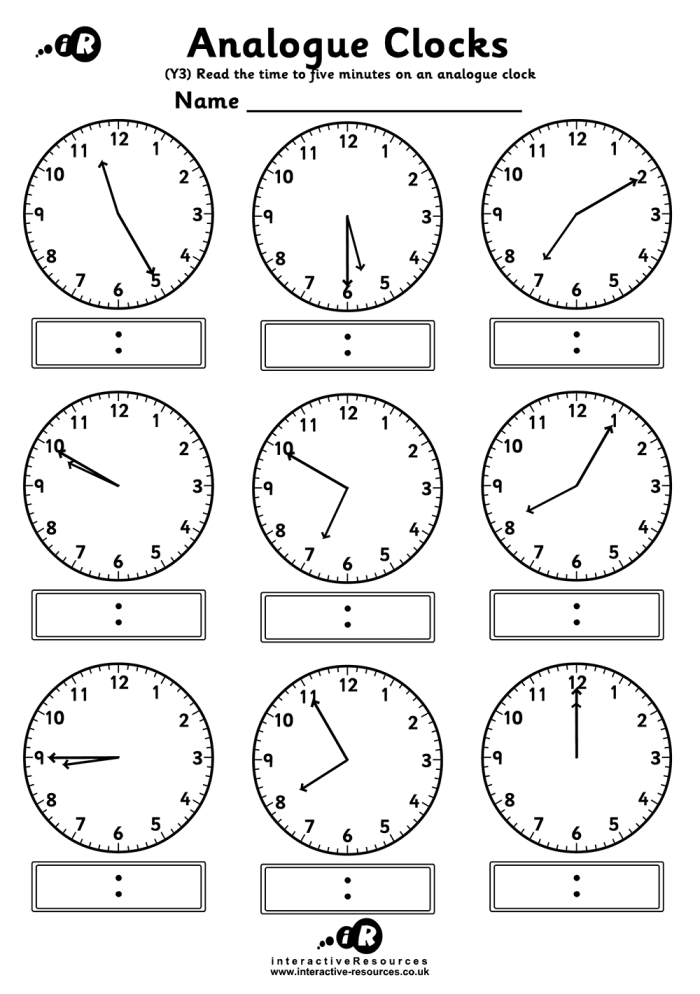
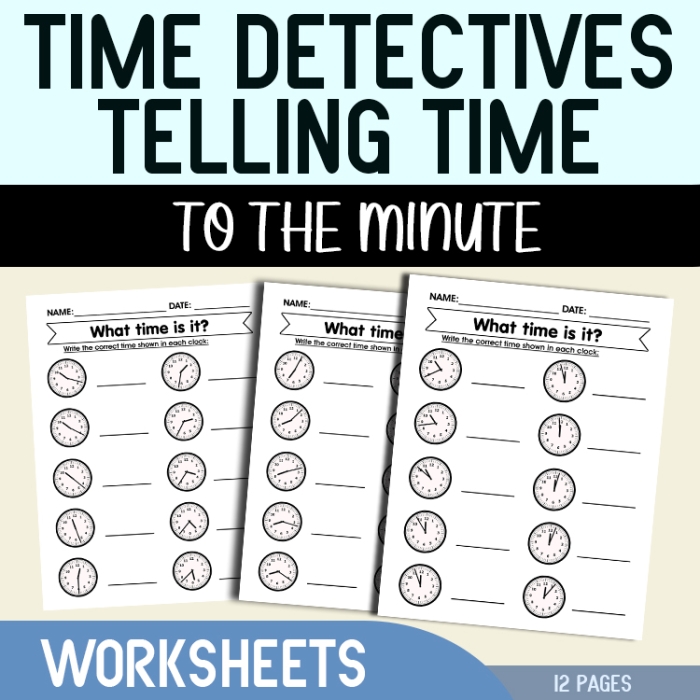
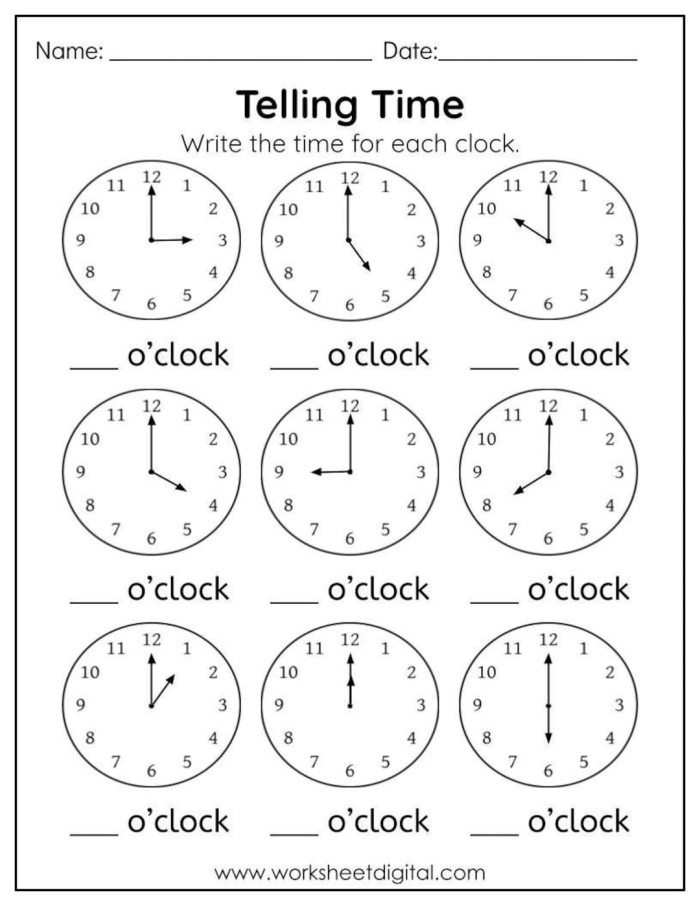
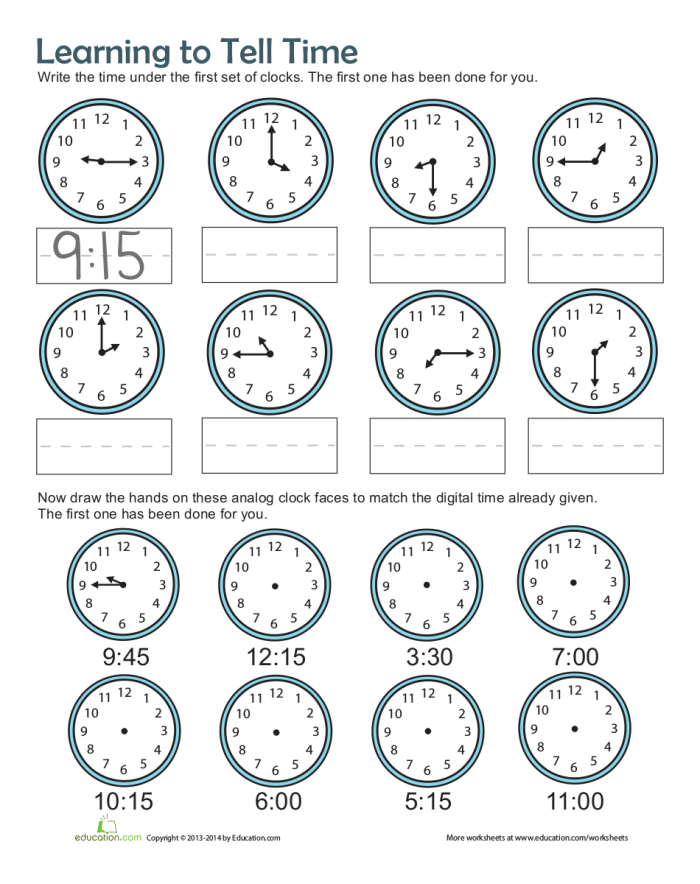
Structured practice worksheets guide children through this learning process step by step. Rather than jumping straight to random times, effective worksheets often start with quarter hours and half hours, then gradually introduce five-minute intervals. Some worksheets pair clock faces with digital time displays, helping kids make the connection between the two formats.
For first graders working on time and money concepts, consistent practice with a quality worksheet removes the guesswork from teaching this skill at home or in the classroom. When children tackle the same type of problem multiple times with slight variations, they build the confidence needed to eventually read any clock without hesitation. That’s when telling time finally clicks.
Resources like math maze worksheets combining time and money practice can make this repetition feel less like drilling and more like problem-solving.
Practice with These Worksheets