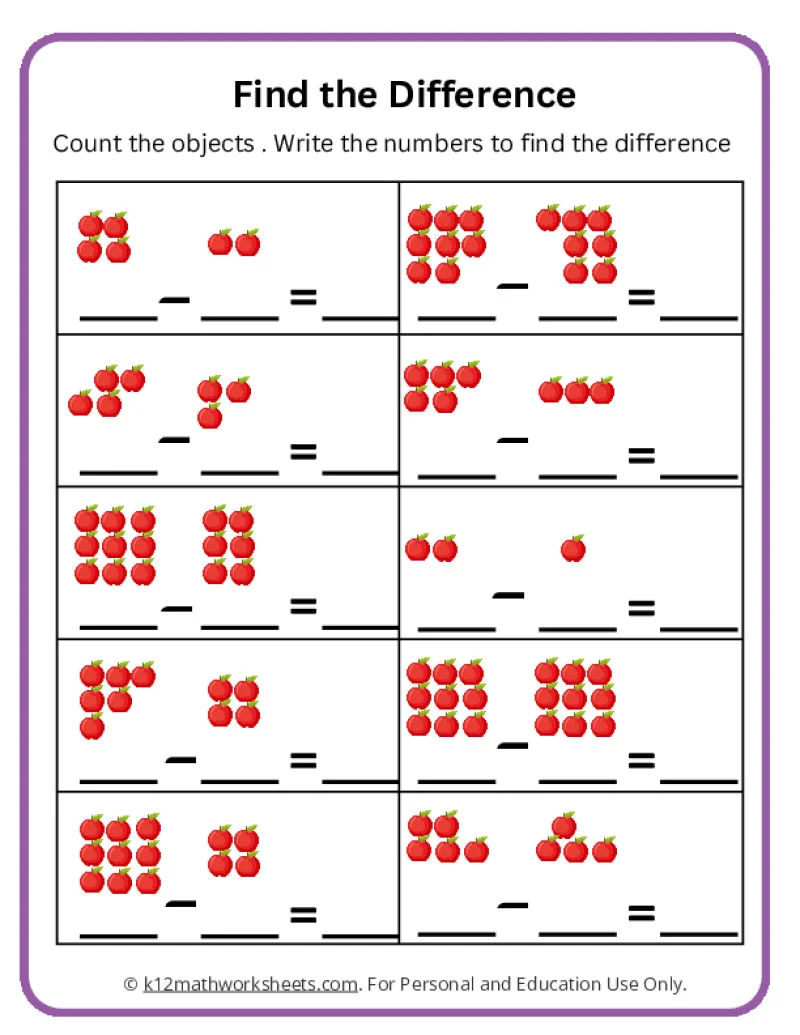
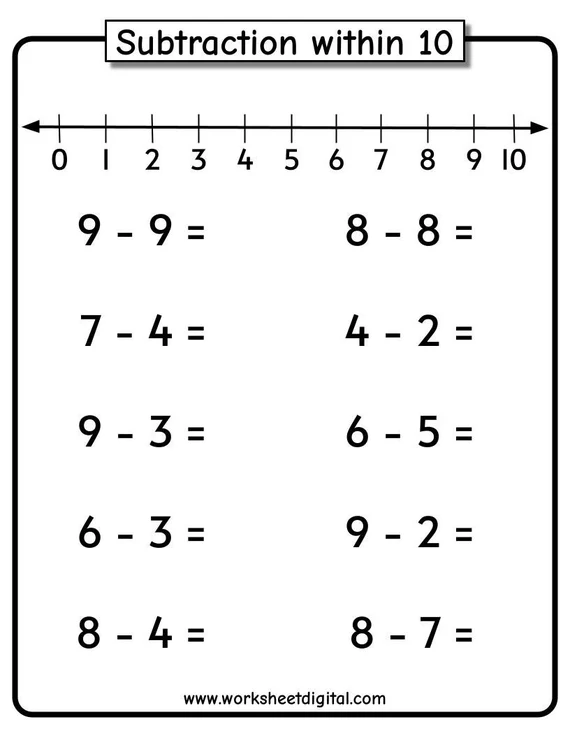
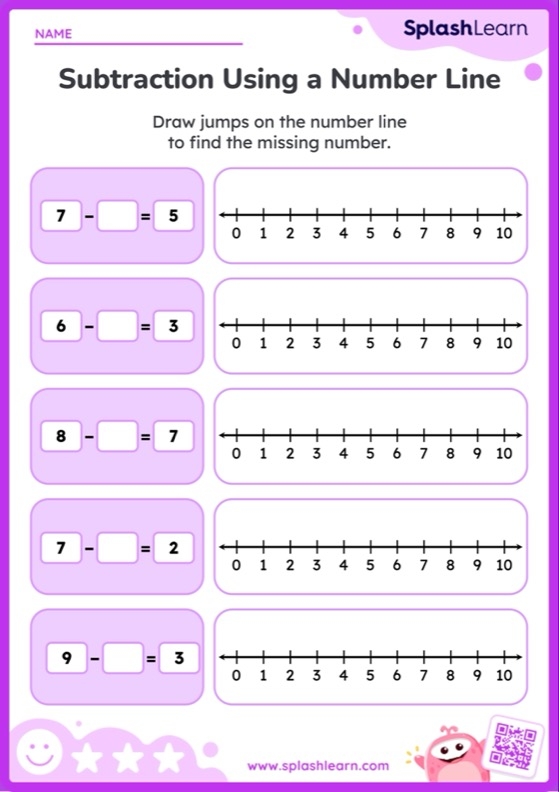
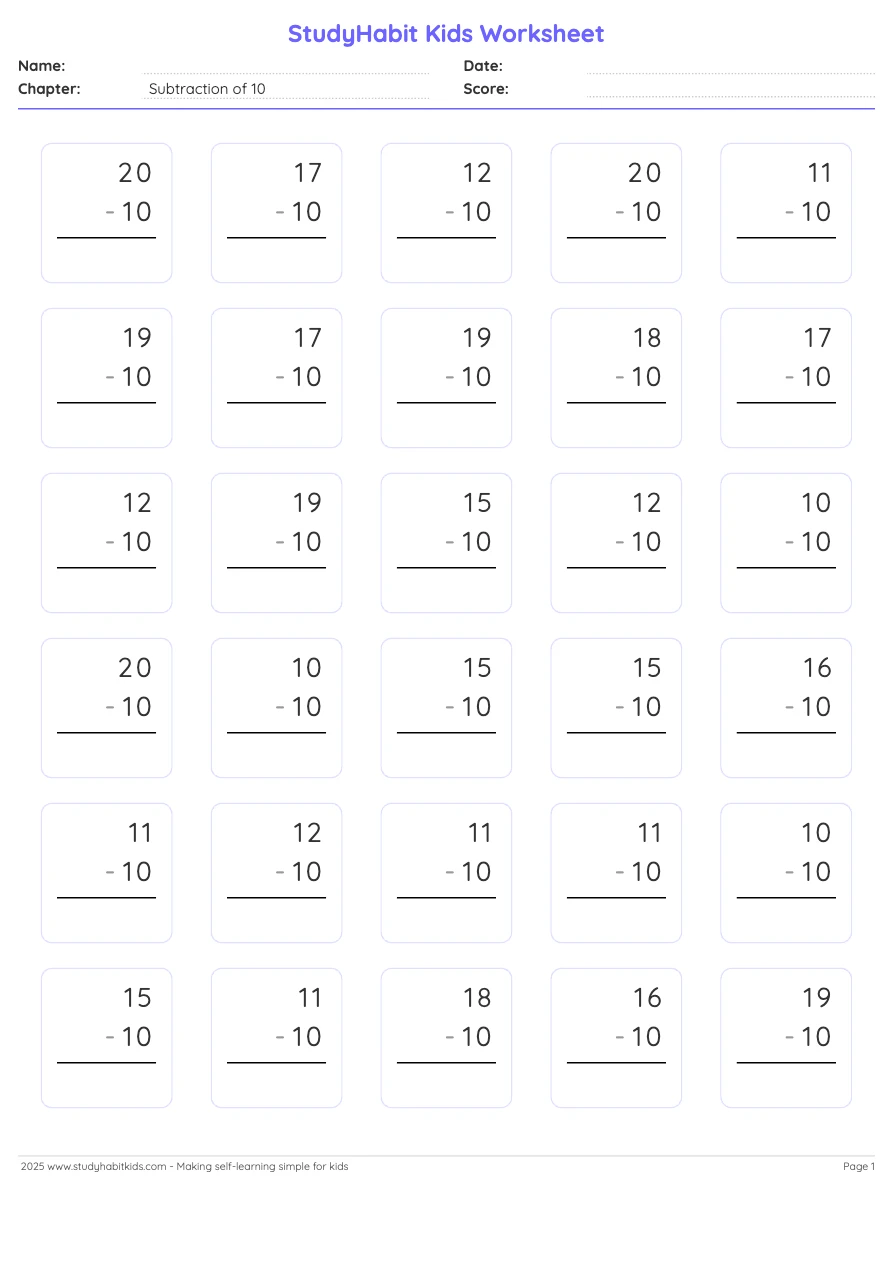
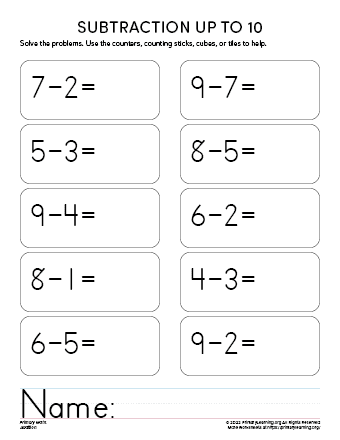
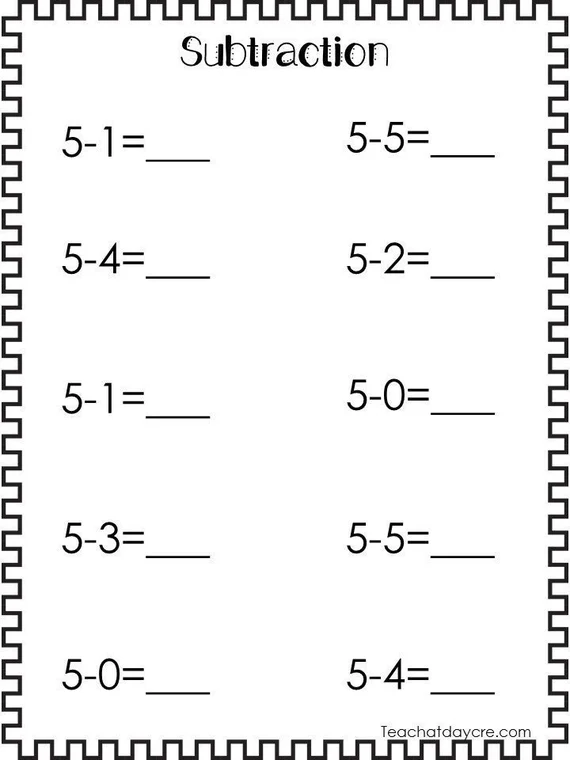
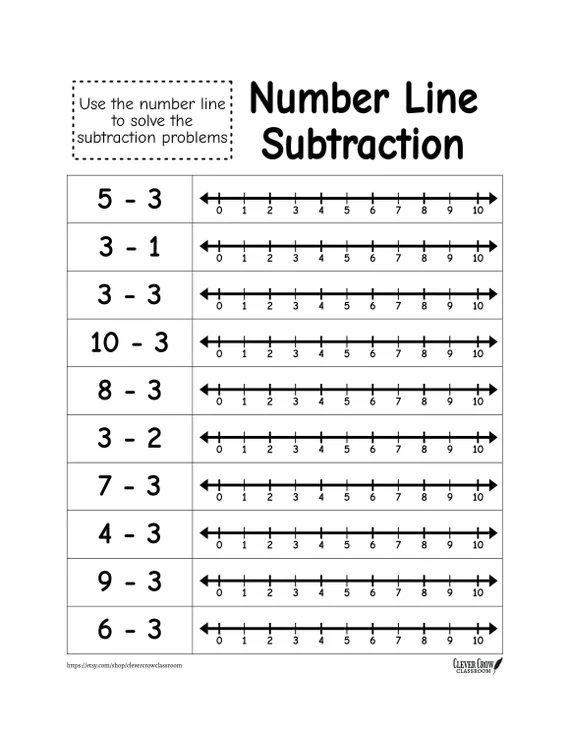
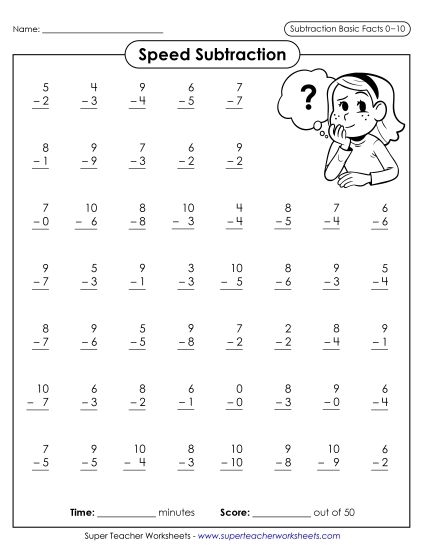
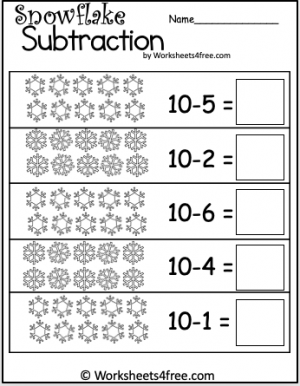
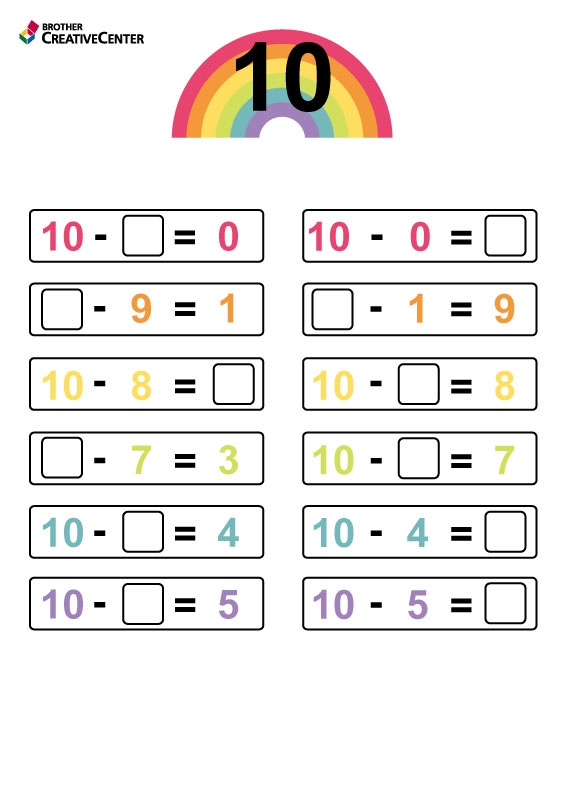
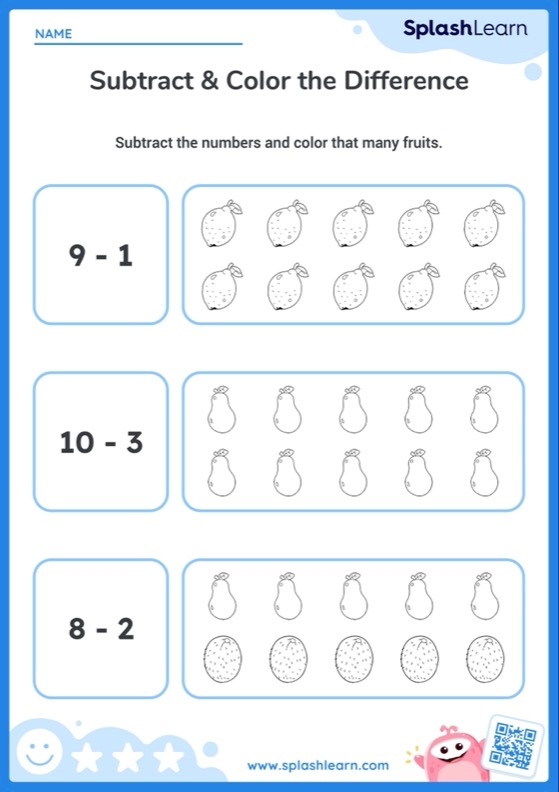
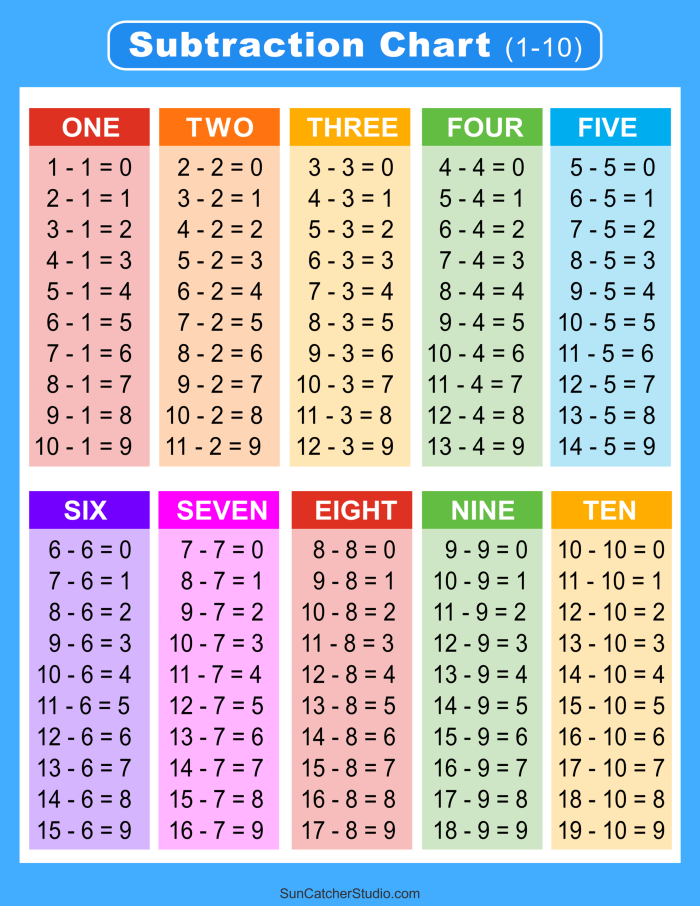
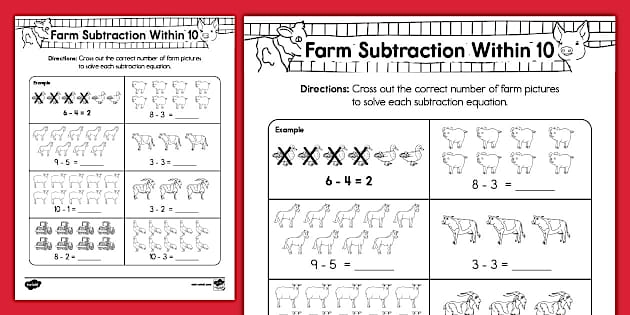
When kindergarten students first encounter subtraction, crossing out objects on a worksheet is one of the most direct ways to understand what “taking away” actually means. This cross-out method transforms an abstract concept into something concrete and visual, helping young learners see exactly what happens when you remove items from a group.
The beauty of this approach lies in its simplicity. A child sees five apples drawn on the page, crosses out two of them, and counts what remains. That physical act of marking through images creates a mental connection that numbers alone cannot provide. For kindergarten learners who are still developing abstract thinking skills, this tactile and visual feedback is essential.
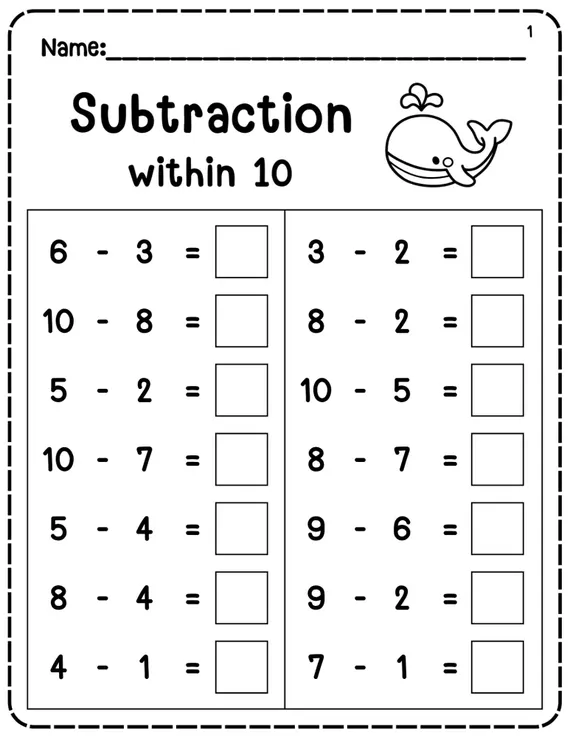
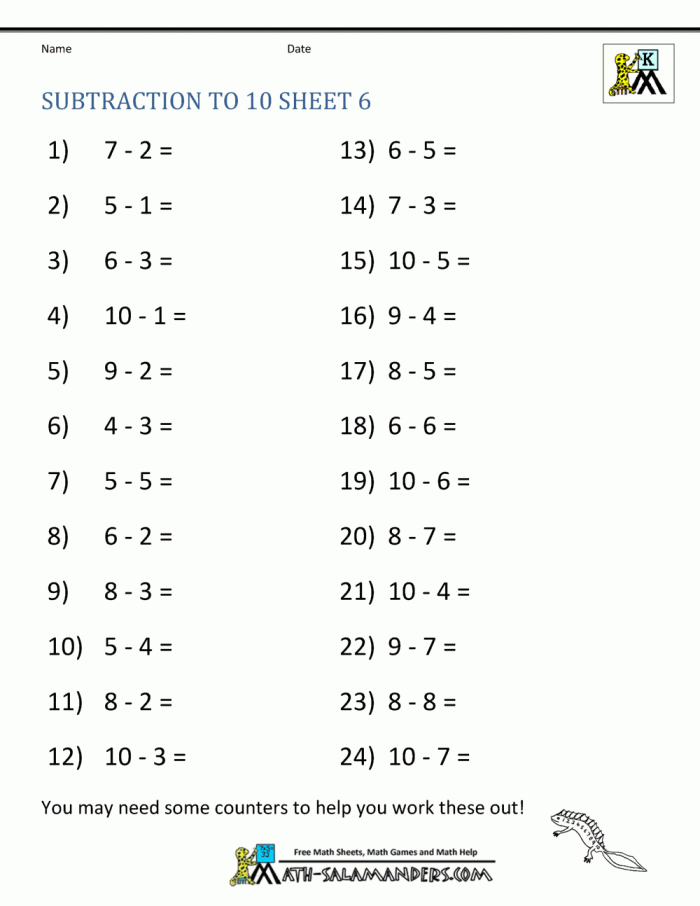
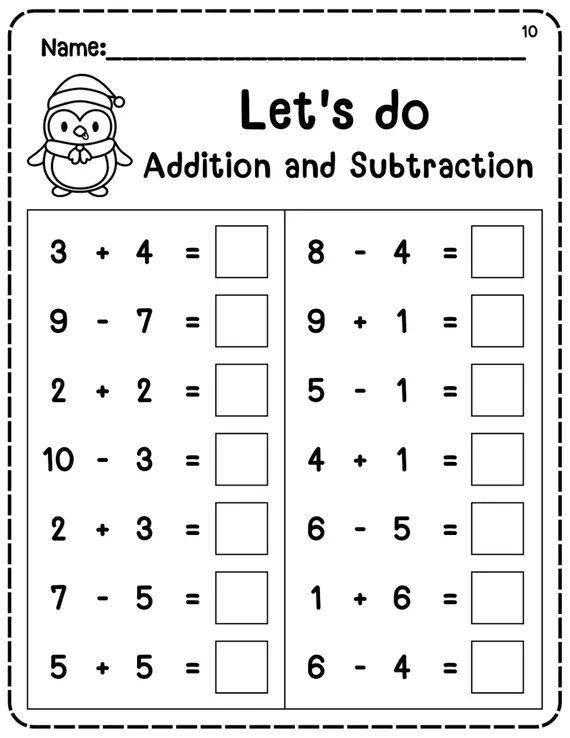
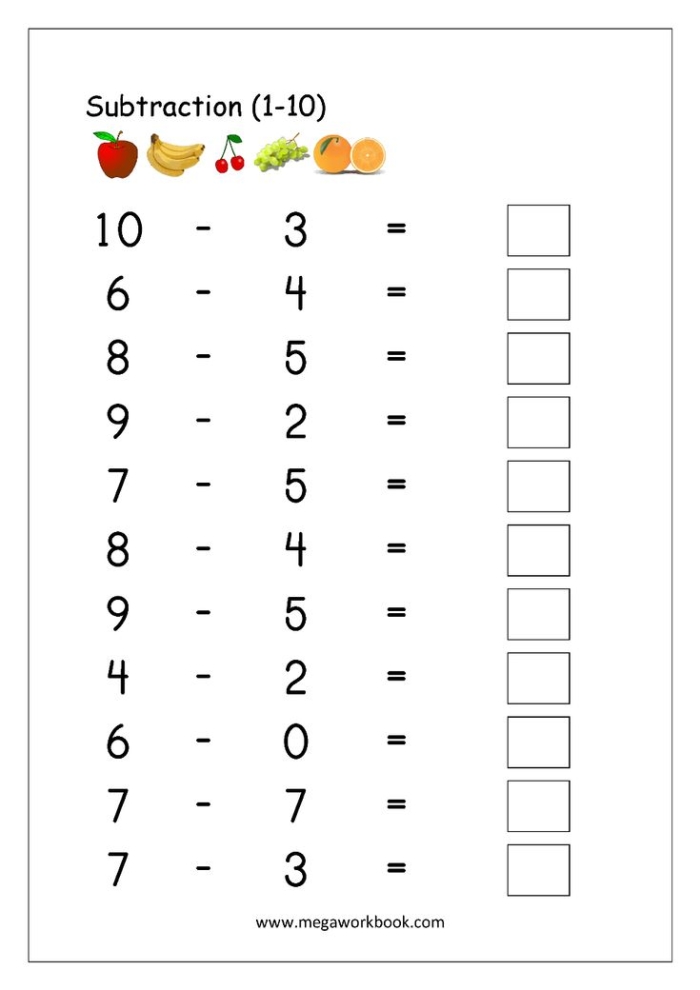
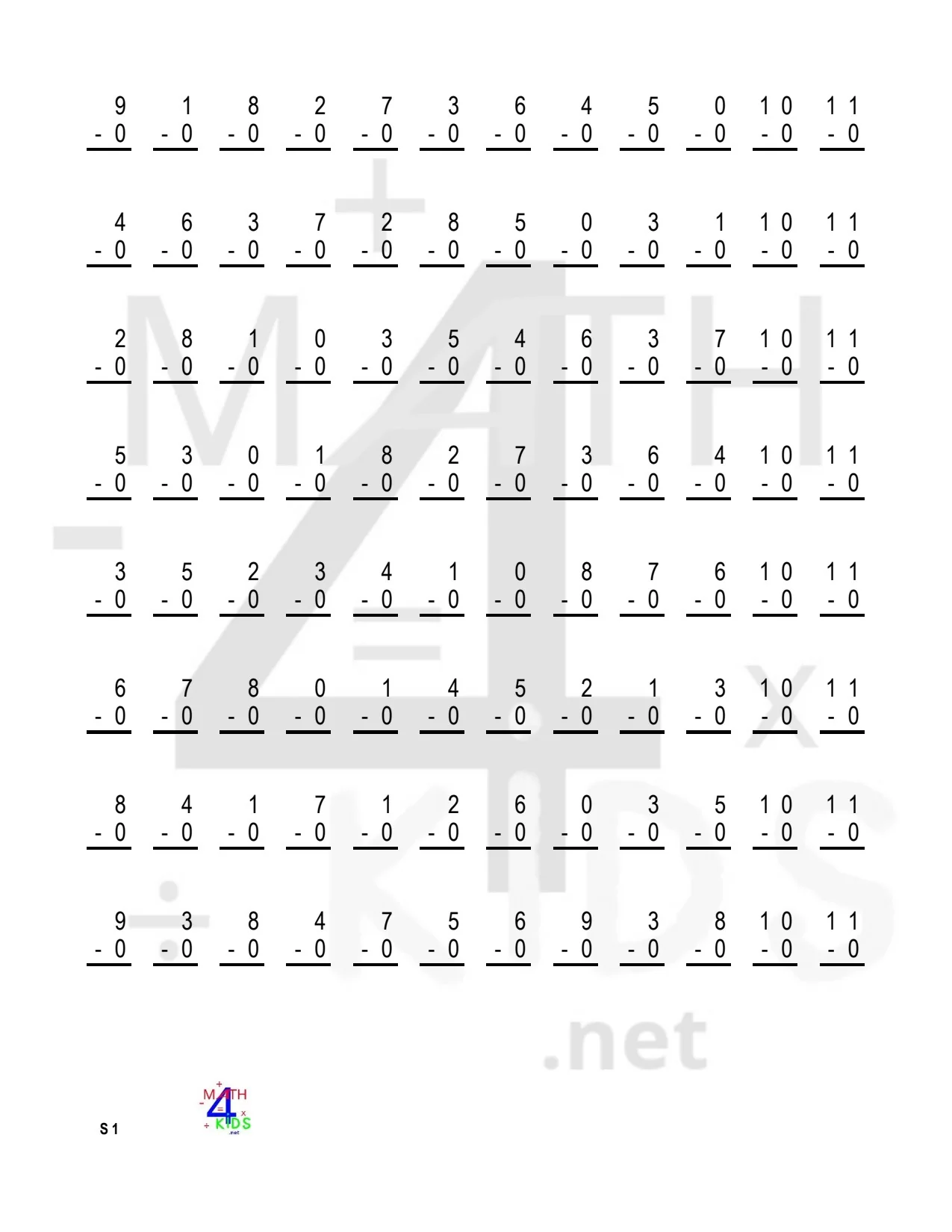
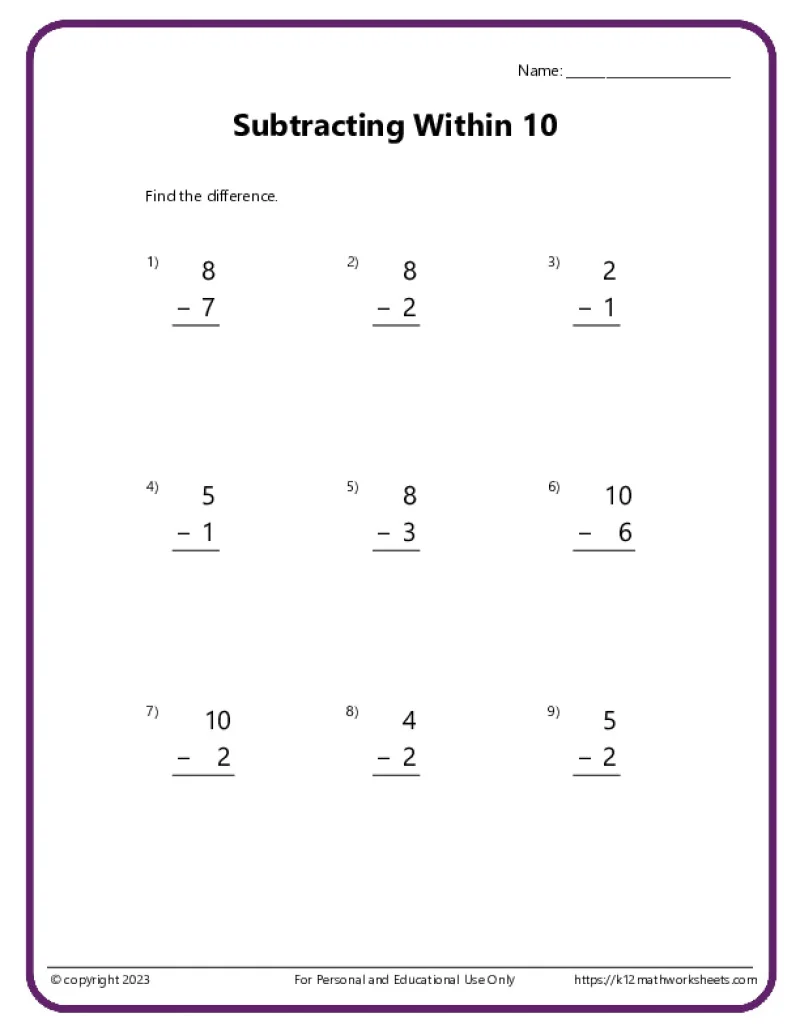
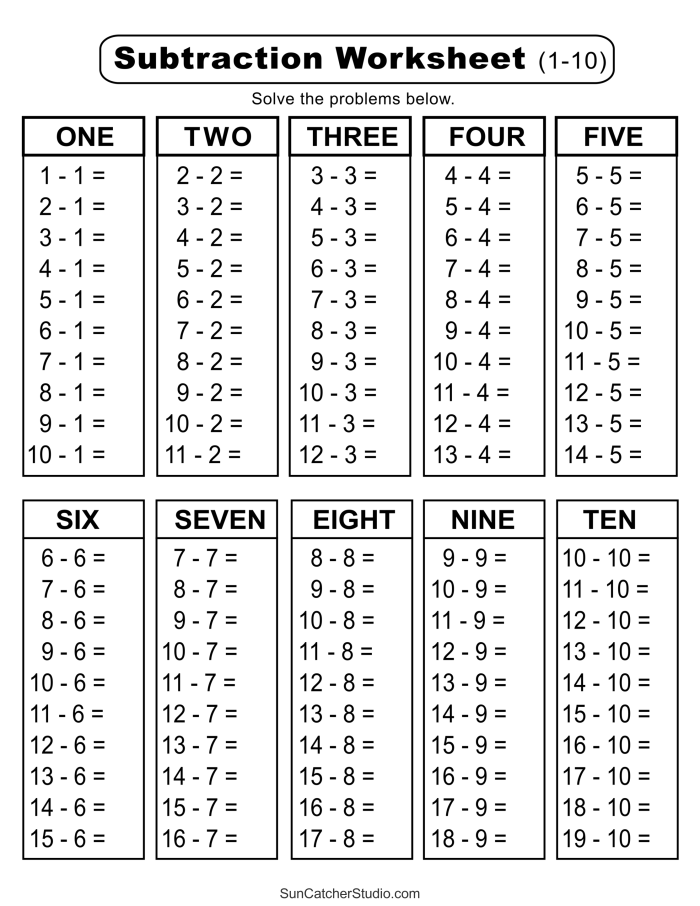
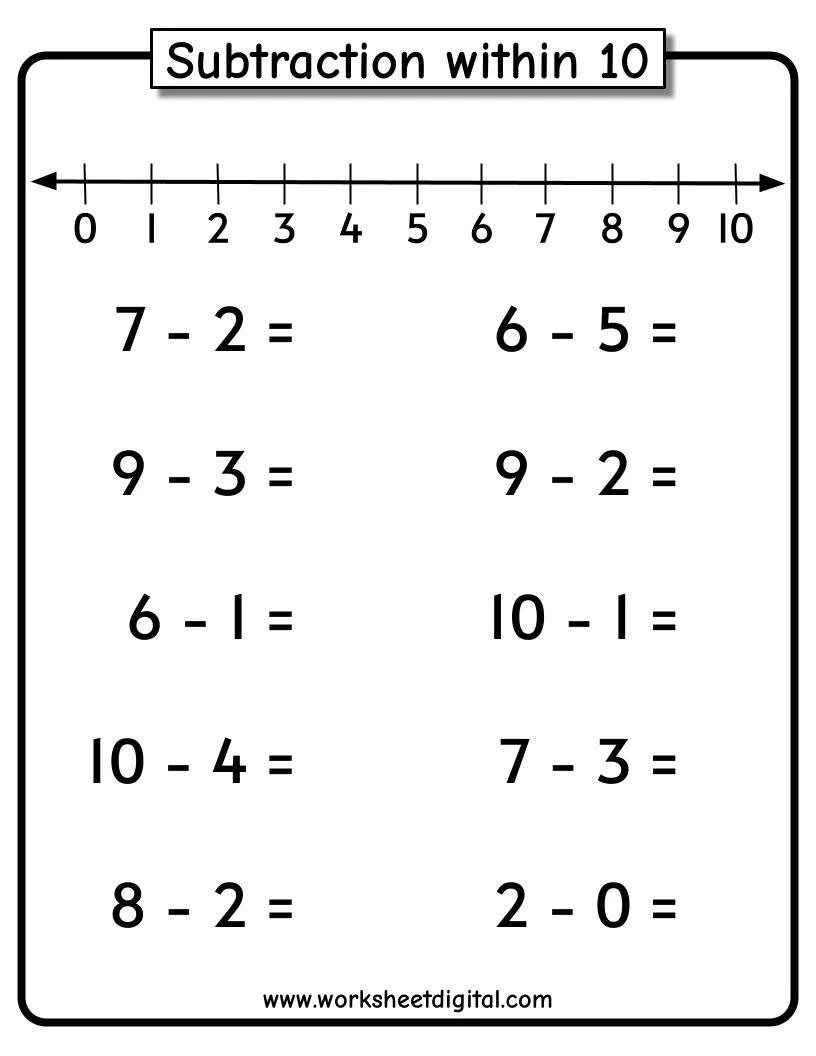
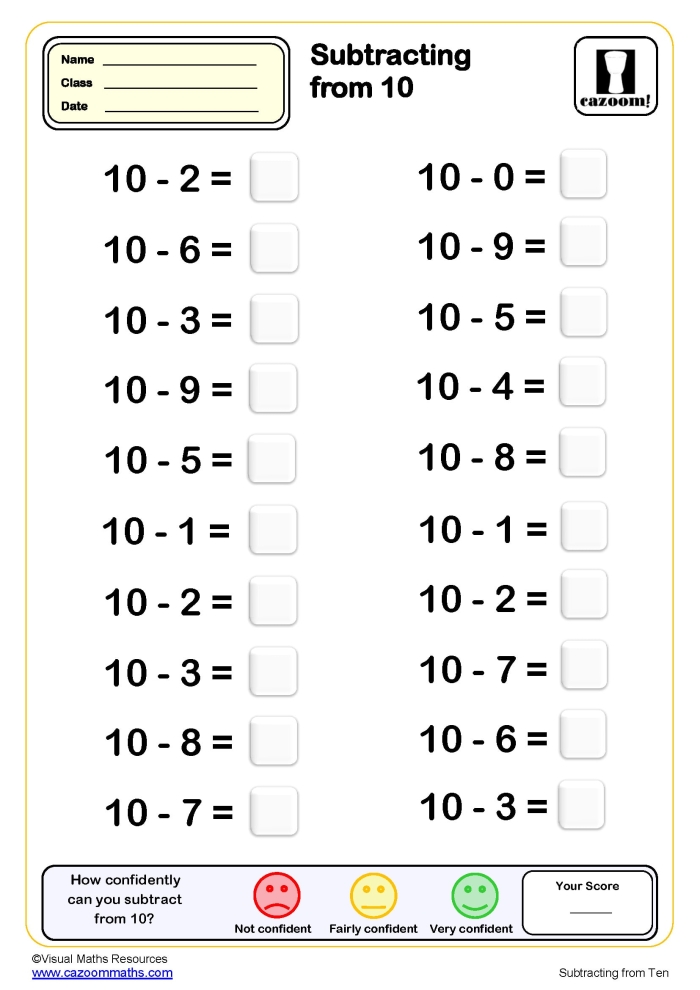
Cross-out worksheets work particularly well for subtraction to 10 because the numbers stay manageable and the pictures remain large enough for small hands to mark clearly. Most worksheets present simple scenarios: a group of objects at the top, a number to subtract written below, and space for the child to cross out and write the answer. The repetition across multiple problems builds confidence and fluency without overwhelming young learners.
You can pair these subtraction activities with other foundational skills. While working through subtraction problems, incorporate sight word recognition by having students identify simple words like “take away” or “left.” You might also combine this with rhyming activities during the same lesson block to keep engagement high and learning varied.
The cross-out method also encourages students to self-check their work. If a child counts wrong, they can recount the remaining uncrossed items and verify their answer. This builds mathematical reasoning from the very beginning, teaching kindergarteners that math involves checking and confirming, not just guessing.
Worksheet Practice Section