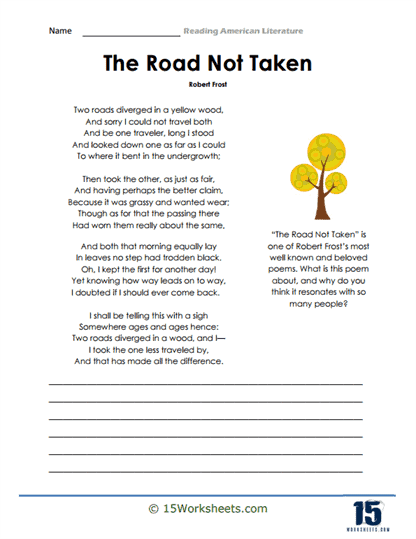
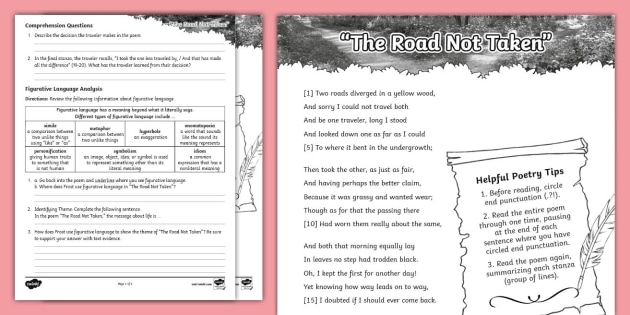
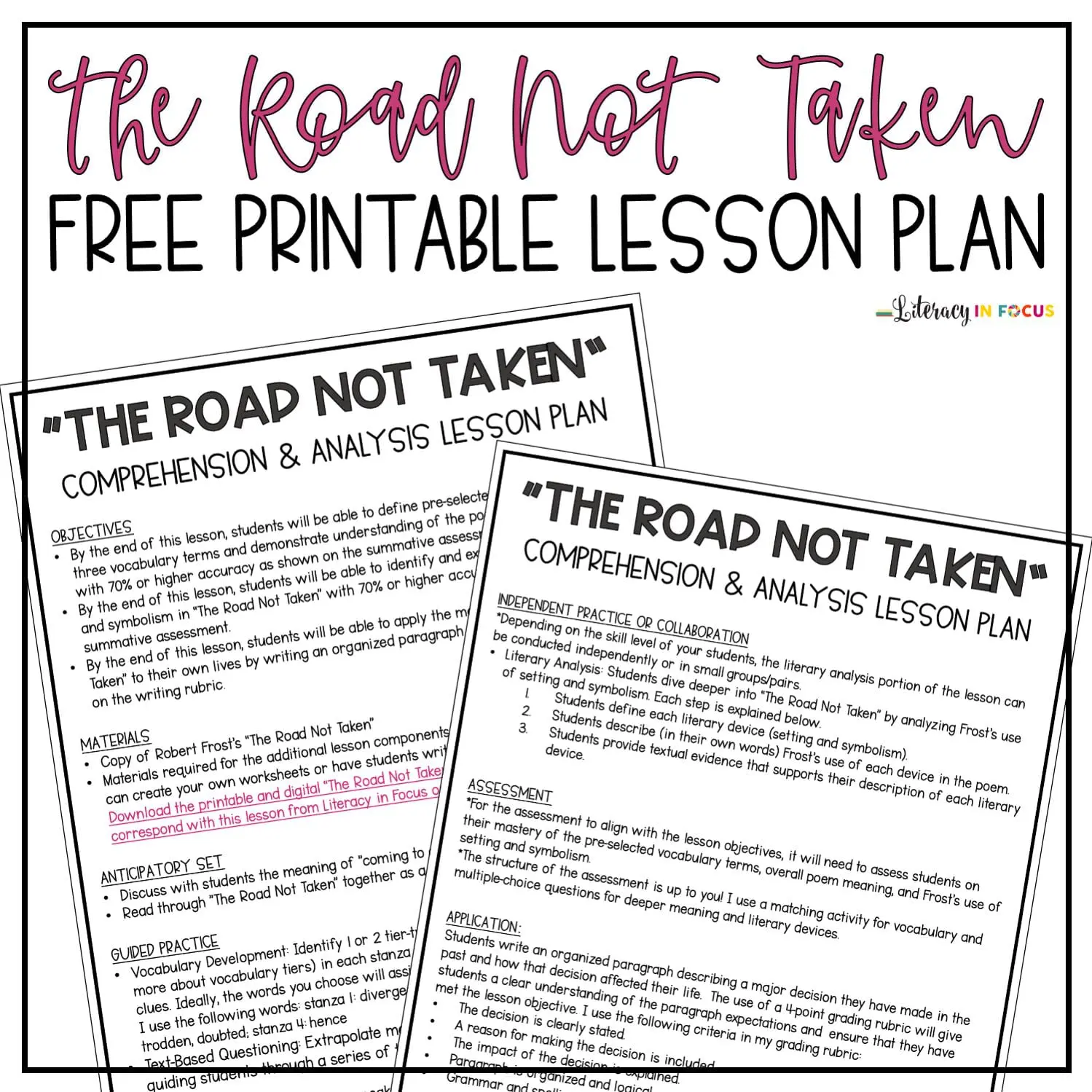
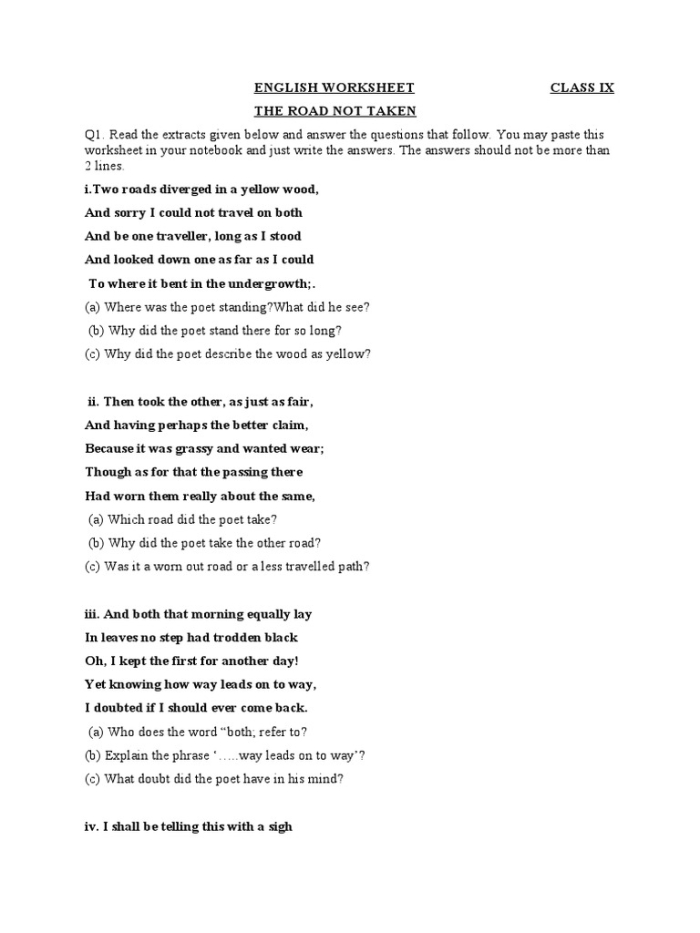
Robert Frost’s “The Road Not Taken” offers sixth grade students a perfect entry point into reading poetry with genuine depth. The poem’s accessible language masks layers of meaning that reward close reading, making it ideal for developing comprehension skills that extend far beyond surface-level understanding.
When students encounter this 1916 poem, they’re working with concrete imagery and a clear narrative voice, yet the poem demands they think critically about what the speaker actually means. This tension between simplicity and complexity teaches readers to ask questions: Why does the speaker pause at a fork in the road? What does “the road less traveled by” really represent? These aren’t trick questions with hidden answers, but genuine interpretive challenges that push sixth graders to support their thinking with textual evidence.
The poem’s four stanzas follow a consistent rhyme scheme and meter, giving students structural patterns to track while reading. This combination of form and content helps readers develop annotation habits. They can mark where the tone shifts, underline words that create vivid images, and note how the final stanza circles back to earlier ideas with new weight.
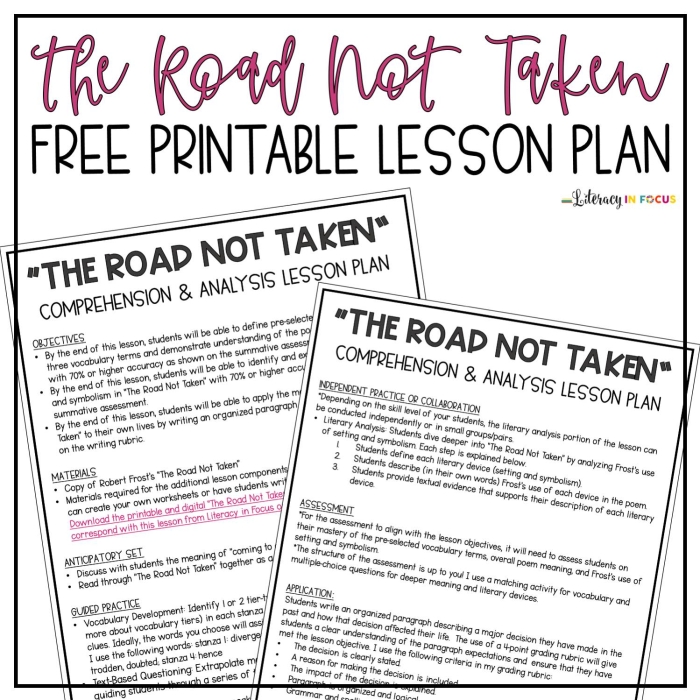
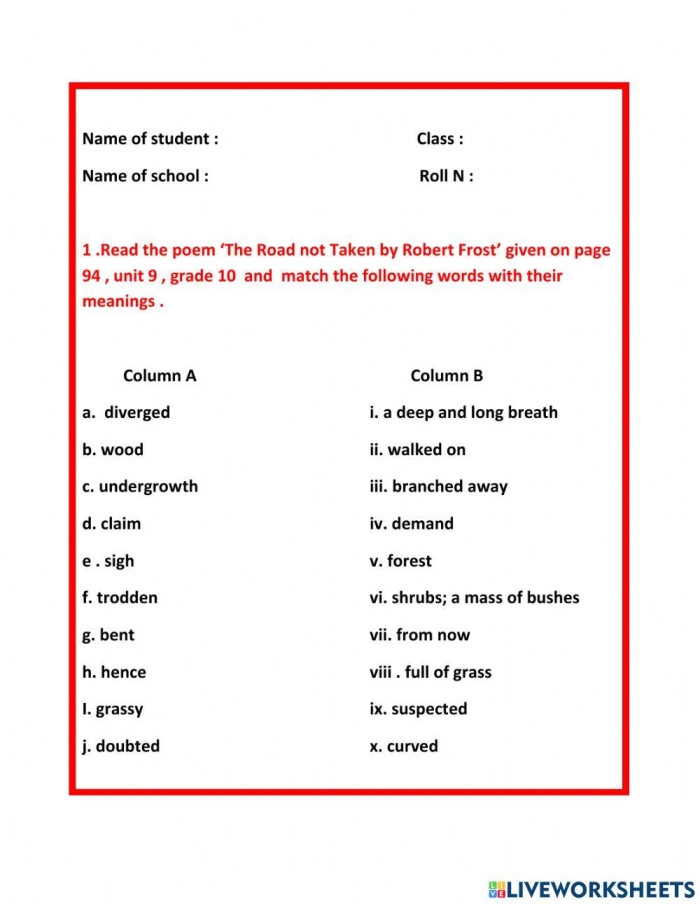
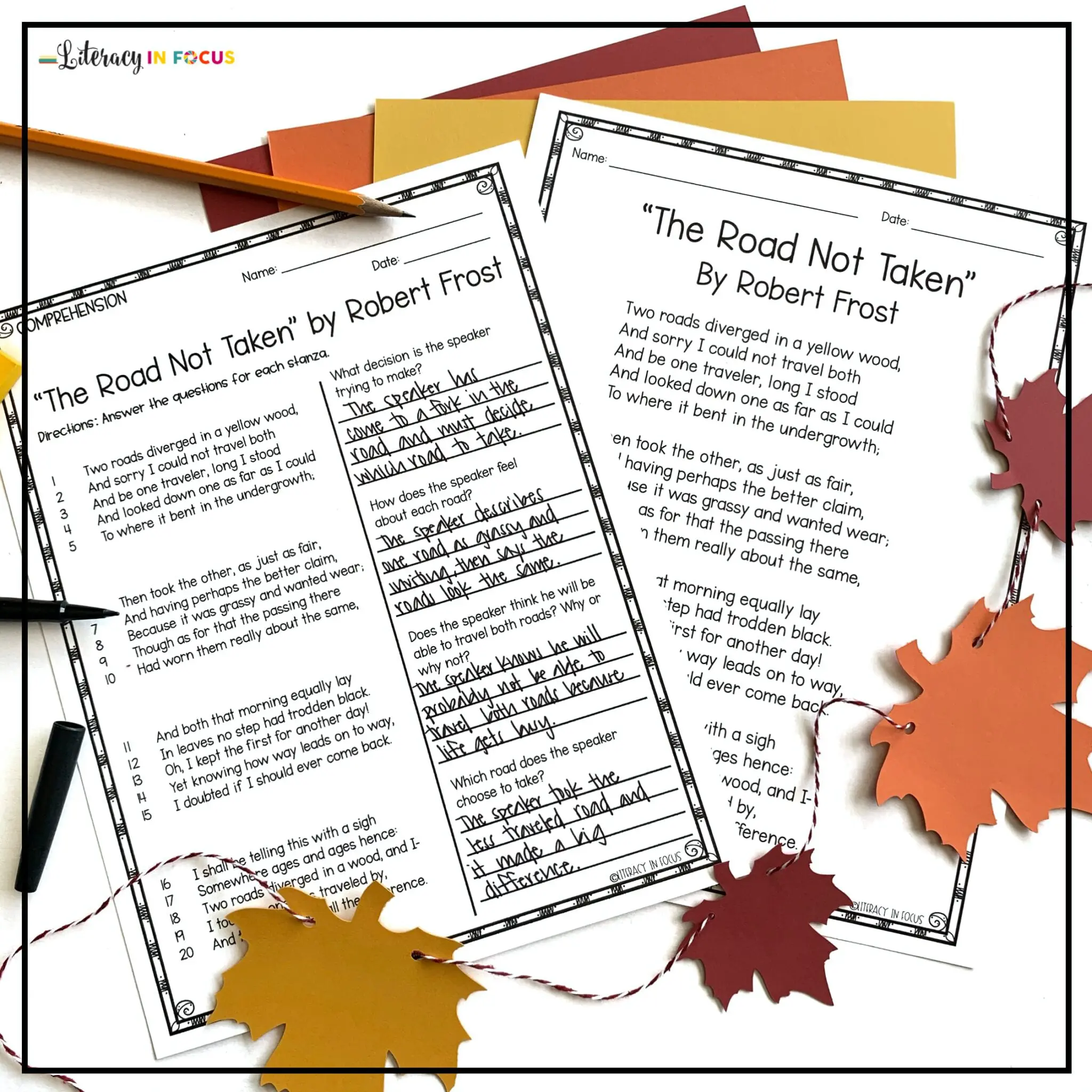
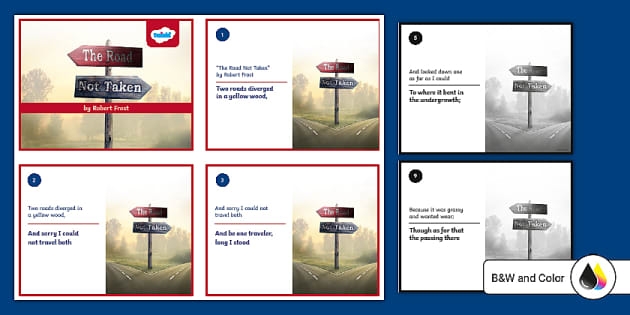
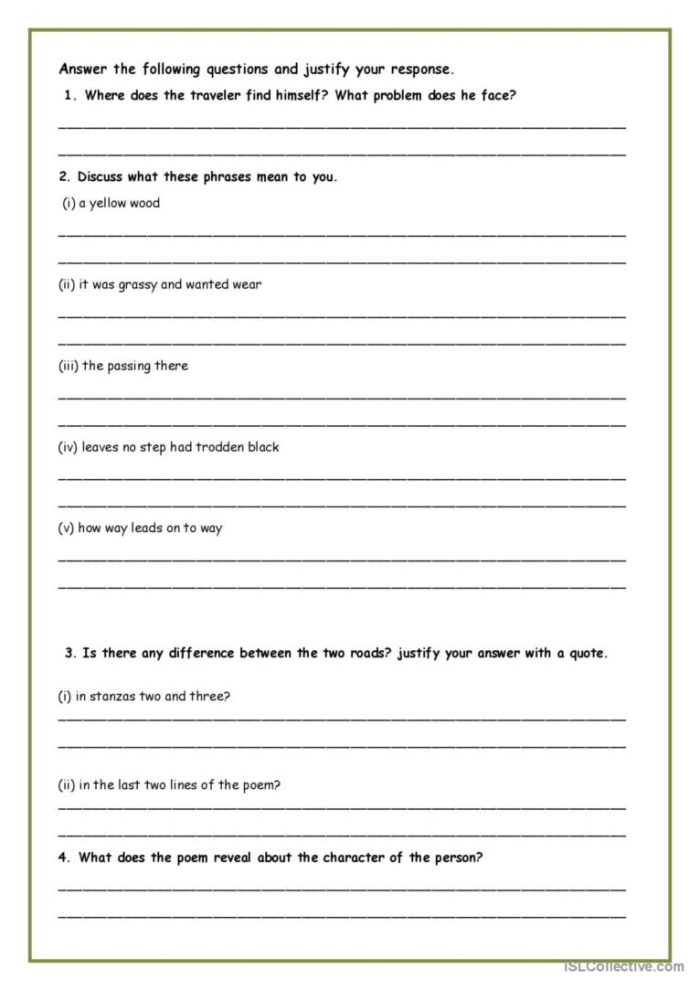
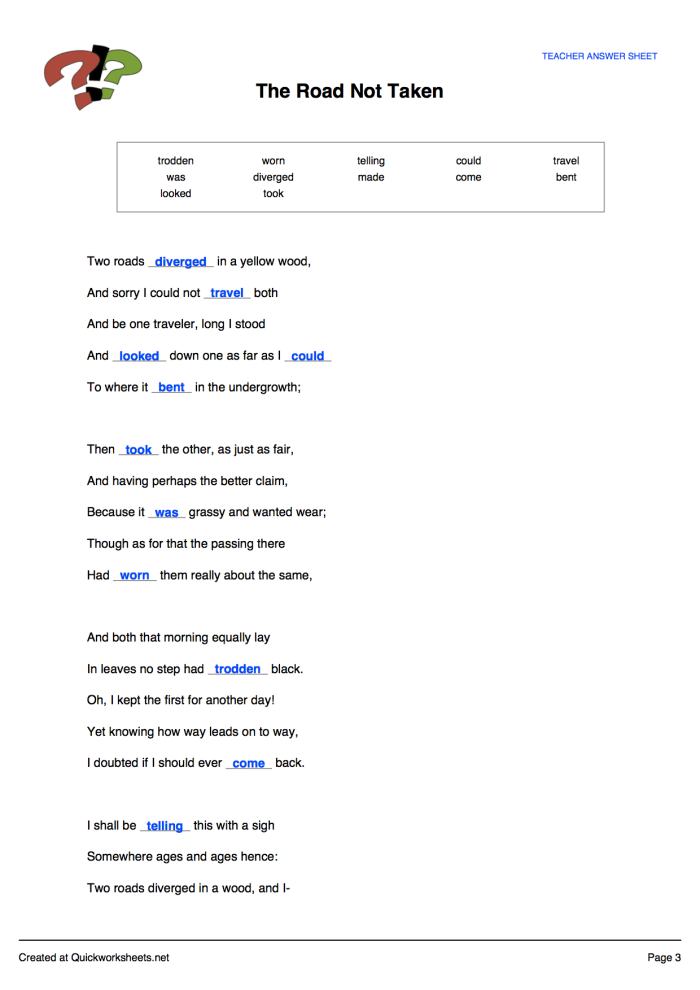
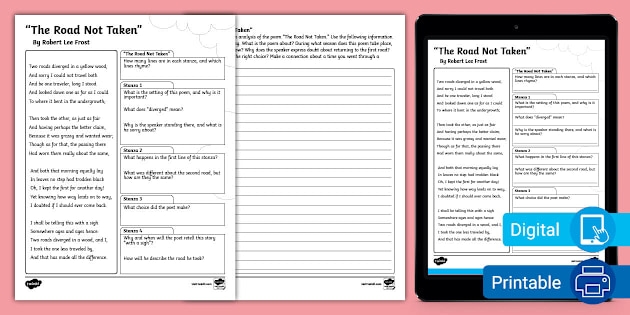
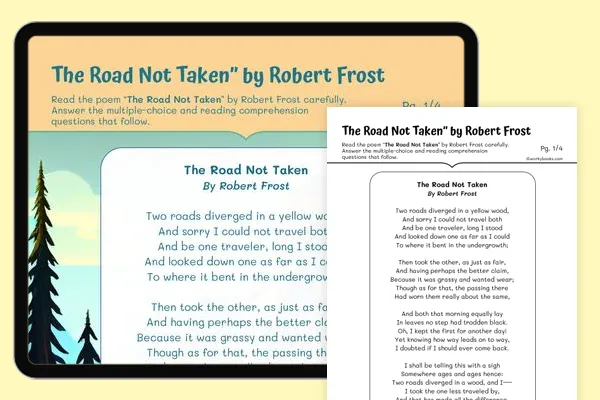
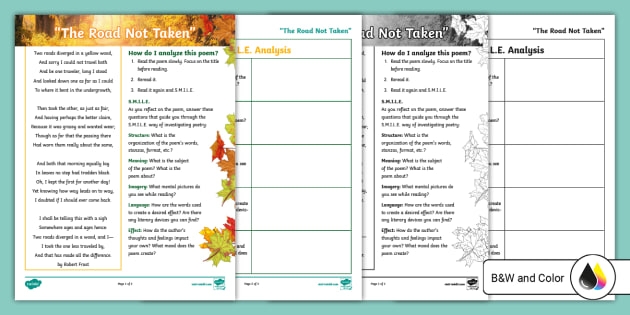
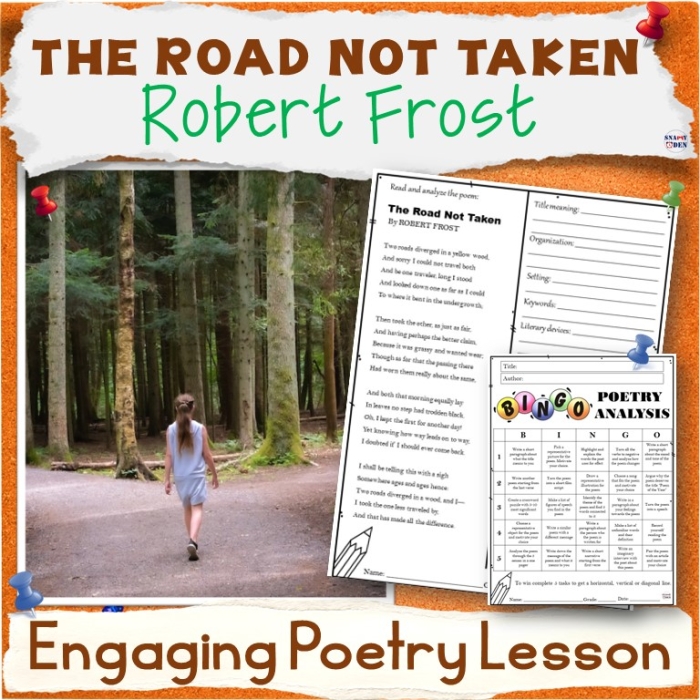
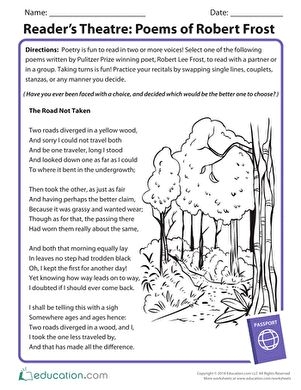
Pairing “The Road Not Taken” with interactive activities strengthens comprehension further. Students benefit from examining how word choice creates meaning, comparing their interpretations through discussion, and responding to prompts about the speaker’s decision-making process. Resources like a literary response prompt focused on theme help students articulate their understanding in writing.
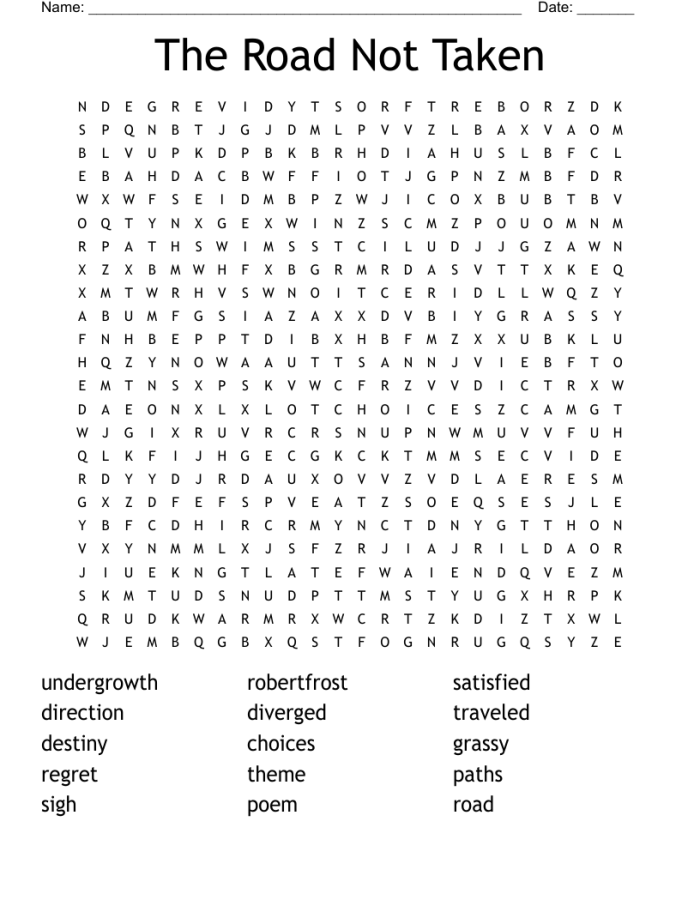
The poem also connects naturally to broader literacy work. Students reading poetry develop stronger vocabulary recognition and learn to slow down their reading pace, skills that transfer to other texts. For those working on related academic areas, exploring how the speaker weighs options in “The Road Not Taken” parallels the logical thinking involved in solving logic puzzles.
Frost’s poem endures in classrooms because it genuinely rewards the reading strategies sixth graders are beginning to develop, offering real comprehension challenges rather than simplified versions of complex ideas.
Boost Skills with These Worksheets