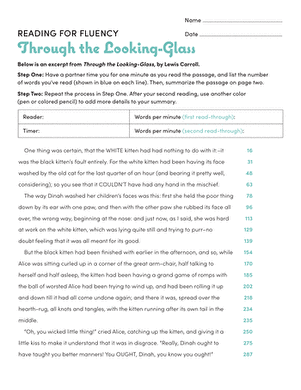
Lewis Carroll’s Through the Looking-Glass offers fourth grade readers a surprising entry point into fluency practice. The whimsical language and absurdist logic of Carroll’s writing creates natural opportunities for students to slow down, notice how words sound together, and grapple with meaning in ways that straightforward texts simply don’t demand.
When fourth graders encounter passages from this classic, they’re working with sentence structures that feel different from their everyday speech. Carroll layers wordplay, unusual phrasing, and conceptual shifts throughout the narrative. This forces readers to engage more actively with the text rather than passively moving their eyes across the page. A student reading “All this time the Guard was looking at her, first through a telescope, then through a microscope, then through an opera-glass” must parse not just individual words but the rhythm and repetition that make the passage memorable.
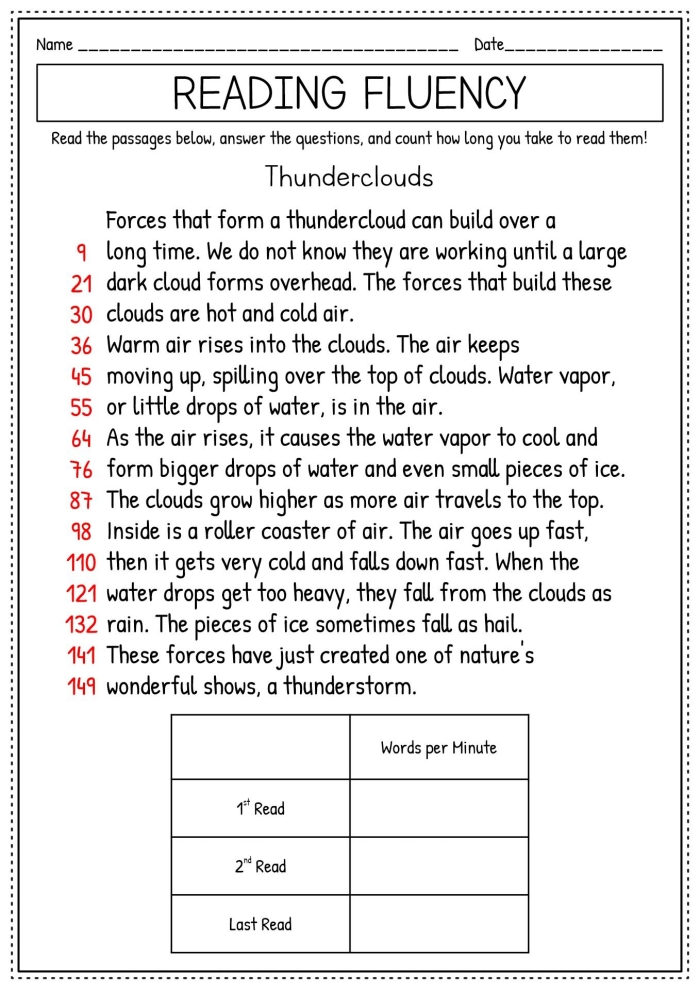
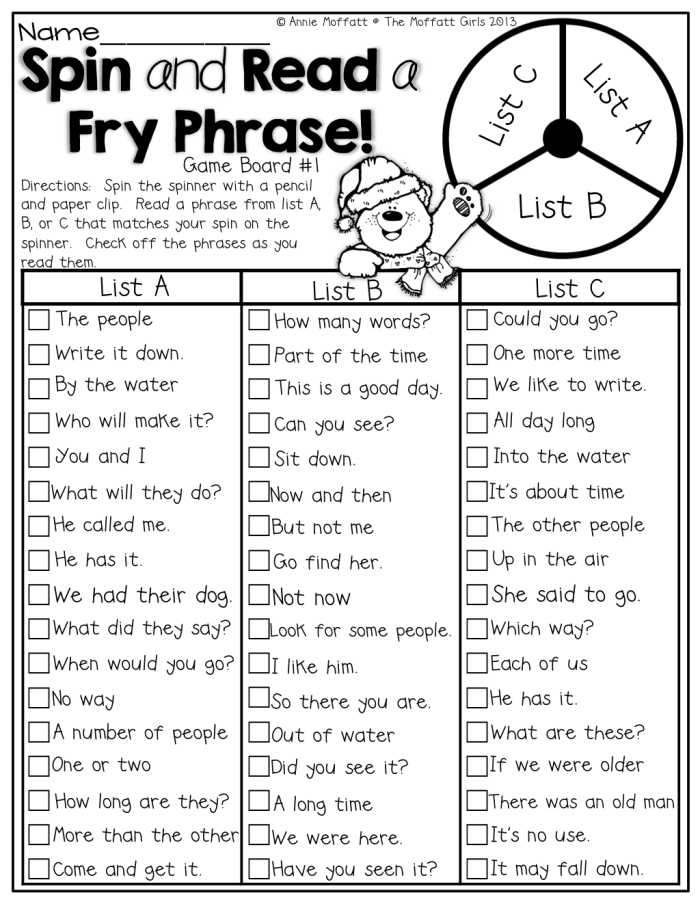
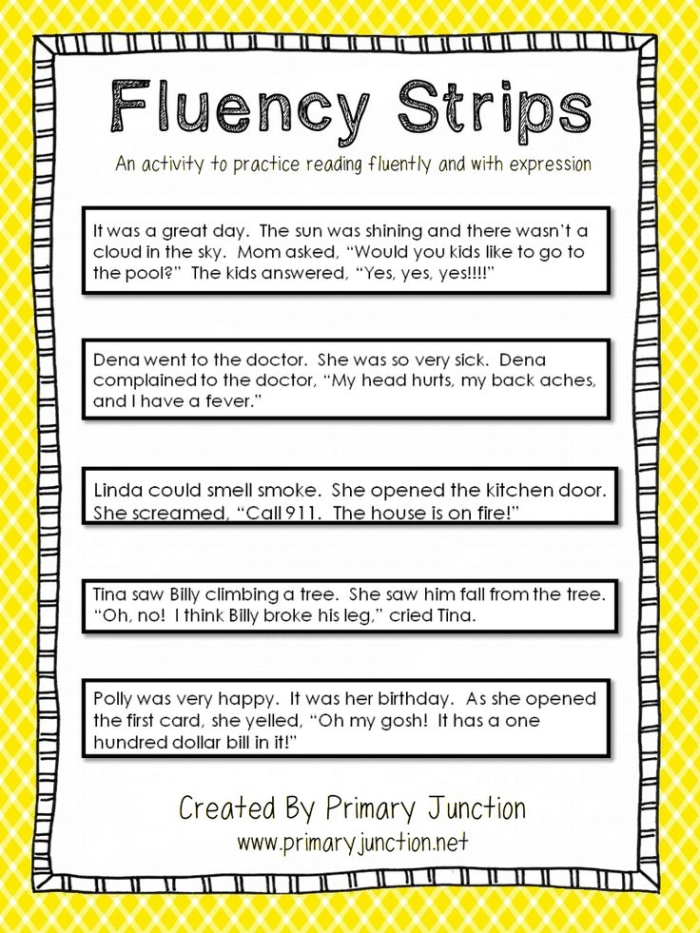
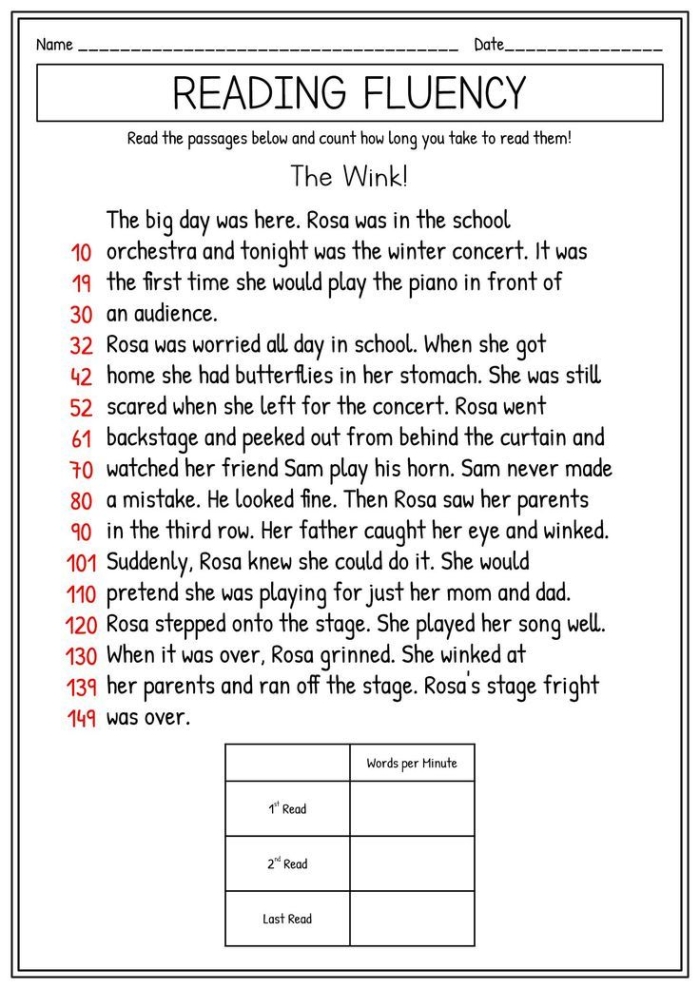
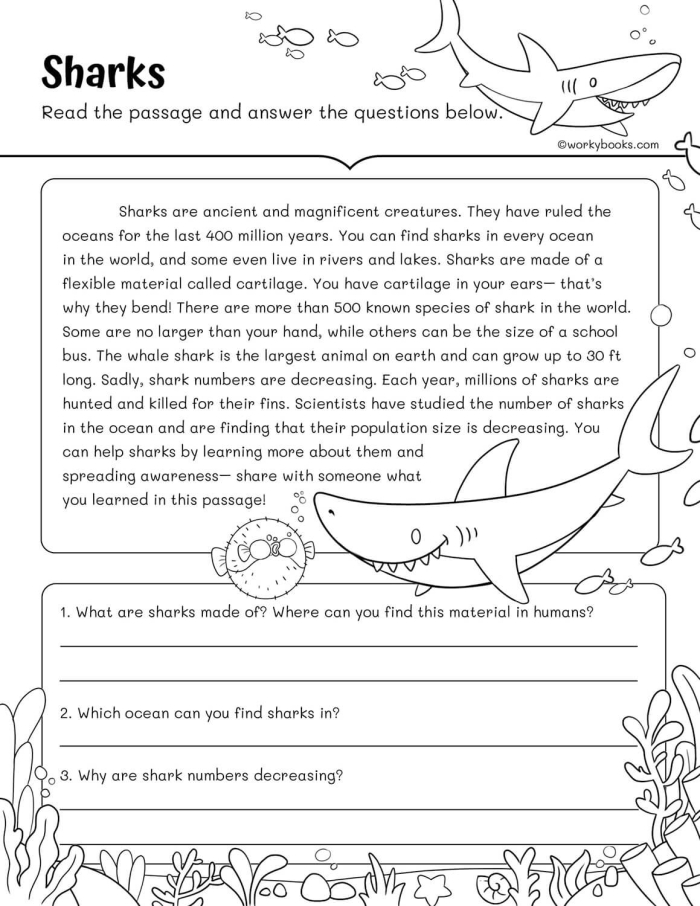
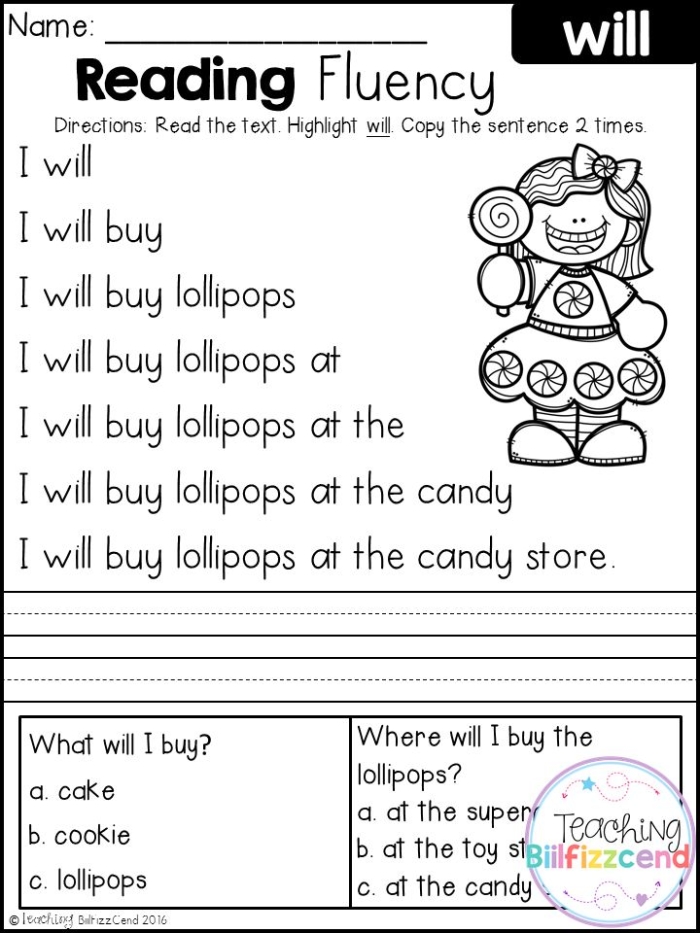
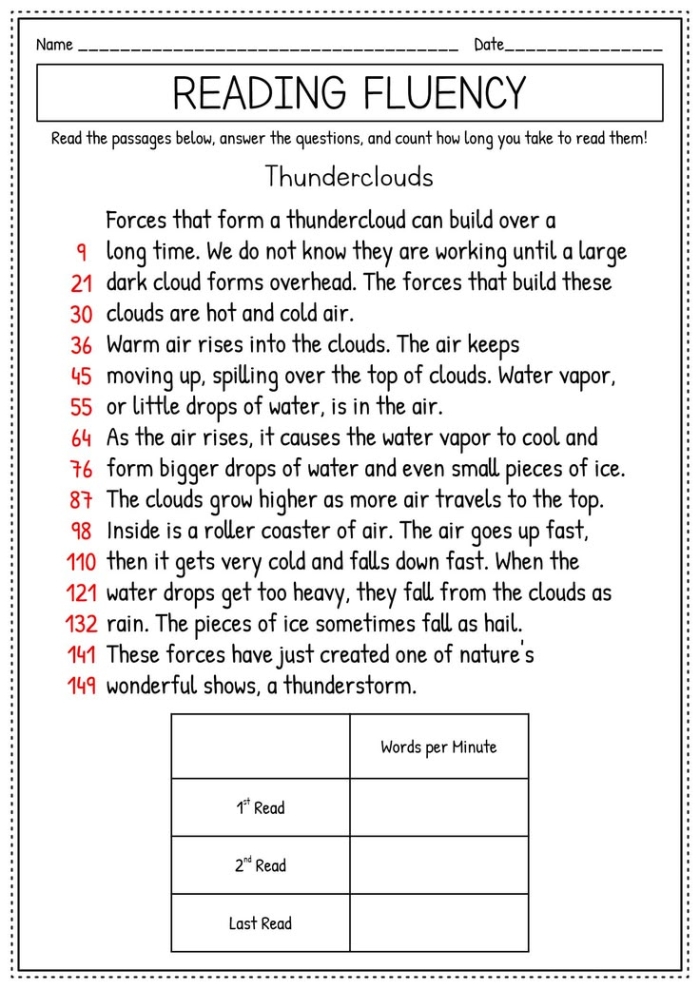
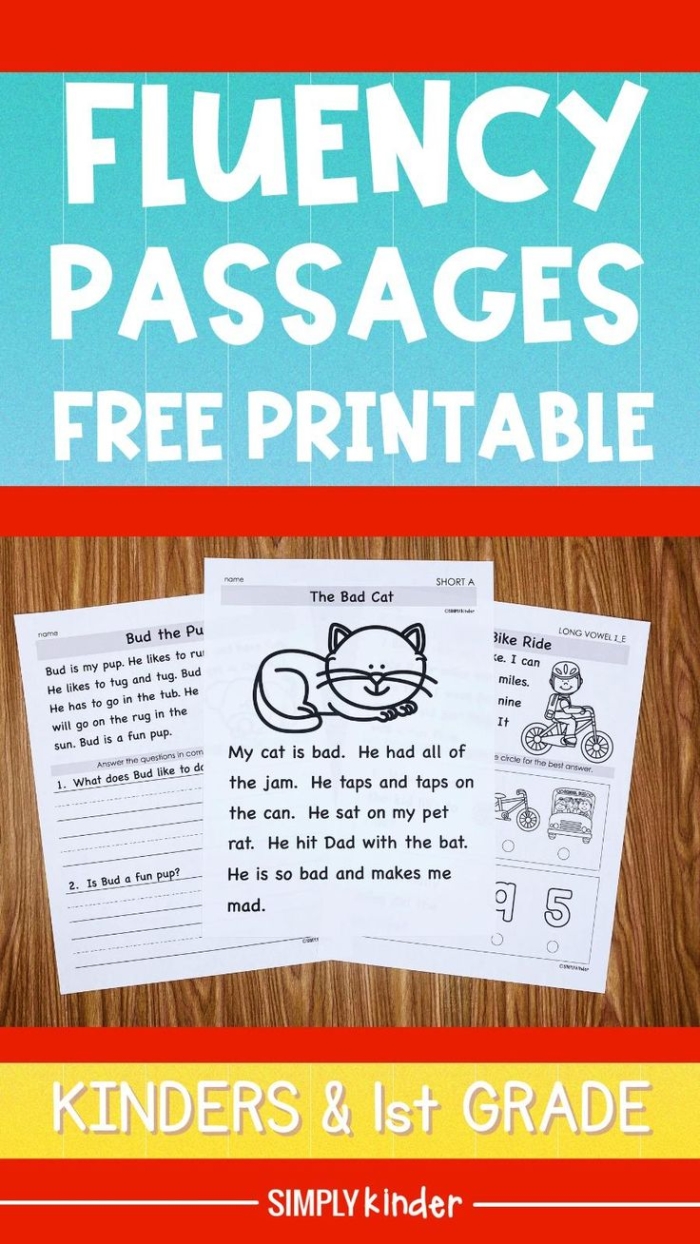
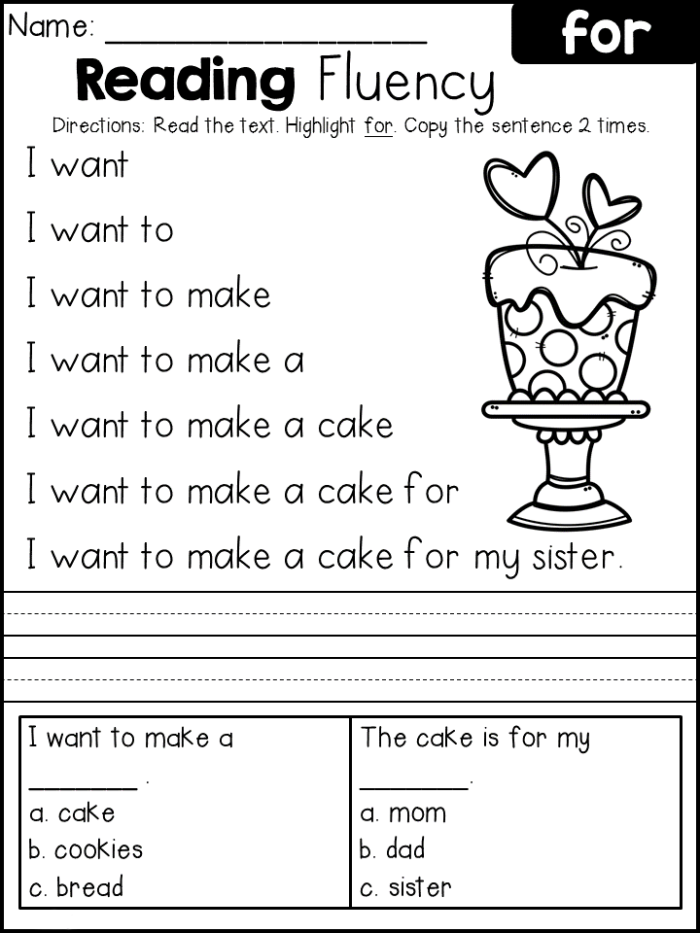
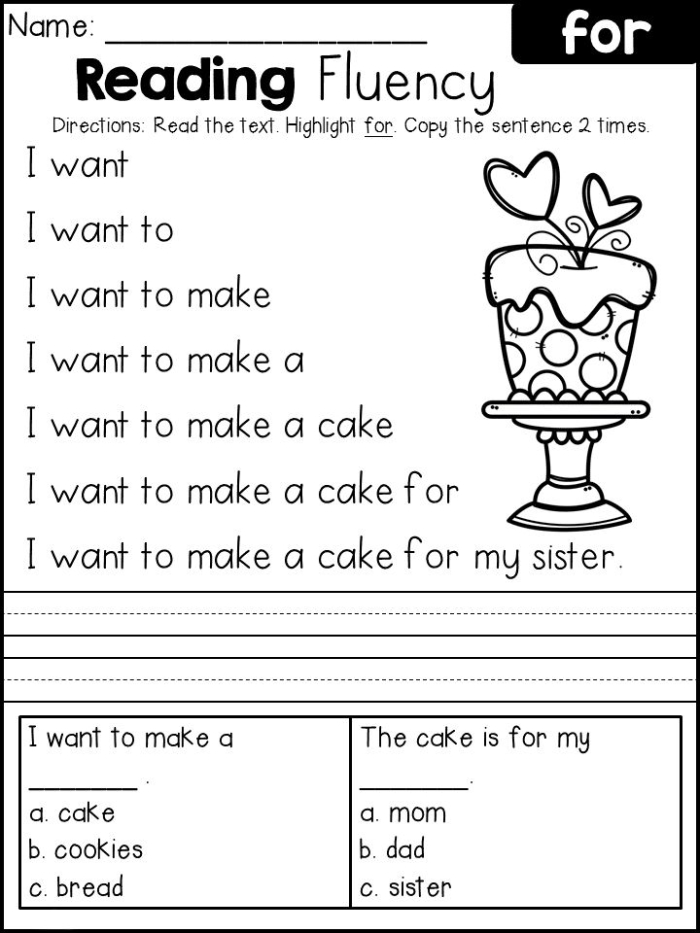
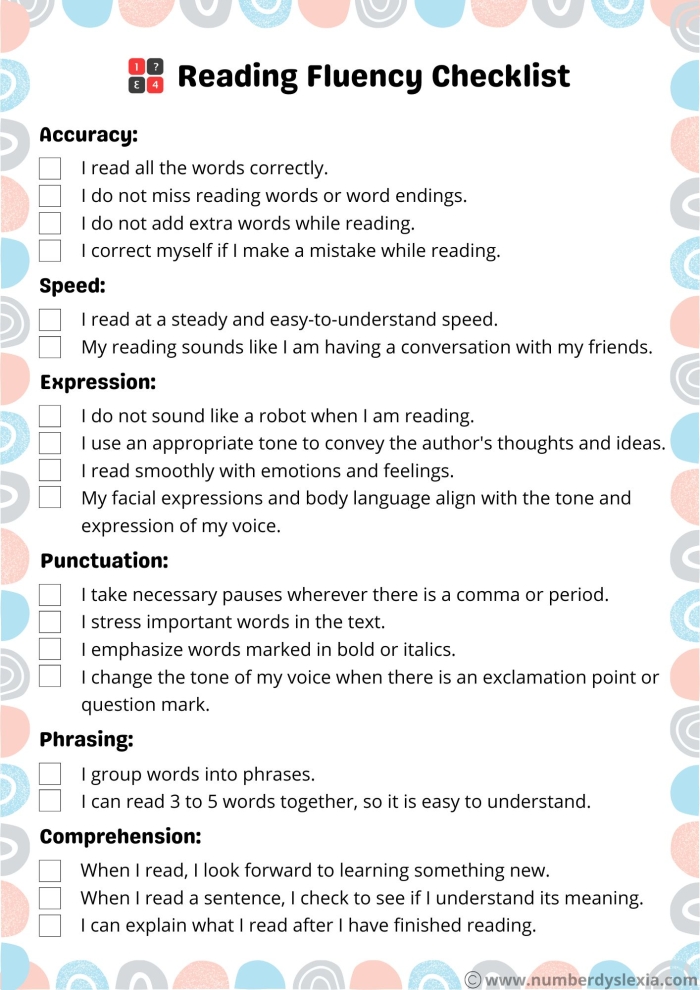
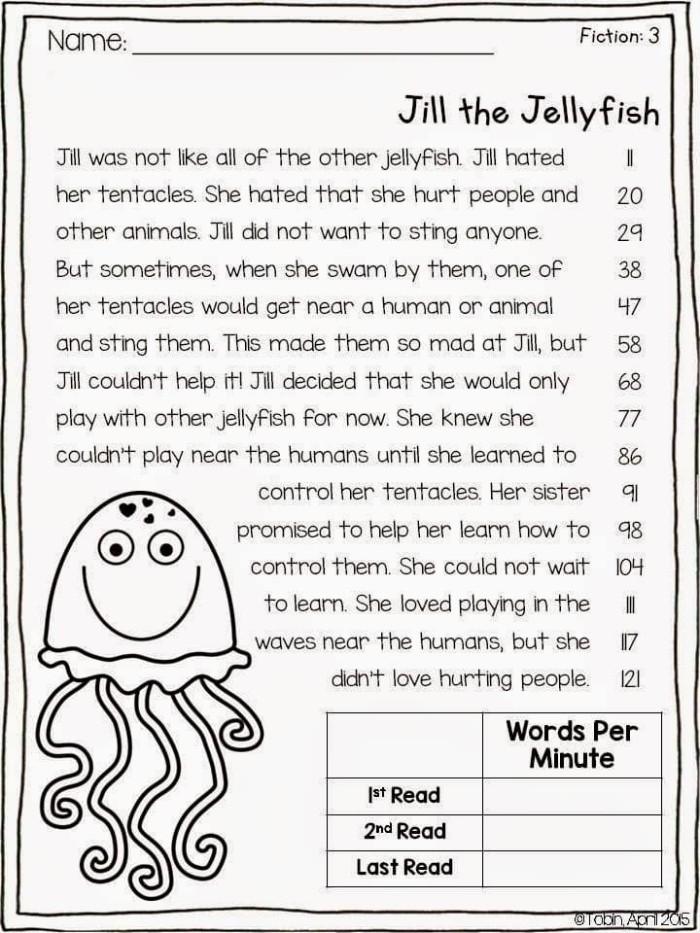
Reading fluency at this level means moving beyond simple decoding. Students develop the ability to read with appropriate pacing, expression, and understanding. When working with printable reading for fluency worksheets based on Through the Looking-Glass, fourth graders practice these skills repeatedly while building comprehension of a genuinely interesting story.
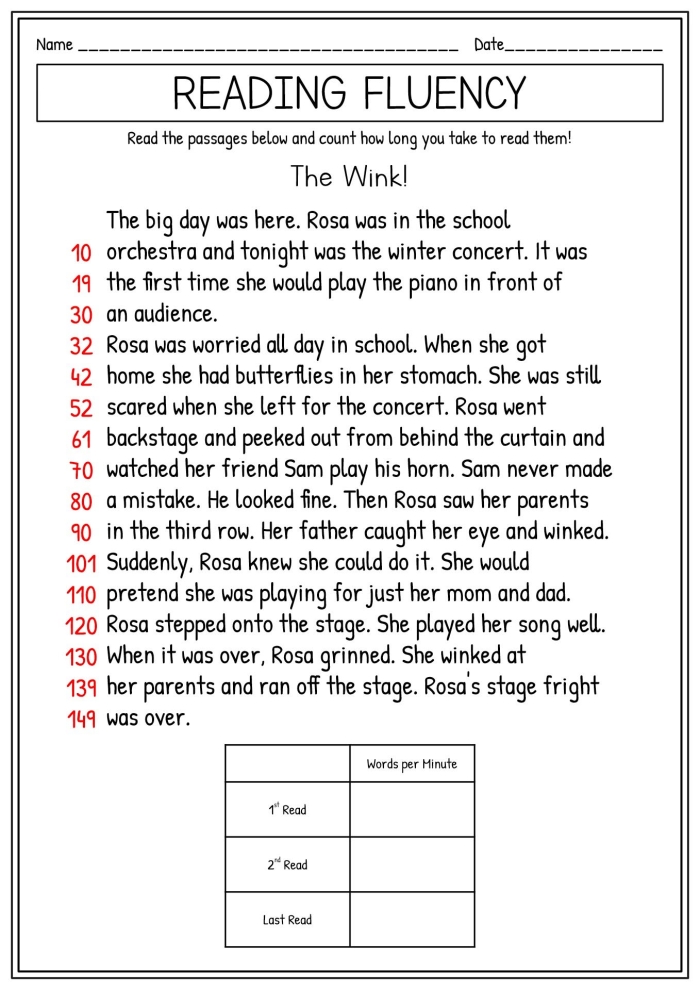
The excerpt-based approach works well because it keeps the text manageable. Rather than assigning the entire novel, teachers select specific passages that balance challenge with accessibility. Students can reread the same passage multiple times, which directly improves both speed and accuracy without creating frustration.
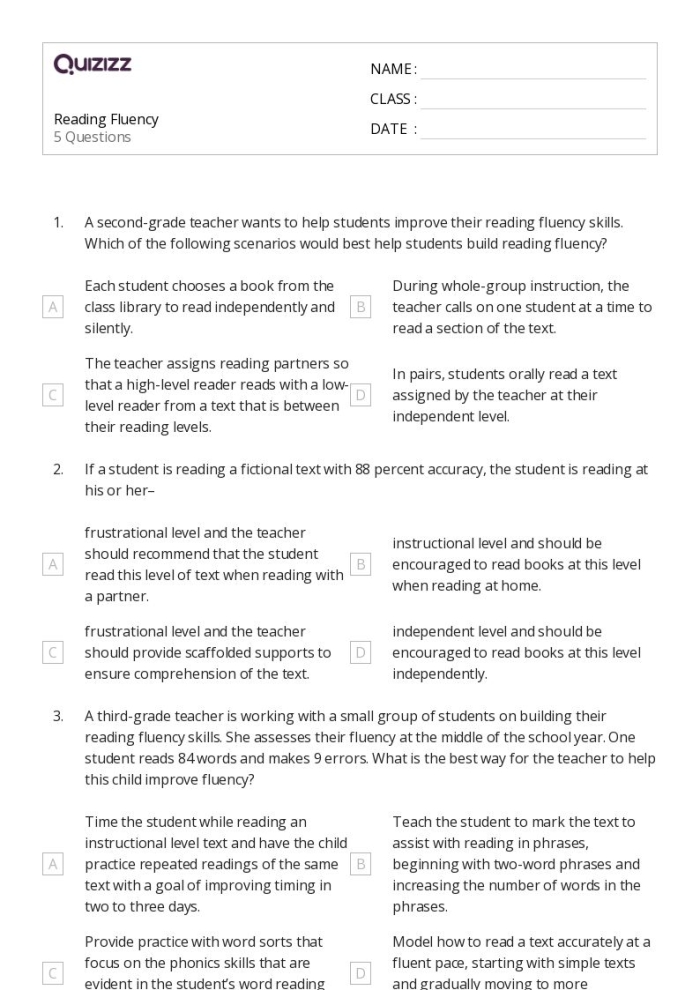
Beyond fluency, comprehension questions push students to explain what Carroll meant, why characters behaved certain ways, and how the logic of the looking-glass world differs from reality. This combination of repeated reading practice with meaning-making questions creates the conditions where real reading growth happens.
Try These Printable Worksheets