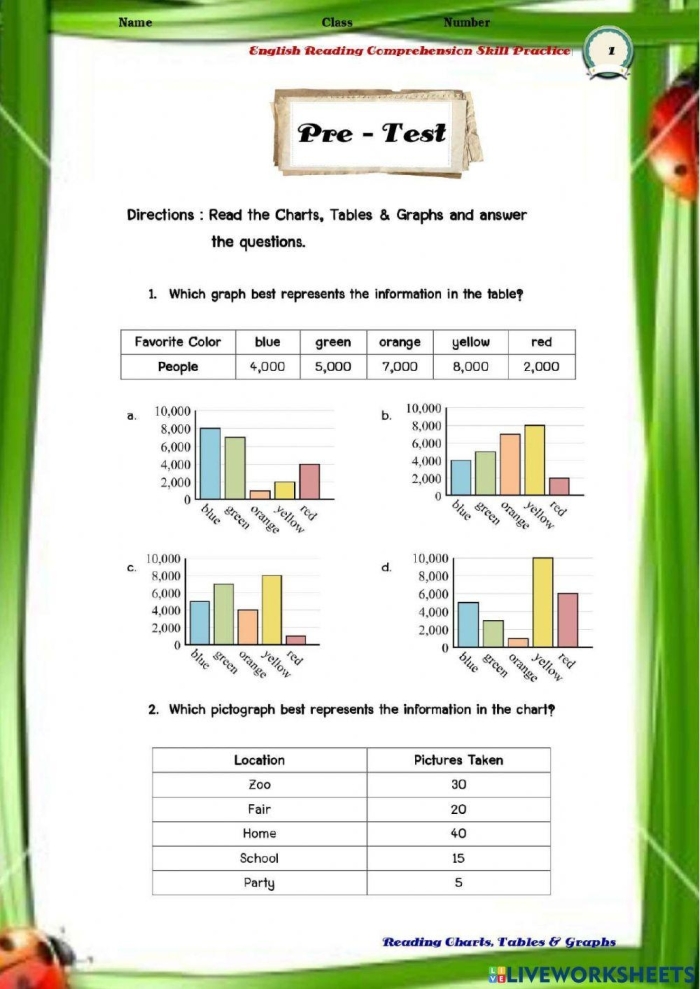
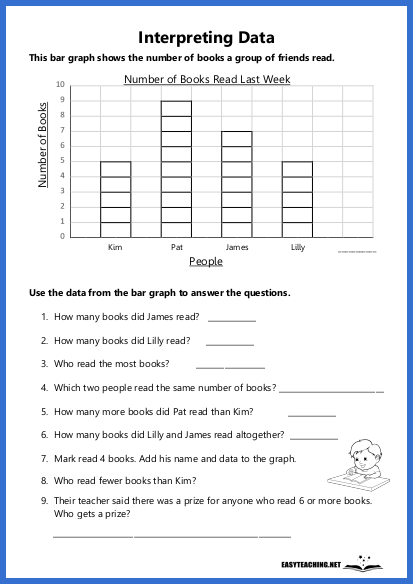
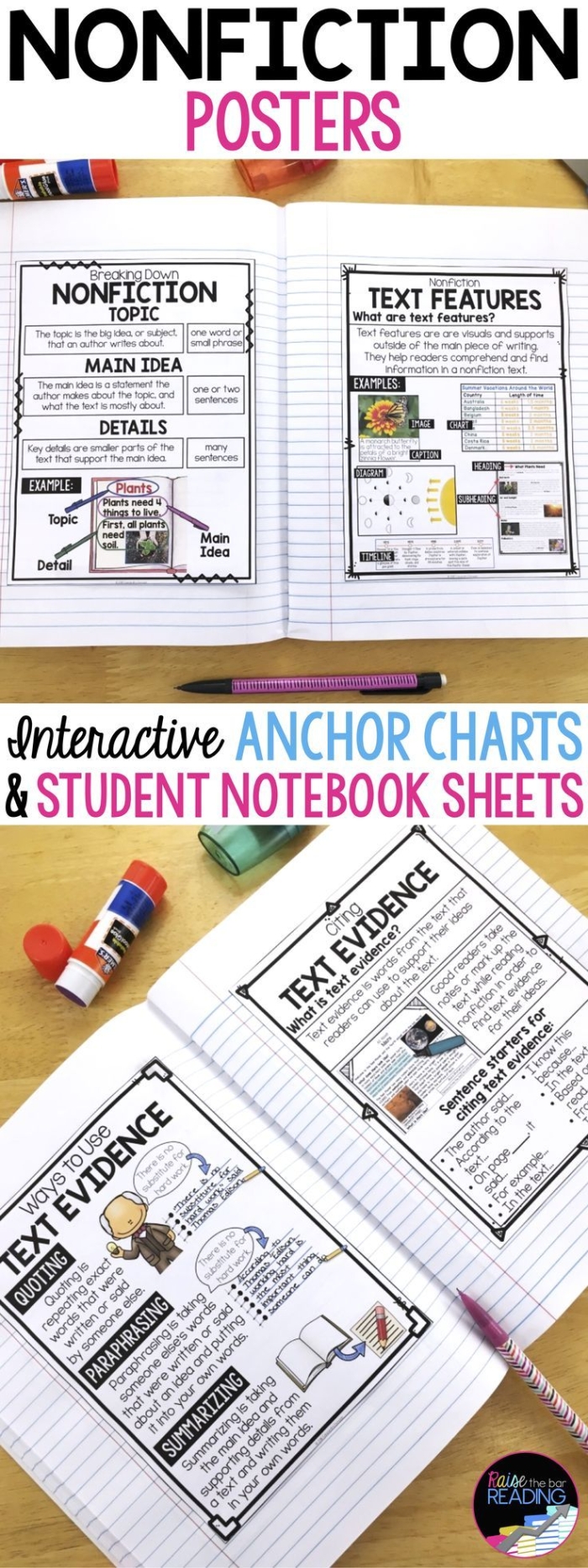
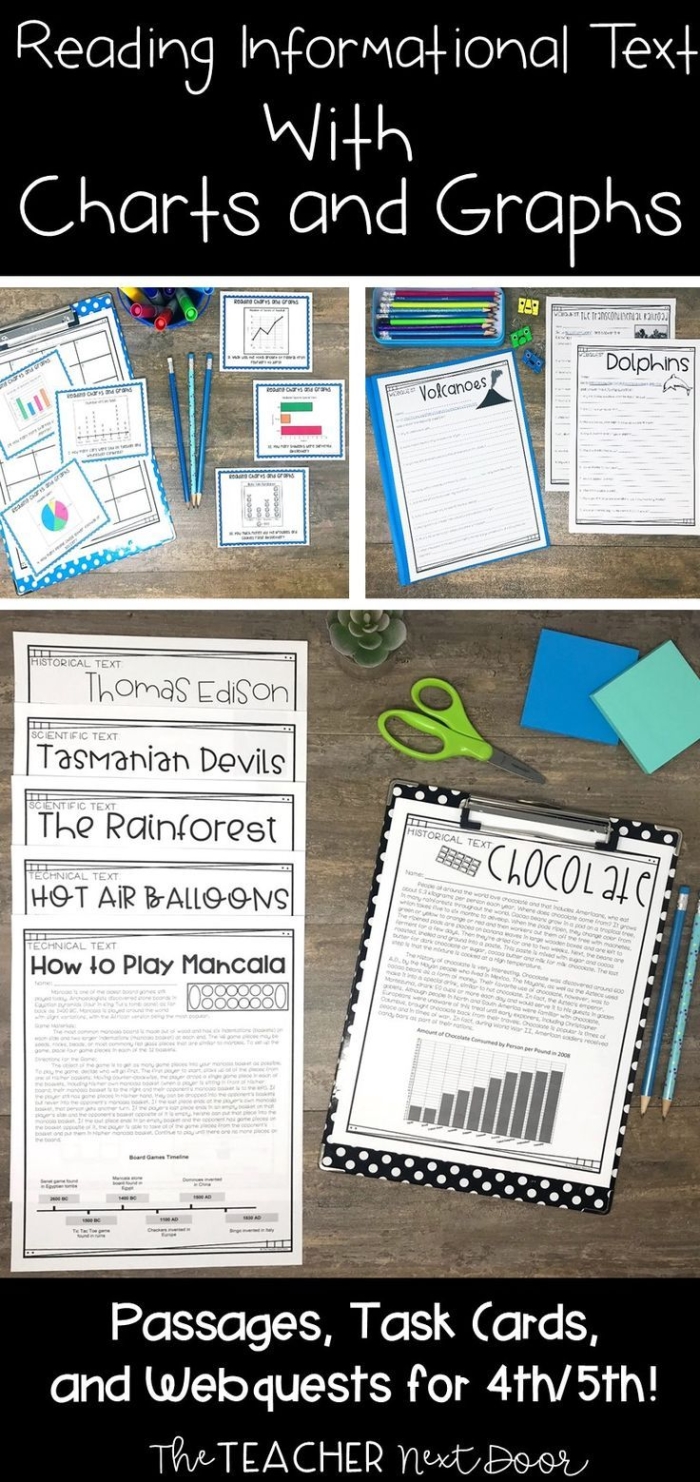
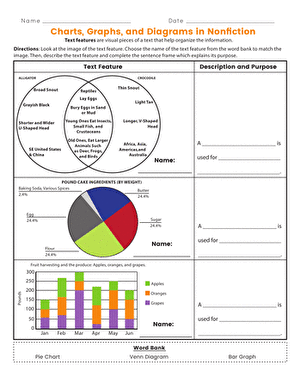
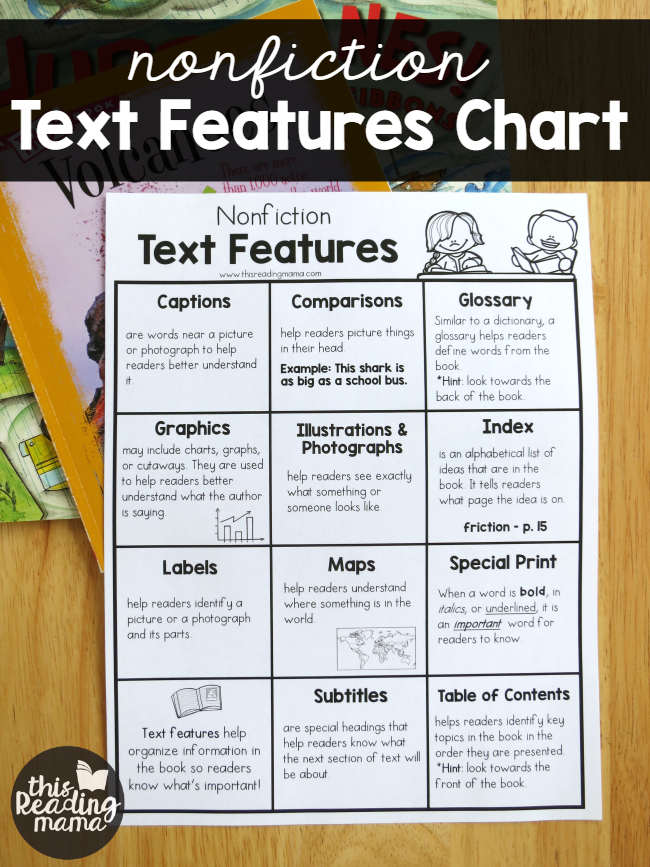
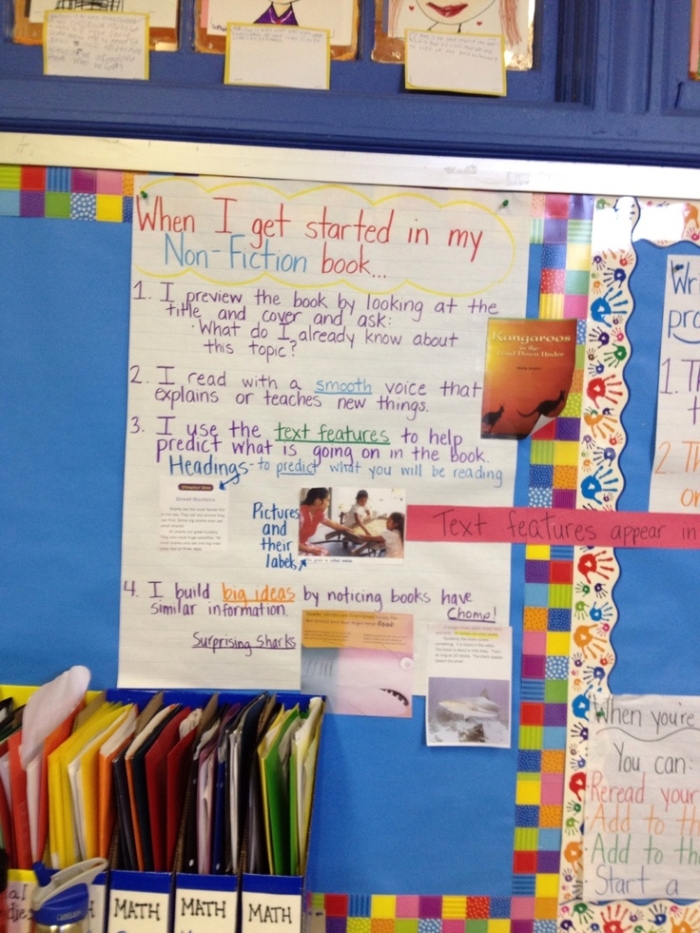
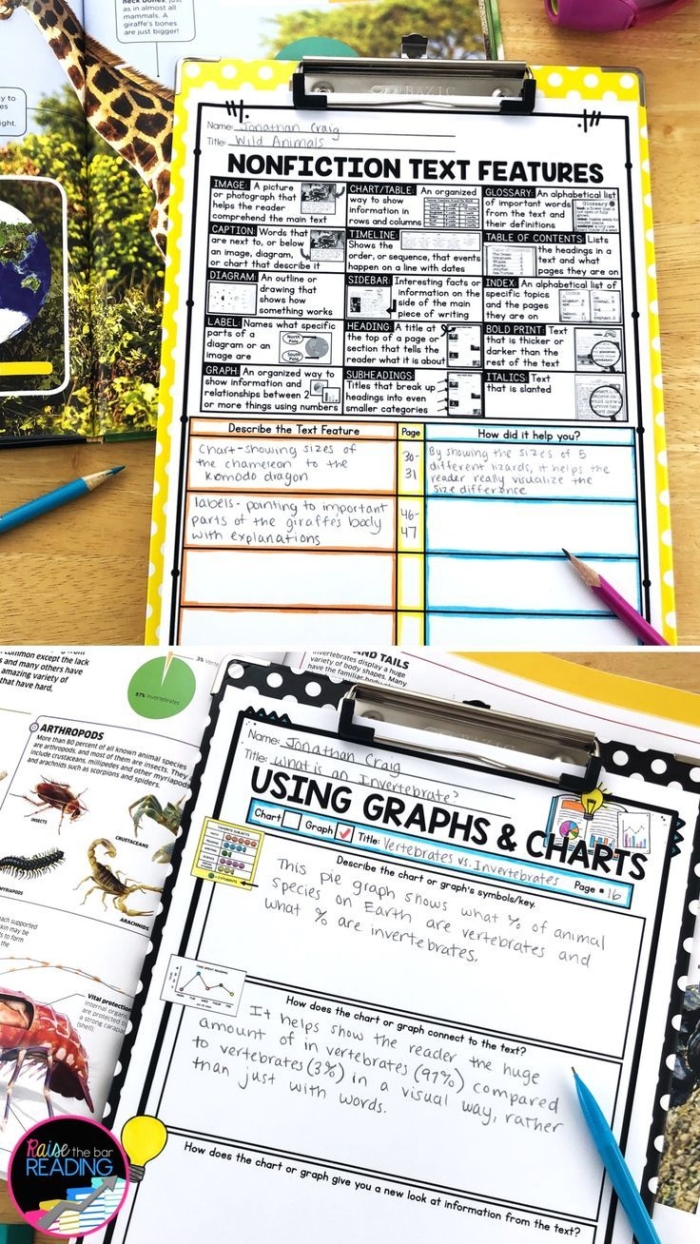
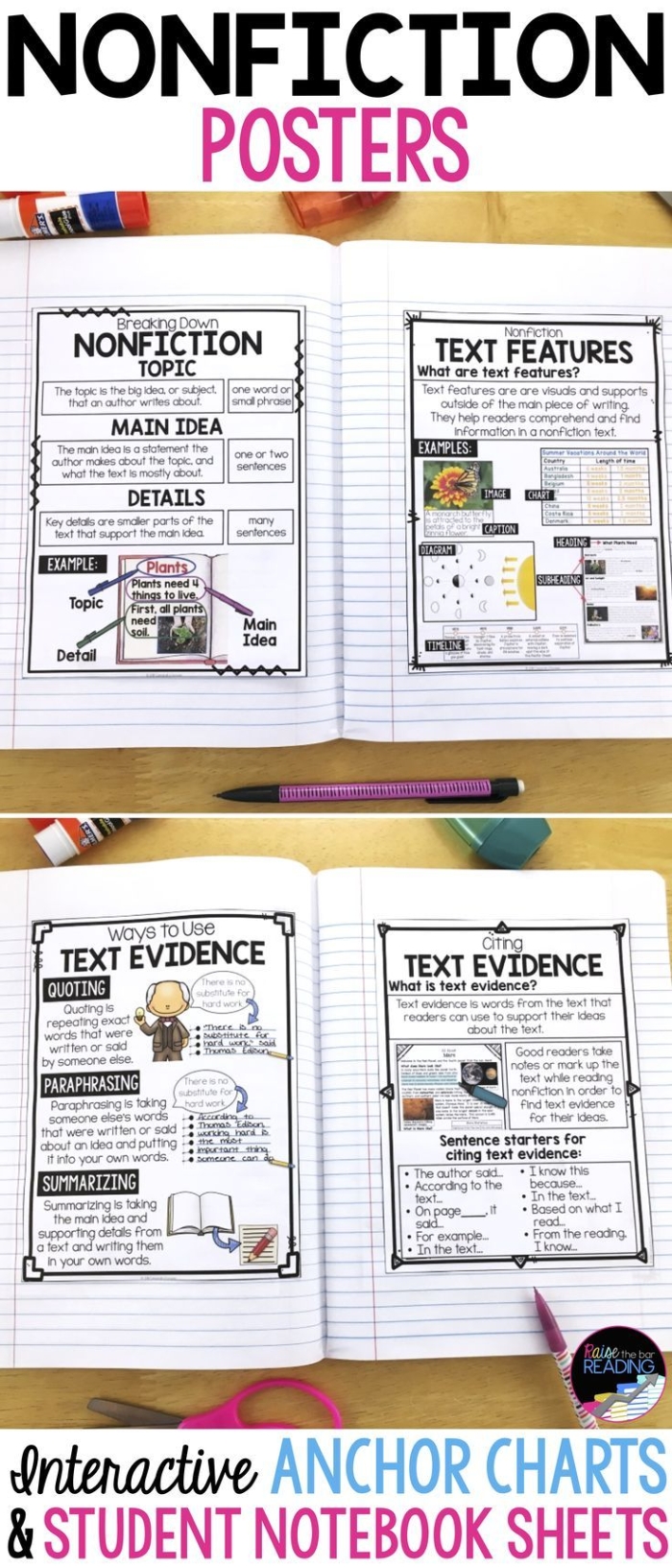
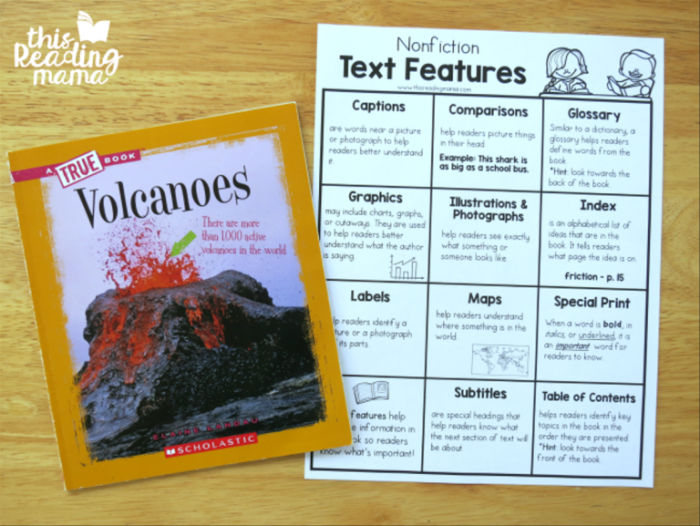
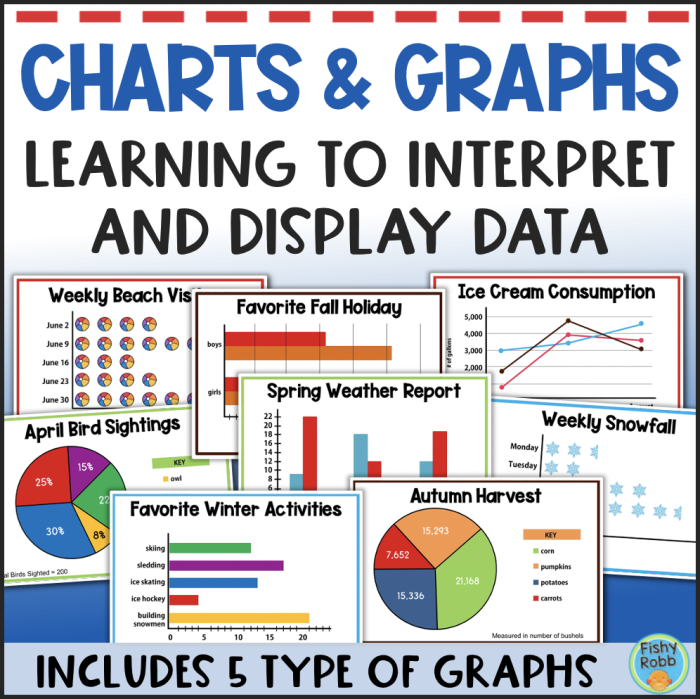
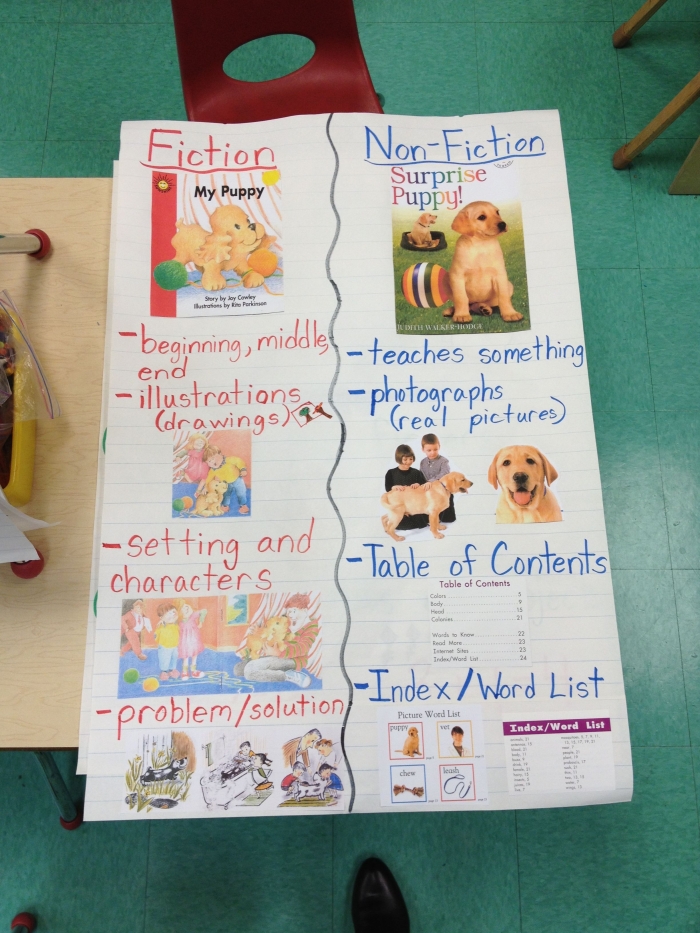
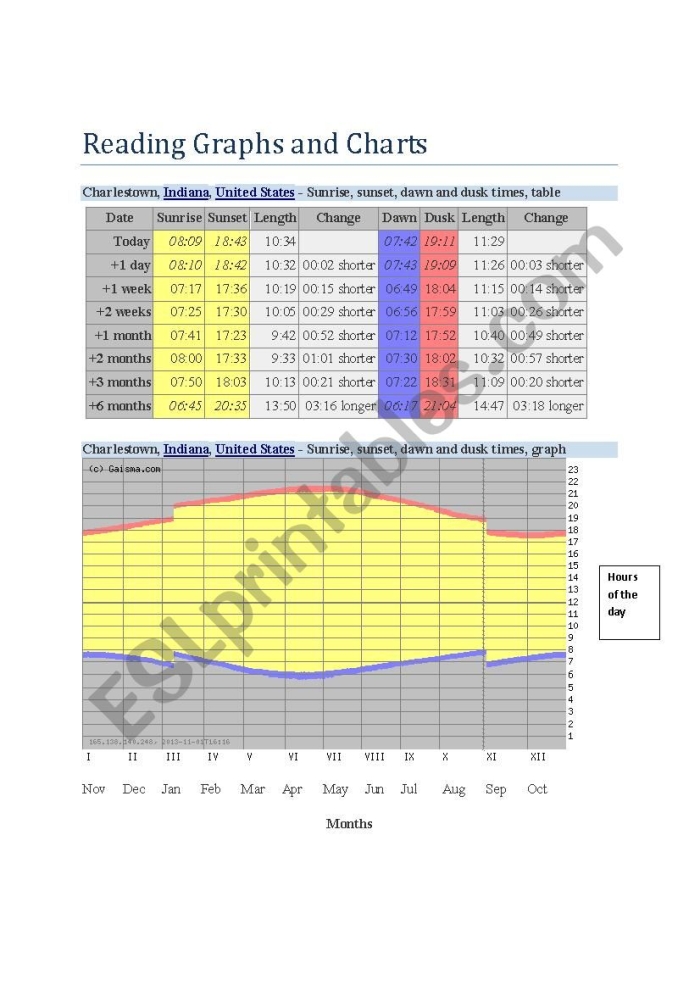
Understanding nonfiction text features is a key skill for fourth grade students, especially when working on grammar and mechanics. This three-page practice worksheet focuses specifically on helping learners read and interpret three common types of nonfiction text features: charts, graphs, and diagrams. These visual tools often carry essential information that supports the main text, and being able to navigate them is crucial for deeper comprehension.
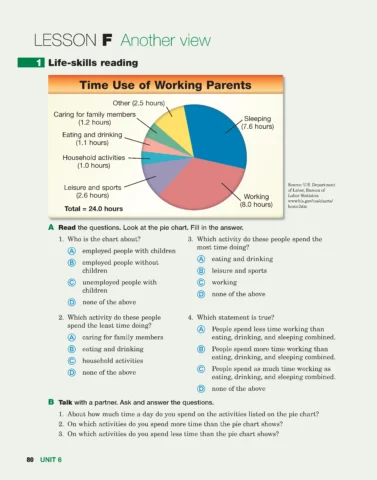
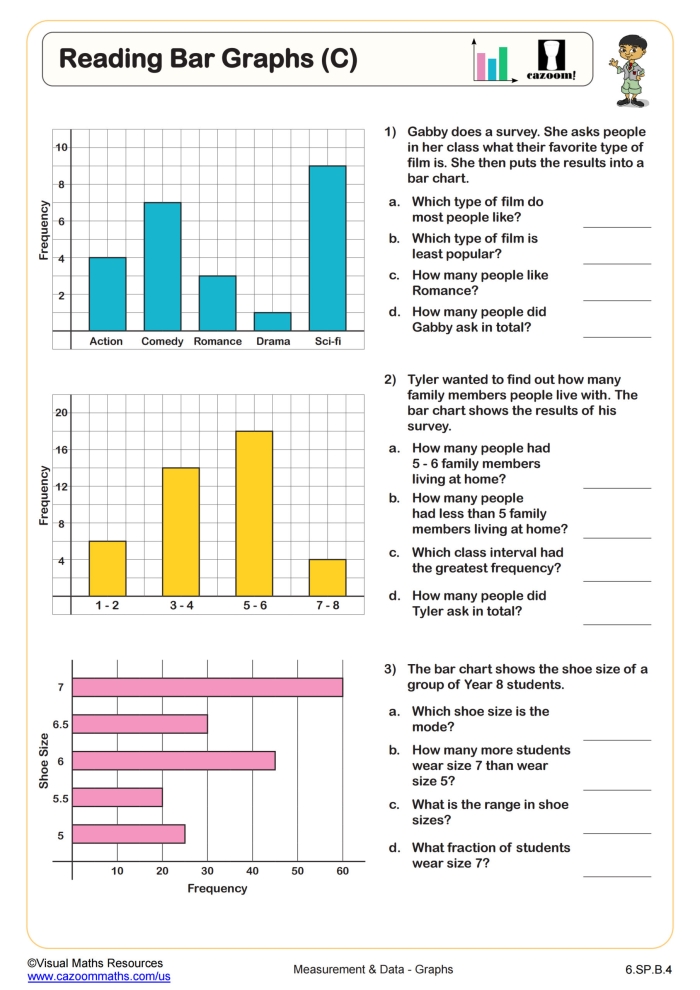
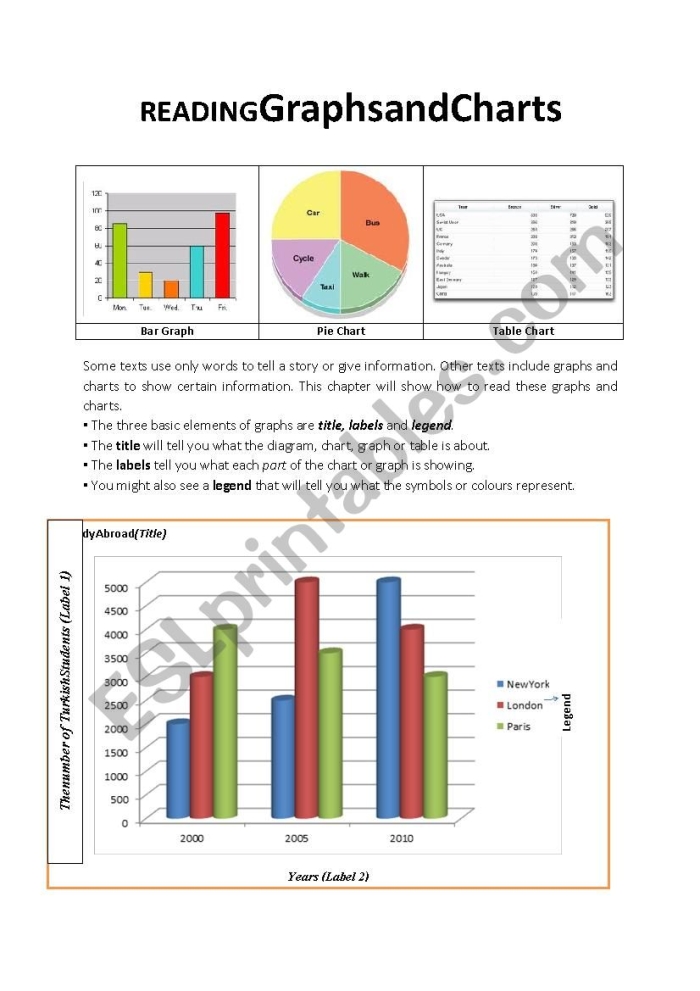
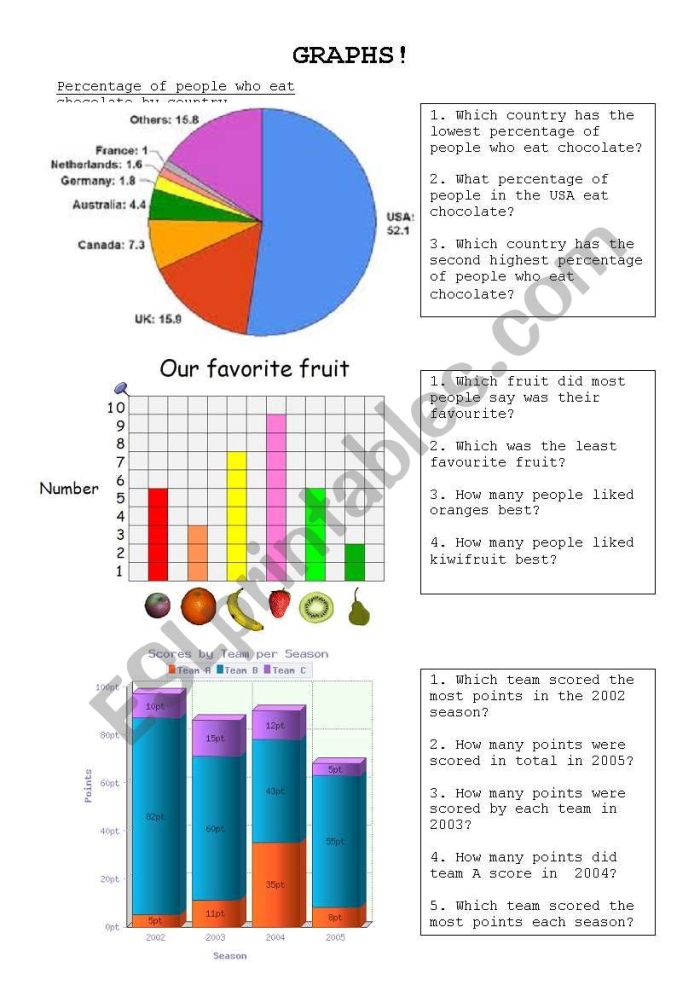
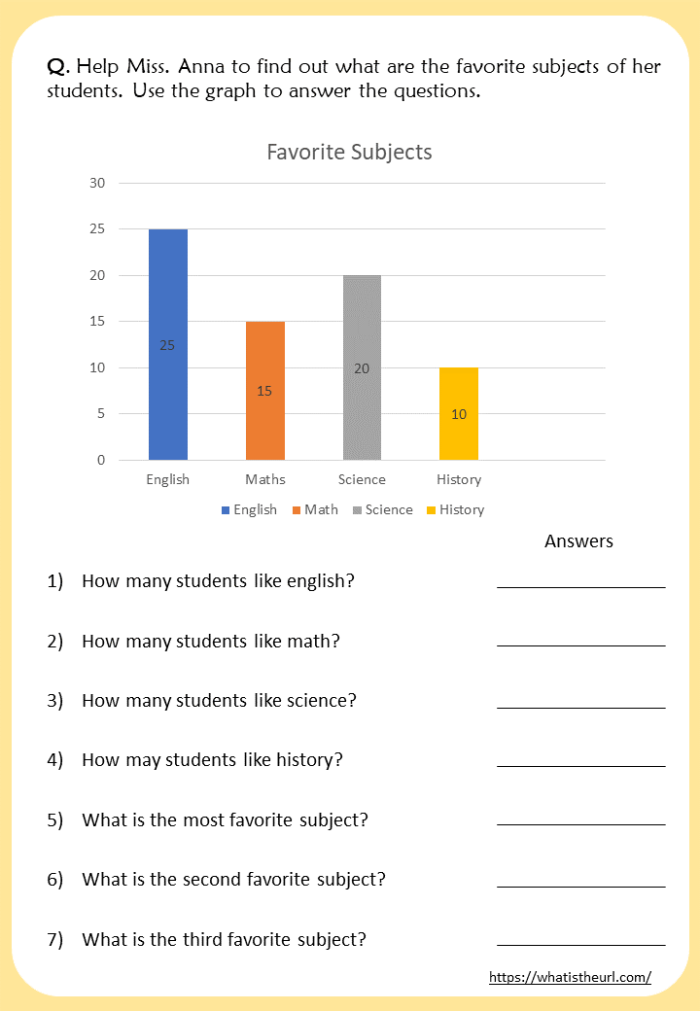
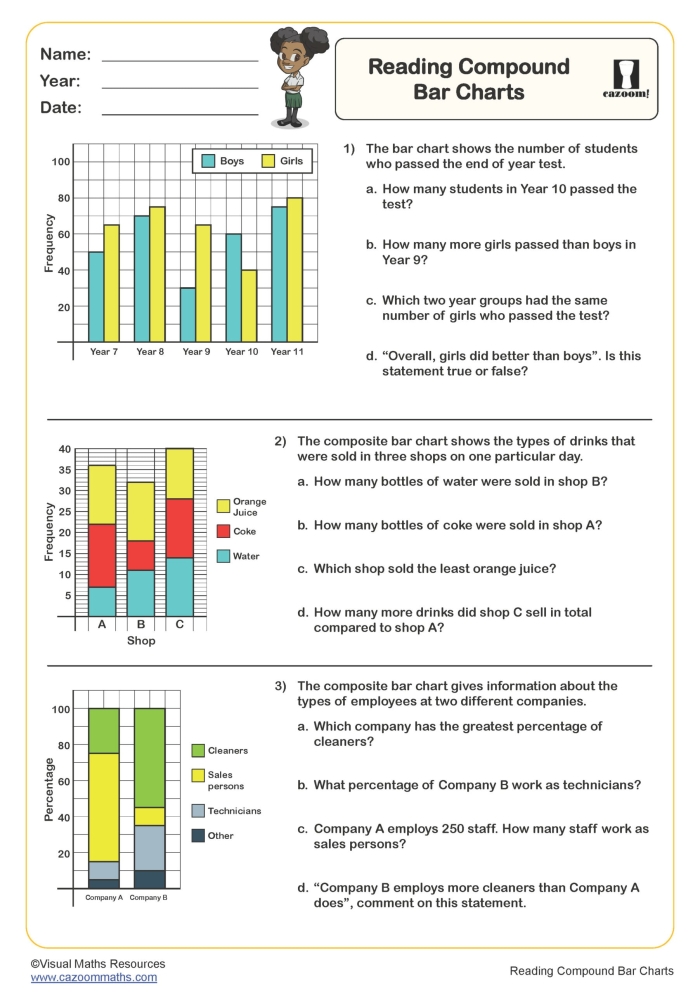
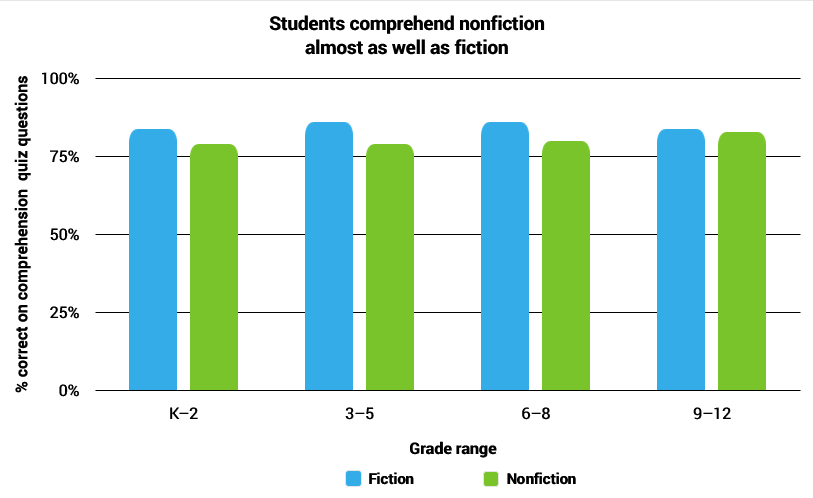
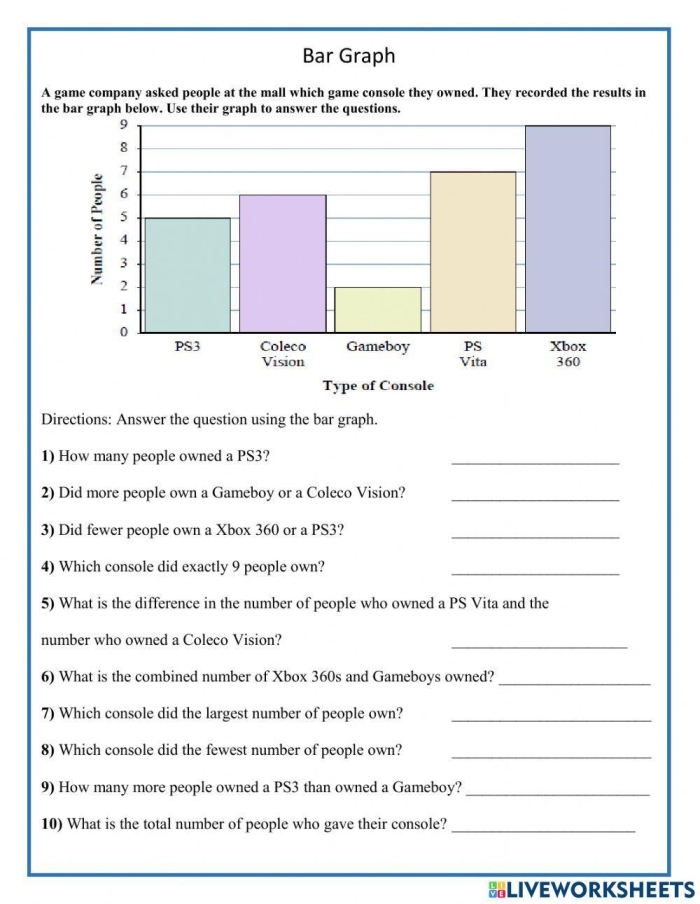
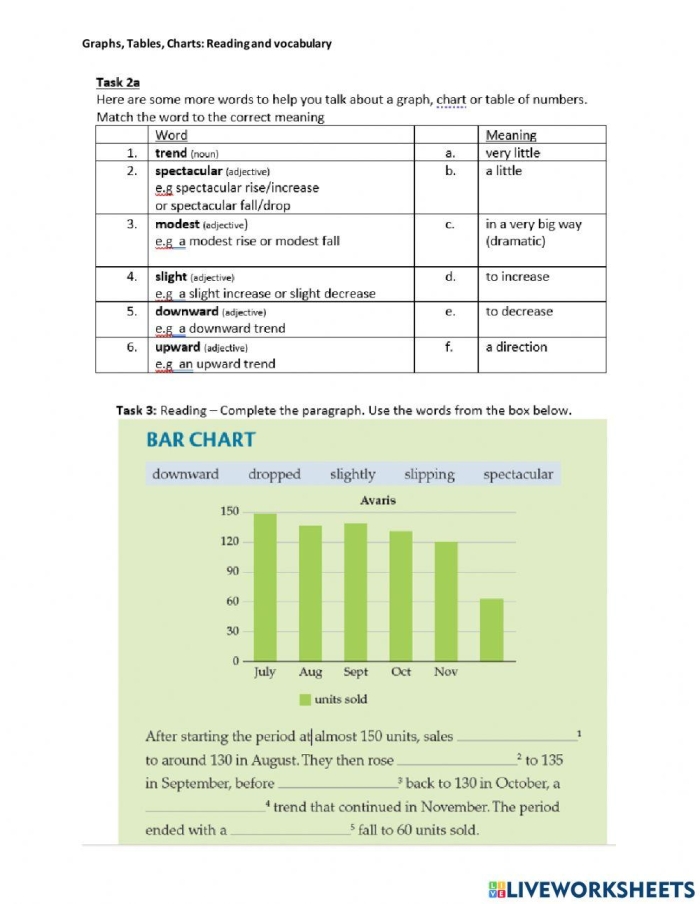
Charts, for example, organize data into rows and columns, making it easier to compare facts quickly. In the context of fourth grade, students might encounter charts showing weather patterns or population numbers. Graphs, on the other hand, visually represent data trends over time or among categories. Bar graphs, line graphs, and pie charts each tell a different story, and the worksheet guides learners through interpreting these differences accurately. Diagrams break down complex information into labeled parts, such as the anatomy of a plant or the components of a machine, which ties directly into grammar and mechanics by reinforcing clear labeling and descriptive language.
Working through these worksheets not only improves reading comprehension but also enhances critical thinking. Students learn to ask questions like, “What does this graph show?” or “How do the parts of this diagram connect?” These exercises strengthen their ability to analyze nonfiction texts, a skill that extends beyond the classroom. For instance, when reading about how the heart works, students can better understand the flow of blood by interpreting diagrams alongside the written explanation, similar to resources found in printable materials like those explaining how the heart functions.
Teachers and parents will find that incorporating these printable reading charts, graphs, and diagrams from nonfiction texts worksheets into lessons supports a hands-on approach to learning. This approach prepares learners for more advanced texts and builds confidence in handling information presented visually. For additional practice with numbers and counting, worksheets involving logic problems or word problems related to road trips can complement these reading exercises effectively.
Use These Worksheets Today