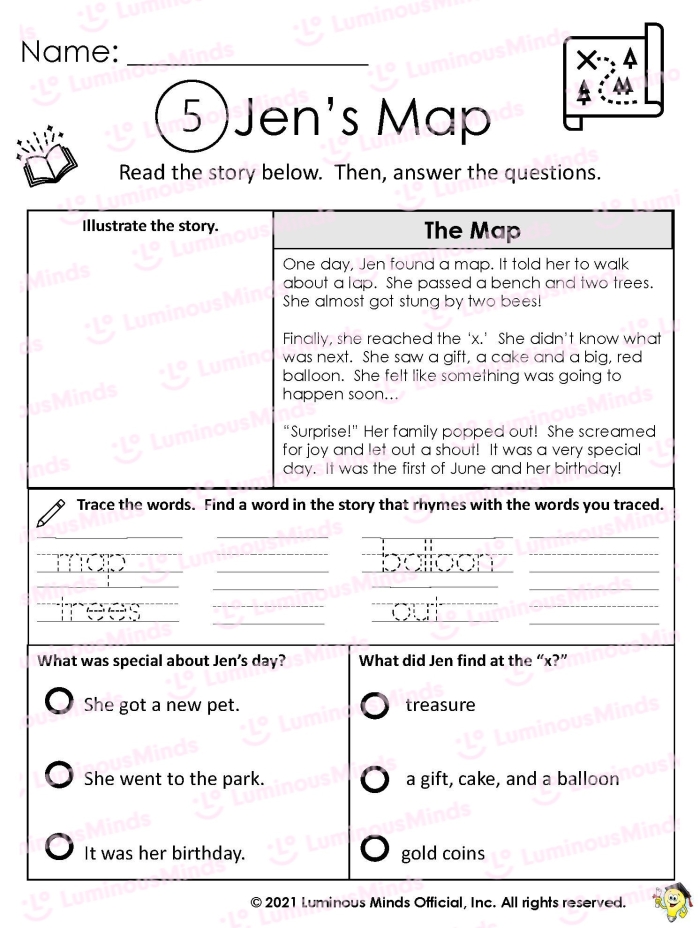
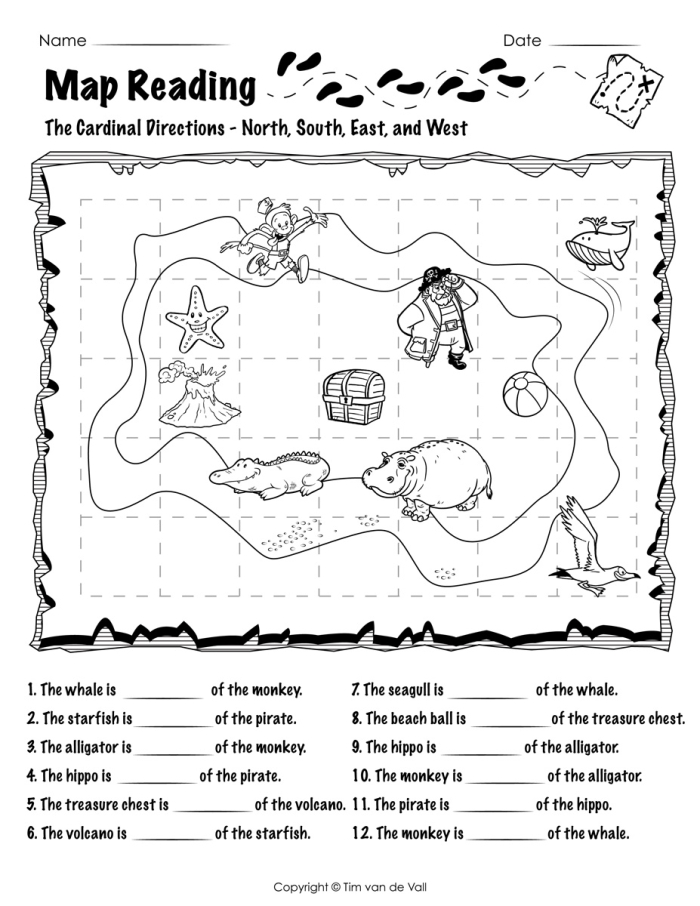
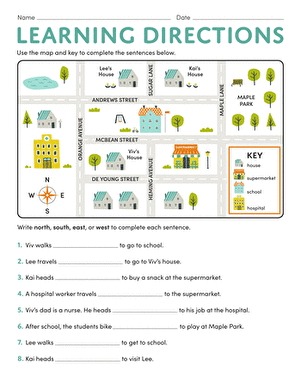
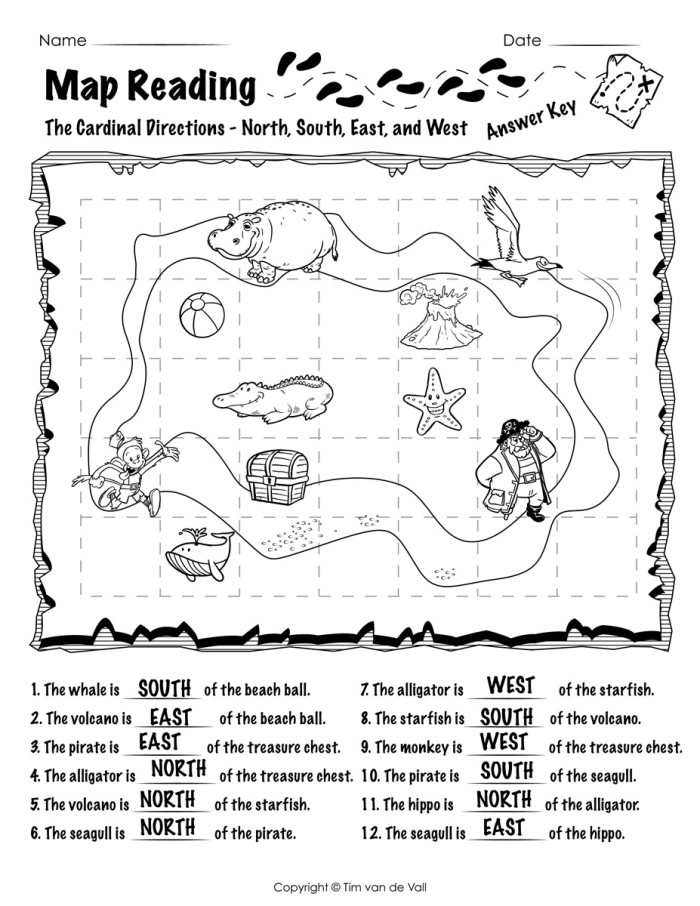
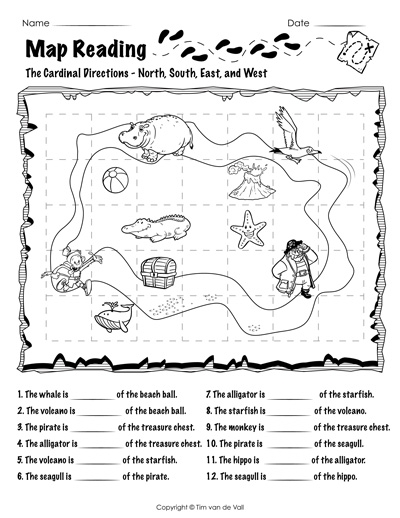
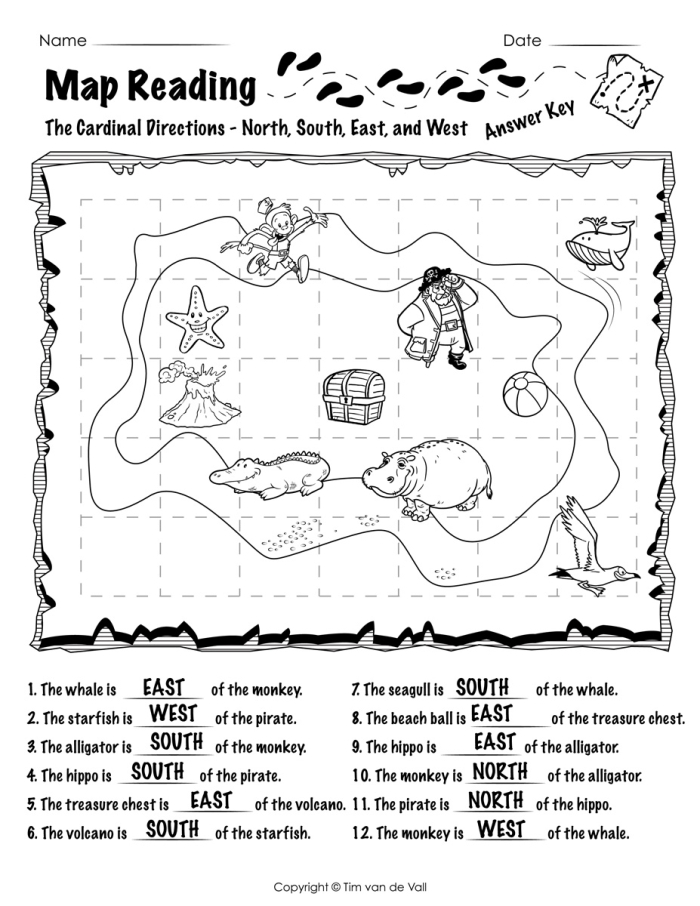
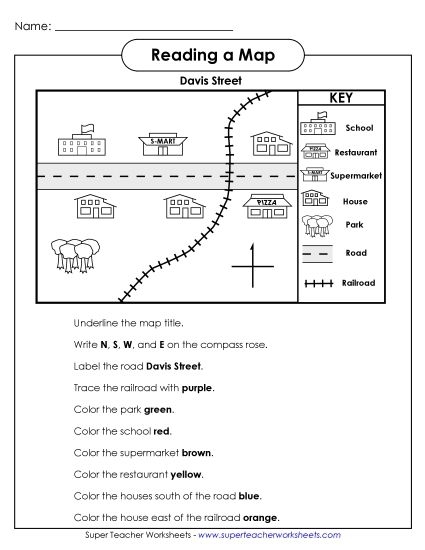
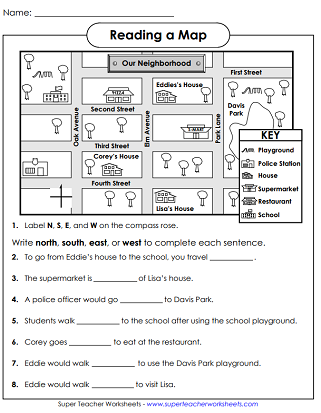
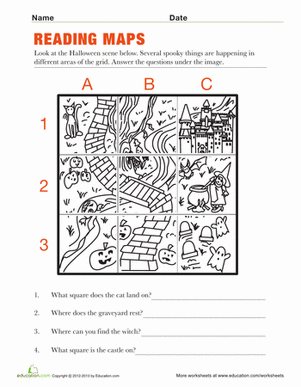
Map reading doesn’t have to feel like a formal lesson, especially for kindergarten students who learn best through play and creativity. A worksheet that combines geography practice with coloring gives kids the chance to absorb spatial concepts while staying engaged with an activity they already enjoy.
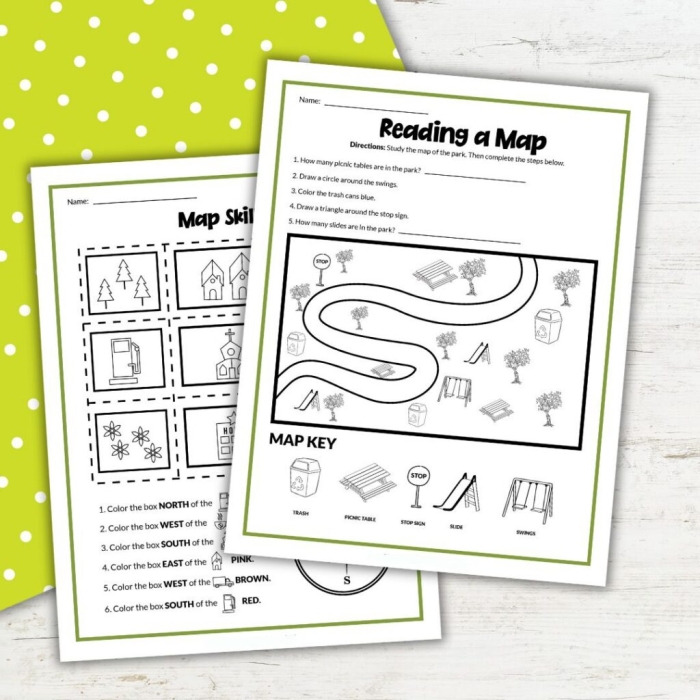
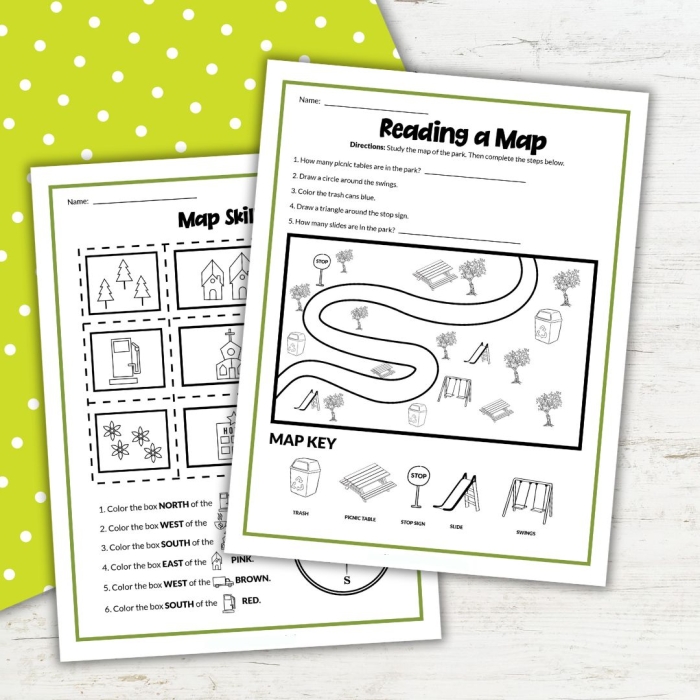
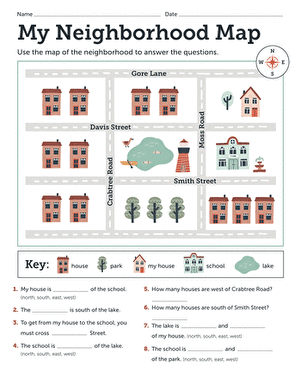
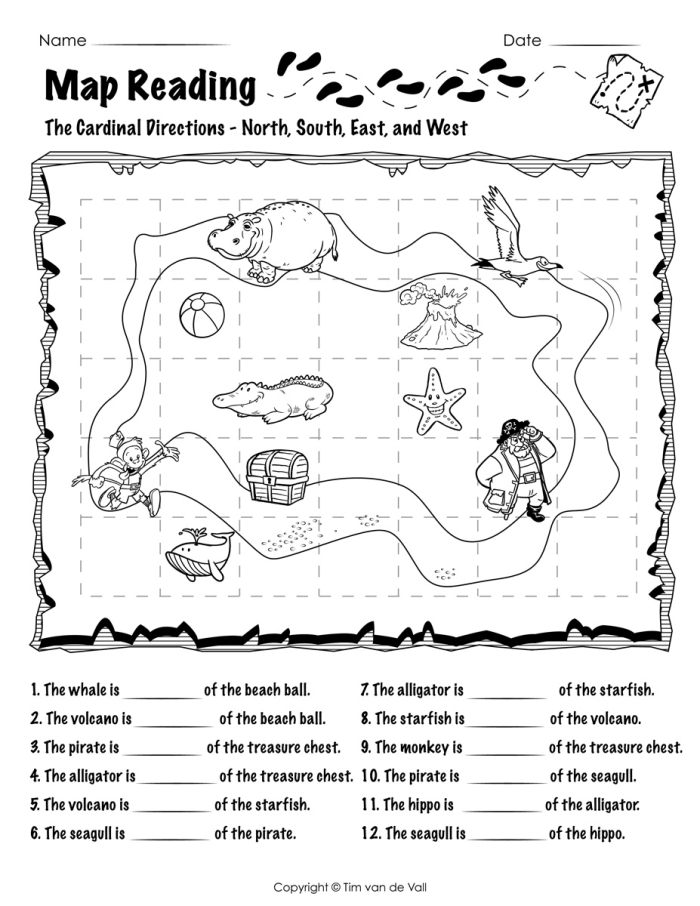
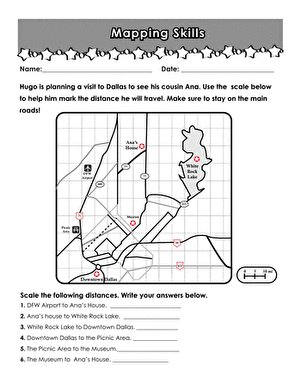
The park map worksheet works by presenting a simple, child-friendly layout of a park with labeled locations like playgrounds, trees, paths, and benches. Your child traces routes between different spots, identifies where objects are positioned, and colors in the various areas. This dual approach keeps attention high because the coloring element feels rewarding, while the map reading quietly builds their ability to understand visual representations of real spaces.
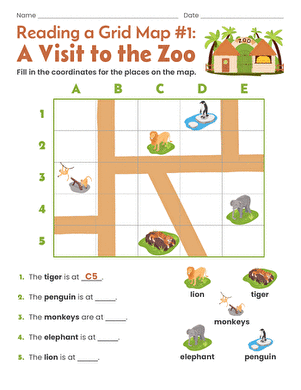
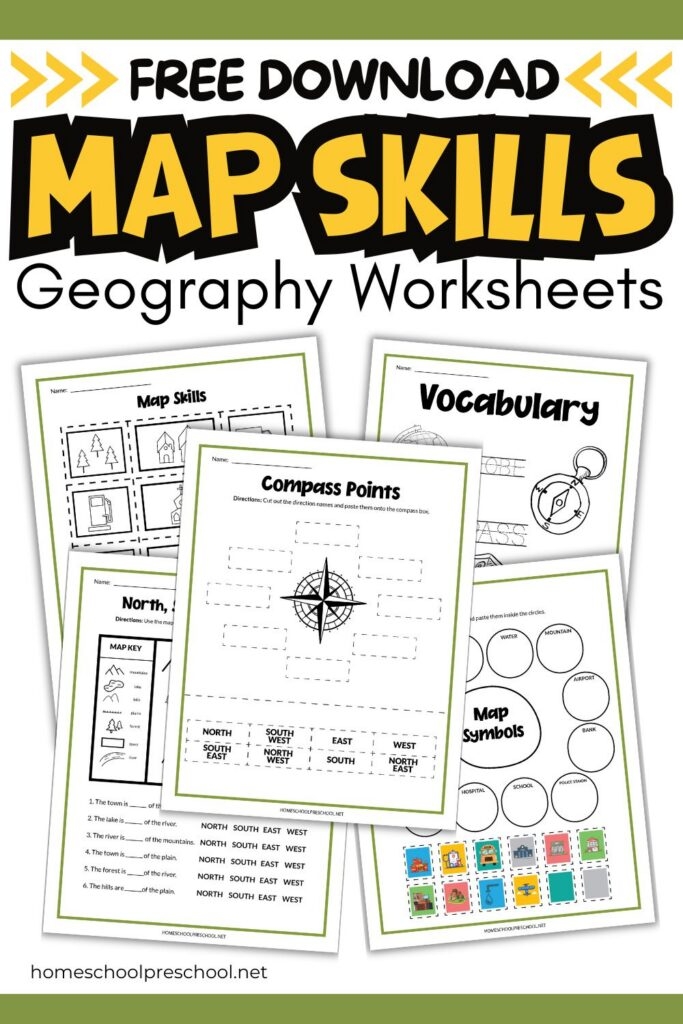
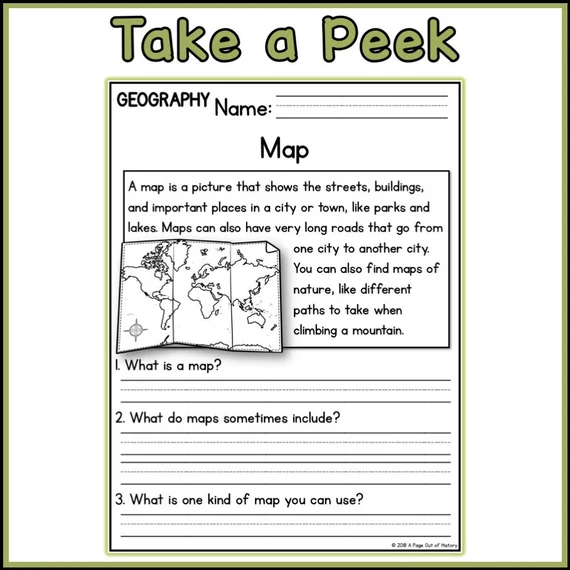
At the kindergarten level, map skills are foundational. Kids start recognizing that flat images can represent actual places, that symbols mean specific things, and that location words like “near,” “between,” and “beside” have practical meaning. These concepts connect directly to phonics too, as children learn to read labels and directional words on the map. Pairing this with other hands-on activities strengthens retention. For instance, combining map practice with letter maze activities reinforces both spatial awareness and letter recognition in one session.
The beauty of this worksheet style is that it removes pressure. There’s no “right” way to color the park, so kids feel successful while practicing a real skill. They’re not just passively looking at a map; they’re interacting with it, making decisions about paths and locations, and creating something they can be proud of.
If your kindergartener enjoys this type of combined learning, explore other worksheets that blend skill-building with creative elements to keep their interest steady throughout the school year.
Hands-On Worksheet Activities