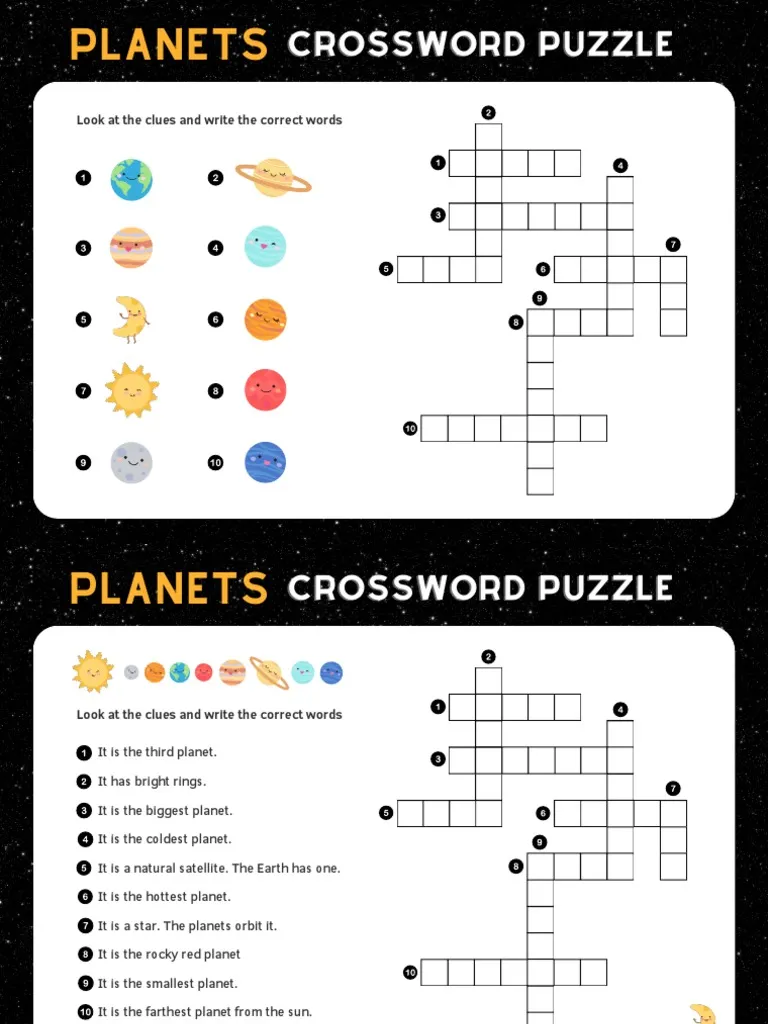
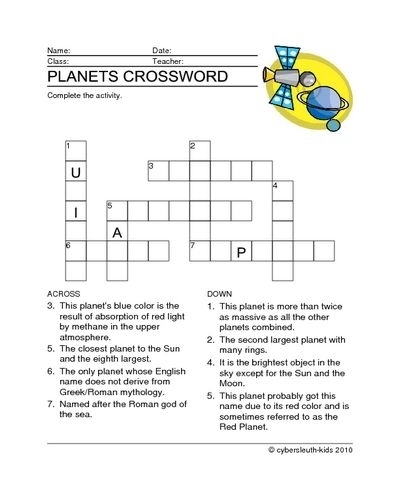
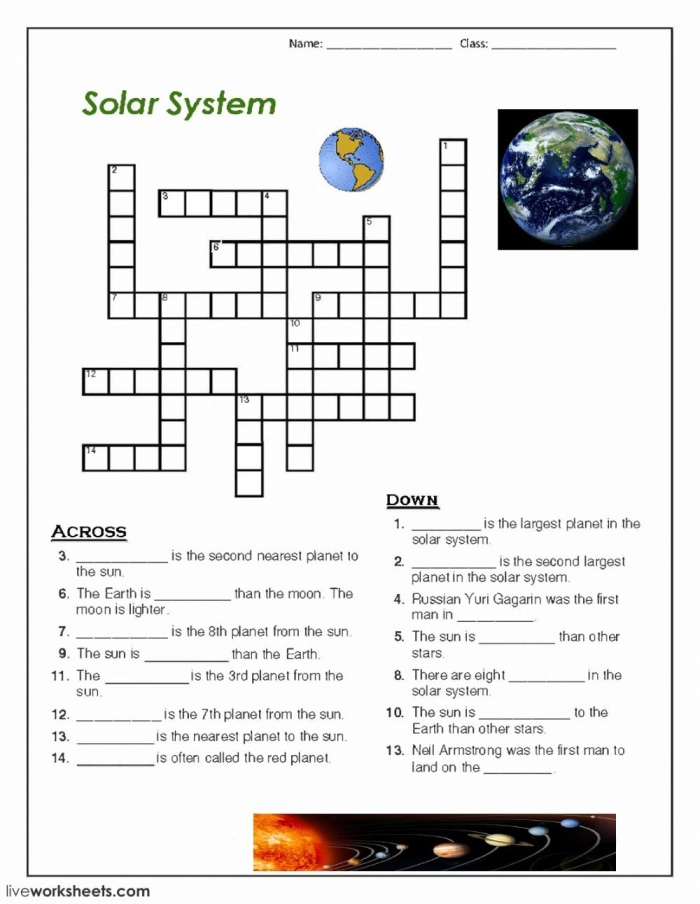
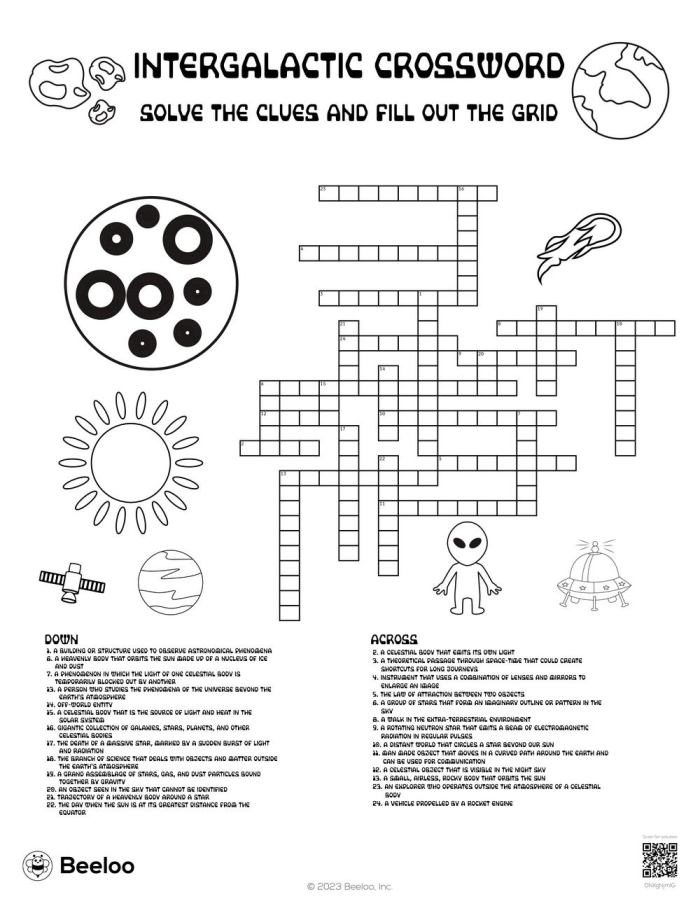
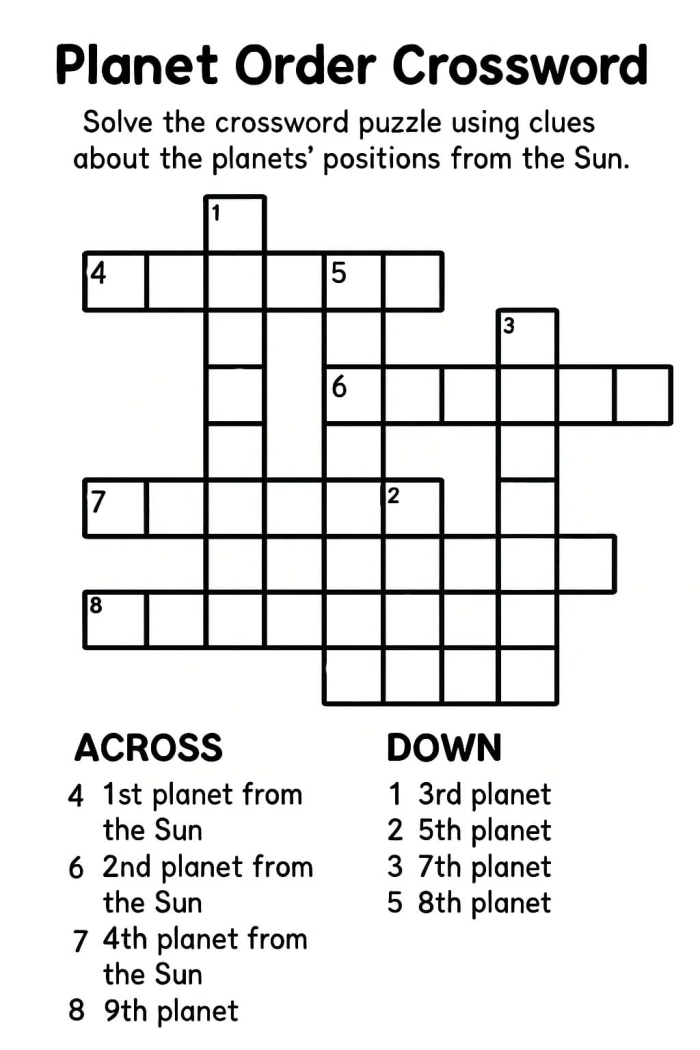
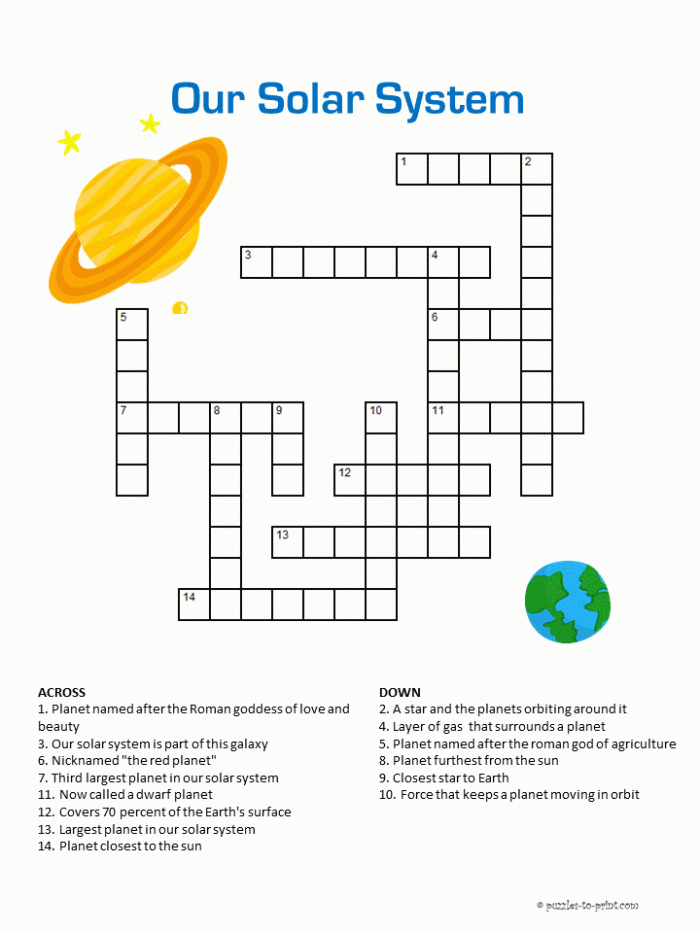
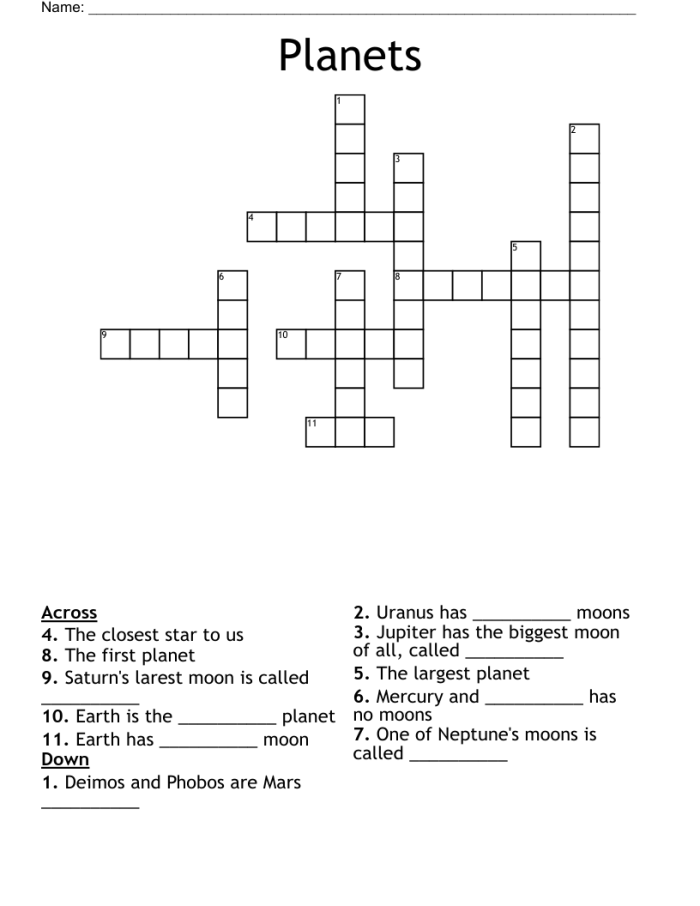
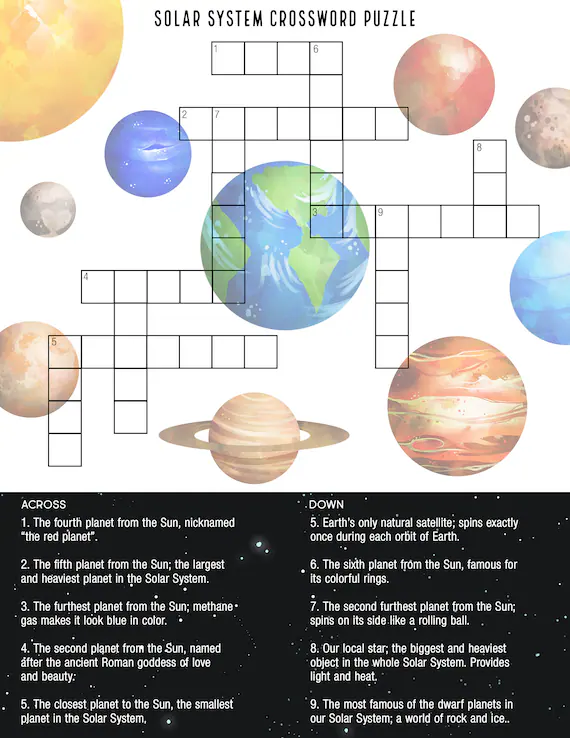
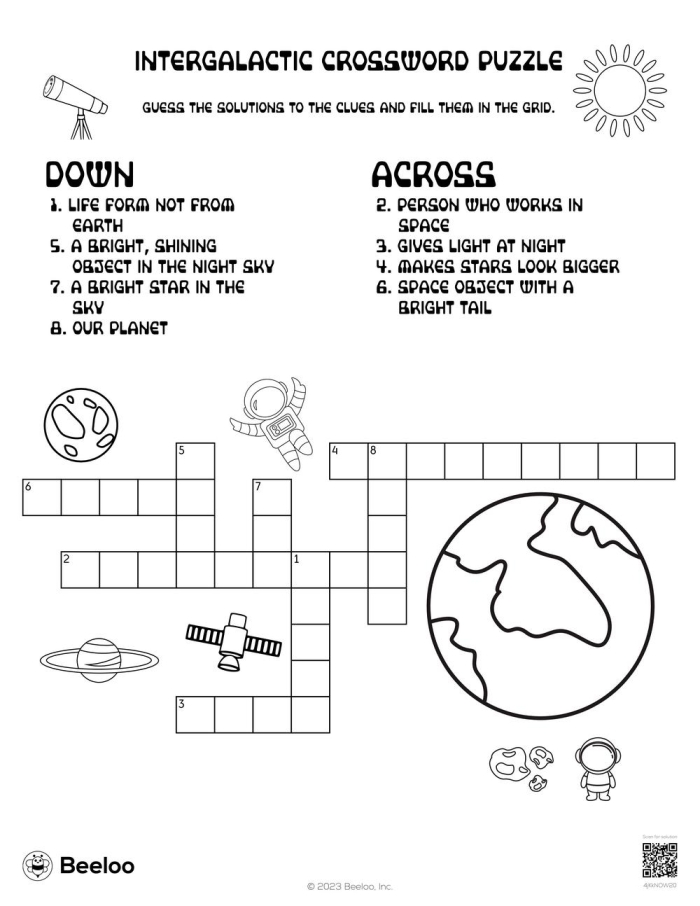
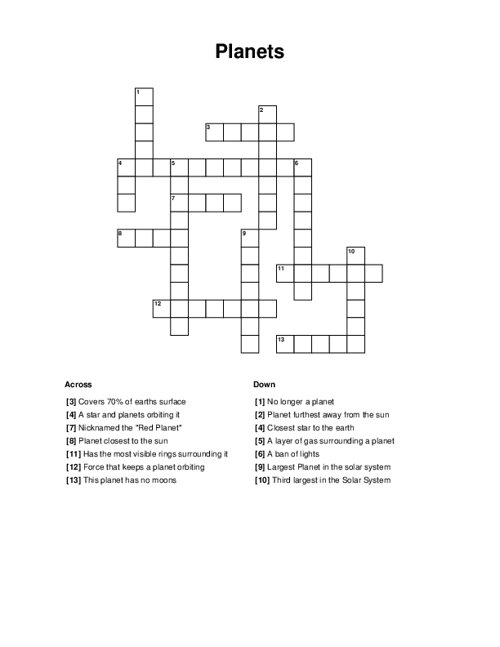
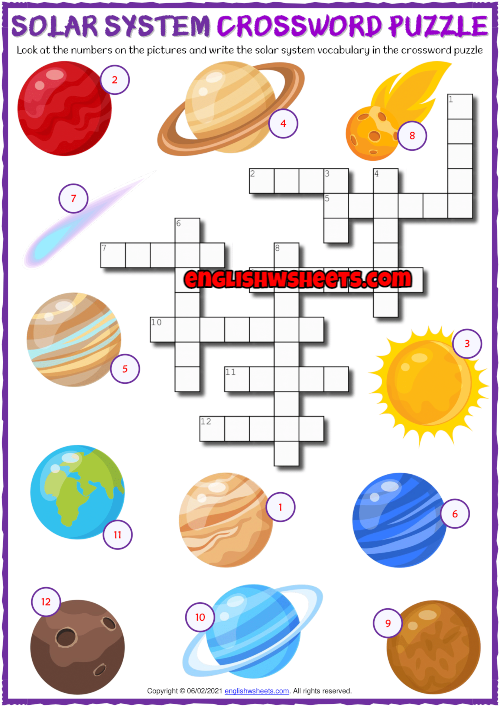
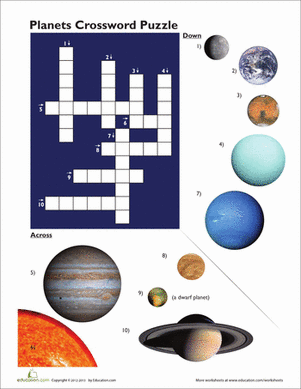
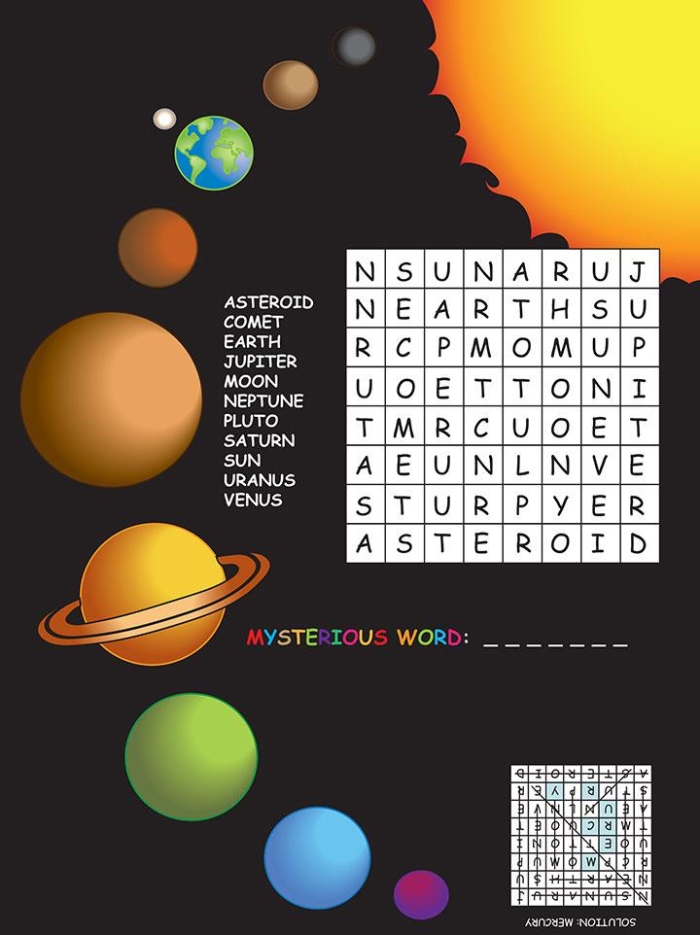
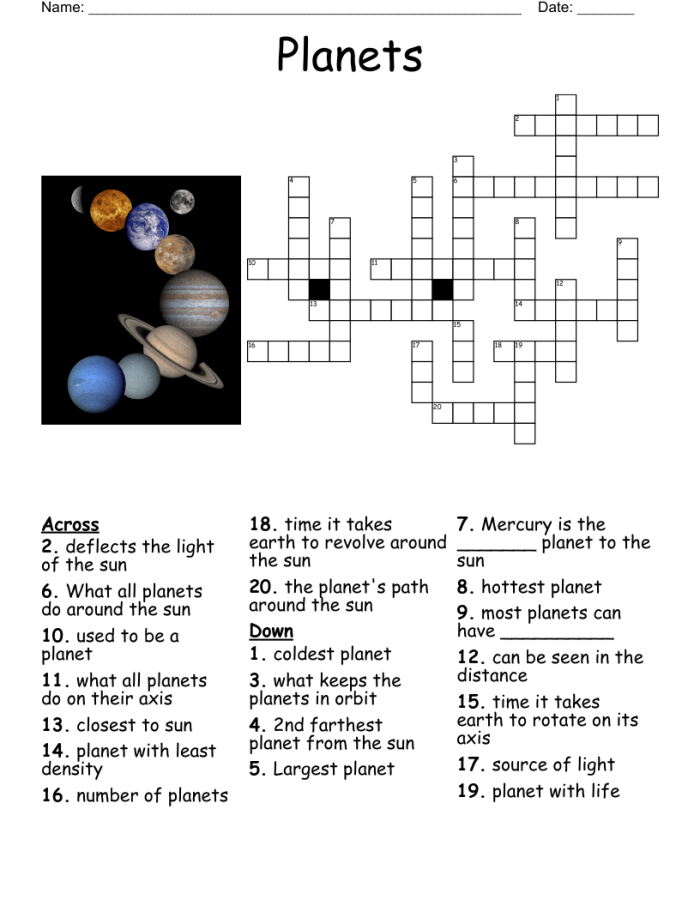
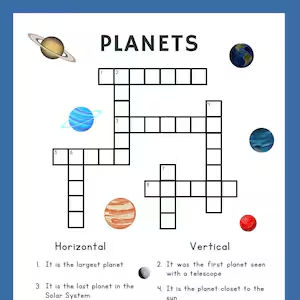
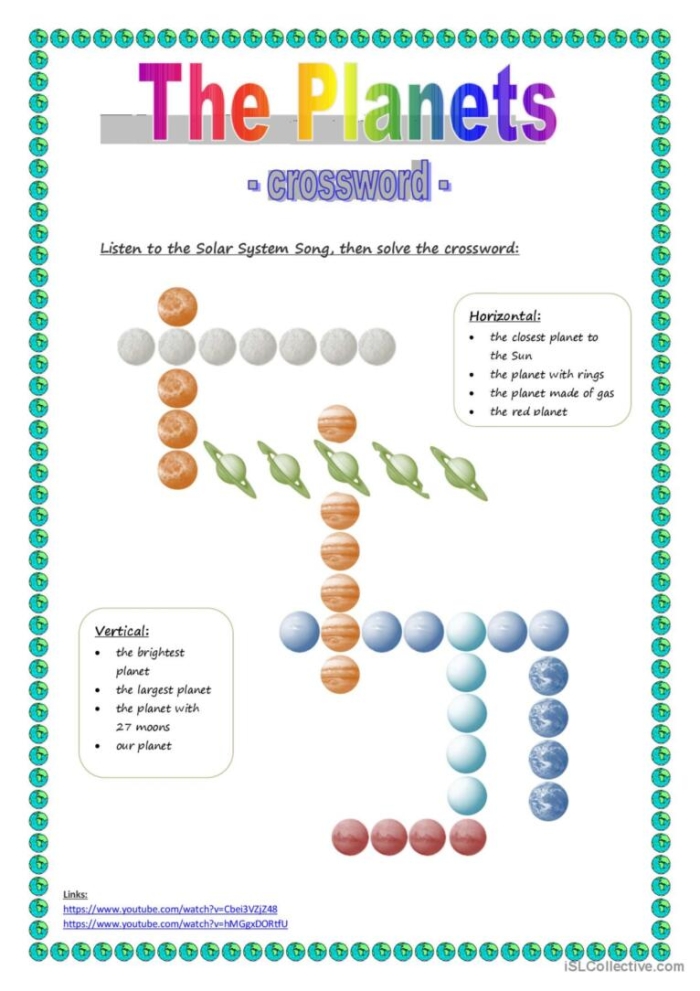
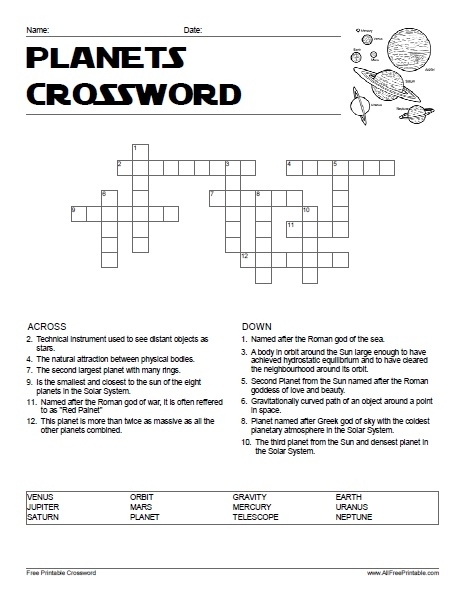
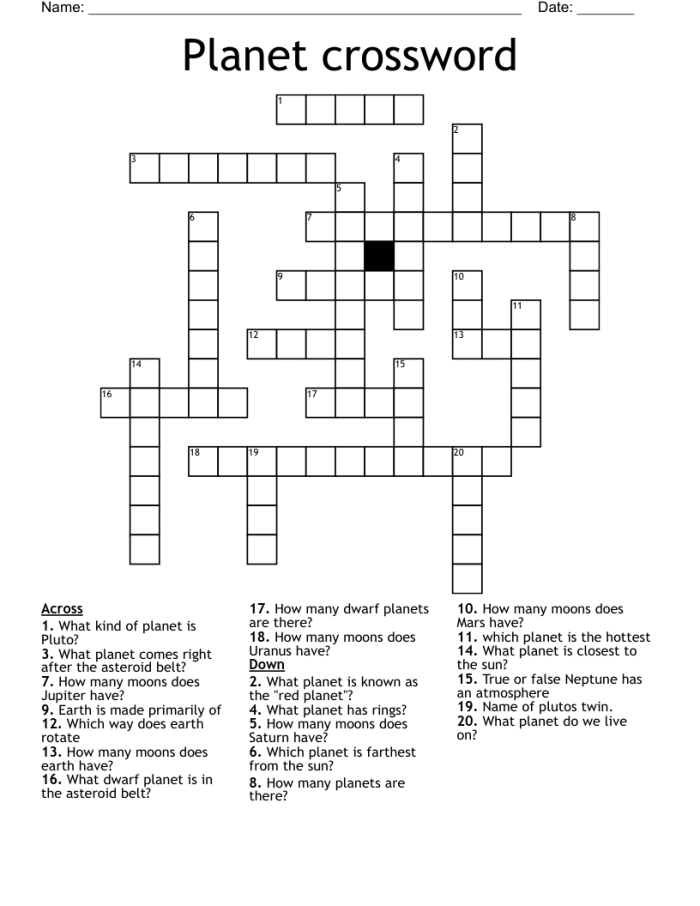
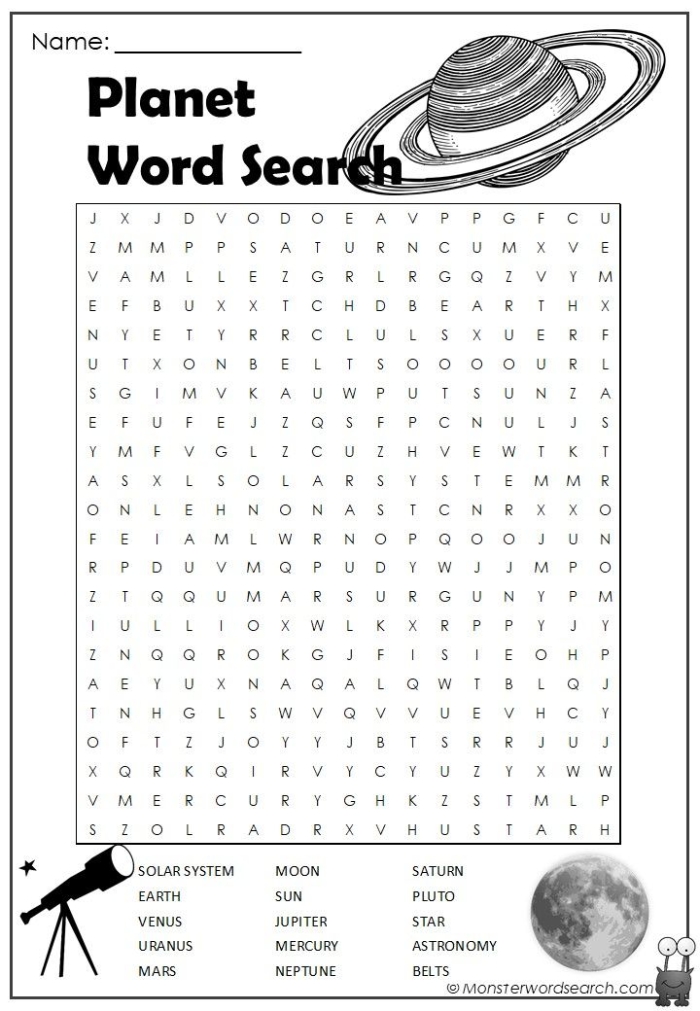
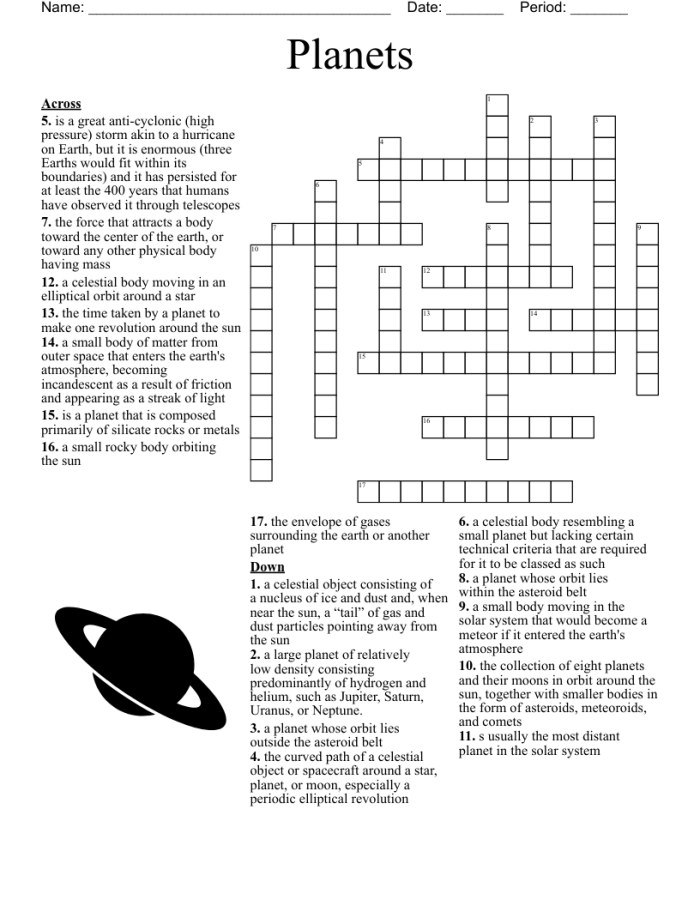
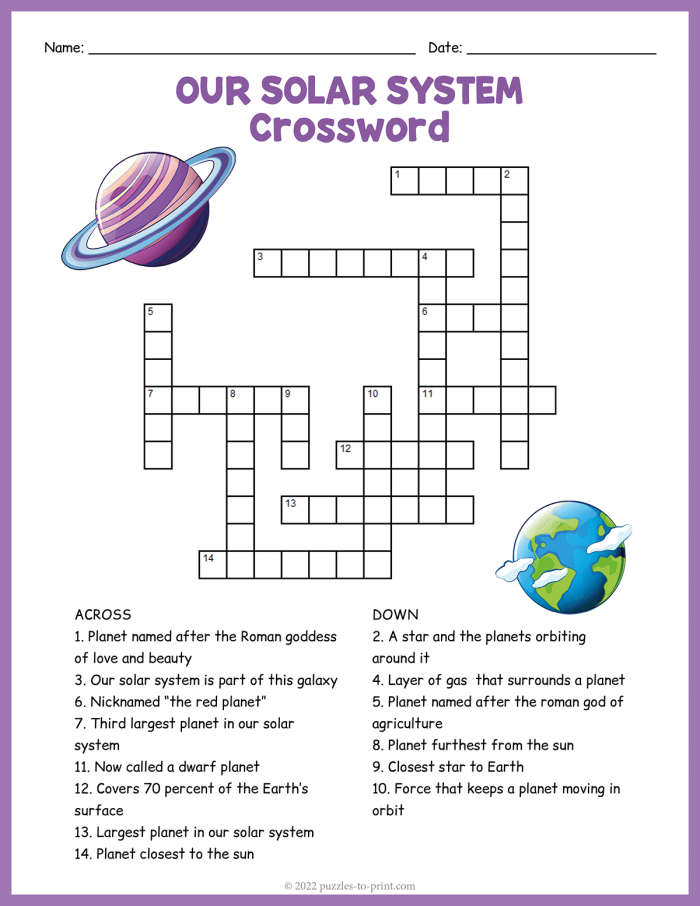
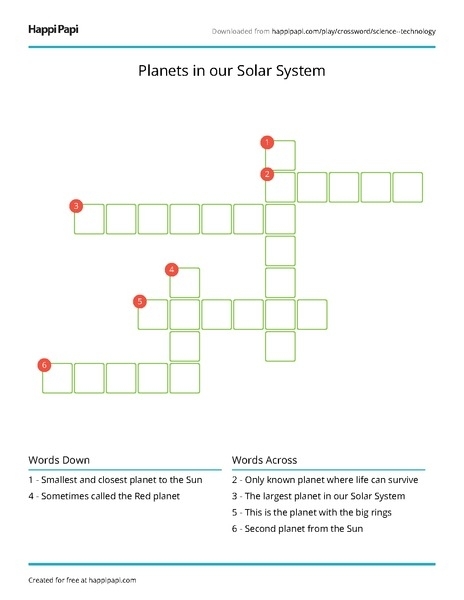
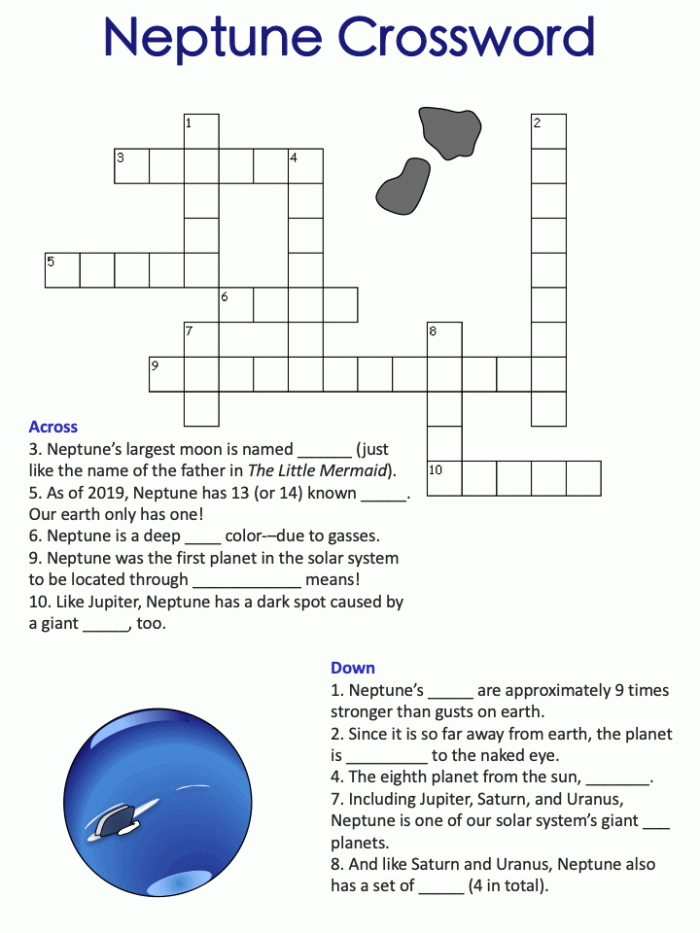
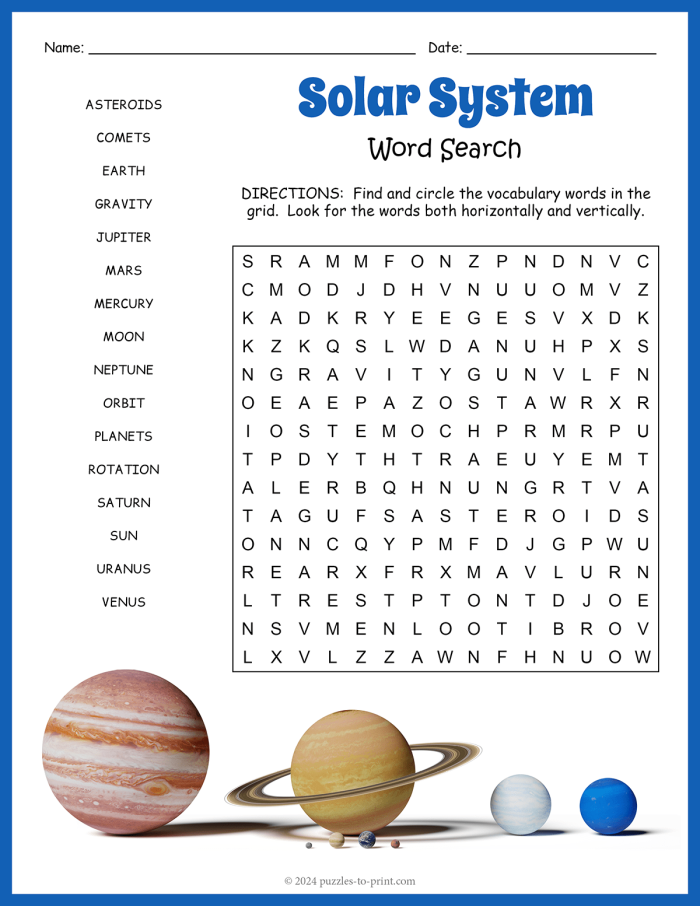
If you know what each planet looks like, you’ll have no trouble with this intergalactic crossword puzzle. The challenge becomes straightforward once you can match visual characteristics to their corresponding celestial bodies. Third graders studying Earth and Space Science often find that connecting images to names makes learning the solar system stick in ways that memorization alone never could.
Visual recognition is a powerful learning tool, especially for younger students. When children see Saturn’s distinctive rings or Jupiter’s Great Red Spot, those features become mental anchors. They remember not just the name, but why that planet matters and what makes it unique. This approach transforms abstract space facts into concrete, memorable details.
A crossword puzzle built around planet pictures works differently than traditional word puzzles. Instead of relying solely on written clues, students reference actual images of each planet. Mercury’s small, gray surface. Venus’s thick, cloudy atmosphere. Earth’s blue oceans. Mars’s rusty red color. Each visual clue narrows down the answer immediately. This method reduces frustration and keeps students focused on the real learning objective: understanding planetary characteristics.
Third-grade teachers use visual learning strategies because they align with how young minds process information. When combined with other Earth and Space Science activities, a planet pictures crossword becomes part of a comprehensive unit. Students might also work through math problems connected to space topics or practice citing evidence from what they observe.
The puzzle format itself offers benefits beyond content mastery. Crosswords develop vocabulary, reinforce spelling, and encourage students to think systematically about how letters fit together. For third graders, this combination of visual recognition, word skills, and space science creates an engaging learning experience that feels more like play than work.
Printable Worksheets for Practice