What’s the opposite of a sunset? A sunrise, of course. This simple question opens the door to one of the most useful thinking skills you can teach a Pre-K child: identifying opposites.
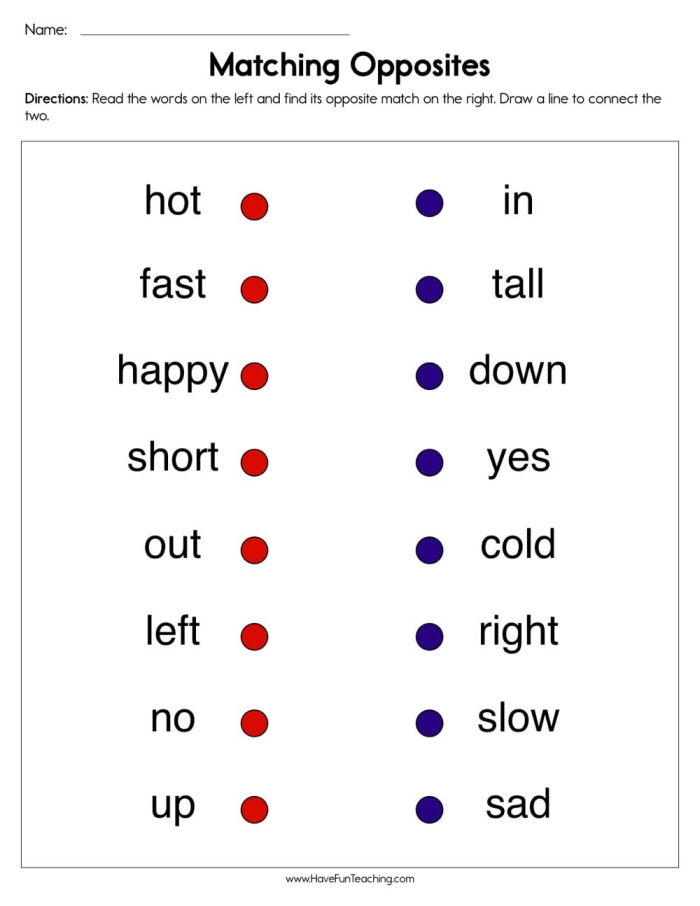
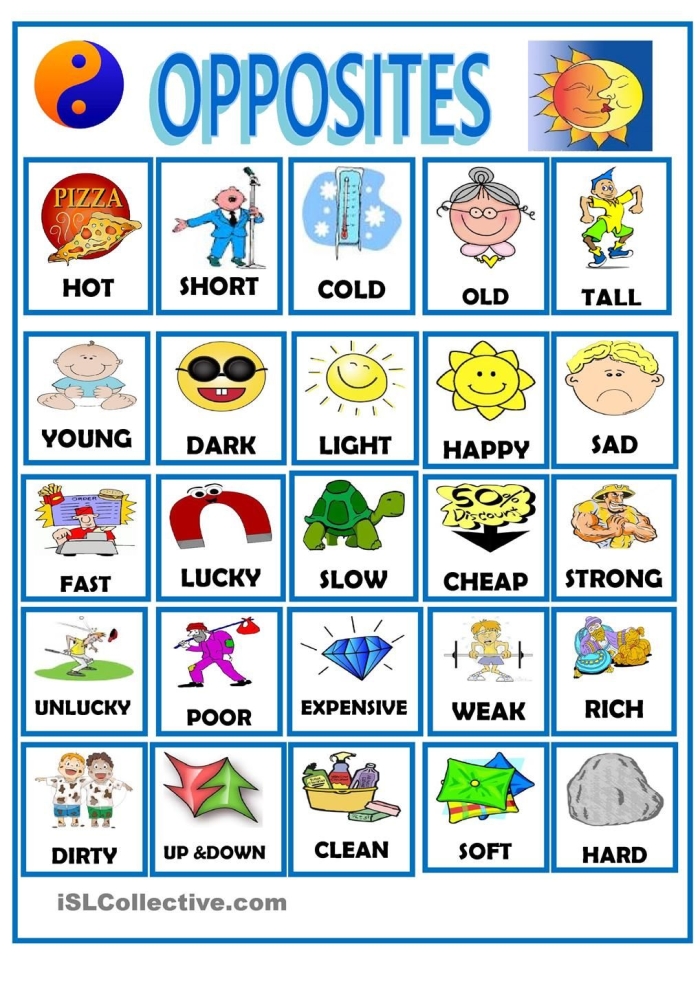
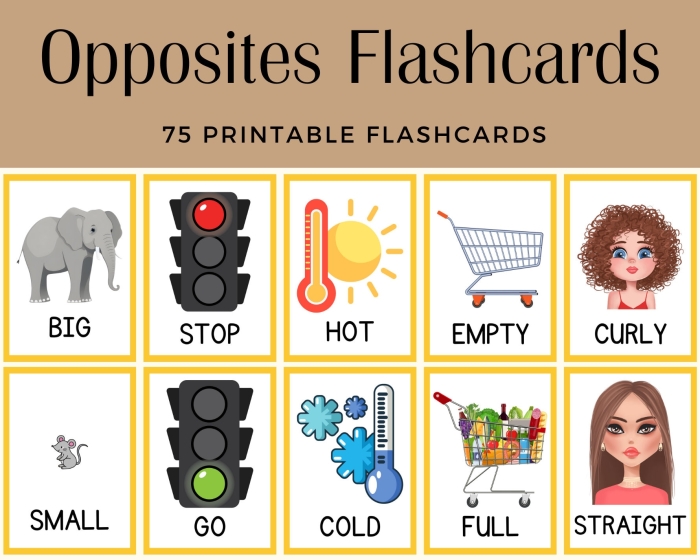
Young learners are natural pattern-seekers. When they understand that things come in opposite pairs, they start noticing relationships between concepts all around them. Hot and cold. Big and small. Up and down. This foundational skill helps children organize their thinking and expand their vocabulary in meaningful ways.
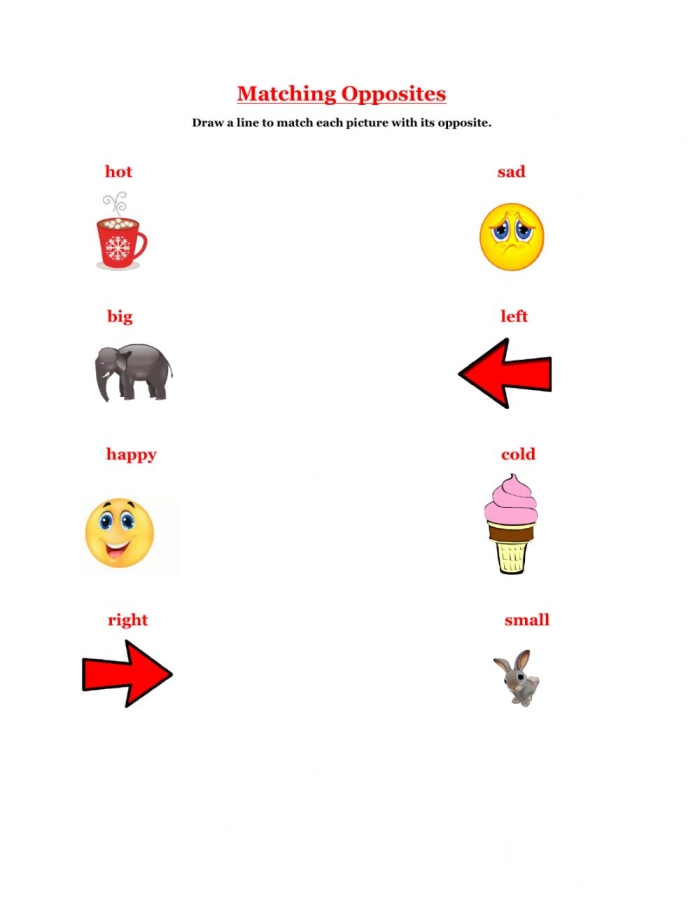
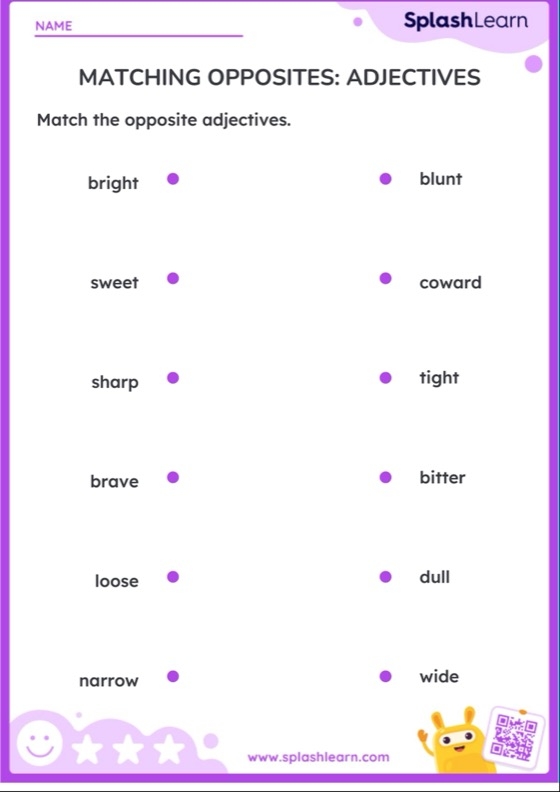
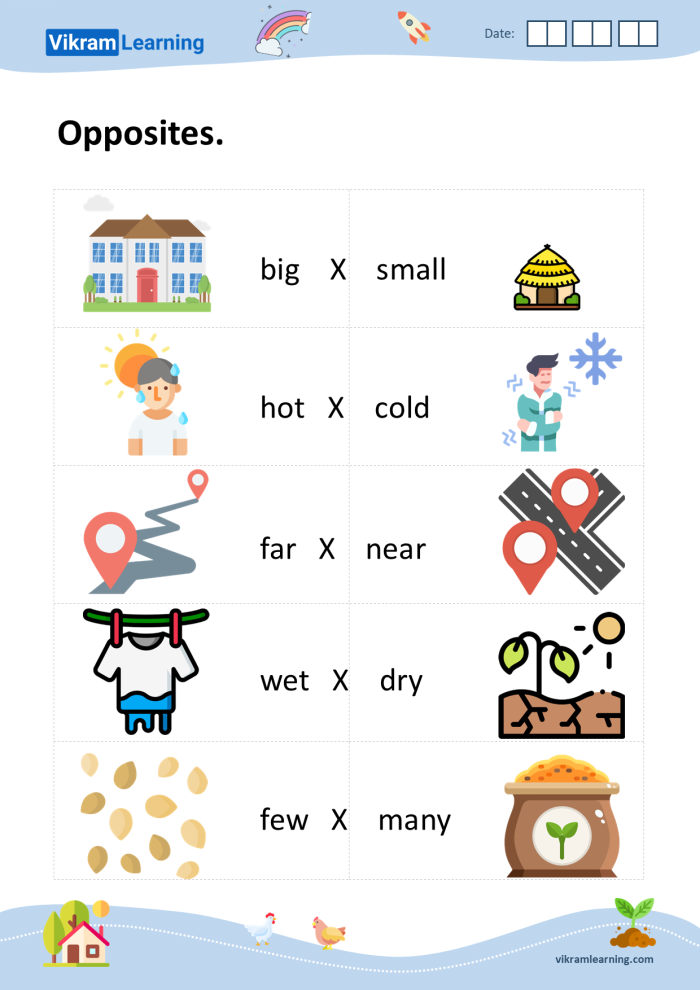
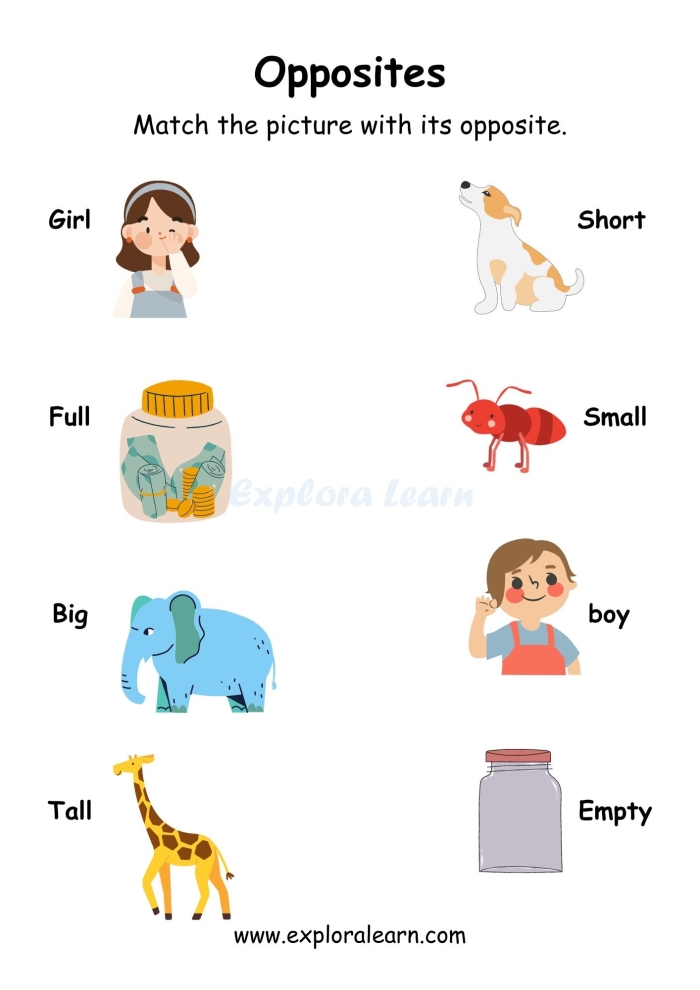
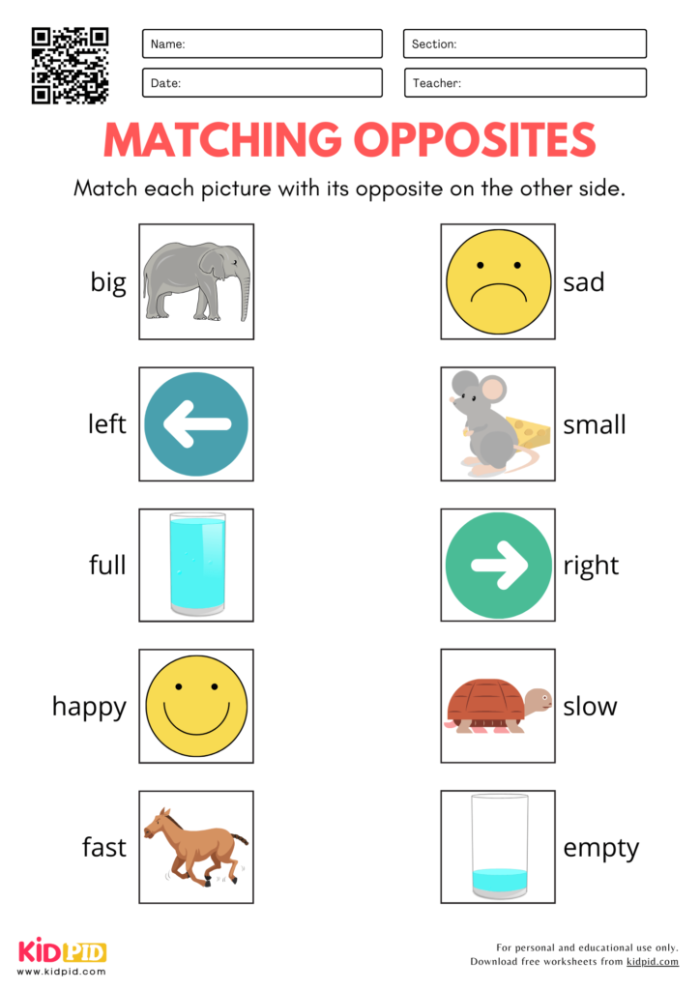
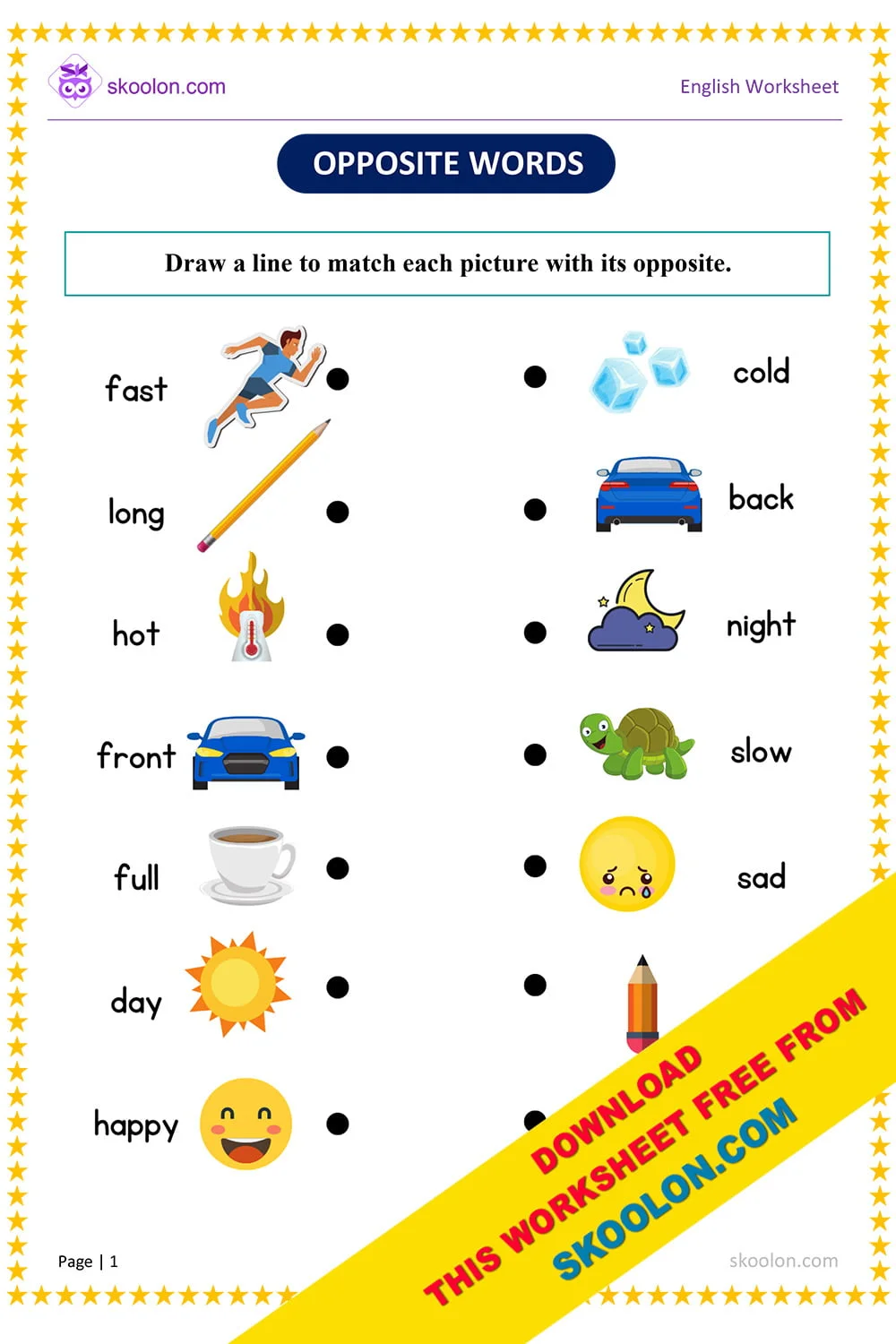
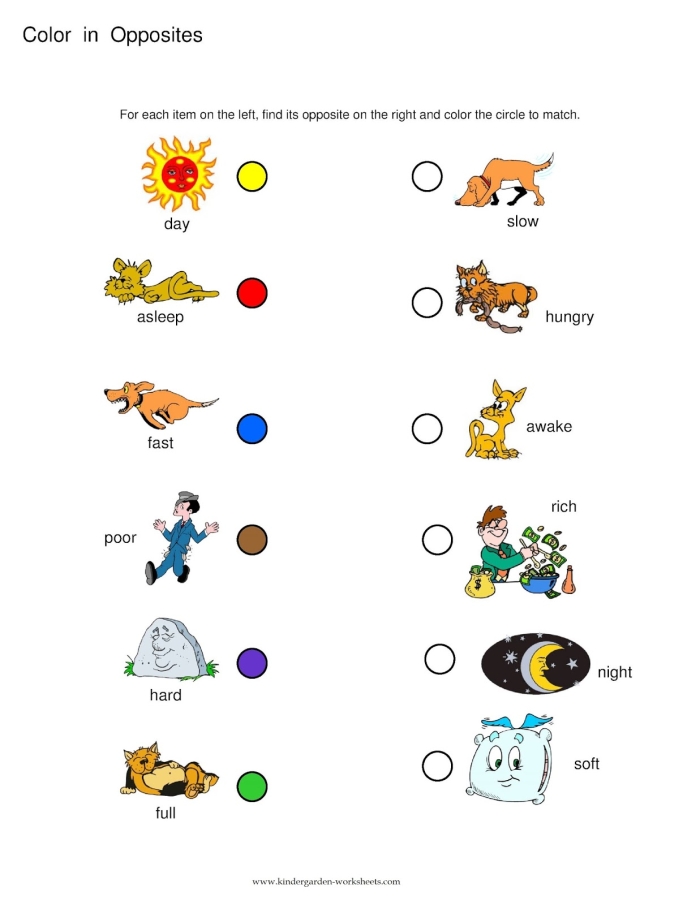
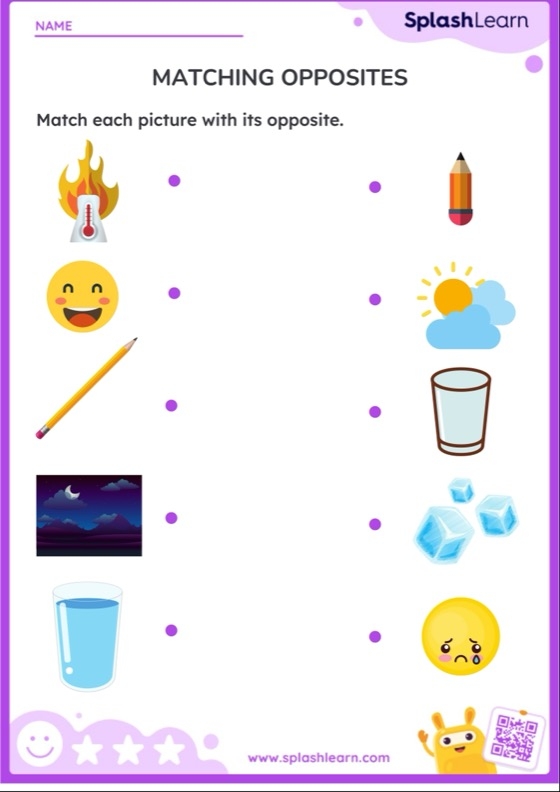
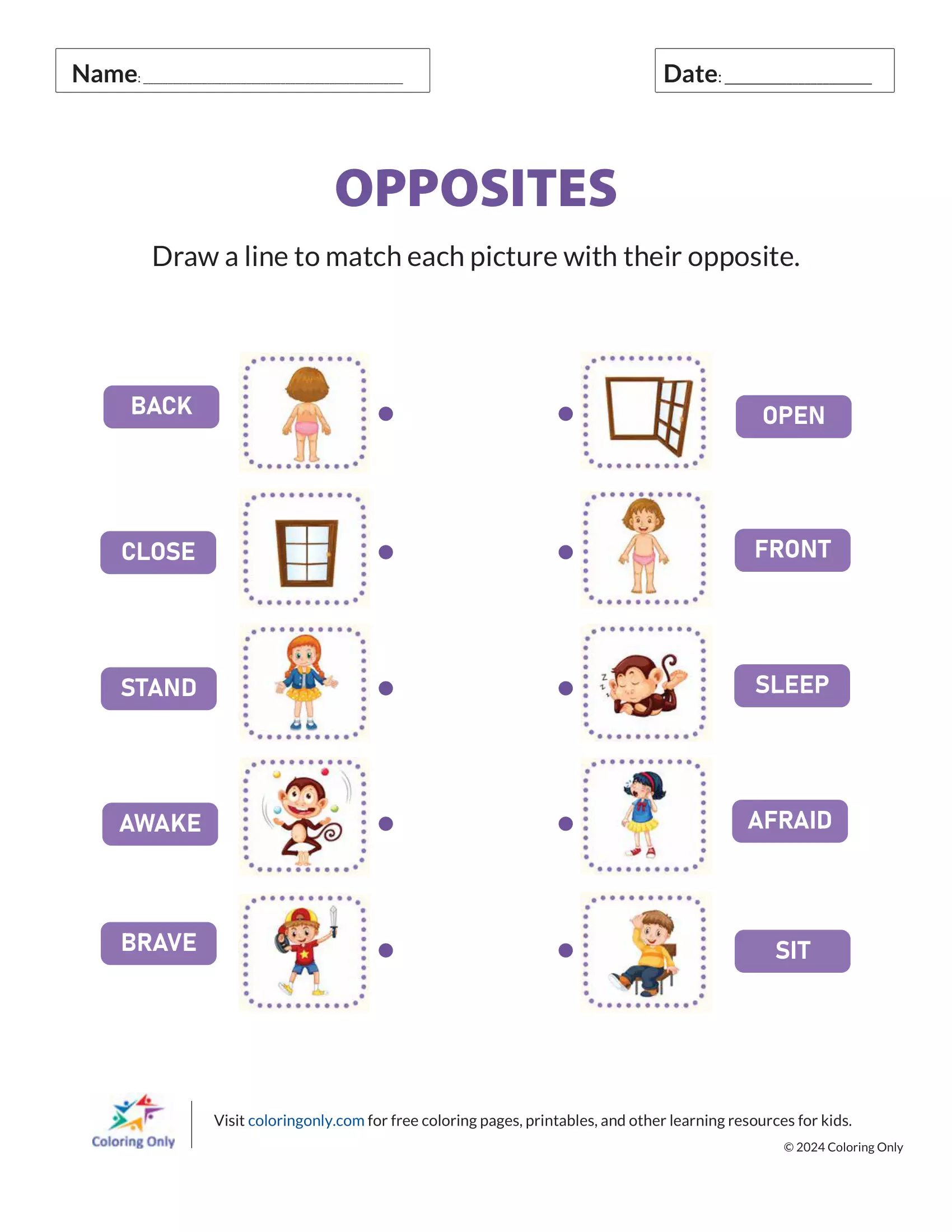
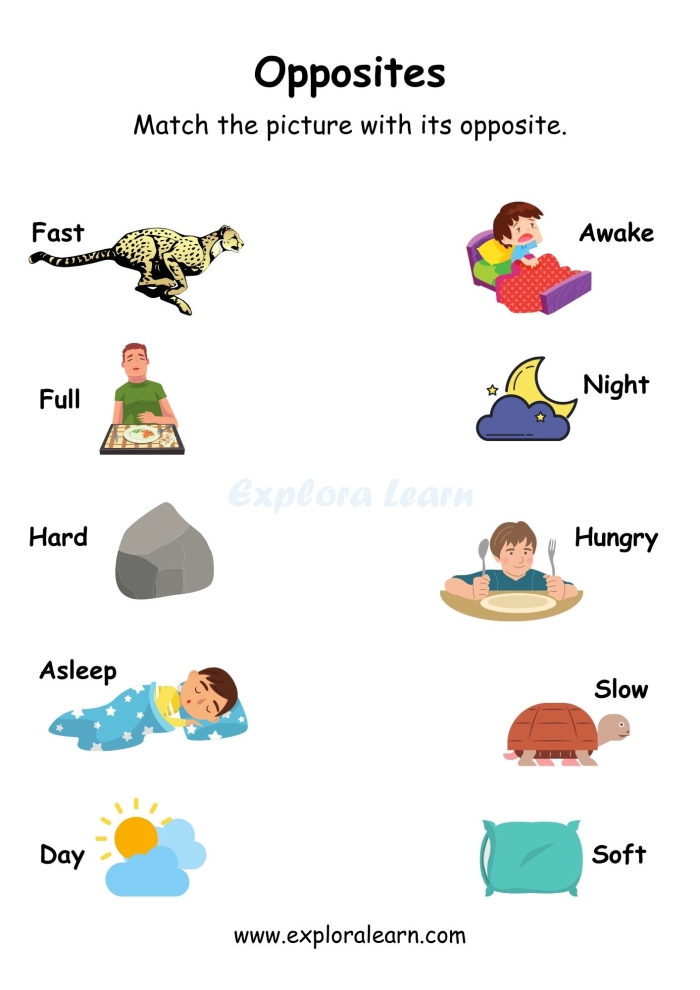
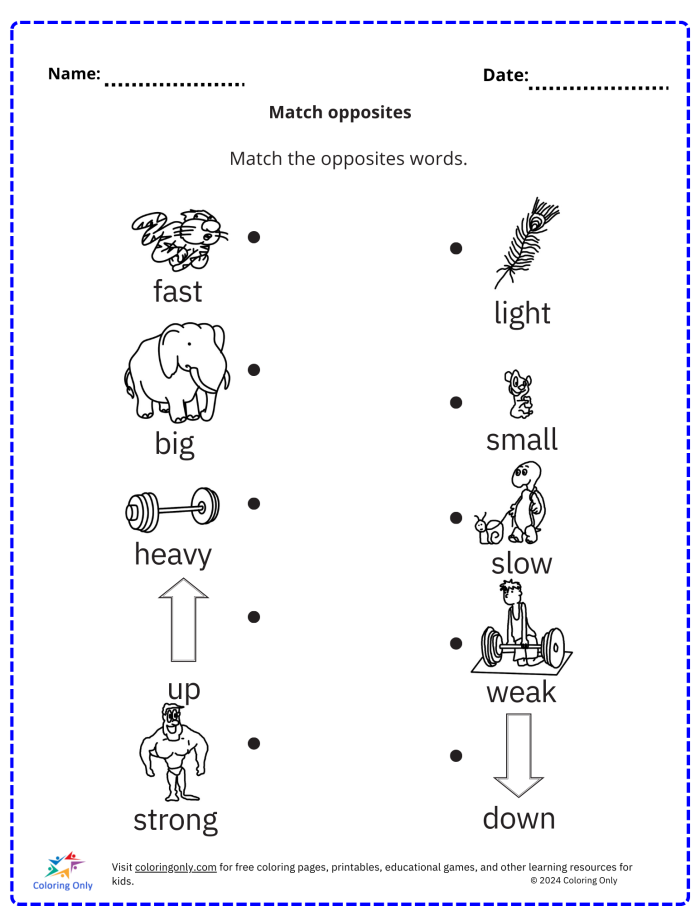
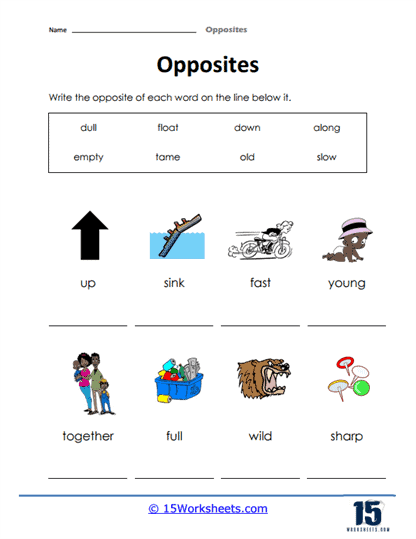
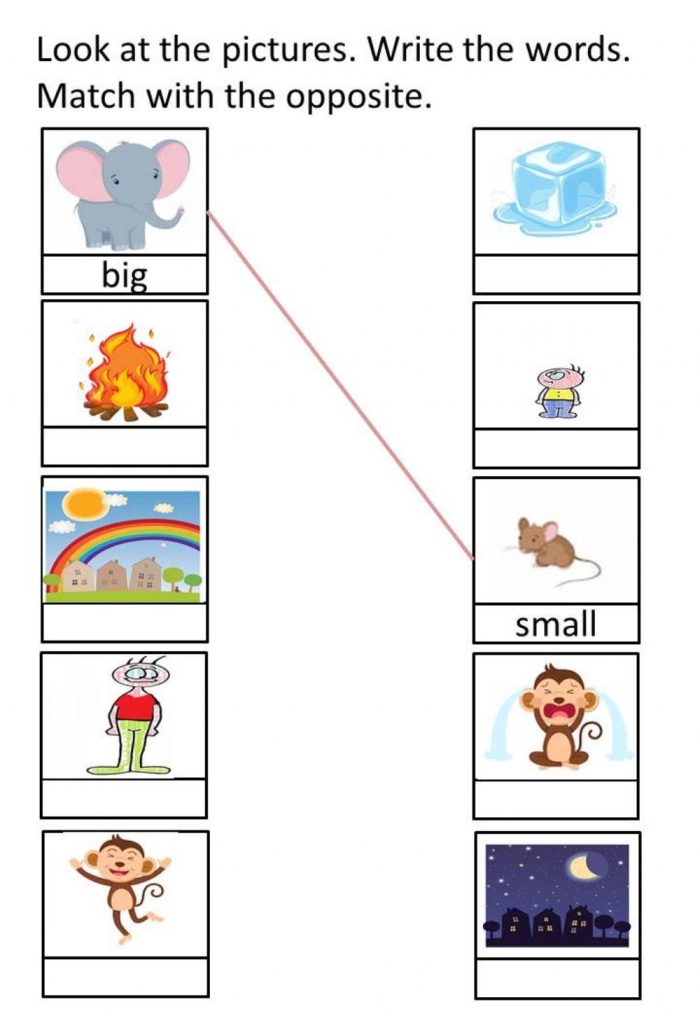
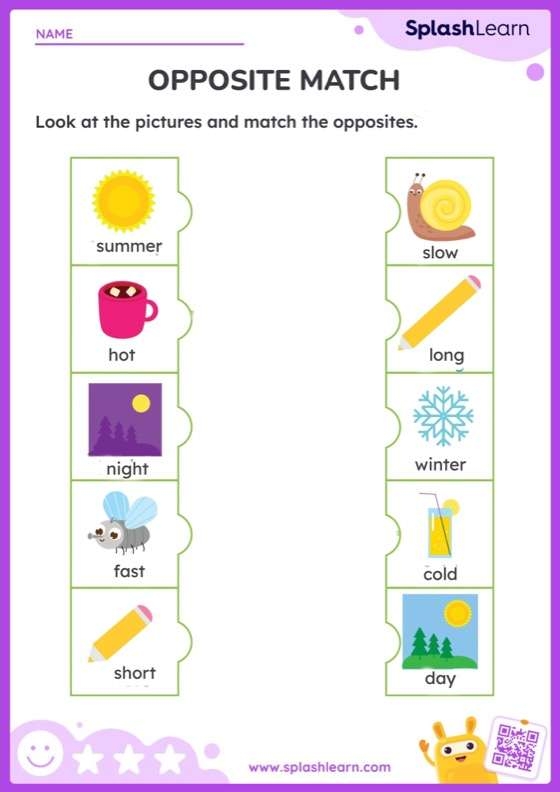
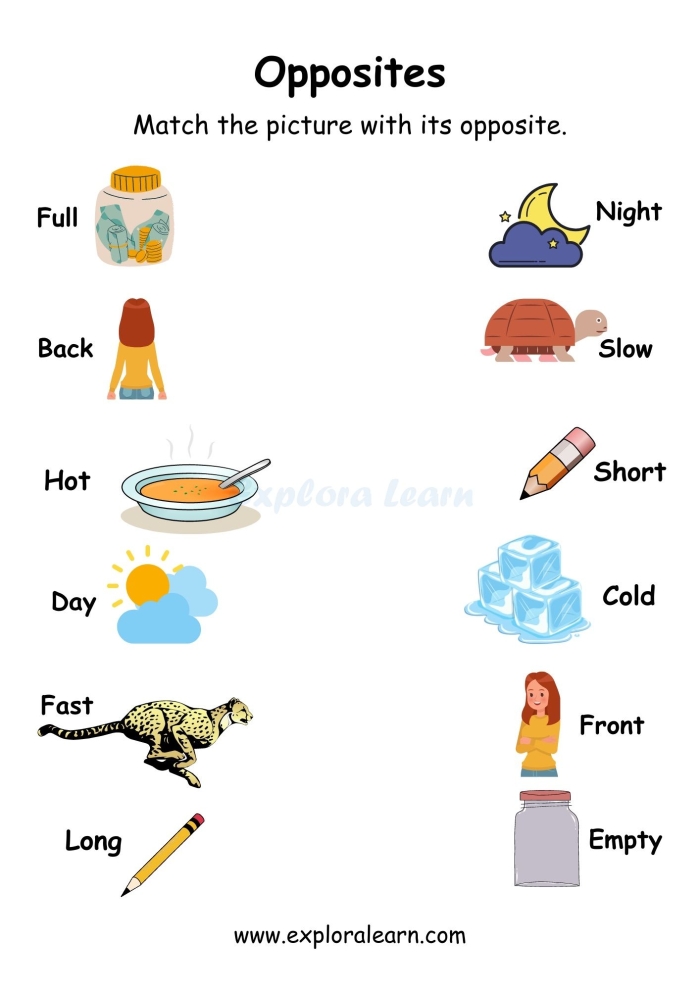
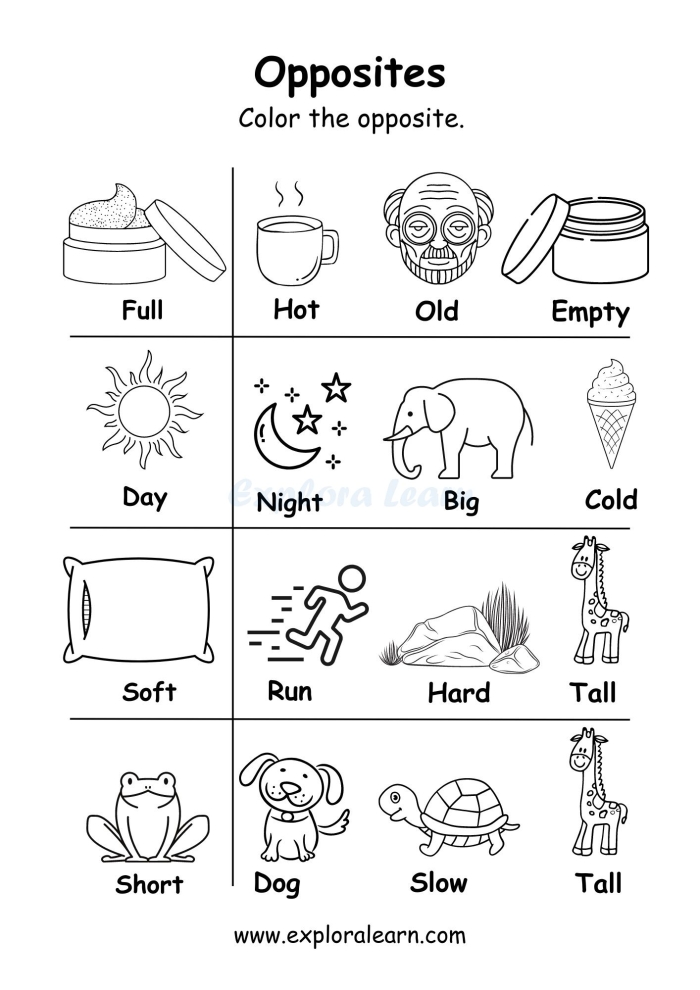
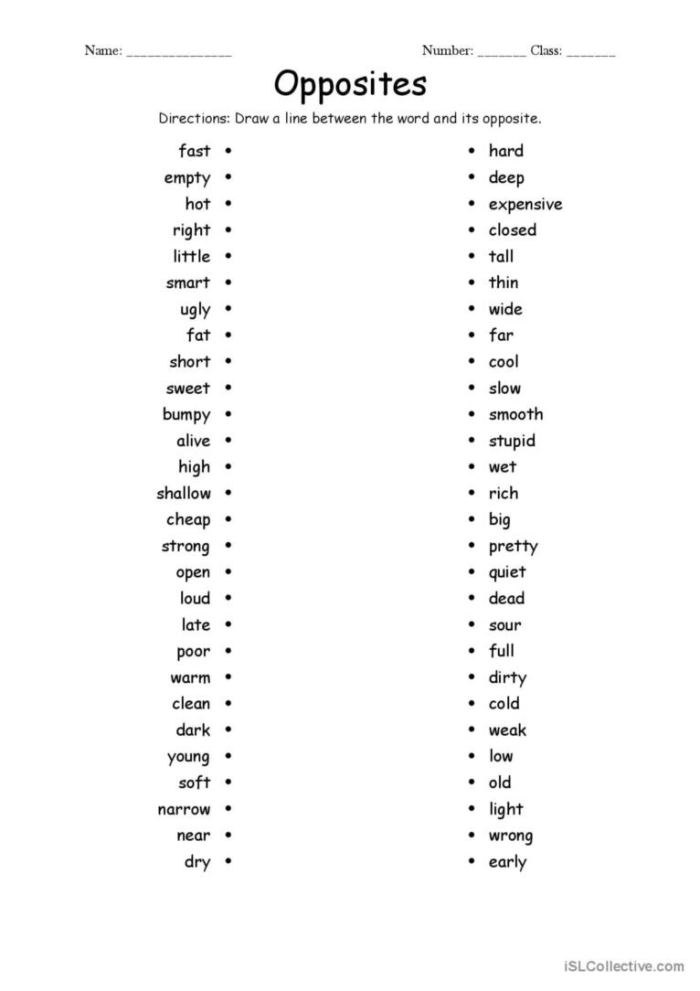
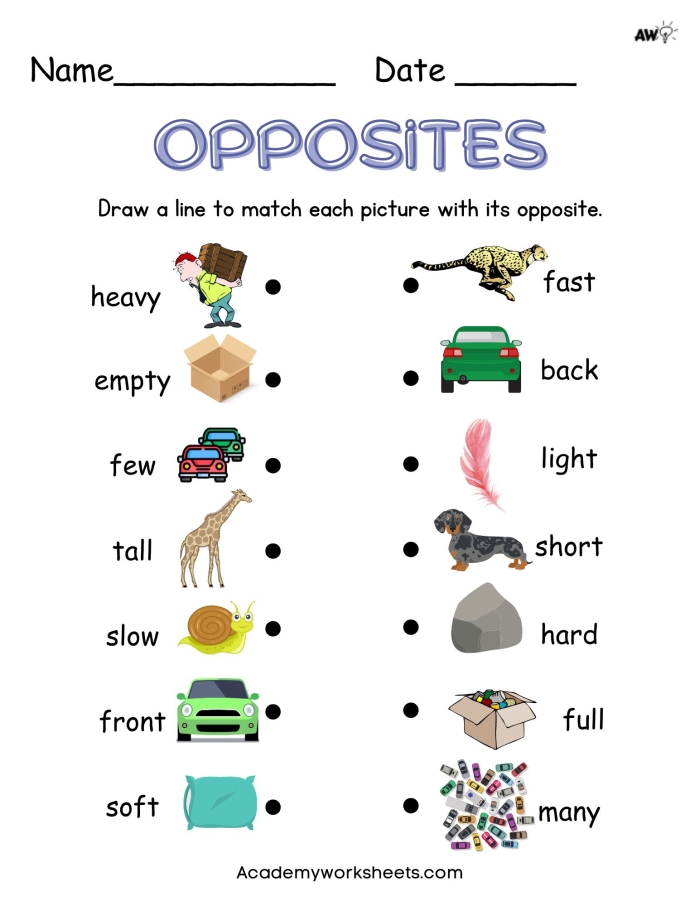
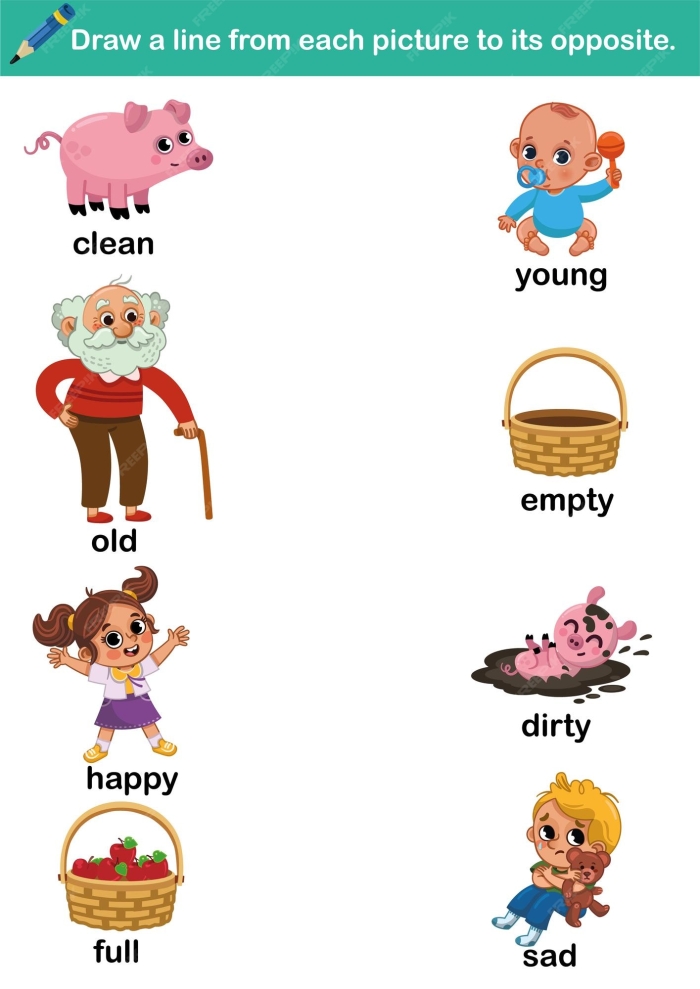
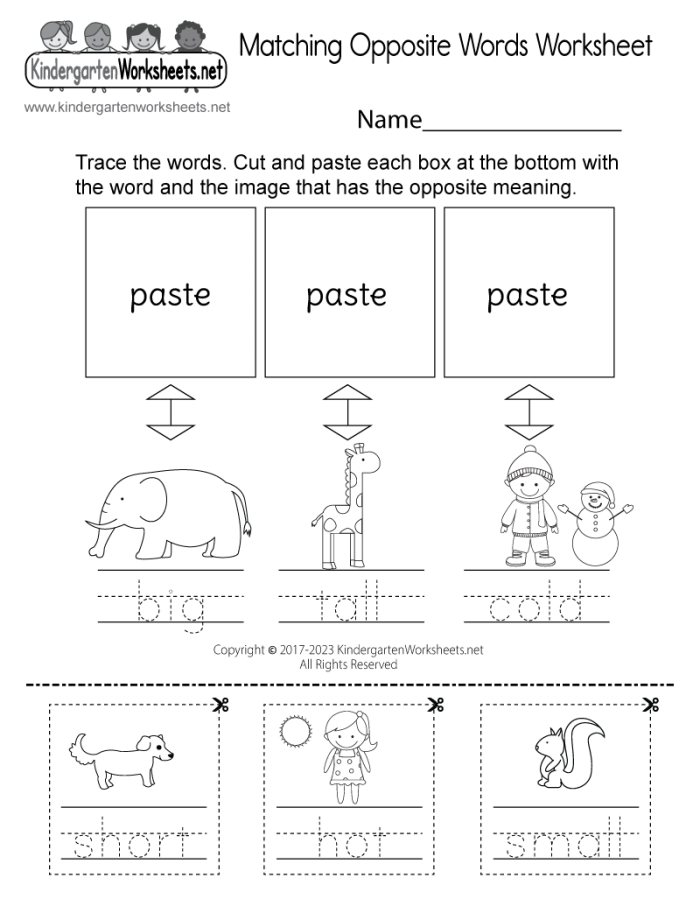
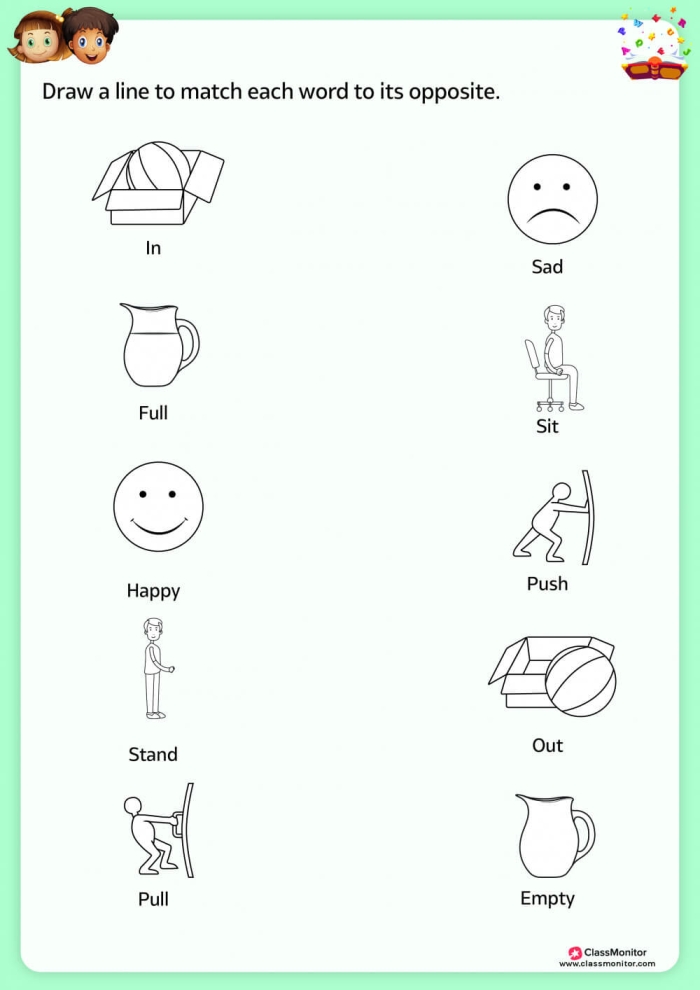
Worksheets focused on matching opposites work because they let children see the pairs visually. A picture of the sun rising in the morning next to the sun setting in the evening makes the concept stick. The image does the explaining, which matters when you’re working with Pre-K students who are still developing their reading abilities. They don’t need words to understand that these two moments are different yet connected.
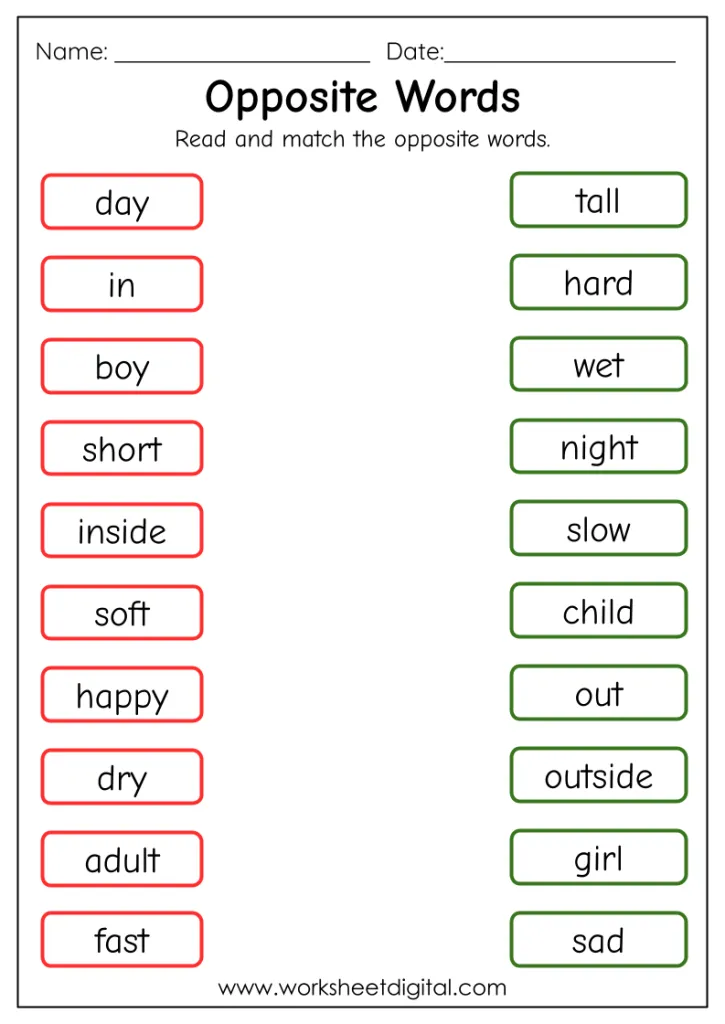
When your child works through these matching activities, they’re doing more than just pairing pictures. They’re learning to compare, contrast, and think about how things relate to each other. This kind of thinking builds the mental flexibility they’ll need for more complex learning later on.
You can extend the learning beyond the worksheet too. Point out opposites during your day: when you turn lights on and off, when you go up the stairs and down the stairs, when you open and close doors. The more your child hears these words in real situations, the faster they internalize them.
Pairing opposites worksheets with other Pre-K activities strengthens the concept even more. After working on matching activities, try exploring sight words like “up” to reinforce directional opposites. You might also use color-based worksheets to explore opposite color pairs, or incorporate fun activities like coloring pages to keep learning playful and engaging.
Boost Skills with These Worksheets