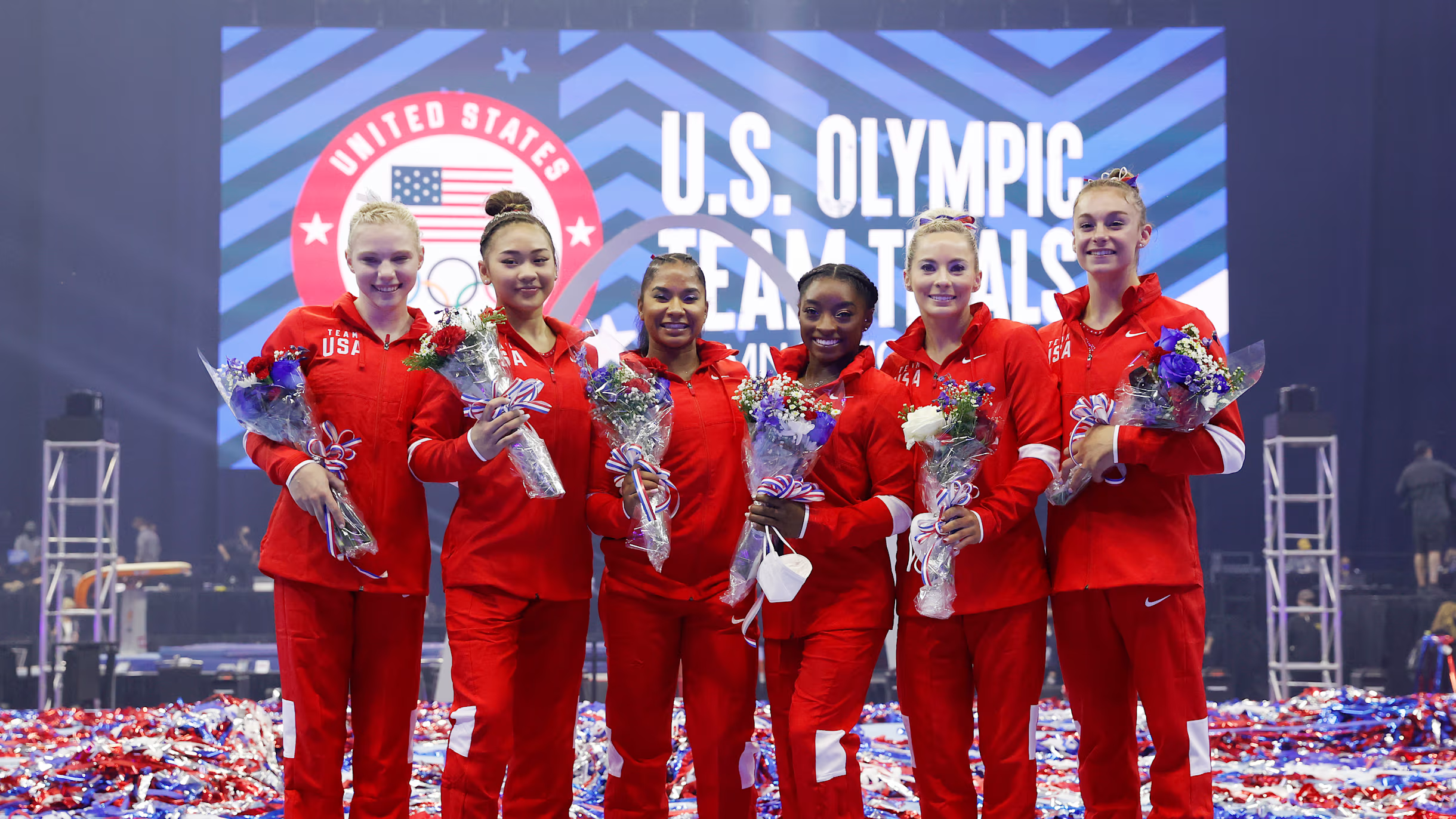
Understanding the mean, median, and mode of Olympic scores can be an exciting way to practice basic data analysis, especially for fifth graders learning fractions. Imagine flipping through scores from various gymnastics events. Each score tells a story about an athlete’s performance, but they also provide a unique opportunity to engage with math.
The mean is calculated by adding all the scores together and dividing by the total number of scores. For instance, if you have scores like 9.5, 9.7, and 9.8, you would add these up to get 29. Then, you divide by 3, giving you a mean score of 9.67. This calculation helps students understand averages in a real-world context.
Next, finding the median involves organizing the scores in numerical order. If the scores are 9.2, 9.4, and 9.9, the median is the middle number, which in this case is 9.4. This provides insight into the central tendency of the scores, illustrating another aspect of data analysis.
The mode is the score that appears most frequently. If your scores are 9.4, 9.4, and 9.7, then the mode is 9.4. This step emphasizes how some scores are more common than others, which can be critical in evaluating performance trends.
Once you’ve calculated these statistics, creating a bar graph can visually represent the data. Each bar can represent a score, making it easier to compare performances at a glance. Bar graphs are not only visually engaging but also help in reinforcing the concepts of mean, median, and mode.
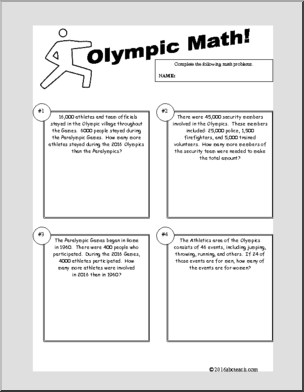
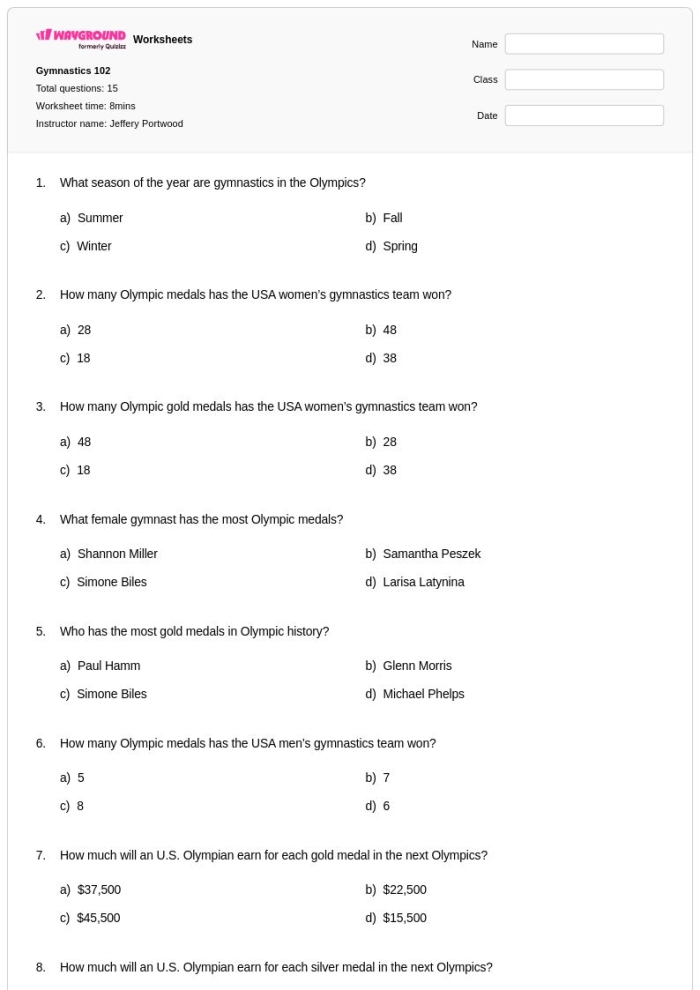
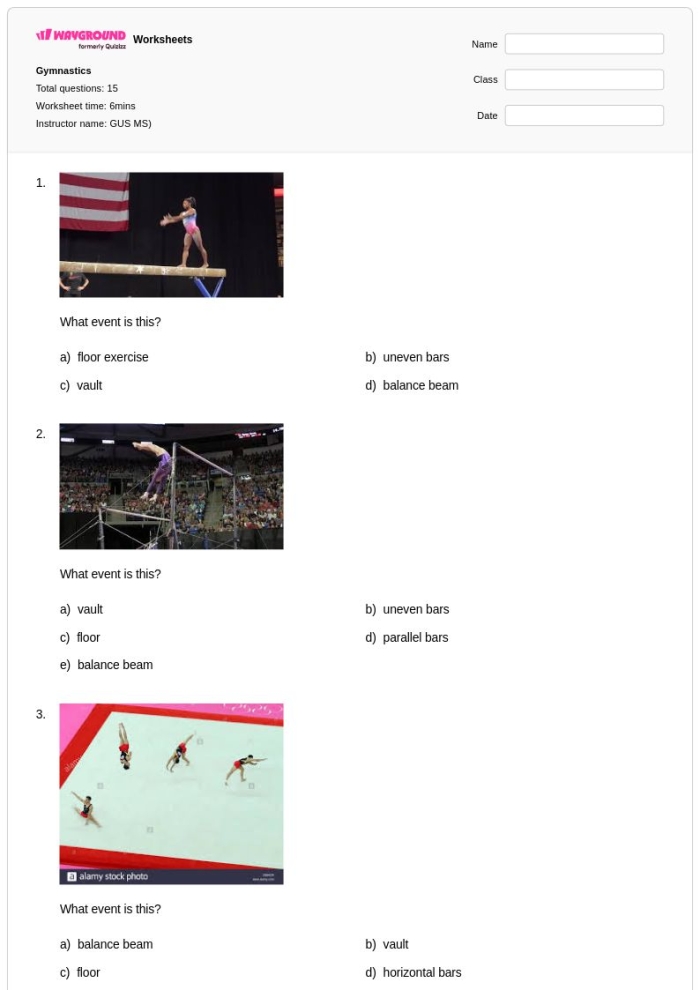
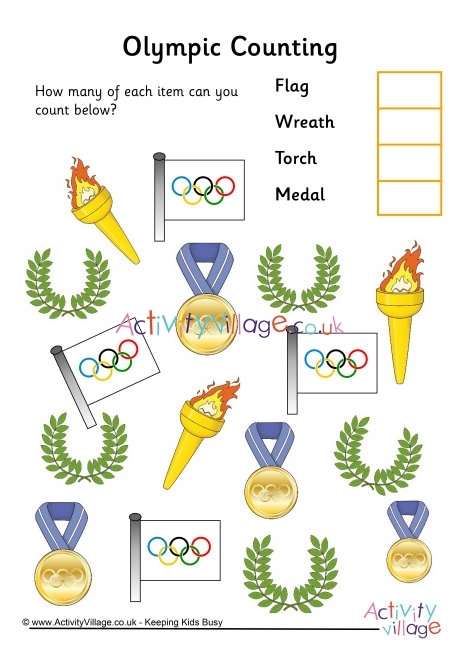
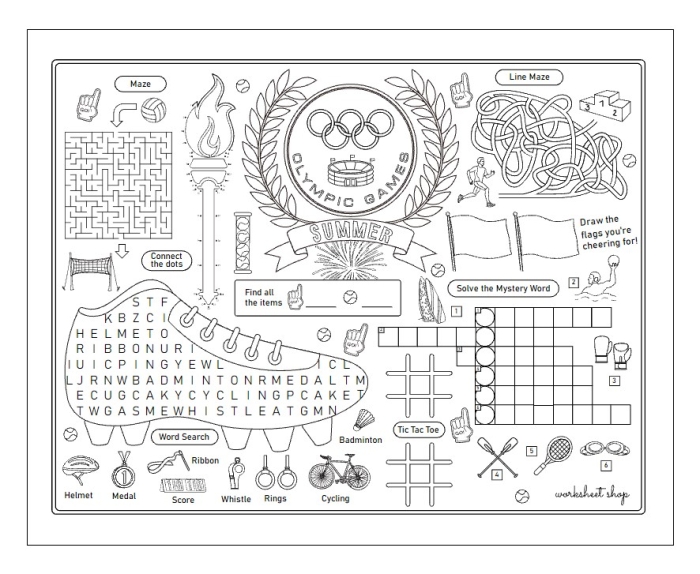
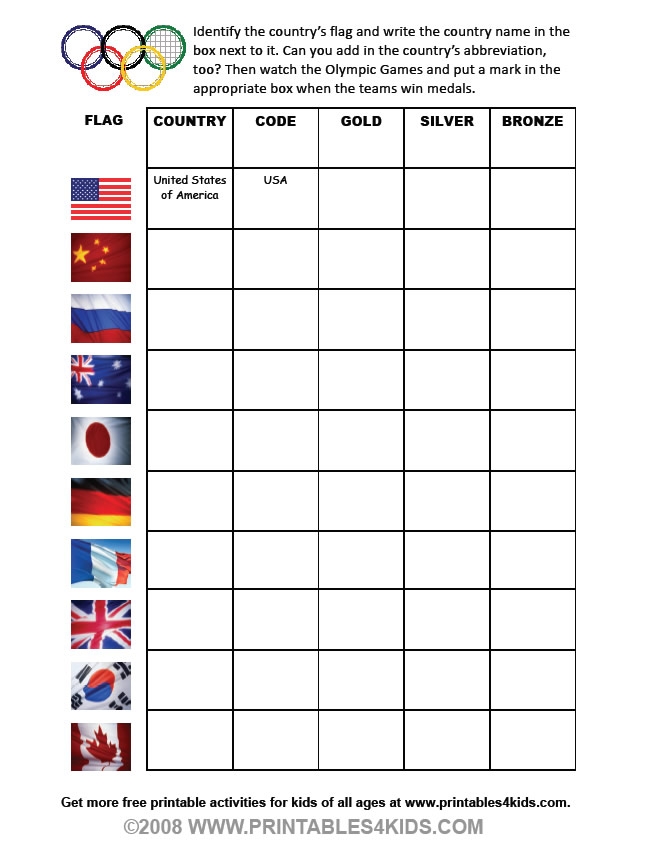
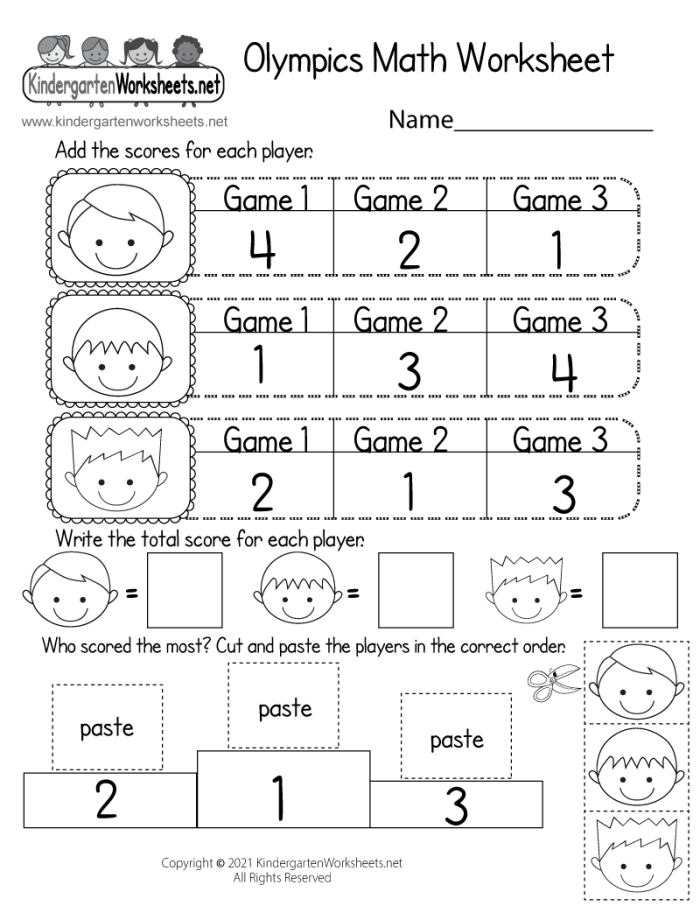
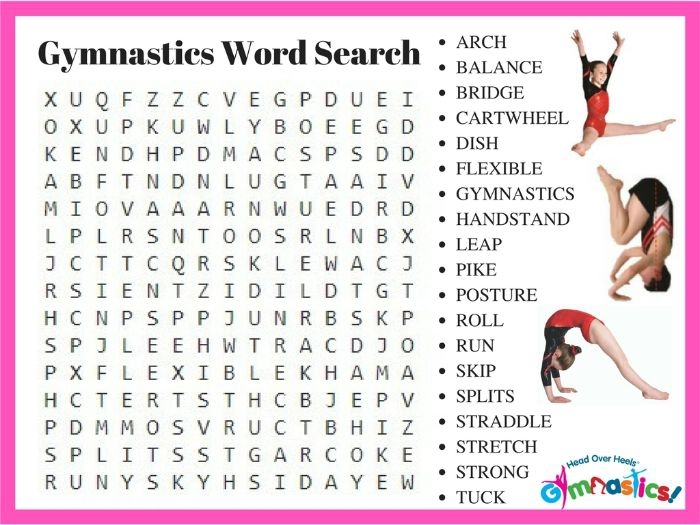
For more hands-on practice, check out the Printable Olympic Math: Gymnastics Worksheets. These worksheets provide a structured way to apply what you’ve learned about data analysis while enjoying the thrill of the Olympic Games.
Start Practicing with These Worksheets