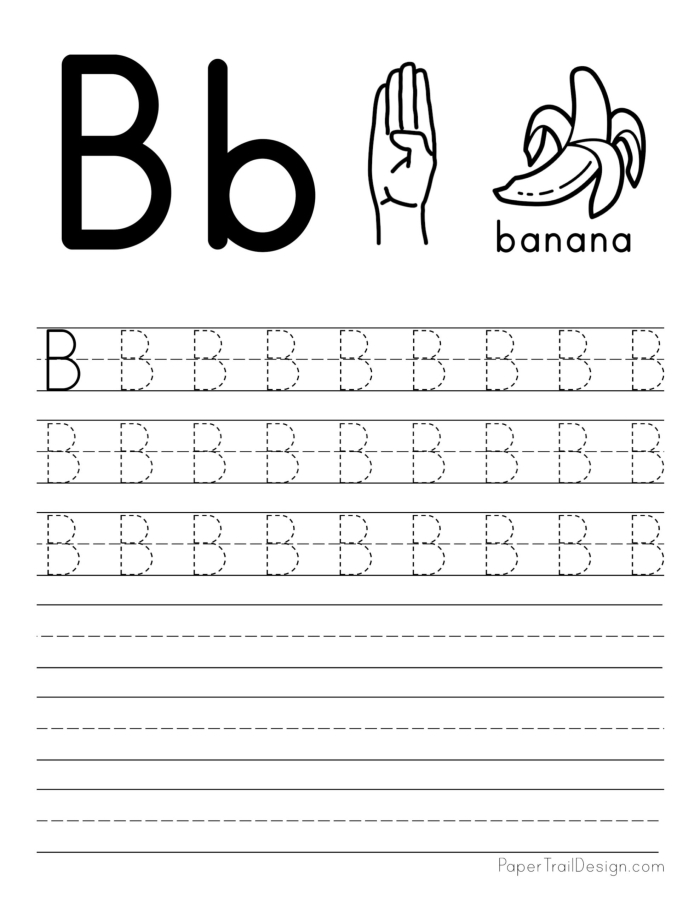
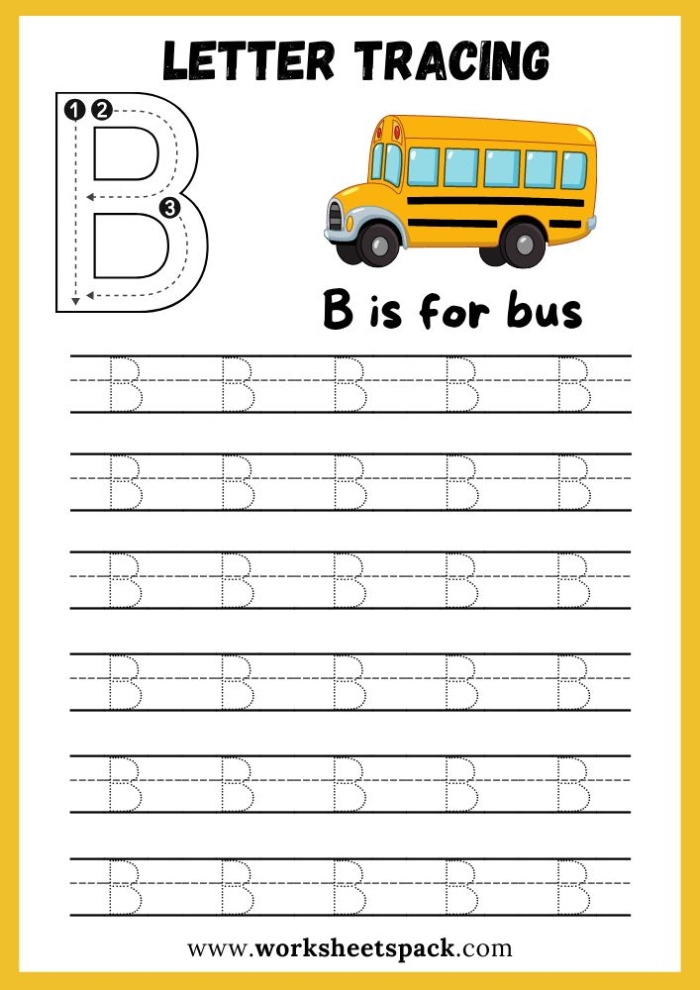
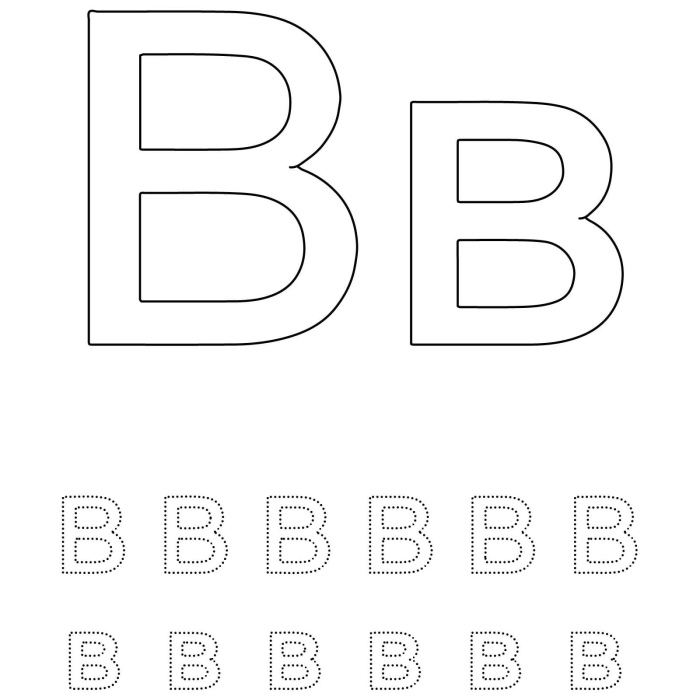
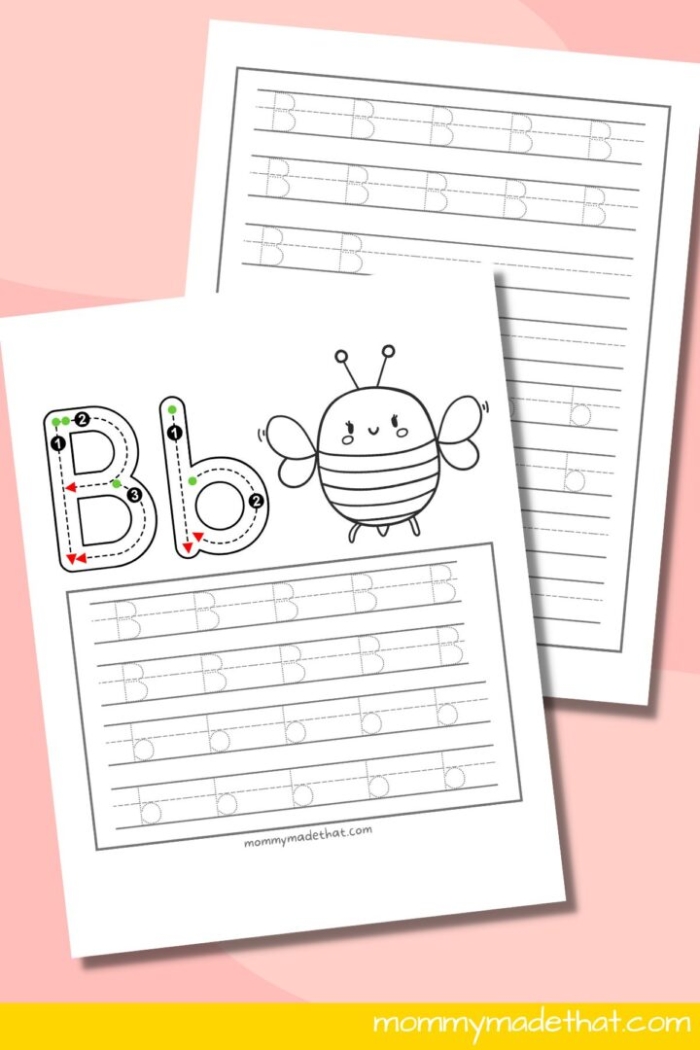
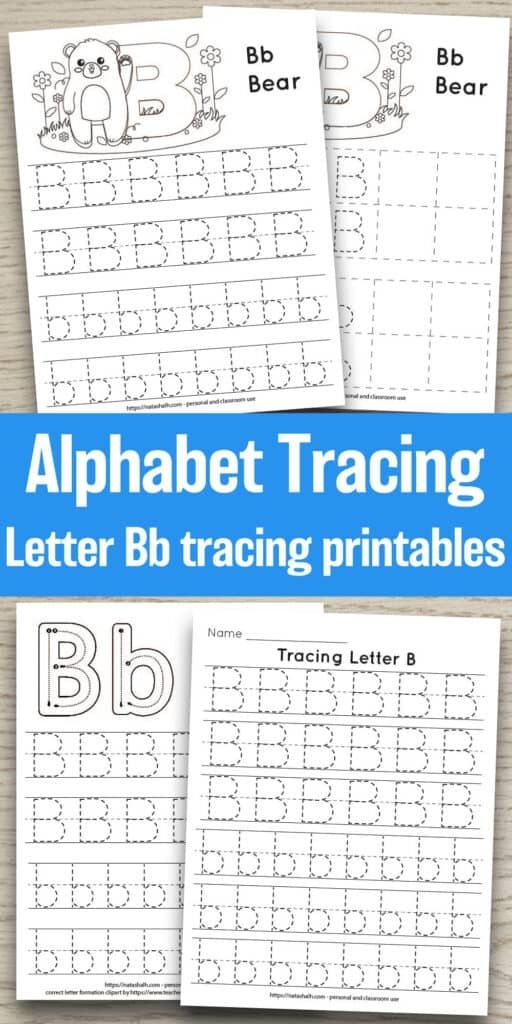
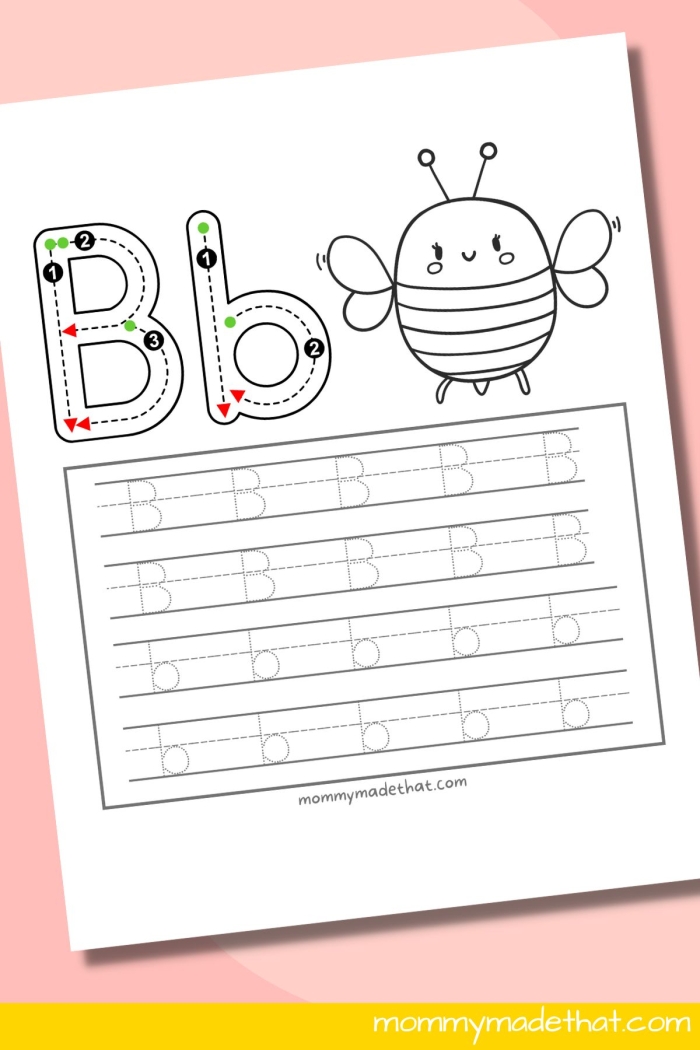
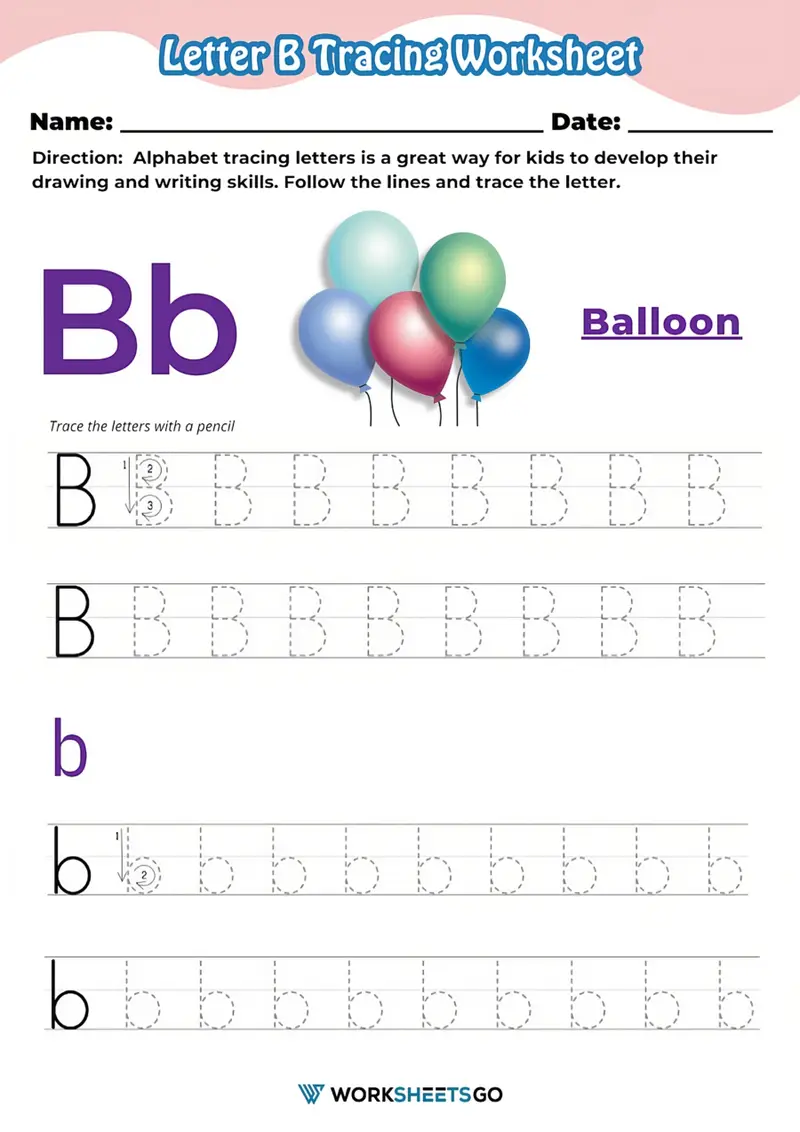
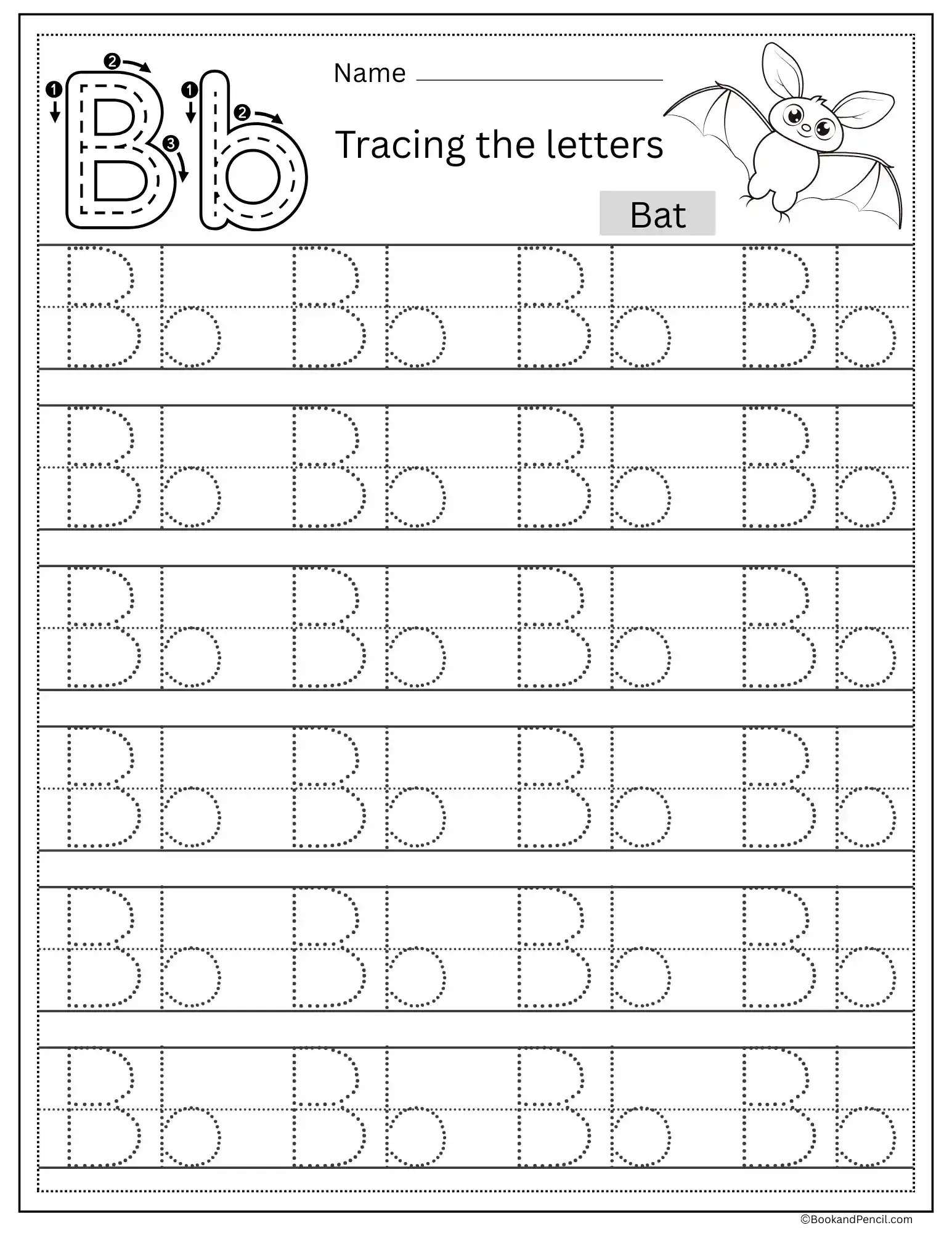
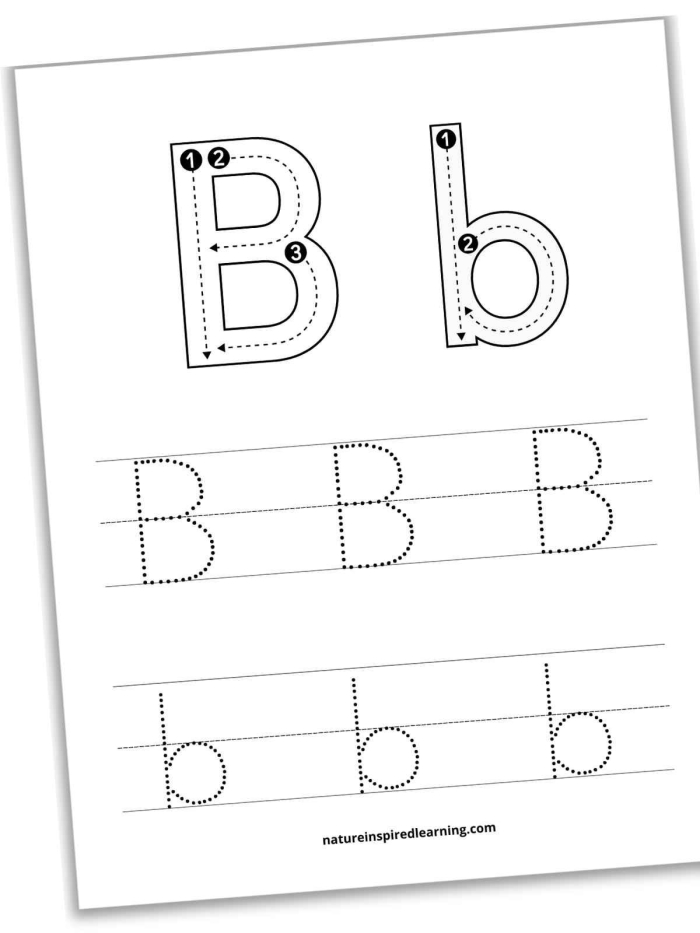
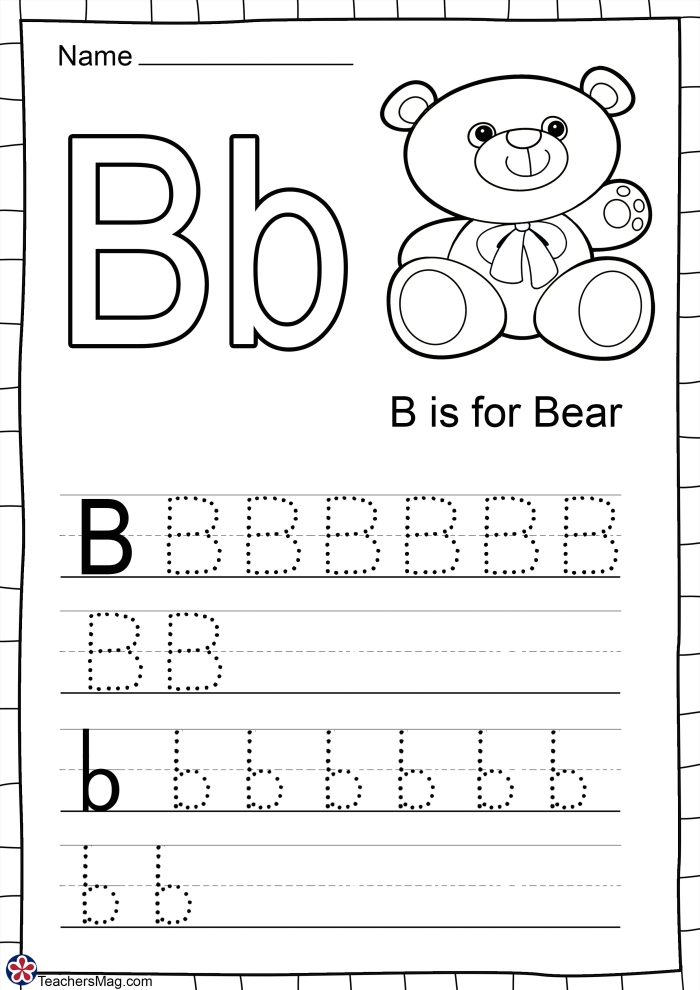
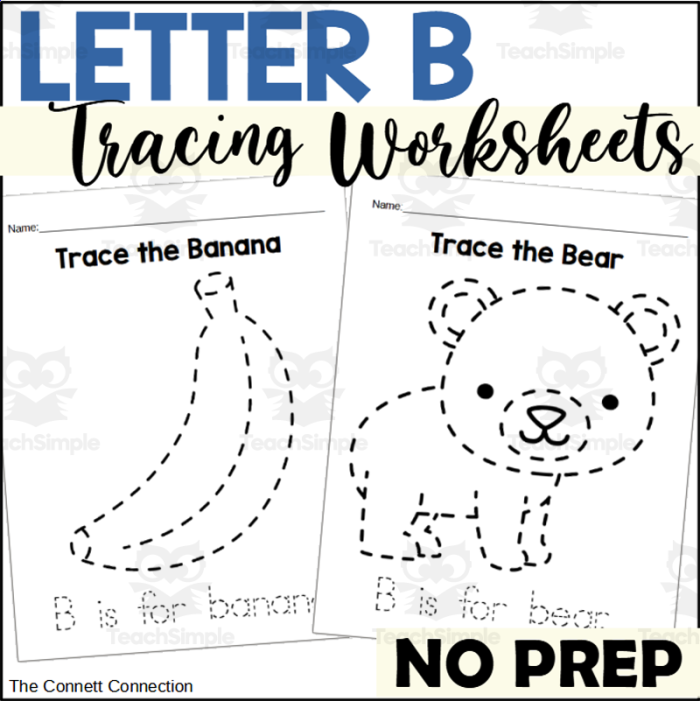
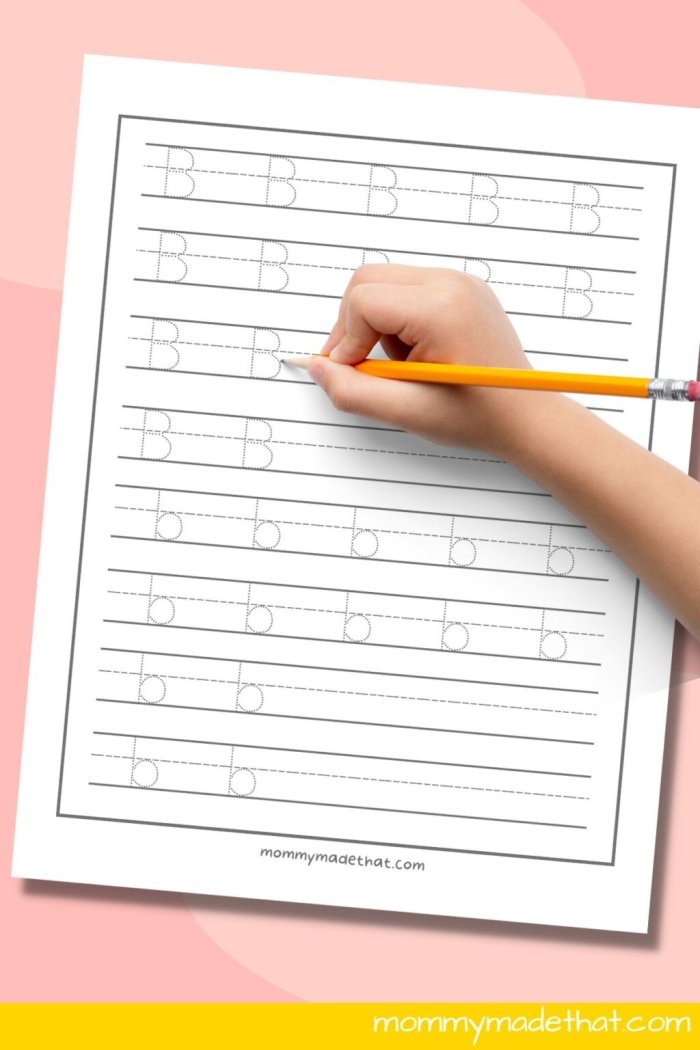
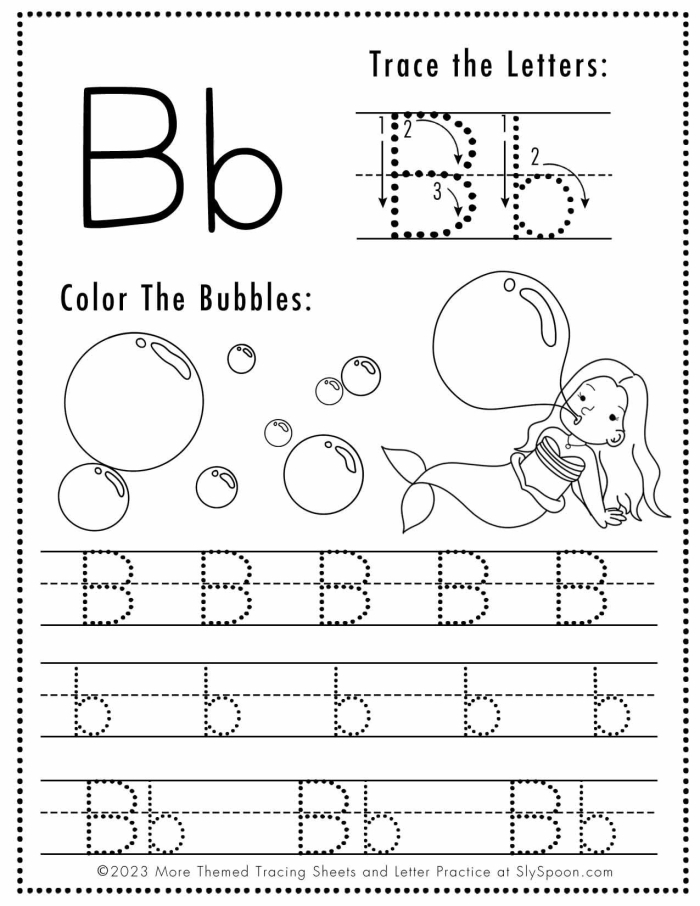
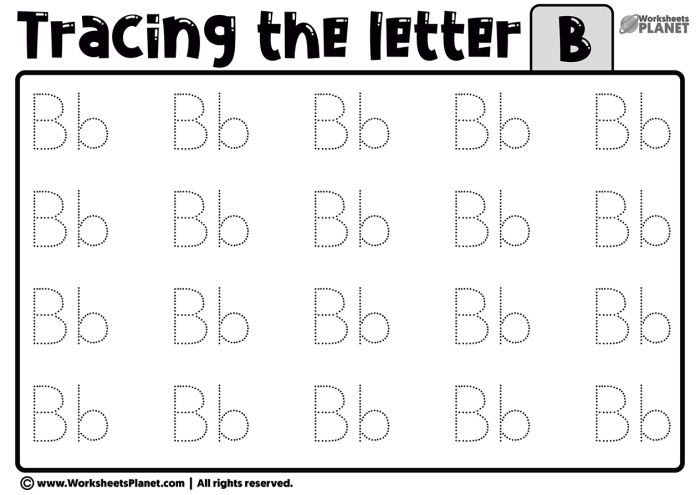
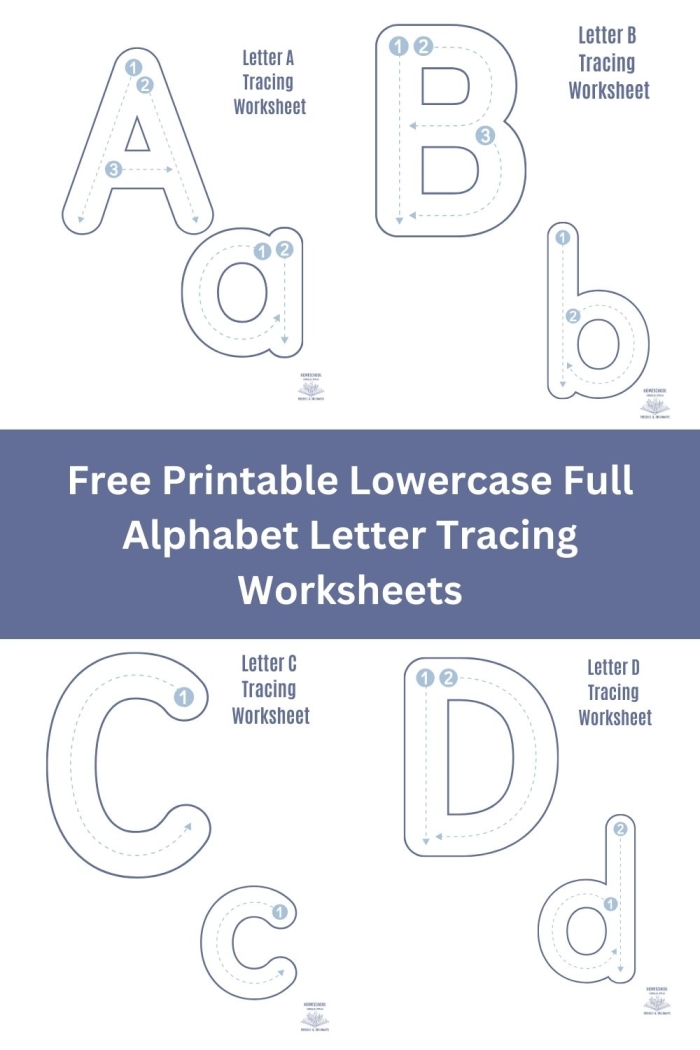
Getting a child’s hand ready to write the letter B takes more than just asking them to pick up a pencil. The muscles in their fingers, hand, and wrist need specific practice to develop the control and coordination required for letter formation. This pre-K writing worksheet tackles that challenge by breaking the task into two manageable steps.
The worksheet starts with line tracing exercises. These aren’t random scribbles, though. The lines are deliberately designed to build the exact fine motor skills that the letter B demands. Curved lines, straight lines, and connected strokes prepare young fingers for the specific movements needed to write this particular letter. When children trace these preparatory lines, they’re essentially doing a warm-up for their hand muscles, similar to how athletes stretch before competition.
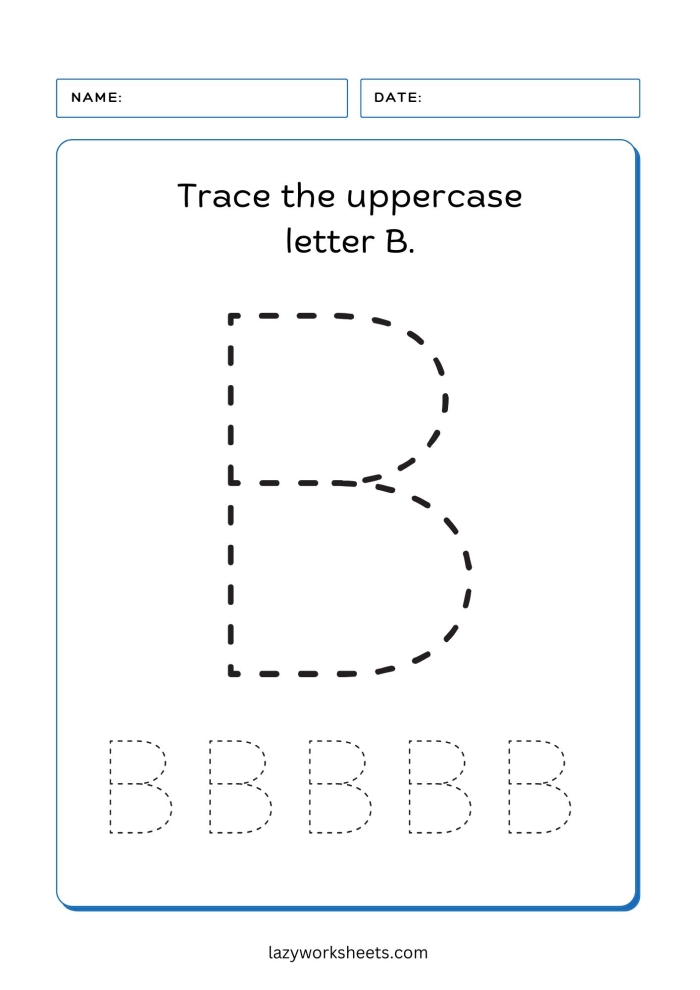
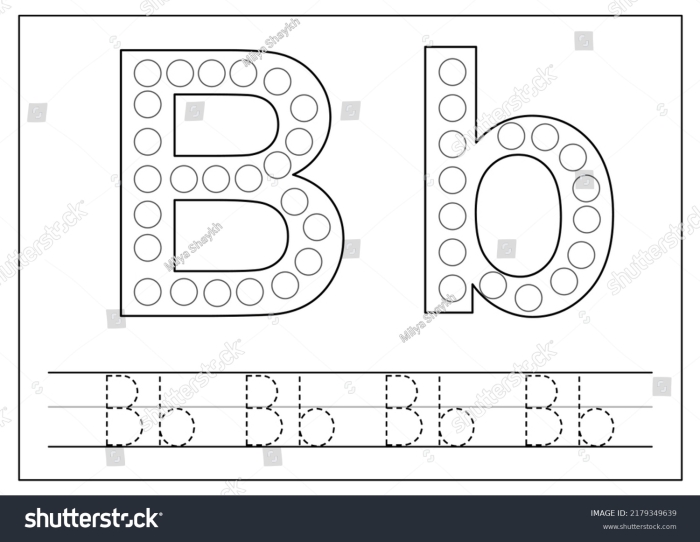
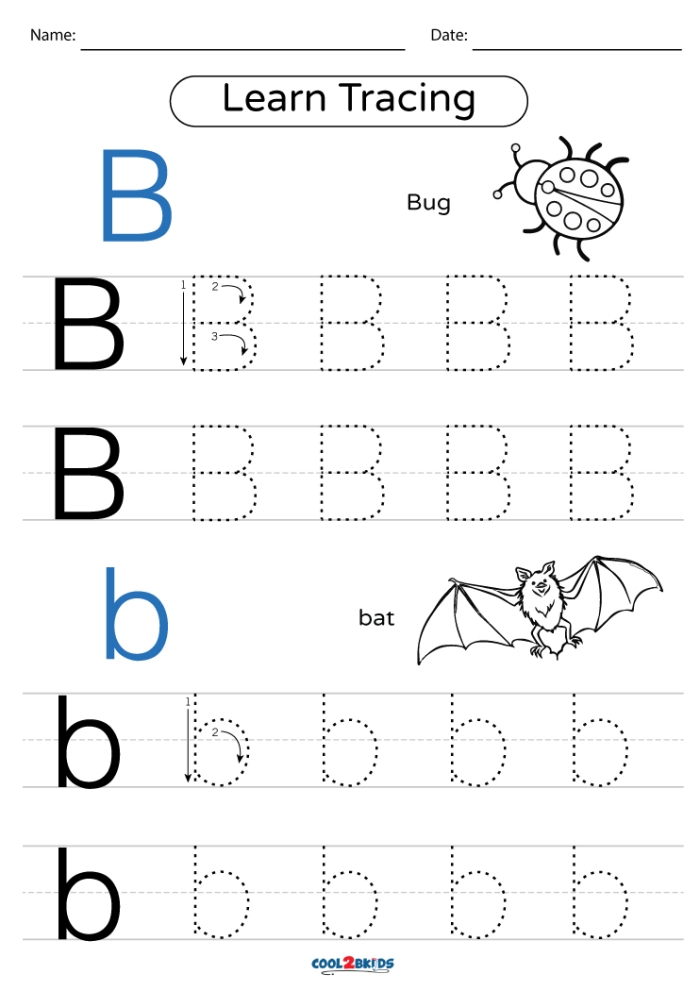
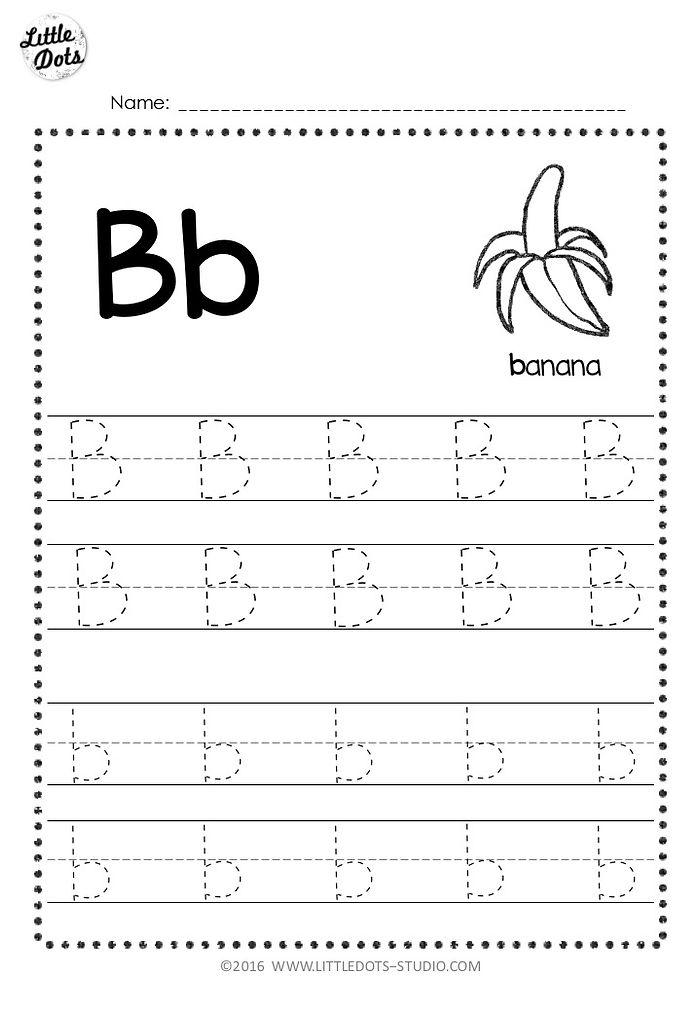
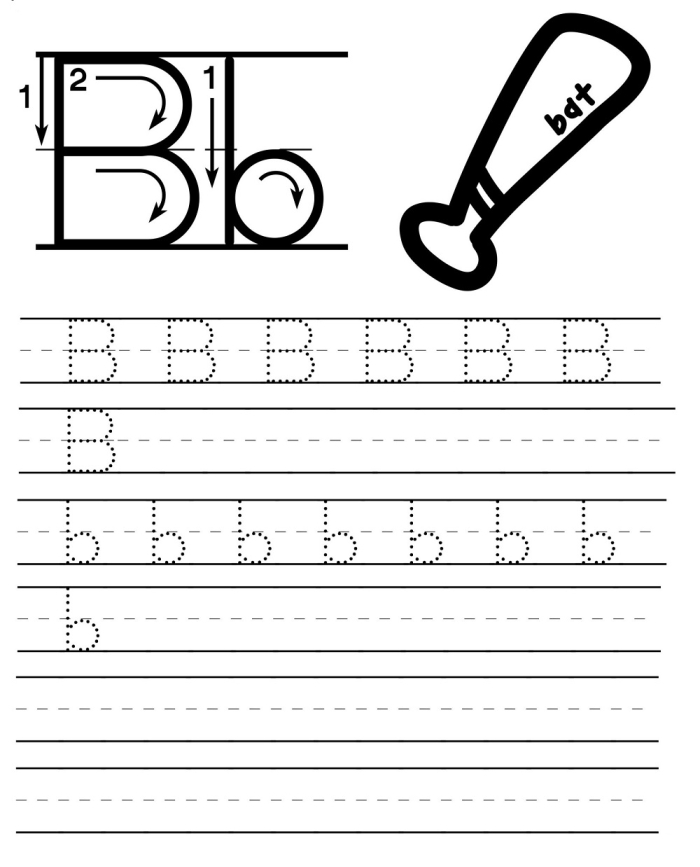
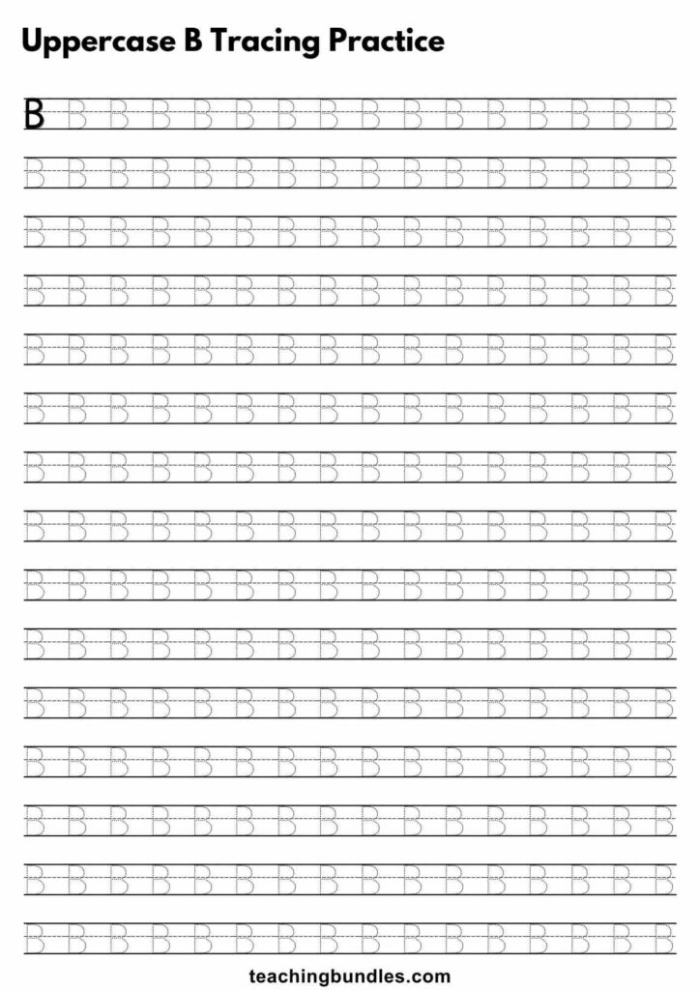
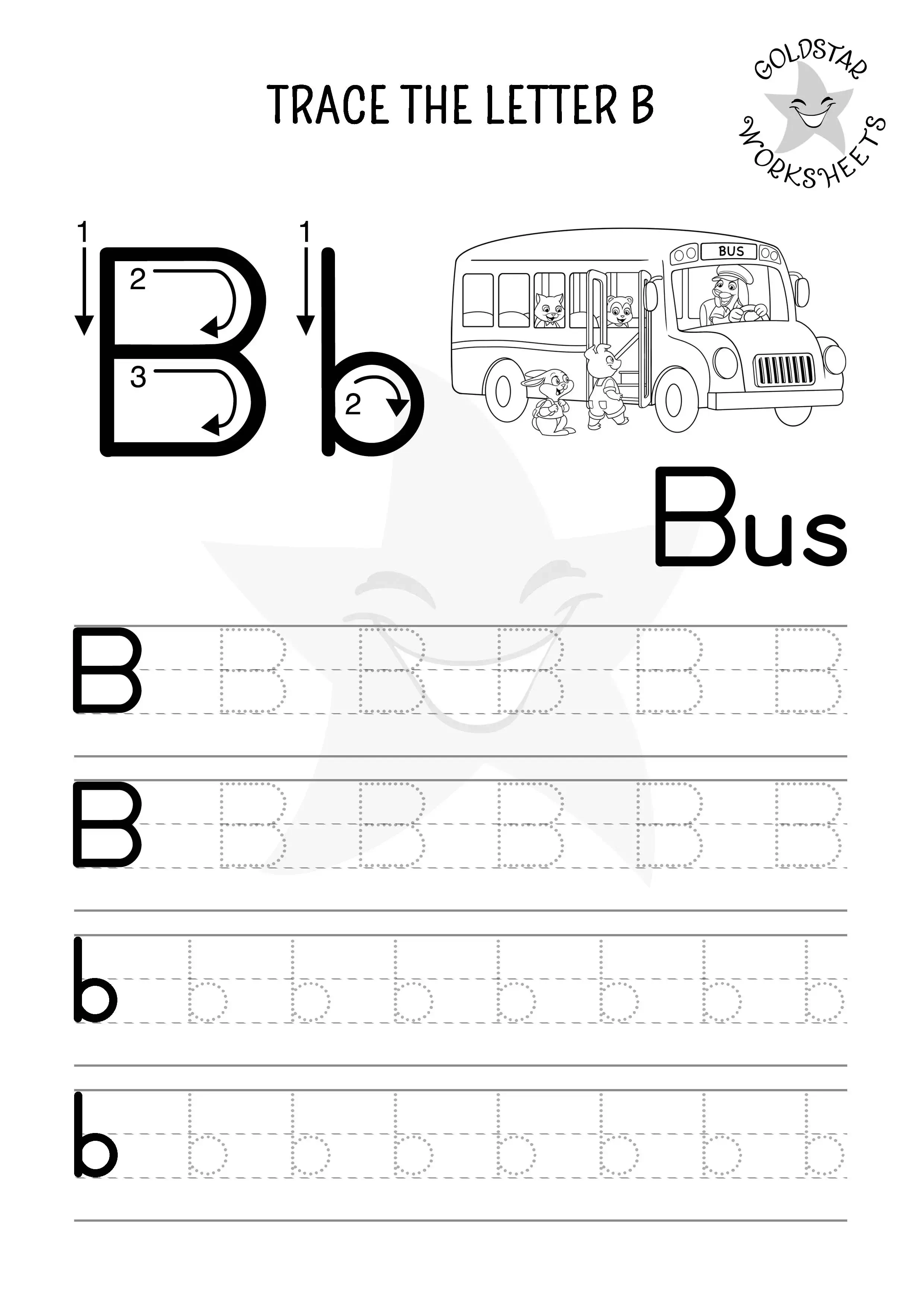
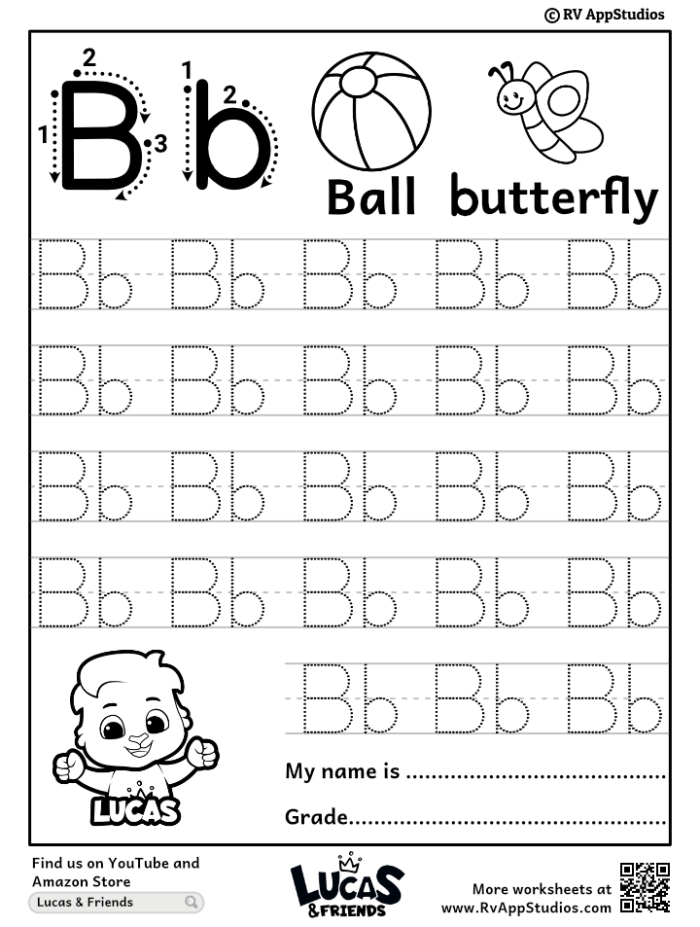
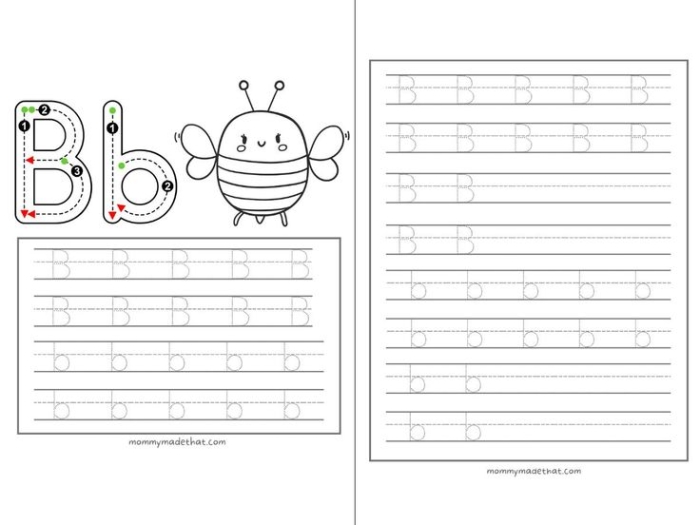
After completing the line-tracing section, kids move directly to tracing the letter B itself. This progression matters because children have already practiced the motions their hand will need. The letter B consists of a vertical line on the left with two bumps on the right side, and those bumps require controlled curved strokes that the preliminary exercises have already introduced.
Pre-K educators recognize that fine motor development happens gradually. Some children pick up pencil control quickly, while others need more repetition. That’s why worksheets like this one allow for multiple practice sessions without frustration. Kids can trace the same letter several times, building muscle memory and confidence with each attempt.
Beyond letter B, this approach to writing instruction applies across the alphabet. Whether students are working on spatial awareness in geometry or practicing punctuation in writing, structured practice builds foundational skills that support later learning.
Practice with These Worksheets