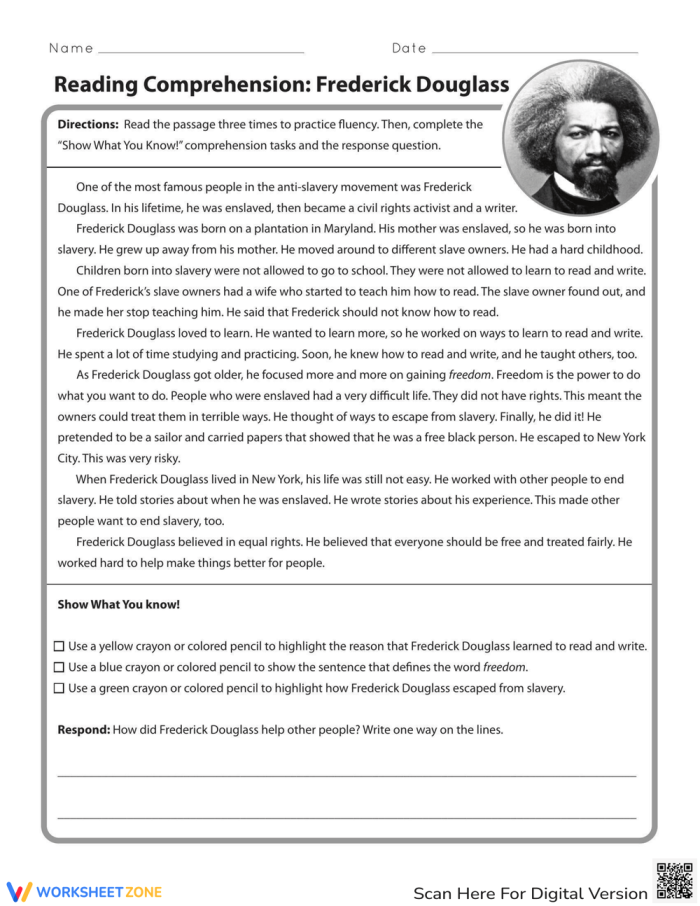
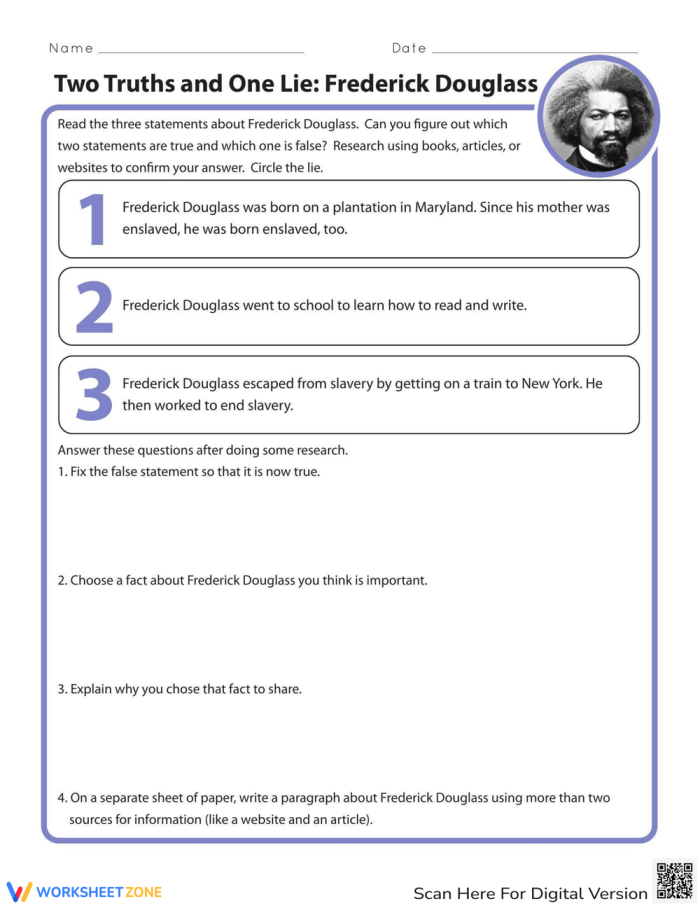
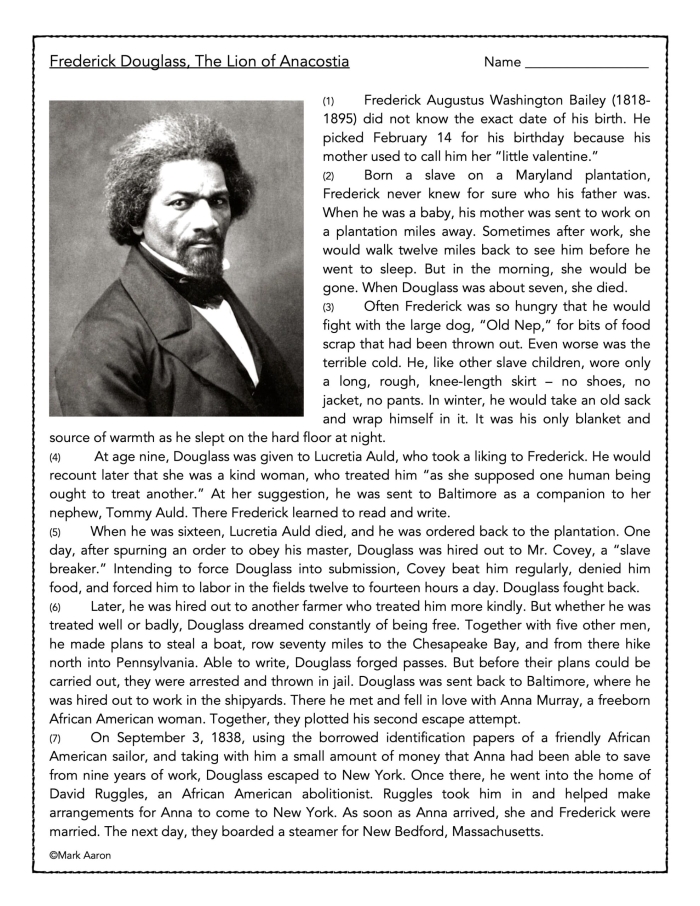
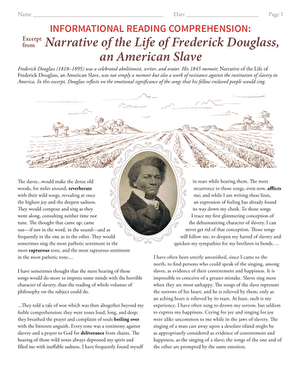
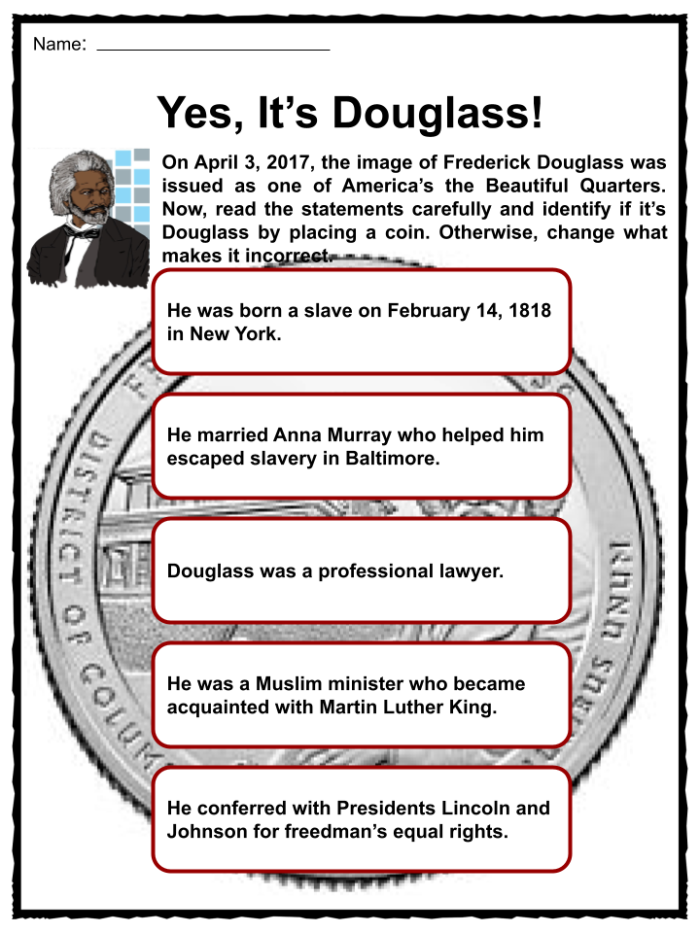
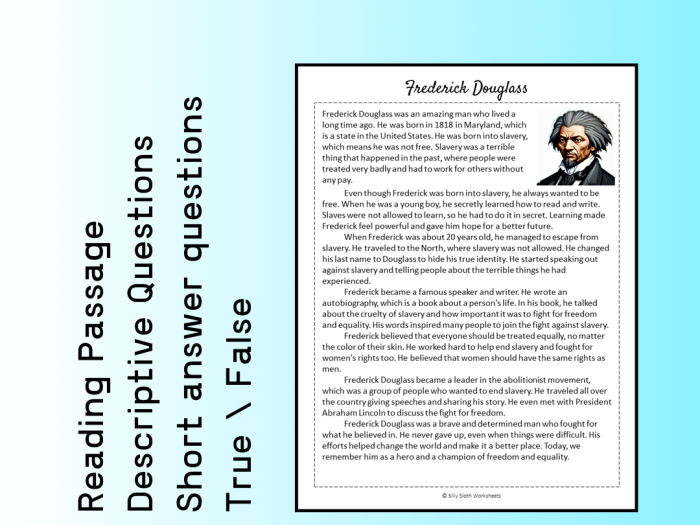
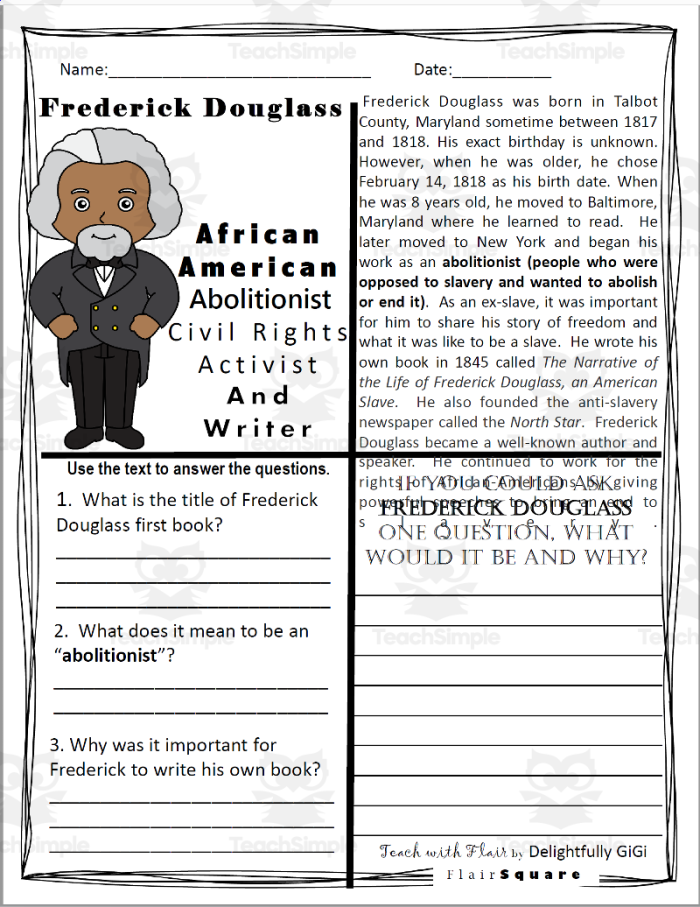
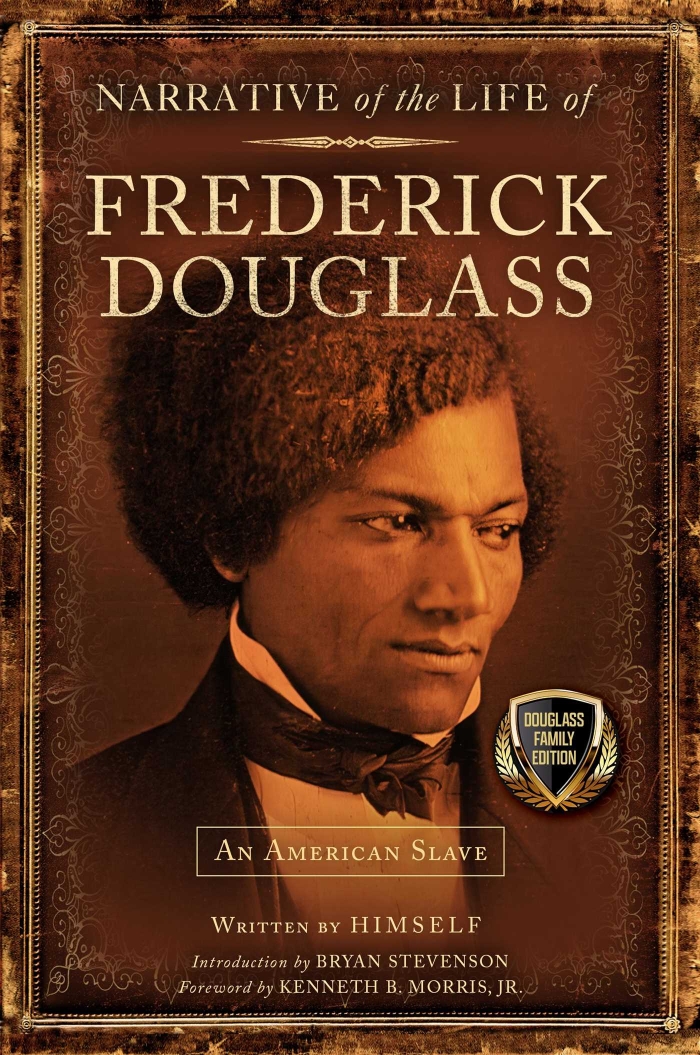
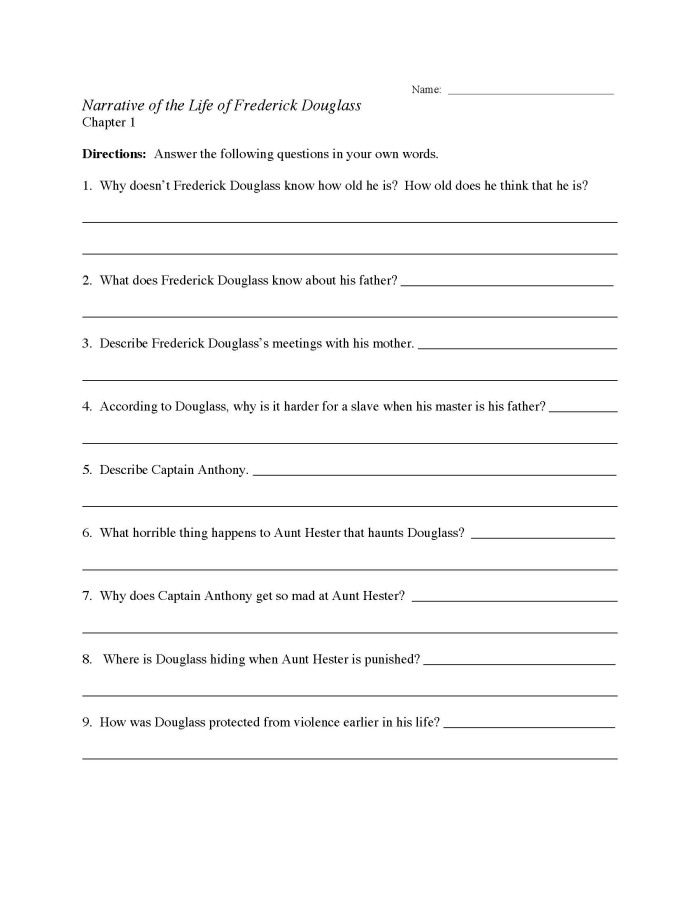
Engaging students with primary sources is a powerful way to enhance their reading and analytical skills. An excerpt from the memoir of Frederick Douglass serves as an excellent opportunity for eighth graders to connect with history through personal narrative. Douglass’s writings offer profound insights into the experiences of enslaved individuals, making the past accessible and relatable.
Using Douglass’s work in the classroom allows students to practice critical thinking. They can explore his unique perspective and the historical context in which he wrote. For instance, when students read about Douglass’s quest for freedom, they encounter themes of resilience and the struggle for human rights. This not only fosters empathy but also encourages them to ask questions about justice and equality.
When analyzing primary sources like Douglass’s memoir, students can improve their informational reading comprehension skills. They can learn to identify the author’s purpose, recognize bias, and discern the reliability of sources. This is essential for understanding historical narratives and building a foundation for their research skills. Tasks such as comparing Douglass’s experiences with other historical accounts can deepen their understanding of the era, while activities that involve summarizing sections of the text can enhance their ability to distill essential information.
Incorporating this primary source into lessons on ratios and proportions can also be effective. For example, students can analyze the impact of slavery on different populations and use mathematical concepts to represent these disparities visually. By linking history with mathematical skills, such as those taught in functions and ratios, they see the relevance of both subjects in understanding the world.
Overall, introducing students to Douglass’s memoir is not simply about reading a historical document; it’s about fostering a deeper understanding of humanity through the lens of personal experience. This engaging approach can inspire critical dialogue and reflection, making history come alive in the classroom.
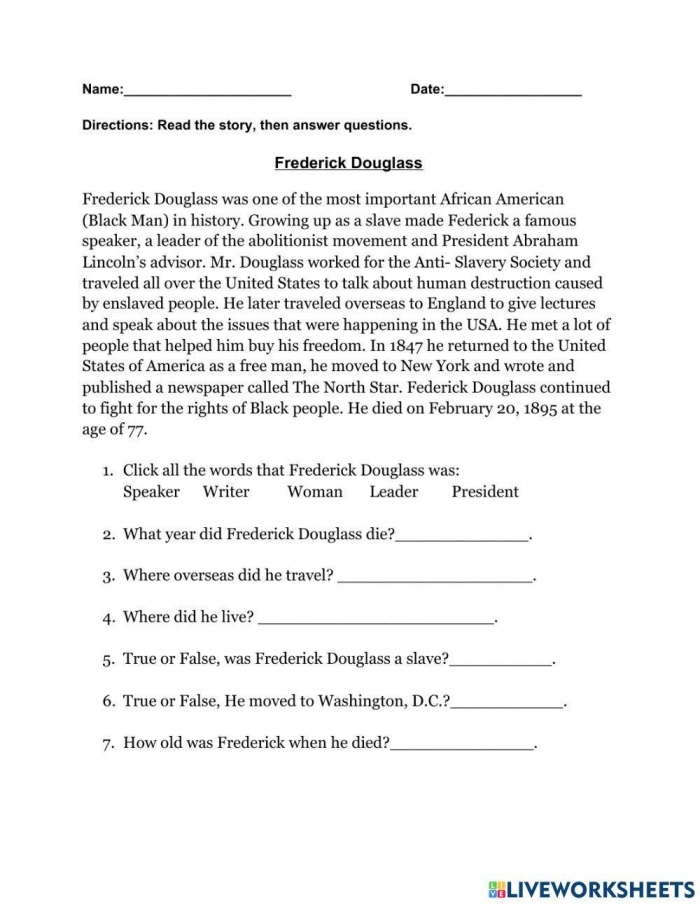
Printable Worksheets for Practice