Candles have a rich history that mirrors the evolution of human civilization. Their journey began thousands of years ago, providing light and warmth long before the invention of electric lighting. Understanding the history of candles not only highlights their practical uses but also reveals their cultural significance across various societies.
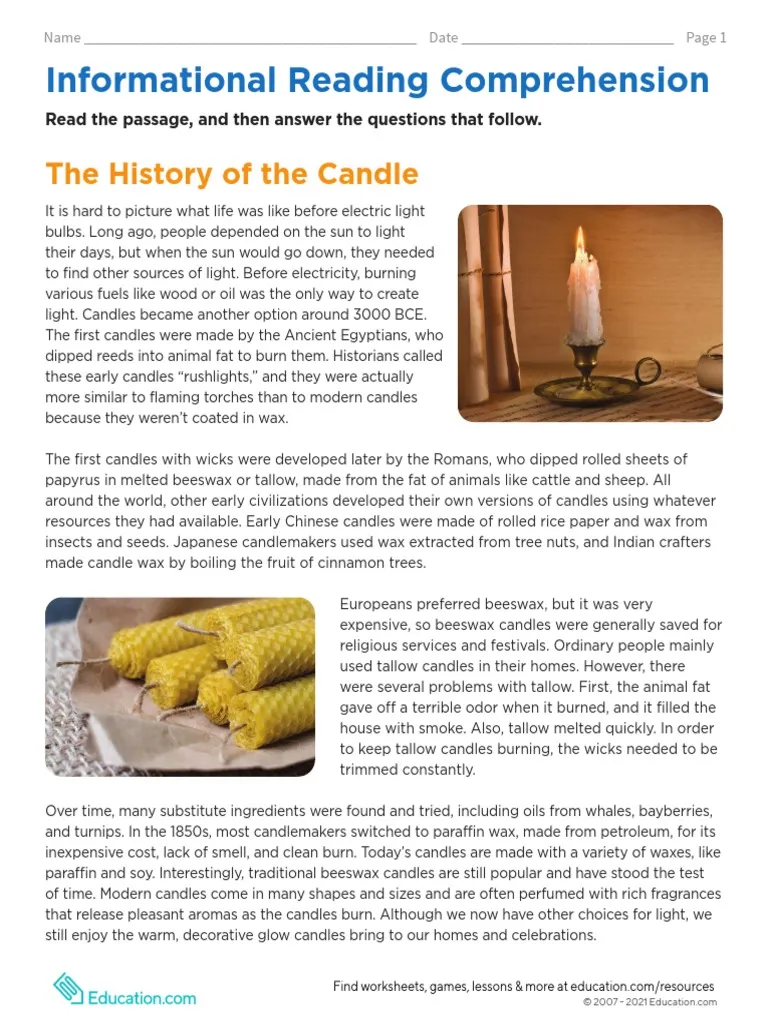
The earliest candles, made from natural resources, date back to ancient Egypt around 3000 BC. These early versions were crafted from reeds soaked in animal fat. As time progressed, civilizations such as the Romans and the Chinese began to innovate. The Romans introduced the use of tallow—rendered animal fat—for candle making, while the Chinese used mold technology to create more uniform shapes. These developments made candles more accessible and widespread.
In the Middle Ages, beeswax became the preferred material due to its cleaner burn and pleasant scent. Churches and wealthy households favored beeswax candles, which were often more expensive than those made from tallow. This period marked a significant shift in candle making, turning it into both an art and a craft. By the 19th century, advancements in technology led to the creation of stearin from animal fats and paraffin from petroleum, making candles even more affordable and widely available.
Today, candles serve more than just a functional purpose. They are used in various ceremonies, celebrations, and even for aromatherapy. The modern market offers an array of scented candles, decorative designs, and eco-friendly options, reflecting personal styles and preferences. For sixth-grade students studying Number Theory, exploring the history of candles can provide a unique context for understanding historical timelines, manufacturing processes, and cultural changes.
For those interested in a more structured learning approach, the two-page nonfiction reading worksheet offers a comprehensive look into the fascinating evolution of candles. This resource not only enhances reading comprehension but also ties in with practical applications in mathematics and history.
Worksheet Practice Section