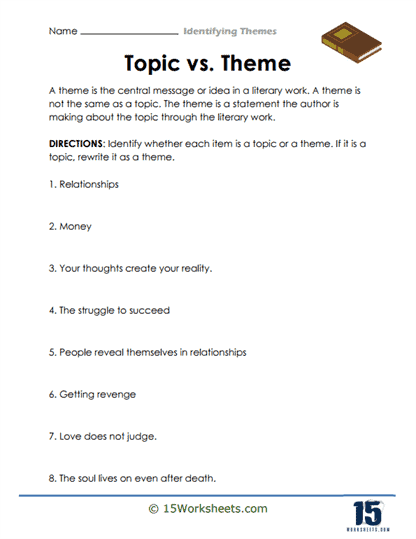
When sixth graders finish reading a story, they often sit with the same question: what does it all mean? This isn’t just idle wondering. Understanding theme—the central message or lesson a story conveys—is one of the most important skills students develop as readers. A well-designed worksheet helps them move beyond surface-level comprehension and dig into what authors actually want their audience to understand.
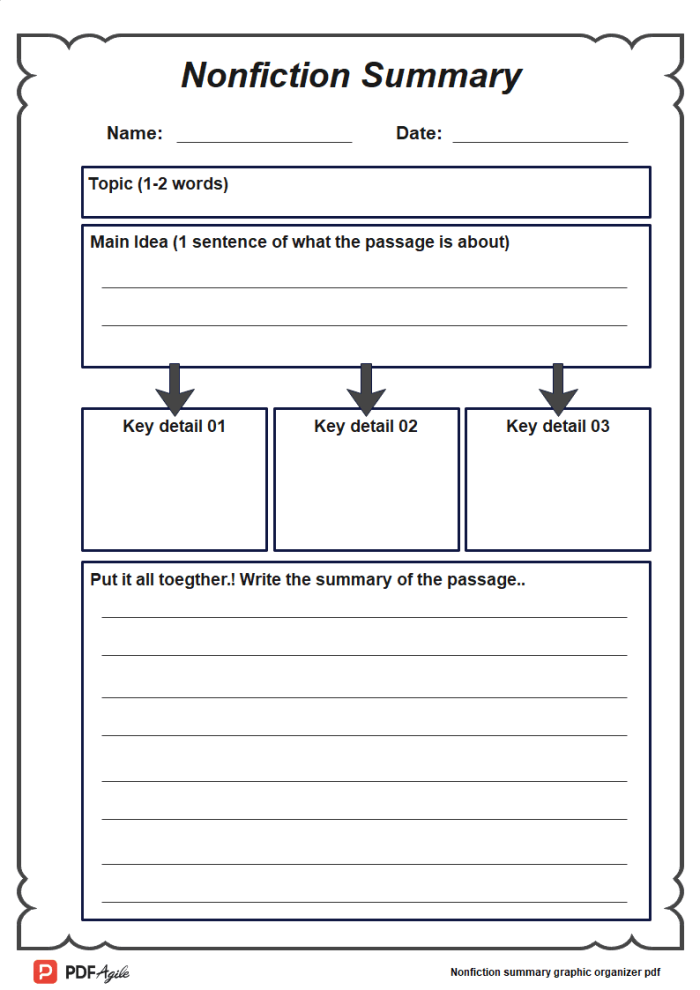
Theme identification requires students to do more than remember plot points. They need to find specific moments in the text that support their interpretation. This process mirrors skills students use across other subjects. For instance, when working through nonfiction text features, students learn to extract meaning from written material. Similarly, identifying verbs in sentences teaches them to recognize action and intent, which directly applies to understanding character motivation and theme.
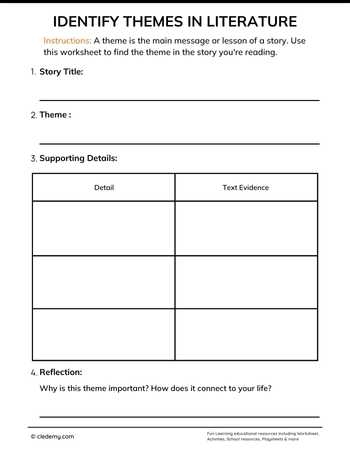
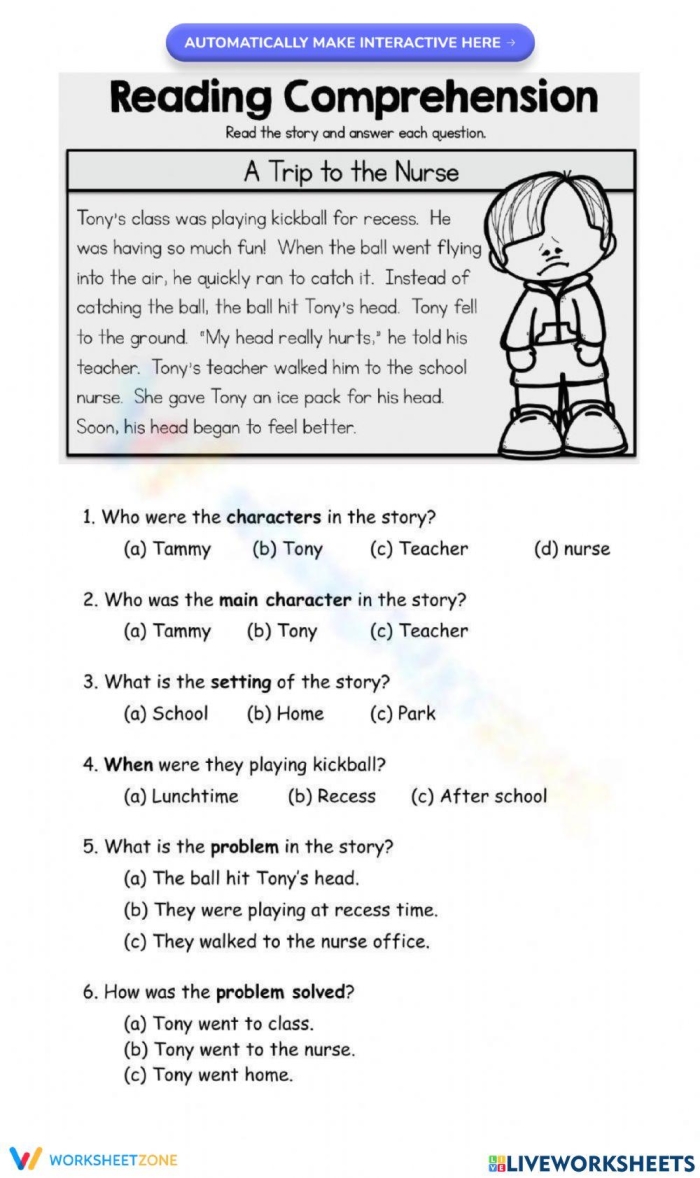
A sixth-grade worksheet on theme identification typically asks students to pinpoint evidence from their reading that reveals the story’s deeper message. Rather than asking “What happens?” students answer “Why does it matter?” They might identify how a character changes, what conflicts reveal about human nature, or how the setting influences the narrative’s meaning. This analytical thinking strengthens their ability to read with purpose.
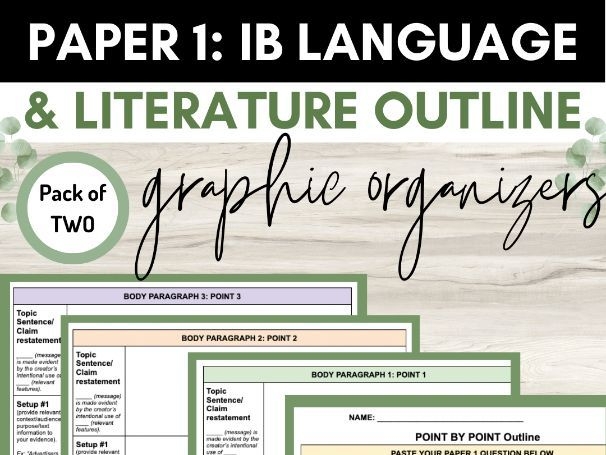
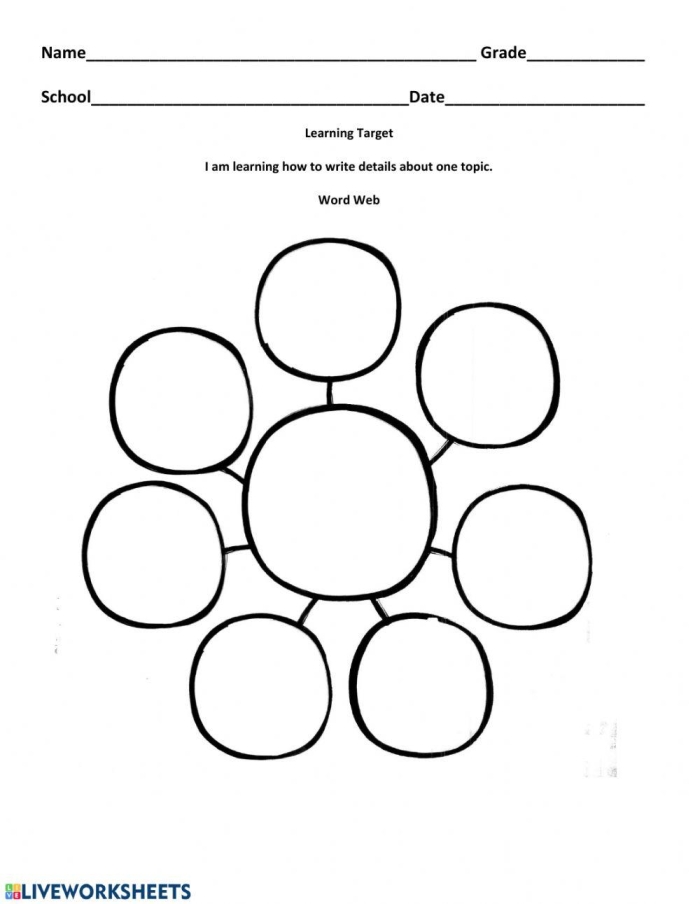
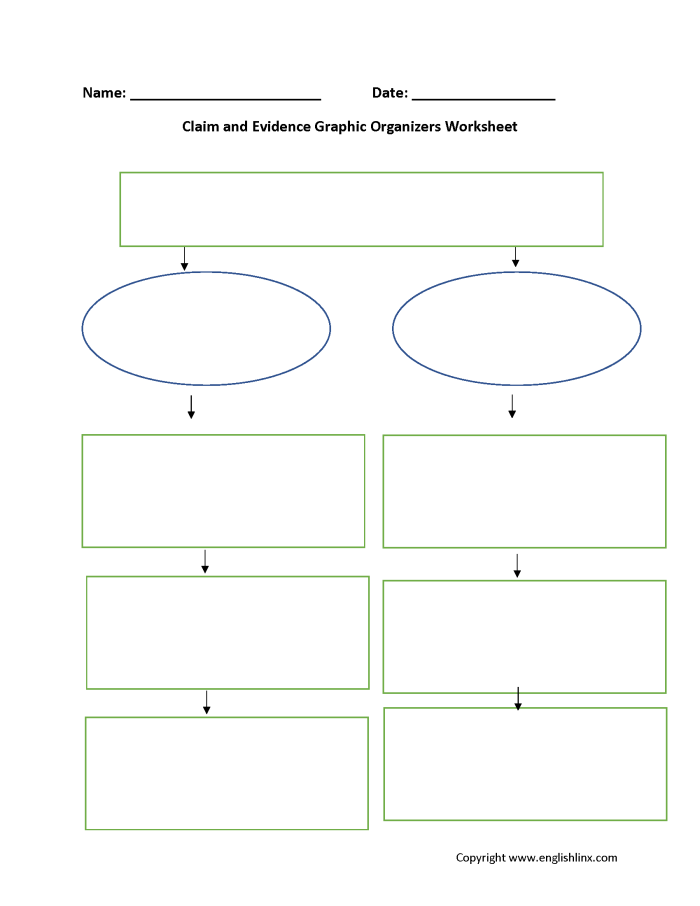
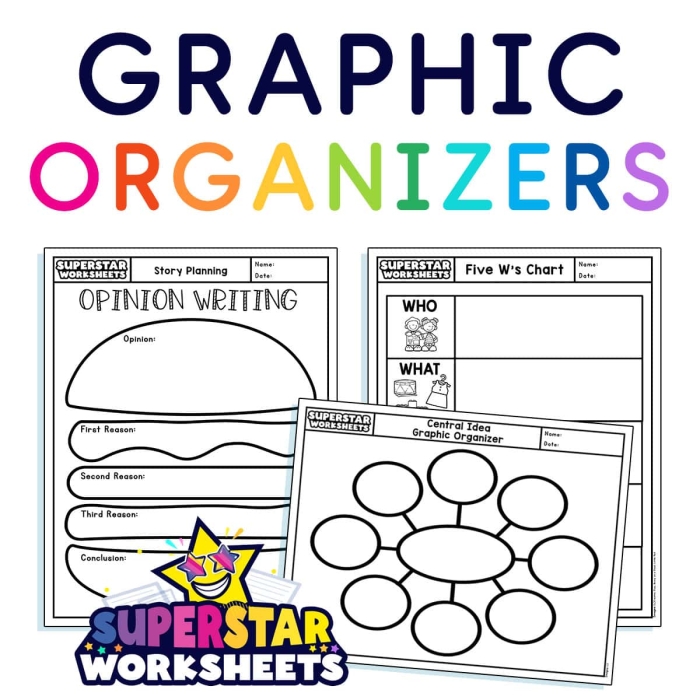
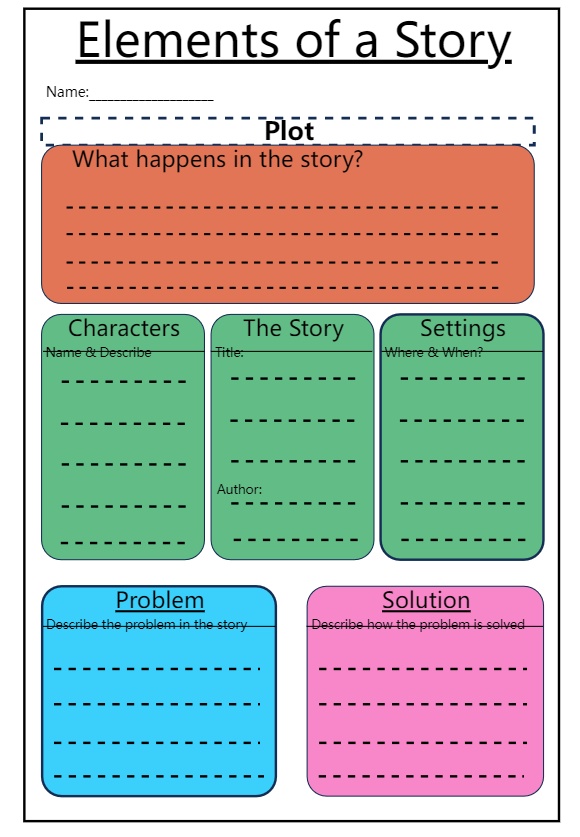
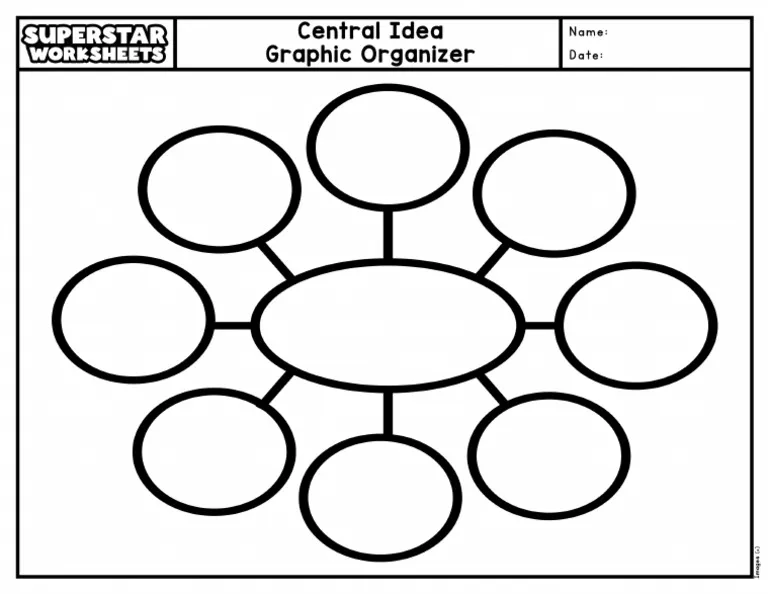
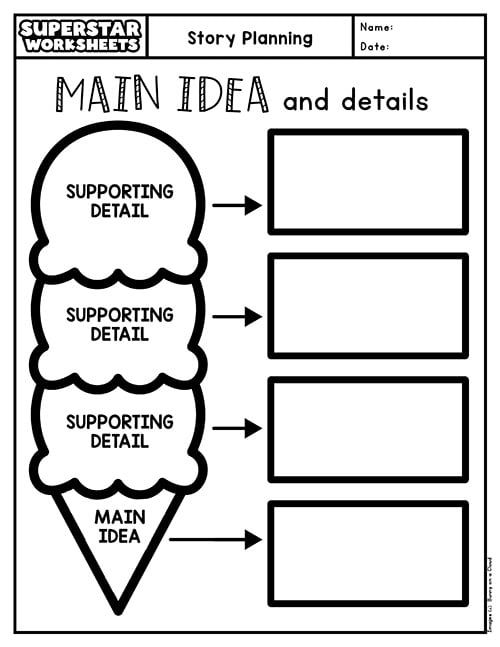
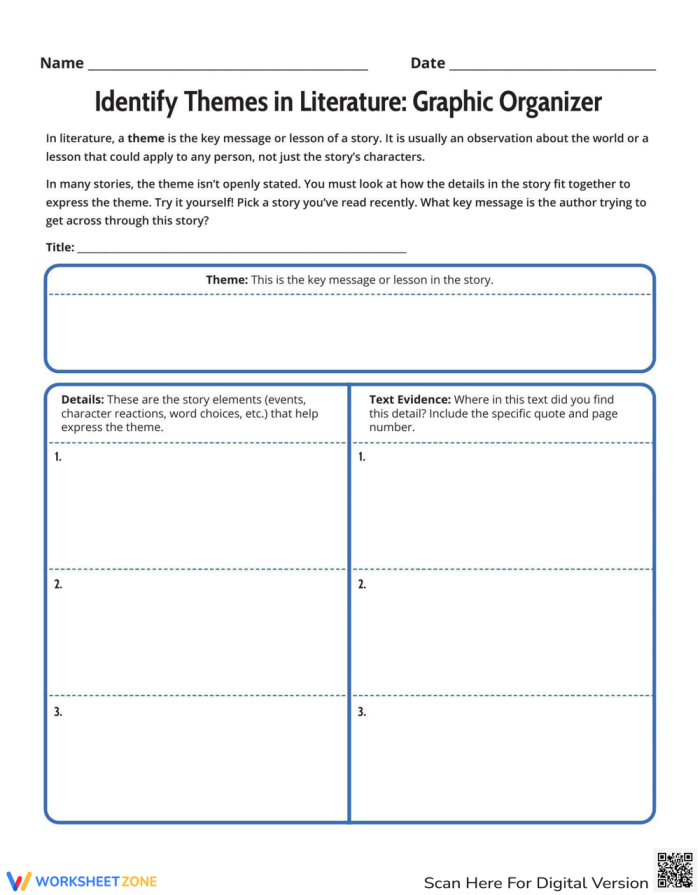
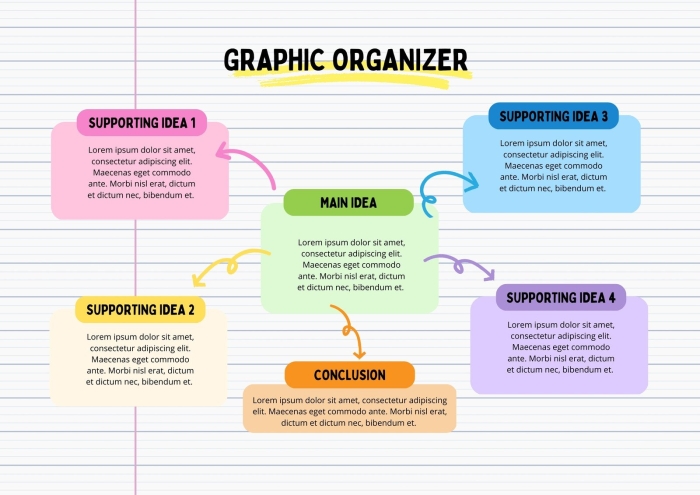
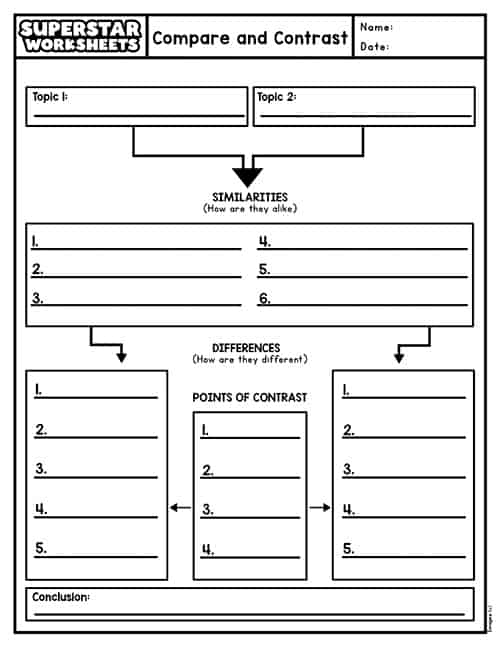
The graphic organizer format works particularly well for this skill. Students can list textual evidence in one column and explain how each piece supports the theme in another. This structure makes abstract thinking concrete and manageable. Like learning to use commas in writing, mastering theme requires practice and clear examples to follow.
When students consistently practice connecting evidence to theme, they become readers who understand literature on a meaningful level. They stop asking “What happened?” and start asking “What does it mean?”—and they know how to find the answer.
Download These Worksheets for Practice