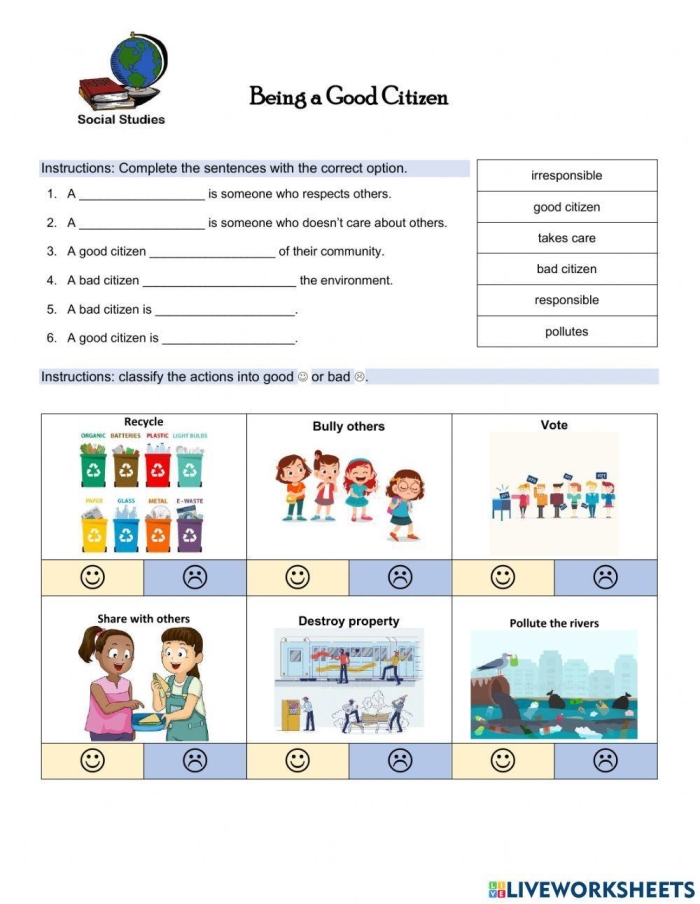
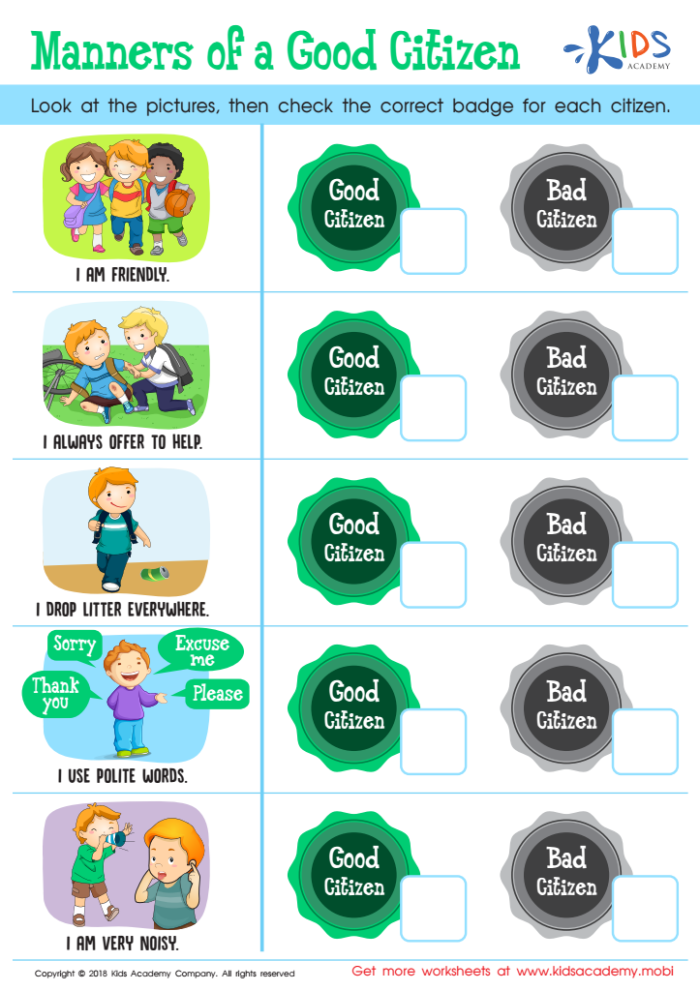
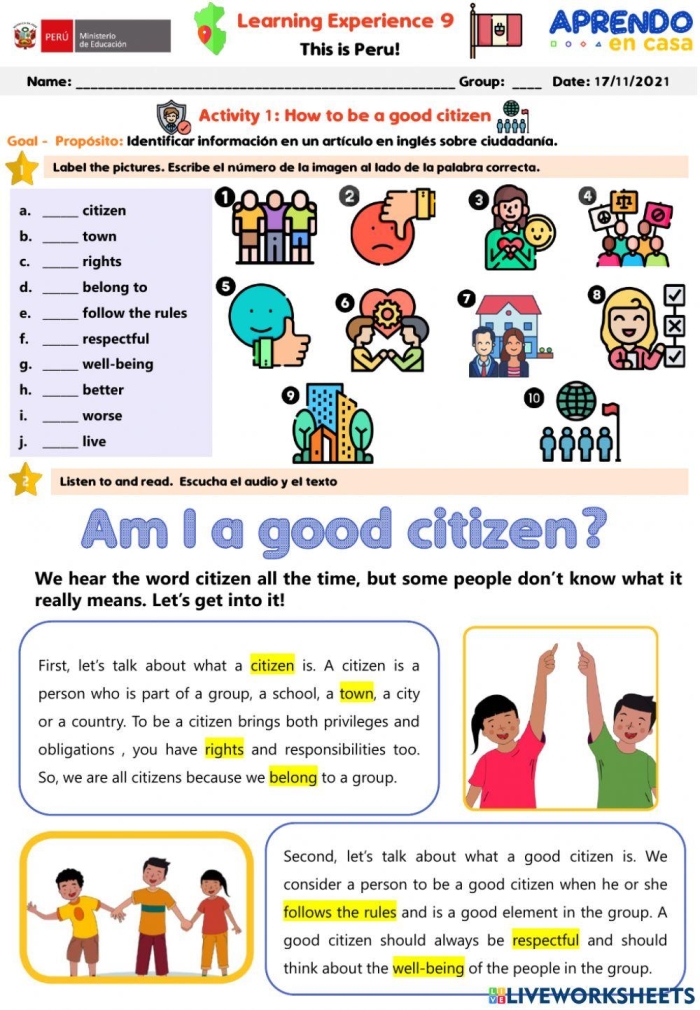
Teaching children what it means to be a good citizen starts early, and second grade is the perfect time to introduce these ideas. A well-designed social studies worksheet can show young students concrete examples of citizenship in action, from participating in elections to keeping their communities clean.
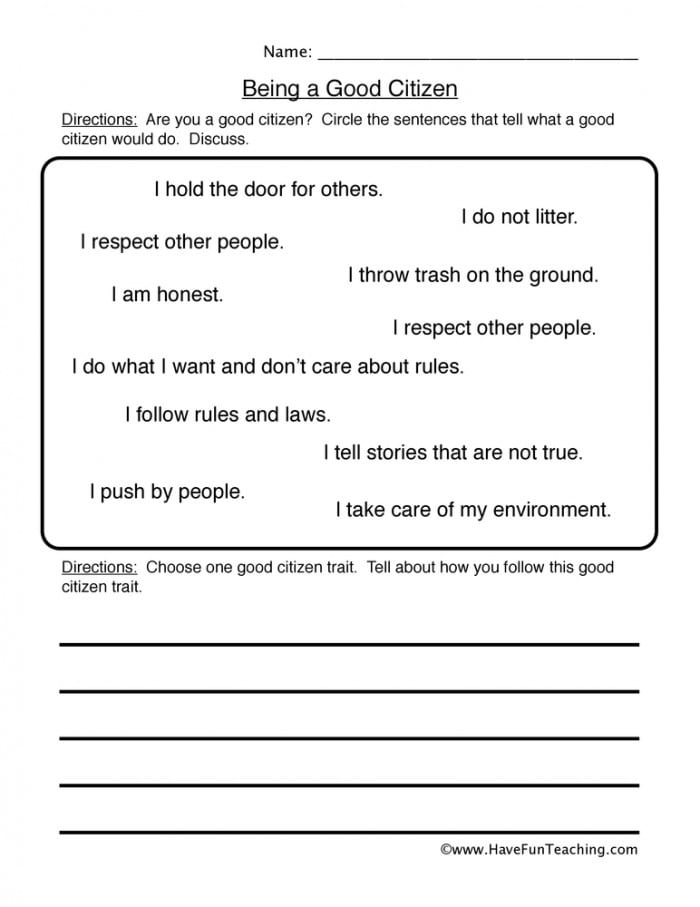
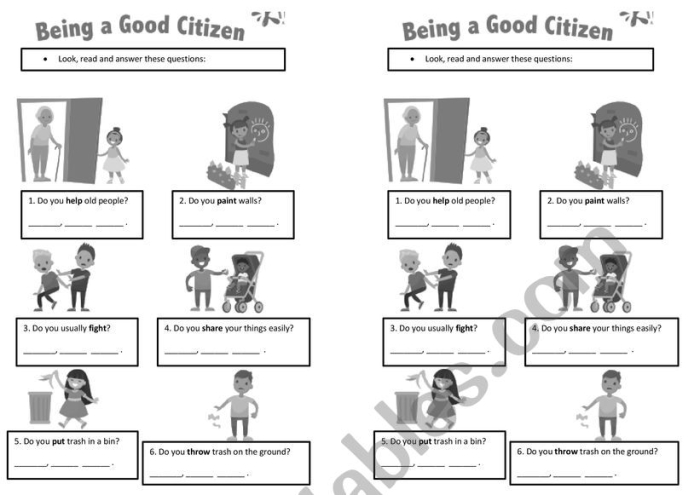
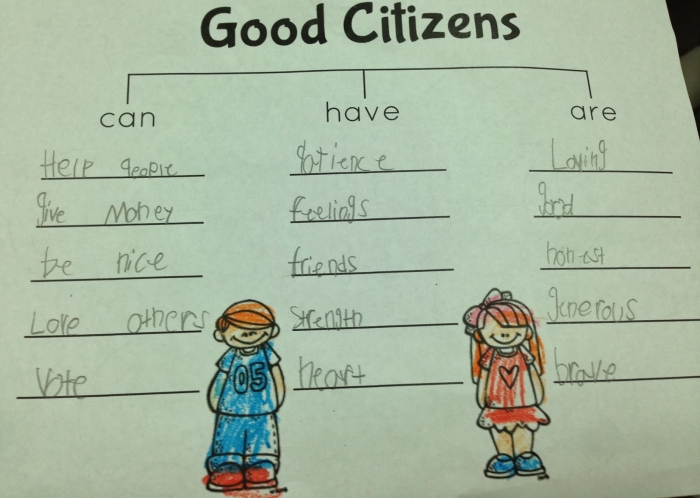
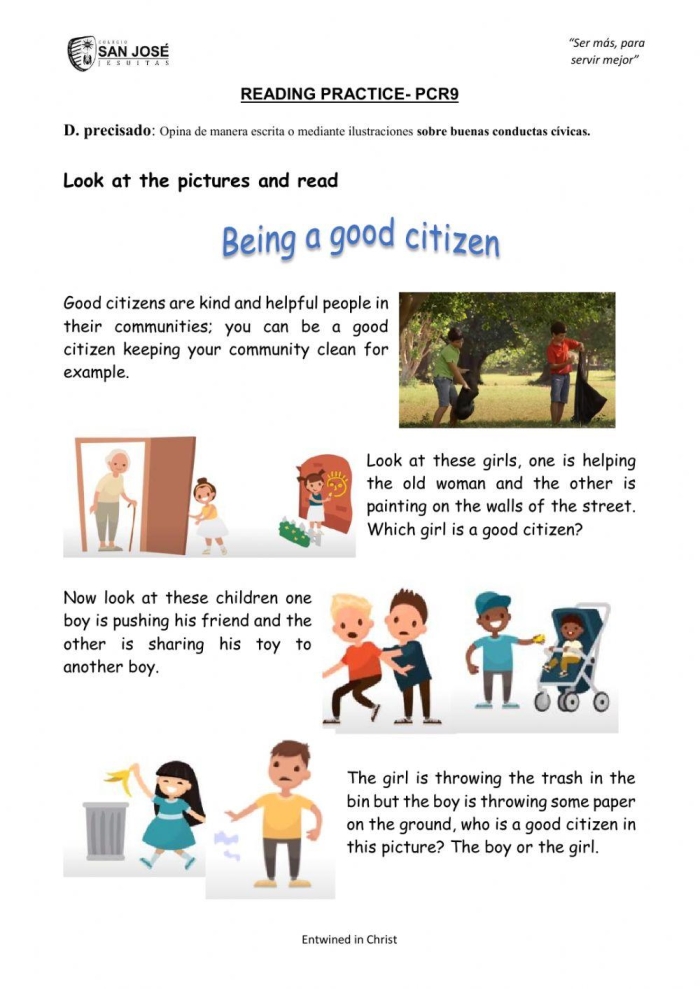
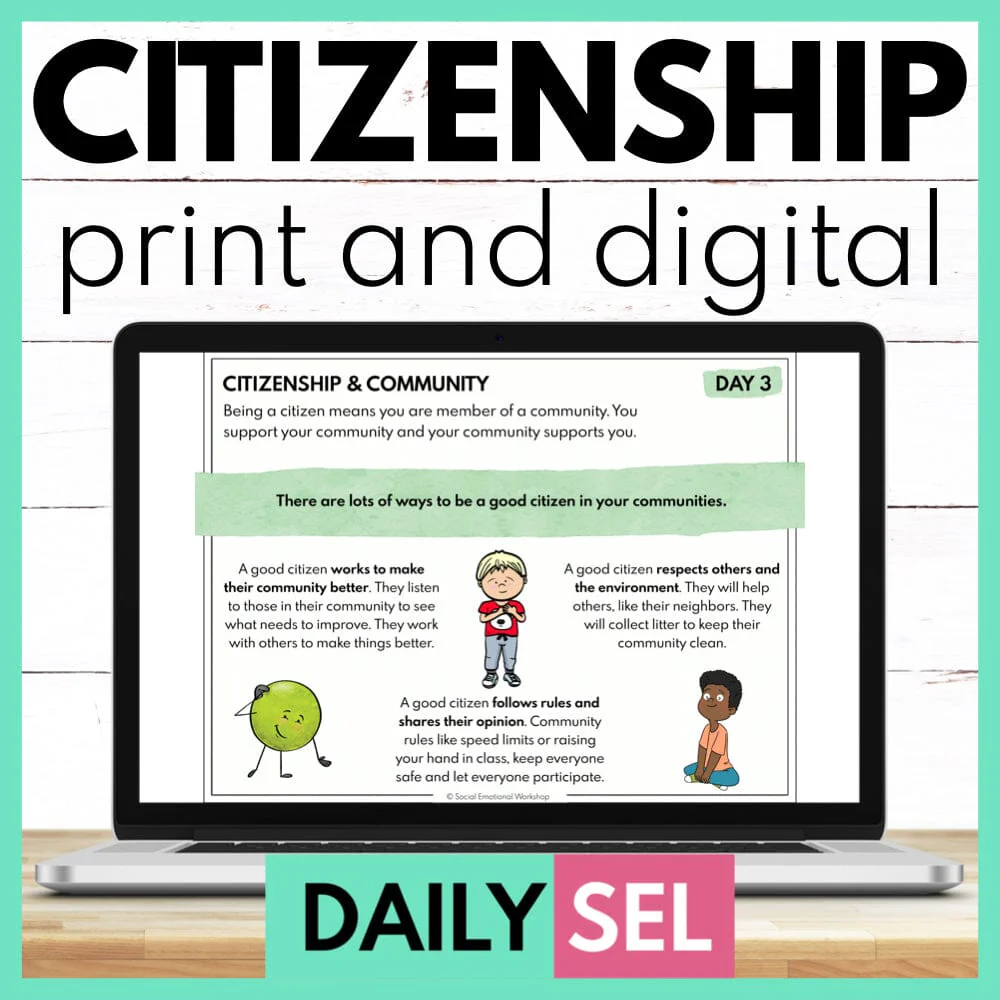
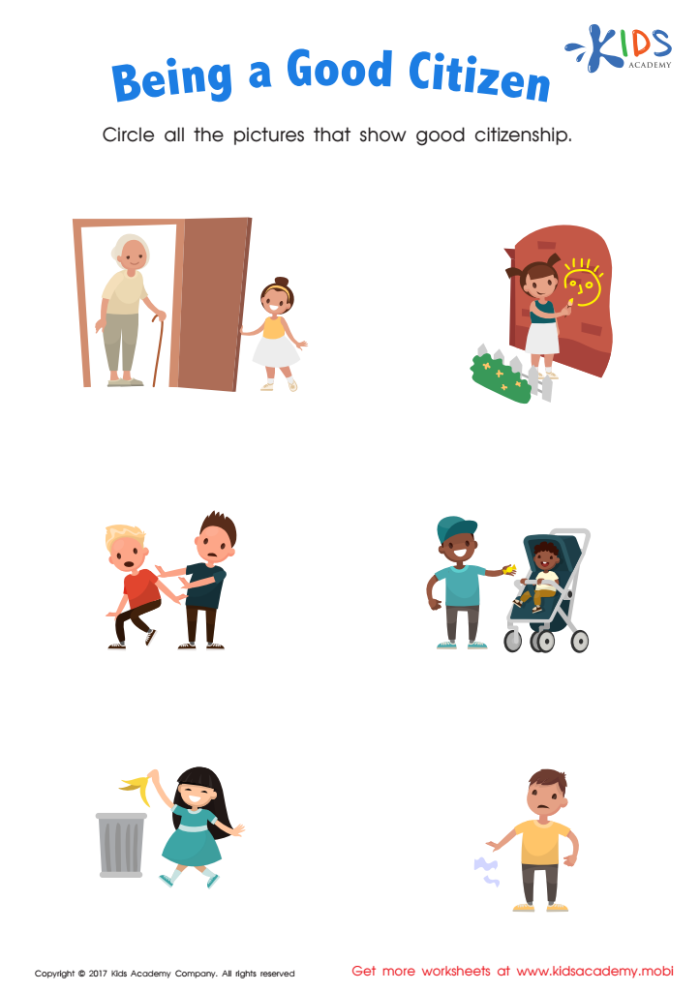
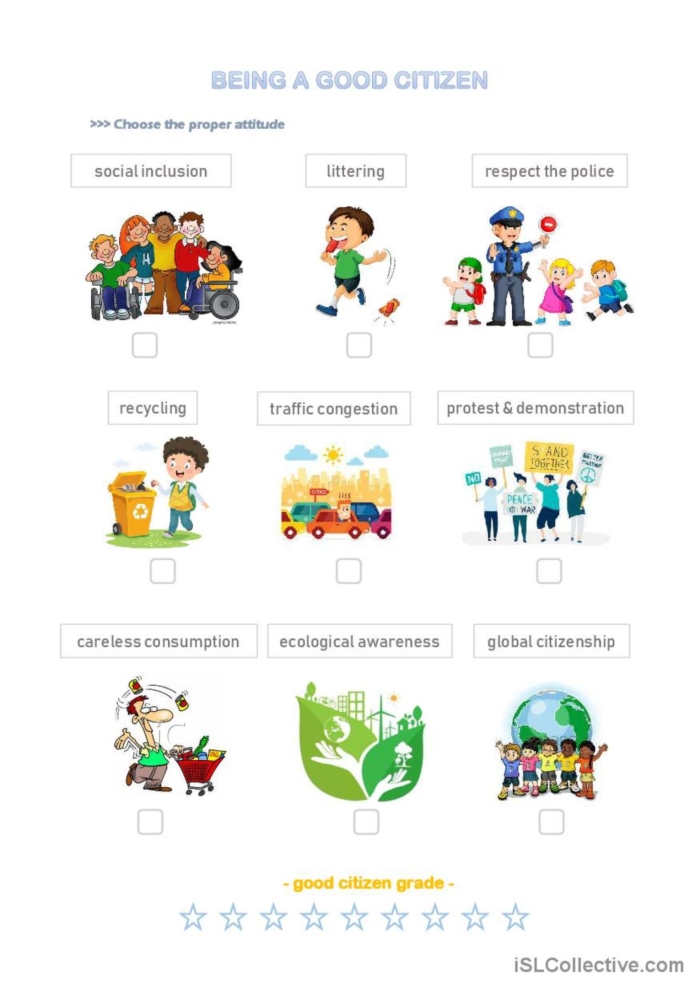
Good citizenship covers more ground than most people realize. It includes the obvious responsibility of voting when you’re old enough, which teaches children that their voice matters in decisions that affect everyone. But it also includes everyday actions that don’t make headlines. Picking up litter in your neighborhood, holding the door for someone, saying please and thank you, and listening when others speak all count as citizenship in practice.
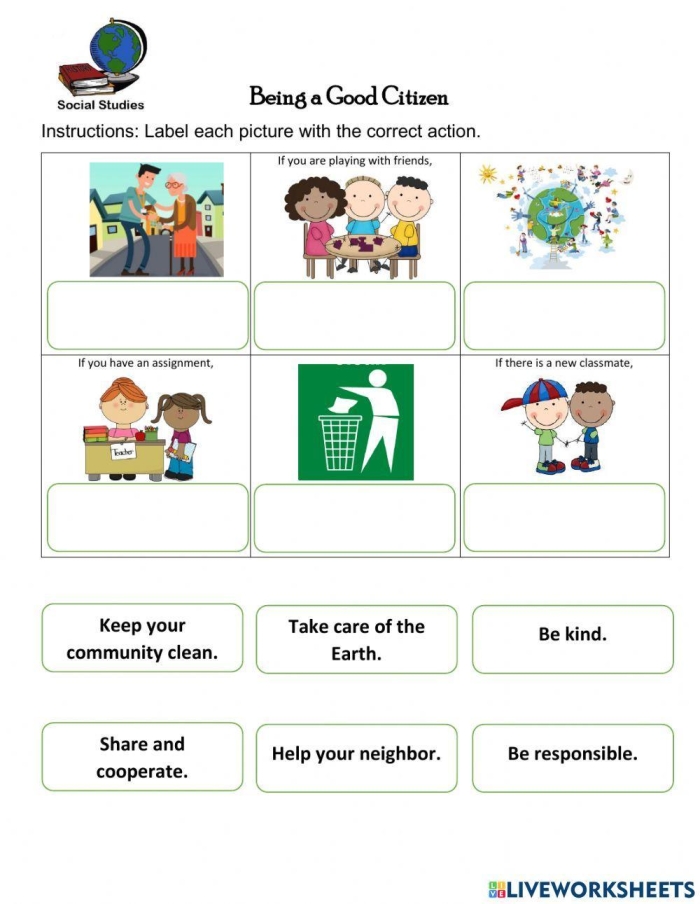
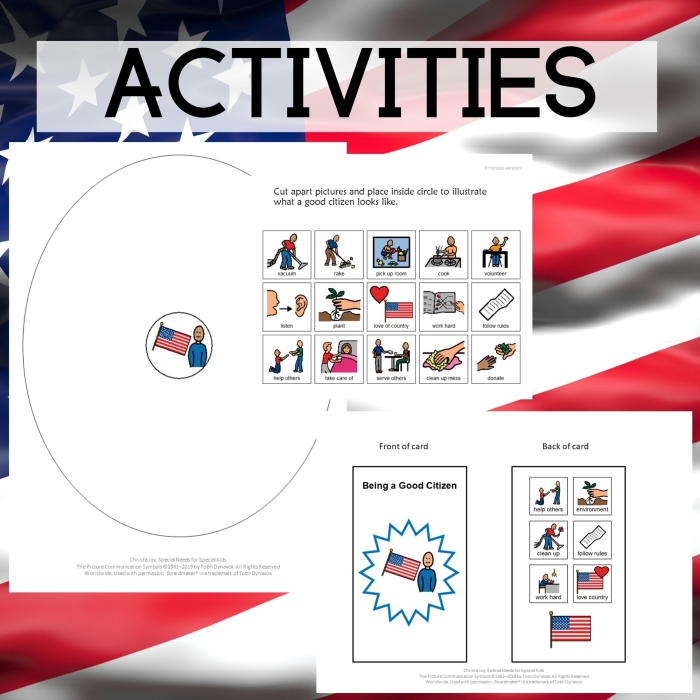
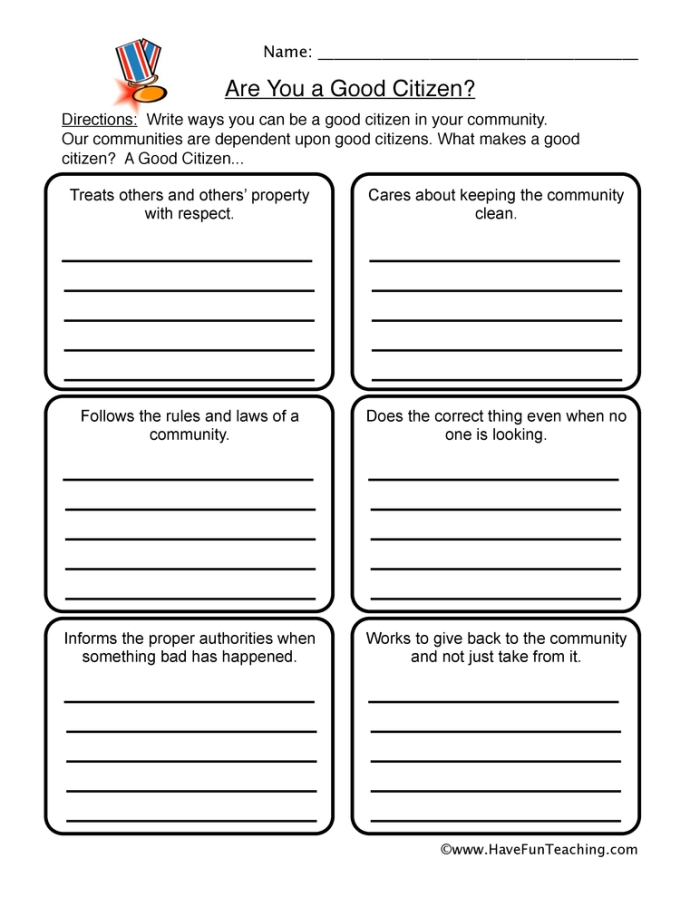
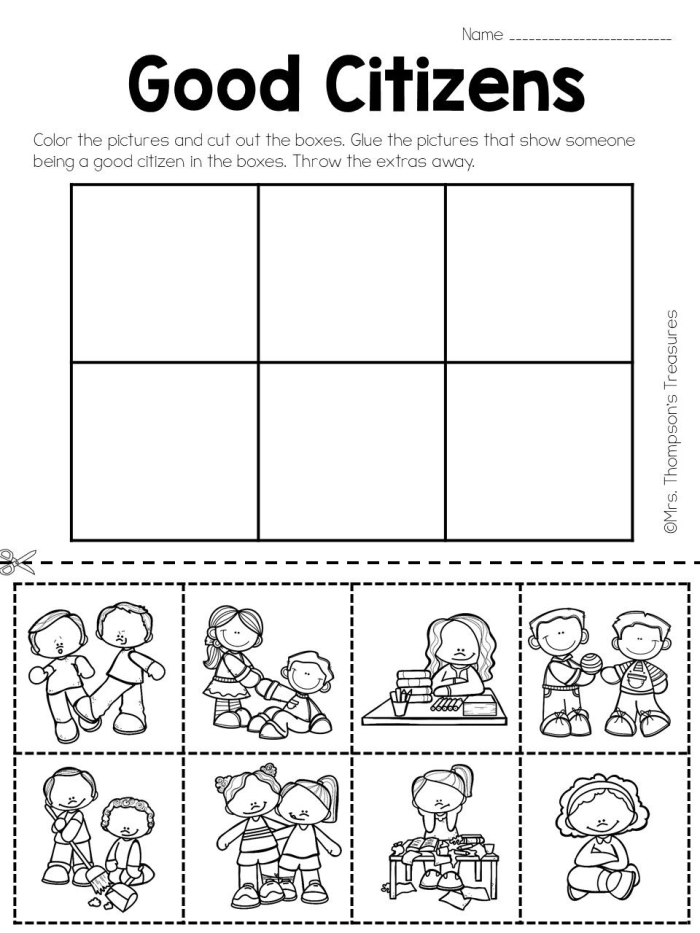
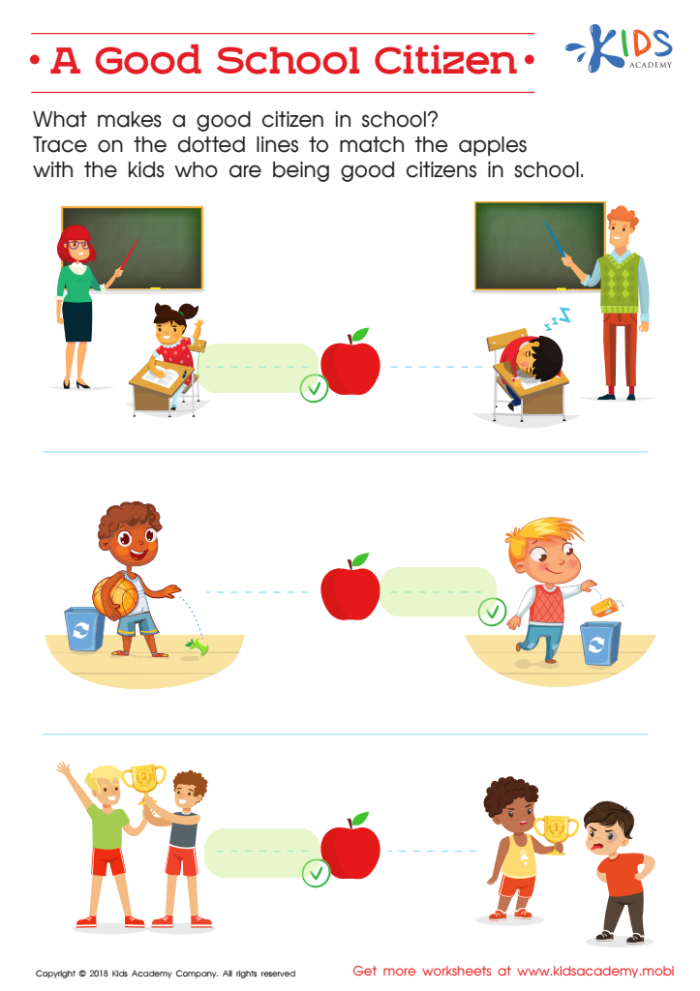
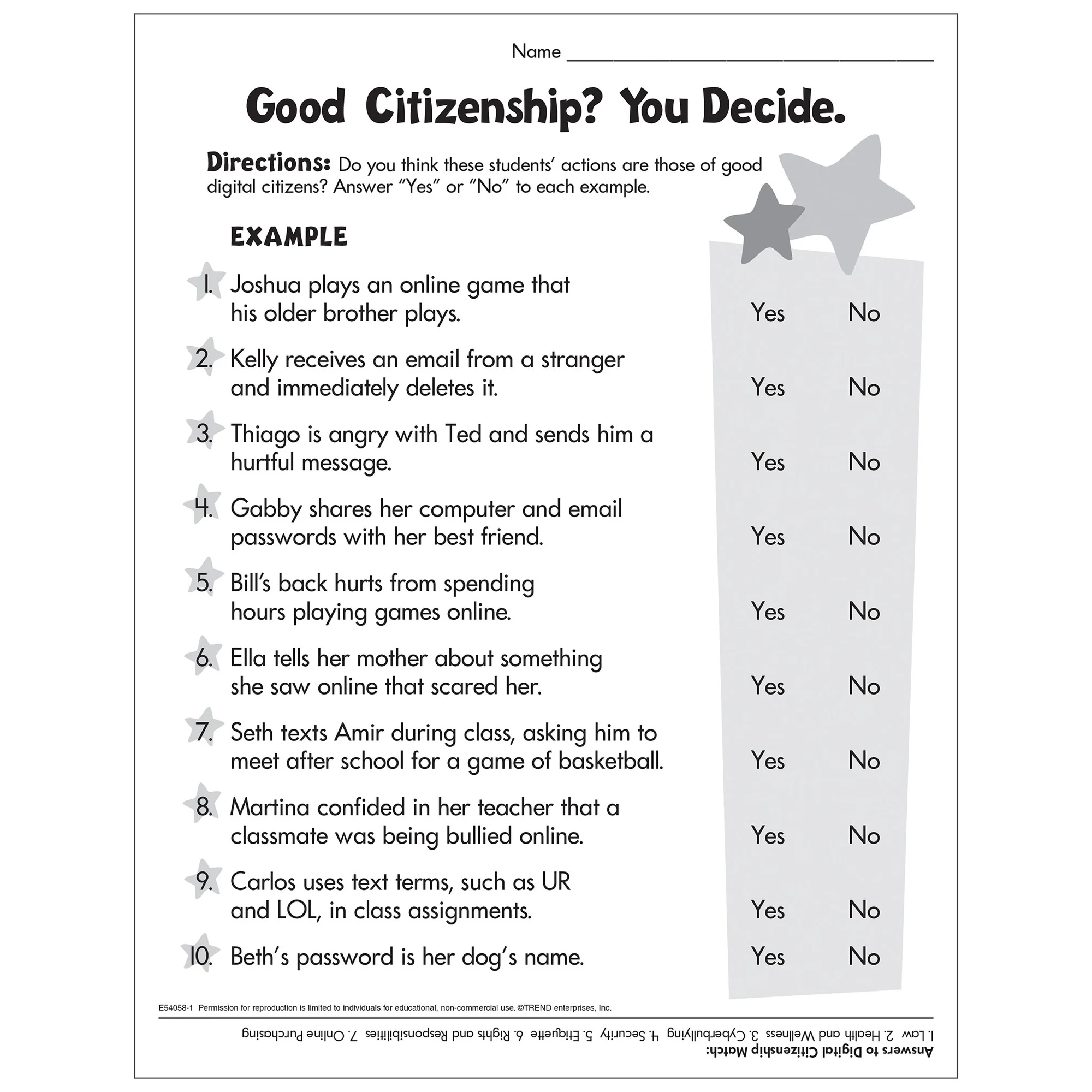
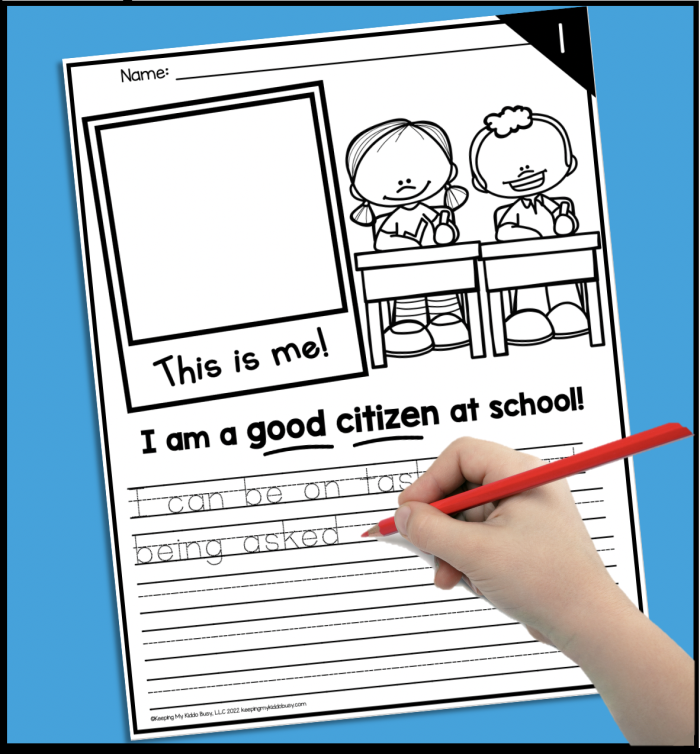
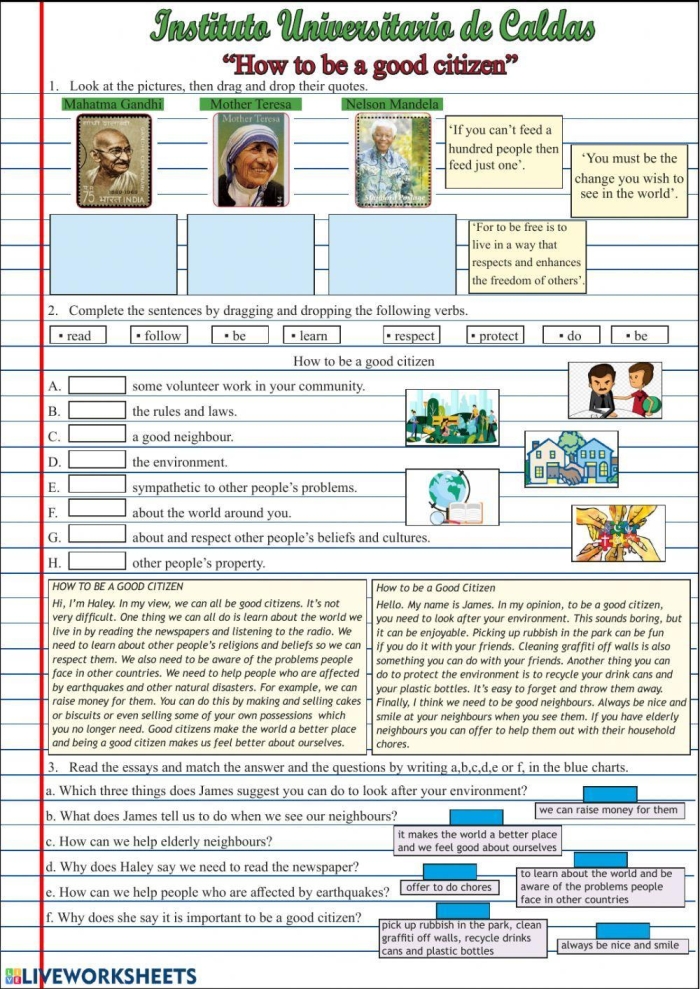
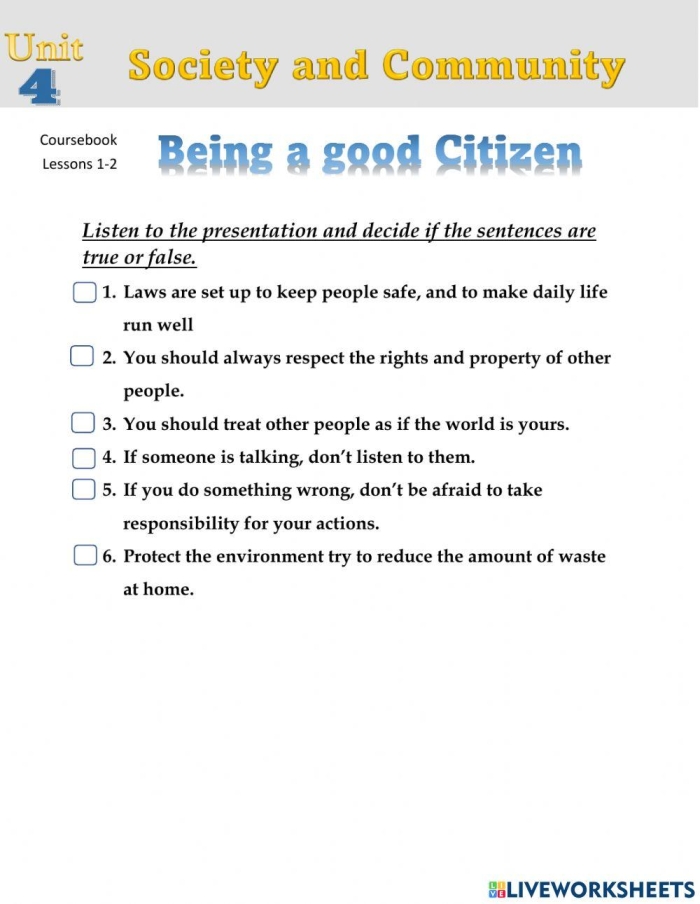
When teachers introduce these concepts to second graders, worksheets become powerful teaching tools. A worksheet might ask students to identify which actions show good citizenship, or it could have them draw pictures of themselves helping others. Some worksheets use simple addition problems alongside citizenship scenarios, connecting math skills with social awareness. For example, a second grade addition worksheet might ask: “If three students pick up trash on Monday and five more join on Tuesday, how many students helped clean up?” This approach reinforces both mathematical thinking and the value of community service.
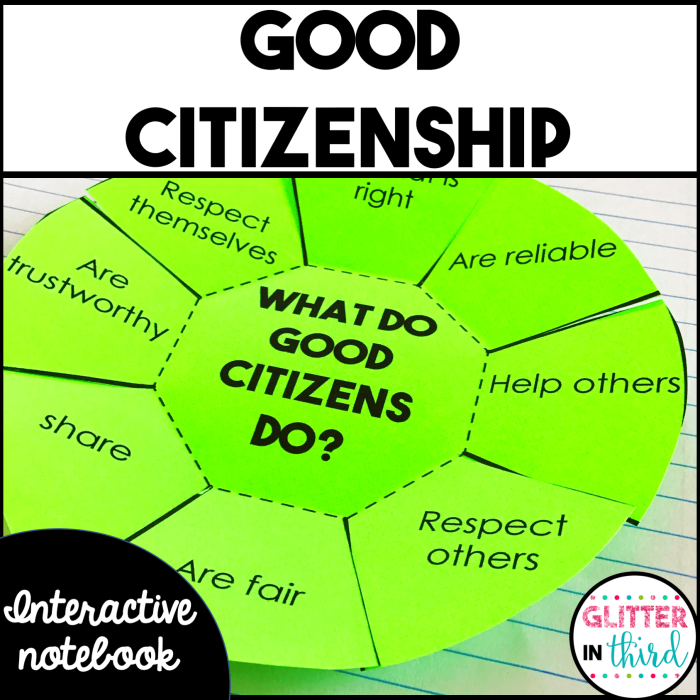
The beauty of these worksheets is their simplicity. Young students understand that voting means making choices about what’s important. They grasp that cleaning up benefits everyone. They recognize that common courtesy, like saying thank you or helping a friend, makes people feel good. When these lessons connect to activities they already do or see around them, the ideas stick.
By combining practical examples with engaging activities, these worksheets help second graders understand that being a good citizen isn’t complicated. It’s about showing up, participating, and treating others with respect.
Use These Worksheets Today