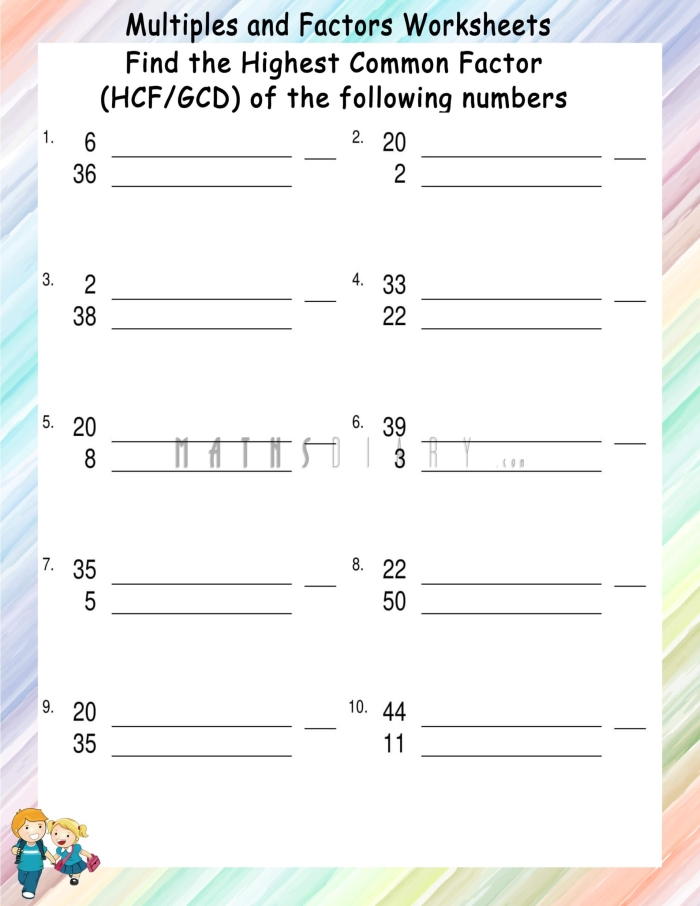
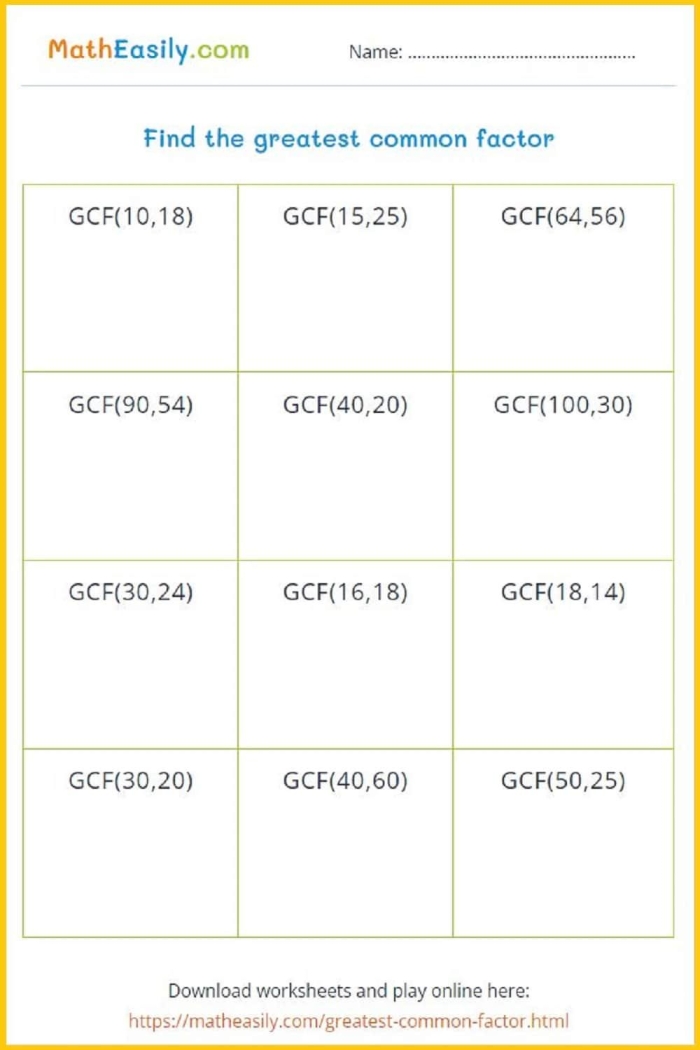
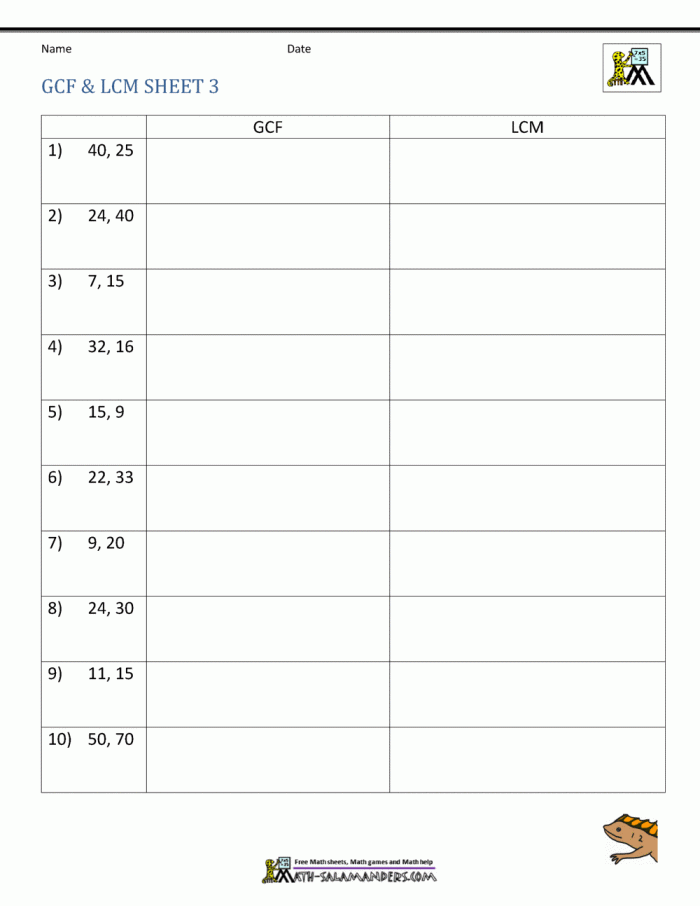
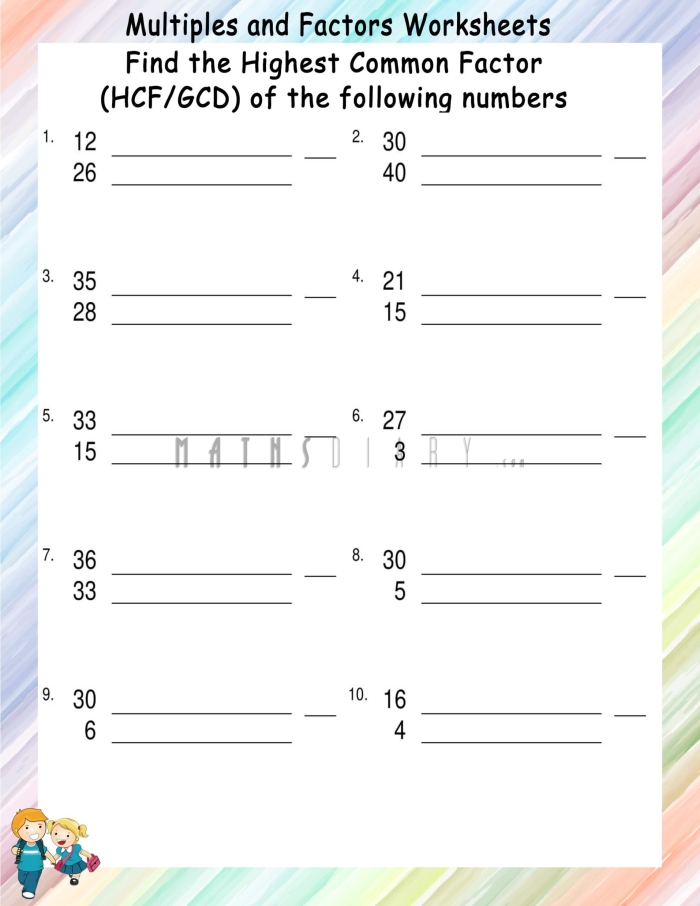
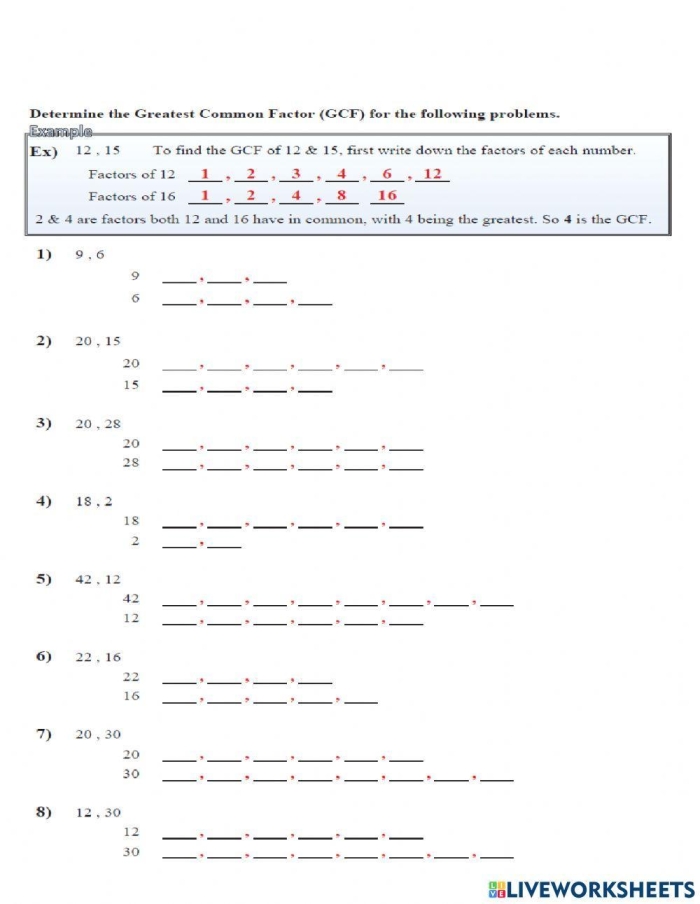
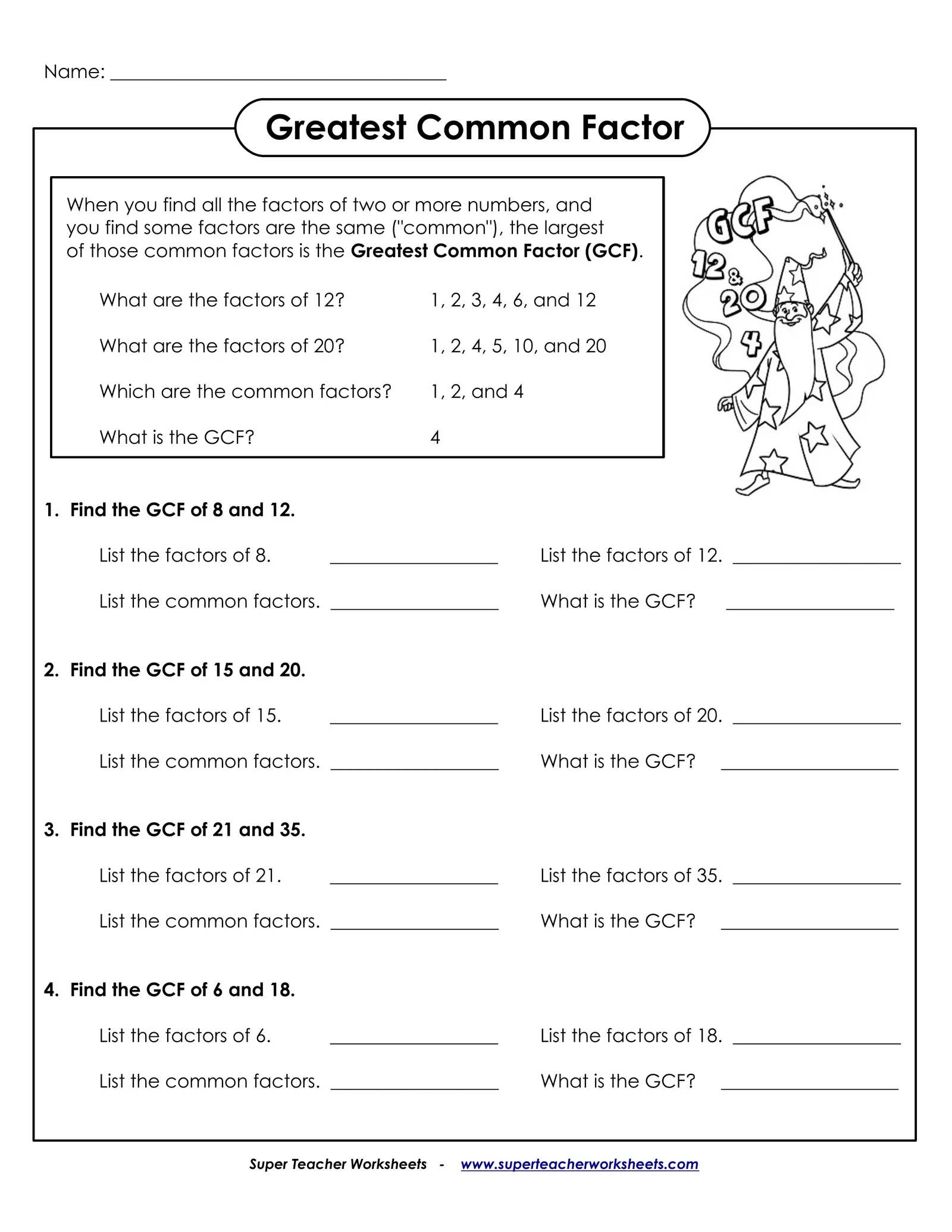
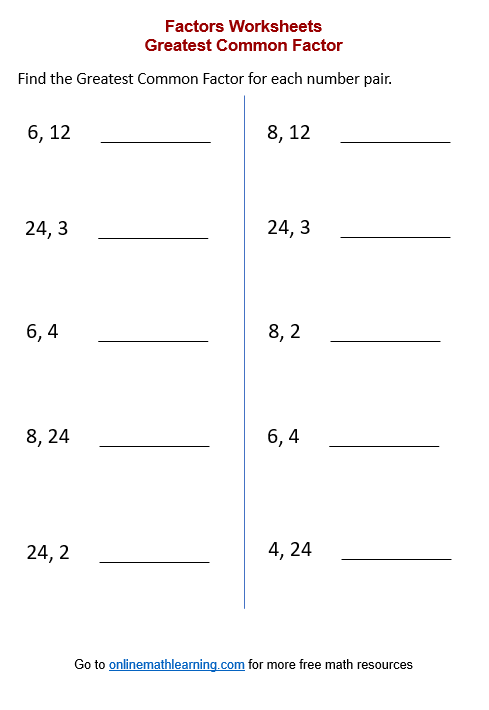
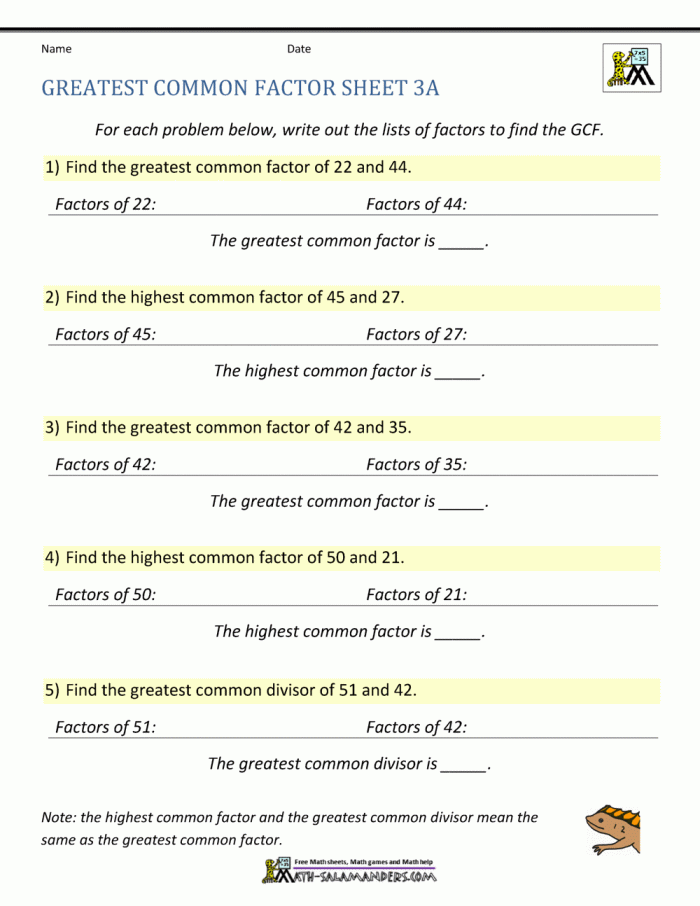
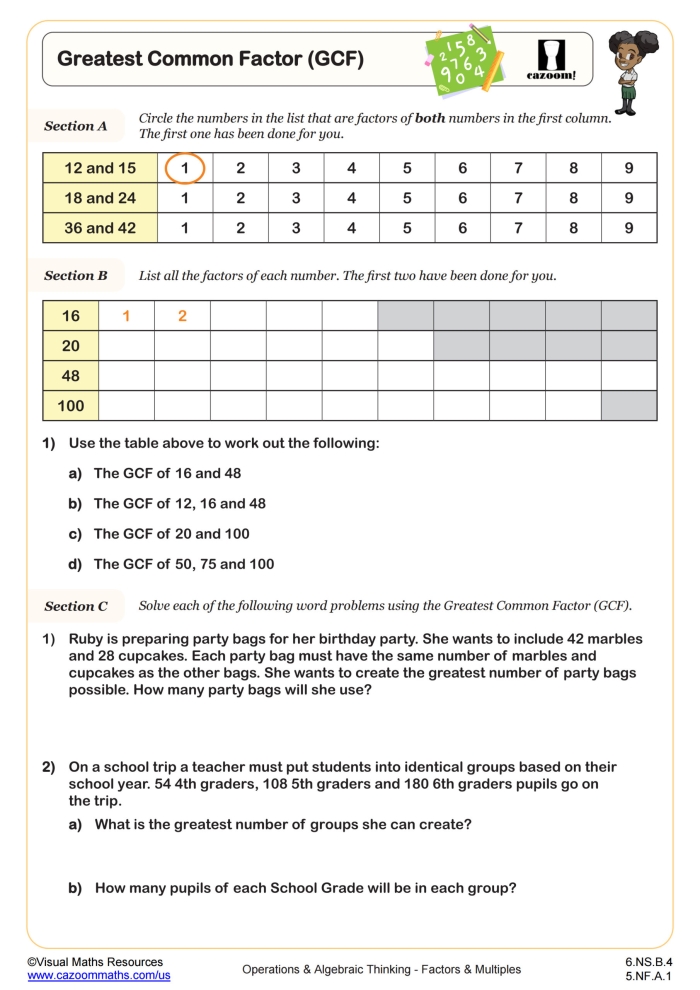
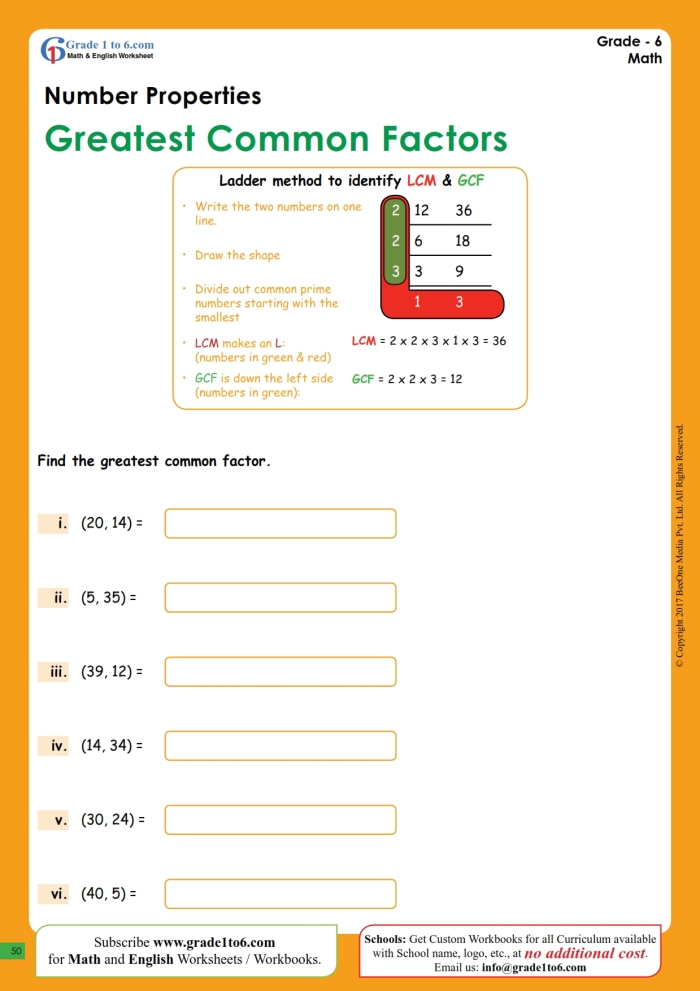
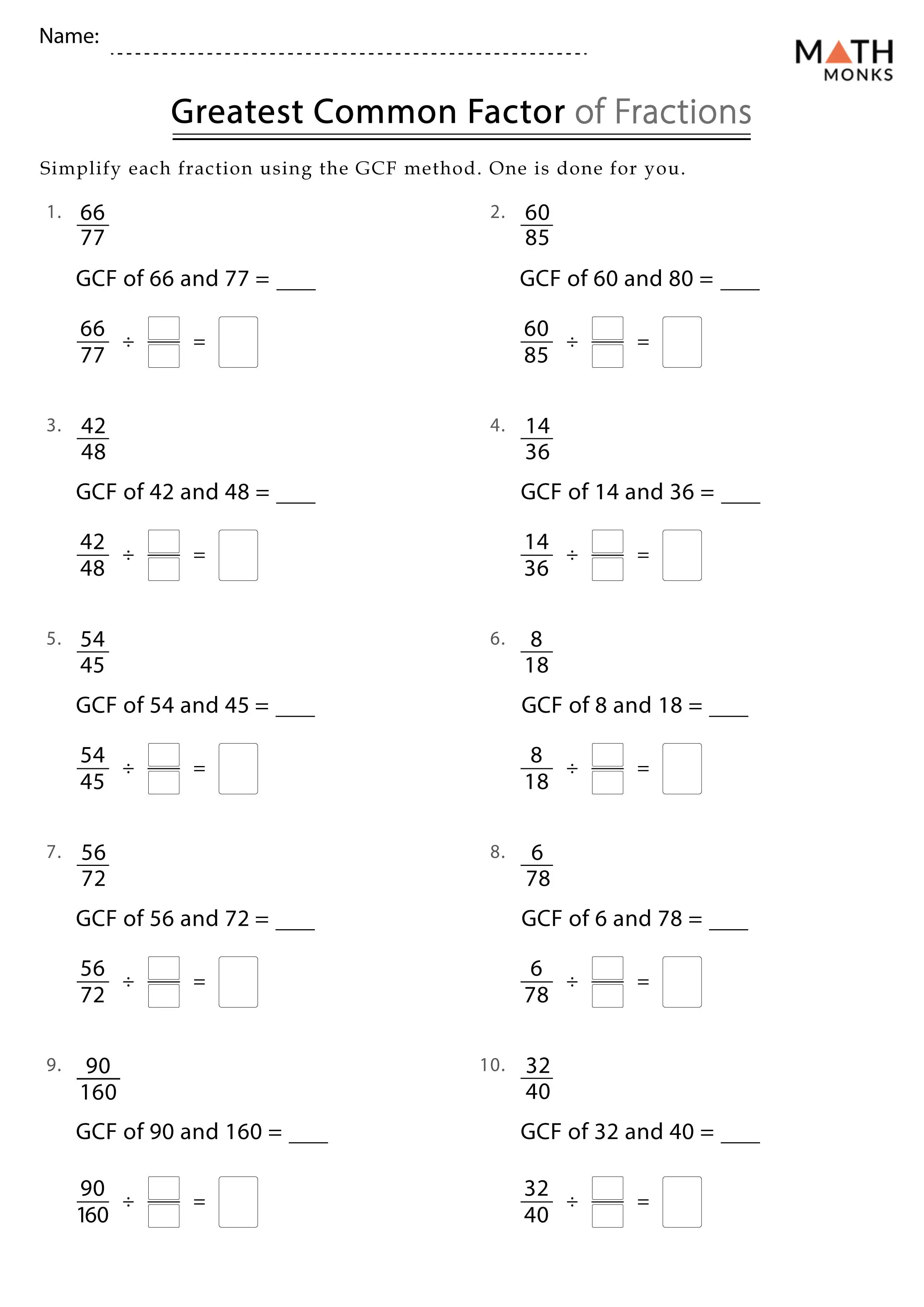
Using factor rainbows is an engaging way to teach sixth-grade students how to find the greatest common factor (GCF) of two numbers. This method not only simplifies the concept but also makes it visually appealing, encouraging students to participate actively in their learning.
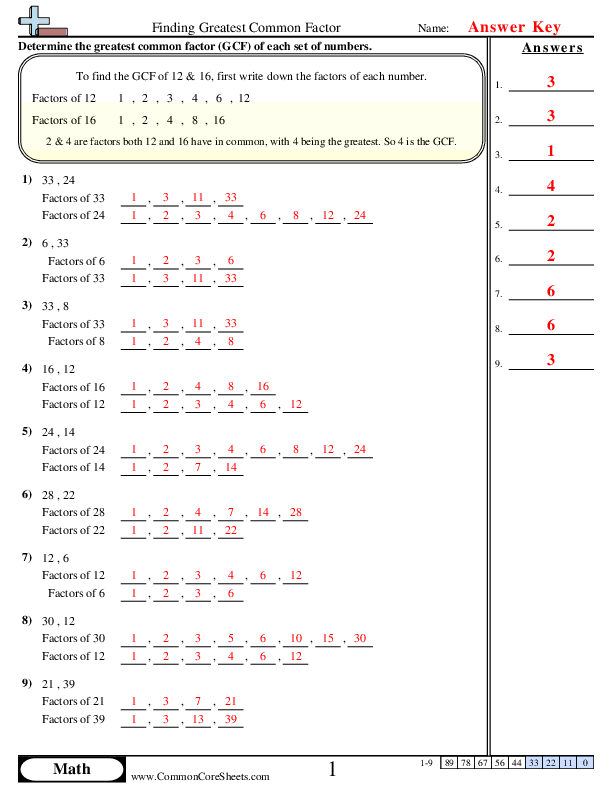
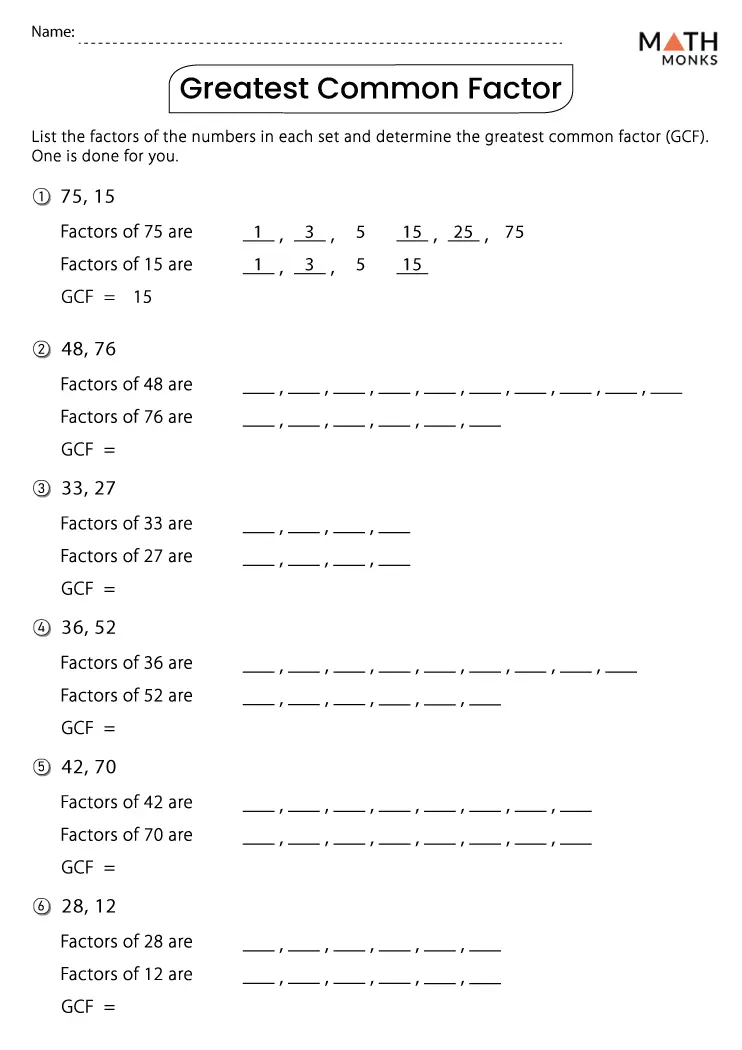
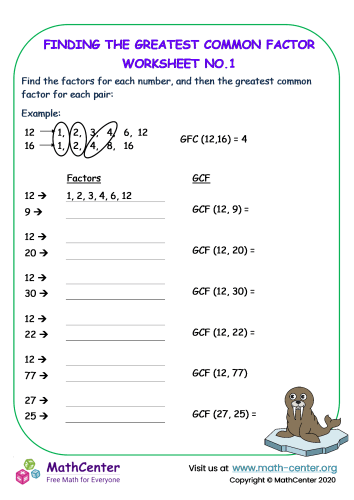
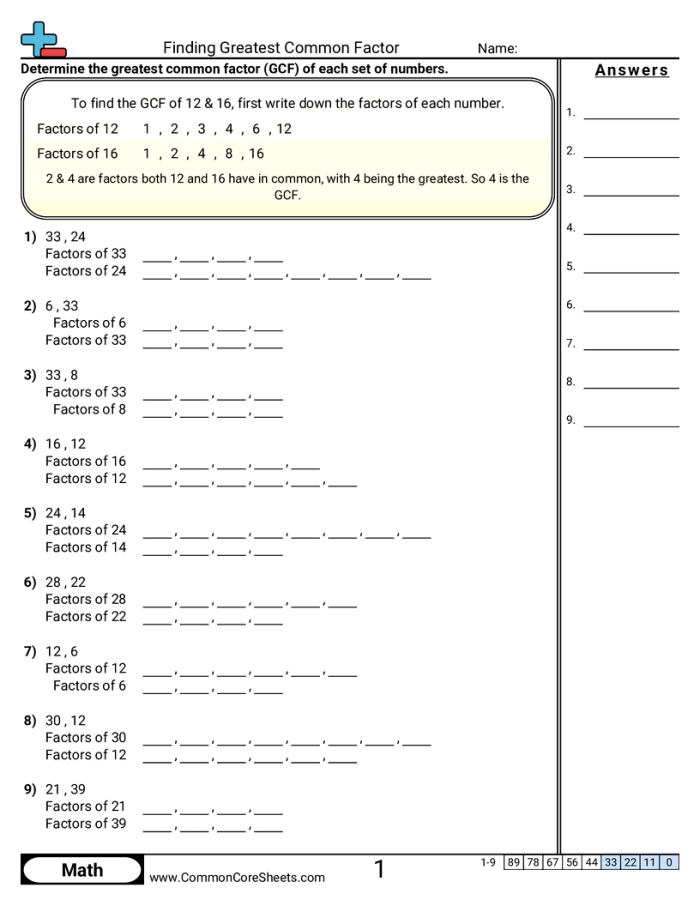
To begin, introduce the concept of factors—numbers that divide another number evenly. For example, the factors of 12 are 1, 2, 3, 4, 6, and 12. When students learn to identify factors, they can then create a factor rainbow. This involves listing all the factors of the two numbers in a way that resembles a rainbow, connecting them visually. For instance, if we take the numbers 12 and 18, the factors of 12 are 1, 2, 3, 4, 6, and 12, while the factors of 18 are 1, 2, 3, 6, 9, and 18.
Next, students can identify the common factors by visually connecting the common points in their factor rainbows. Here, the common factors for 12 and 18 are 1, 2, 3, and 6. The greatest of these common factors is 6, which is the GCF. This method not only makes the process clearer but also helps students remember the relationship between the numbers better.
Incorporating this visual technique can also enhance other learning topics. For example, you can explore more about how to use personification to enhance writing or dive into historical contexts with resources on ancient China. These links provide additional worksheets that can complement the math lessons and keep students engaged.
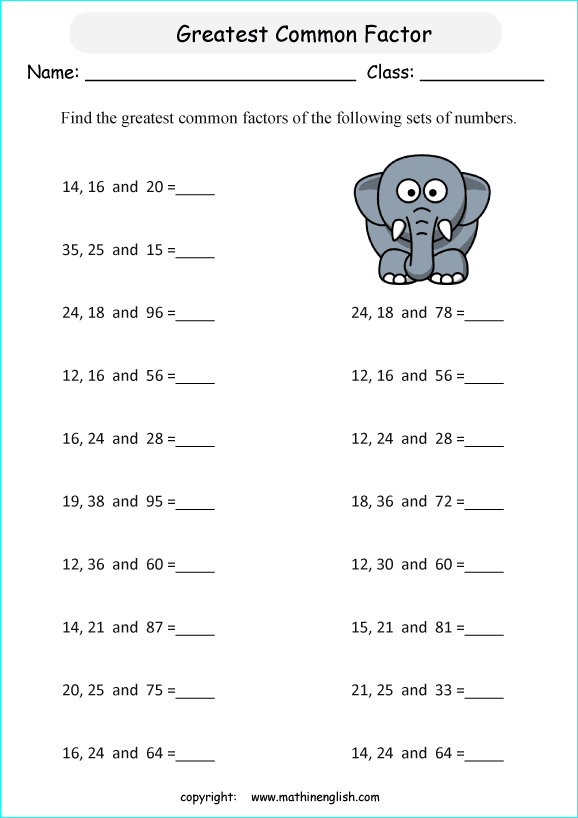
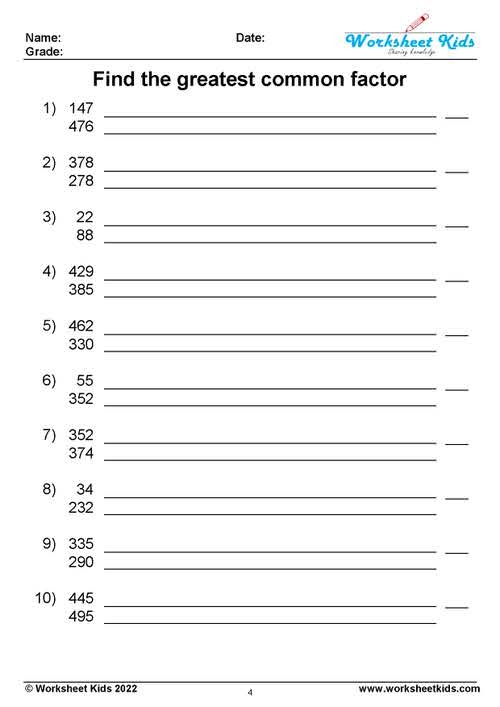
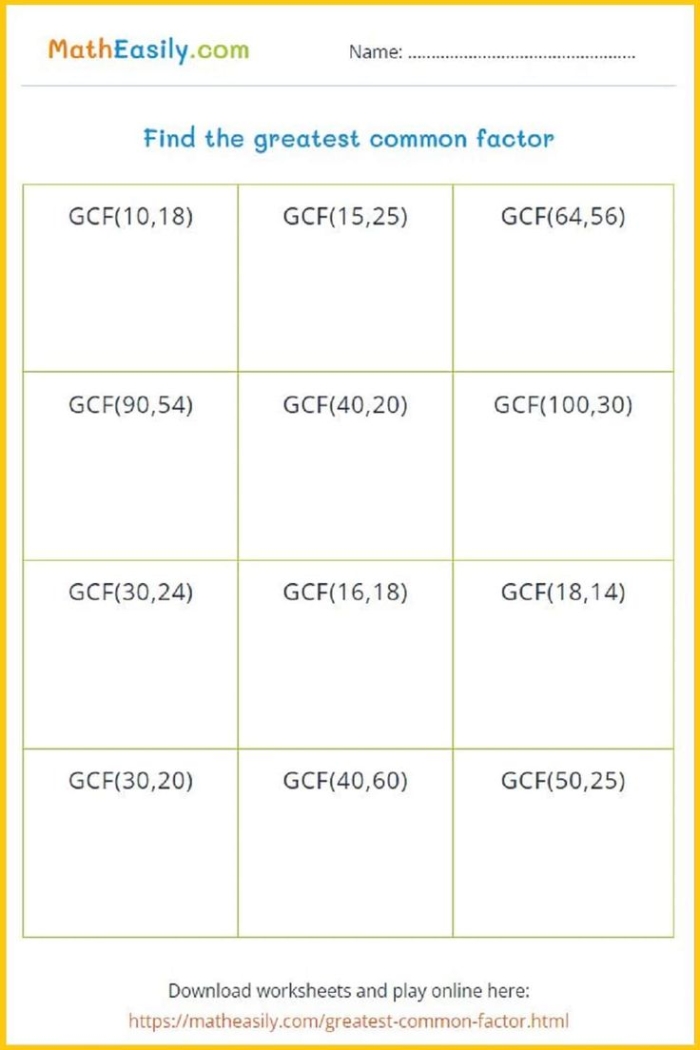
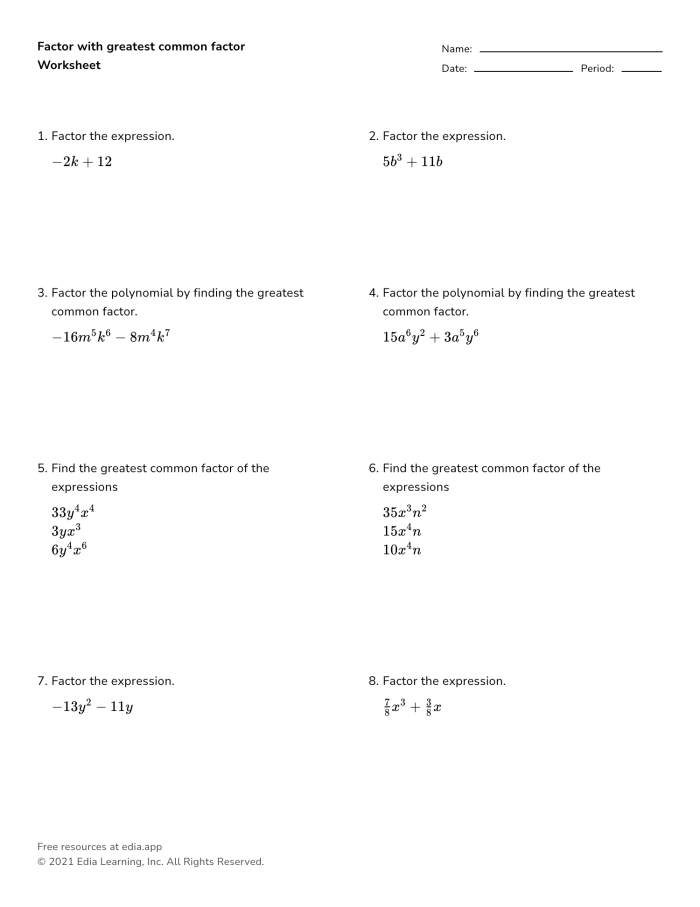
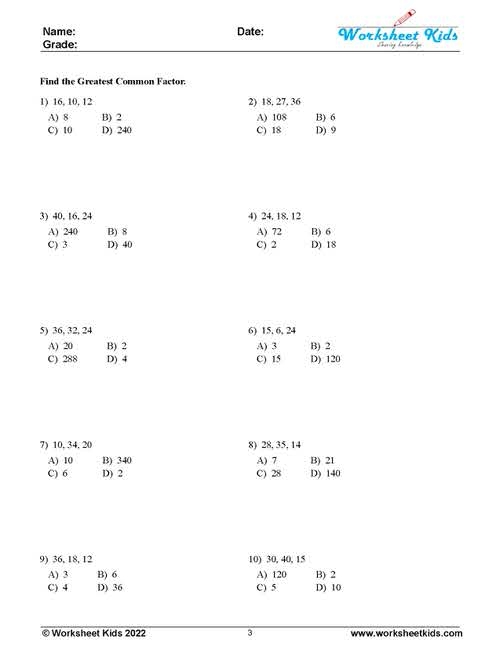
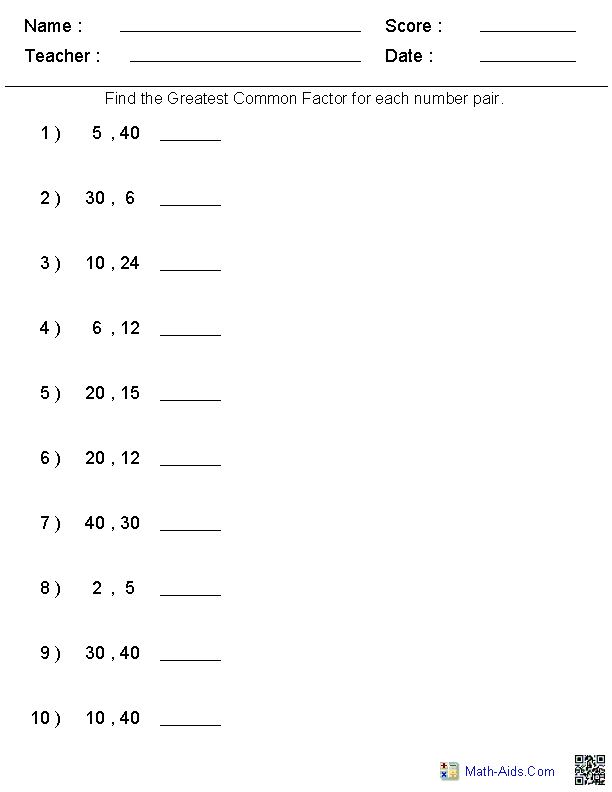
In conclusion, factor rainbows provide a hands-on approach to understanding the greatest common factor. By using this method, students not only learn an important mathematical concept but also develop critical thinking and problem-solving skills. Encourage your students to practice with printable GCF worksheets available online, and watch their confidence grow as they master this essential topic in their sixth-grade curriculum.
Hands-On Worksheet Activities