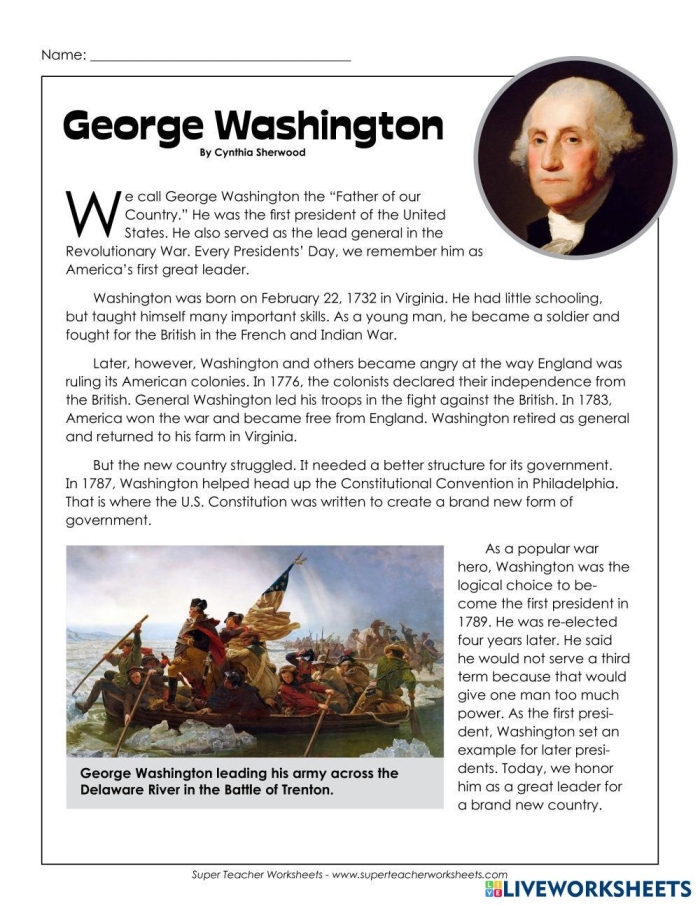
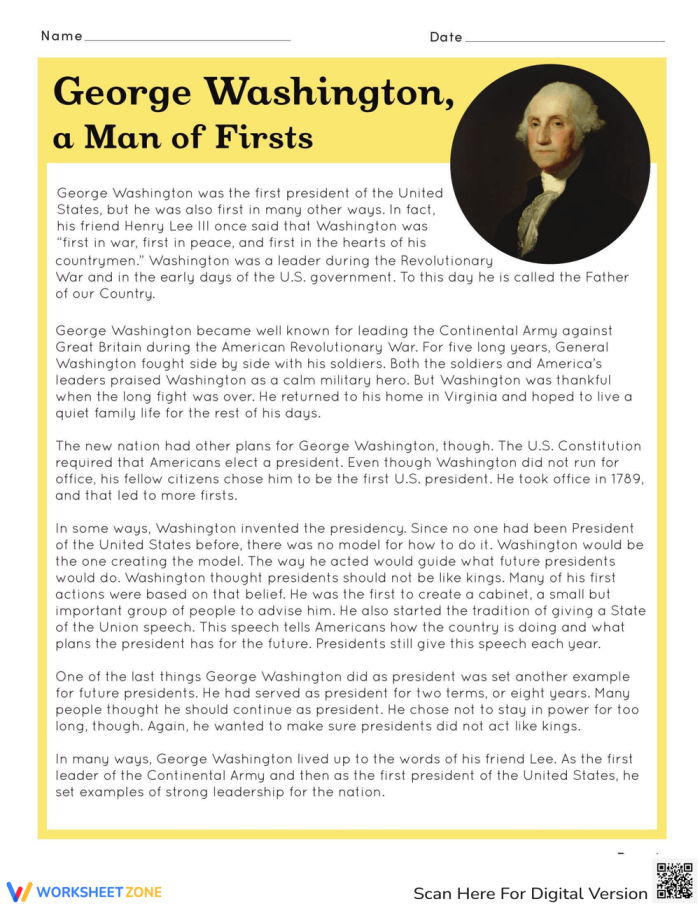
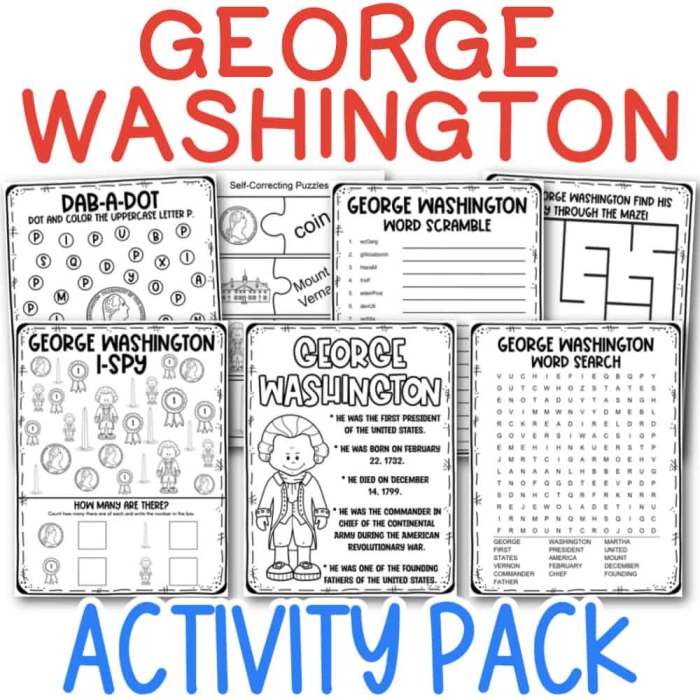
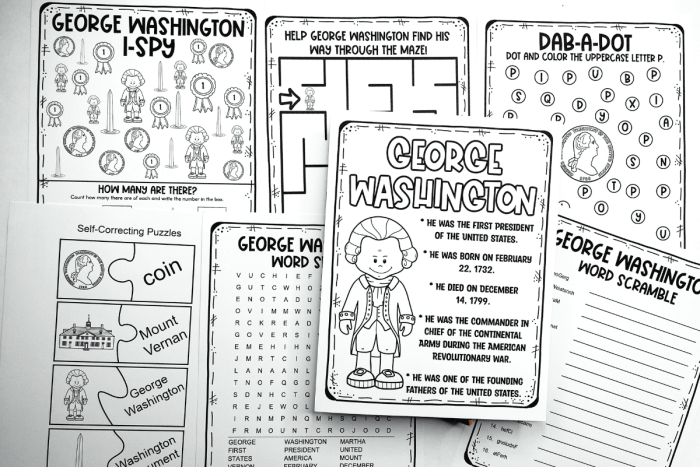
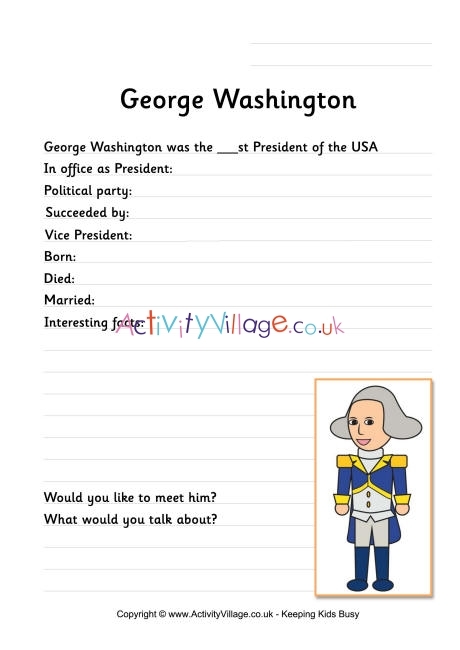
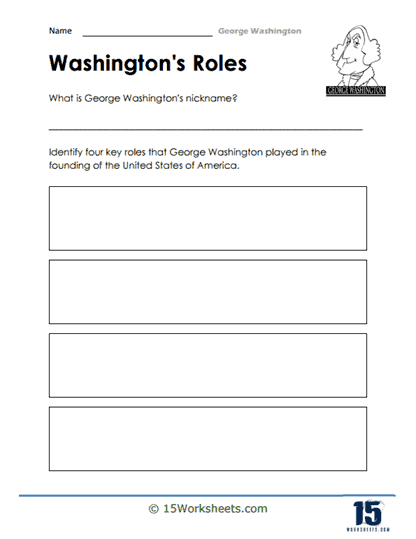
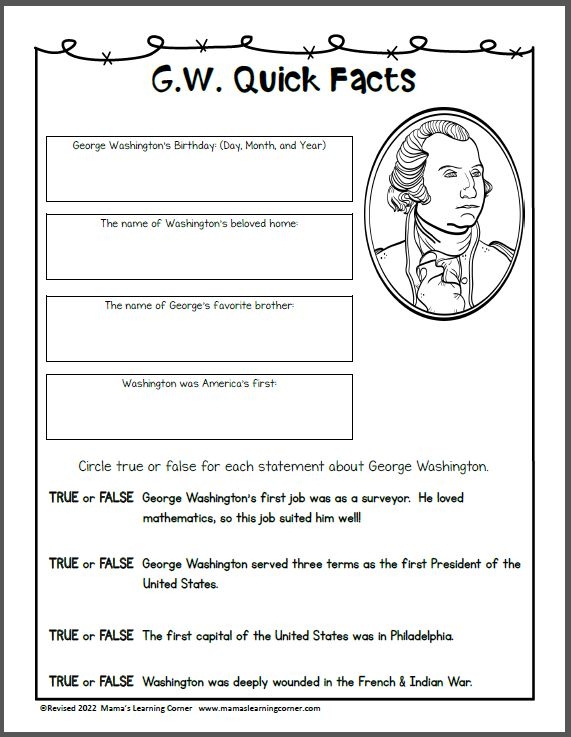
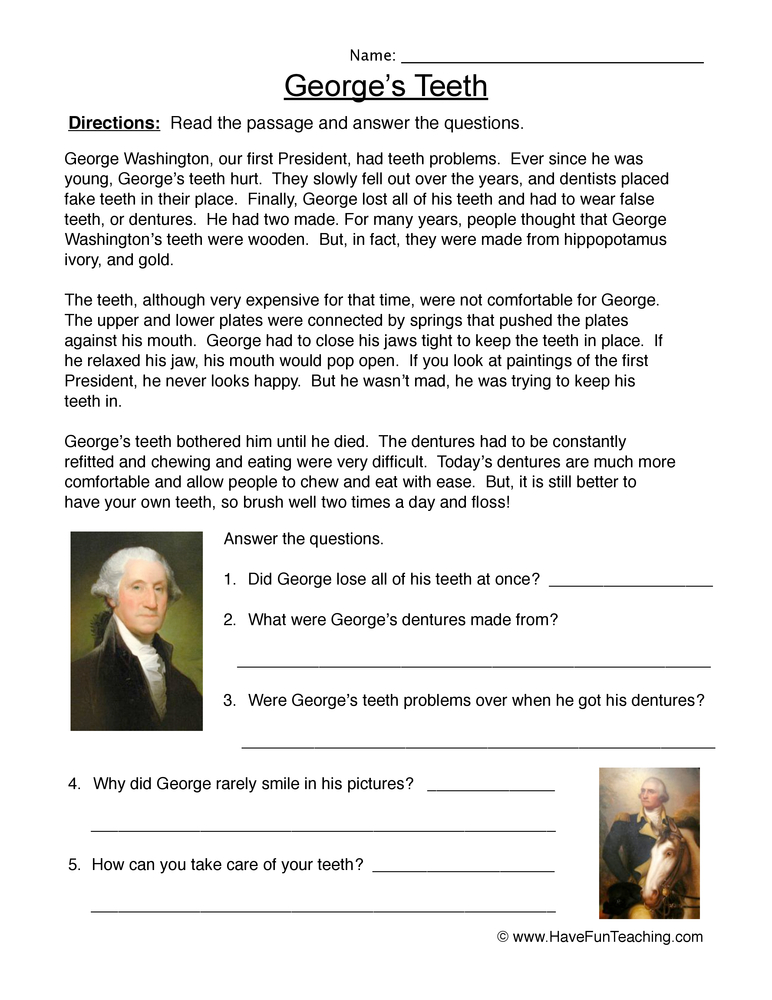
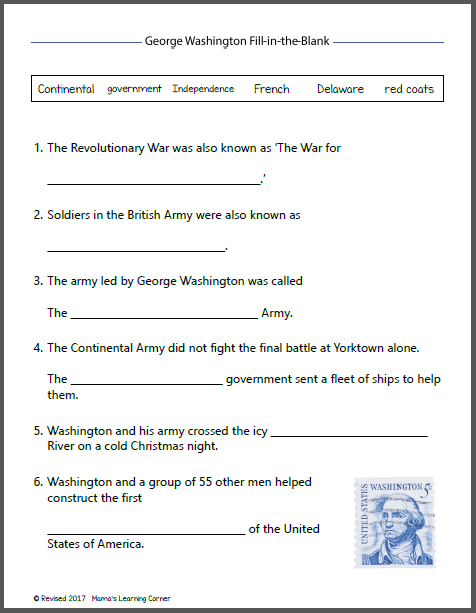
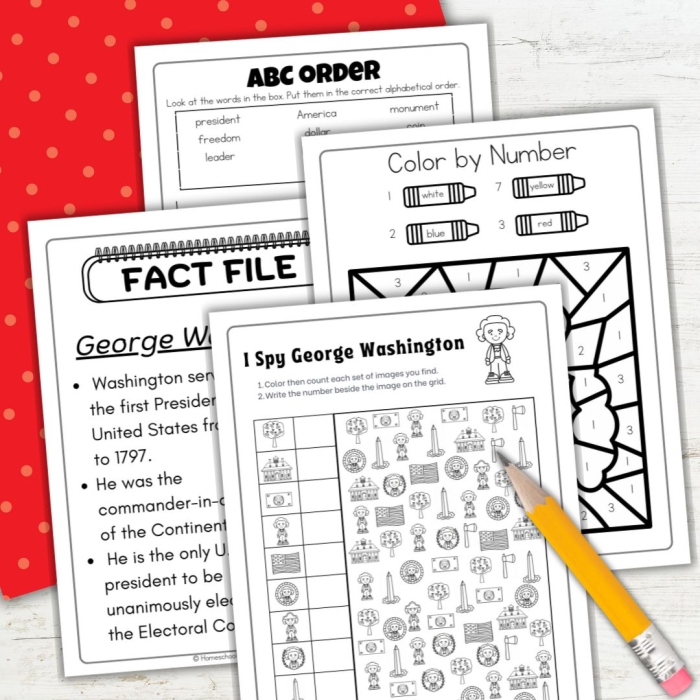
Introducing third grade students to nonfiction reading can be both engaging and educational when the topic is someone as pivotal as George Washington. This informational worksheet, focused on George Washington, a Man of Firsts, offers a chance to practice reading nonfiction while encouraging young learners to make meaningful connections within the text. At this level, building skills to understand and relate to historical figures helps develop critical thinking and strengthens reading comprehension.
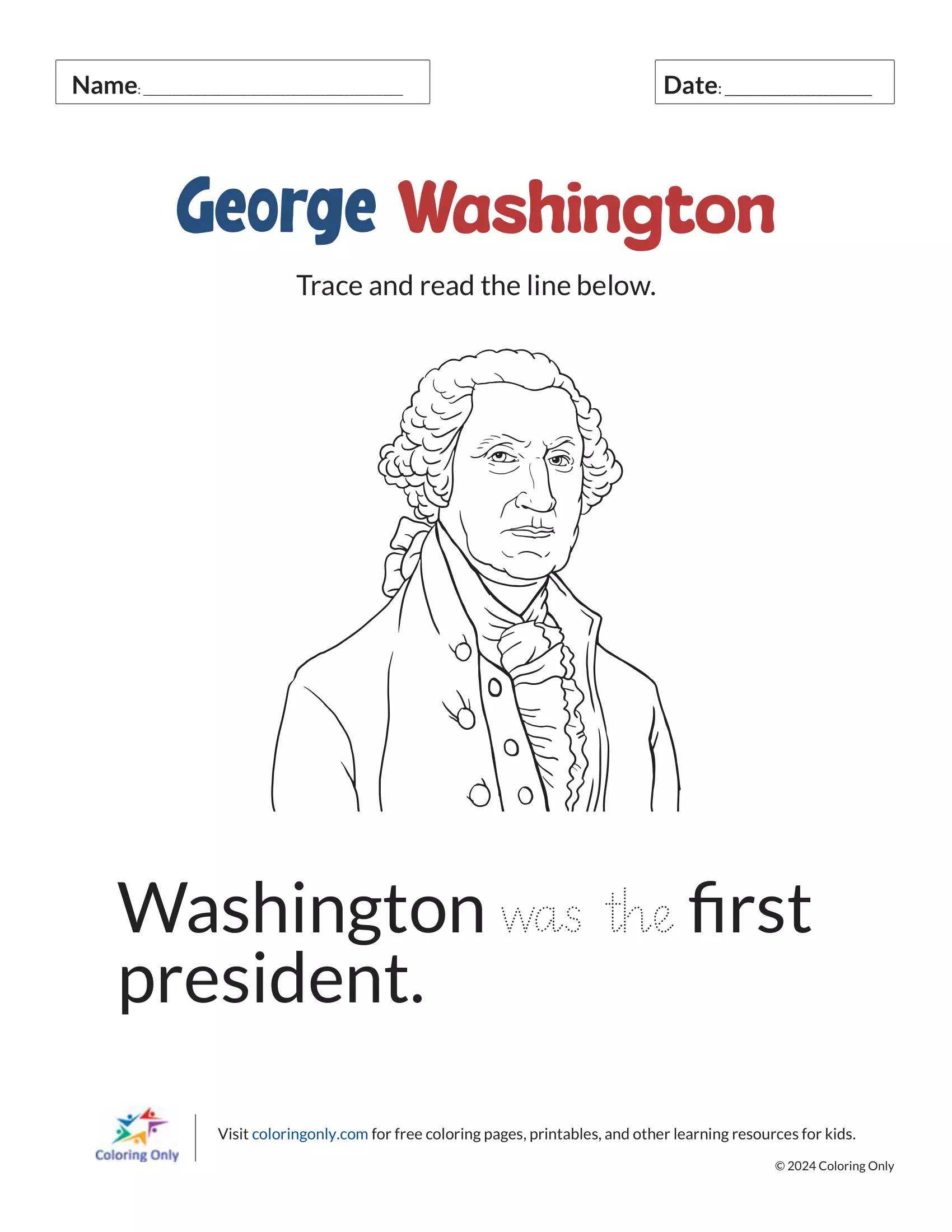
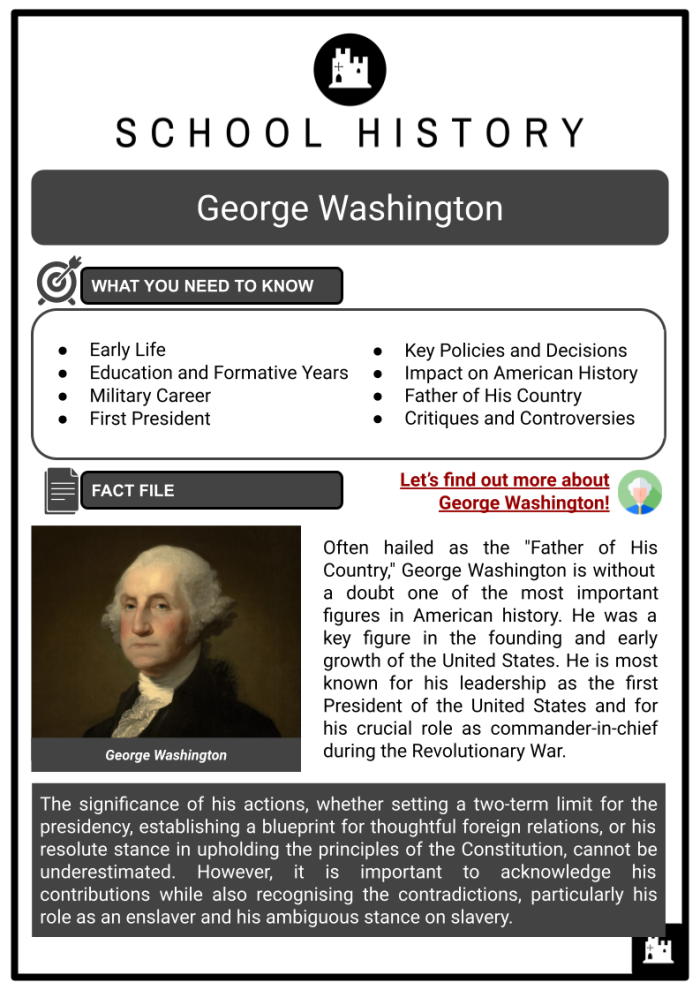
The worksheet presents key facts about Washington’s life and achievements in a clear, accessible way. For example, students learn that Washington was the first president of the United States, earning him the nickname “Father of His Country.” This specific detail anchors the reading and provides a memorable point for children to connect with. As they work through the questions, they not only absorb important information but also practice identifying main ideas and supporting details, skills essential for nonfiction reading.
What makes this kind of worksheet particularly valuable is how it encourages students to relate new information to what they already know. Making connections might mean comparing Washington’s leadership with other historical figures they’ve read about or linking his role in American history to the broader topic of government and citizenship. This approach moves beyond rote memorization and fosters deeper understanding.
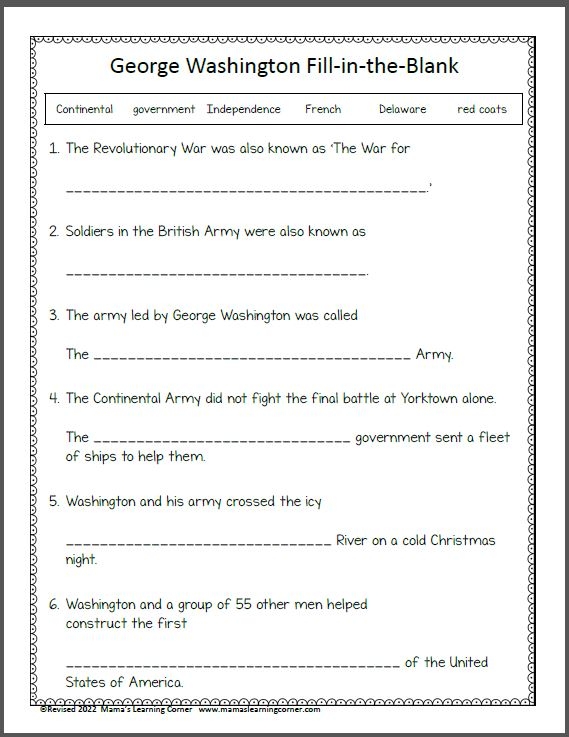
Incorporating writing into the reading practice adds another layer of learning. Students can respond to prompts that ask them to explain Washington’s significance in their own words or describe an event from his life. This not only reinforces their grasp of the material but also builds writing skills appropriate for third grade. For educators looking to expand these skills further, resources like the identifying characters and their dialogue worksheets can complement nonfiction practice by focusing on narrative elements in texts.
Using a printable worksheet dedicated to George Washington provides a structured, focused way for children to engage with nonfiction content. It supports their reading growth and helps them connect historical facts to larger ideas, all while practicing clear writing. Combining this with other third grade writing activities, such as exploring sentence correction exercises or creative projects like a paper flower garland printable, creates a well-rounded learning experience that keeps students interested in both reading and writing.
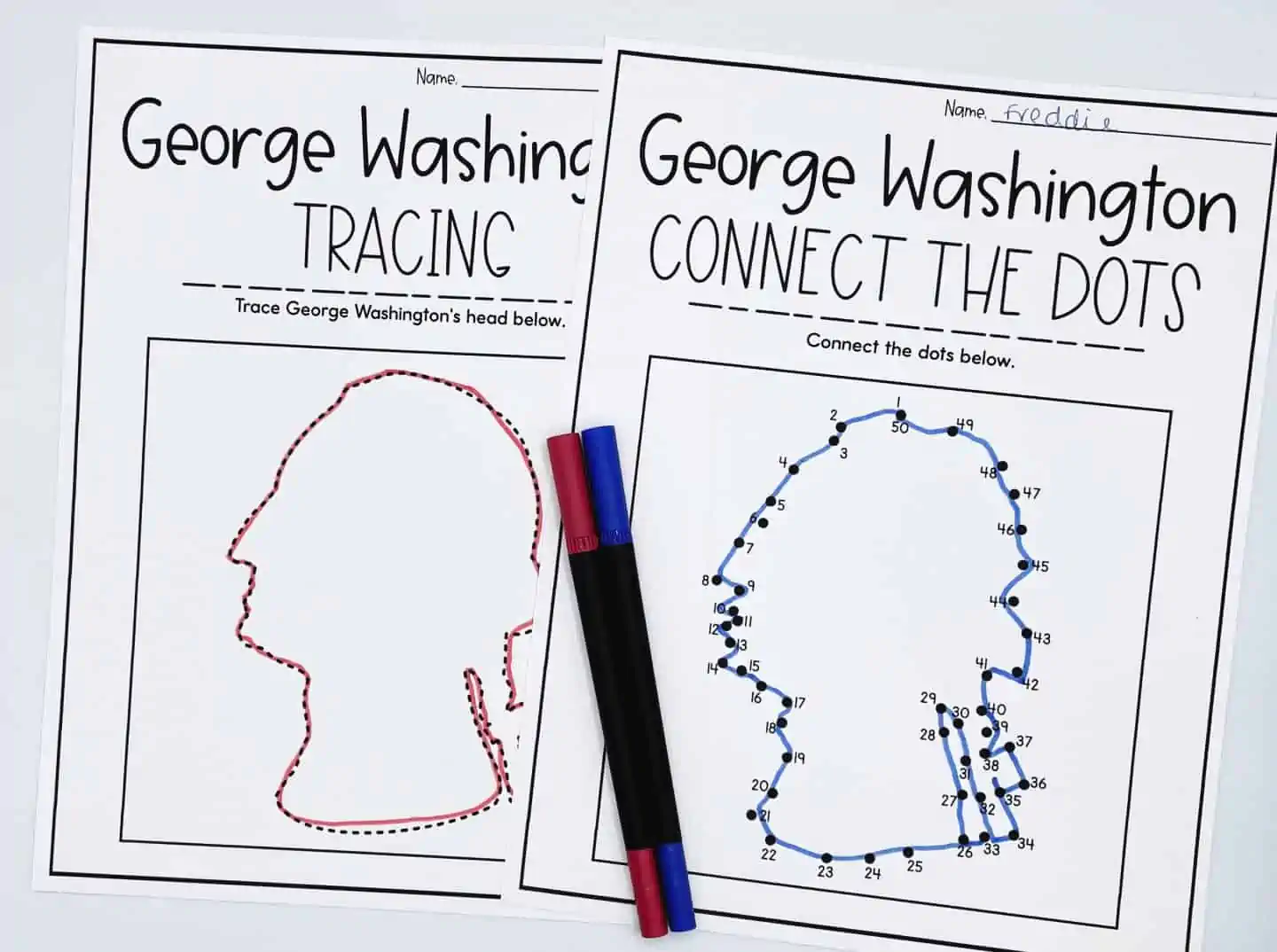
Hands-On Worksheet Activities