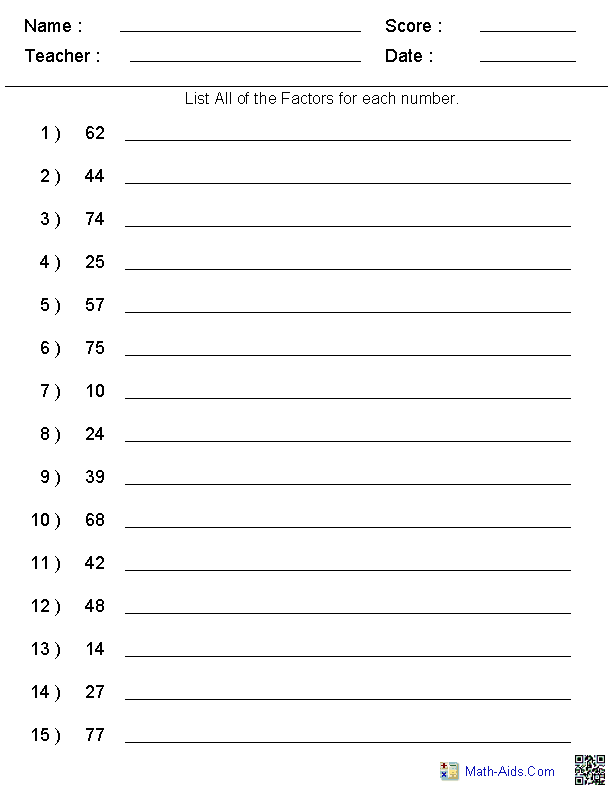
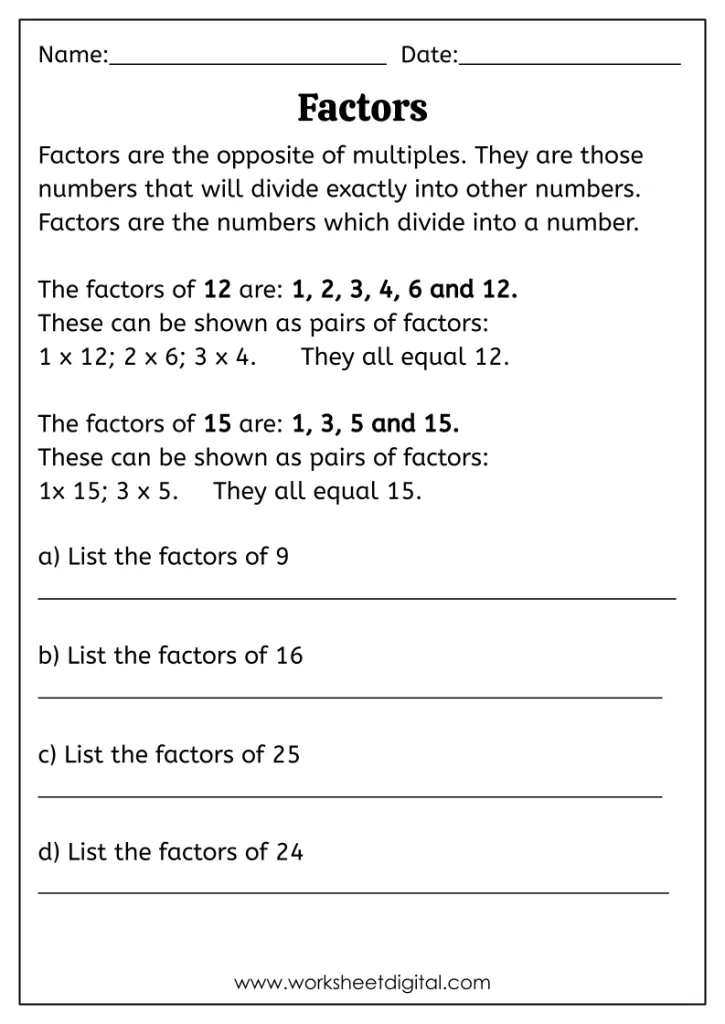
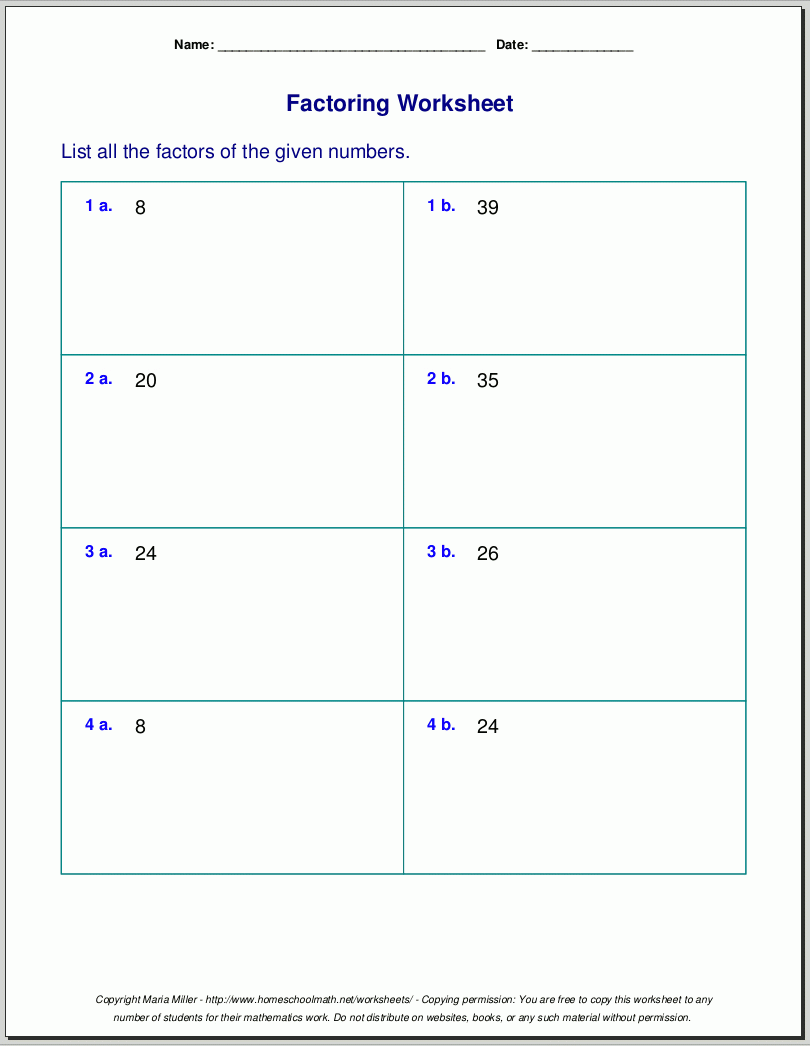
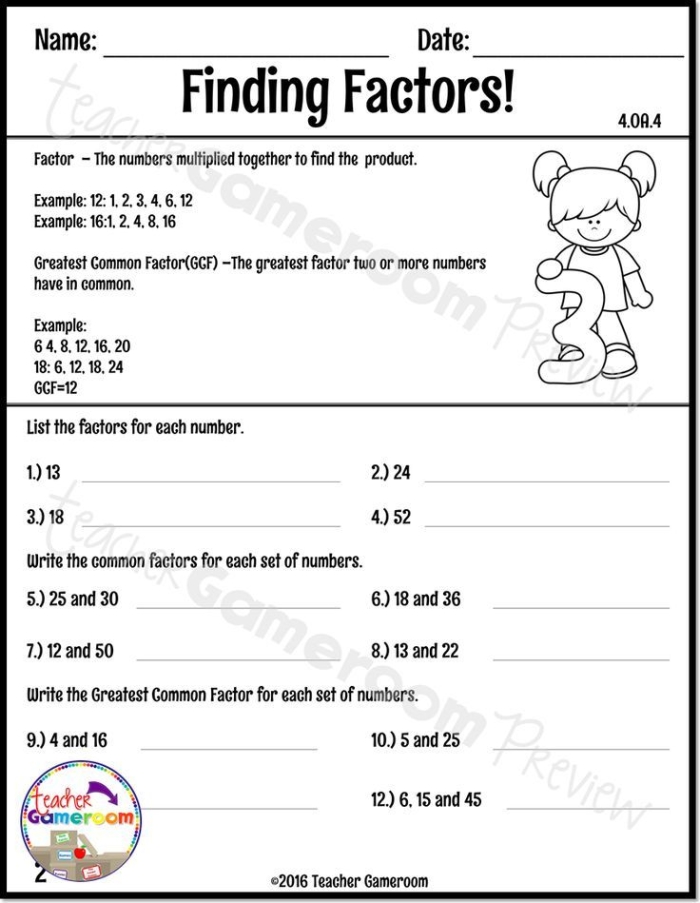
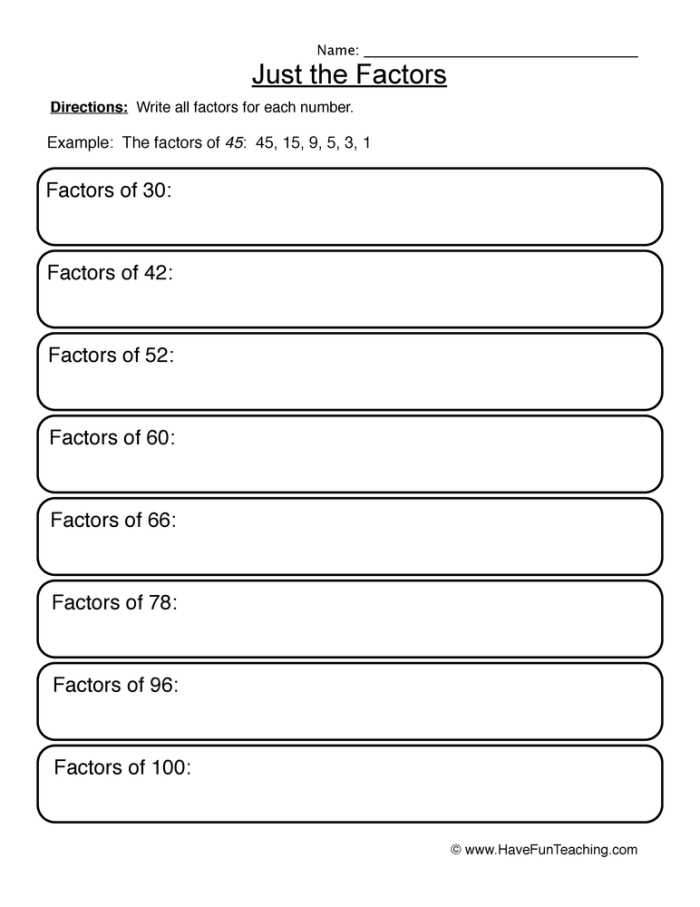
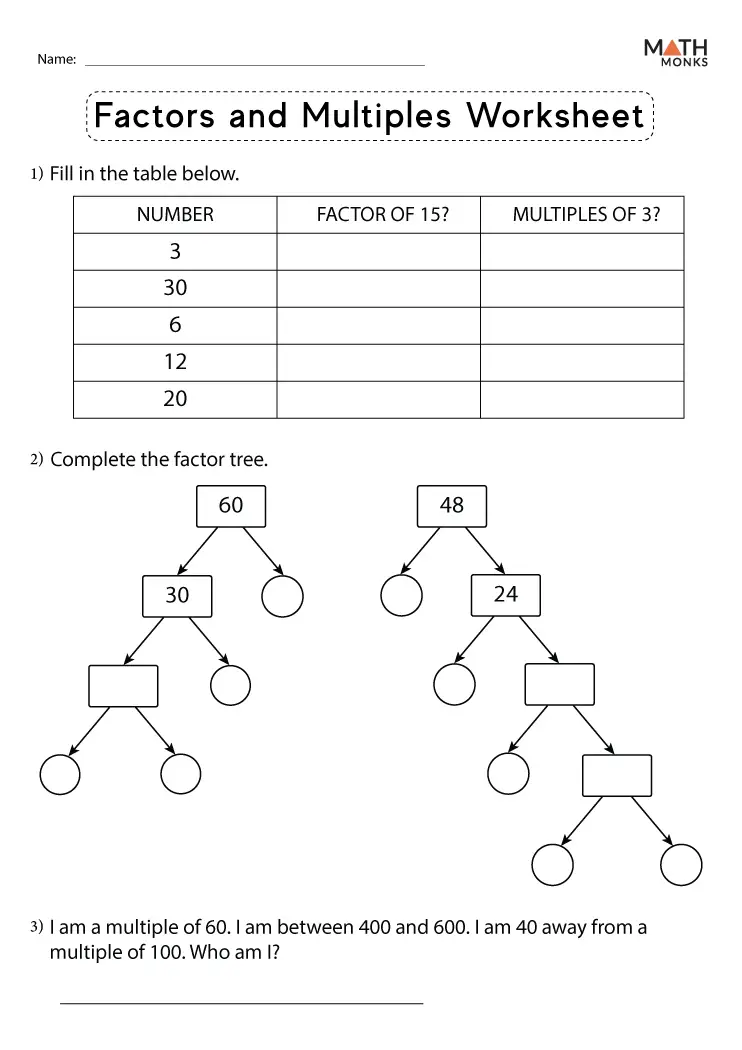
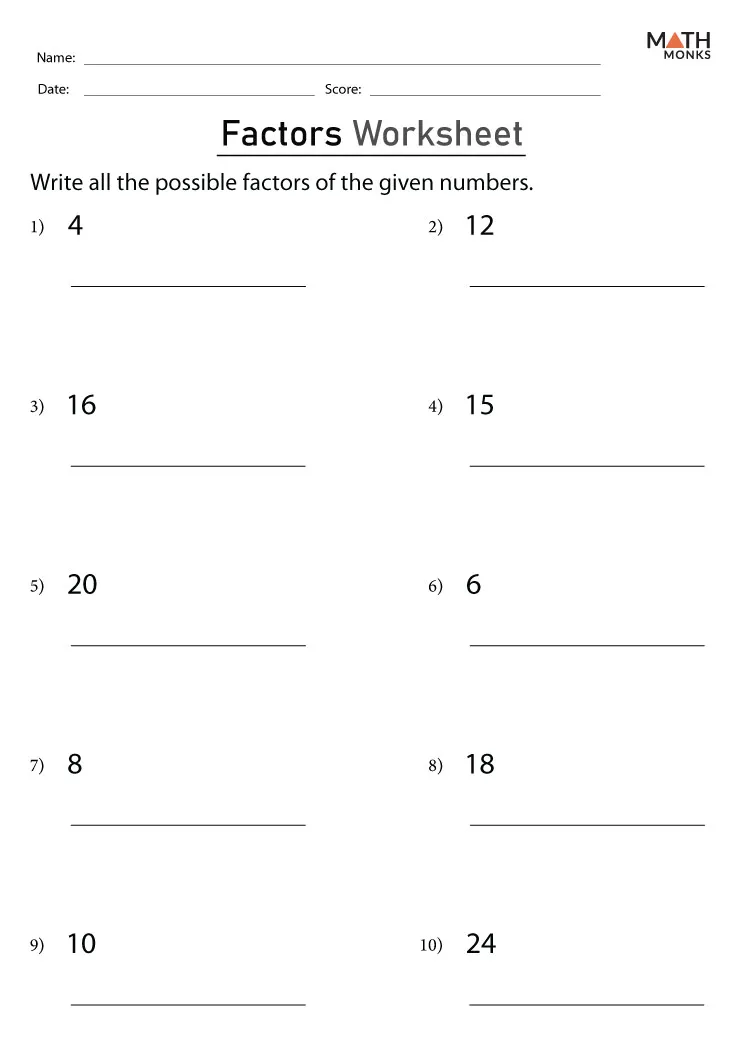
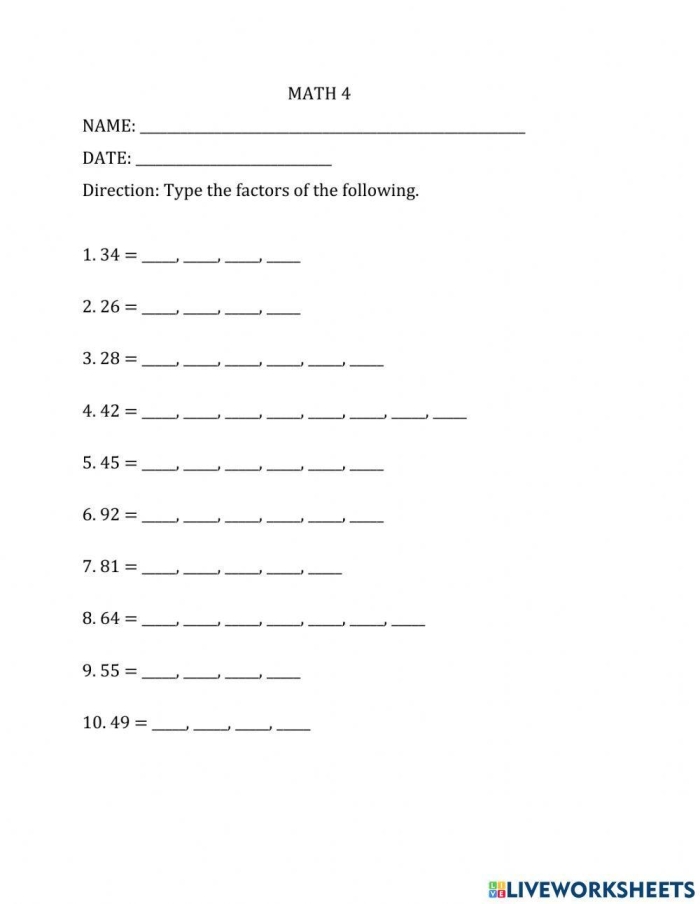
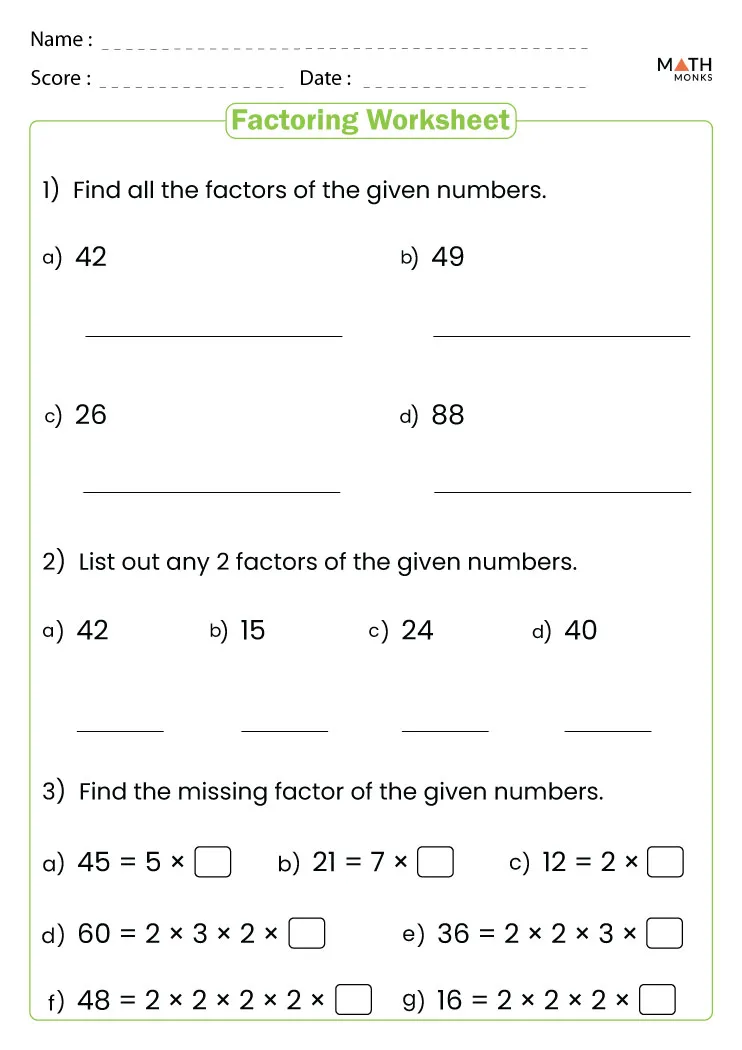
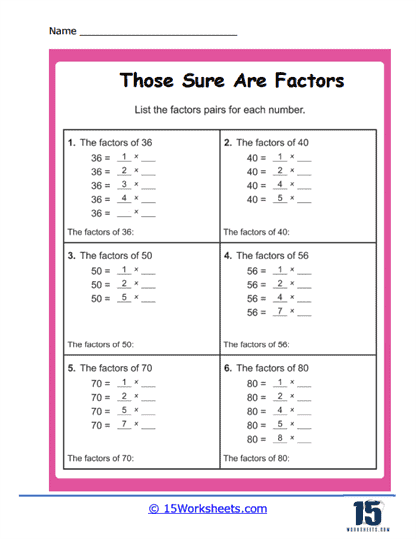
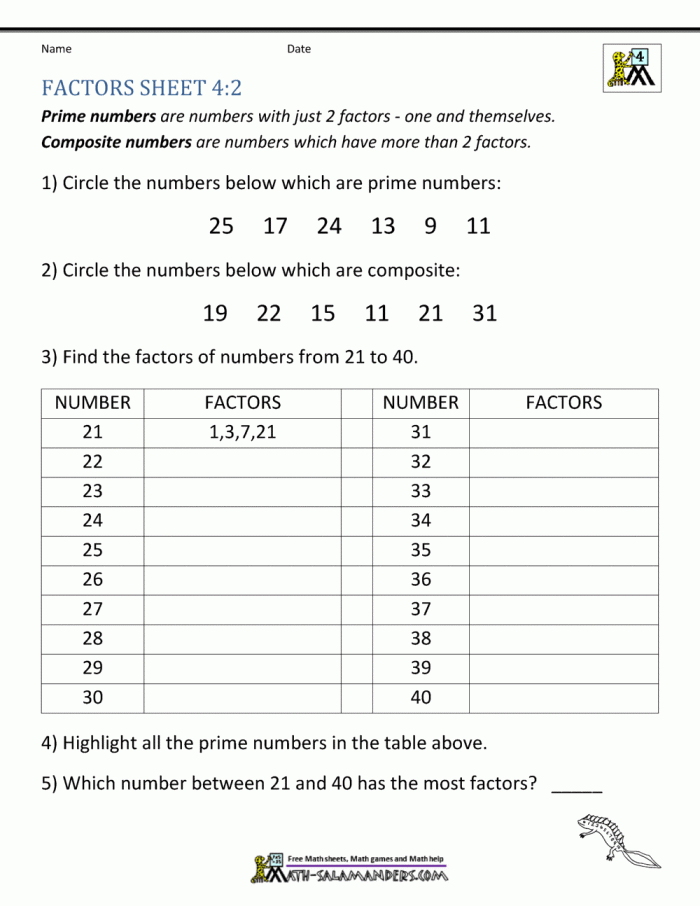
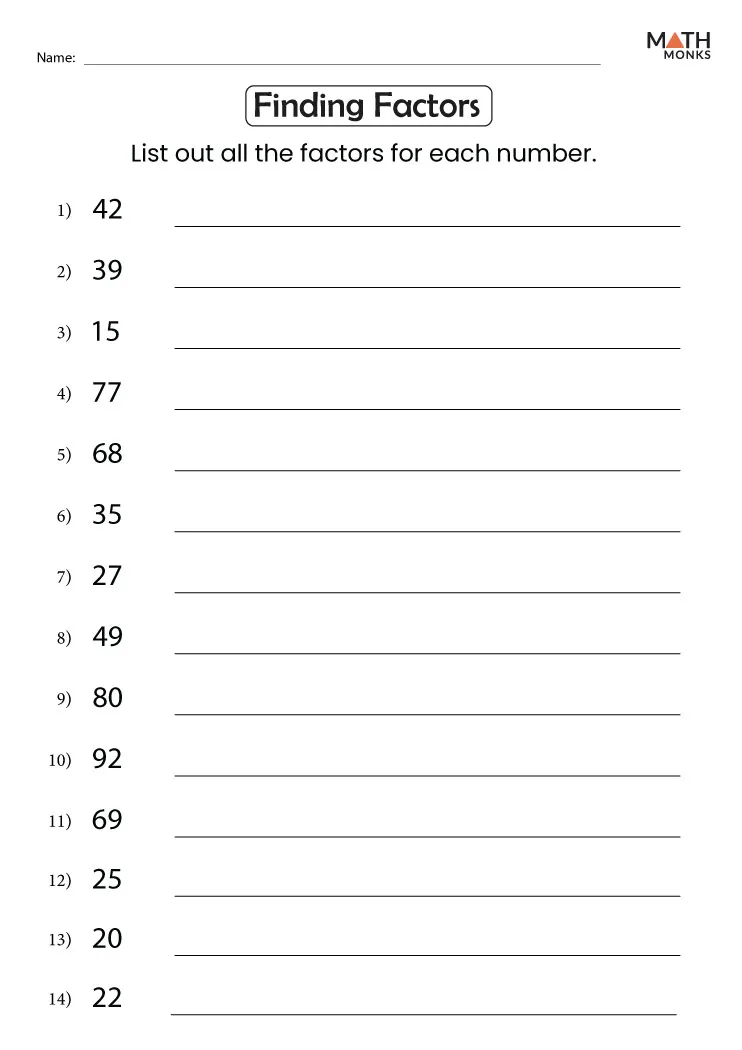
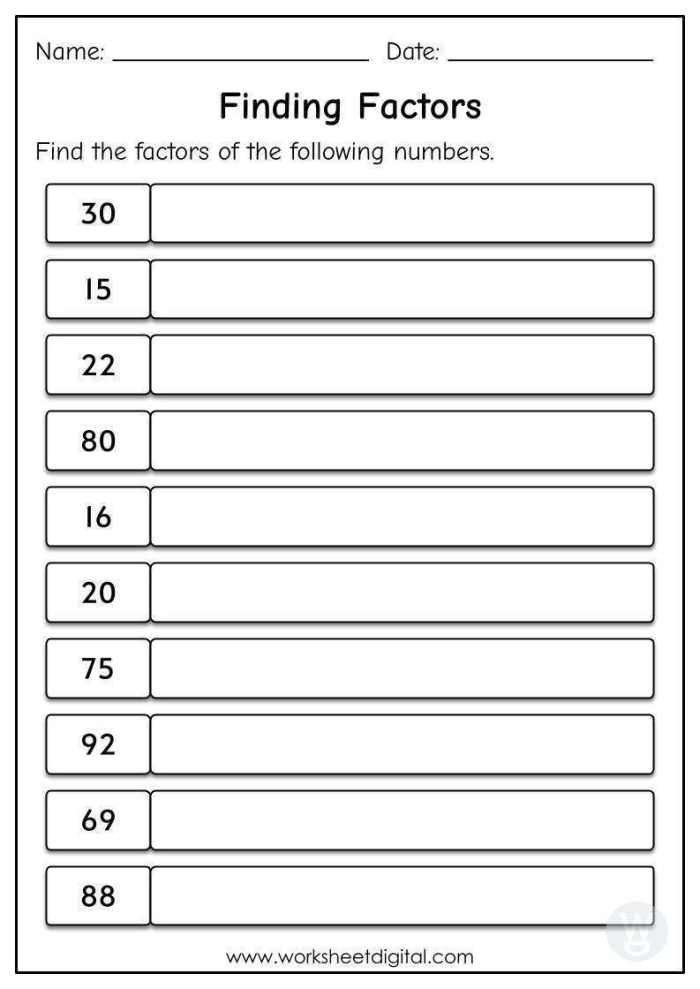
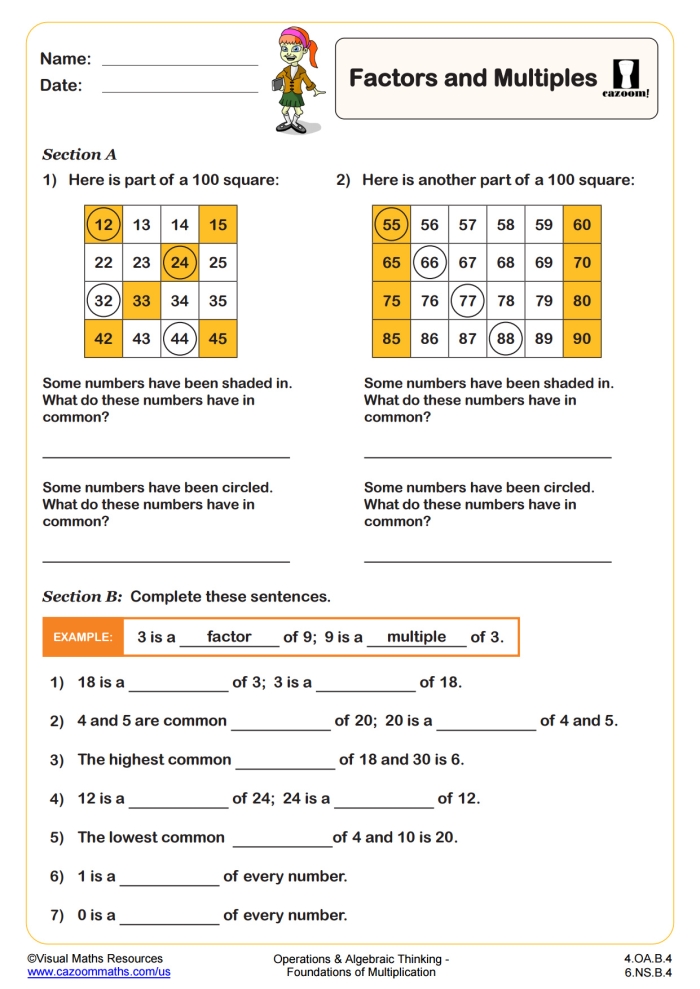
Finding factor pairs is one of those skills that clicks for kids once they see the pattern, and fourth-grade students are at exactly the right stage to build this foundation. A solid worksheet focused on two-digit numbers gives them the practice they need without overwhelming them with numbers that are too large to work with mentally.
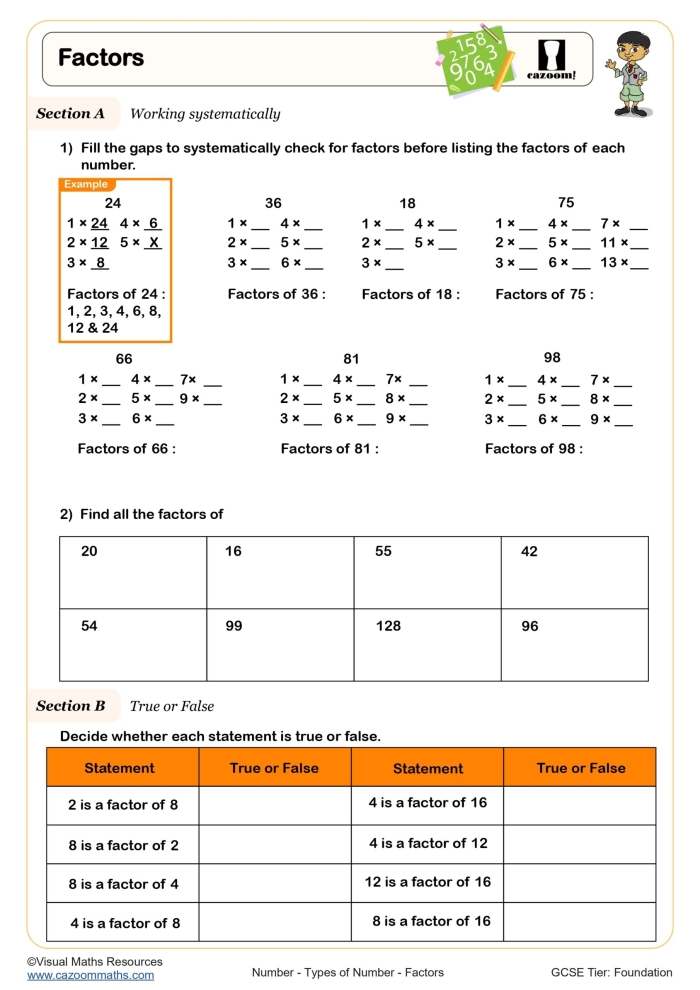
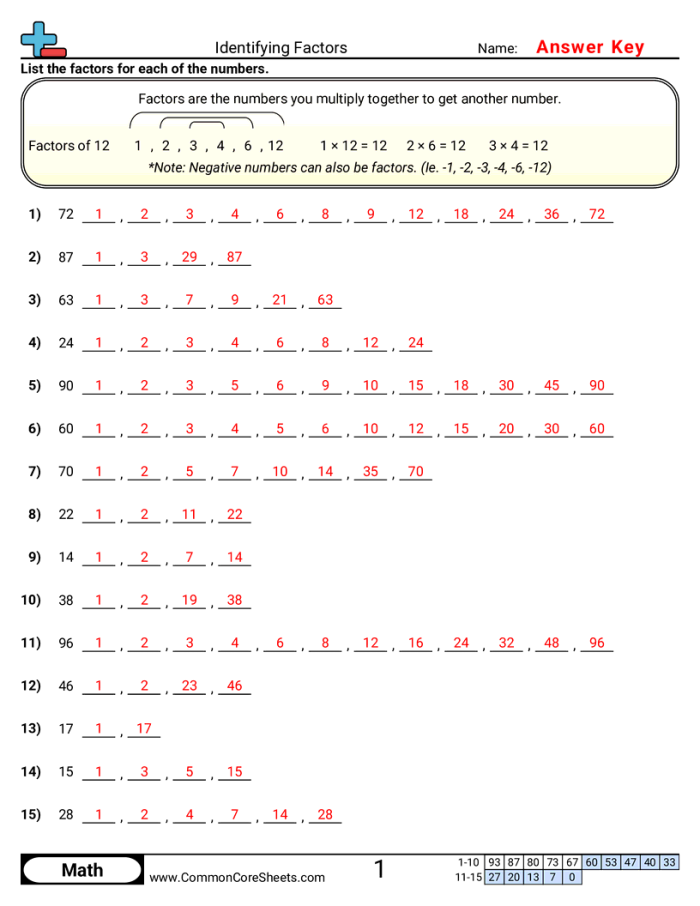
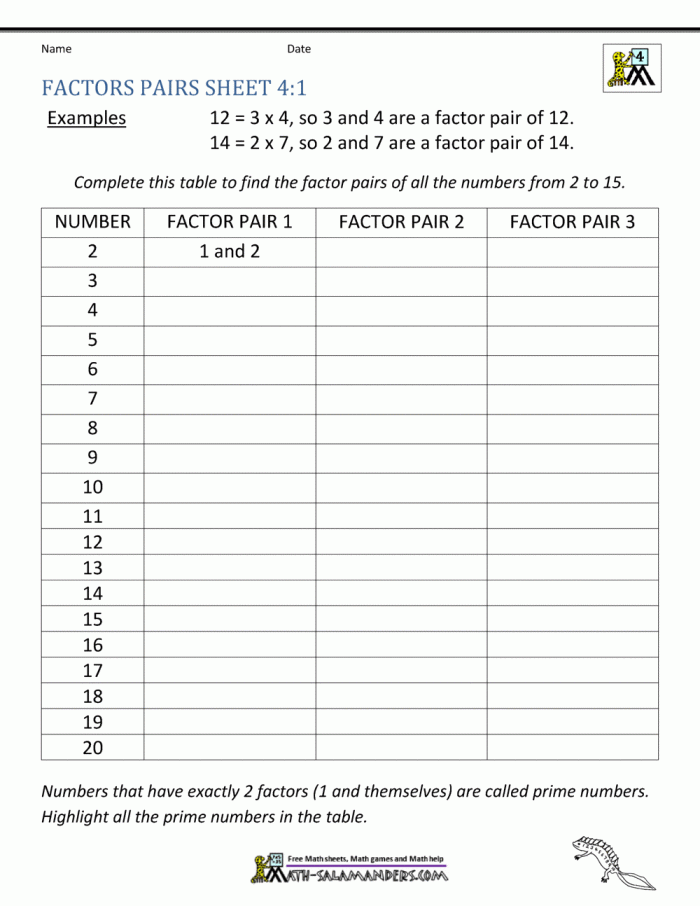
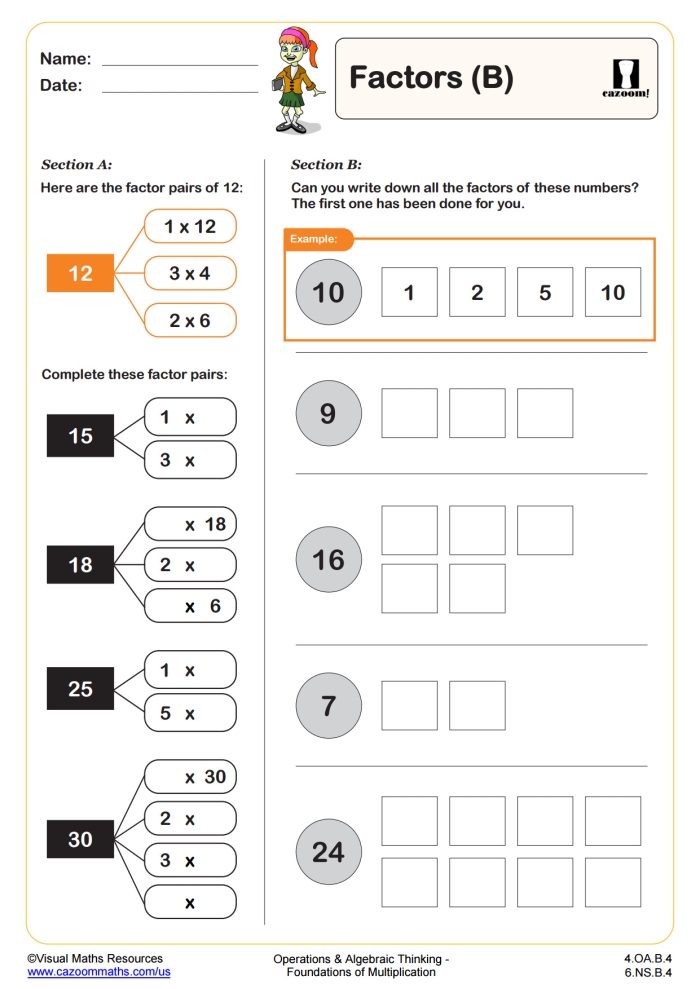
Factor pairs are simply two numbers that multiply together to make another number. For example, 3 and 4 are a factor pair of 12 because 3 × 4 = 12. When students work through finding the factors of two-digit numbers, they’re building multiplication fluency while also developing number sense. They start to recognize which numbers divide evenly into others and which ones don’t, which becomes useful knowledge as they move into division and fractions later.
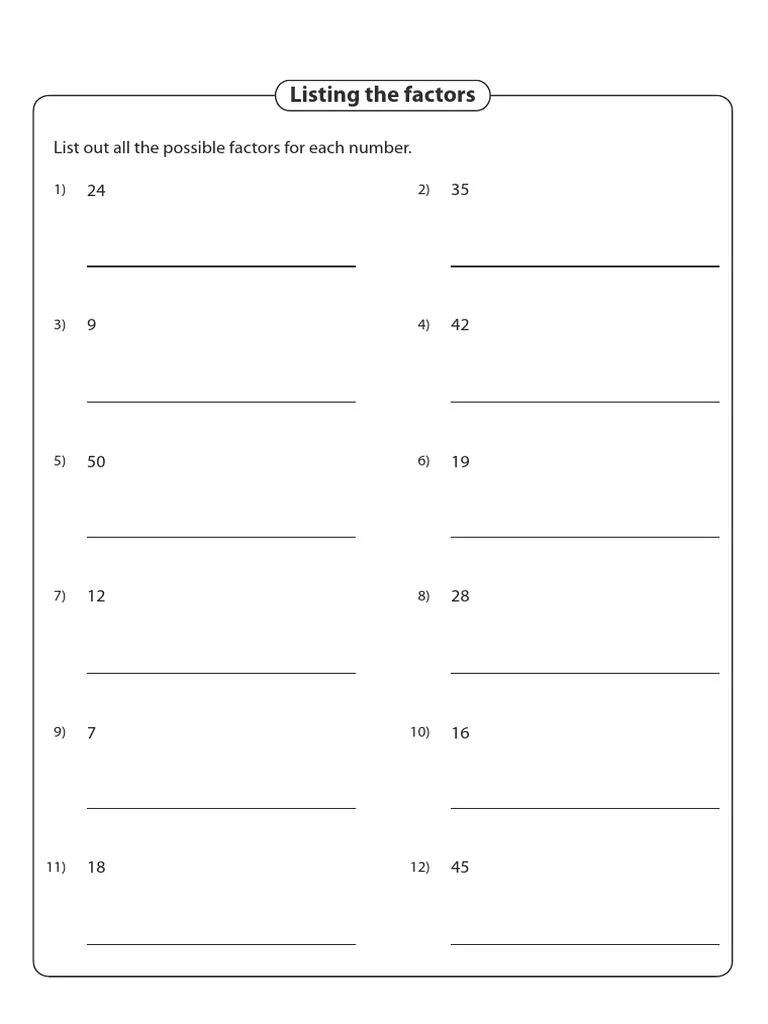
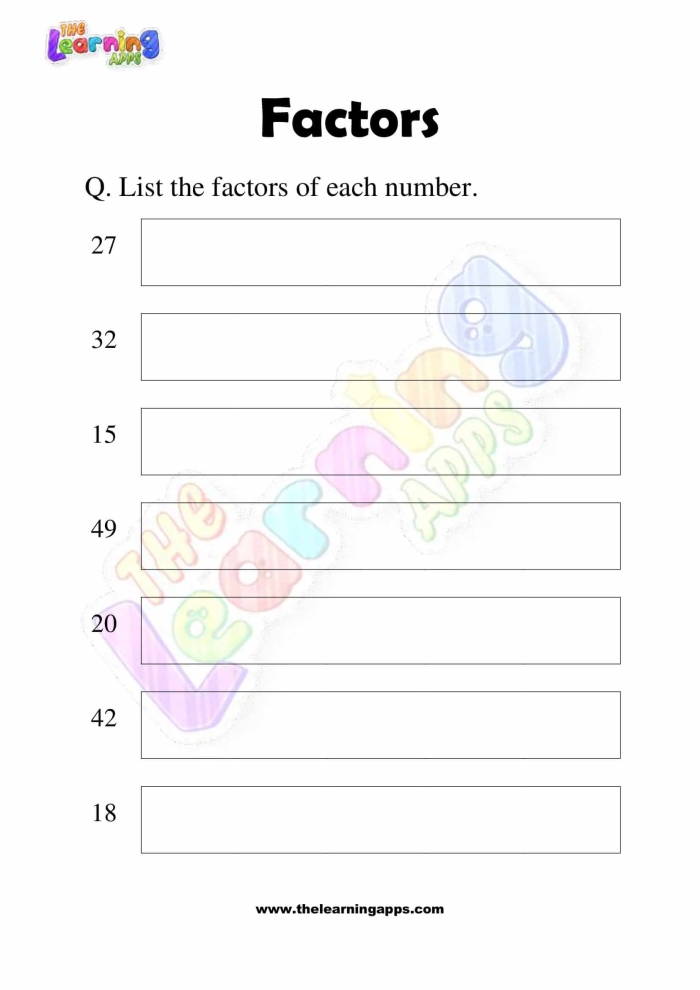
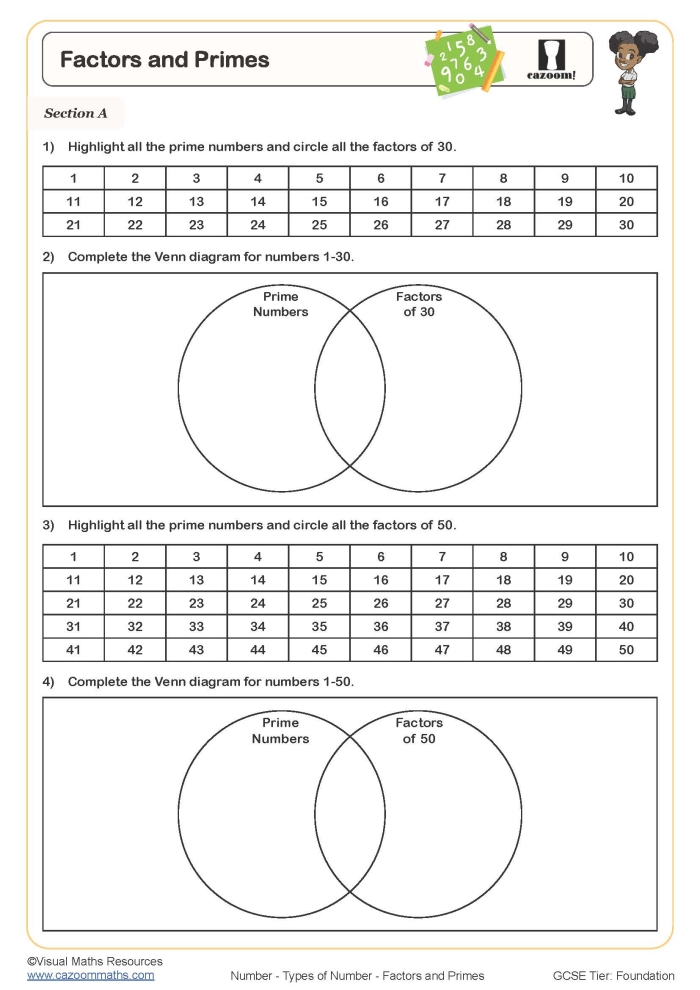
The beauty of a focused worksheet is that it lets students practice the same skill repeatedly with different numbers. Working through 15, 18, 24, and 30 in sequence helps them see that some numbers have many factor pairs while others have just a few. Prime numbers like 17 or 23 have only one factor pair: themselves and 1. This discovery often surprises students and makes the concept stick better than if you simply told them.
In fourth grade, these worksheets fit into the broader math curriculum where students are developing computational thinking and problem-solving skills. Economics-focused materials can connect this work to real situations, like dividing items into equal groups or understanding how quantities break down into smaller units.
When choosing materials for your classroom, look for worksheets that include a mix of numbers with varying numbers of factors. You might also explore related fraction work to show how these concepts connect across different math topics.
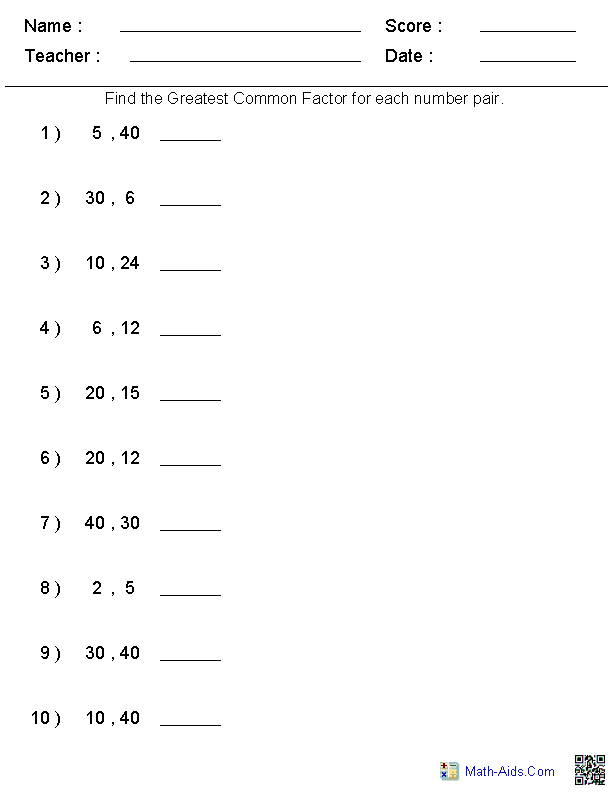
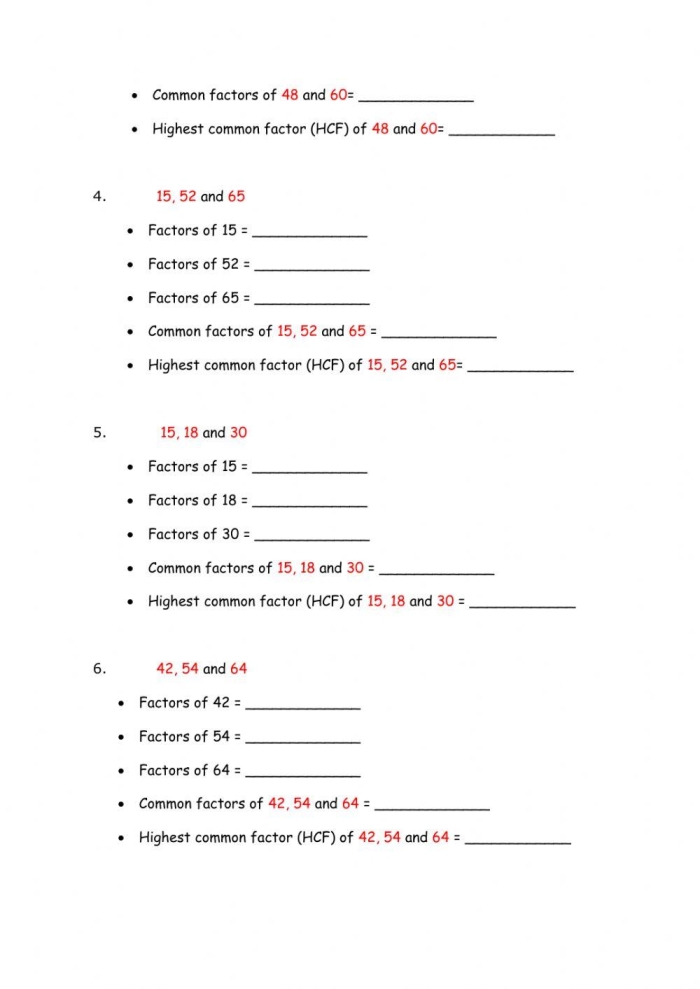
Worksheet Practice Section