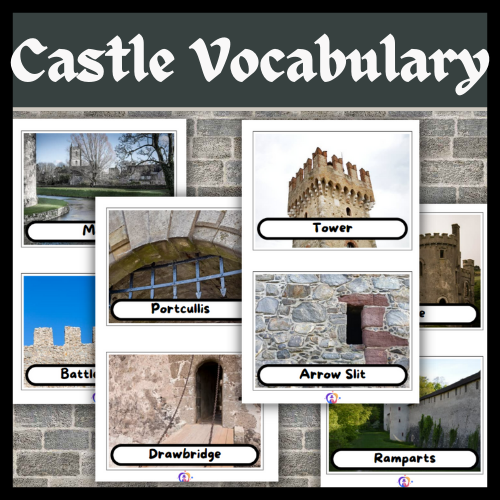
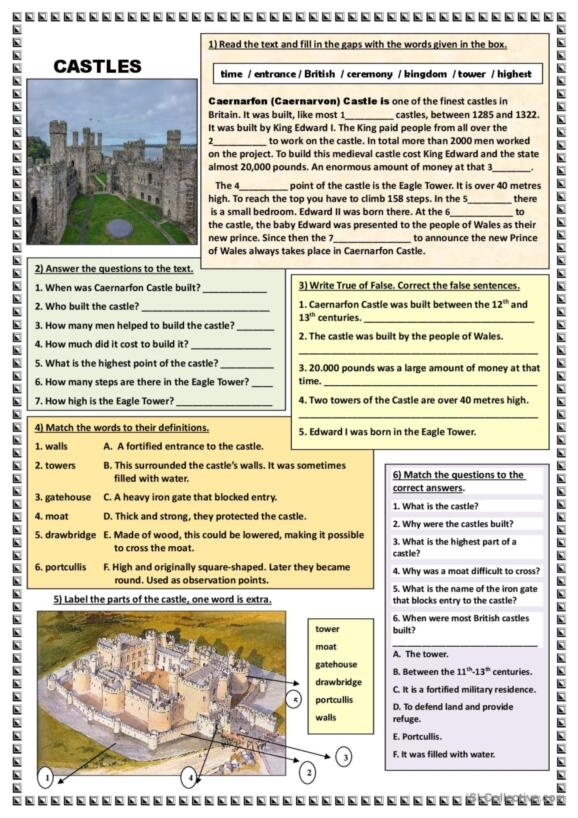
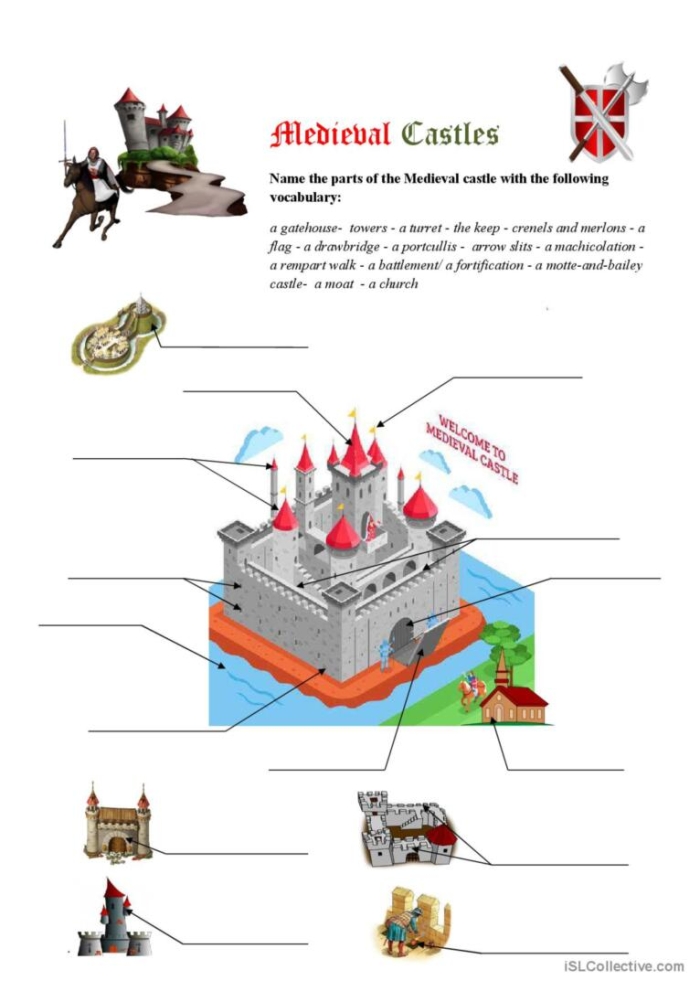
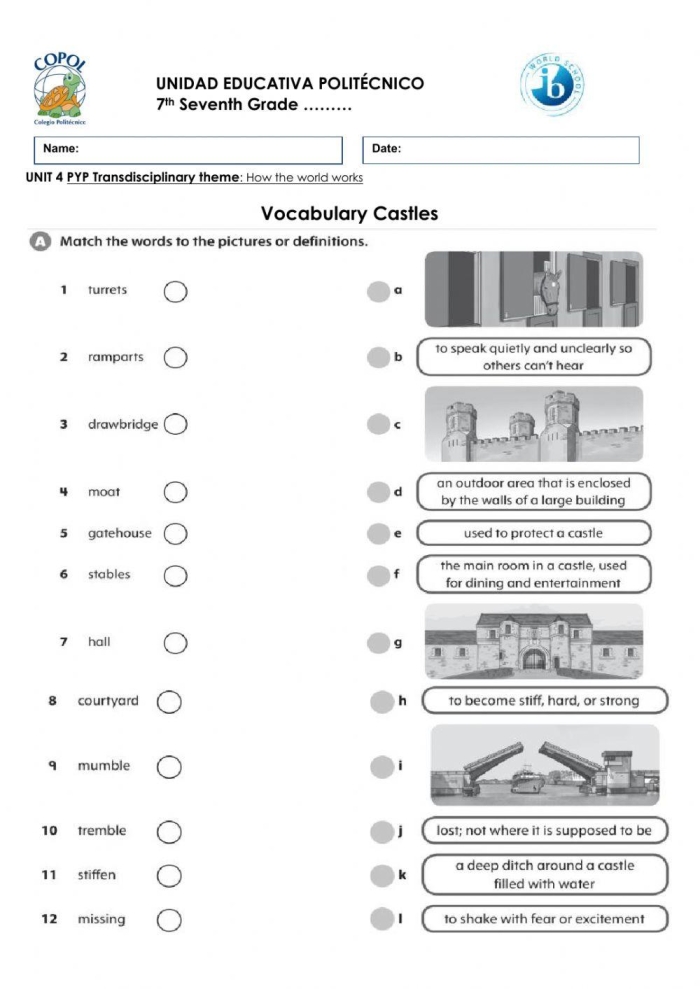
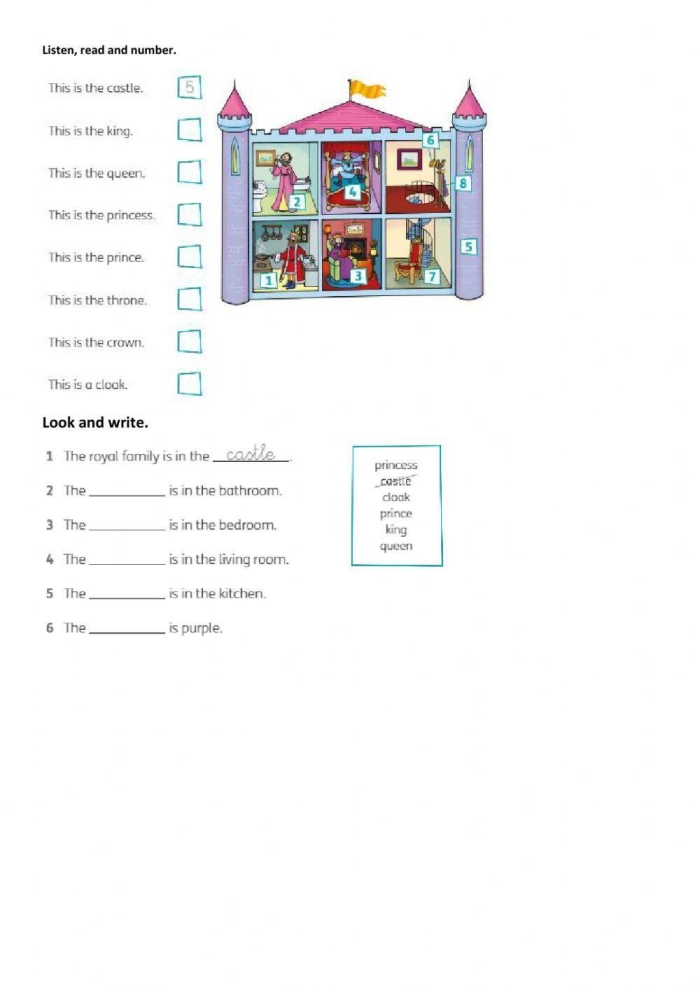
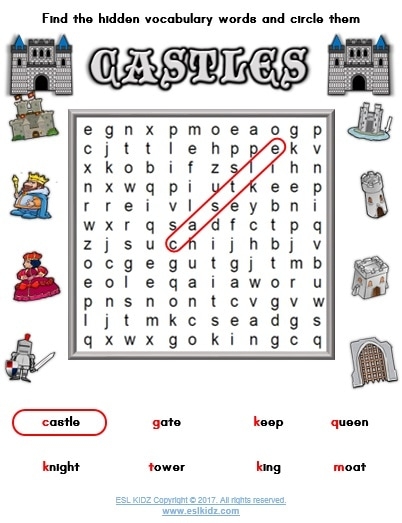
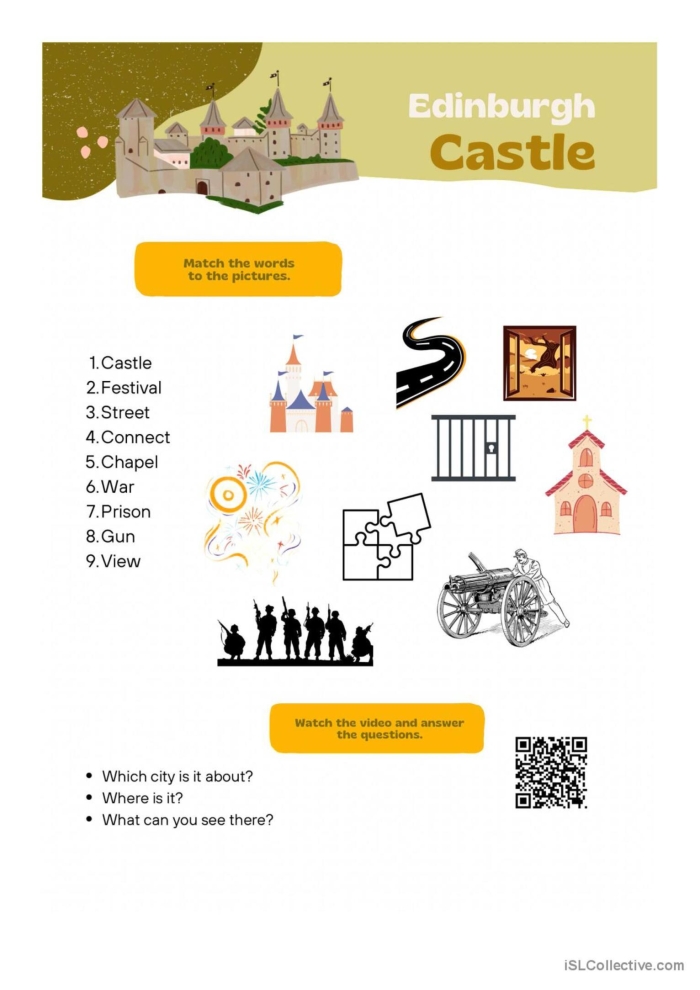
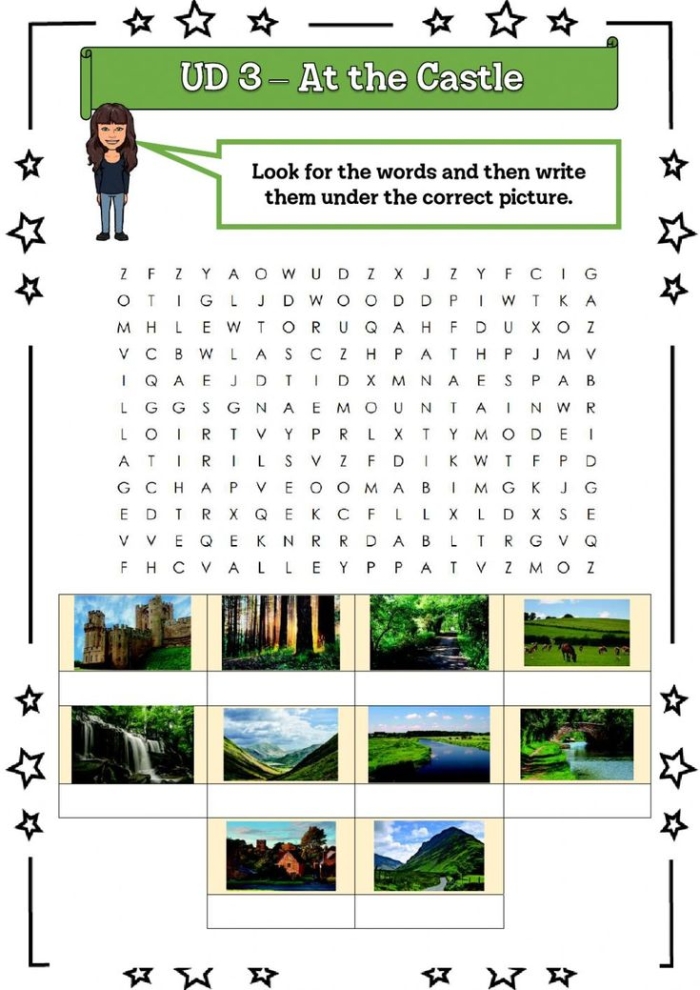
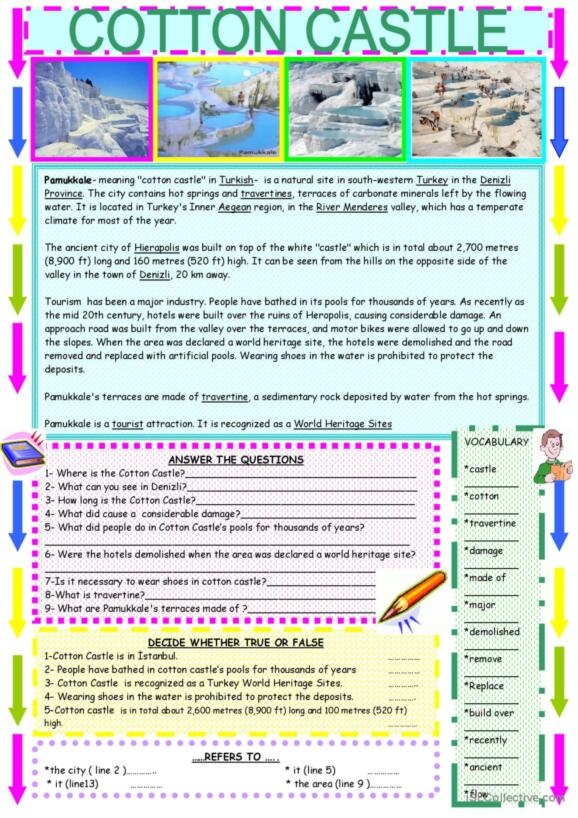
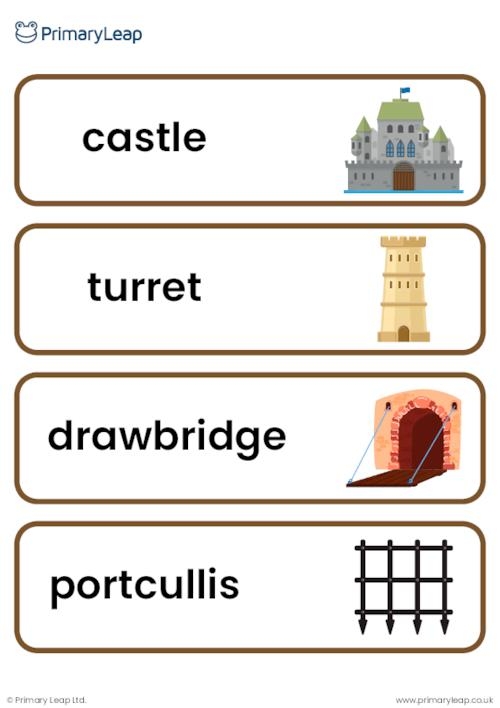
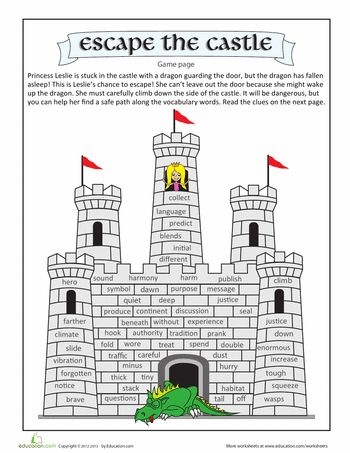
Imagine a princess trapped in a tall stone castle, and the only way out is to follow clues written in simple fourth grade vocabulary words. This creative learning method turns vocabulary practice into an adventure where students unlock doors, solve riddles, and navigate corridors using words they can actually understand and use.
The castle escape scenario works because it gives vocabulary real purpose. Instead of memorizing word lists, fourth graders encounter terms like “escape,” “narrow,” “passage,” and “treasure” in a story that matters to them. When a student reads “turn left at the narrow corridor,” they’re not just learning the word “narrow”—they’re using it to solve a problem. This approach mirrors how we naturally pick up language in real situations rather than from a textbook.
Setting up your own castle escape requires thinking through the path carefully. You might describe a “heavy wooden door” that needs a “key” hidden in a “dusty corner.” Each location and object teaches vocabulary through context. Students learn that “heavy” means something weighs a lot, and “dusty” means covered in dust, because they need this knowledge to move forward in the story.
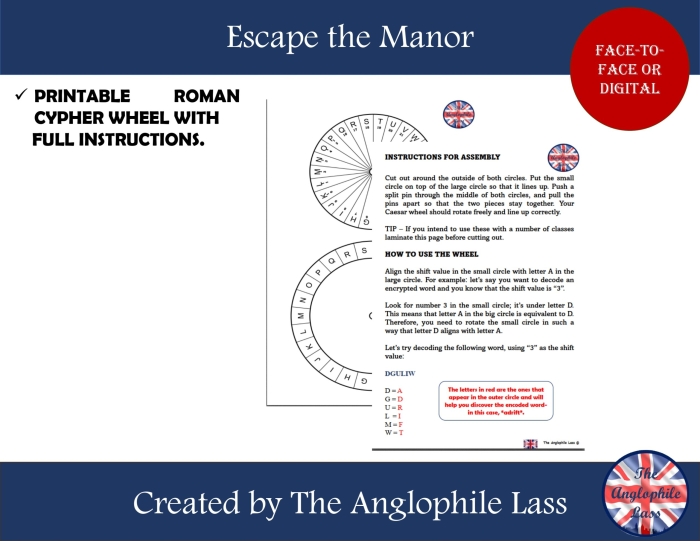
Fourth graders benefit from worksheets that combine this adventure format with skill-building. Resources like opinion essay idea maps with data and graphing can help students organize their escape route thoughts. Similarly, practicing triple-digit division skills might unlock a numerical code to the castle gate.
The beauty of this method is that vocabulary stops feeling like homework. Students remember “ancient,” “mysterious,” and “freedom” because they used these words to escape a castle. That’s learning that actually sticks.
Use These Worksheets Today