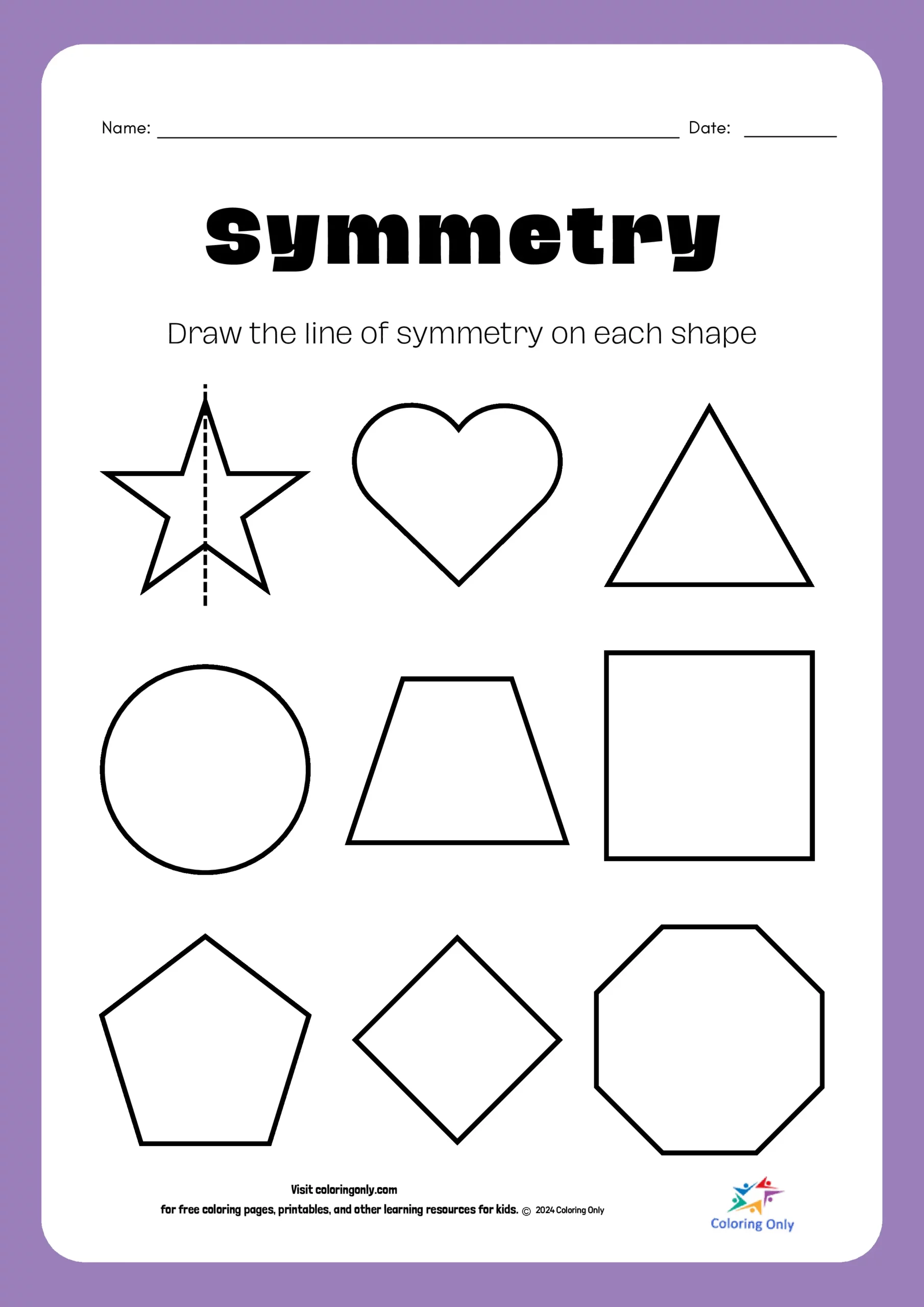
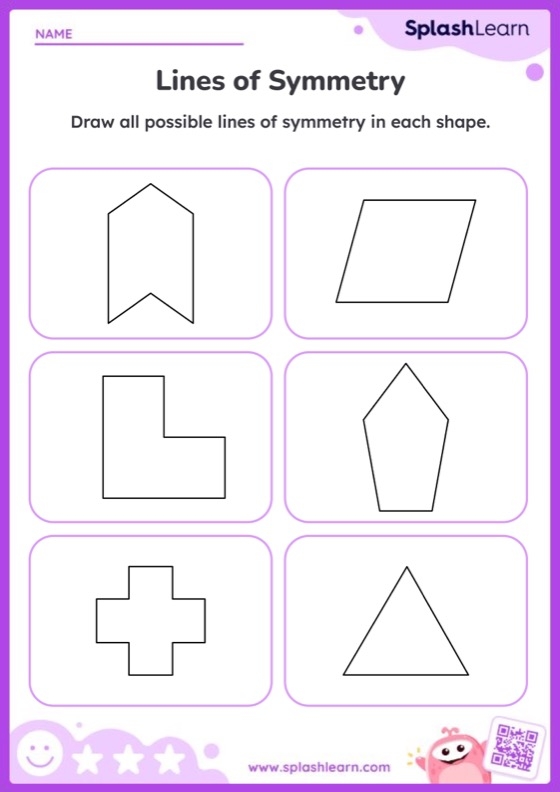
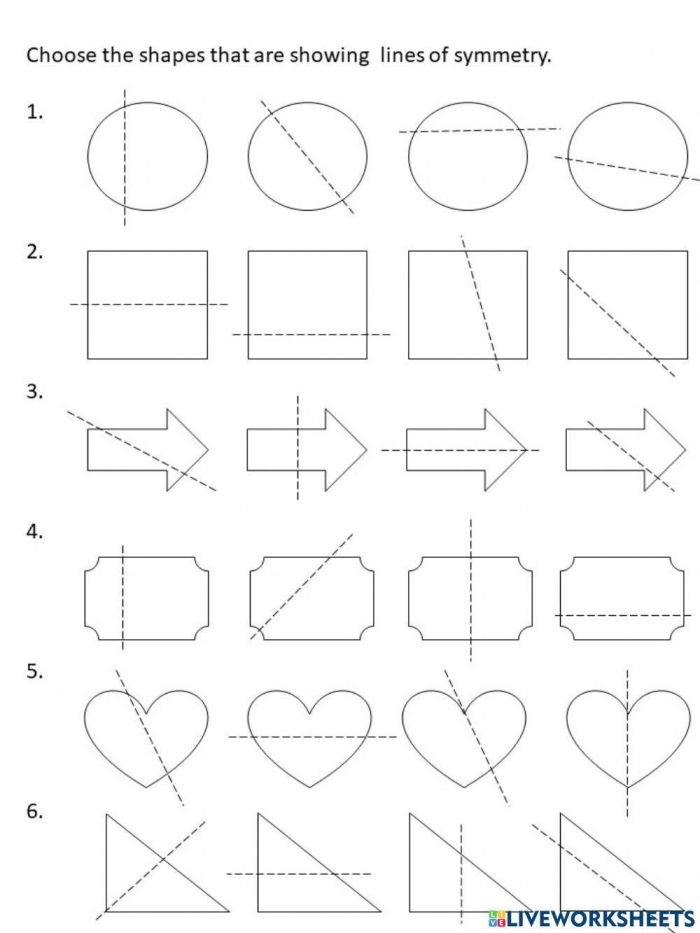
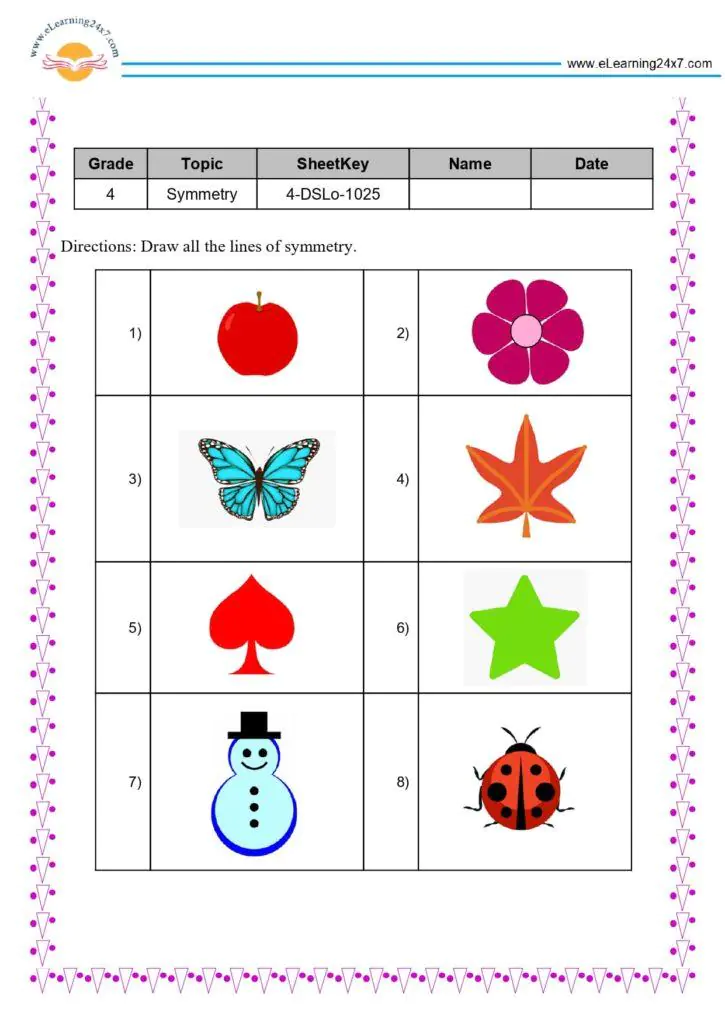
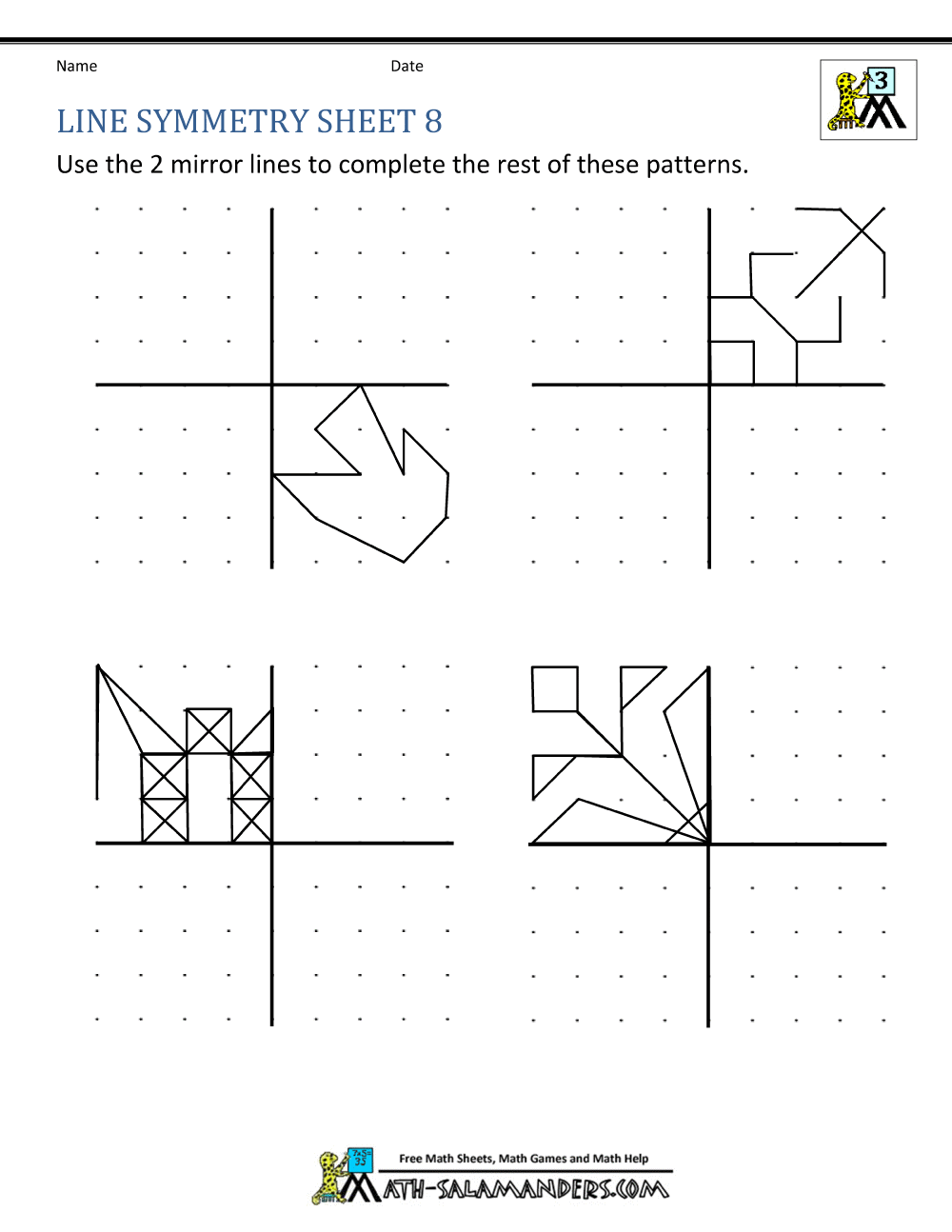
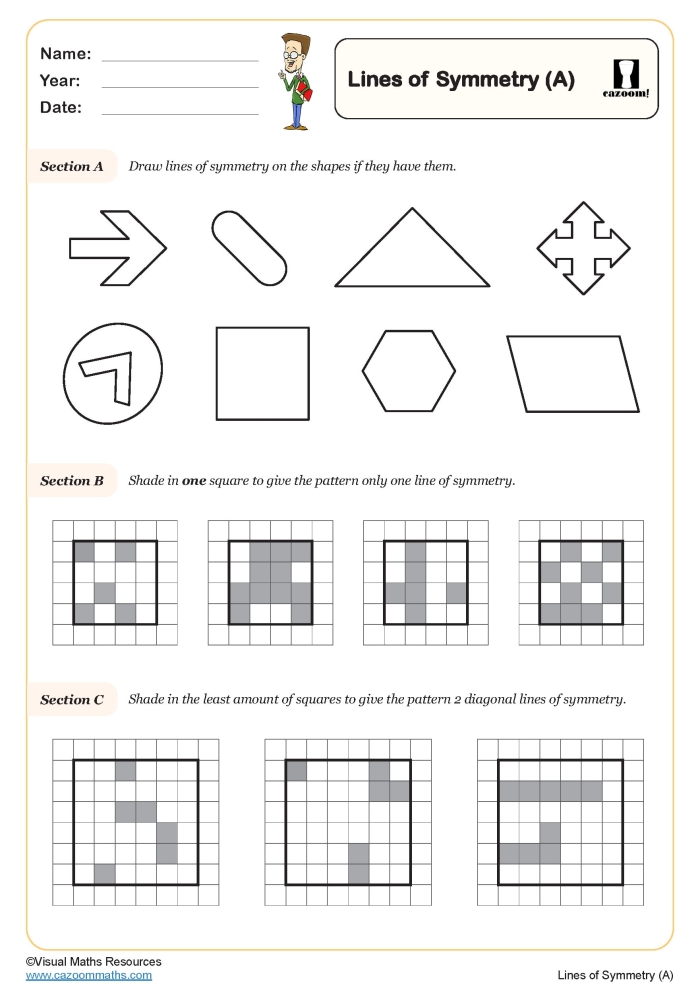
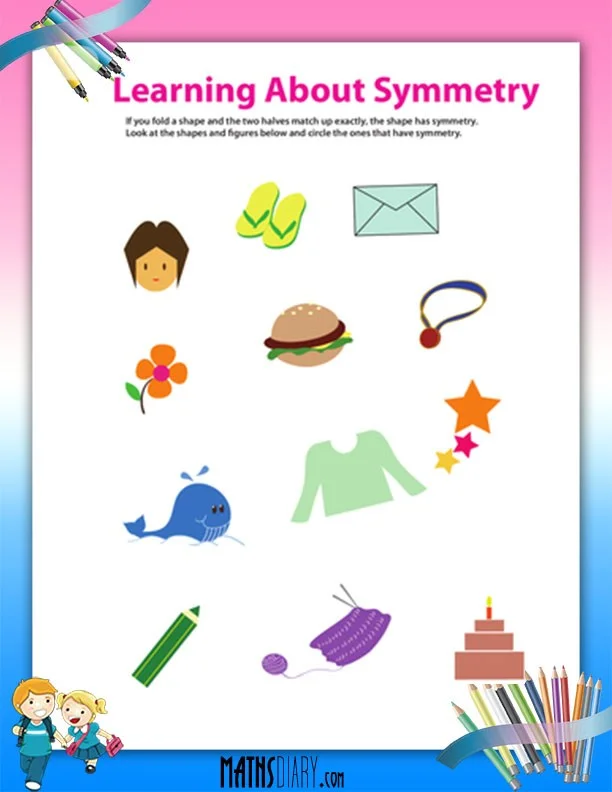
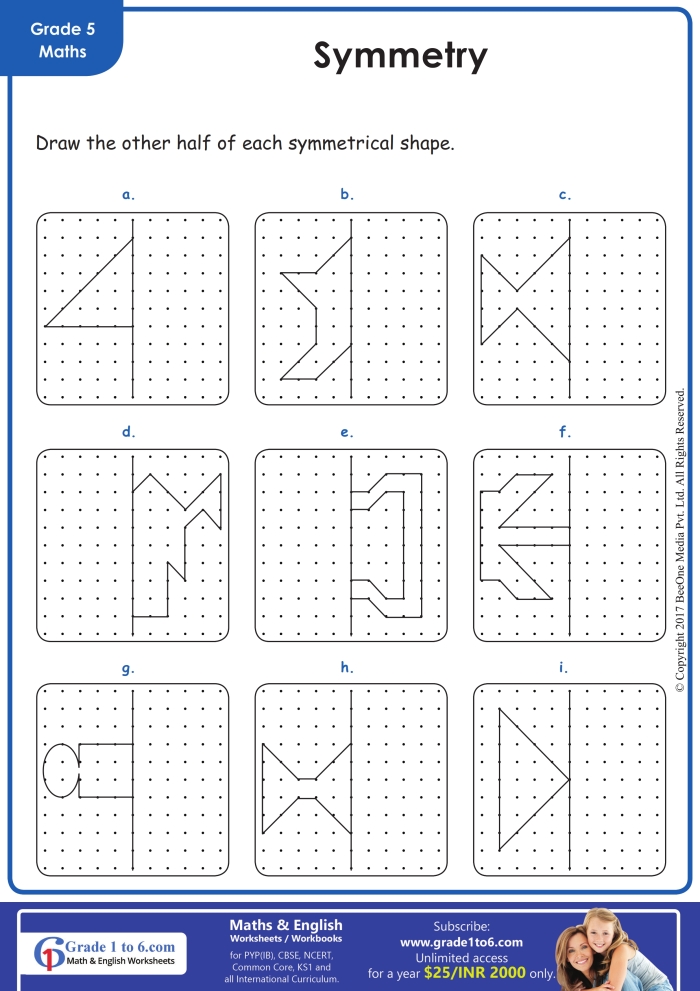
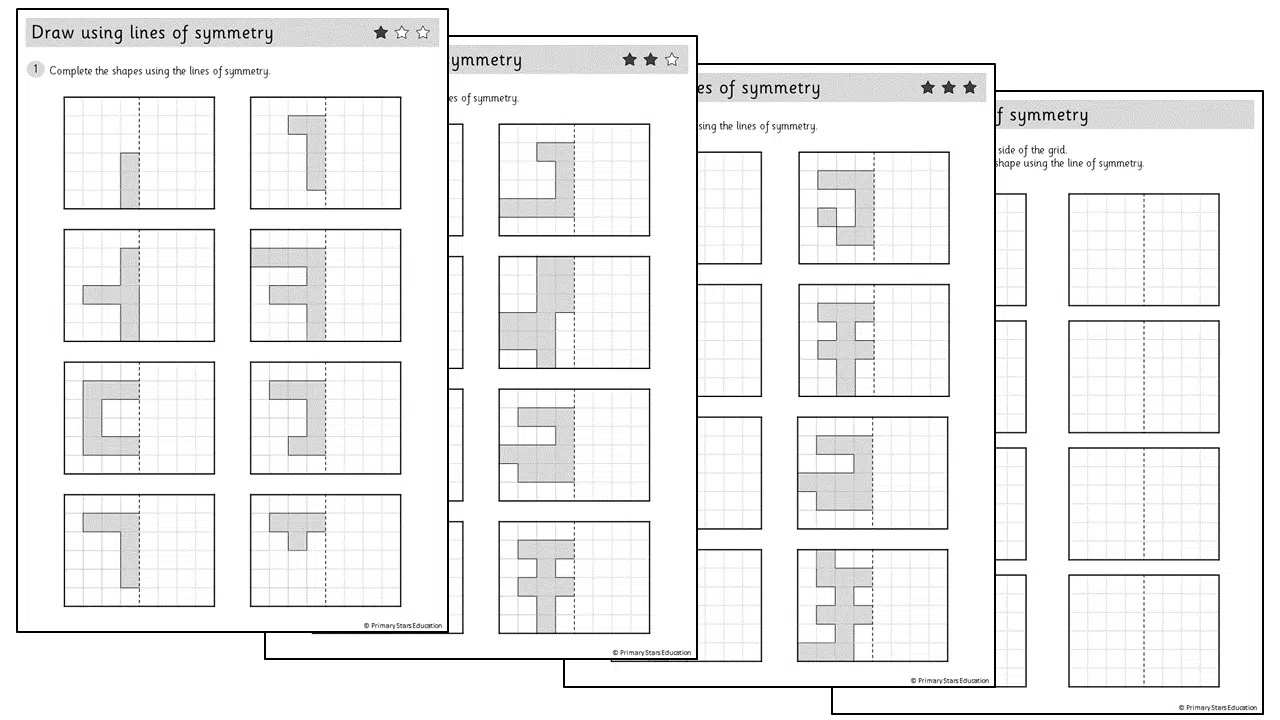
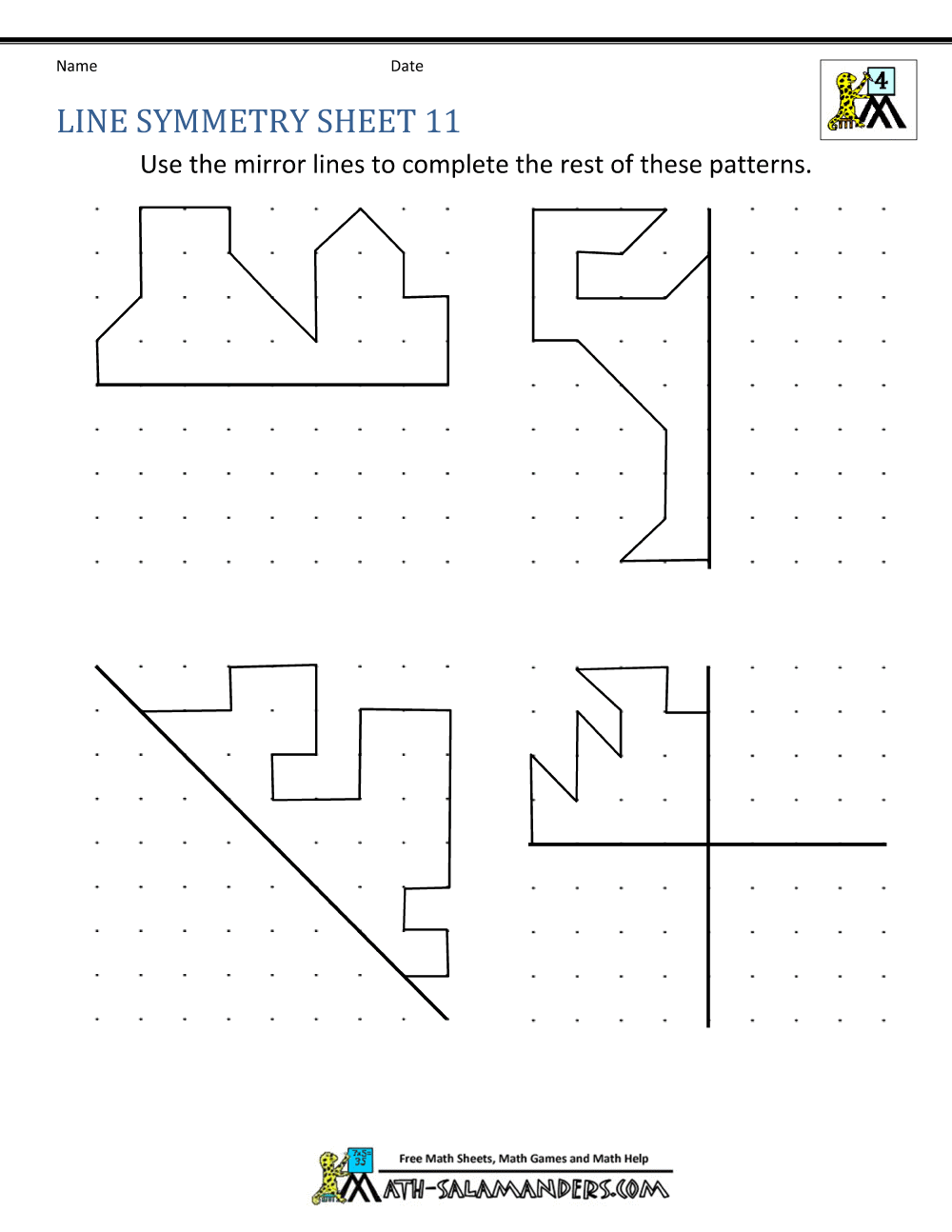
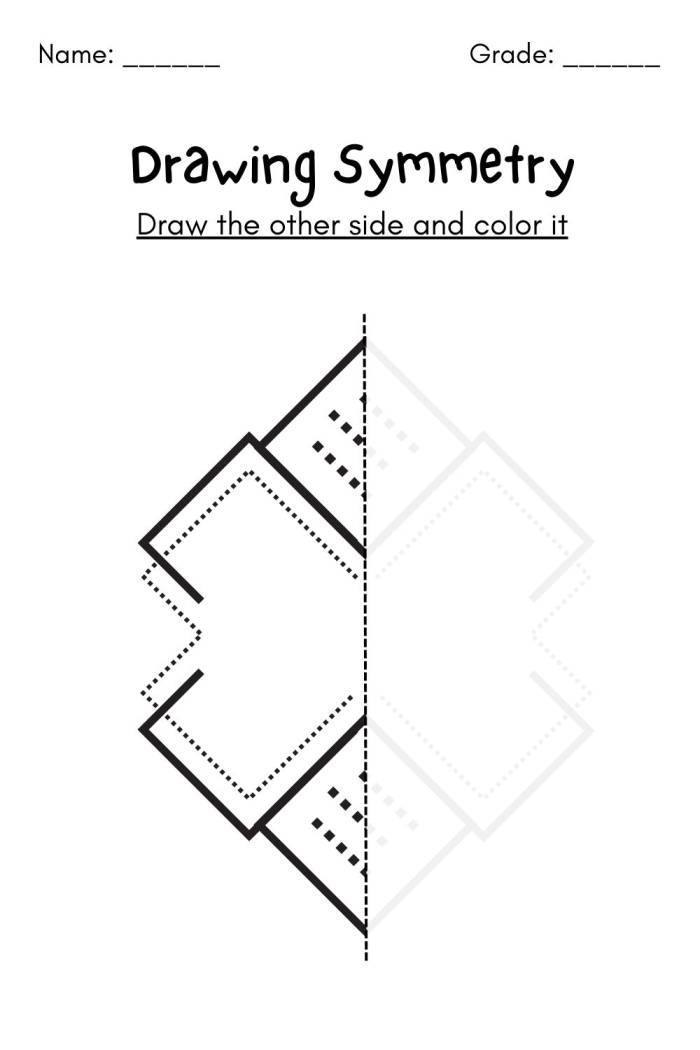
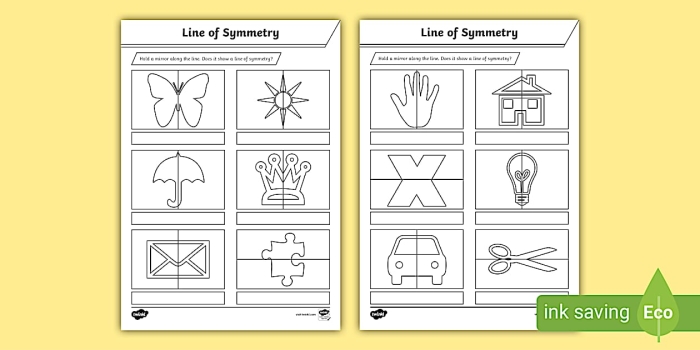
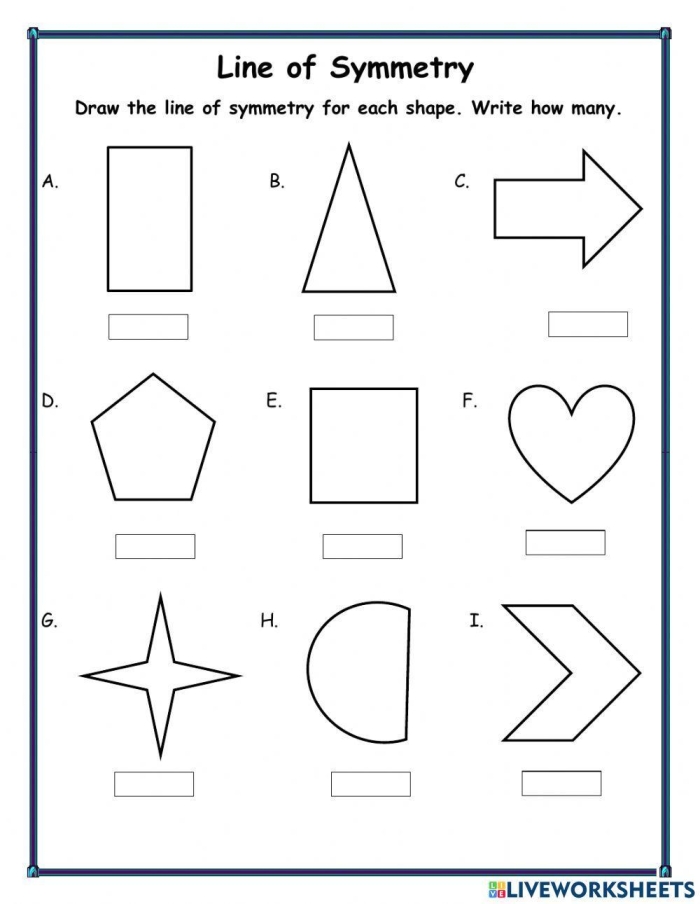
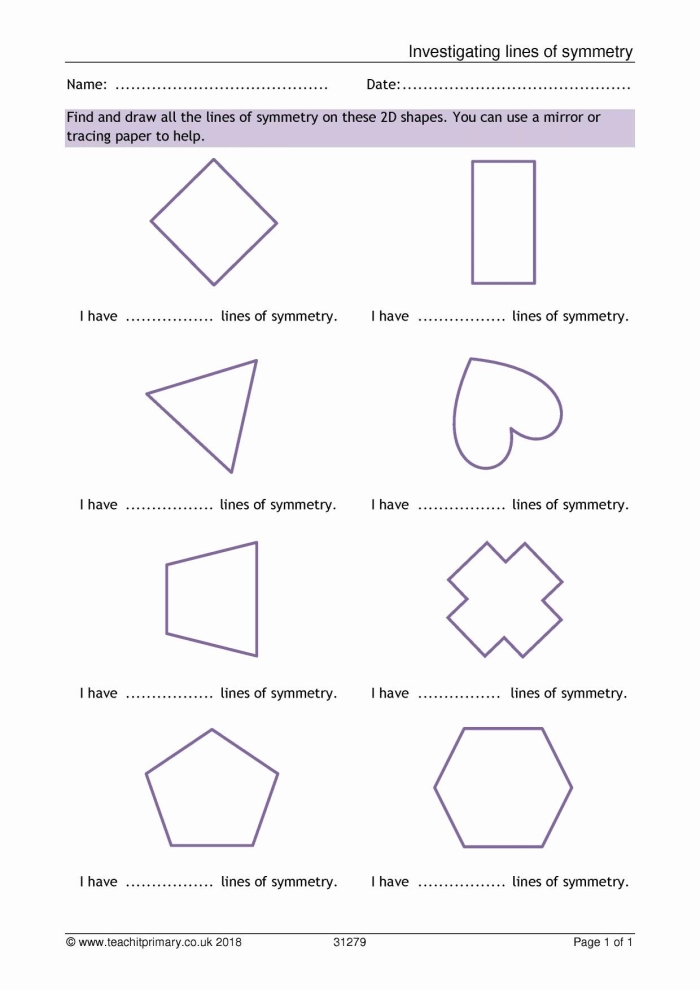
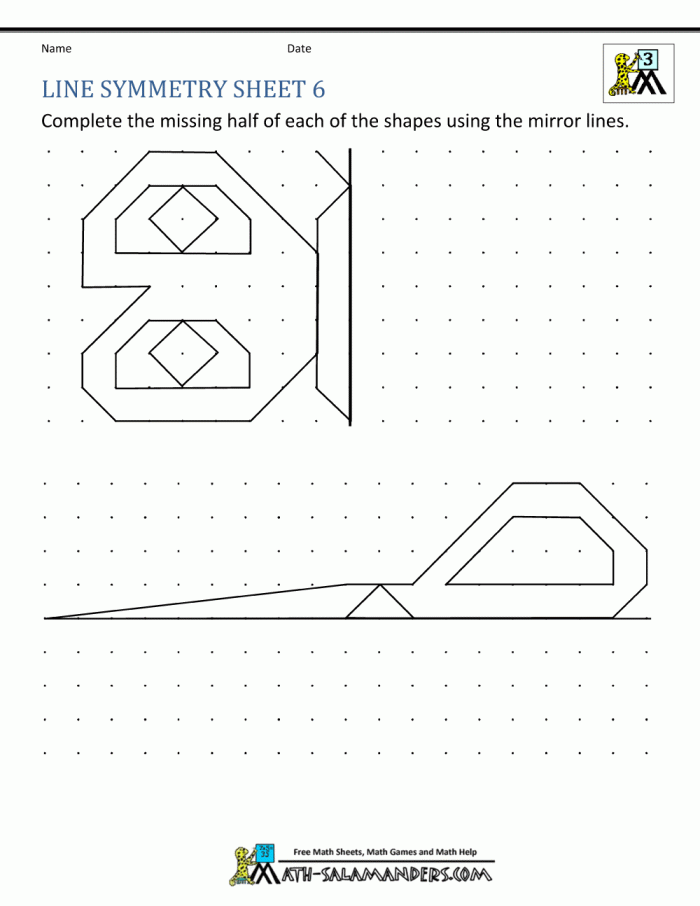
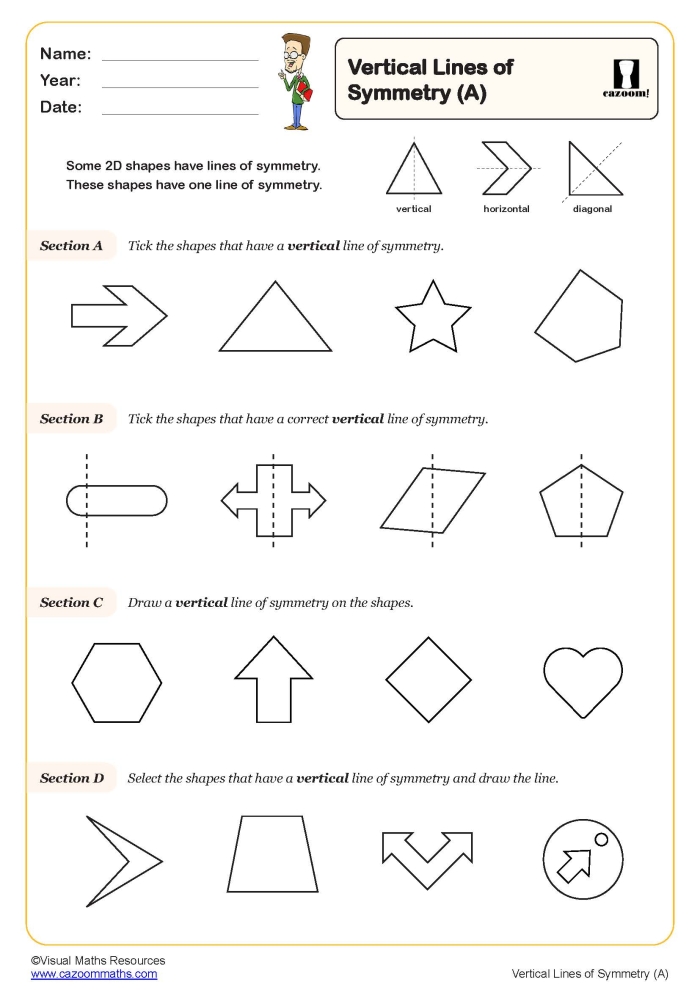
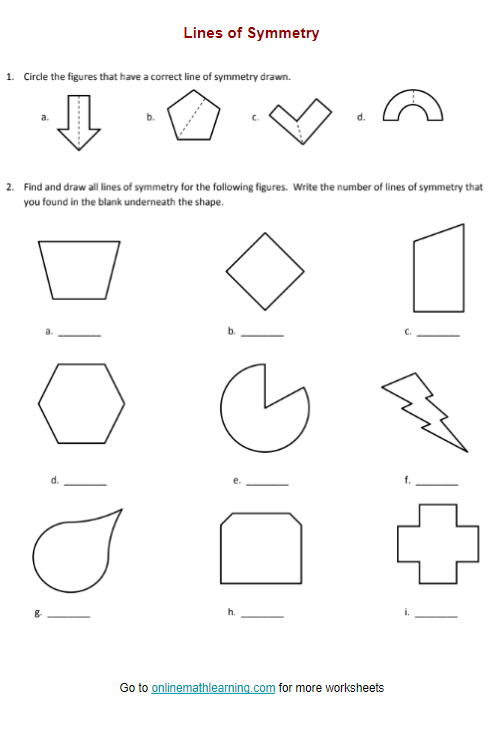
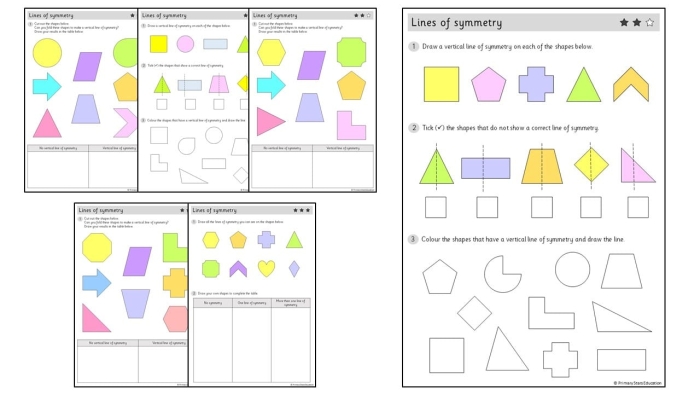
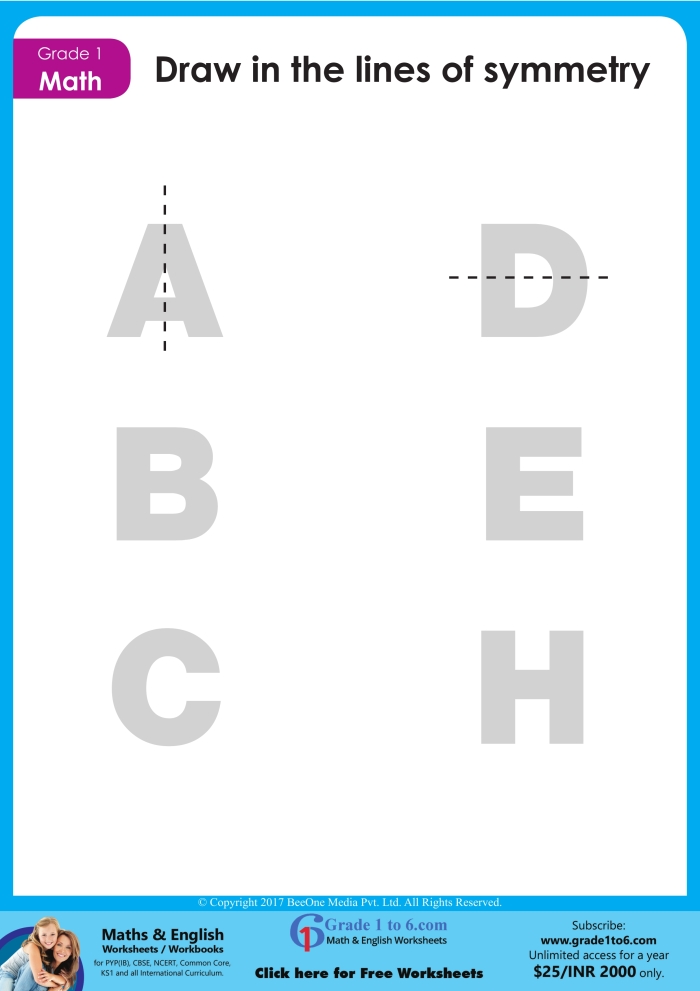
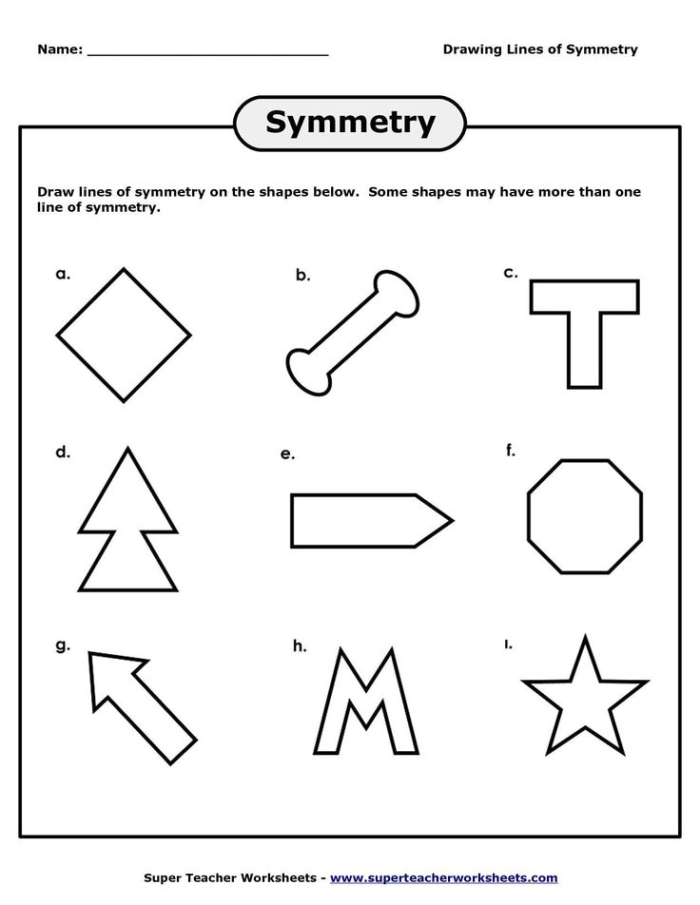
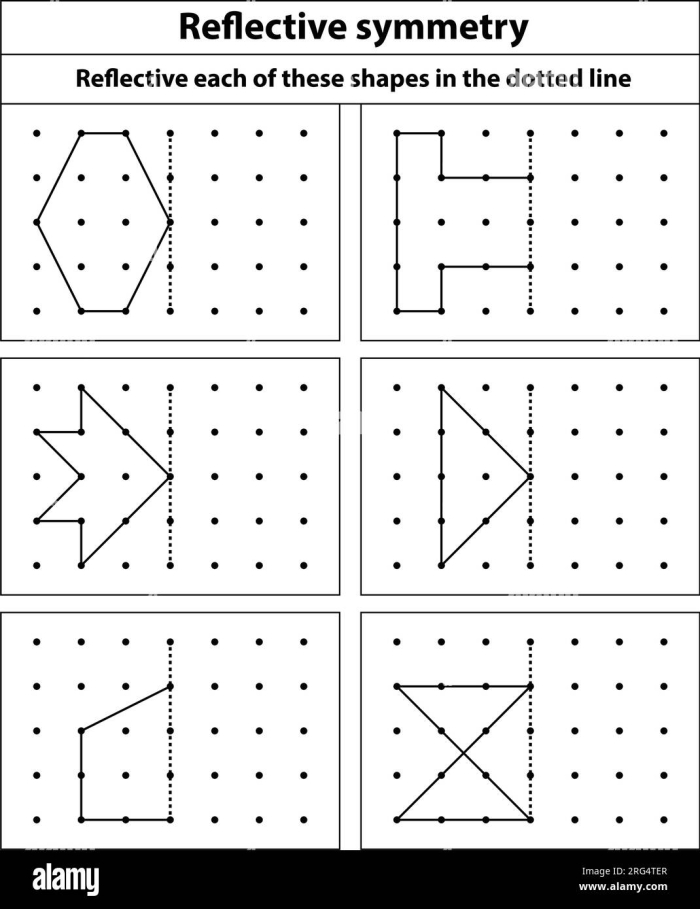
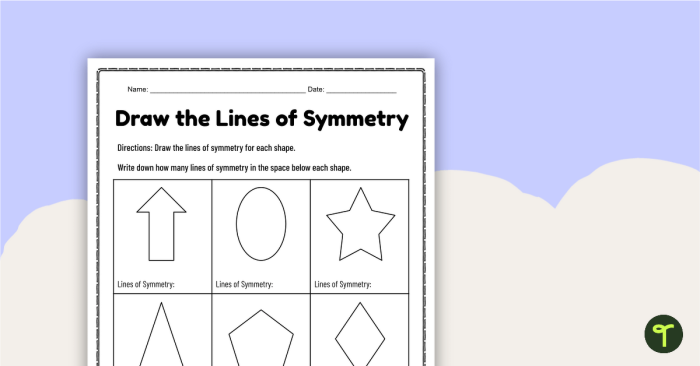
Symmetry is one of those geometry concepts that fourth grade students often find more intuitive than they expect. When learners encounter a worksheet asking them to find and draw a line of symmetry on nine shapes, they’re doing something more than just completing a math exercise—they’re training their eyes to recognize balance and proportion in the world around them.
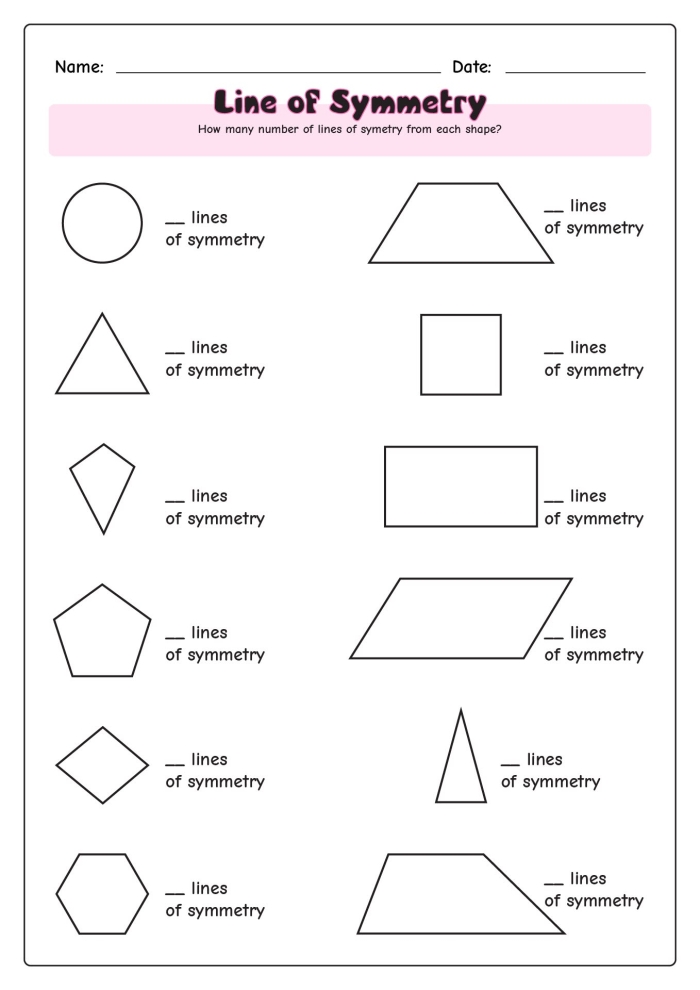
A line of symmetry is an imaginary line that divides a shape into two identical halves that mirror each other perfectly. When you fold a shape along this line, both sides match up exactly. Some shapes have one line of symmetry, others have multiple lines, and some have none at all. A square, for instance, has four lines of symmetry, while a rectangle has only two. This distinction matters because it helps students understand that symmetry isn’t a one-size-fits-all concept.
The practical benefit of working through nine different shapes is that students get exposure to variety. They might encounter common figures like circles and triangles alongside less obvious candidates like trapezoids or irregular polygons. This repetition builds confidence and helps them develop a visual intuition that extends beyond the worksheet itself.
Fourth grade is the ideal time for this skill because students have already developed basic shape recognition and are ready for more analytical thinking. The act of drawing the line of symmetry—using a ruler and pencil to mark it clearly—engages both the visual and kinesthetic parts of learning. Students who struggle with purely abstract math often find symmetry more accessible because they can physically fold paper or use visual aids to verify their answers.
This type of foundational geometry work connects to other mathematical skills students develop throughout the year. Understanding symmetry helps when calculating area in practical contexts, and spatial reasoning strengthens overall mathematical thinking. Worksheets like these provide the structured practice that turns a concept from something heard about in class into something a student truly understands.
Worksheet Practice Section