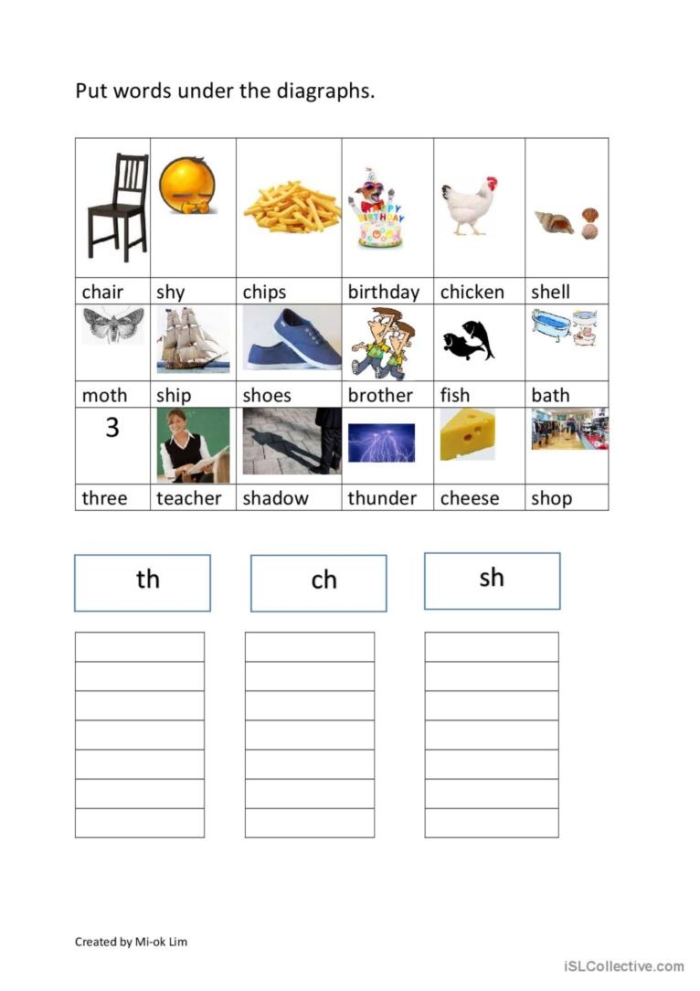
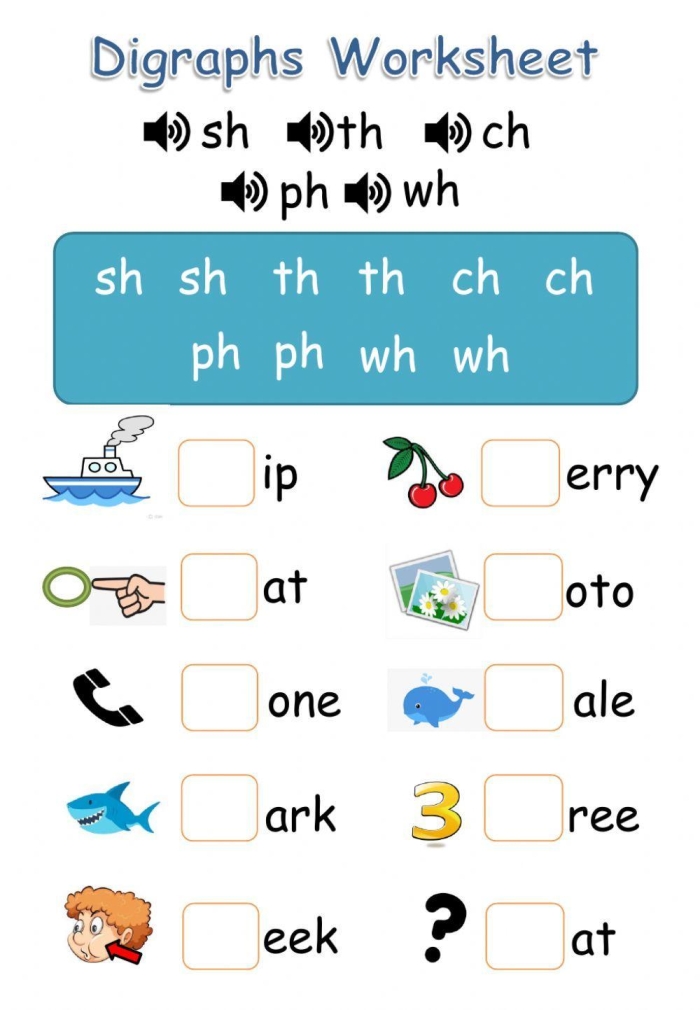
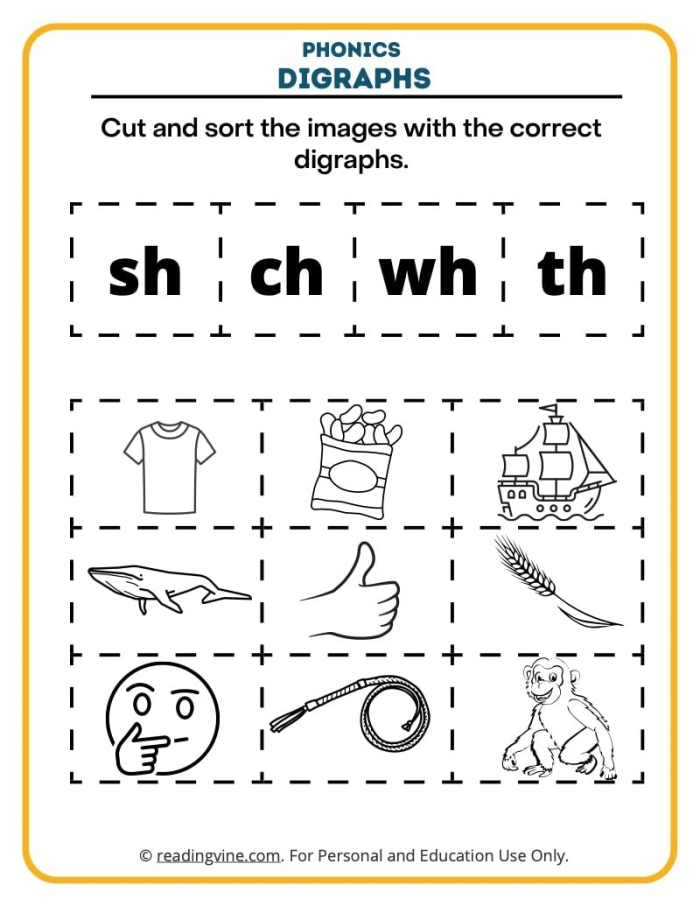
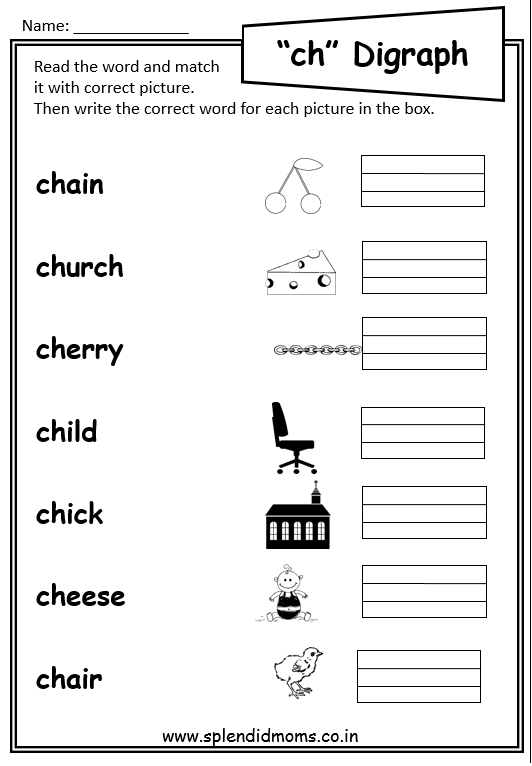
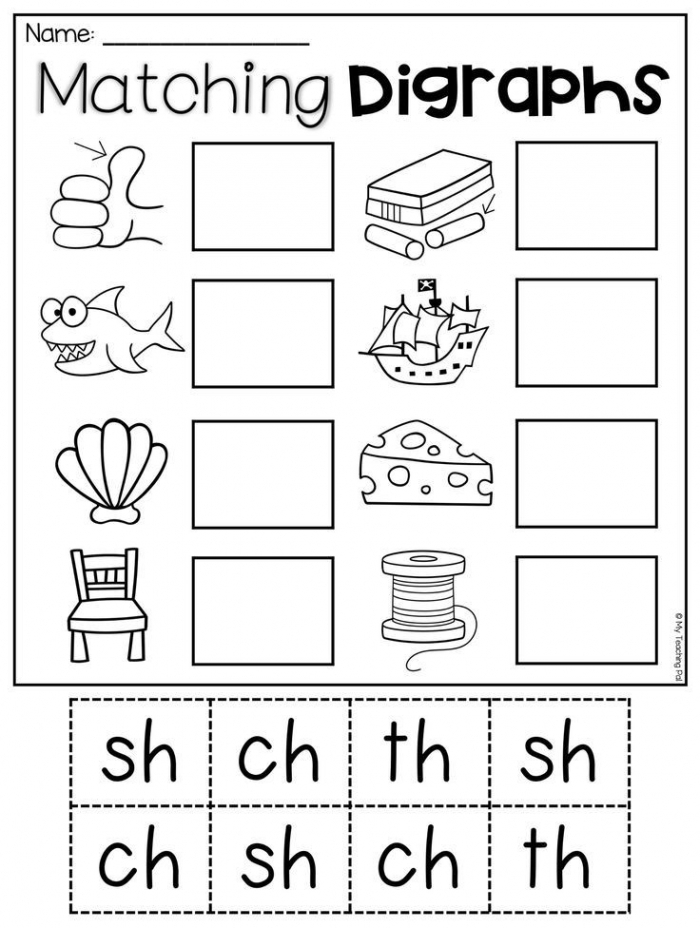
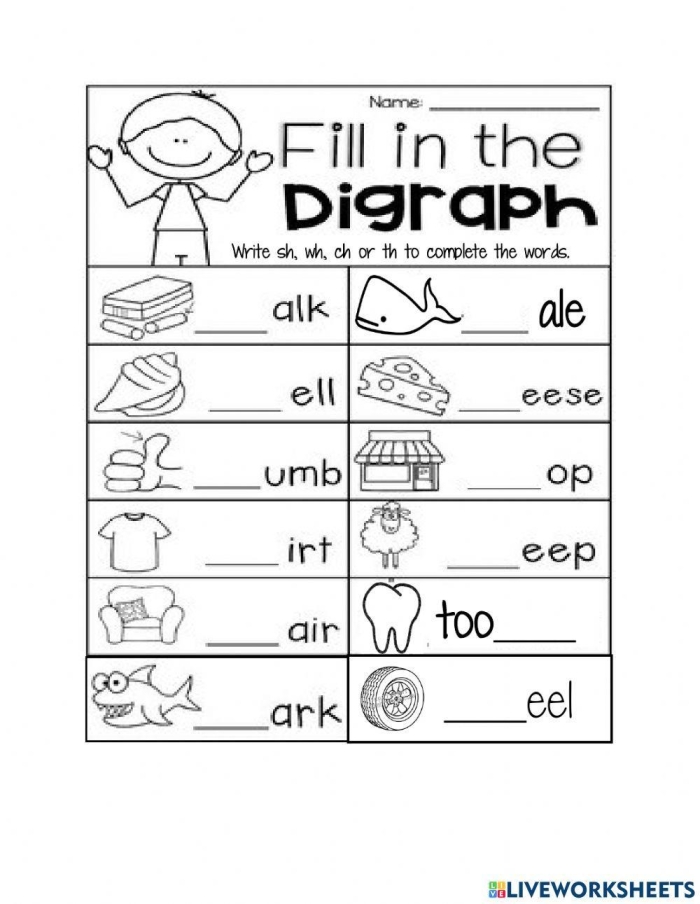
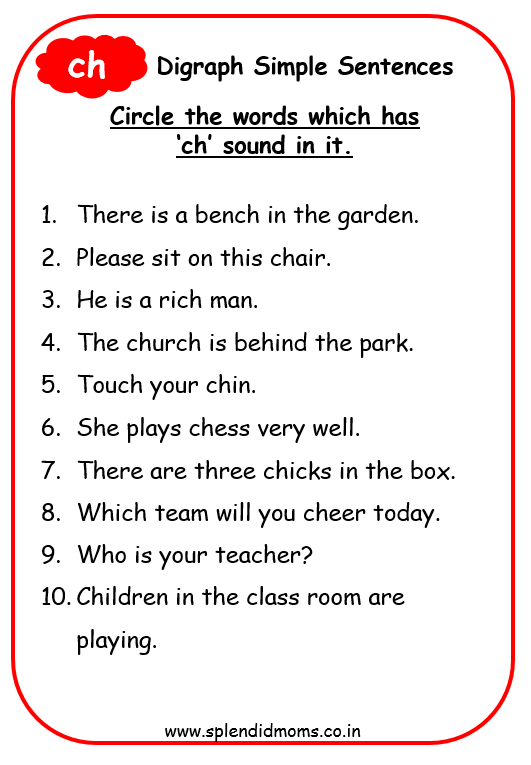
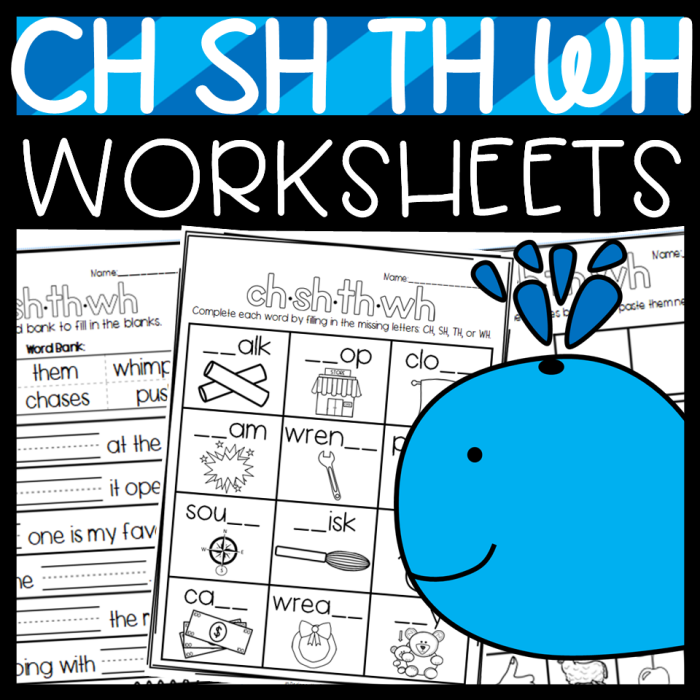
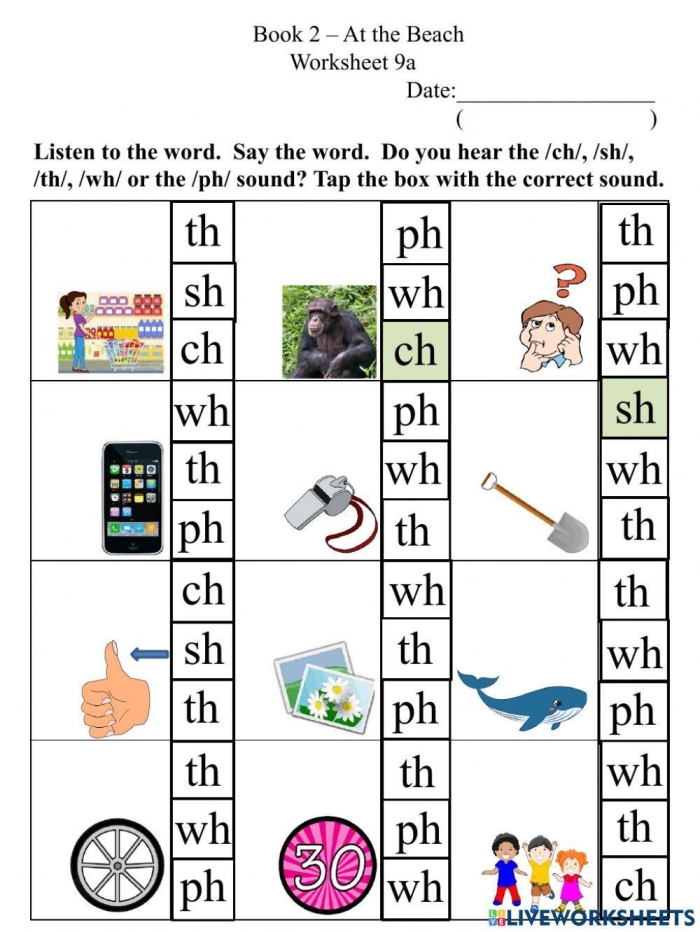
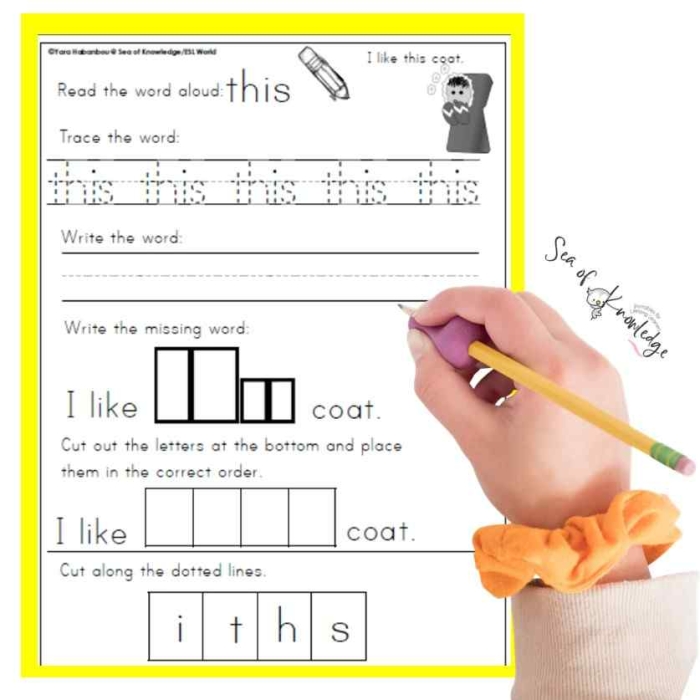
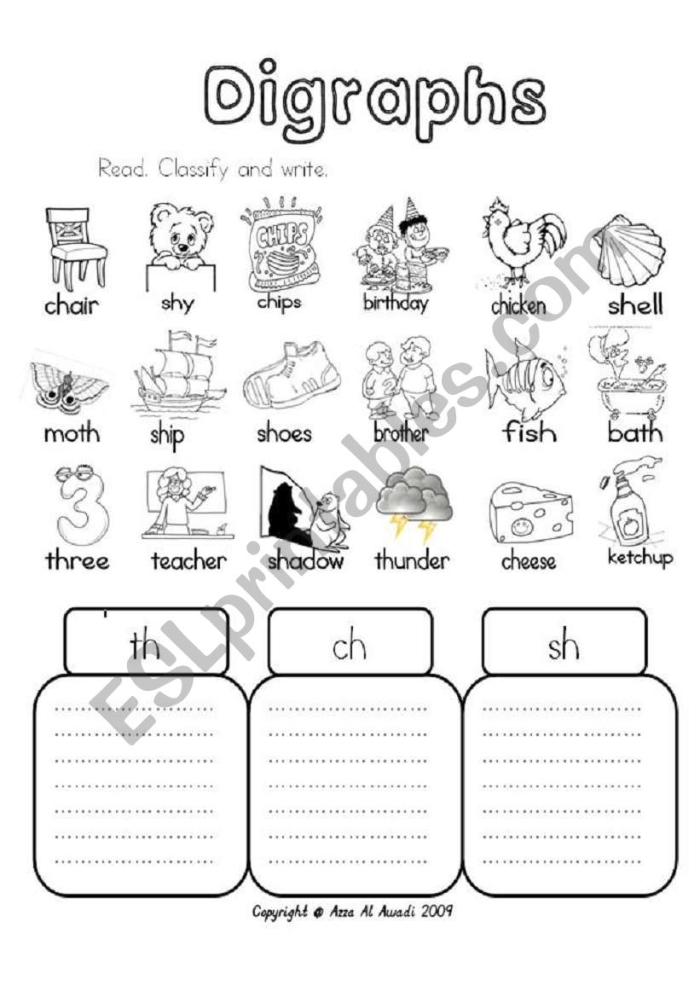
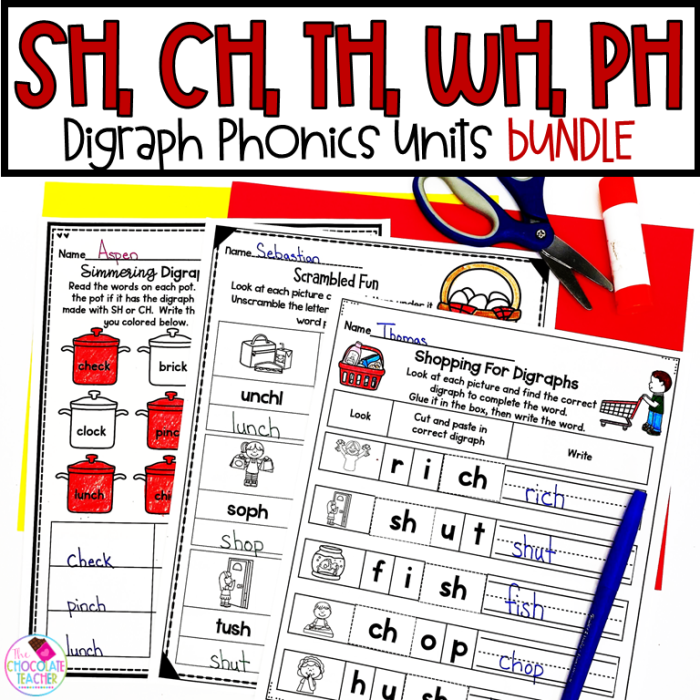
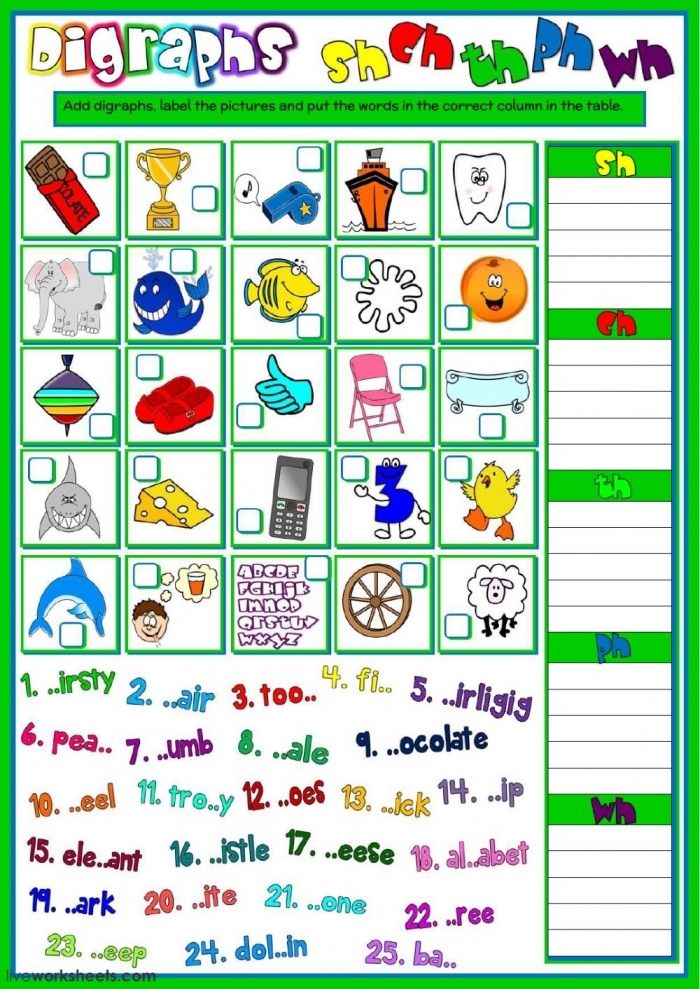
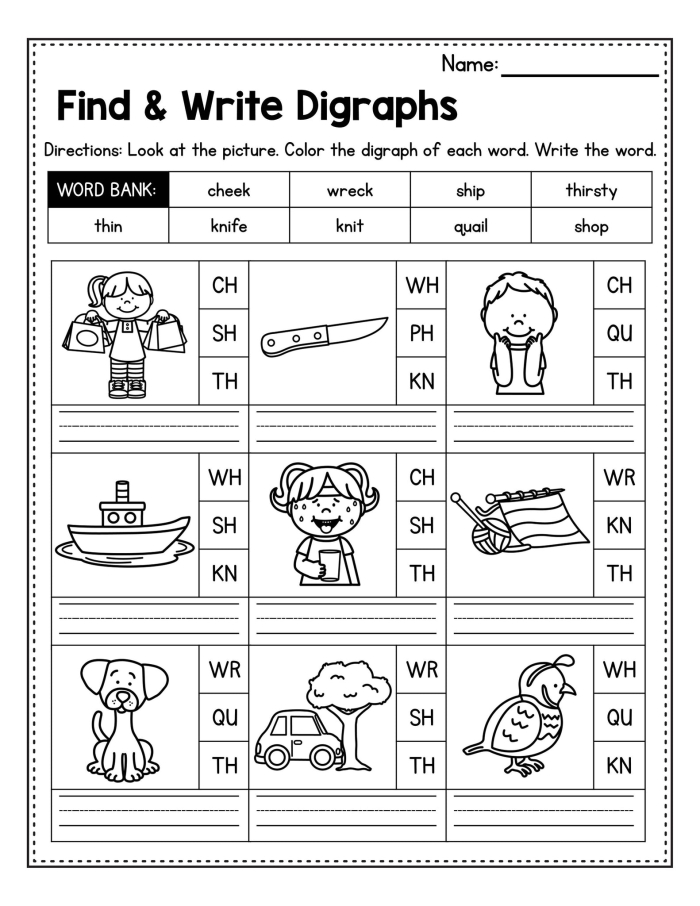
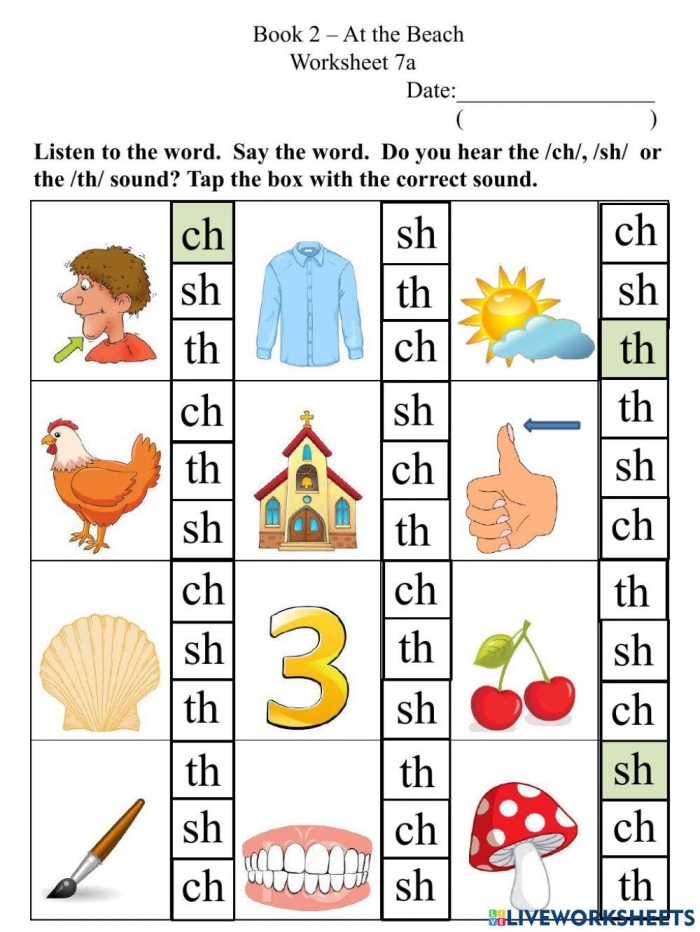
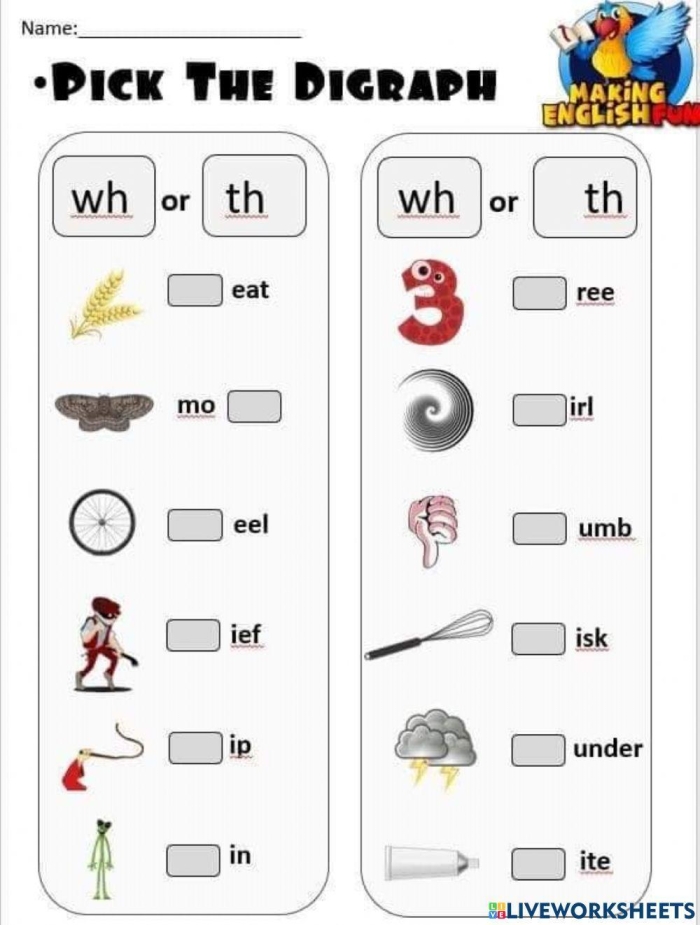
Digraphs form the foundation of early reading instruction, and first grade is the perfect time to build solid recognition skills. When students learn to identify words that share the same digraphs, they unlock patterns that appear throughout English text. This practice strengthens phonetic awareness and accelerates reading fluency.
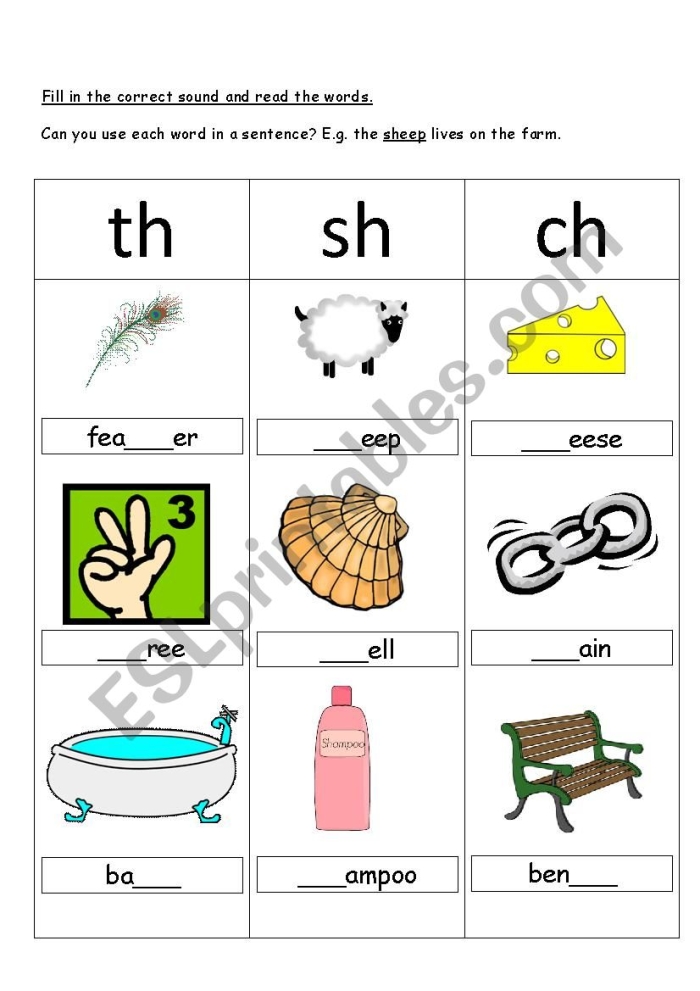
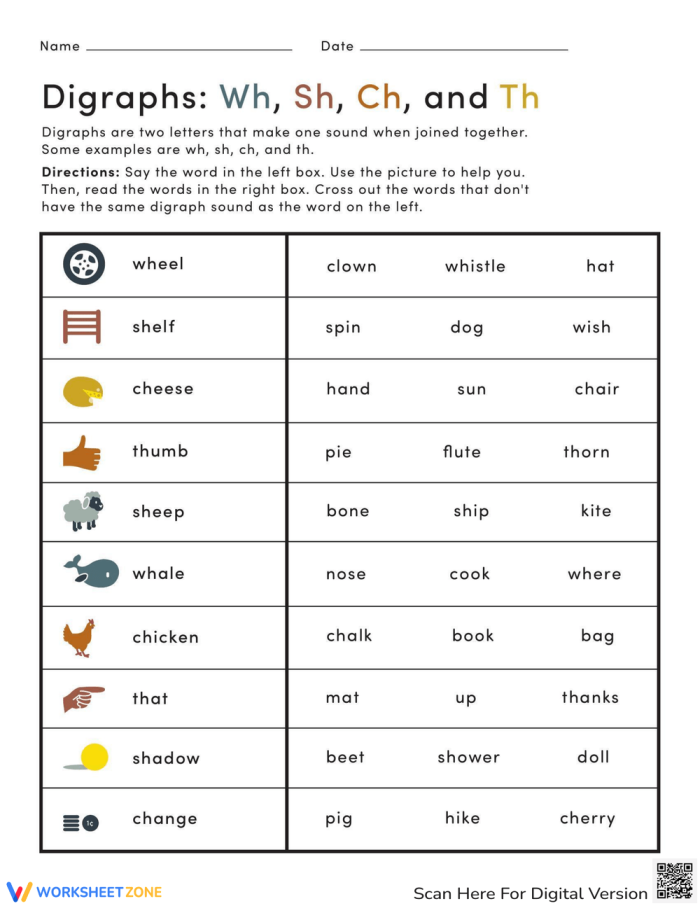
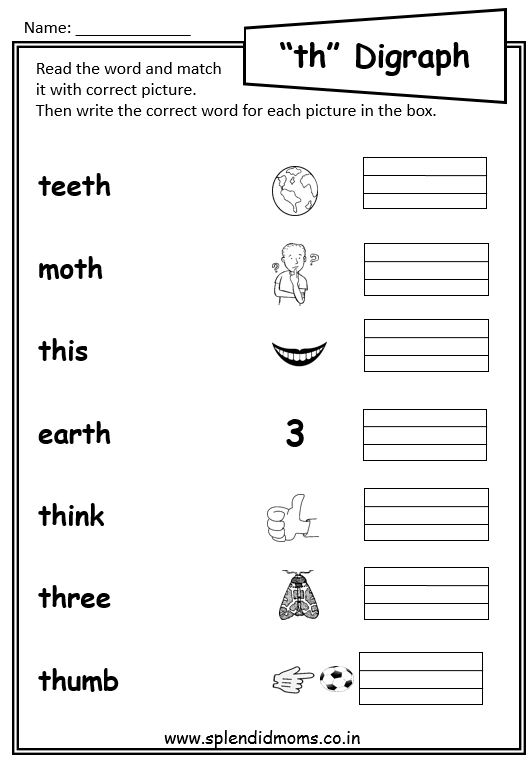
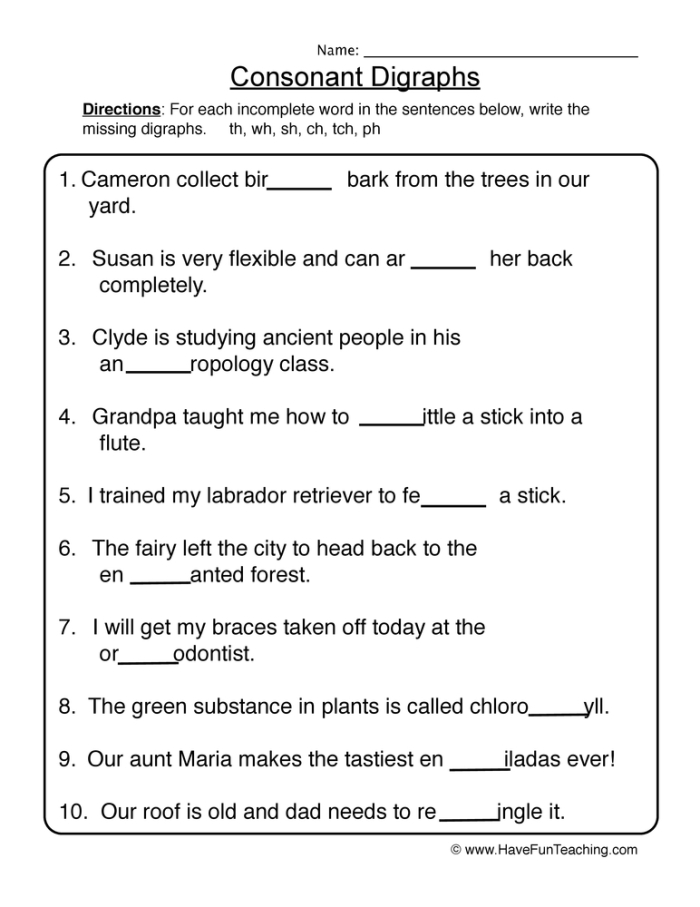
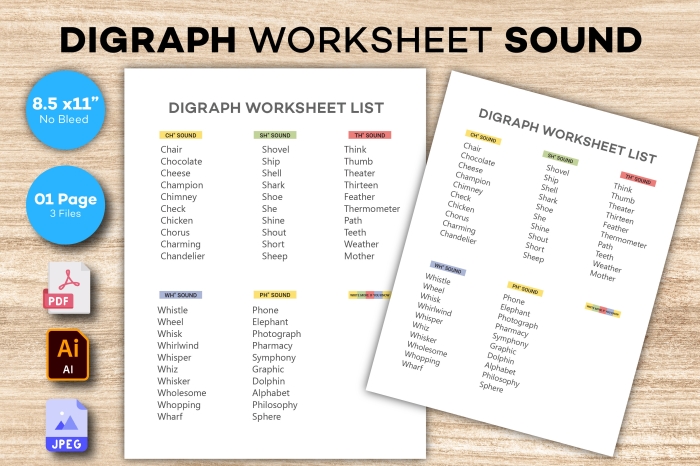
A digraph is two letters that work together to make a single sound. The most common digraphs in first grade phonics are wh, sh, ch, and th. Each one appears frequently in everyday words that children encounter in books, classroom conversations, and their own writing. When students practice identifying these letter pairs, they begin recognizing that certain combinations are predictable and consistent.
The worksheet approach works because it allows students to see multiple examples of the same digraph in context. A child might see the word “whale” paired with “when” and “what,” noticing that all three begin with the wh digraph. This repetition builds neural pathways that make the pattern automatic. Rather than sounding out each letter separately, students start chunking the digraph as a single unit, which is far more efficient.
Practicing digraph identification also prepares students for more complex phonics work. Once they master wh, sh, ch, and th, they’re ready to tackle consonant blends and other sound patterns. Teachers often pair digraph worksheets with related activities like completing l-blends exercises or reviewing long and short vowel patterns to reinforce multiple phonics concepts simultaneously.
The repetition in digraph identification worksheets isn’t boring for students, it’s reassuring. Each correct answer builds confidence. As first graders complete these exercises, they develop the automaticity needed to read fluently and focus on comprehension rather than decoding individual sounds.
Practice with These Worksheets