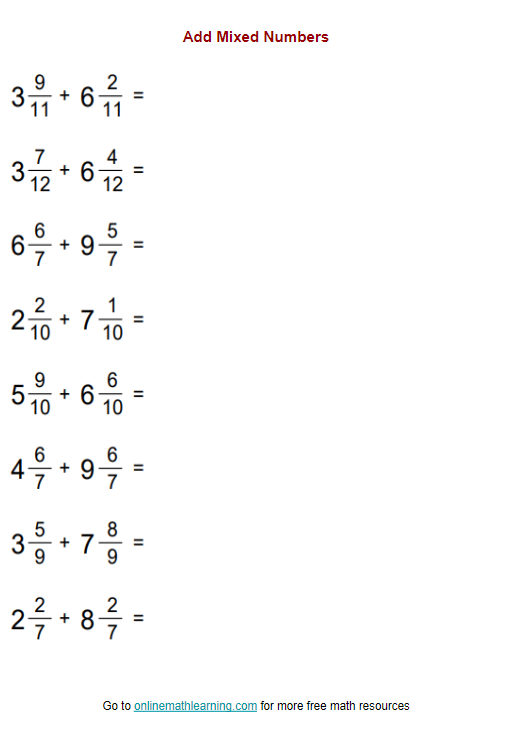
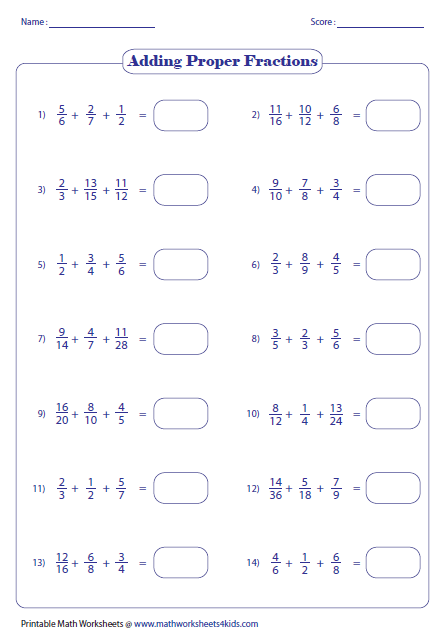
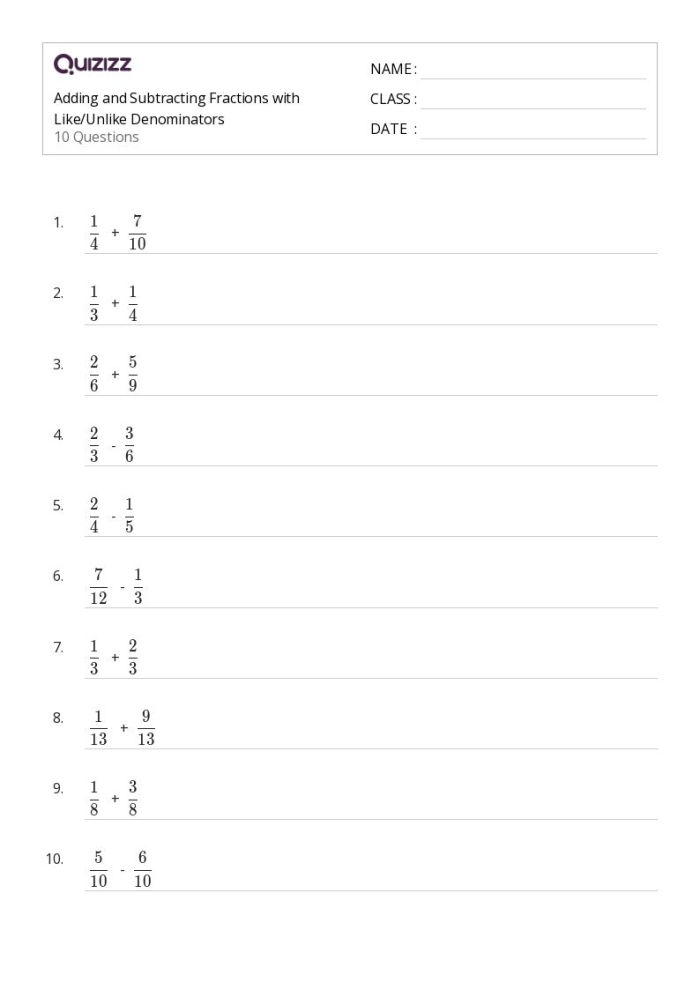
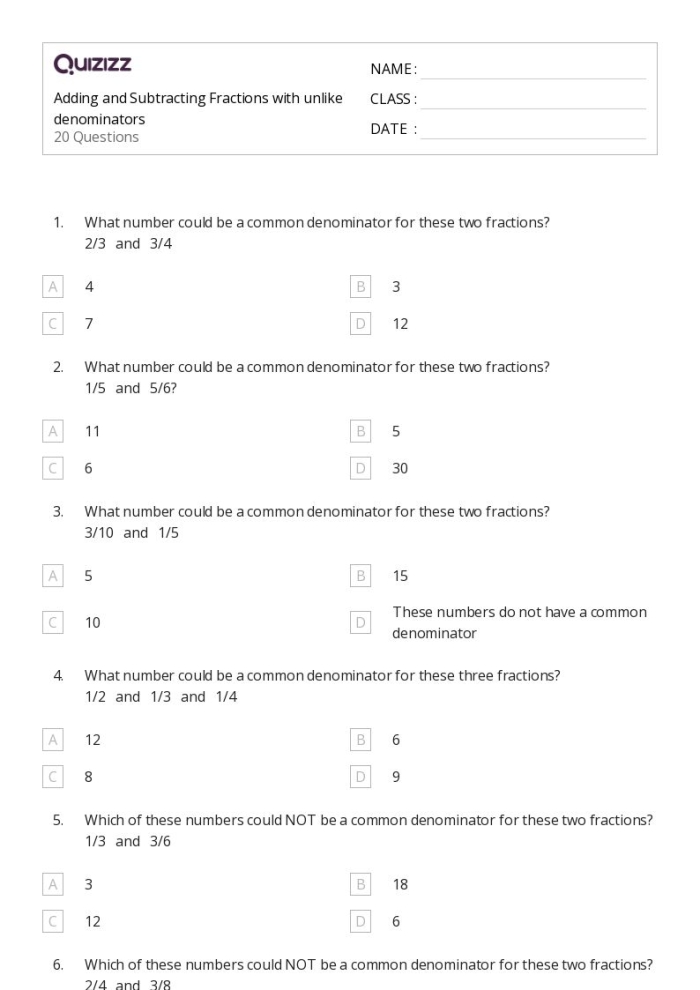
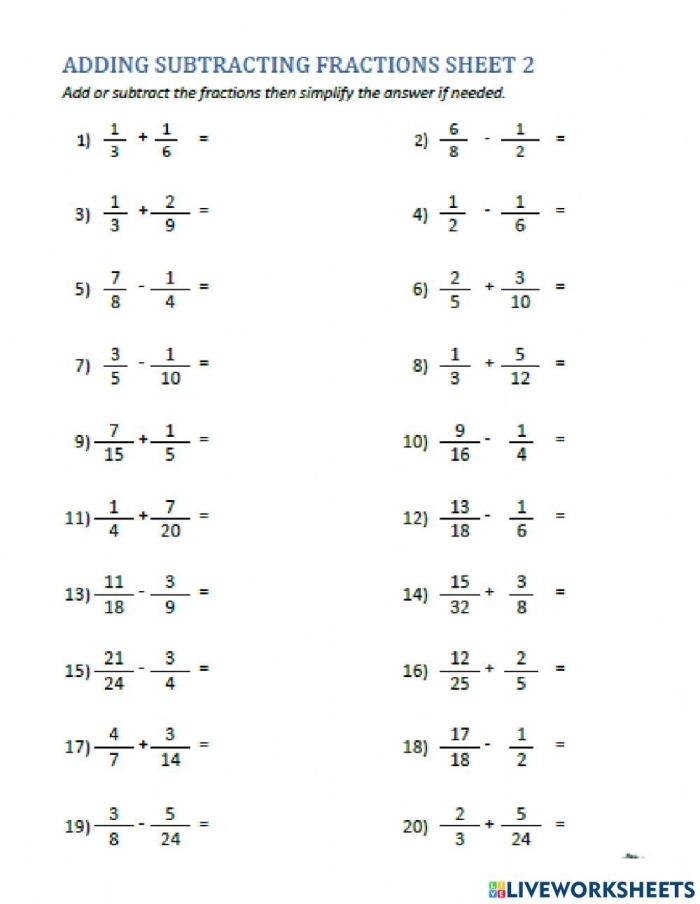
Adding mixed fractions with unlike denominators trips up a lot of fifth graders, and honestly, it’s one of those skills that really benefits from extra practice. The concept itself isn’t complicated, but the steps involved require careful attention, and many kids rush through without understanding why they’re doing each part.
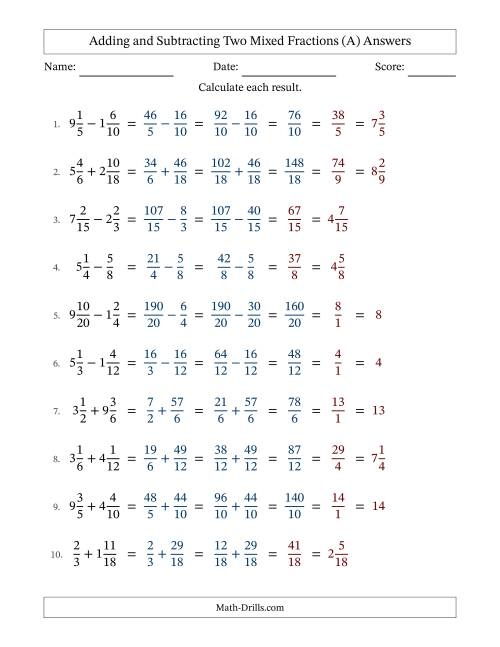
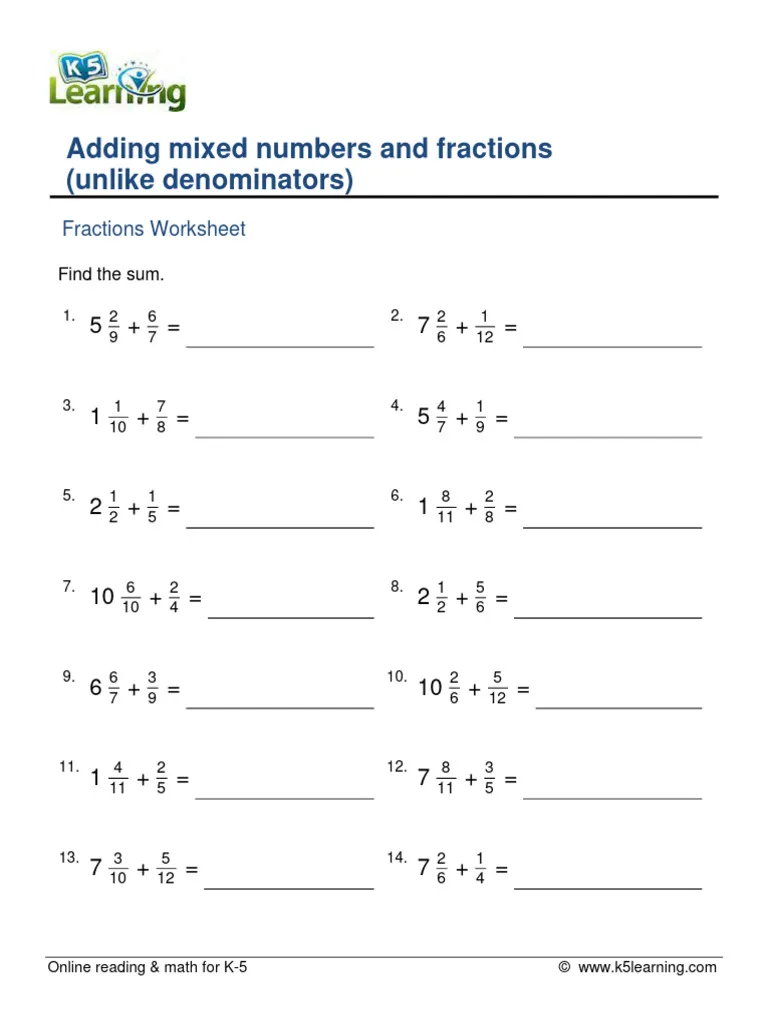
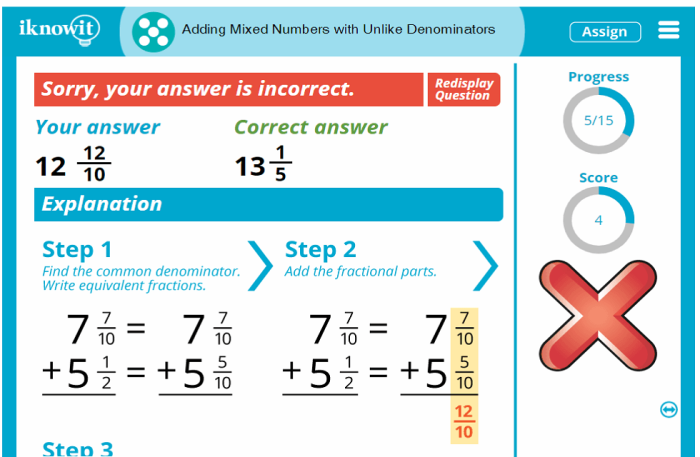
When your child encounters a problem like 2 3/4 + 1 2/5, several things need to happen in the right order. First, she needs to find a common denominator for the fractional parts. With 4 and 5, that’s 20. Then she converts 3/4 to 15/20 and 2/5 to 8/20. After that comes the actual addition: the whole numbers (2 + 1 = 3) and the fractions (15/20 + 8/20 = 23/20). The final step involves recognizing that 23/20 is actually 1 3/20, so the answer becomes 4 3/20.
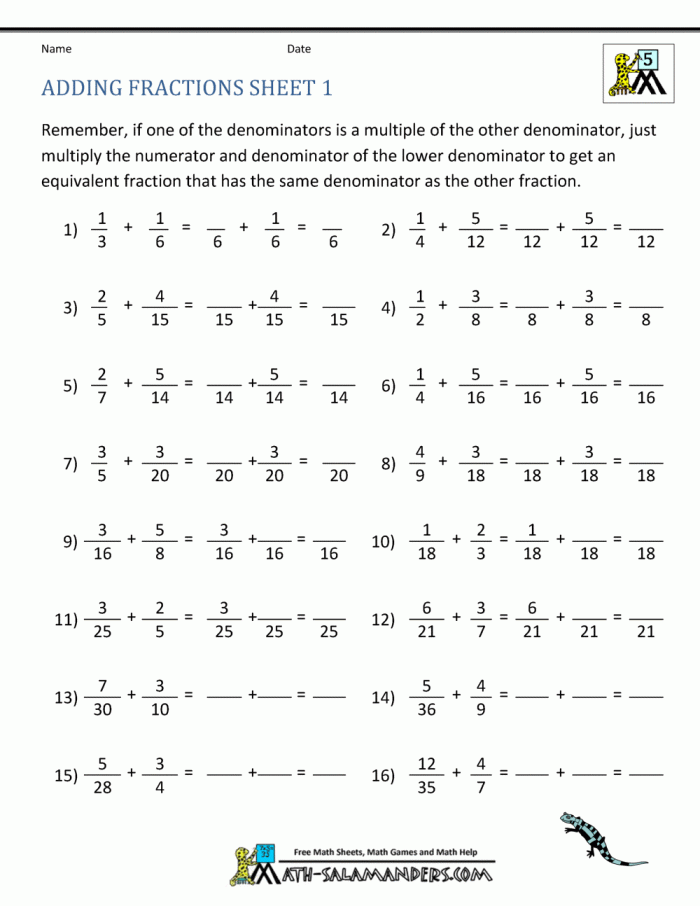
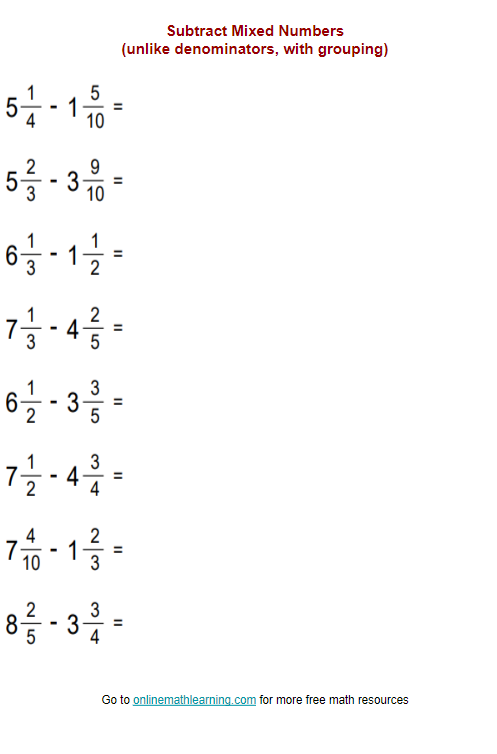
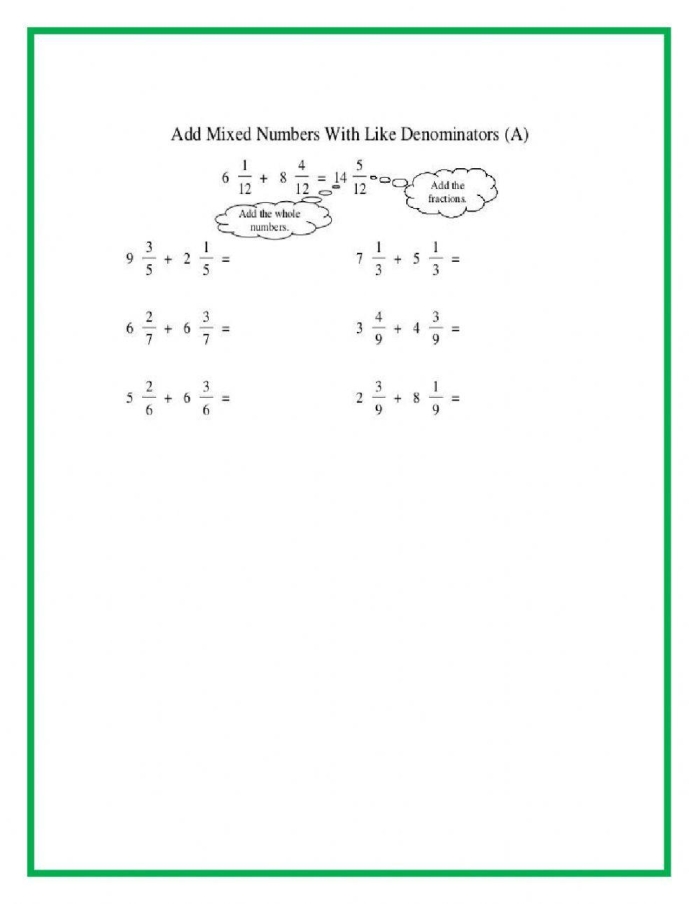
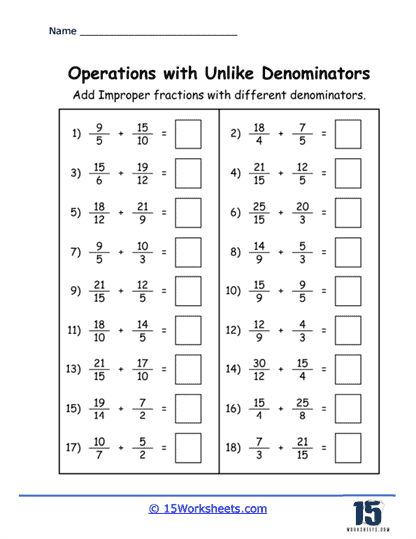
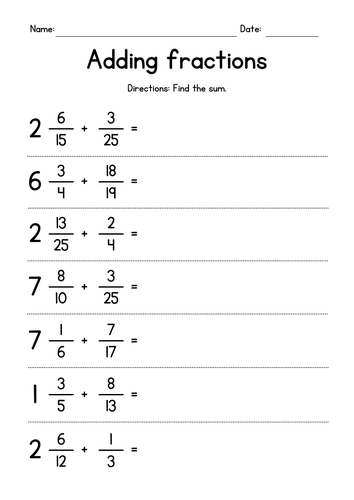
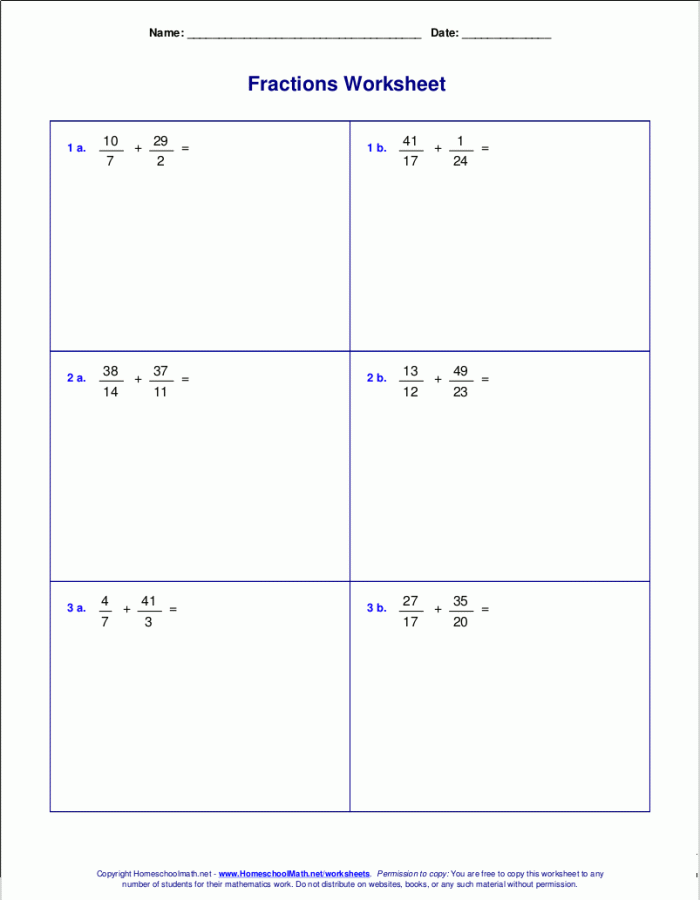
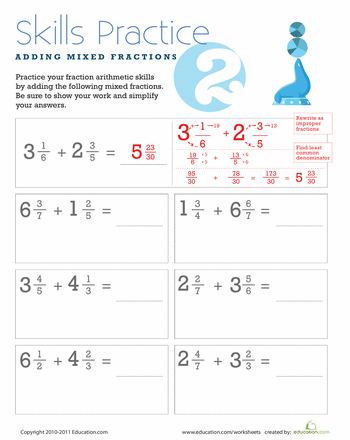
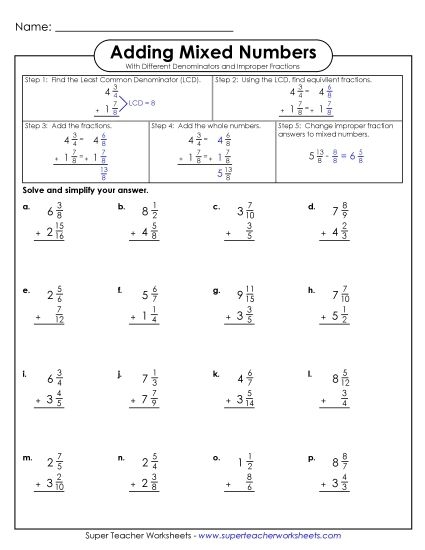
This is where a solid worksheet makes a real difference. Rather than jumping straight to problems, good practice materials walk through the process step by step. Your child sees the common denominator identified first, then watches how the conversion happens, and finally applies the addition itself. This scaffolding helps her build confidence before tackling problems independently.
What makes this skill worth mastering now is that it builds the foundation for more complex fraction work in later grades. Fifth graders who understand the “why” behind finding common denominators don’t struggle nearly as much when they move into algebra or more advanced math.
A structured worksheet approach also gives you visibility into where her thinking breaks down. You can see whether she’s confused about common denominators, struggling with the conversion process, or just making careless arithmetic mistakes. That feedback lets you target help where it’s actually needed rather than reteaching concepts she already understands.
Grab These Worksheets Now