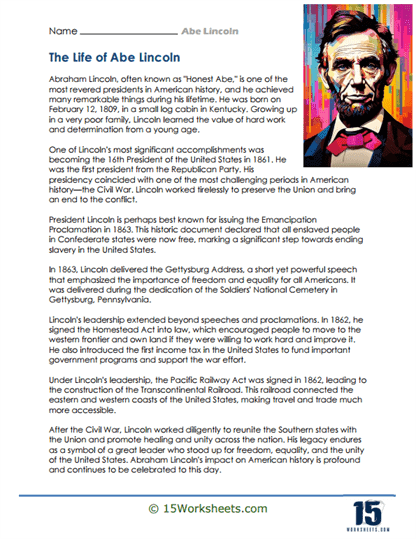
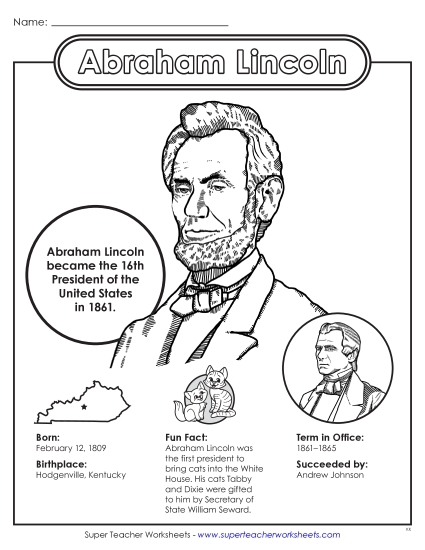
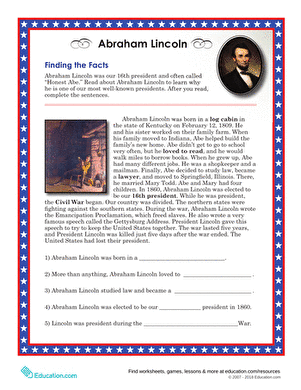
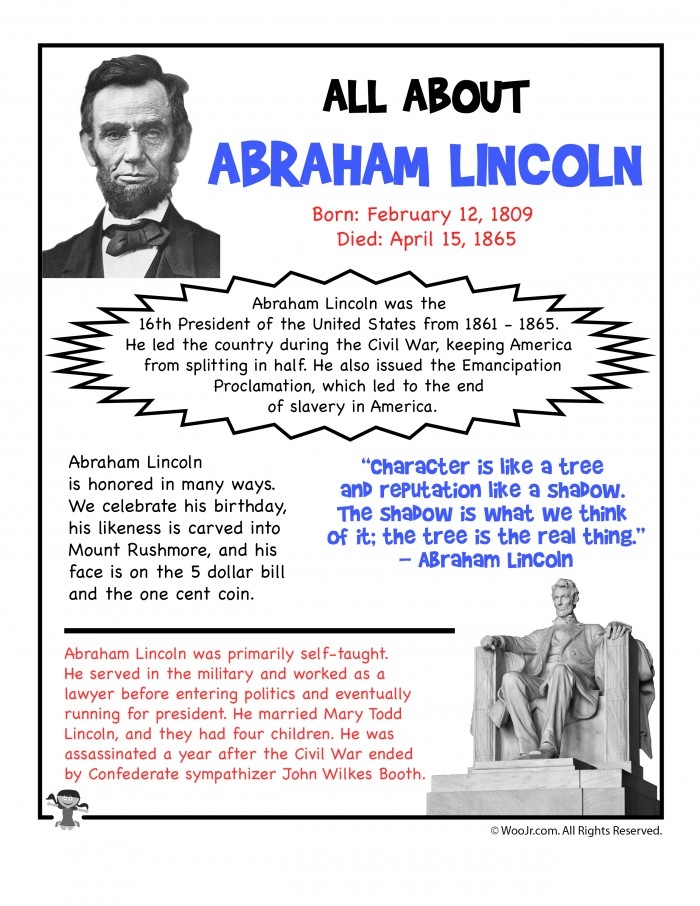
Abraham Lincoln, the 16th President of the United States, is a figure whose life story captivates many. Born on February 12, 1809, in a log cabin in Hardin County, Kentucky, Lincoln rose from humble beginnings to become a pivotal leader during one of America’s most challenging times—the Civil War. His dedication to preserving the Union and abolishing slavery marked him as a significant historical figure. Learning about his life not only enriches our understanding of American history but also provides essential insights for young learners.
For second graders interested in history, grasping the basics of Lincoln’s life can be both fun and educational. A short biography can serve as an excellent introduction. For example, students might learn that Lincoln was largely self-educated and developed a passion for reading and learning. His early career involved various jobs, including working as a rail-splitter and a storekeeper, before he entered politics. His leadership qualities became evident when he navigated the nation through the Civil War and delivered the Gettysburg Address, emphasizing equality and unity.
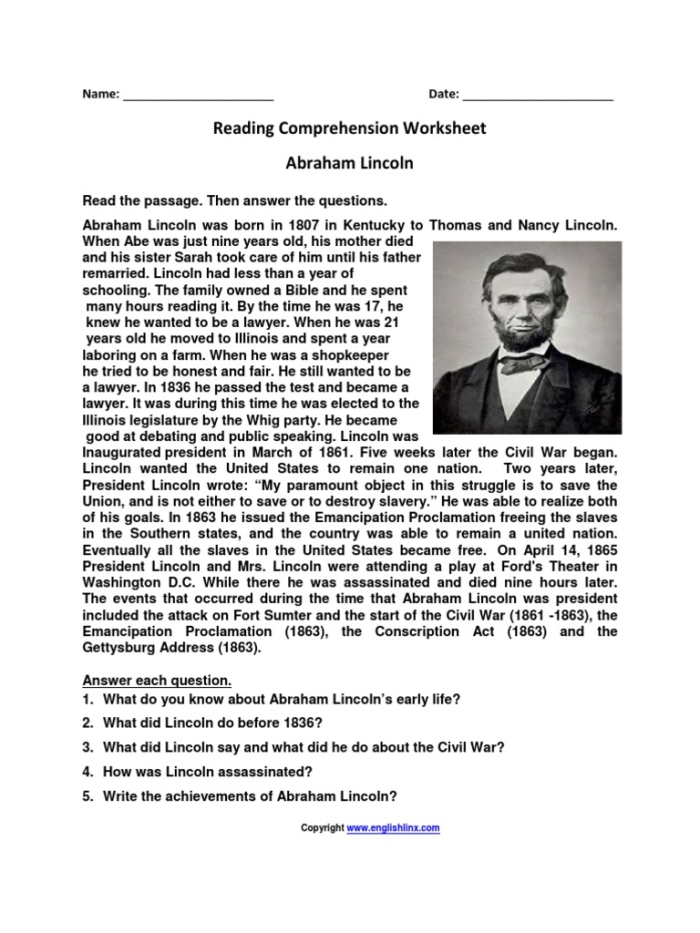
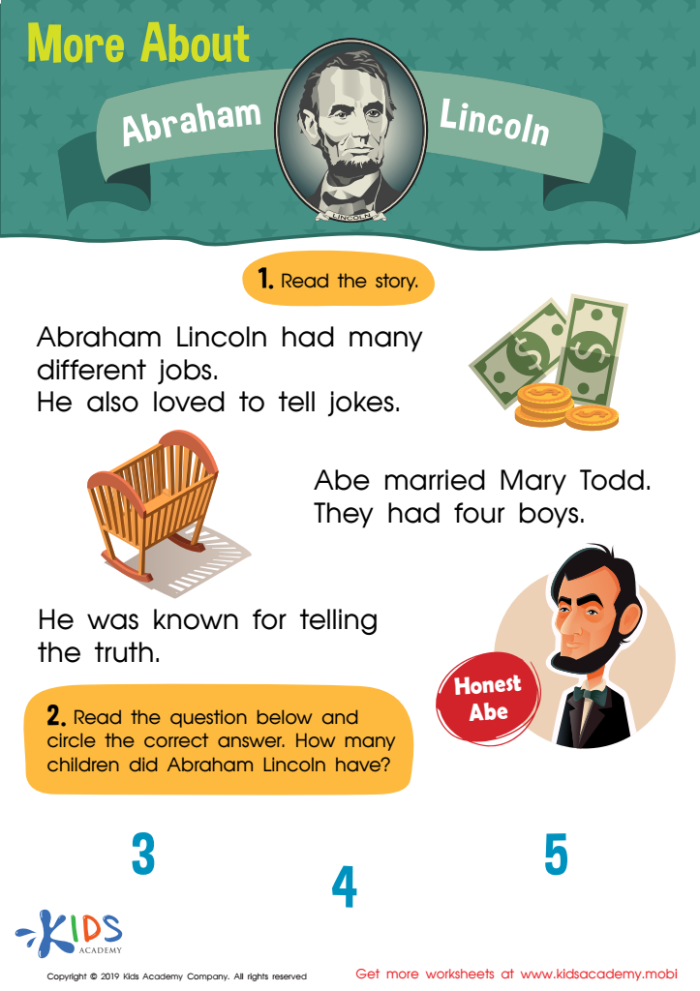
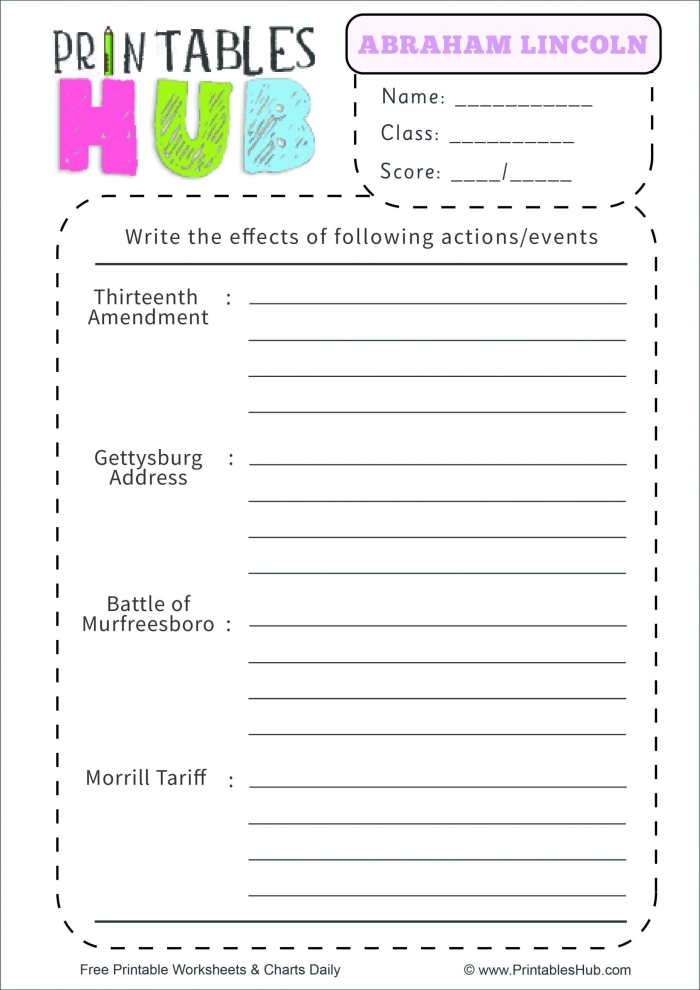
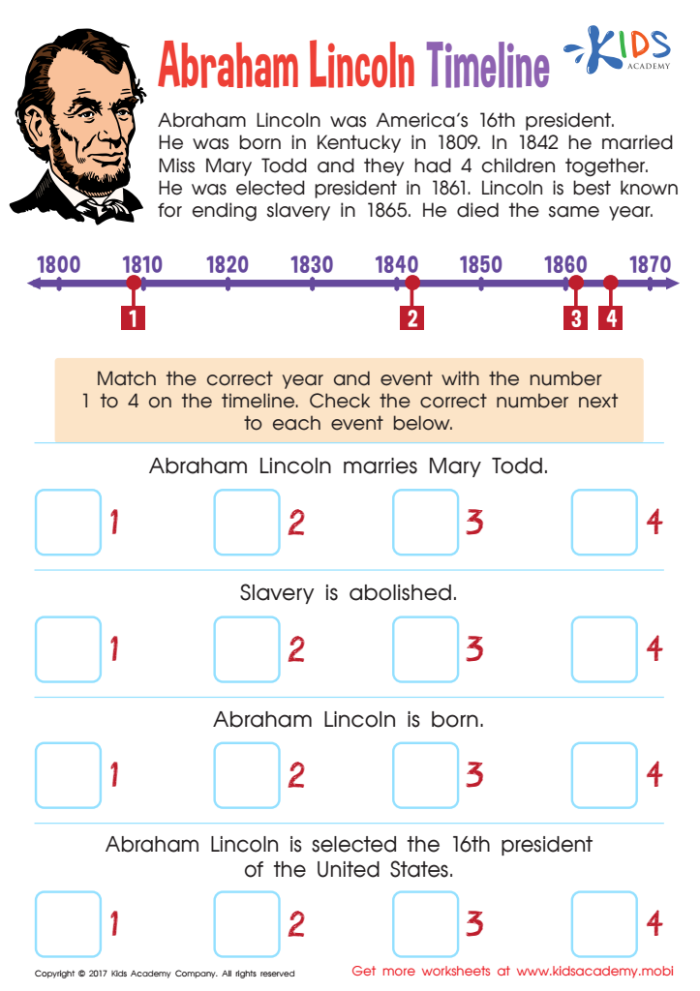
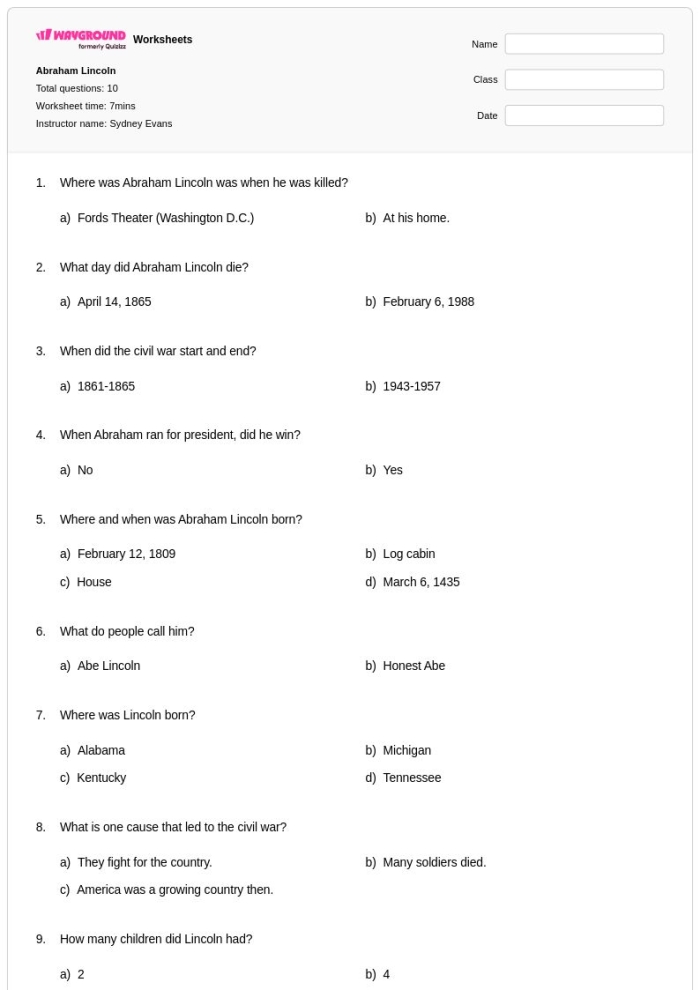
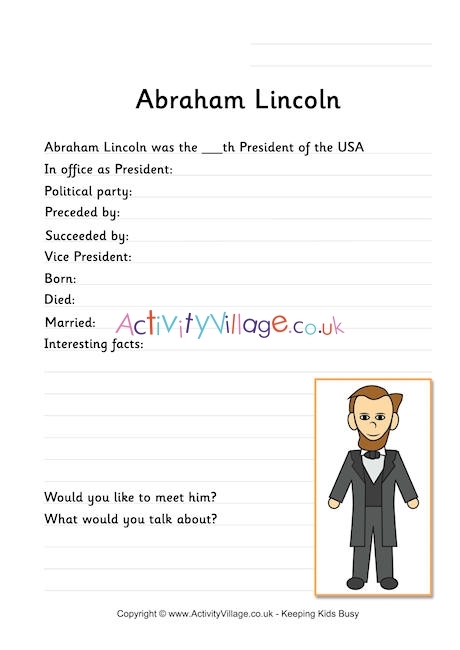
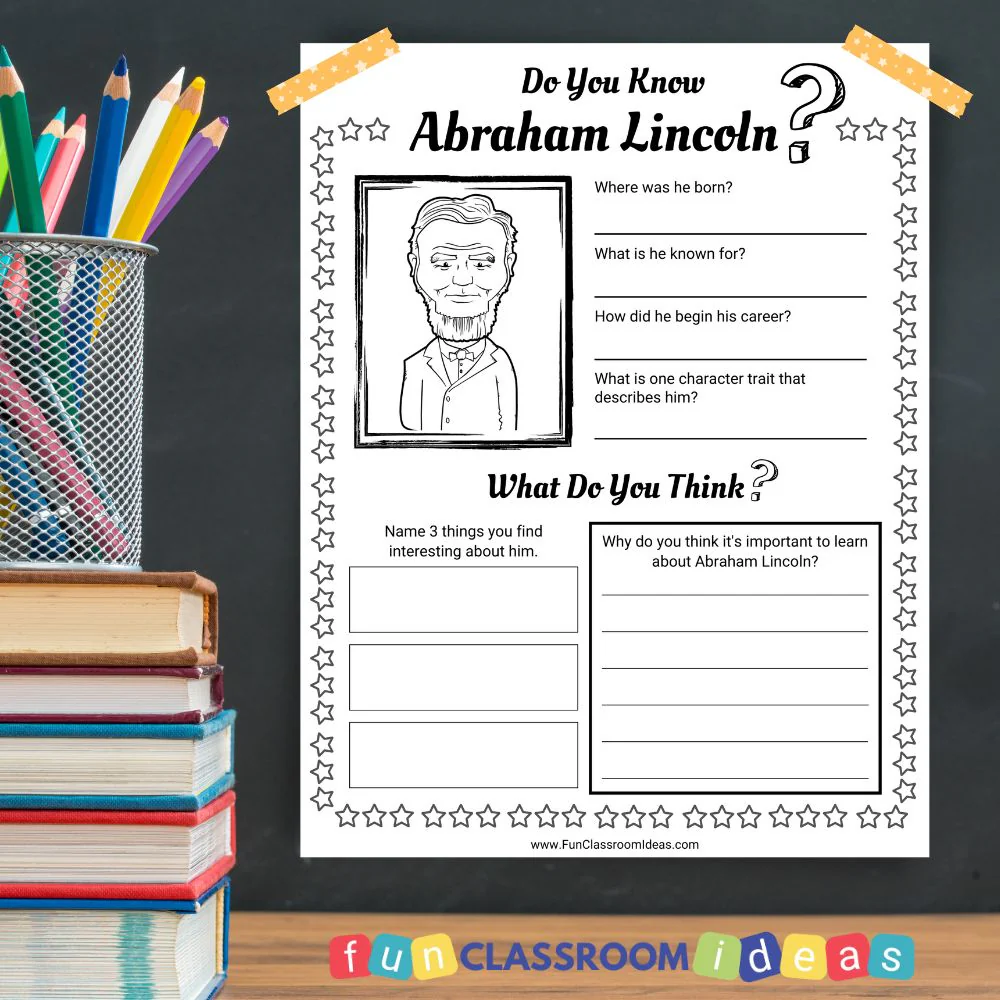
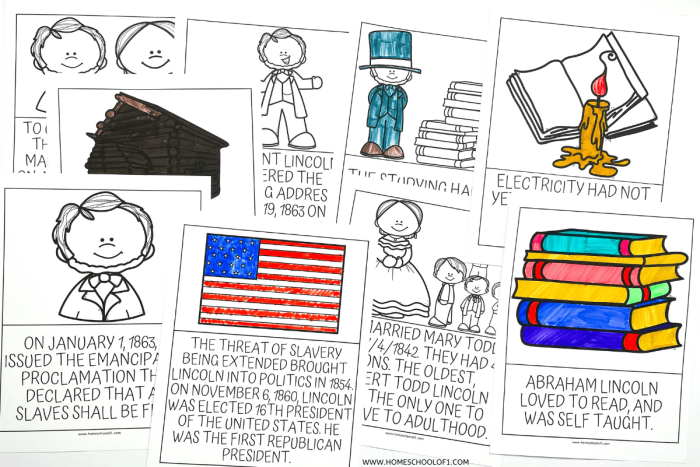
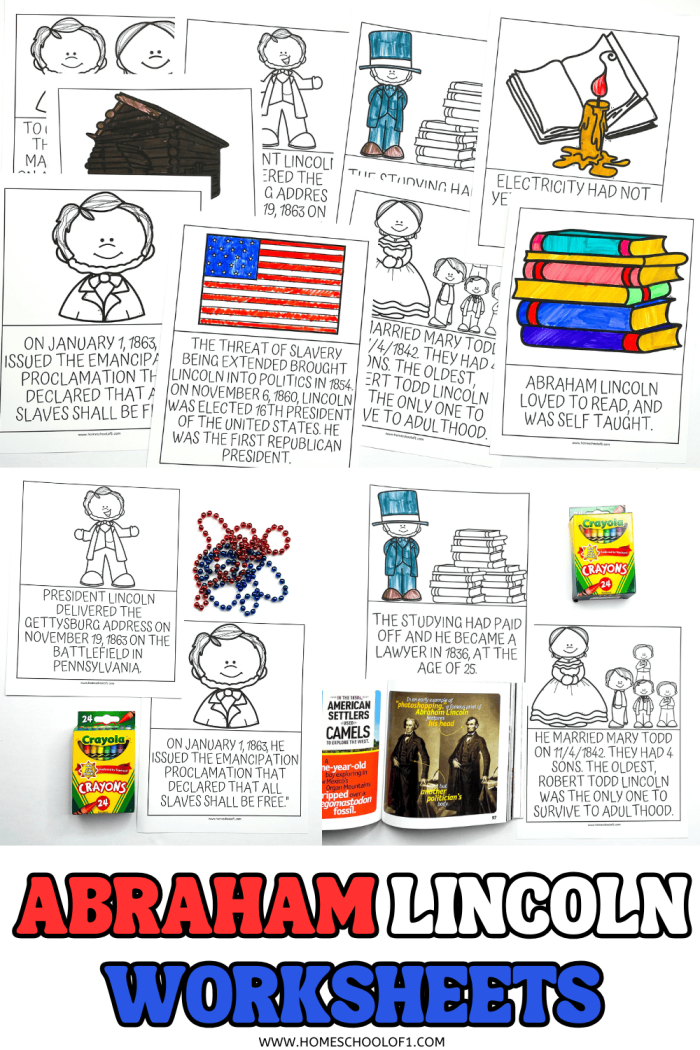
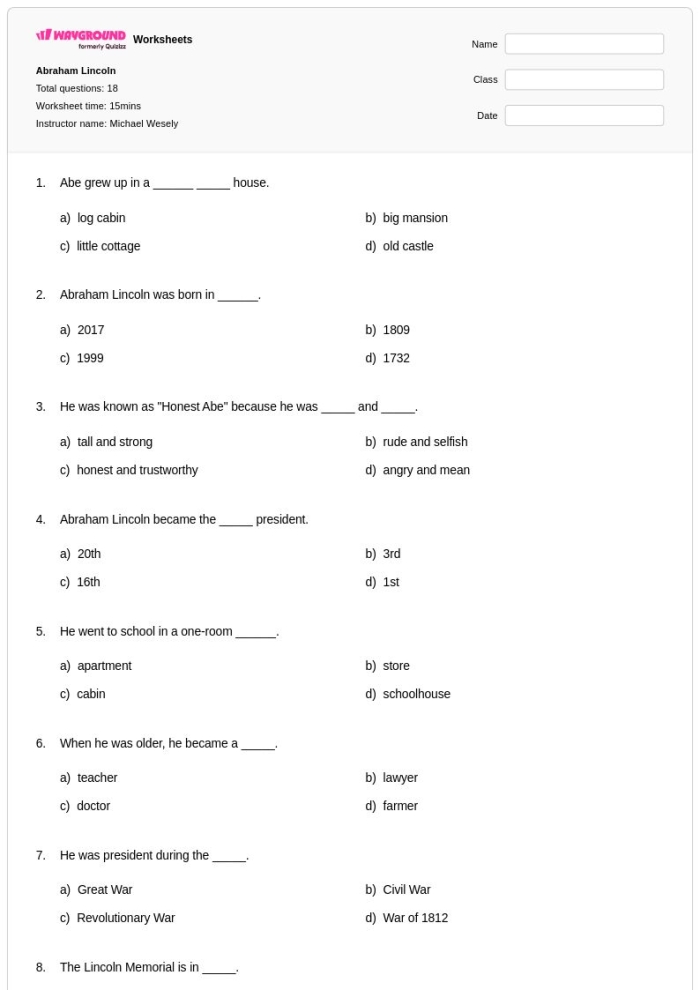
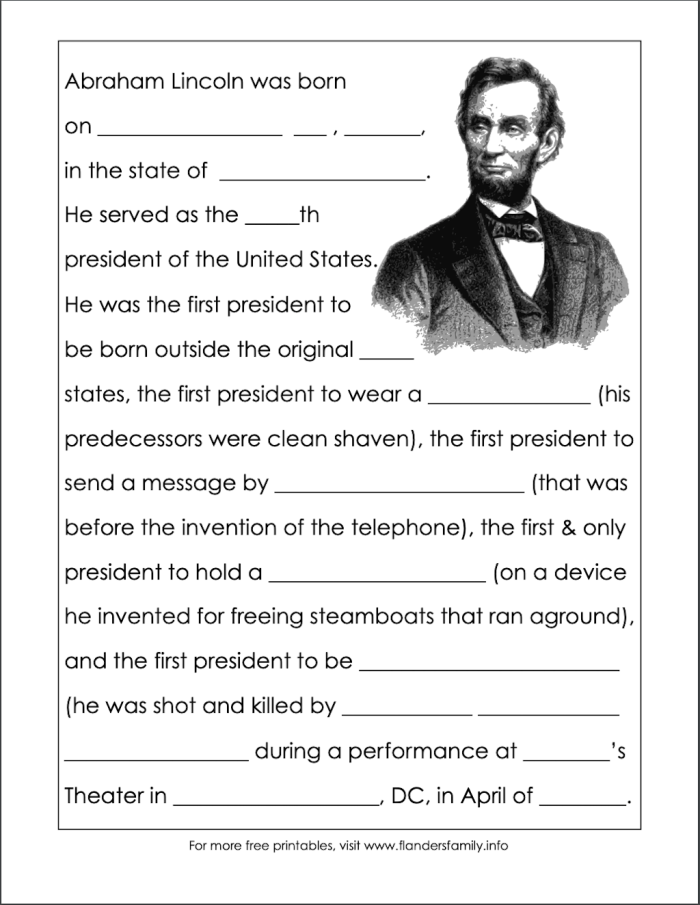
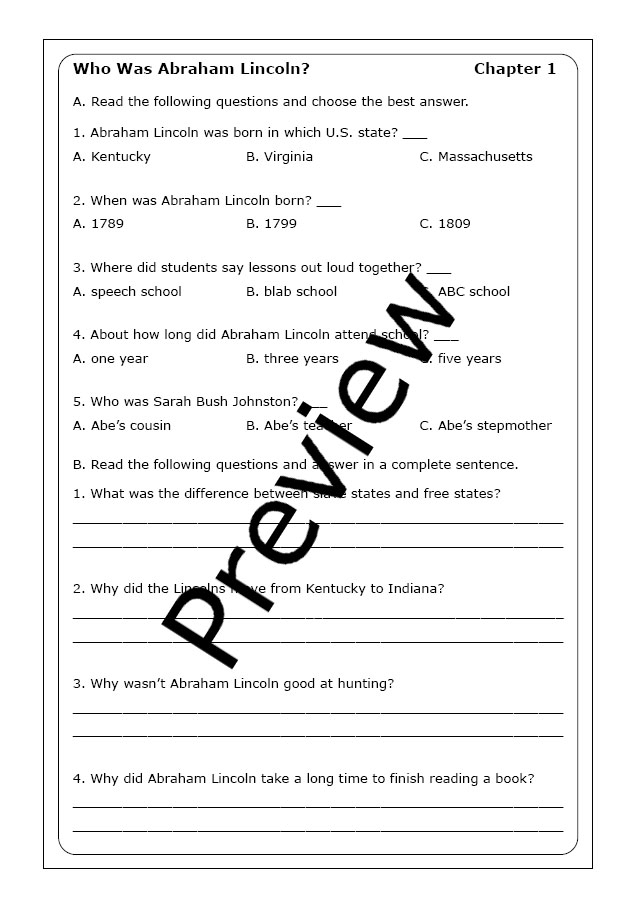
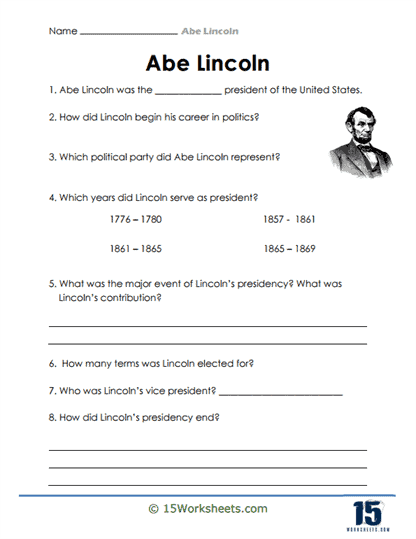
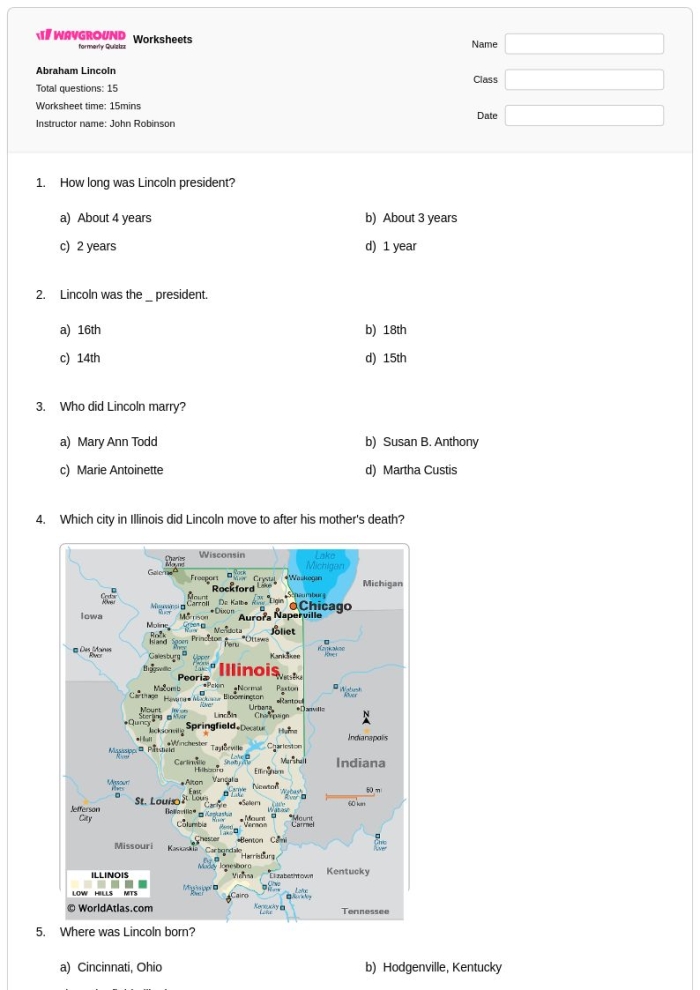
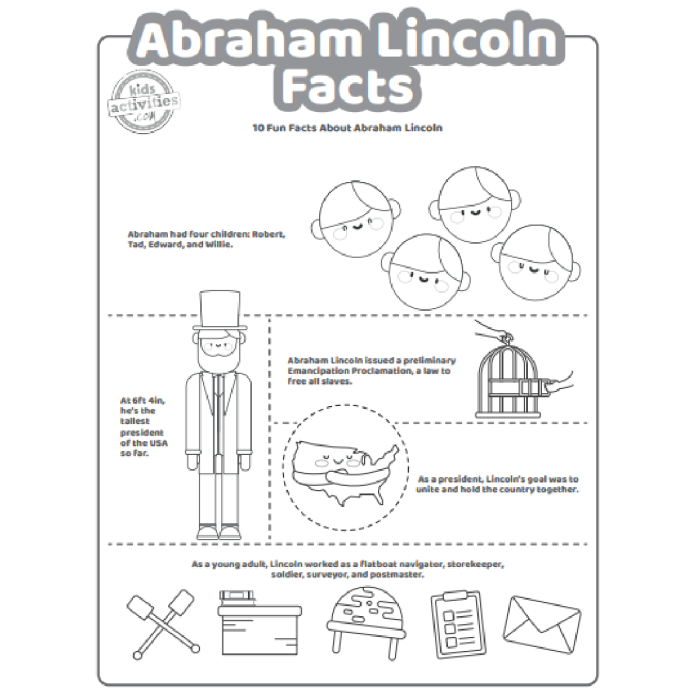
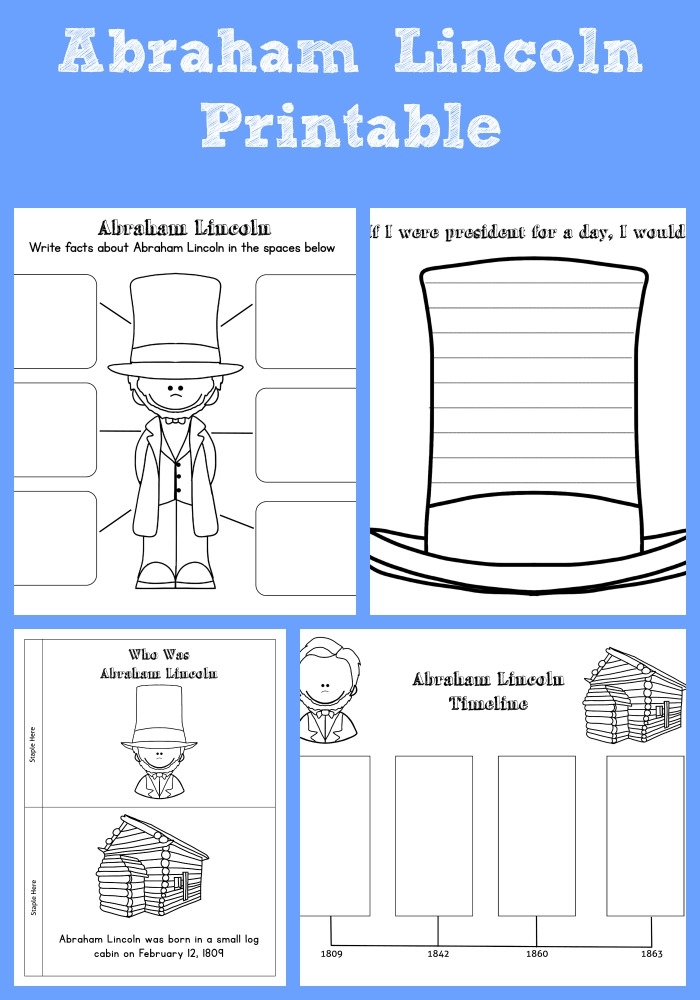
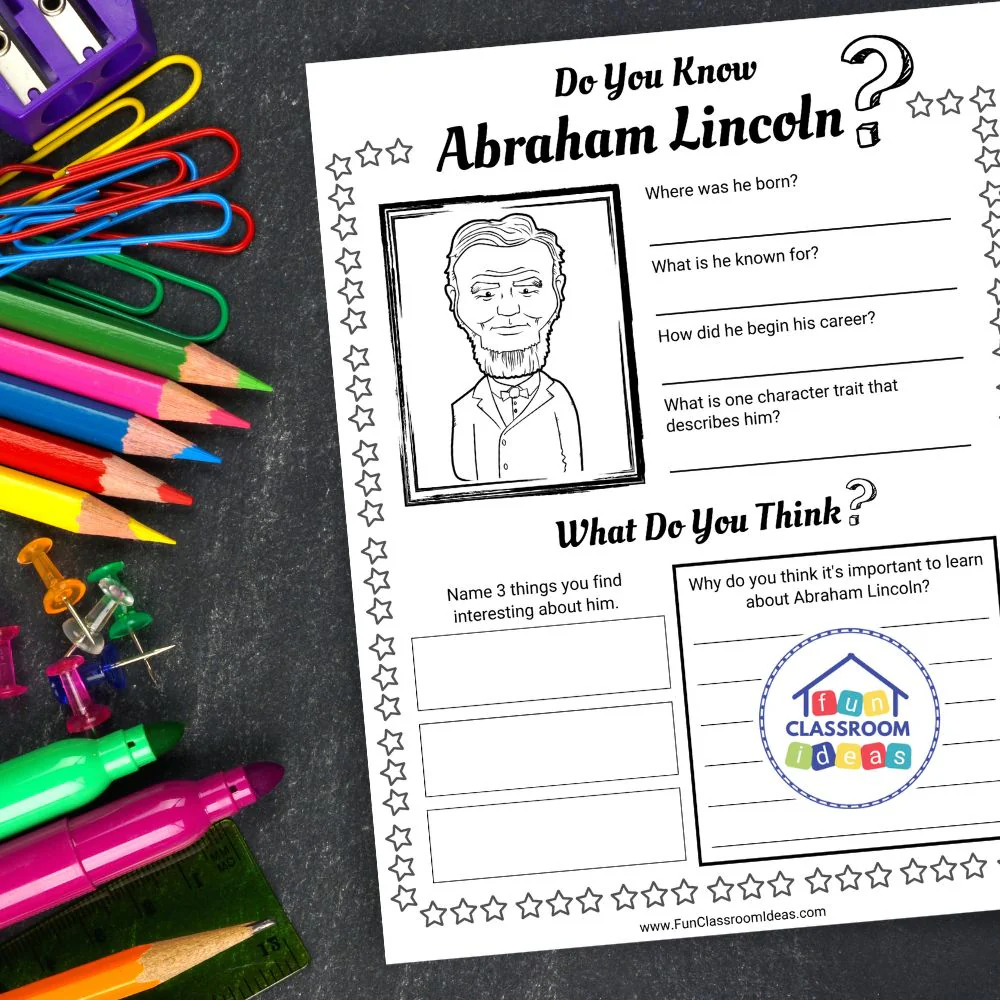
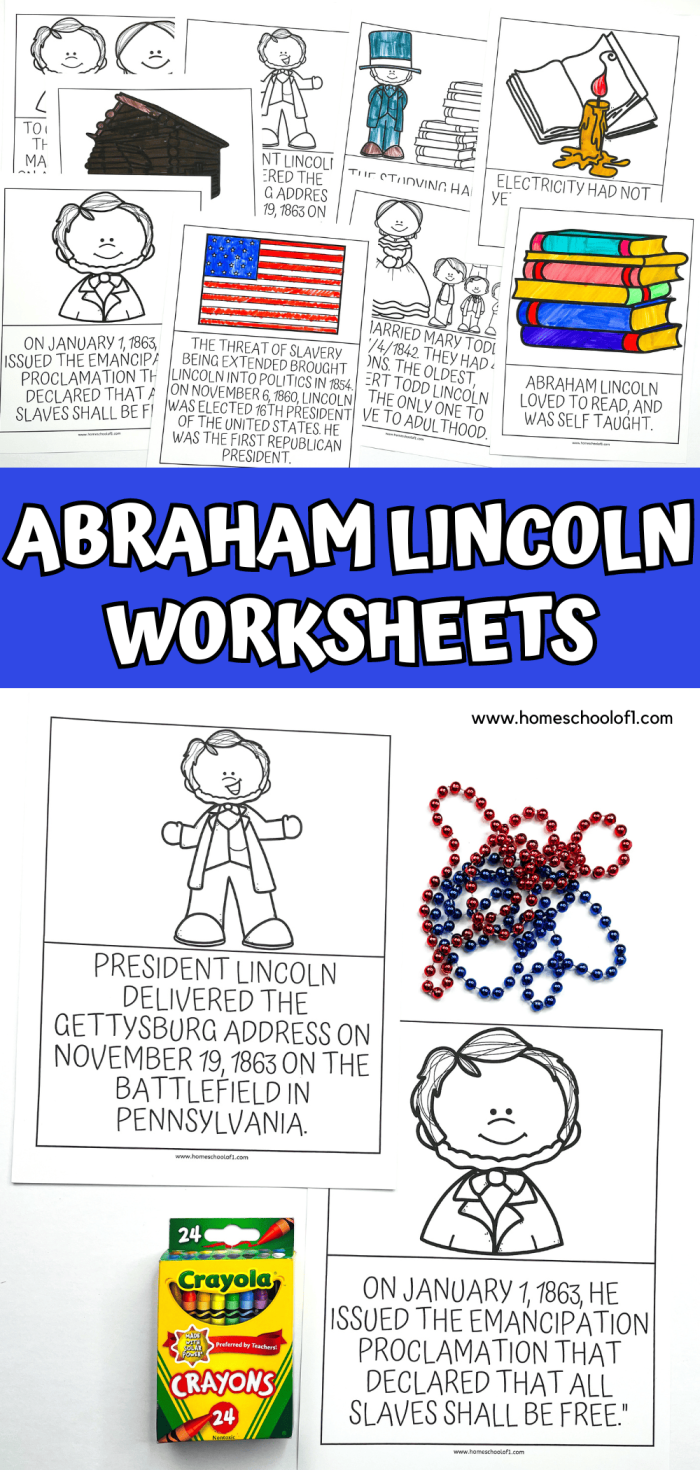
After reading a brief biography, students can engage with quiz questions that challenge their understanding and recall of Lincoln’s life and contributions. These quizzes not only reinforce their knowledge but also make learning more interactive. For instance, they might answer questions about Lincoln’s early life, major accomplishments, and key events during his presidency. This method of learning can be complemented by worksheets, such as Printable Abraham Lincoln Facts Worksheets, which provide a creative way for second graders to explore history.
Incorporating quizzes into learning about Abraham Lincoln can help students grasp important concepts while making the process enjoyable. Engaging with history through such activities not only aids in memorization but also sparks curiosity about the past and its influence on our present. Exploring topics like Lincoln’s life can also connect to broader studies in Earth and Space Science, encouraging students to see the interconnections in their learning.
Practice with These Worksheets