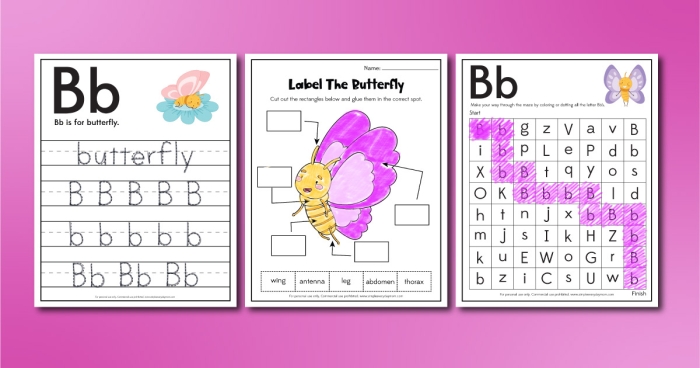
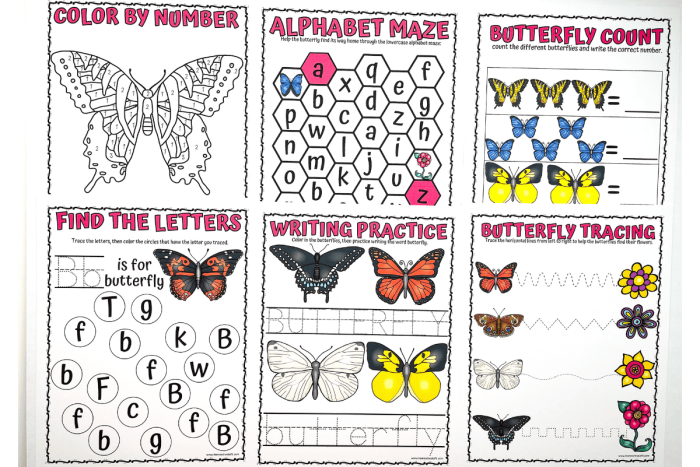
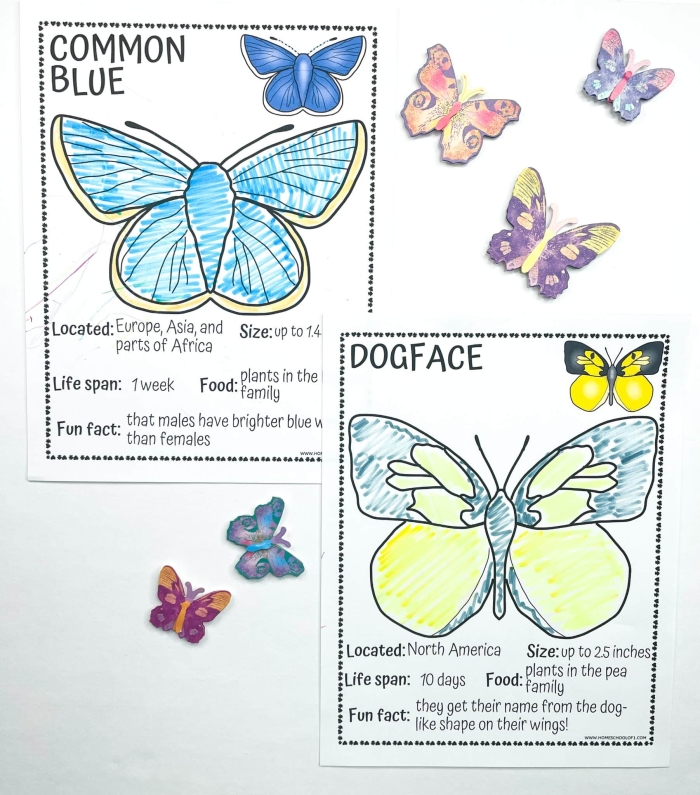
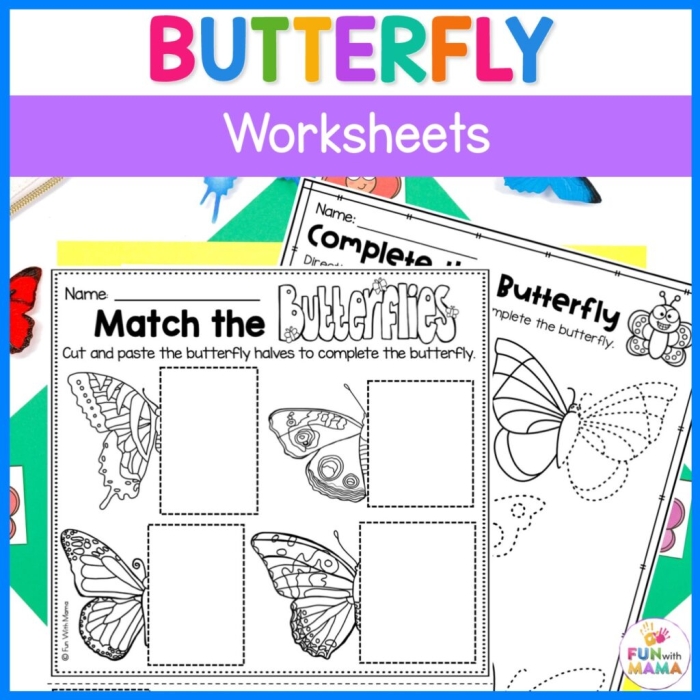
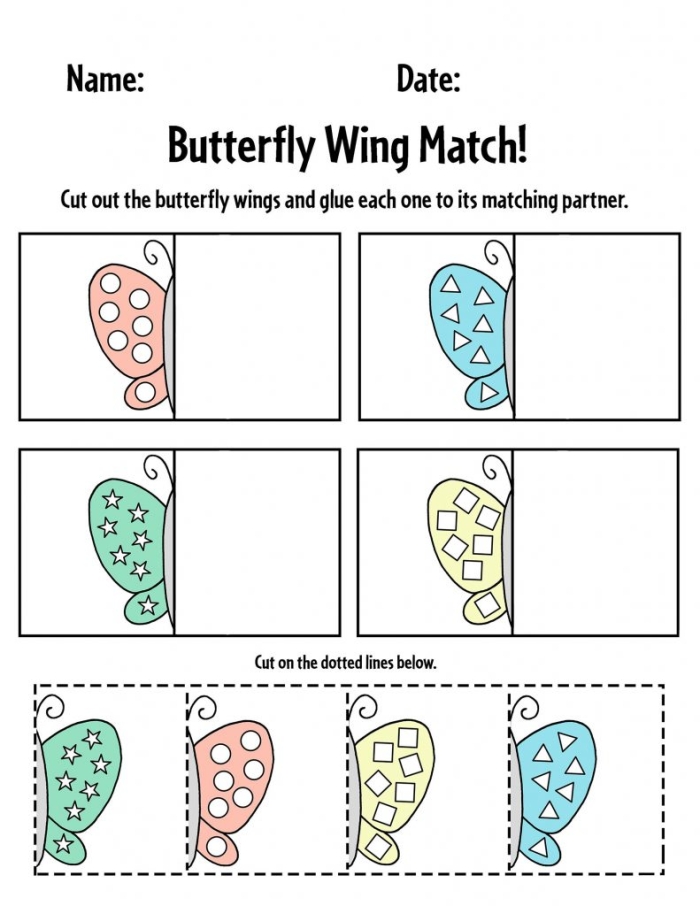
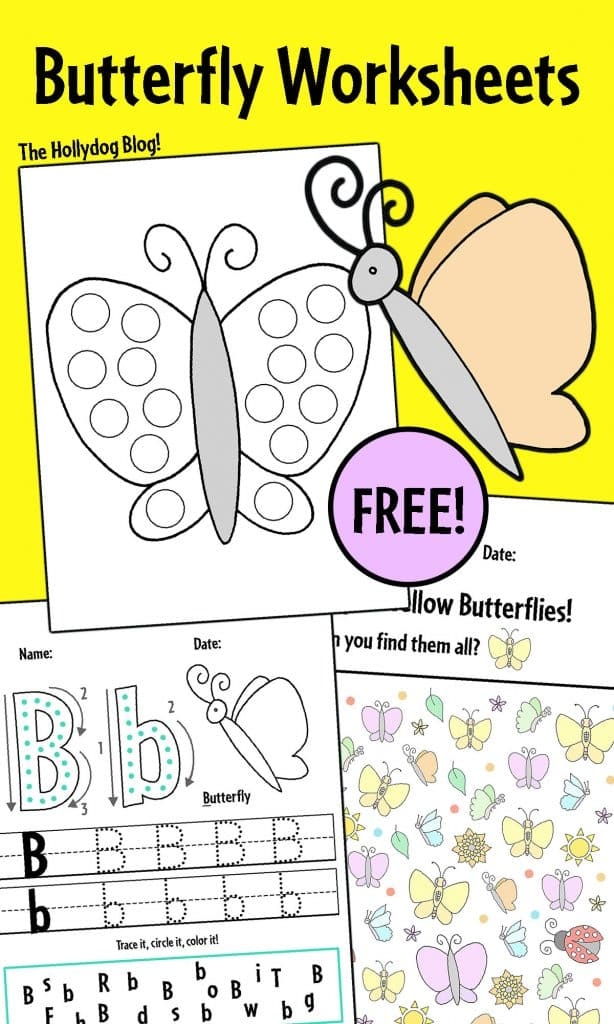
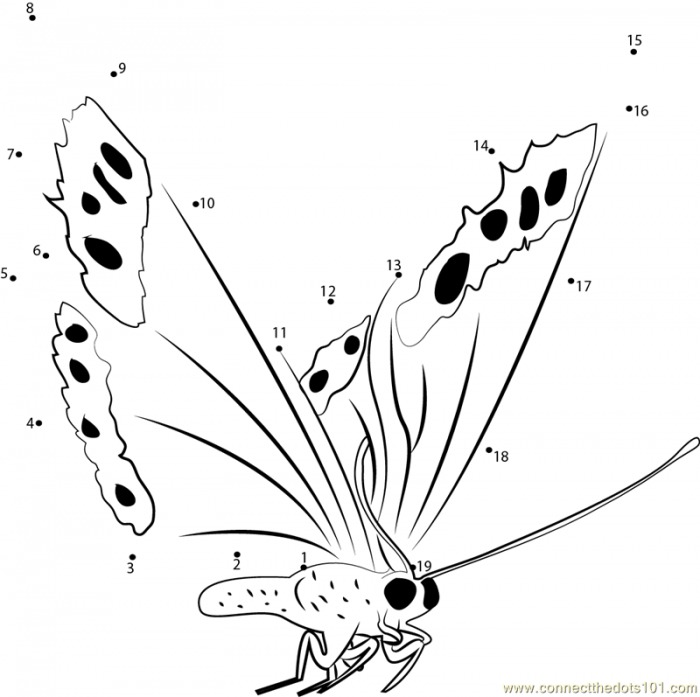
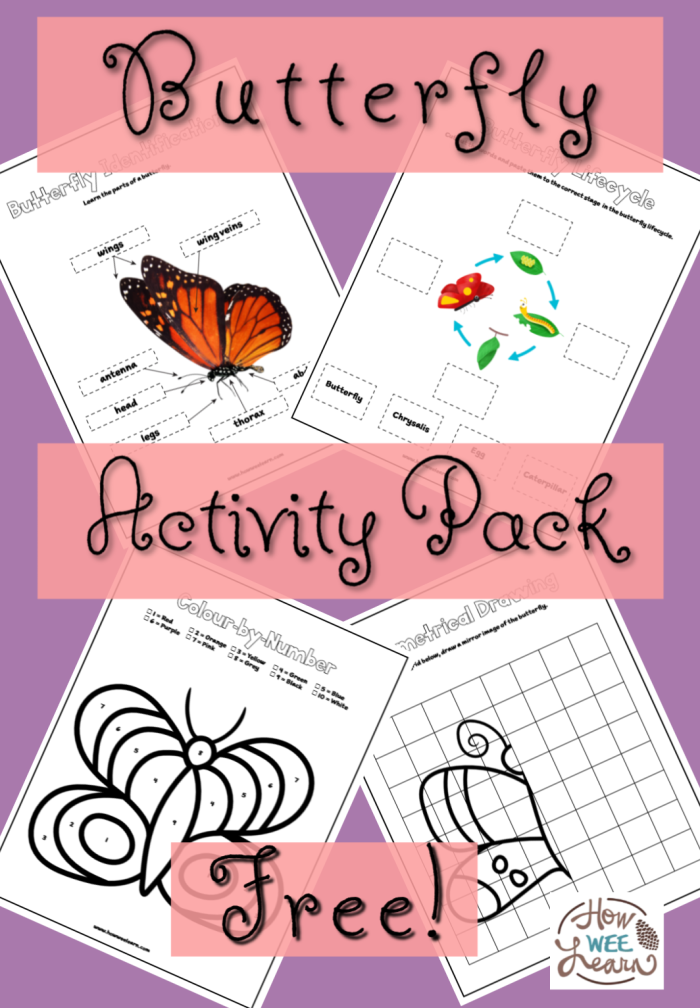
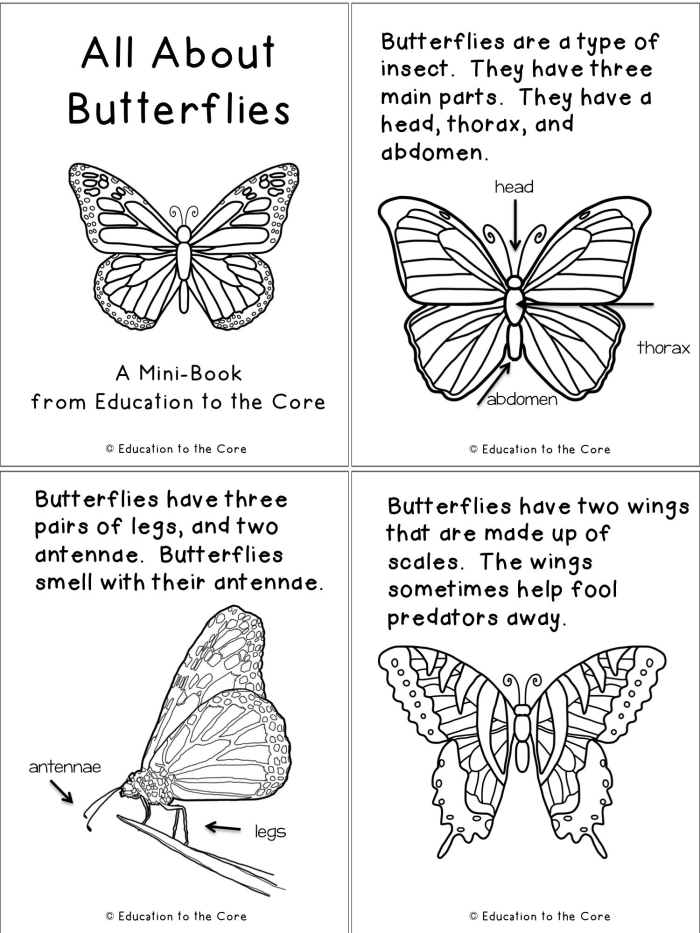
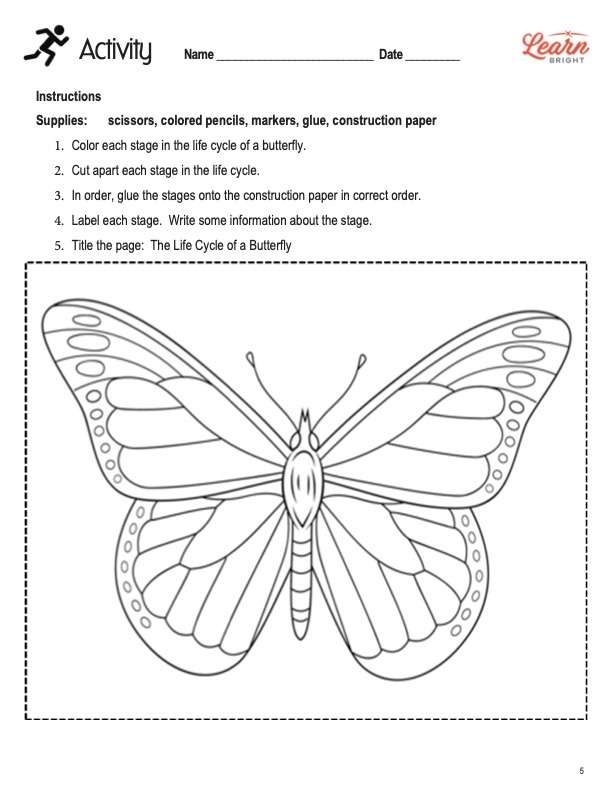
Tracing curved lines can be a delightful activity for young learners, especially when butterflies are involved. This engaging exercise helps children develop fine motor skills while introducing them to basic concepts in geometry. When kids trace the paths that butterflies follow, they not only enjoy the creative process but also learn about shapes and movement in a fun way.
Imagine a colorful worksheet filled with butterflies fluttering from left to right. As children use their crayons or pencils to trace the curved lines, they refine their hand-eye coordination. This skill is essential for tasks like writing and drawing. The act of following a line helps them understand spatial relationships, which is a fundamental aspect of geometry.
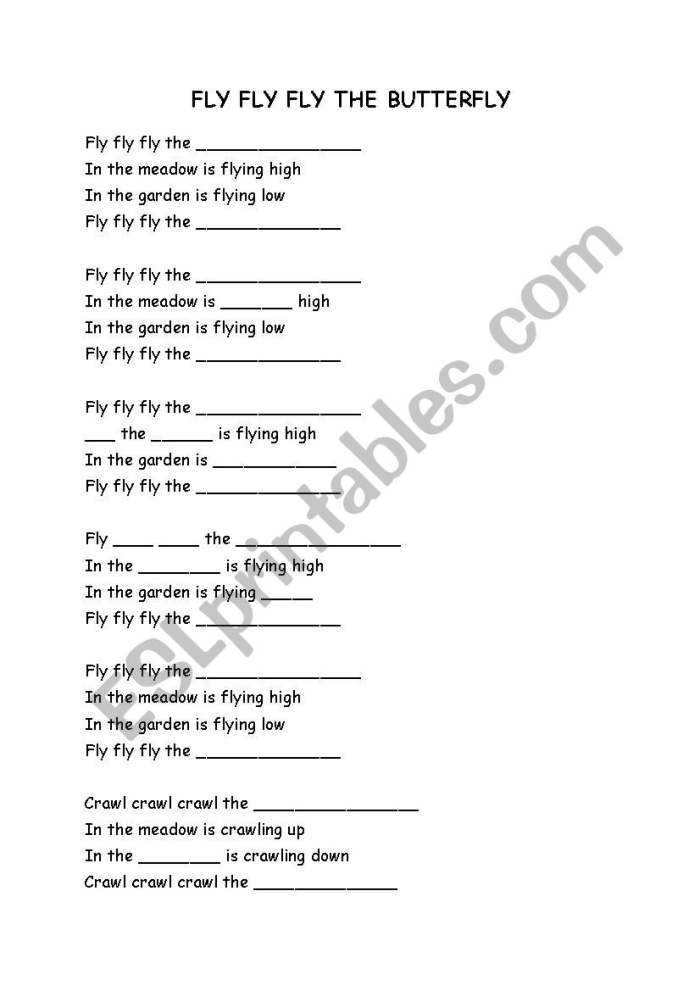
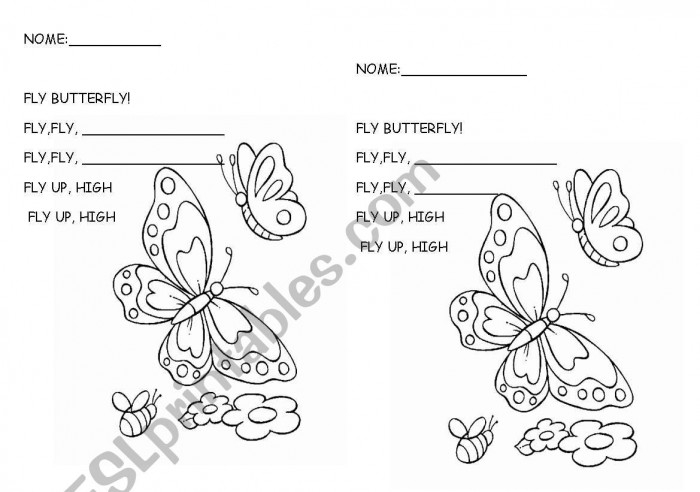
Moreover, incorporating butterflies into learning makes the experience captivating. Kids are naturally drawn to these vibrant creatures, and by connecting the activity to something they love, their motivation increases. For instance, worksheets like Fly, Butterfly, Fly! offer a creative way to practice these skills while reinforcing geometric concepts in a playful manner.
As they trace, children can also be encouraged to observe the patterns and shapes that emerge. Discussing the curves and angles they encounter promotes language development and critical thinking. A simple question like, “What shape does this line remind you of?” can spark curiosity and conversation.
In Pre-K, these activities lay a solid foundation for future learning. Engaging in tasks that combine art and education not only enhances cognitive skills but also nurtures a love for learning. By helping the butterflies fly across the page, children are not just playing; they are building essential skills that will serve them well as they progress through their educational journey.
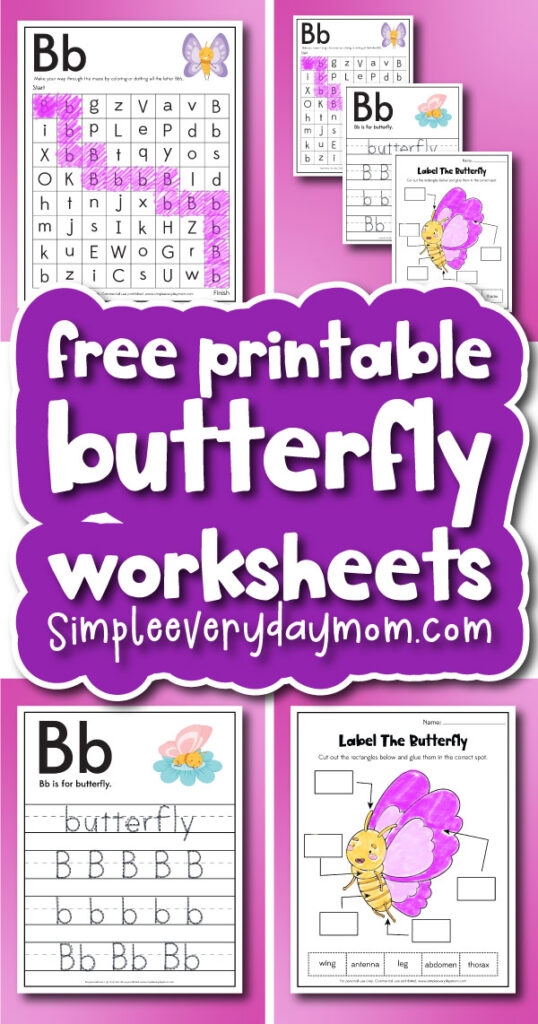
Grab These Worksheets Now