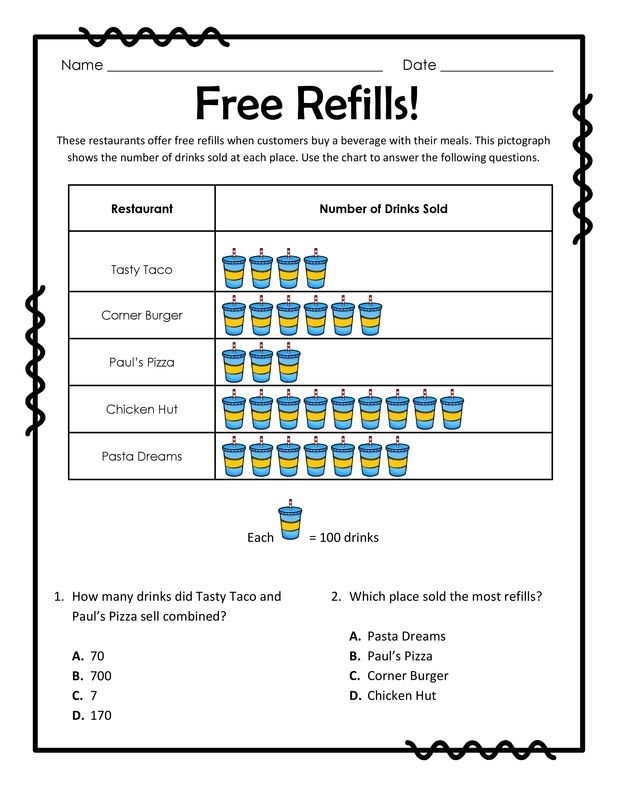
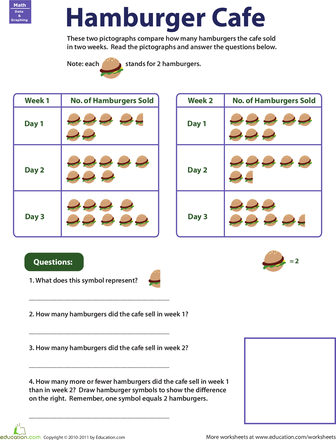
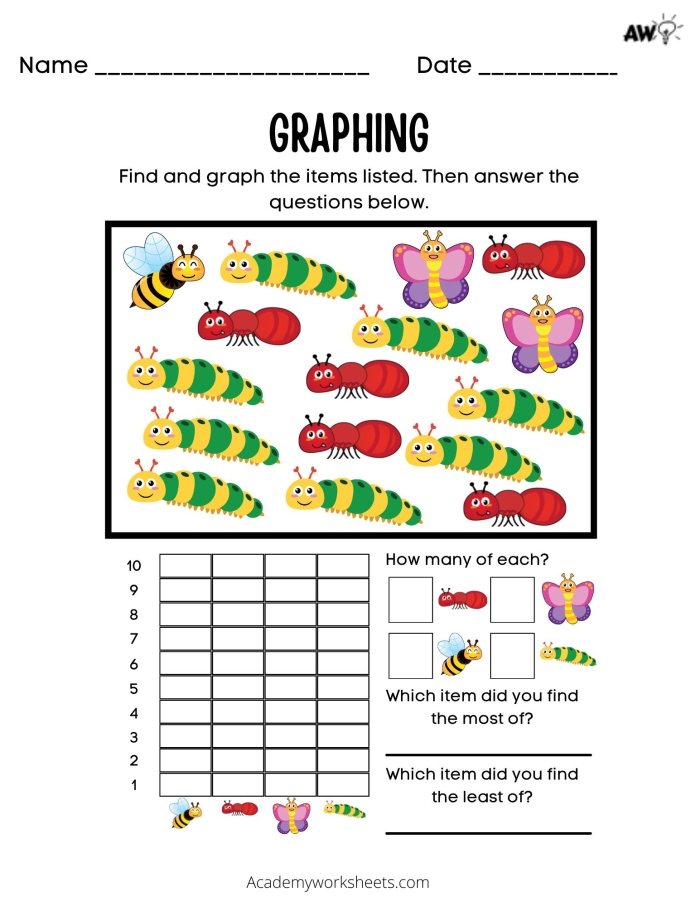
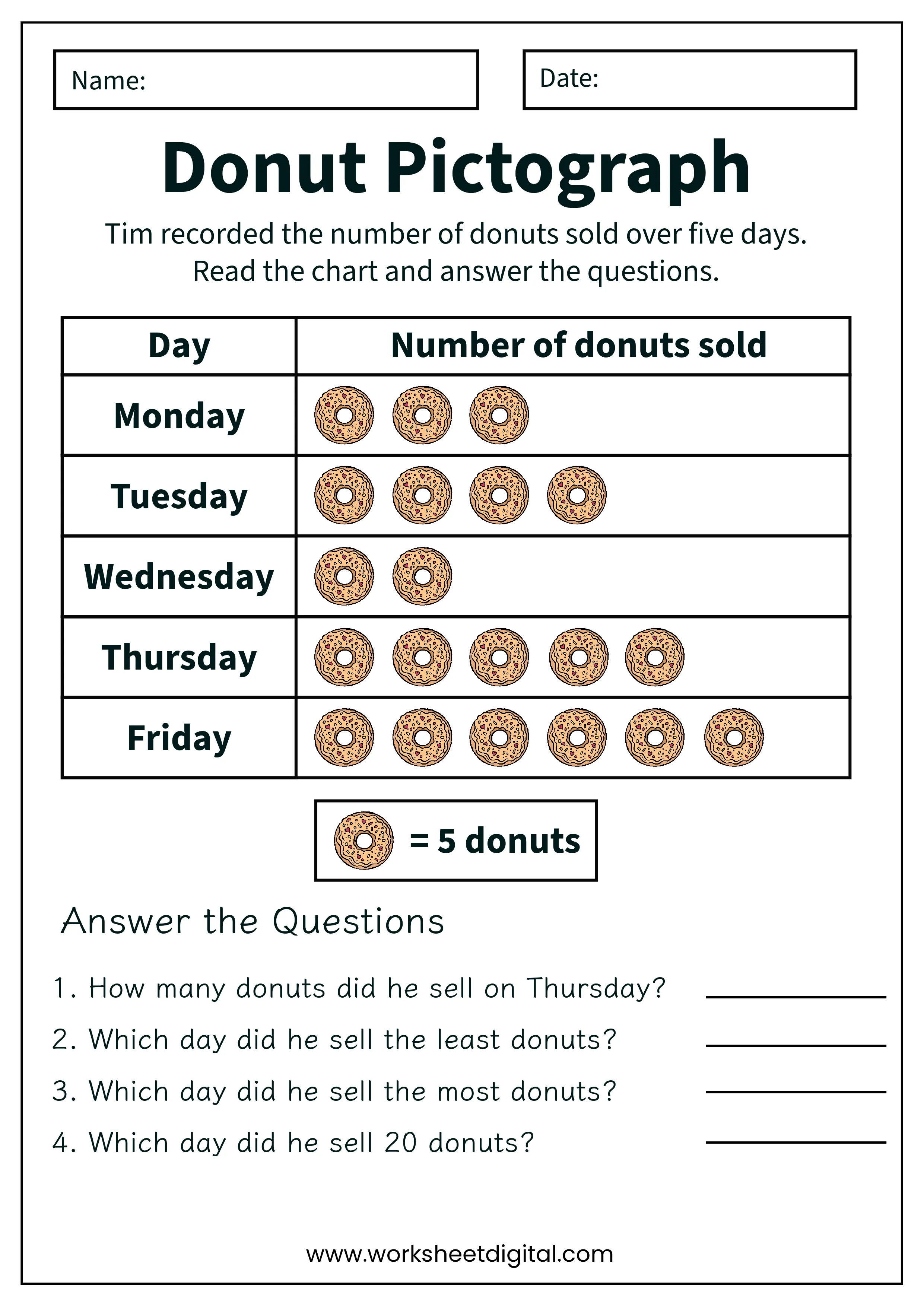
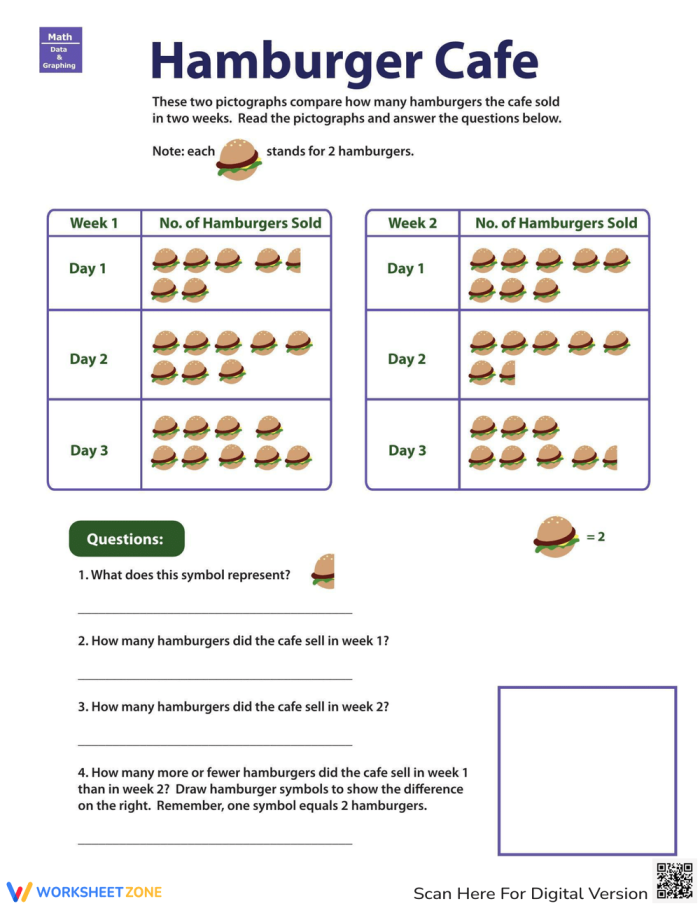
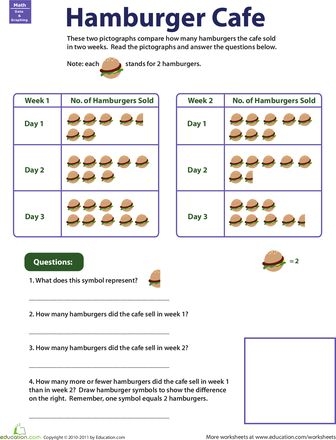
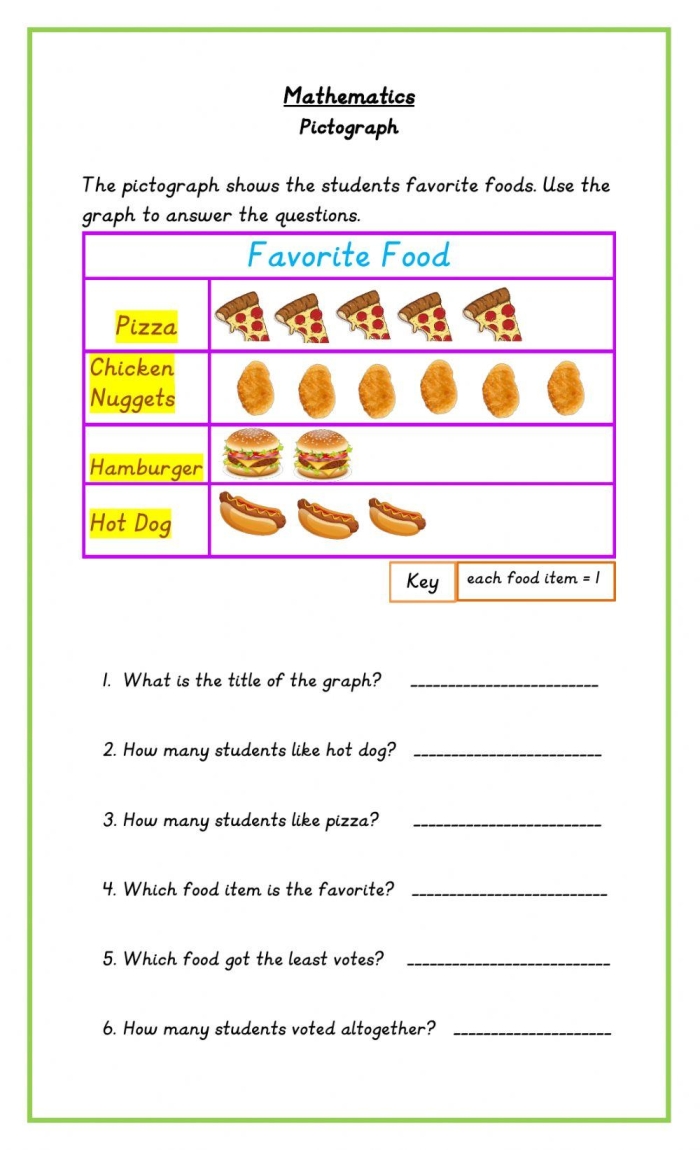
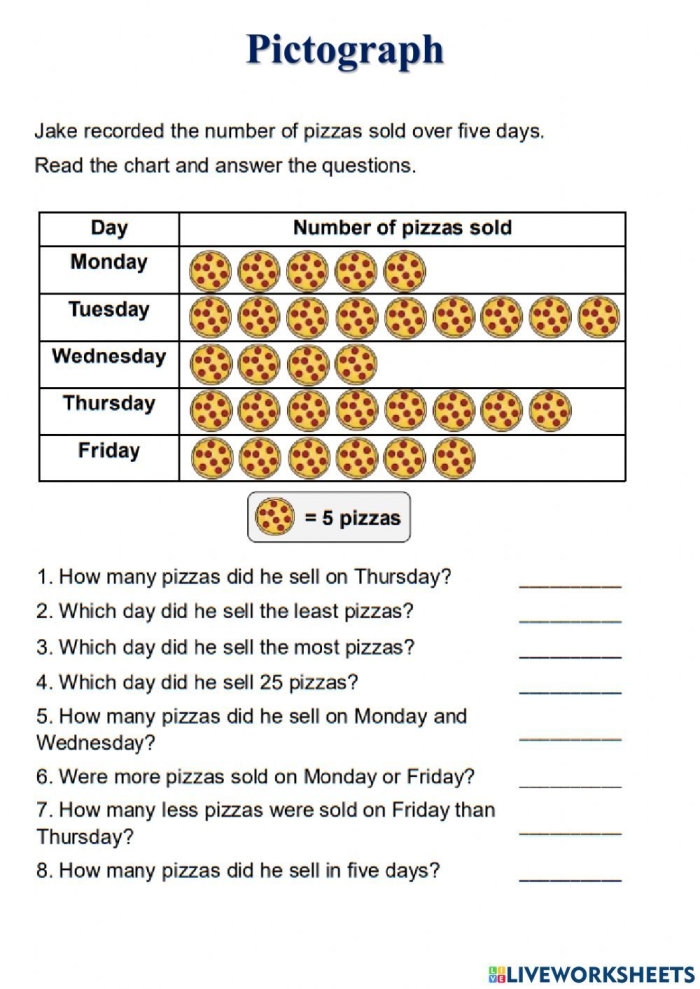
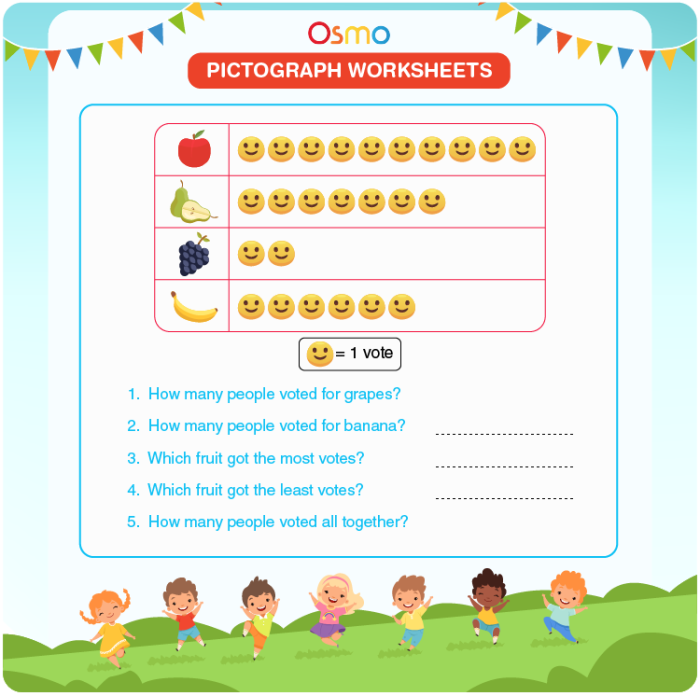
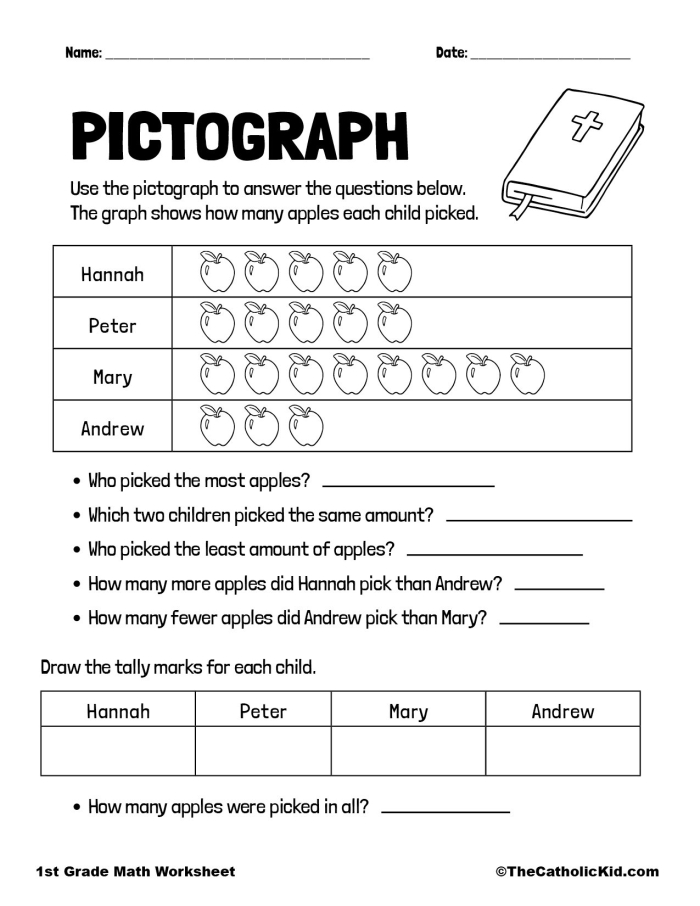
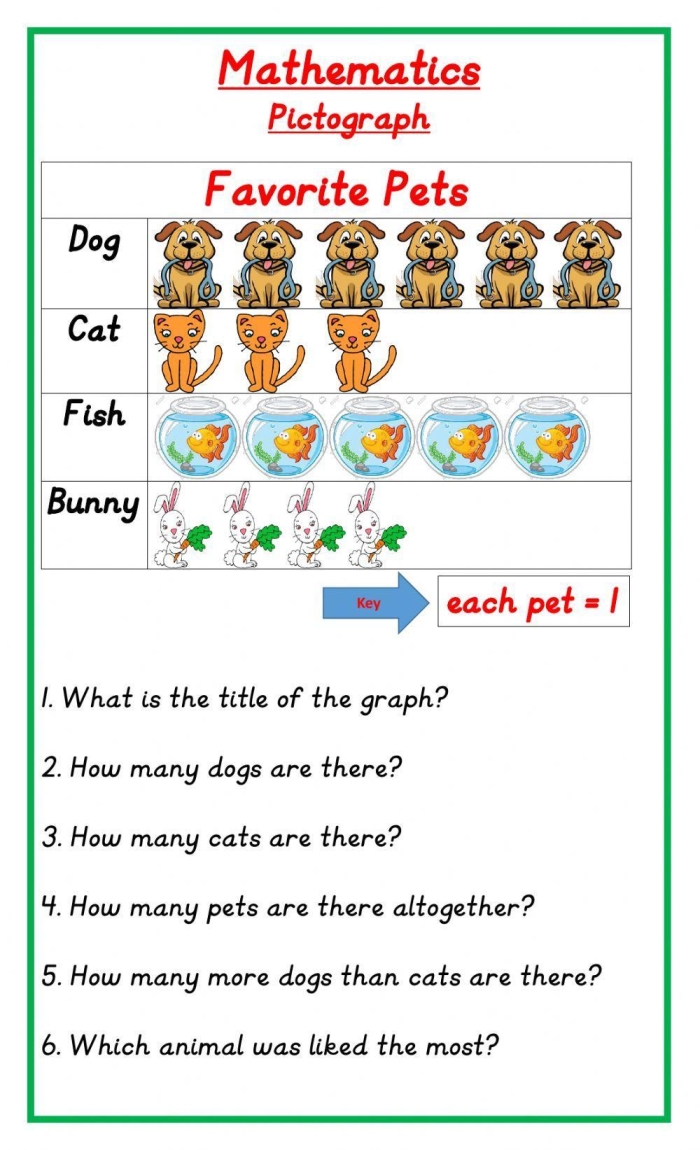
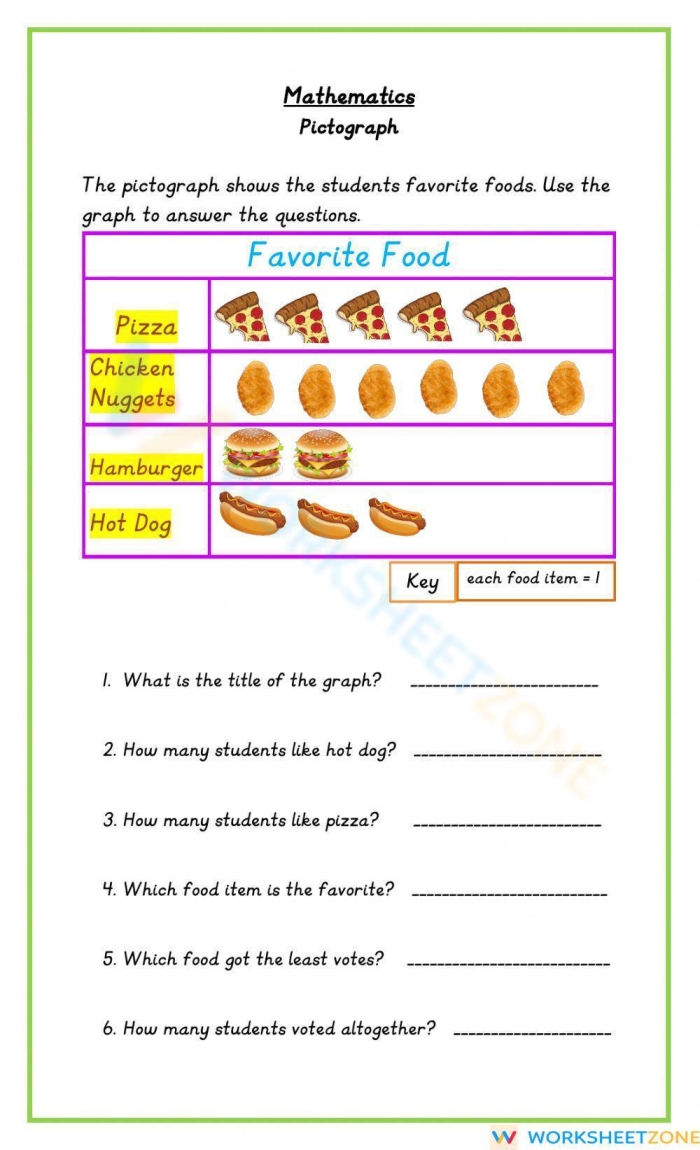
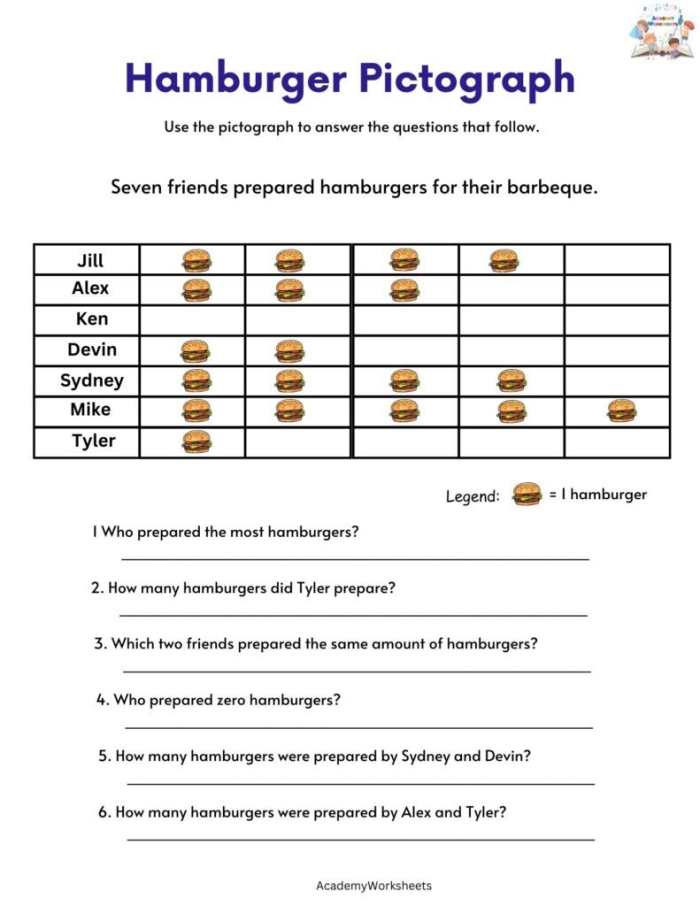
Pictographs serve as an excellent introduction to working with data and graphs, especially for second graders. These visual representations make data accessible and engaging for young learners. One practical application can be found in a fun classroom activity where kids help a local hamburger cafe compare the number of hamburgers sold using pictographs. This hands-on approach not only makes learning enjoyable but also reinforces essential math skills.
When students create pictographs, they learn to represent quantities through simple images, such as drawing a hamburger icon for each burger sold. This method allows them to visualize the data rather than just seeing numbers on a page. For instance, if the cafe sold 10 hamburgers on Monday and 15 on Tuesday, children can quickly compare these quantities by counting the drawings. This type of activity promotes critical thinking and helps develop their understanding of data representation.
Using pictographs also offers opportunities to integrate other subjects. Students can discuss how different days might have influenced hamburger sales, such as special promotions or weather conditions. They can analyze why some days might have higher sales, fostering both math skills and observational abilities. Additionally, they can explore concepts like addition and subtraction as they tally totals and analyze differences between days.
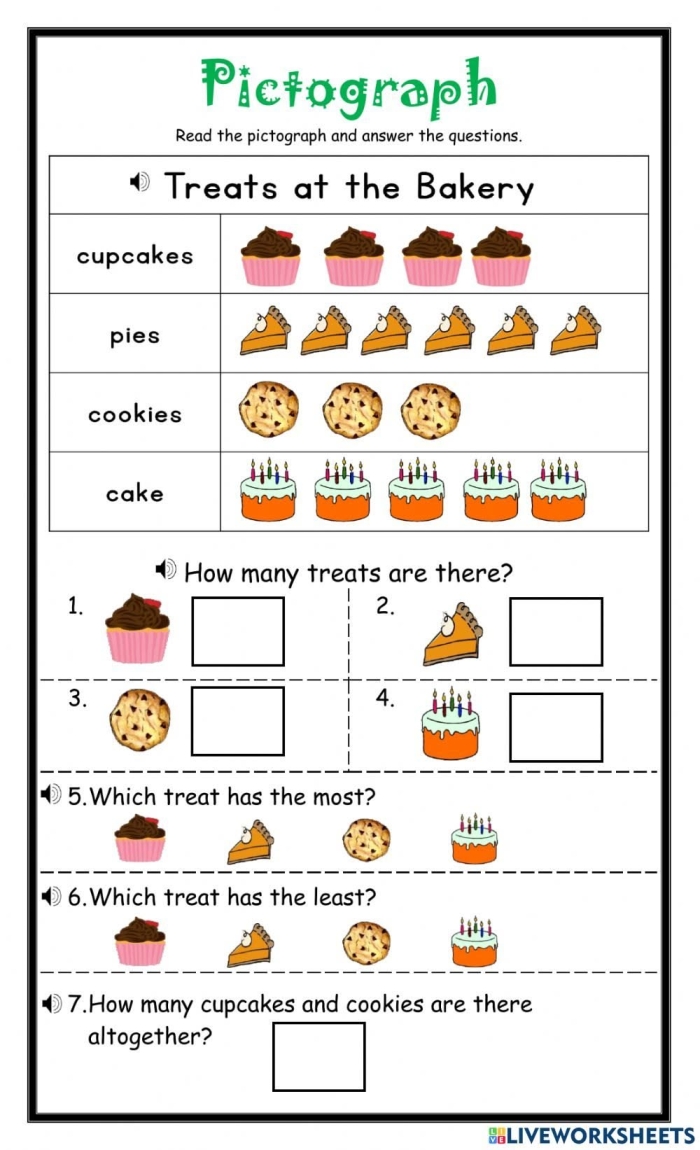
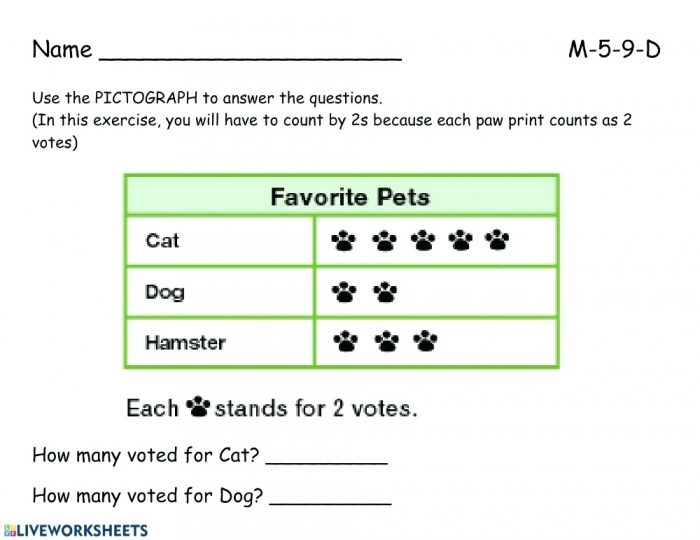
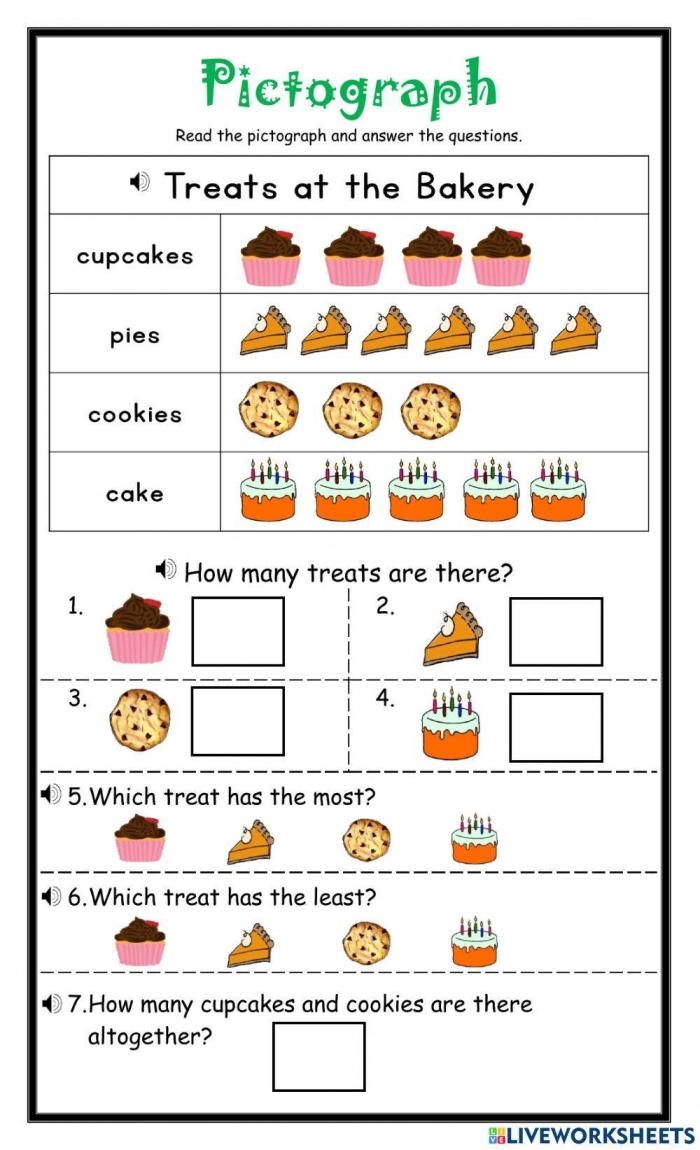
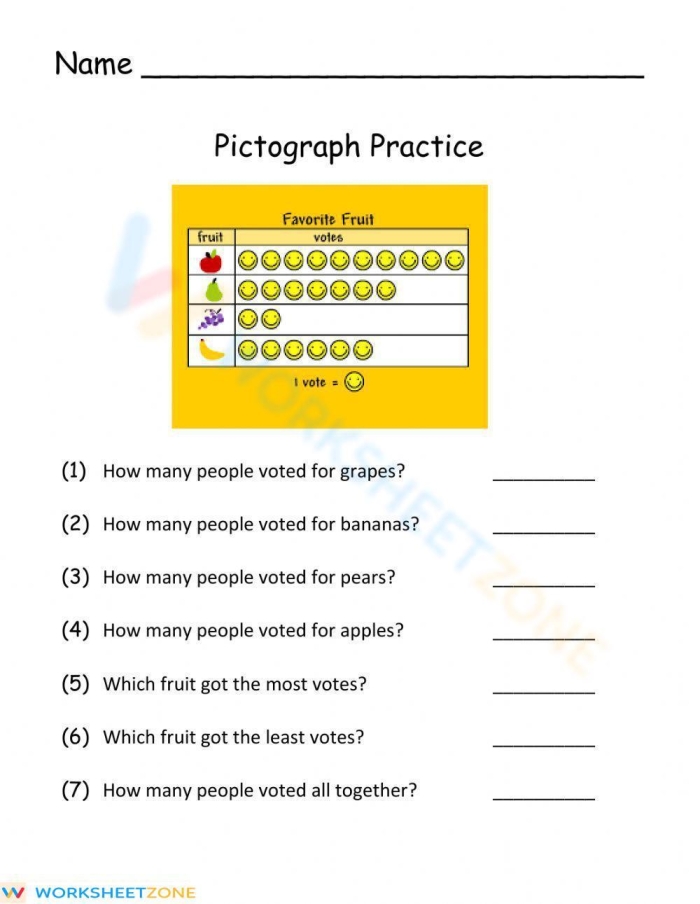
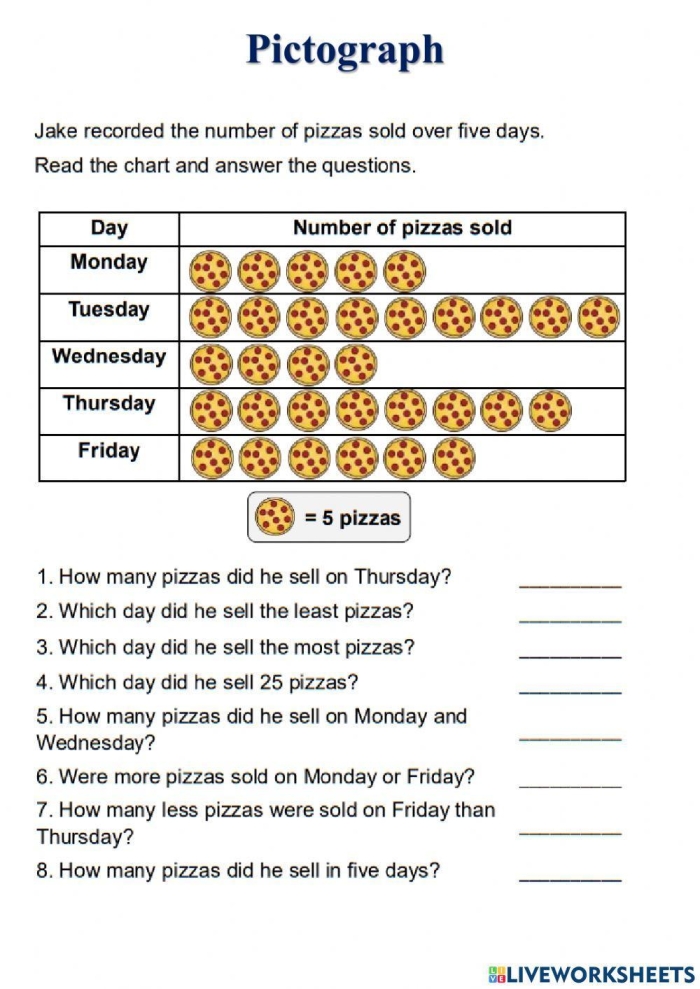
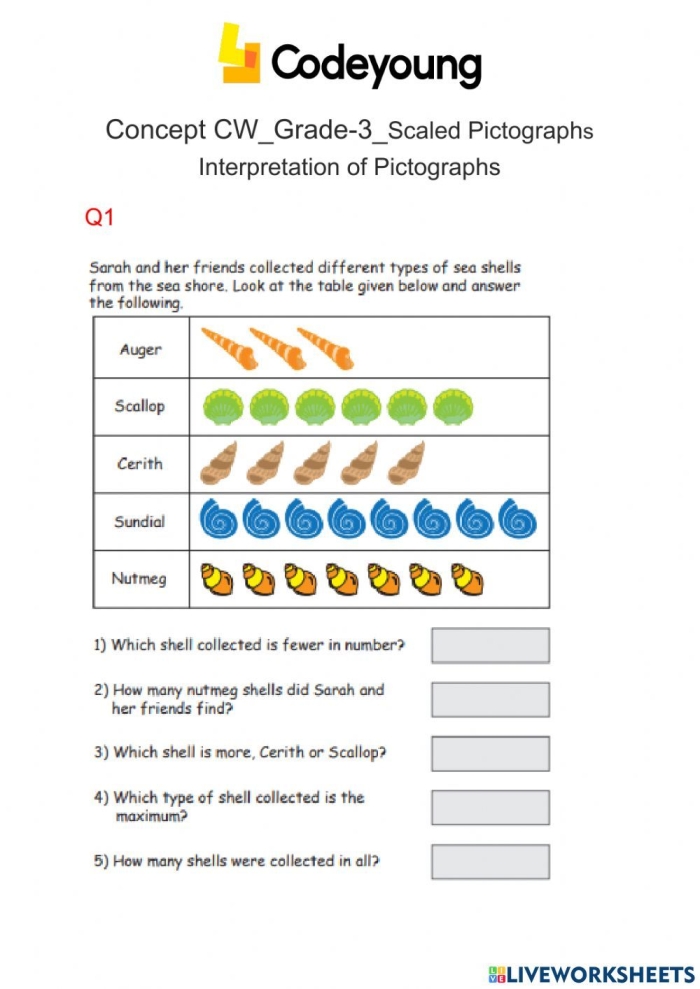
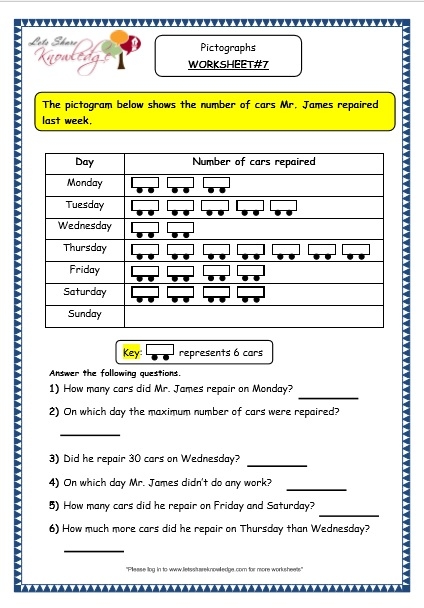
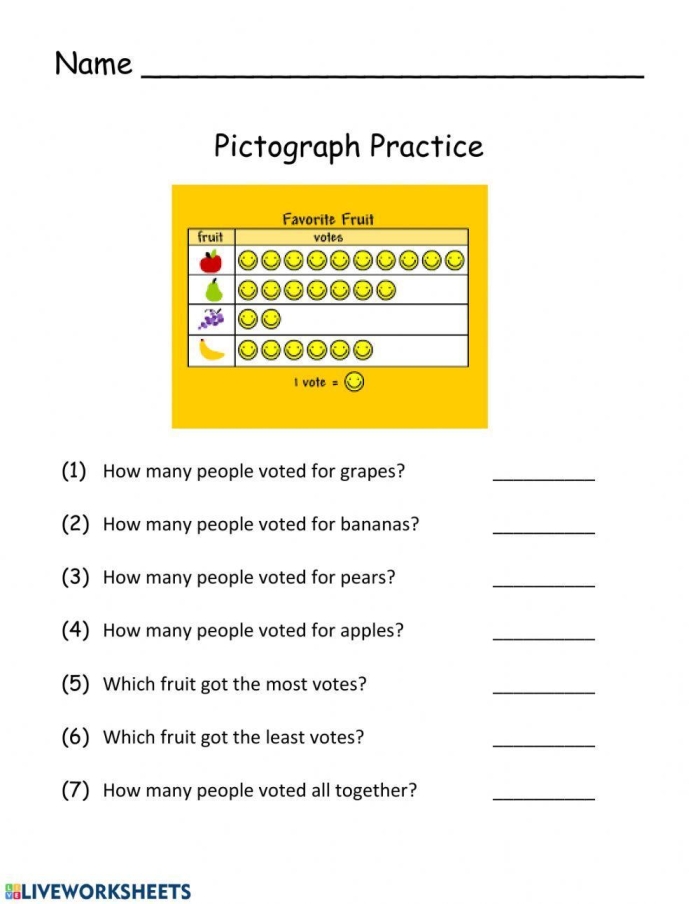
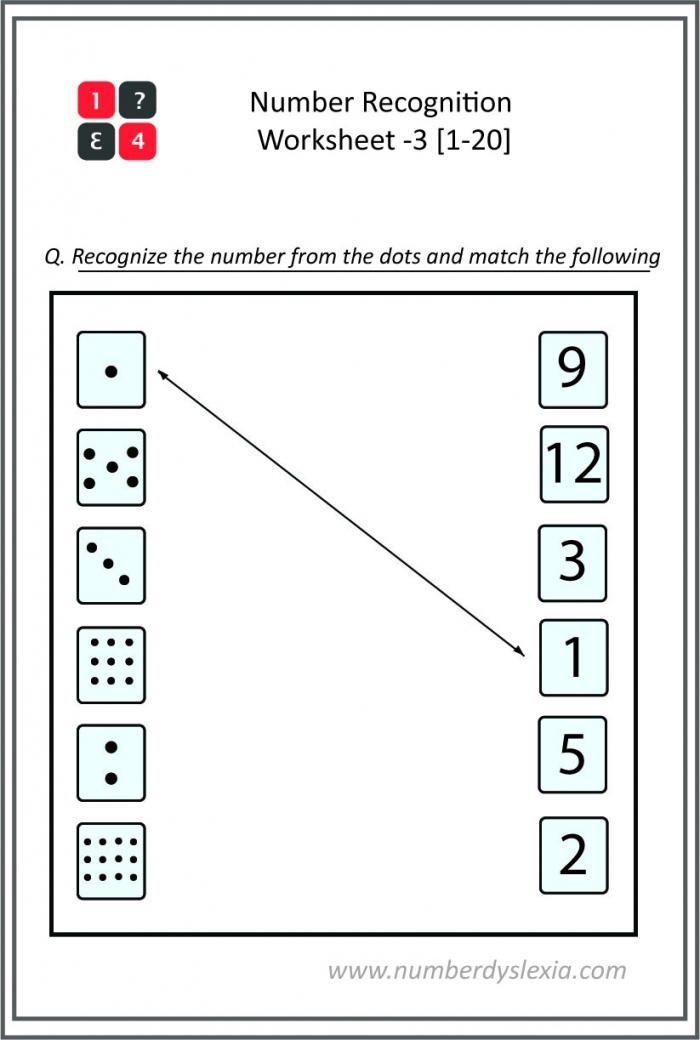
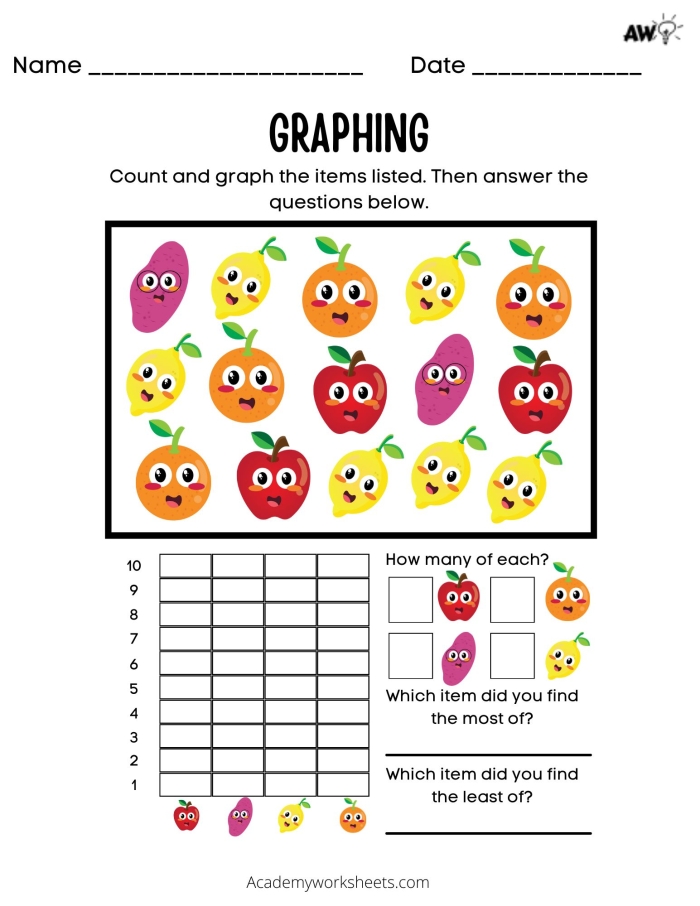
Educators can easily find resources to support this learning, such as printable pictograph practice worksheets tailored for second grade. These worksheets provide structured activities that reinforce the concepts taught in class, making it easier for kids to practice at home. For example, worksheets like those on homework planning or sentence completion can complement their learning experience.
Ultimately, introducing pictographs in such a relatable context as hamburgers not only captivates students but also lays a solid foundation for their future studies in data and graphs. By working with real-world examples, children can appreciate the relevance of math in everyday situations.
Hands-On Worksheet Activities