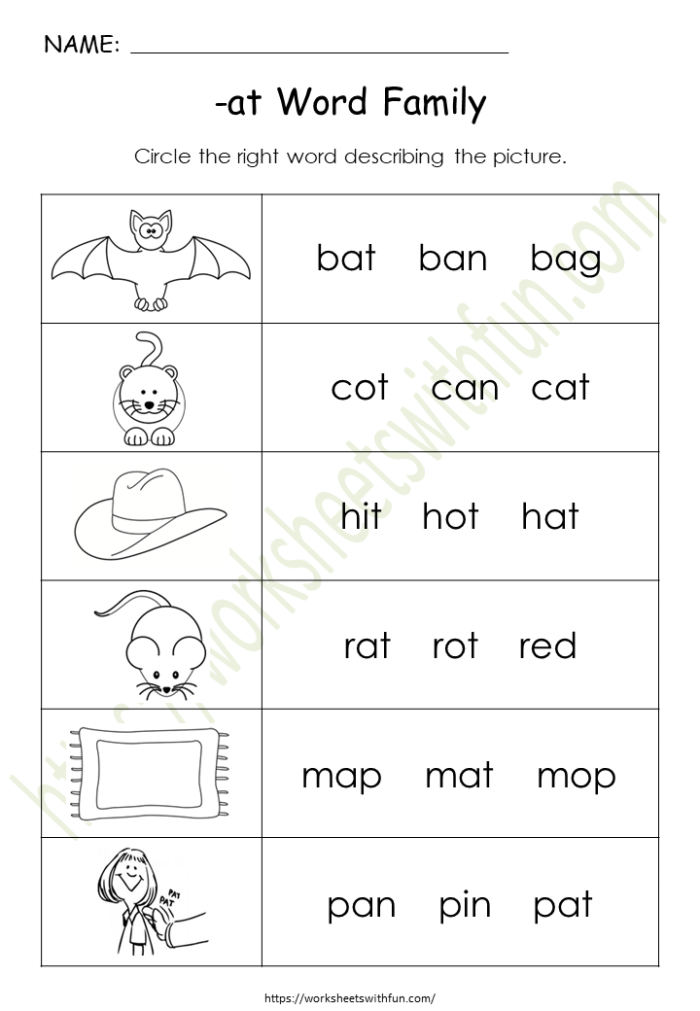
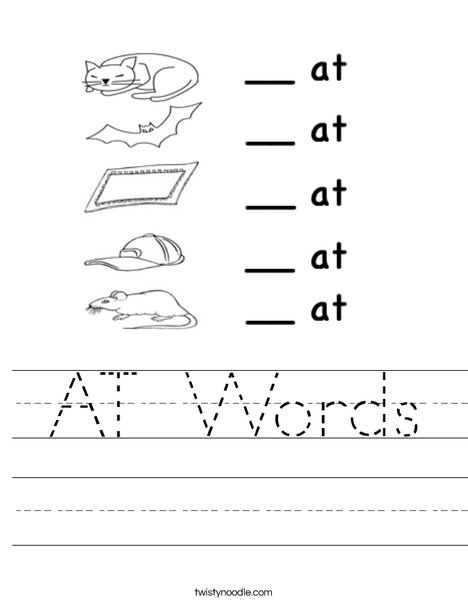
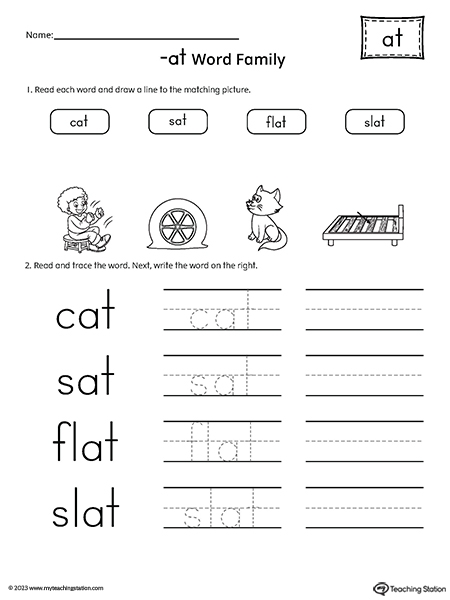
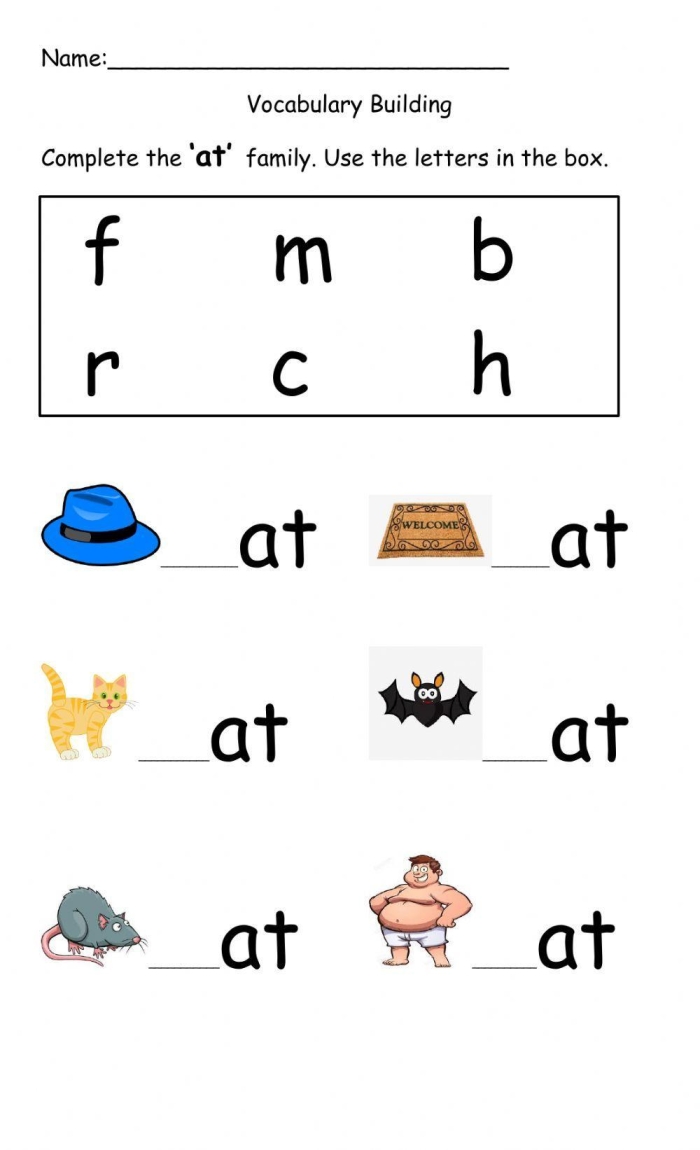
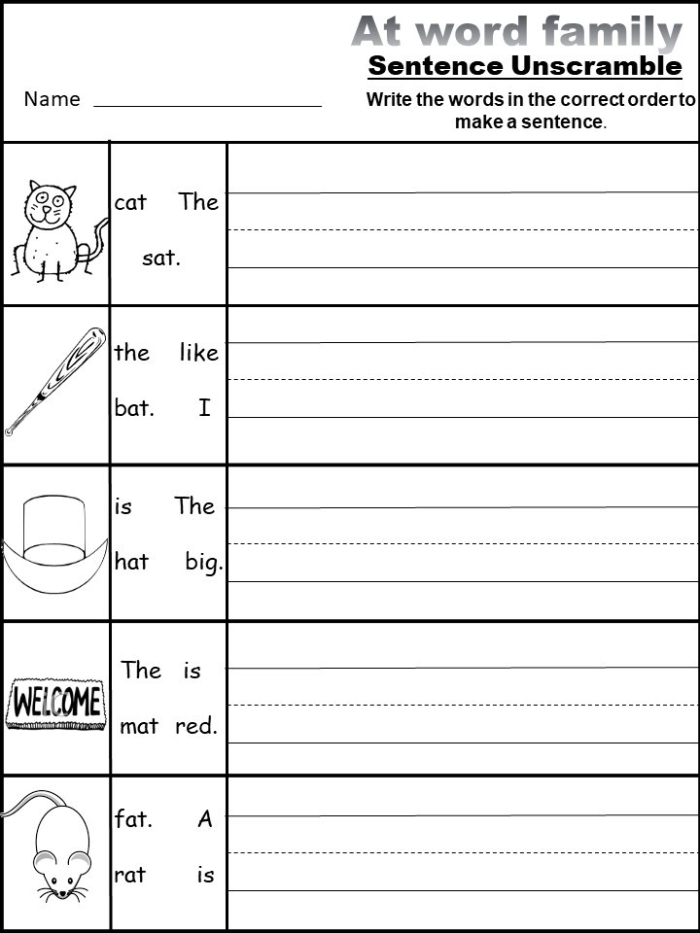
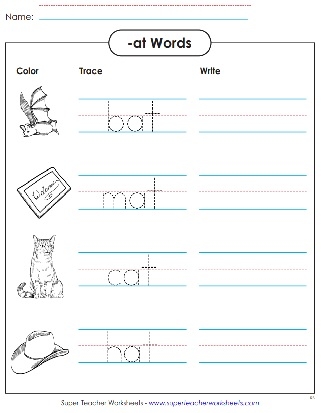
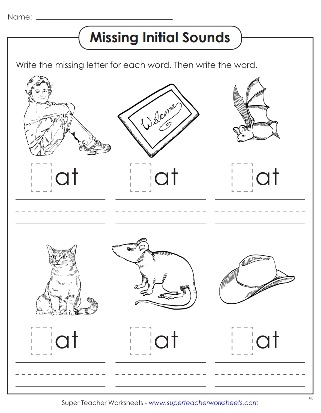
Hat. Cat. Bat. These simple words are not just playful and fun; they embody a crucial aspect of early reading development known as “at” words. Understanding how to piece together these word families can significantly boost a child’s literacy skills, particularly in Pre-K settings.
Word families are groups of words that share a common phonetic ending. In the case of “at” words, children can easily learn to read and spell by recognizing the pattern. When kids learn that “cat” and “bat” share the same ending, they can quickly apply that knowledge to decode other similar words. This phonetic awareness lays a strong foundation for their reading journey.
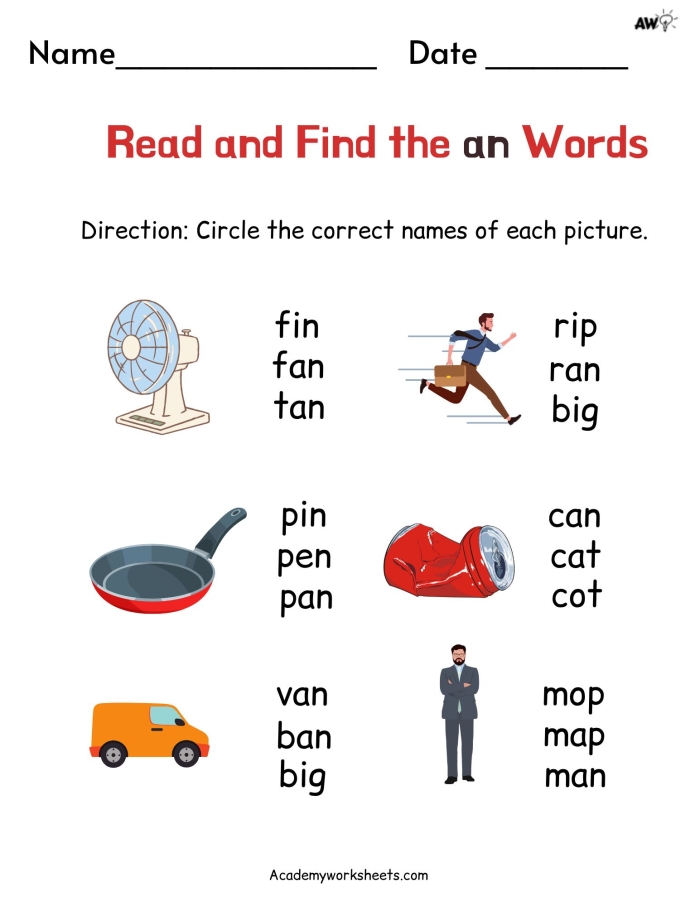
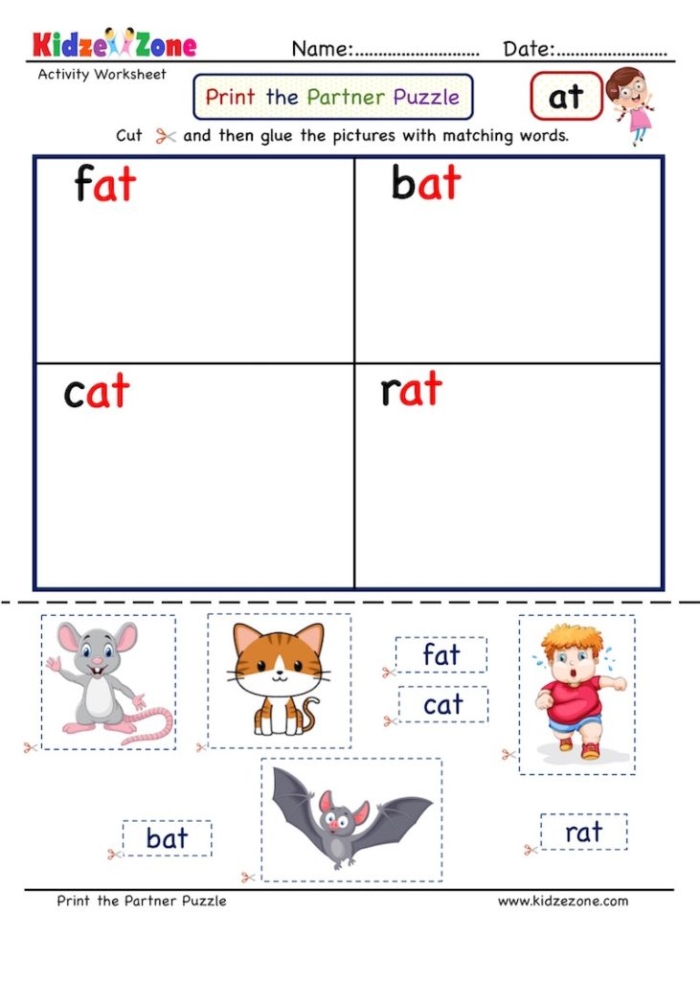
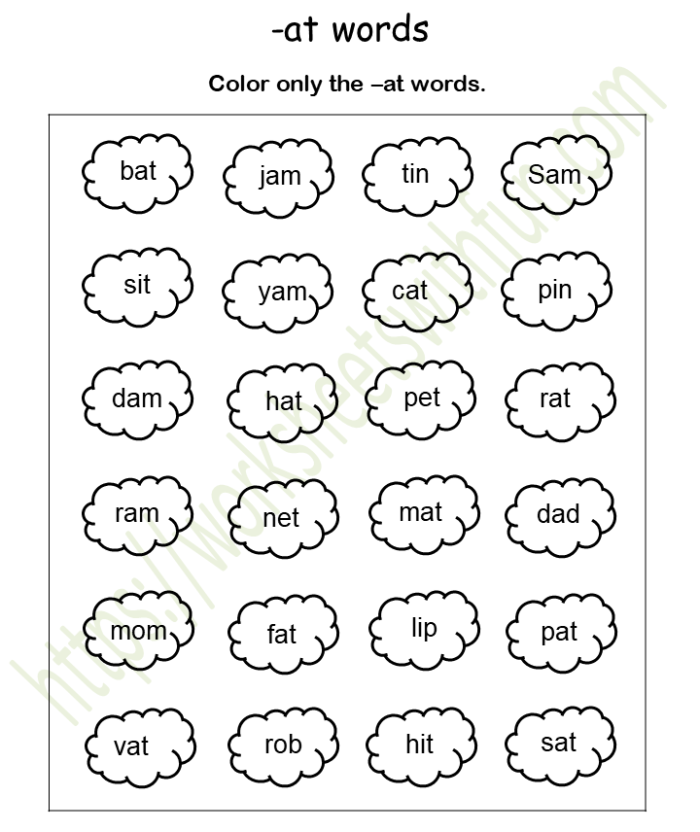
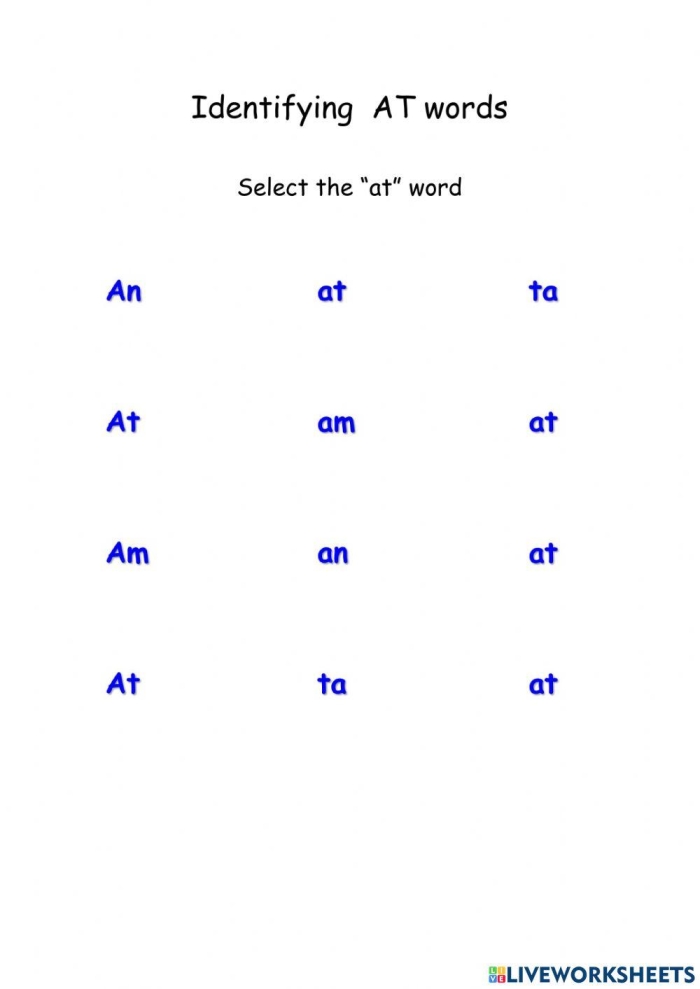
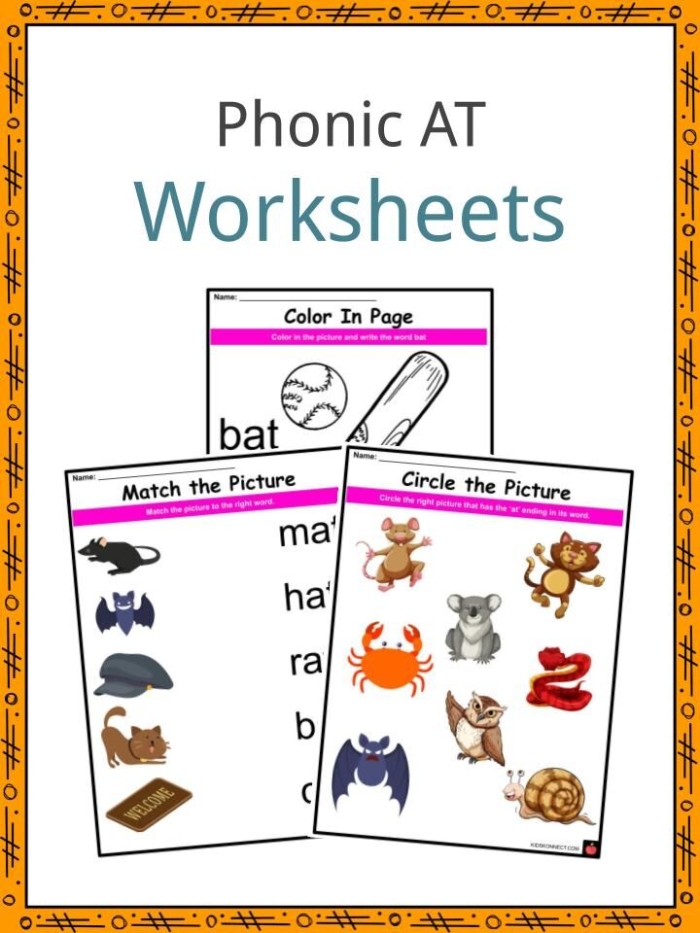
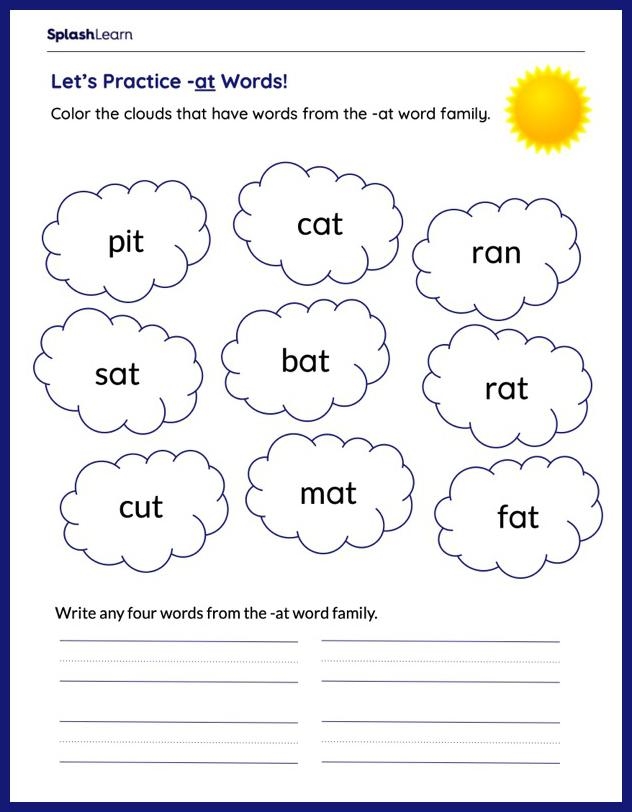
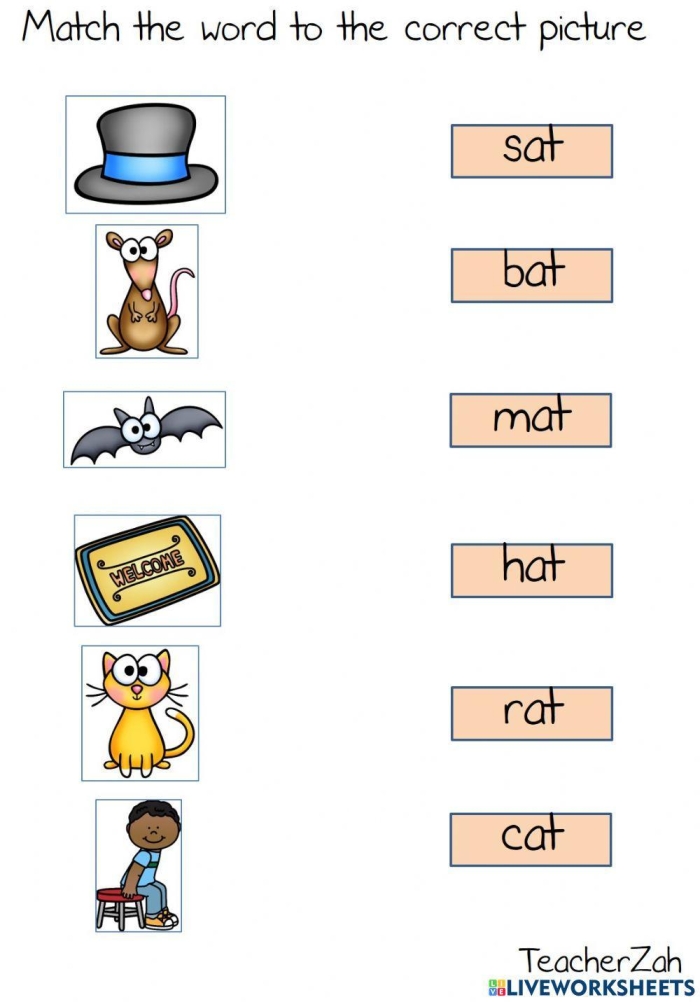
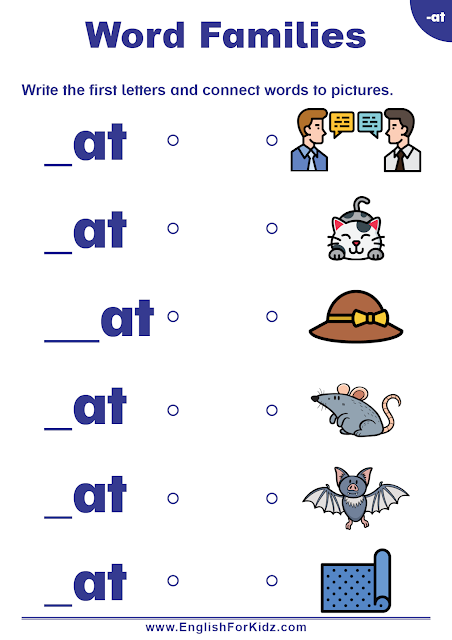
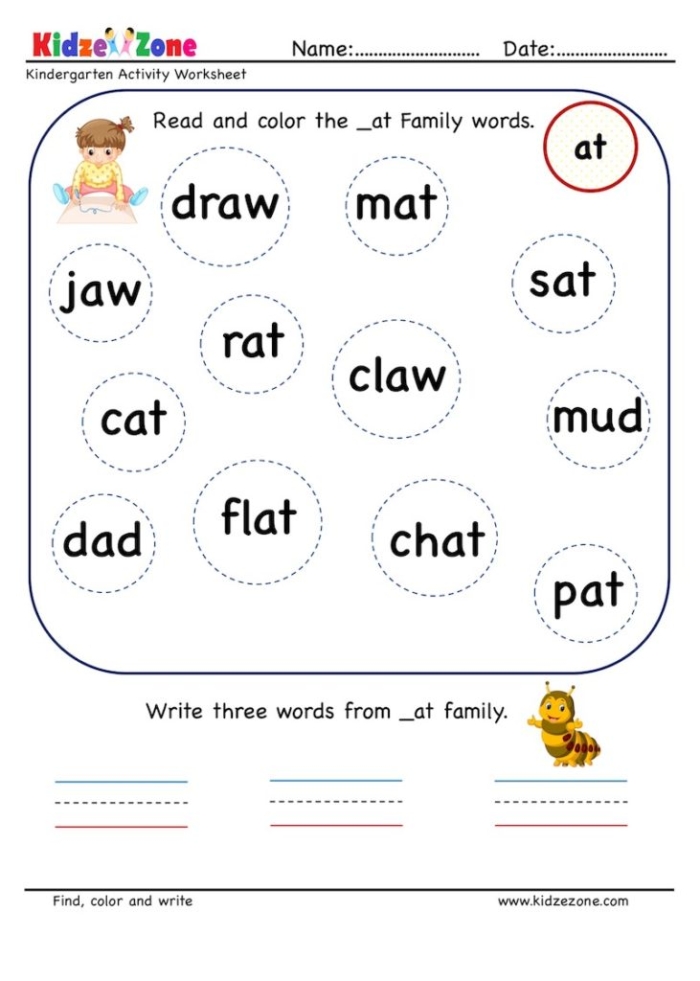
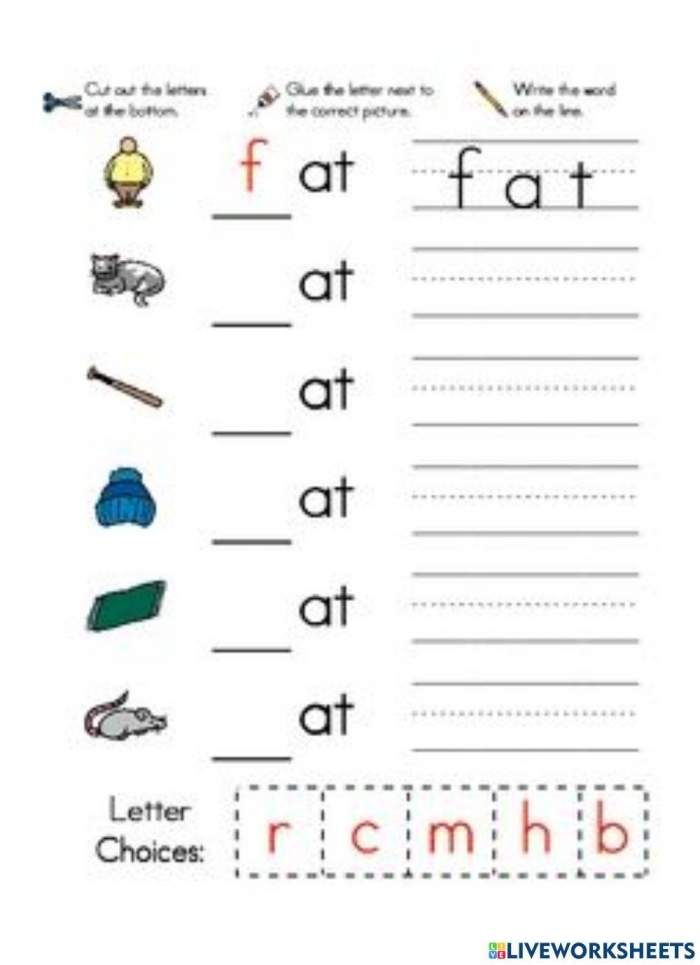
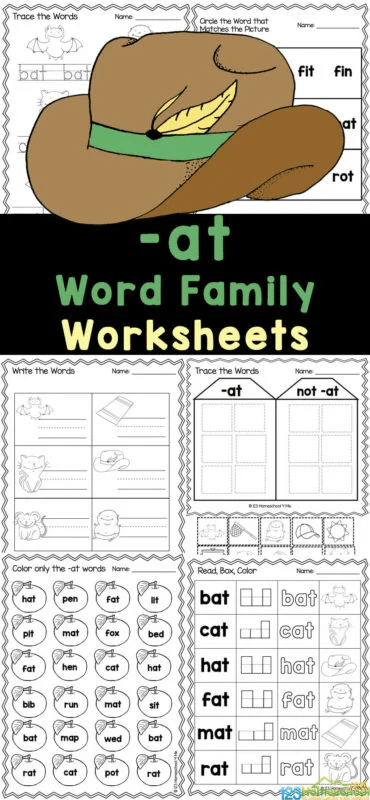
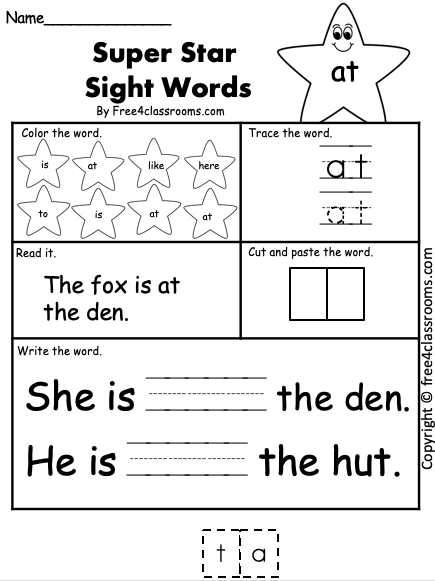
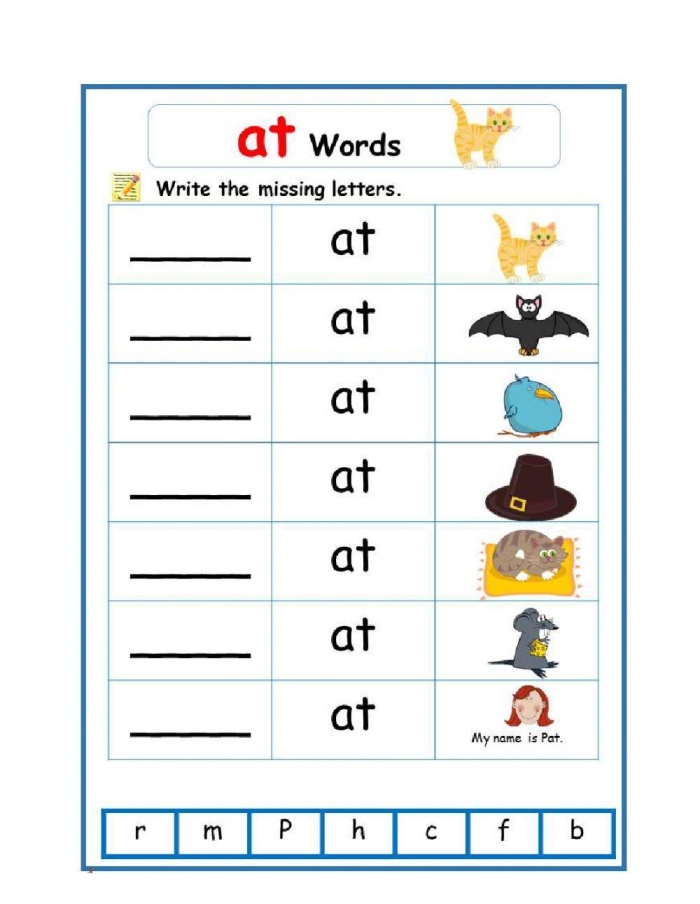
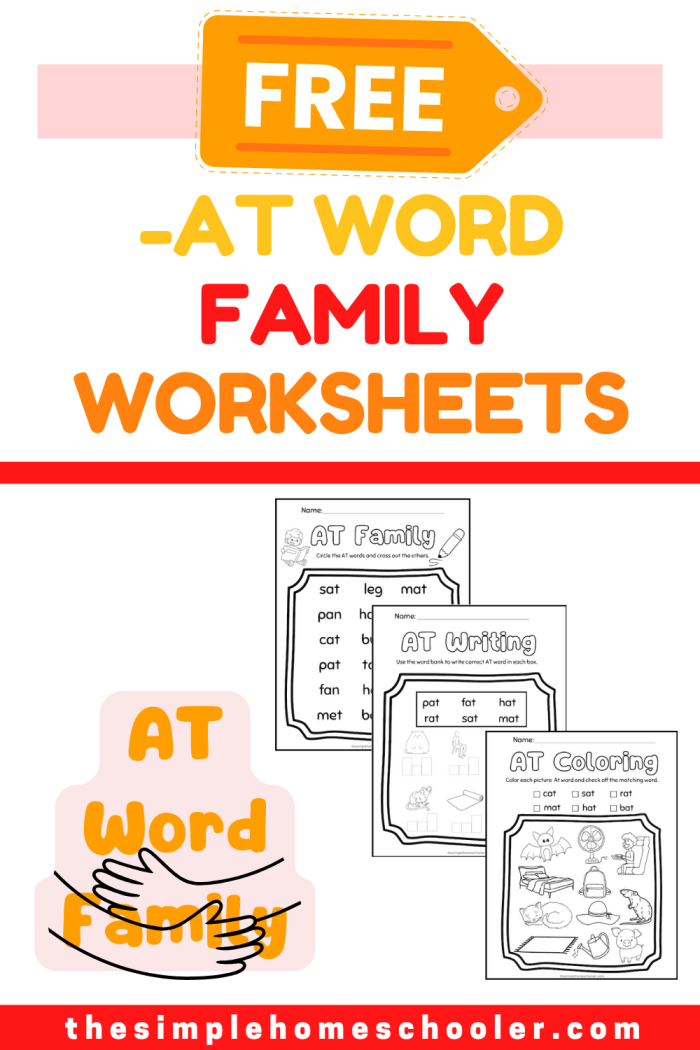
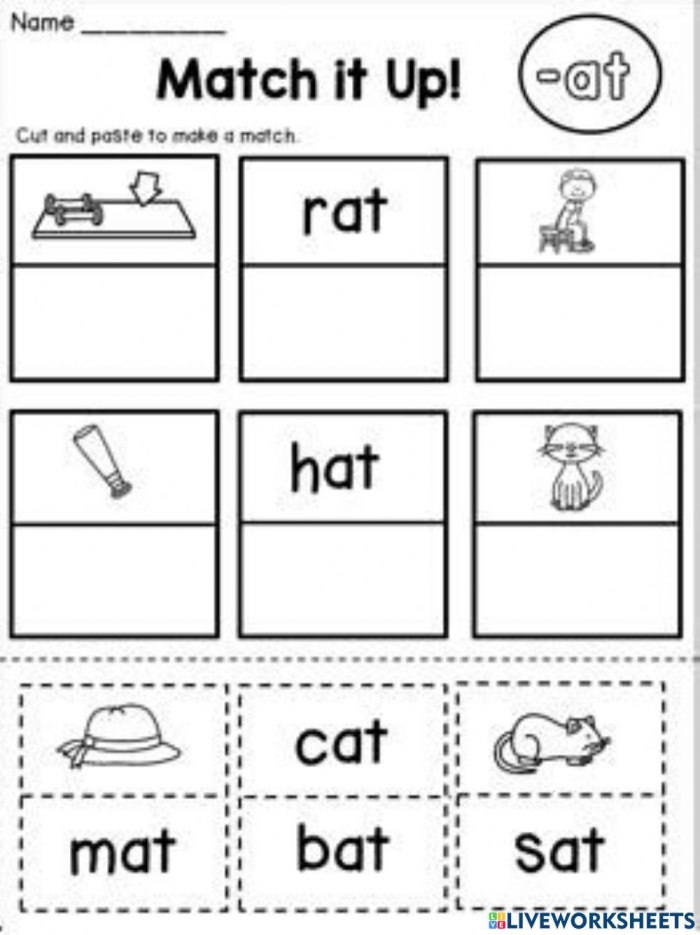
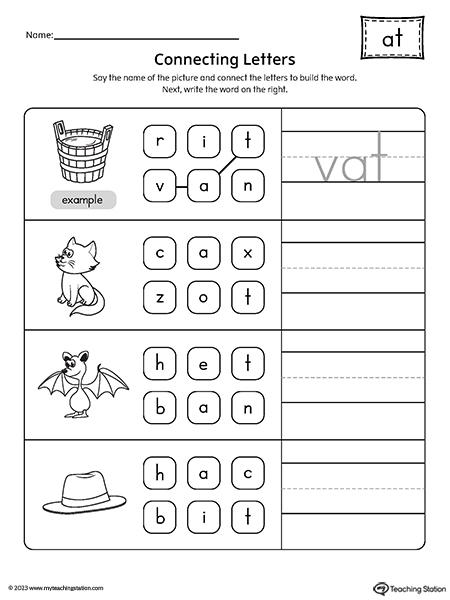
Incorporating “at” words into early learning activities is both enjoyable and educational. For example, reading a short story that features these words helps children connect sounds to meanings. You can enhance this experience by using printable “at” words worksheets which are designed specifically for Pre-K learners. These worksheets encourage children to practice writing and identifying “at” words in an engaging way.
Another fun activity involves creating a rhyme or song using “at” words. For instance, a simple rhyme about a cat wearing a hat can capture a child’s imagination and reinforce their learning through repetition. Such playful methods not only make learning enjoyable but also effective. Teachers and parents can find additional resources like I Spy letter worksheets or games that help reinforce these skills.
As children encounter more “at” words, they gain confidence in their reading abilities. This mastery can motivate them to explore other word families, expanding their vocabulary and comprehension. The journey of learning to read begins with these small yet significant building blocks.
Practice with These Worksheets