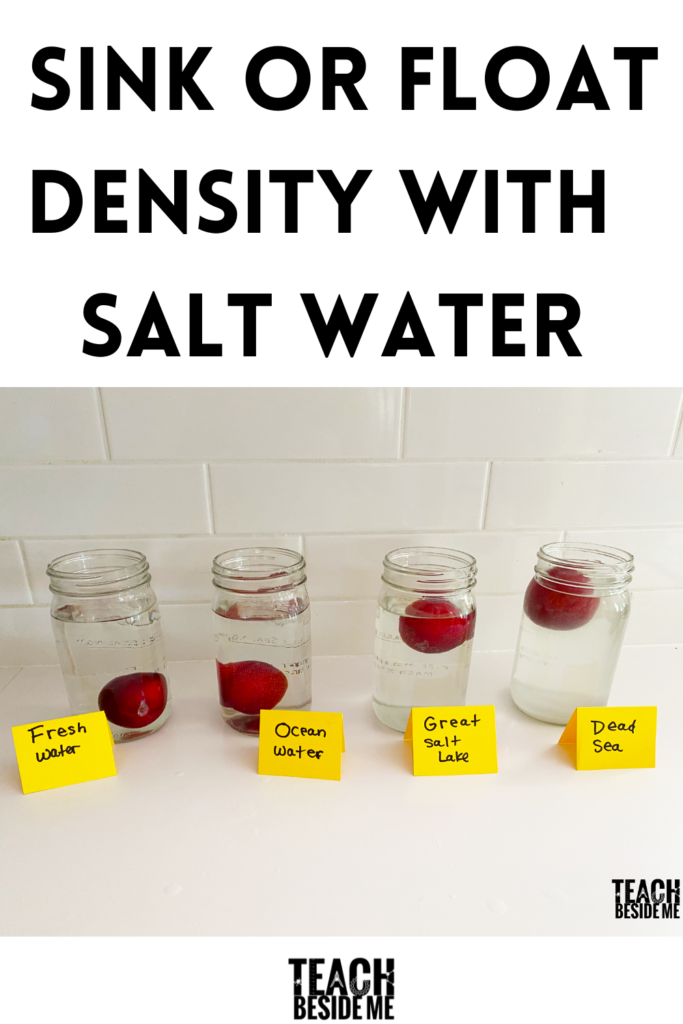
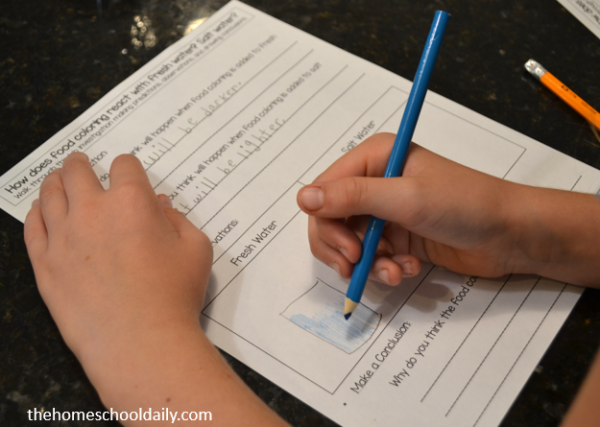
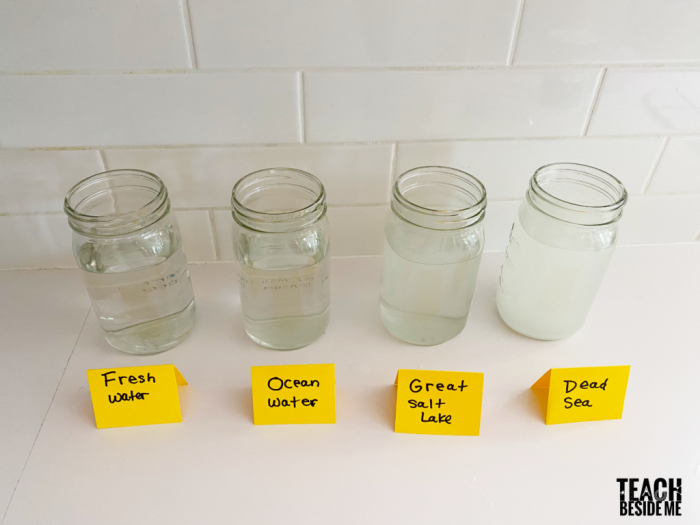
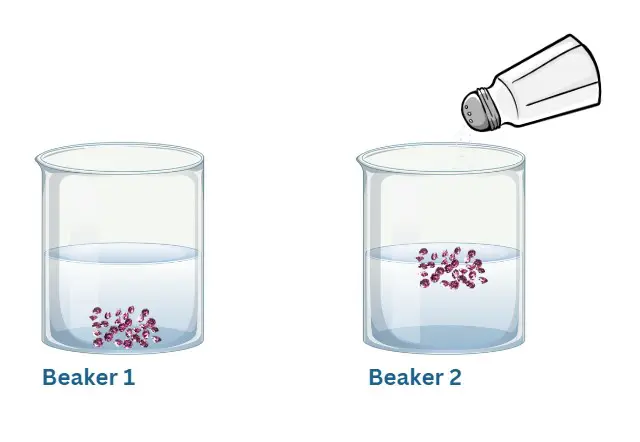
Understanding the density of salt water opens a fascinating door to the world of science for budding scientists. This simple yet captivating experiment using food coloring, salt water, and fresh water illustrates how different liquids interact based on their densities. It’s a hands-on way to grasp fundamental scientific principles while having fun.
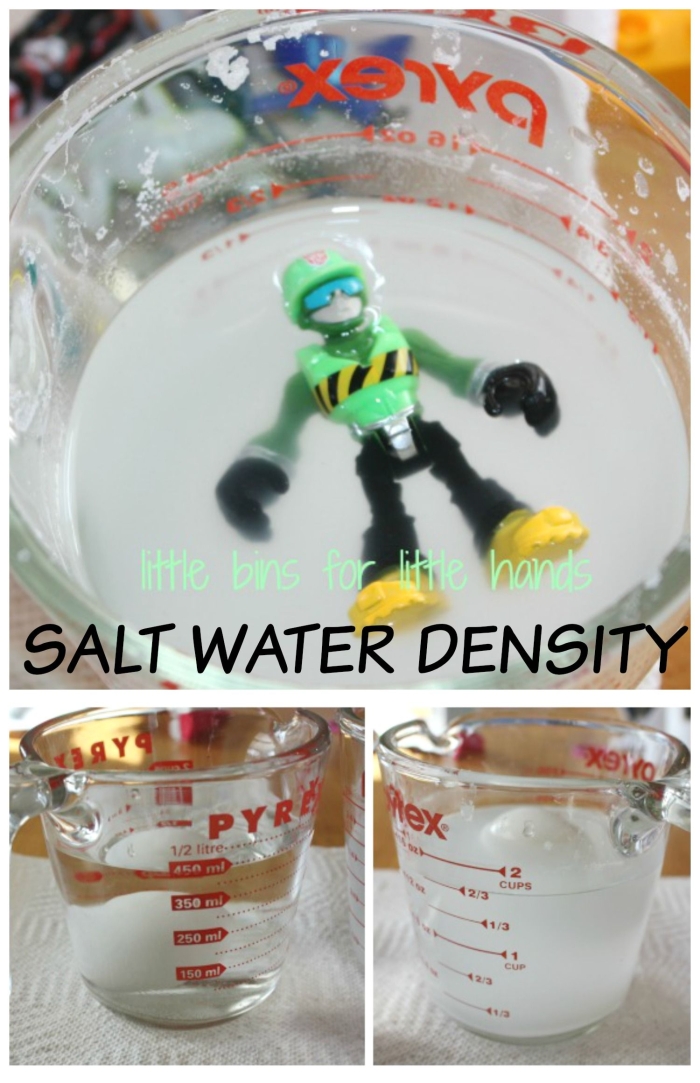
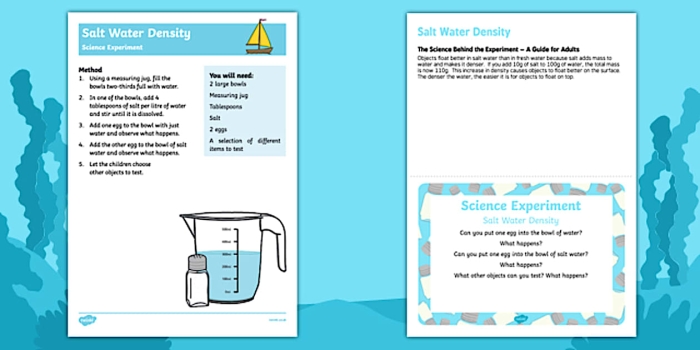
To begin, gather your materials: a clear glass or container, salt, fresh water, food coloring, and a spoon. Start by creating your salt water solution. Dissolve a considerable amount of salt in a small amount of warm water until no more salt can be dissolved. This saturated solution will have a higher density than fresh water. Next, fill your clear container halfway with fresh water and add a few drops of food coloring. The color will help visualize the layers that form as you add the salt water.
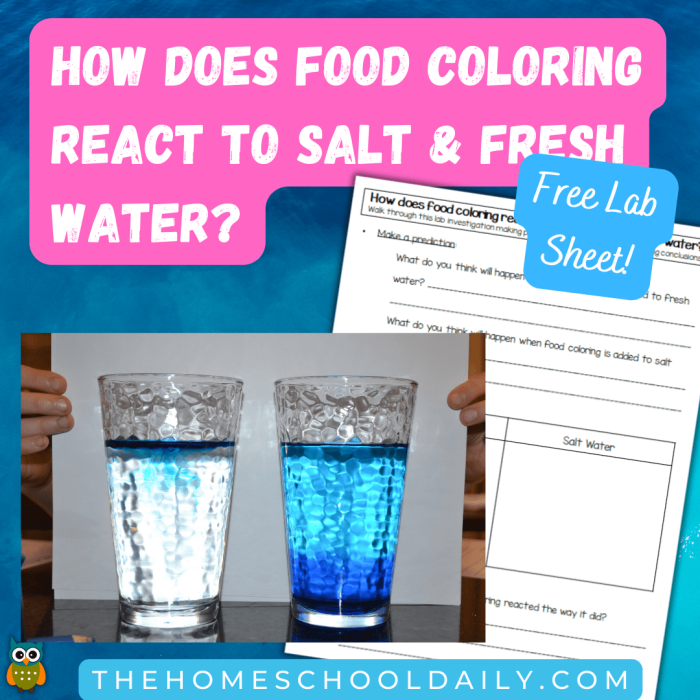
Carefully pour the saturated salt water over the back of a spoon, letting it gently cascade into the glass with fresh water. Watch as the colored fresh water remains at the bottom while the denser salt water stays above it—this striking separation is a clear demonstration of density in action. The food coloring creates a stunning visual effect, and you can see how the two liquids do not immediately mix, reinforcing the concept of density.
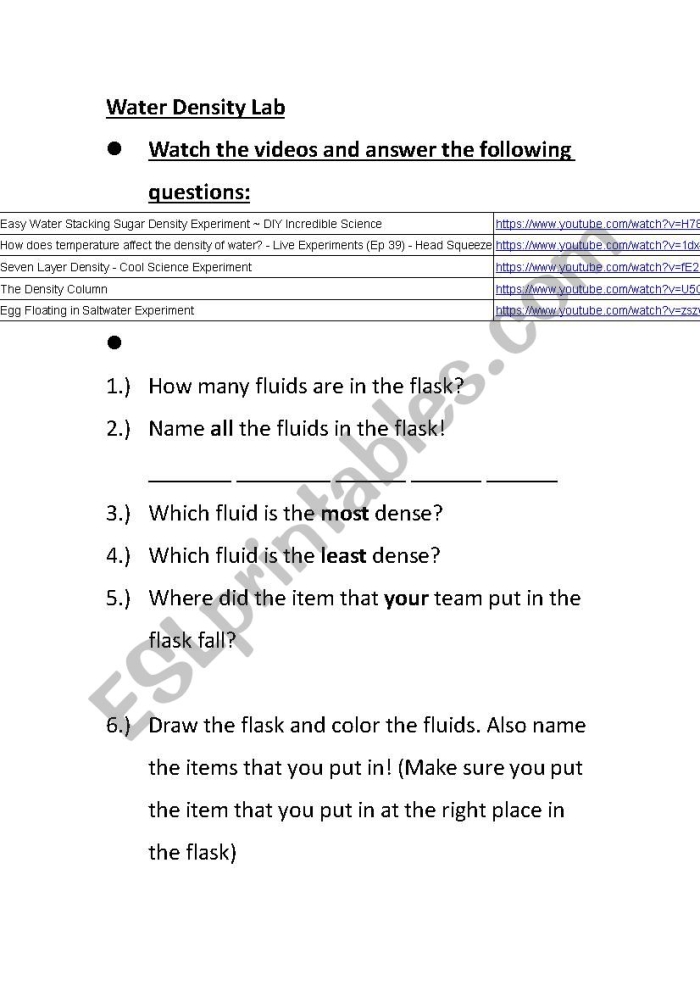
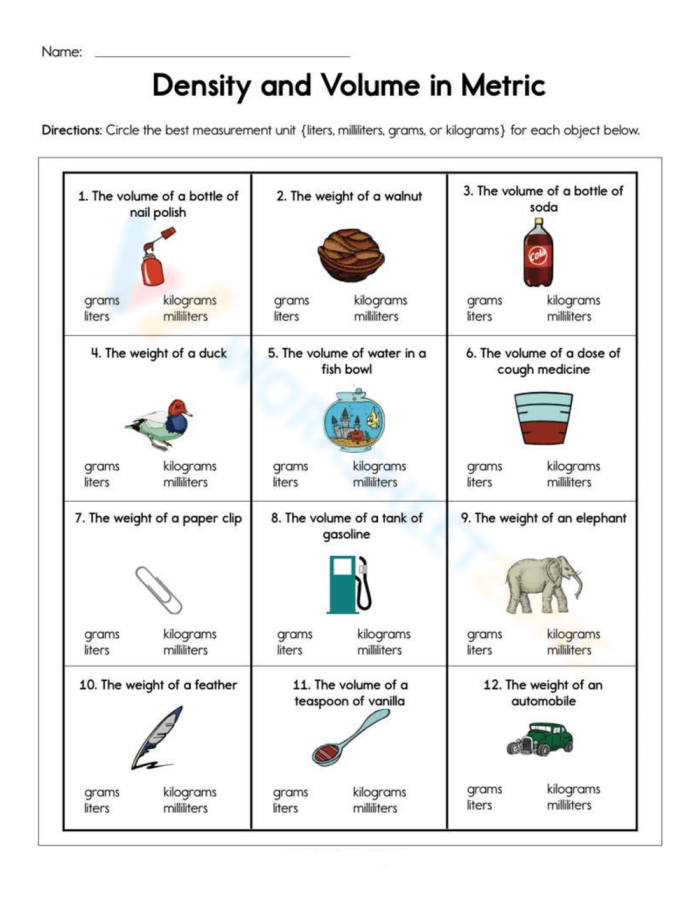
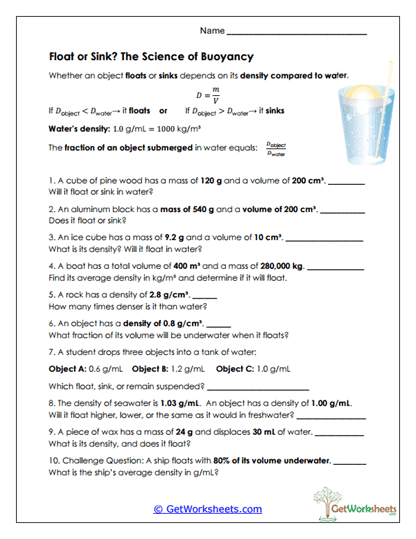
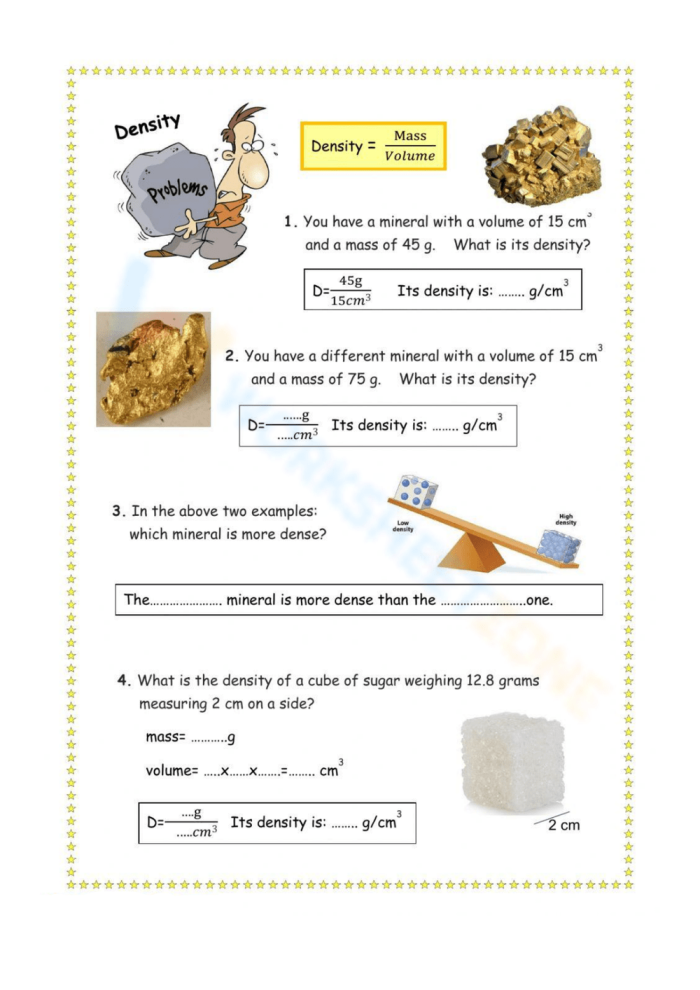
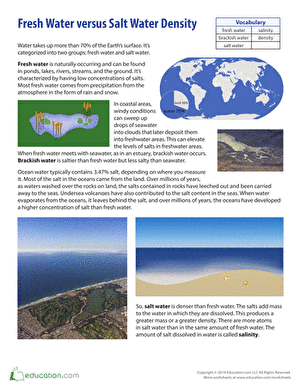
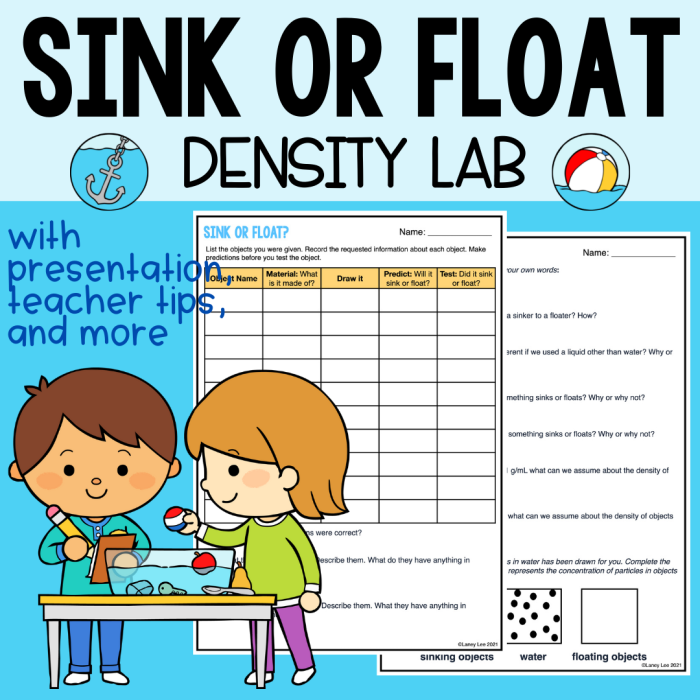
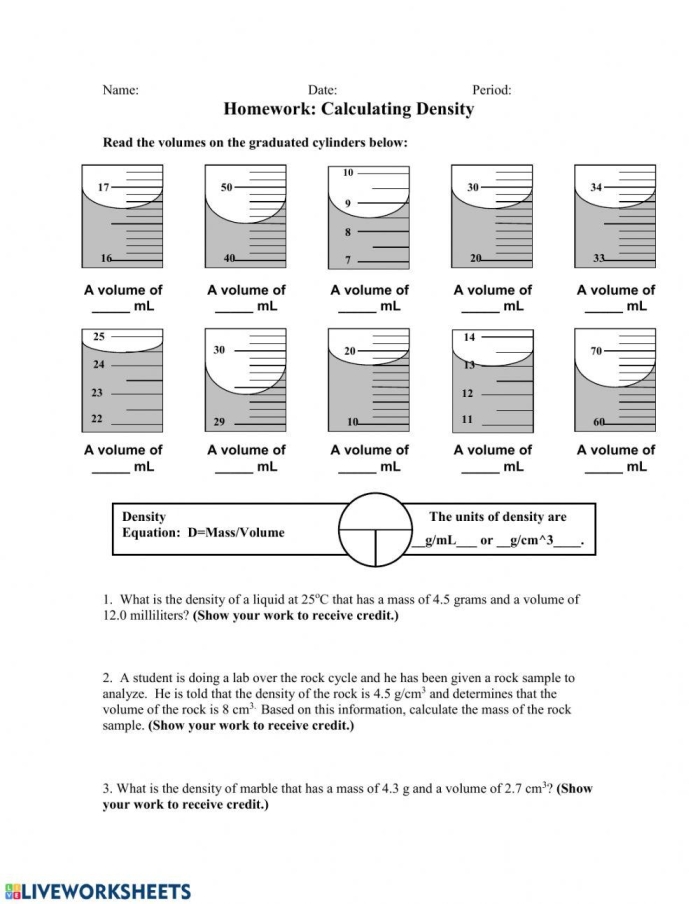
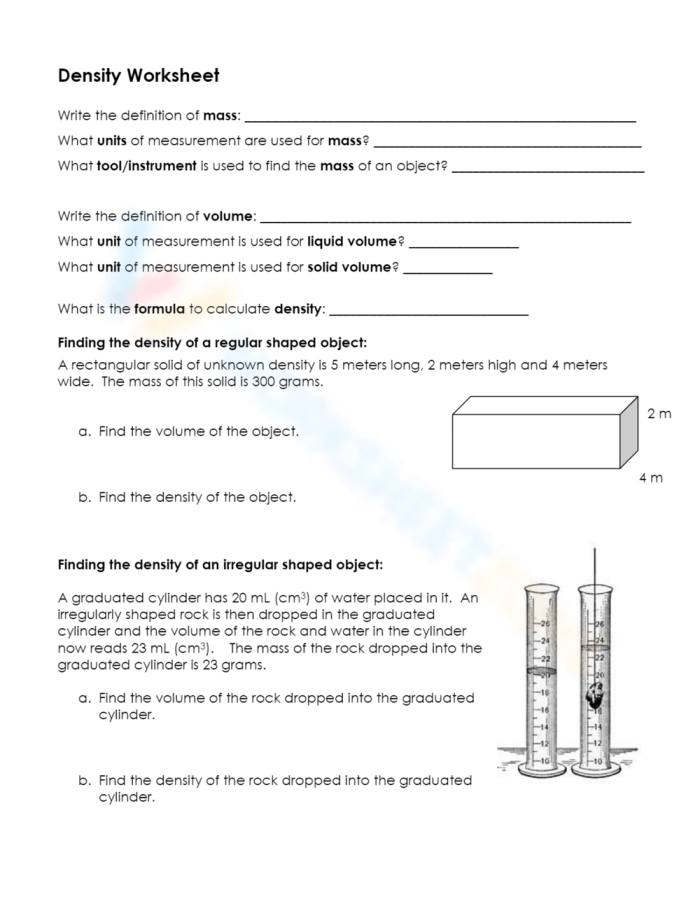
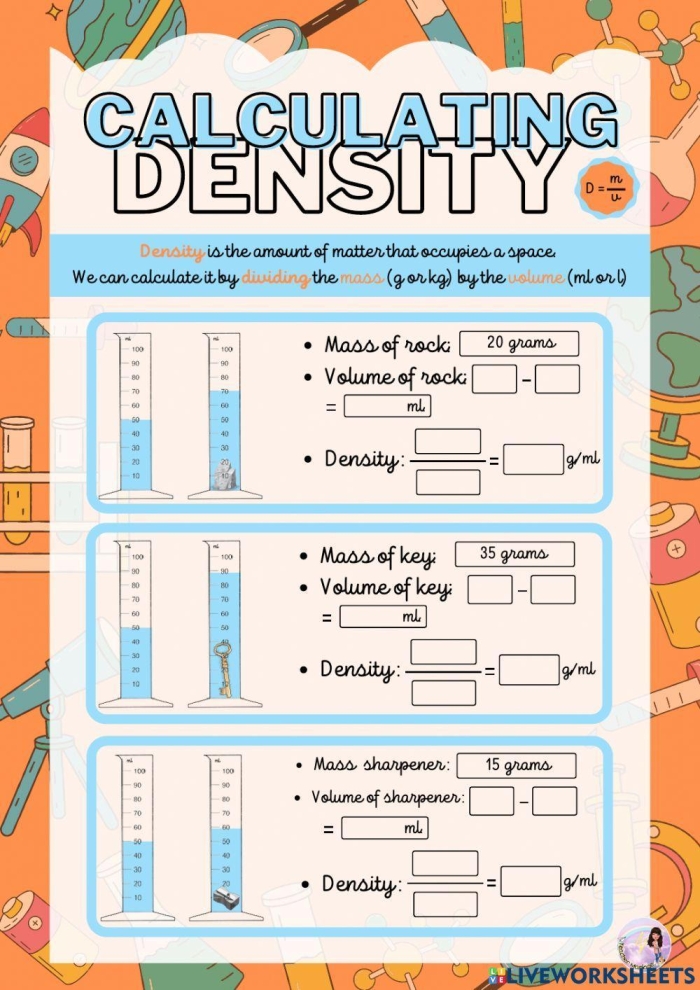
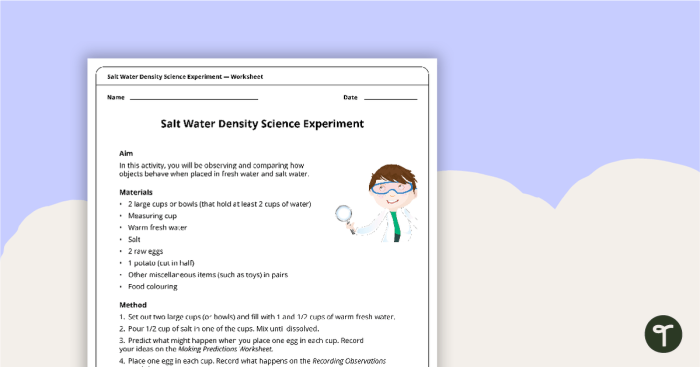
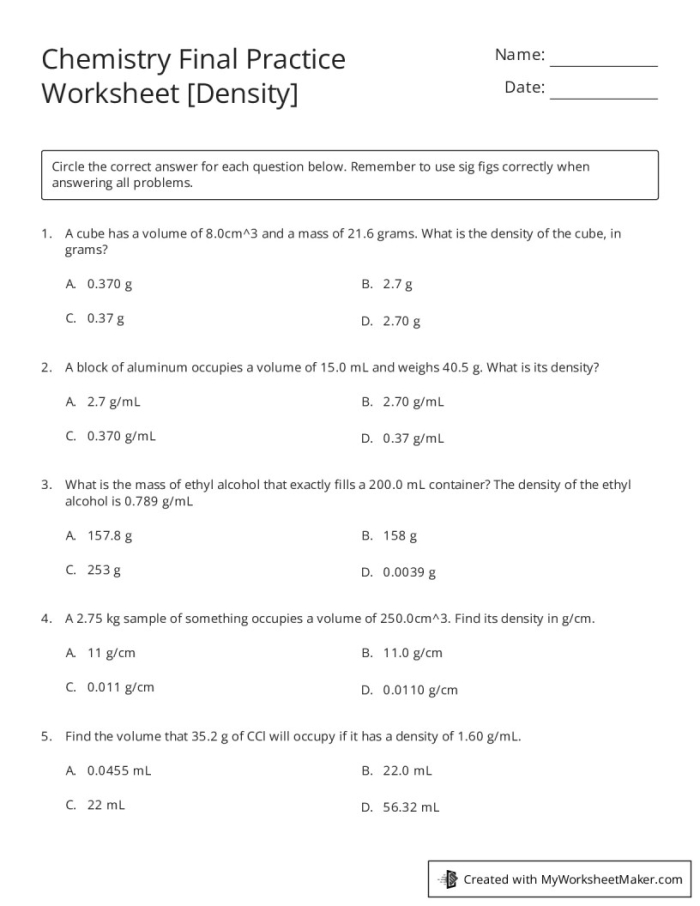
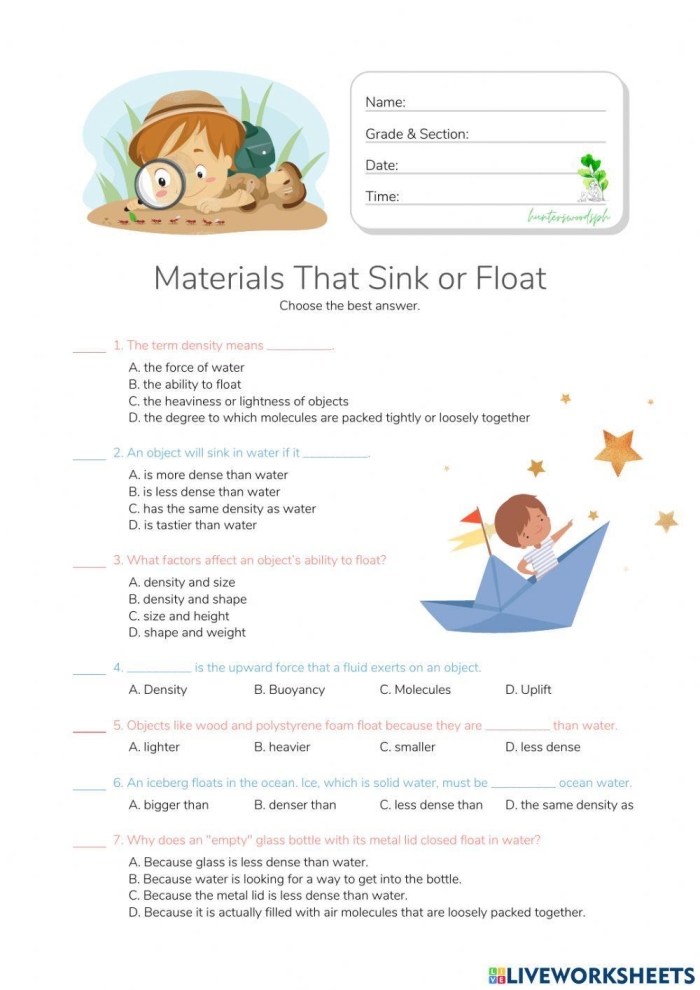
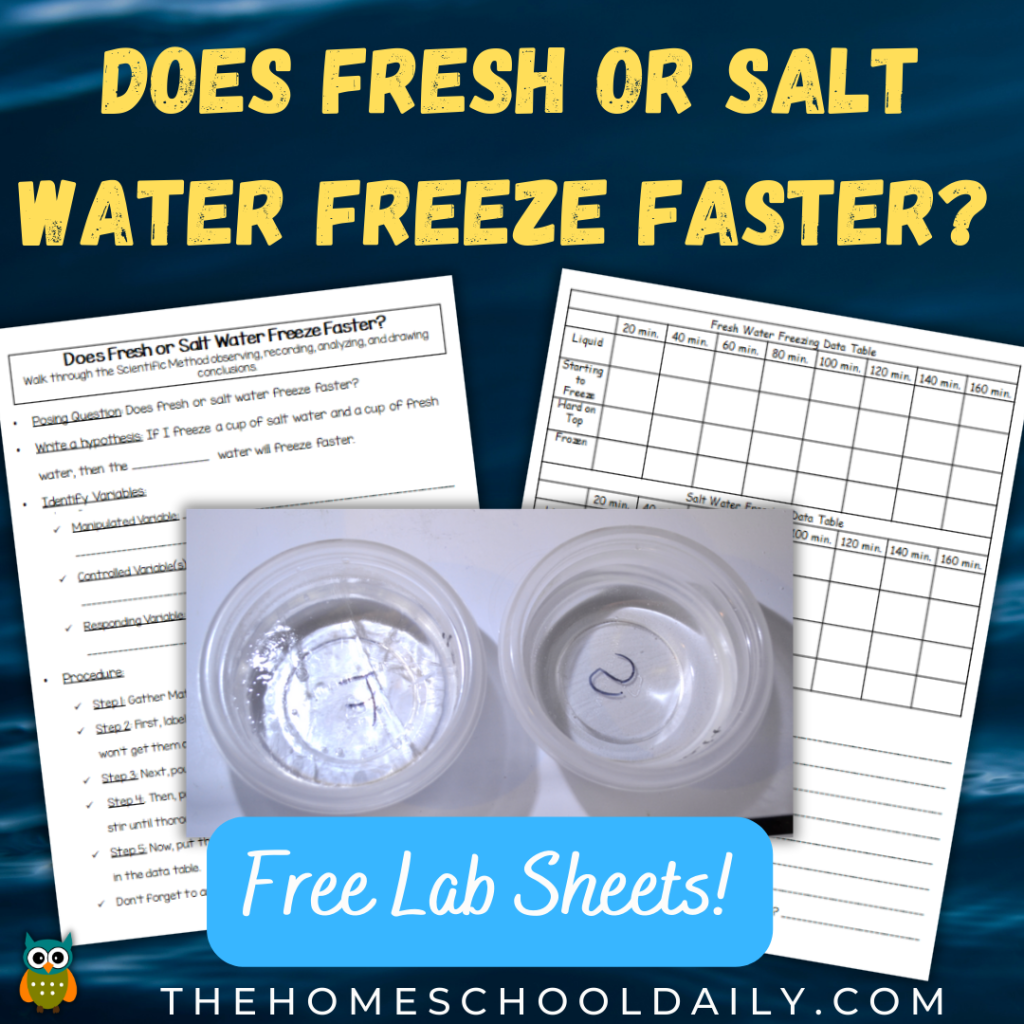
This experiment not only illustrates the principles of density but also encourages critical thinking and observation skills, making it perfect for a fourth-grade science lesson. For those looking to extend the learning experience, there are Printable Density of Salt Water Worksheets available that reinforce these concepts through reading and comprehension exercises.
As students engage with this experiment, they learn to appreciate the scientific method. They formulate hypotheses, observe results, and draw conclusions. This active participation lays the groundwork for a deeper understanding of physical science, making these early lessons not just educational, but also enjoyable.
Worksheet Practice Section