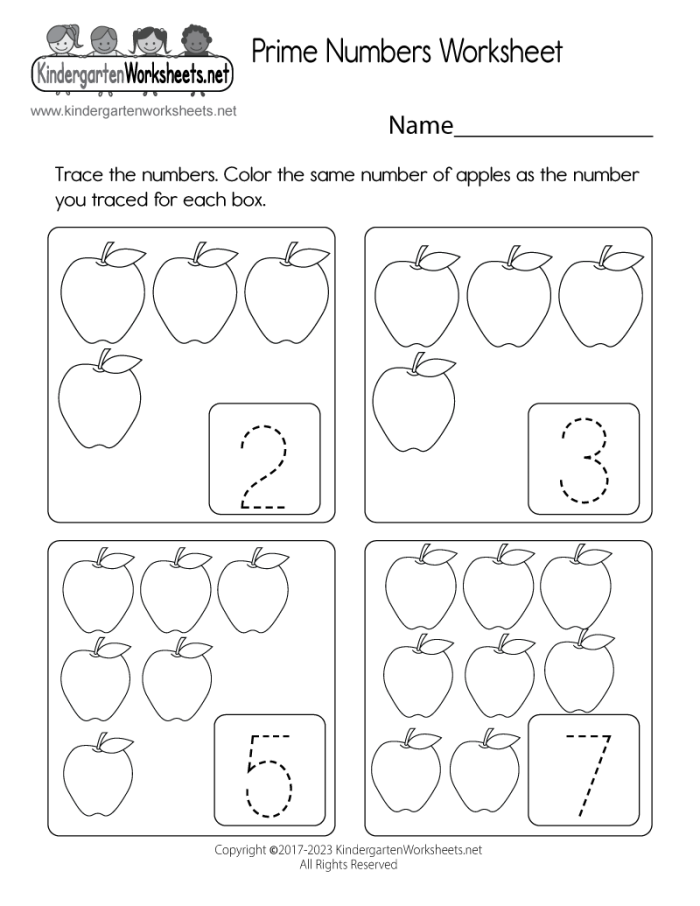
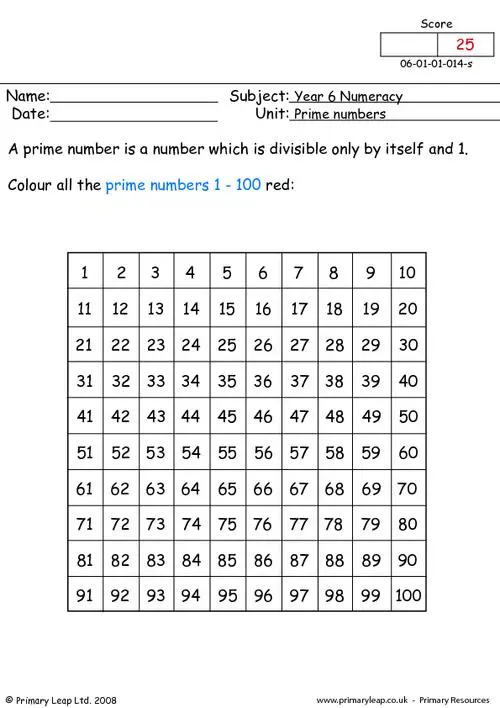
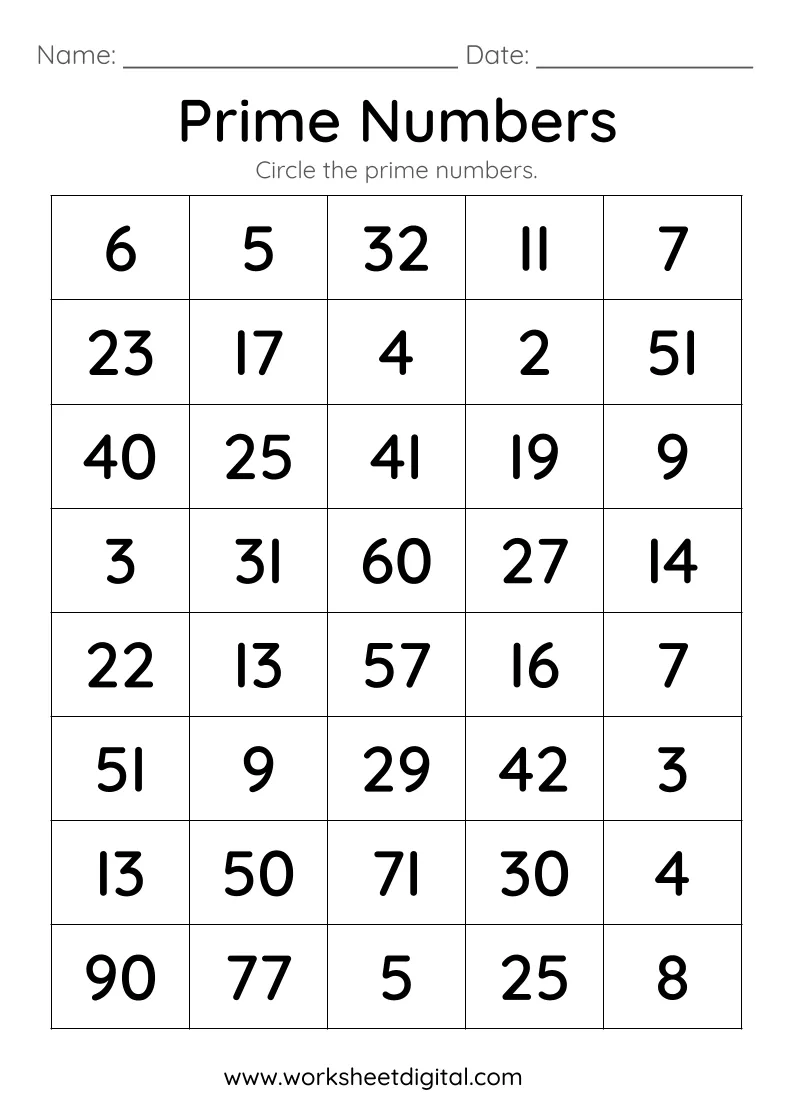
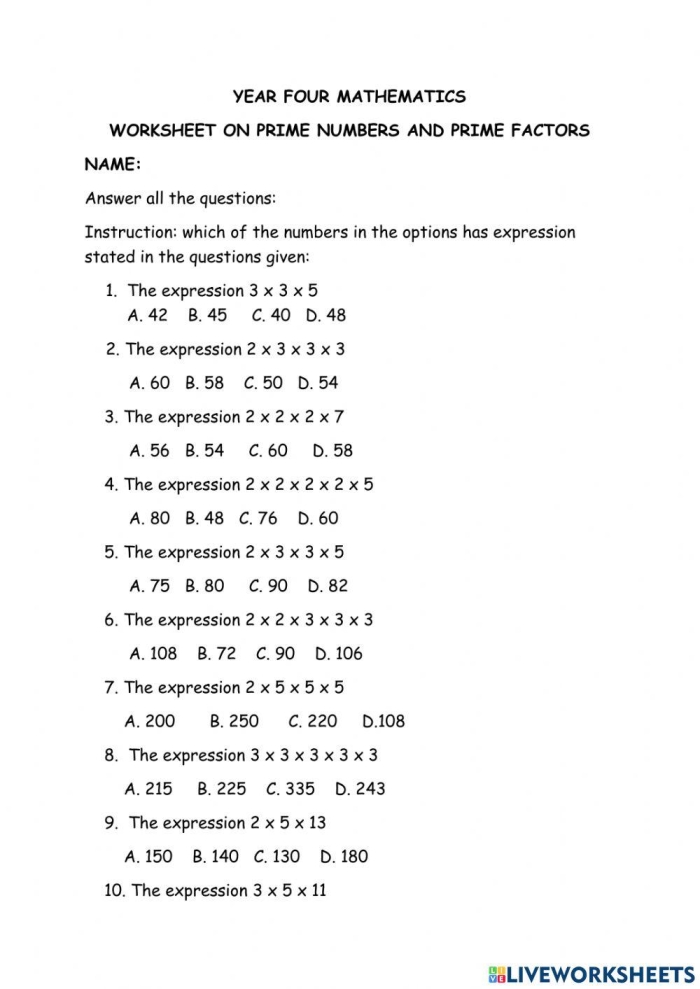
Understanding prime numbers is a crucial part of fourth-grade mathematics. When students practice solving a variety of equations, they not only enhance their problem-solving skills but also lay the groundwork for more advanced mathematical concepts. The process typically involves finding solutions to different mathematical problems and then determining if those solutions are prime numbers.
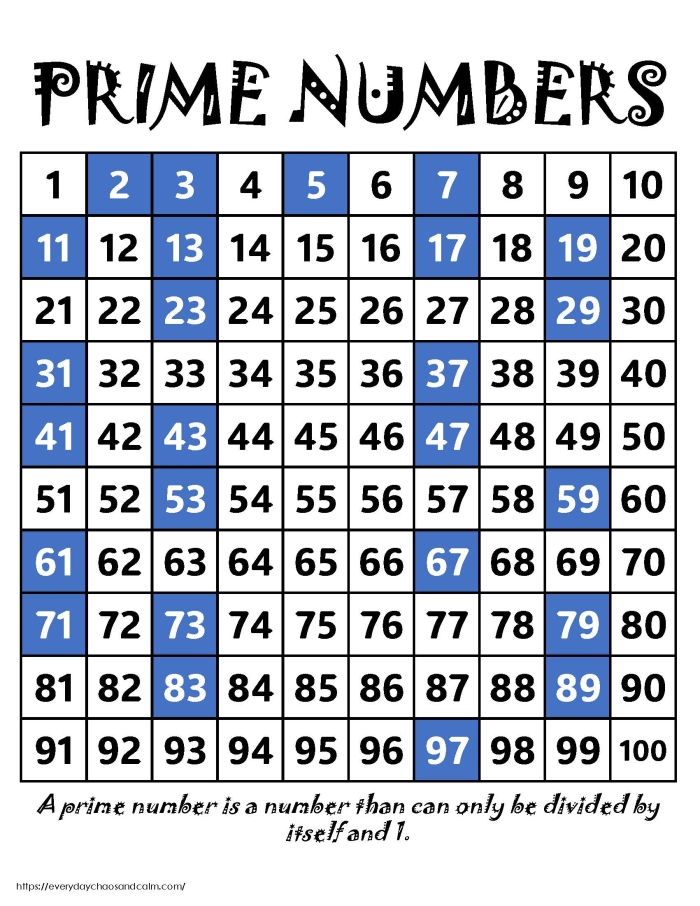
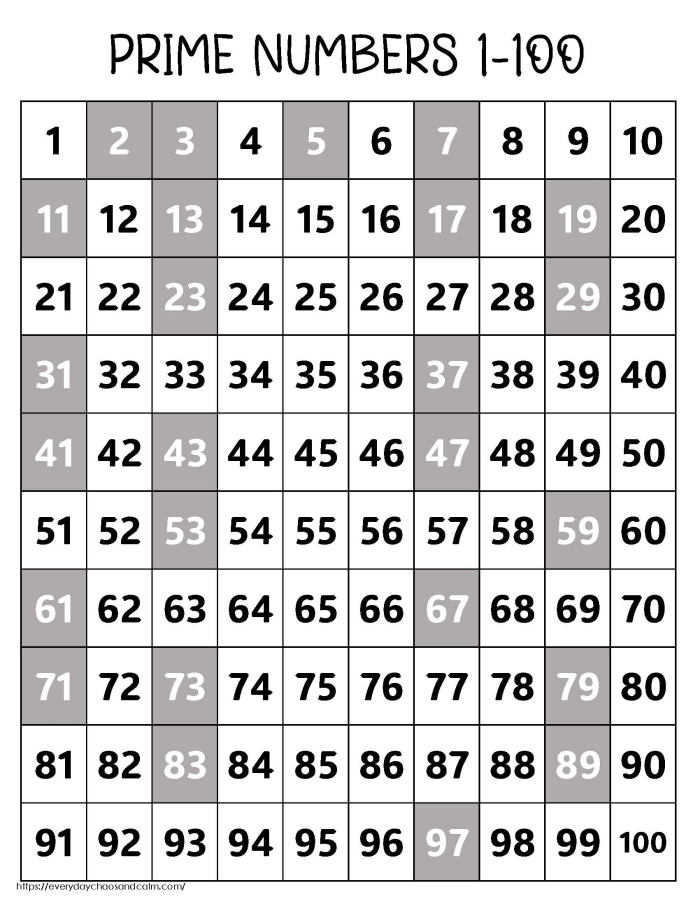
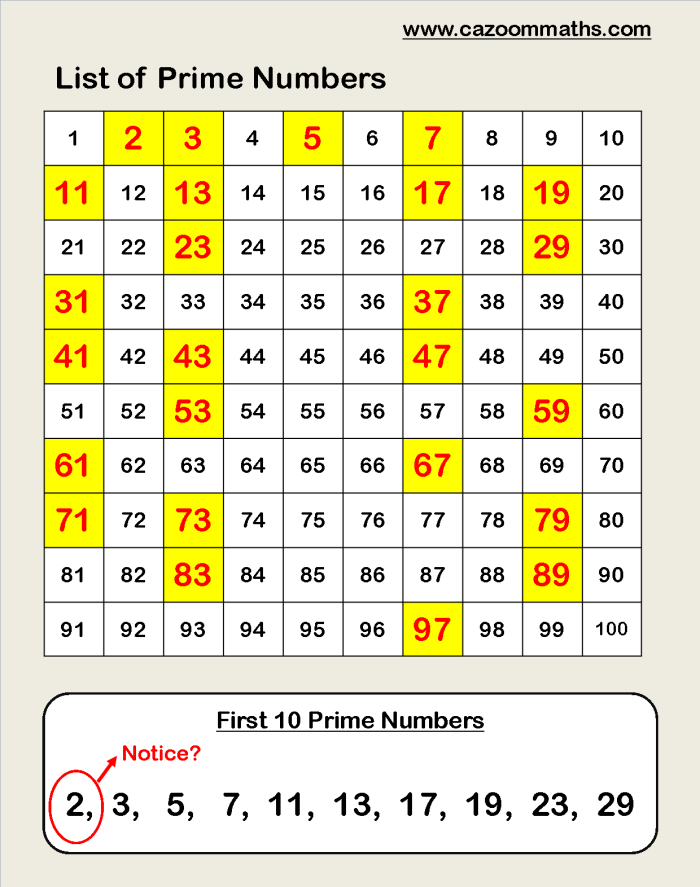
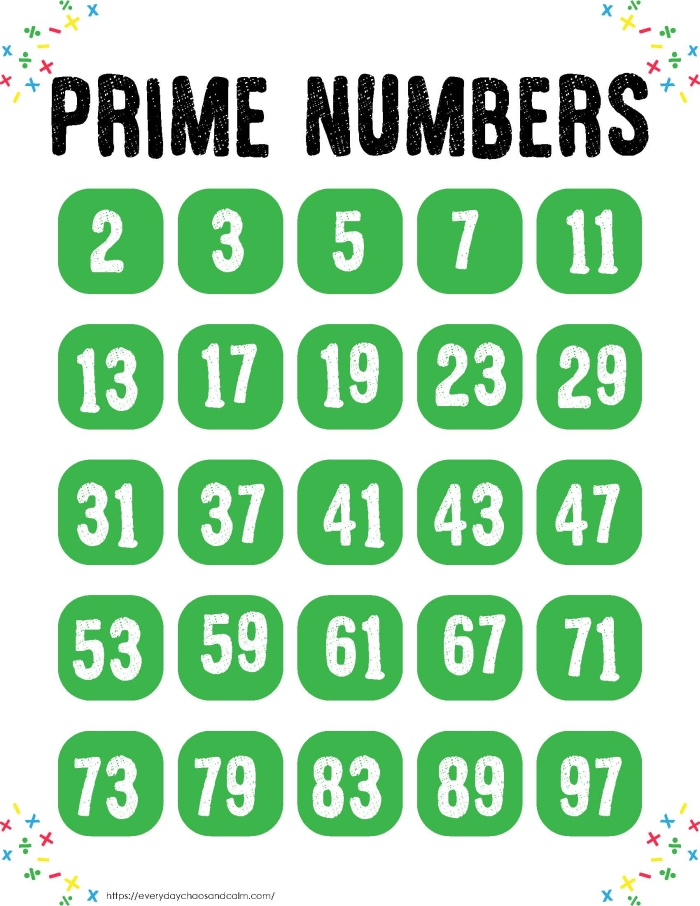
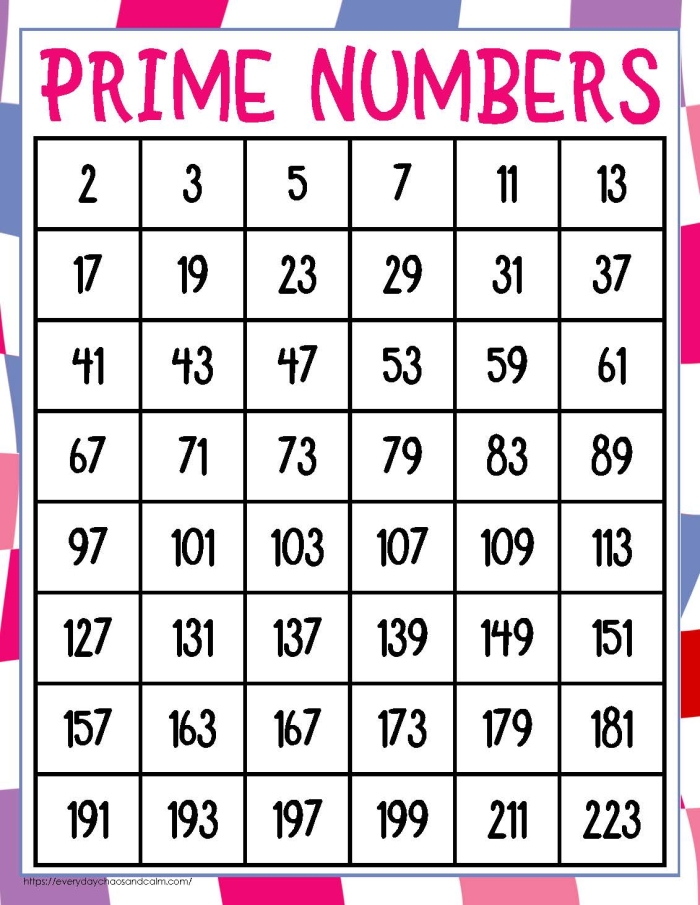
Prime numbers are defined as natural numbers greater than 1 that have no positive divisors other than 1 and themselves. This means that they can only be divided evenly by 1 and the number itself. Examples of prime numbers include 2, 3, 5, 7, and 11. This concept is not just theoretical; it has practical applications in various fields, including computer science, cryptography, and even art.
As students practice, they might encounter equations that yield both prime and non-prime results. For instance, solving the equation 6 + 7 results in 13, which is a prime number. In contrast, 8 + 2 equals 10, which is not prime since it can be divided by 1, 2, 5, and 10. This exercise reinforces their understanding of both solving equations and recognizing prime numbers.
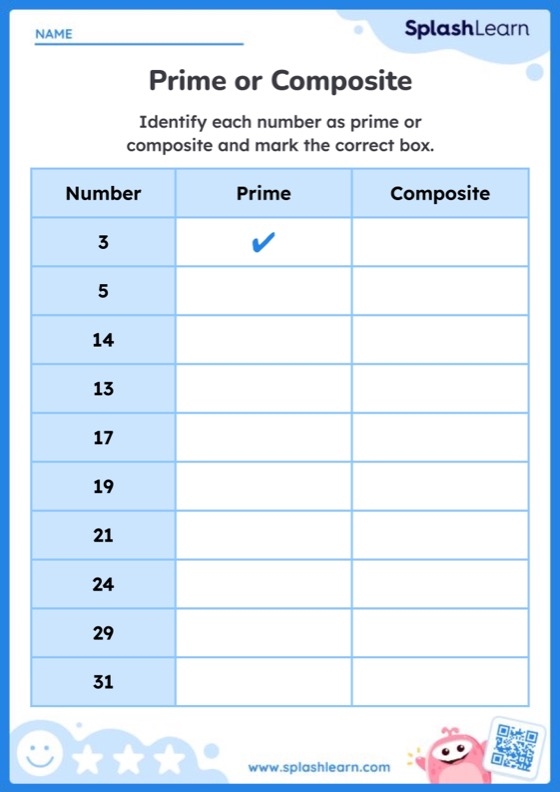
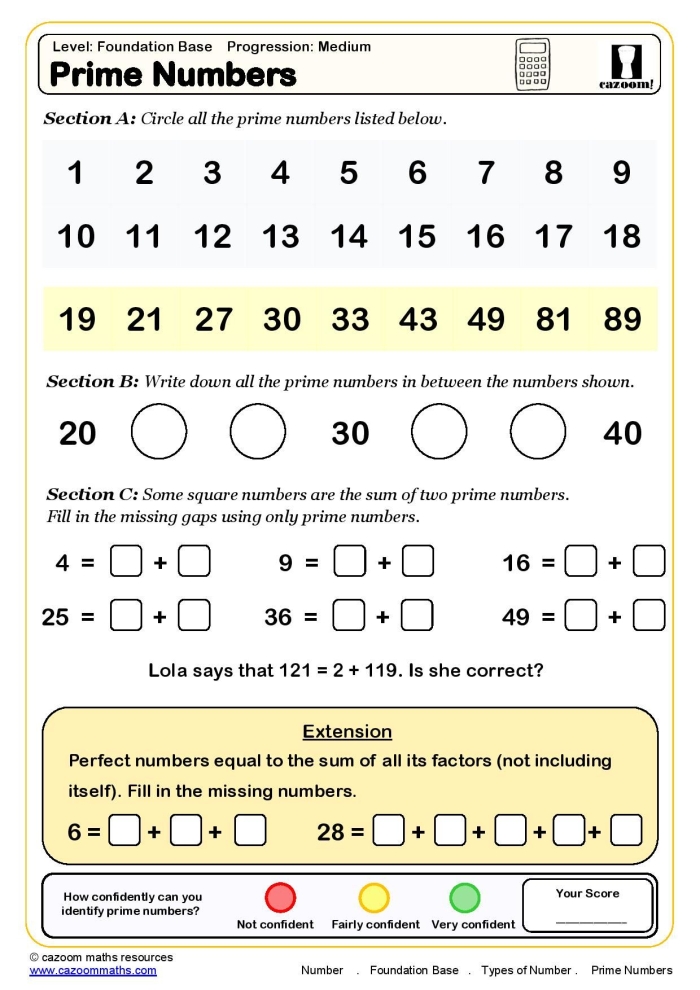
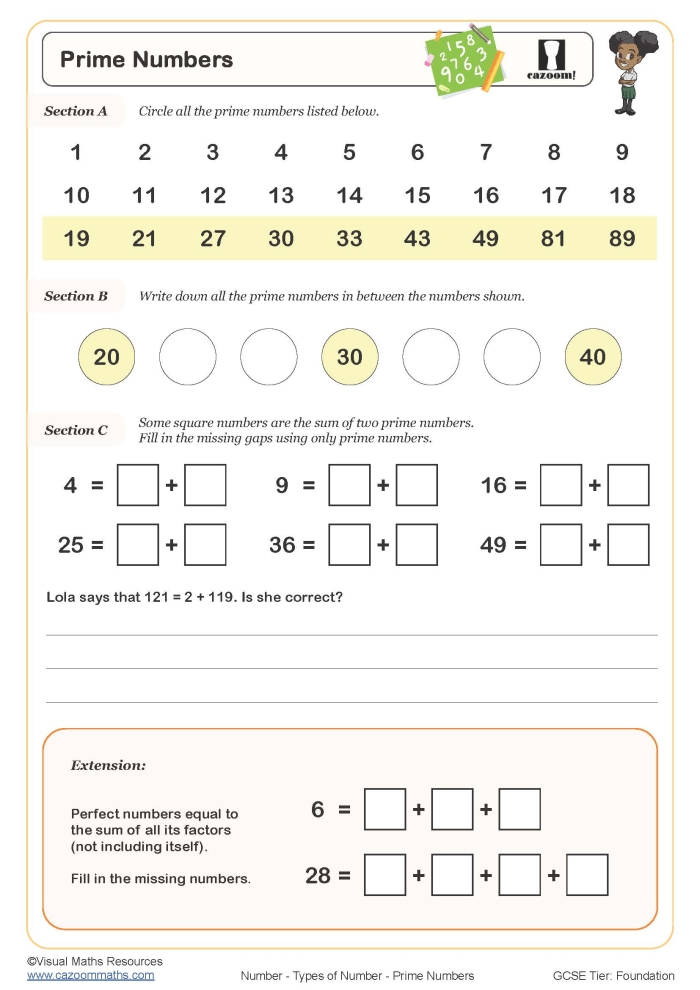
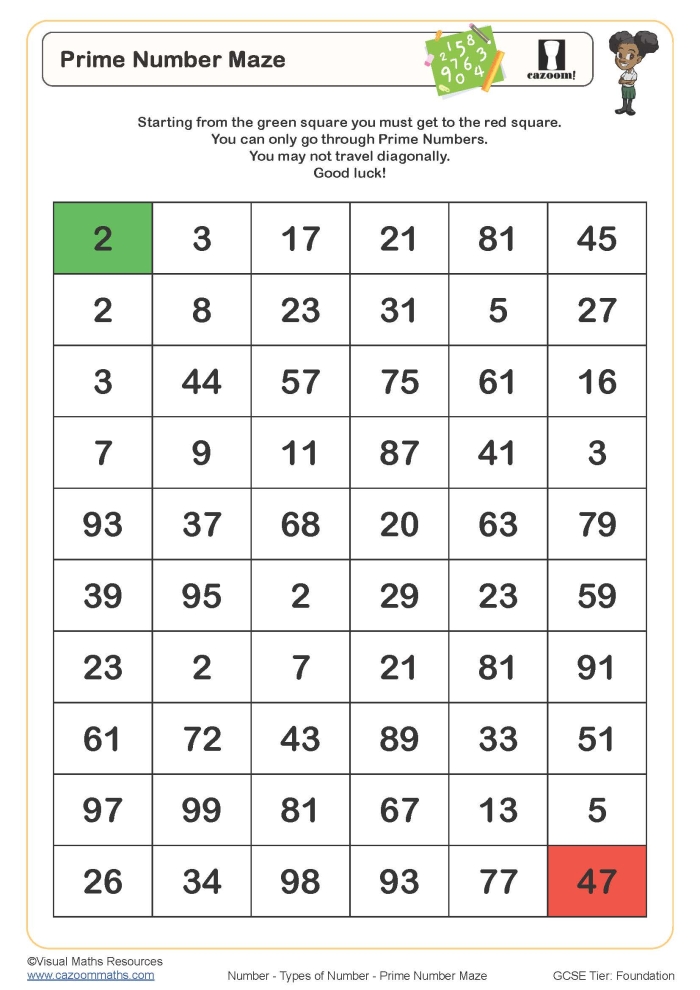
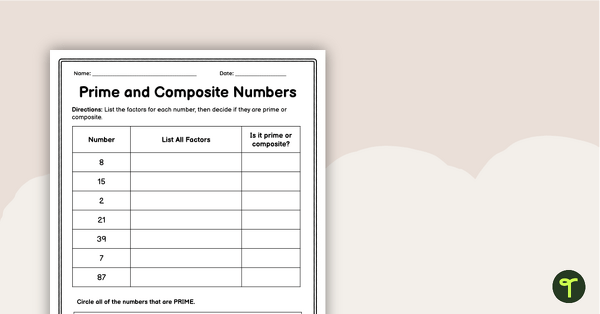
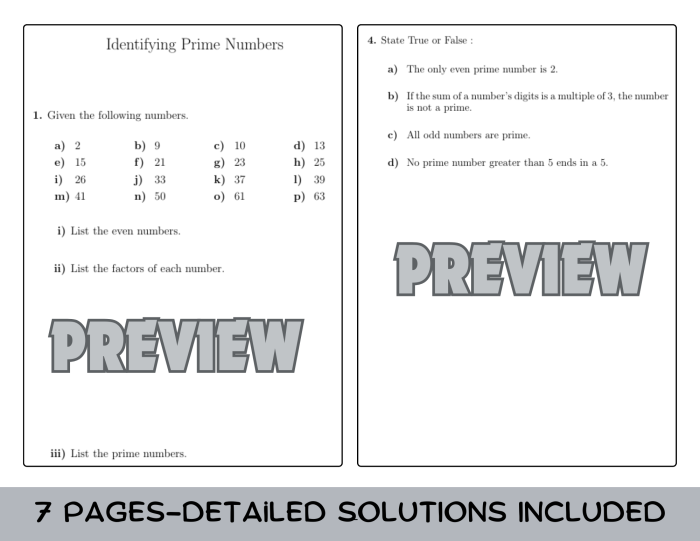
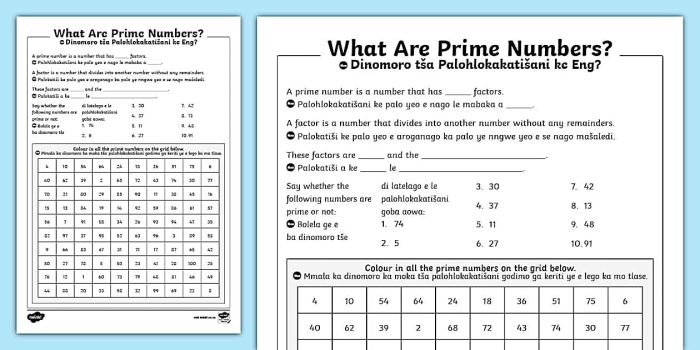
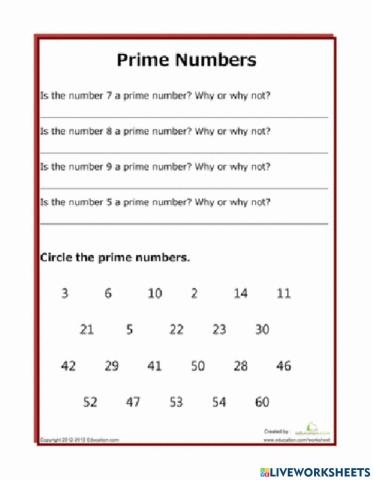
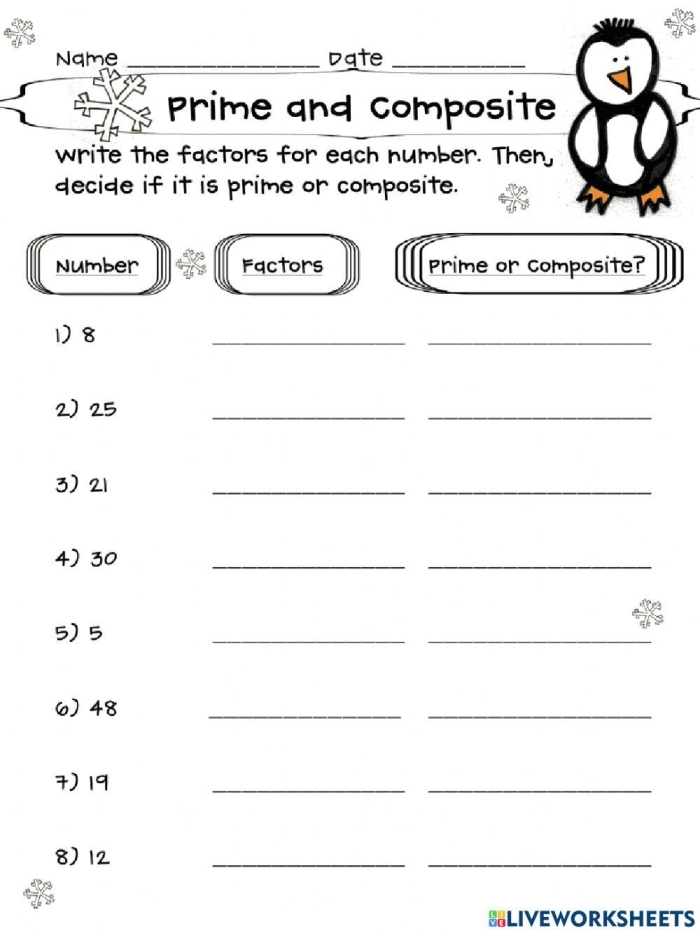
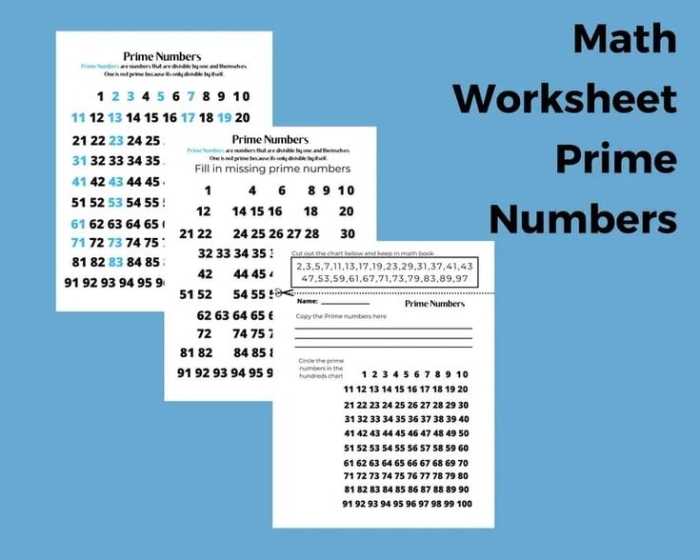
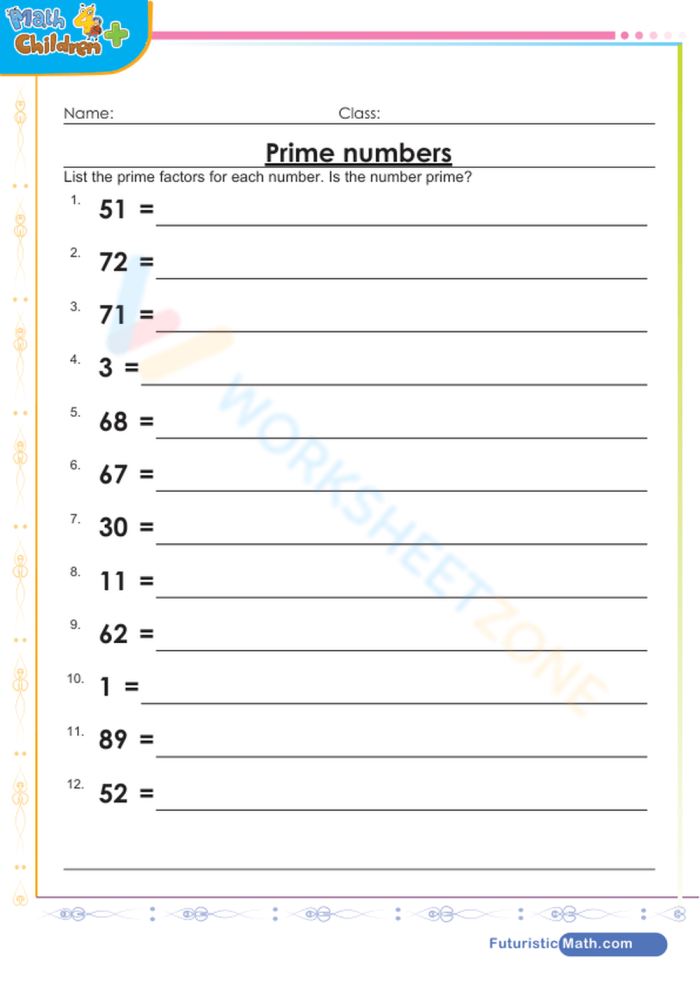
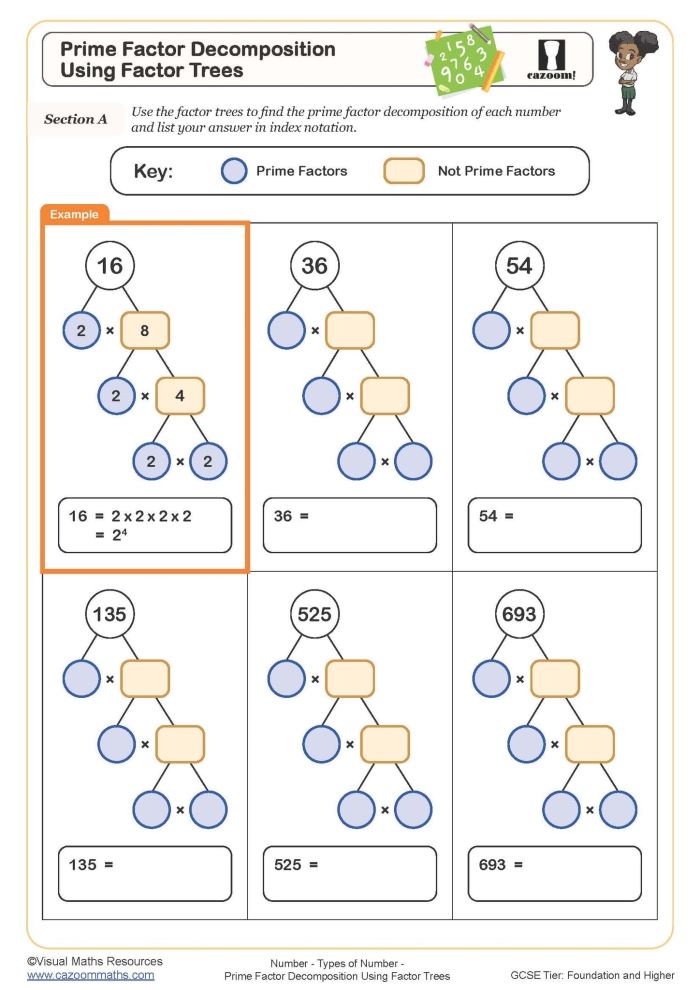
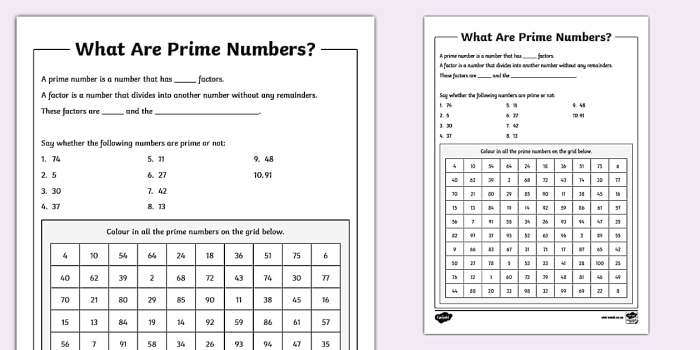
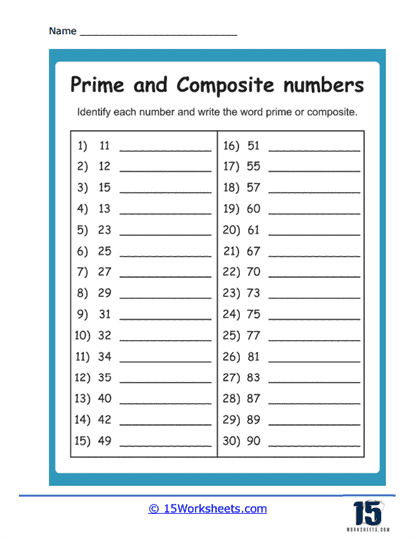
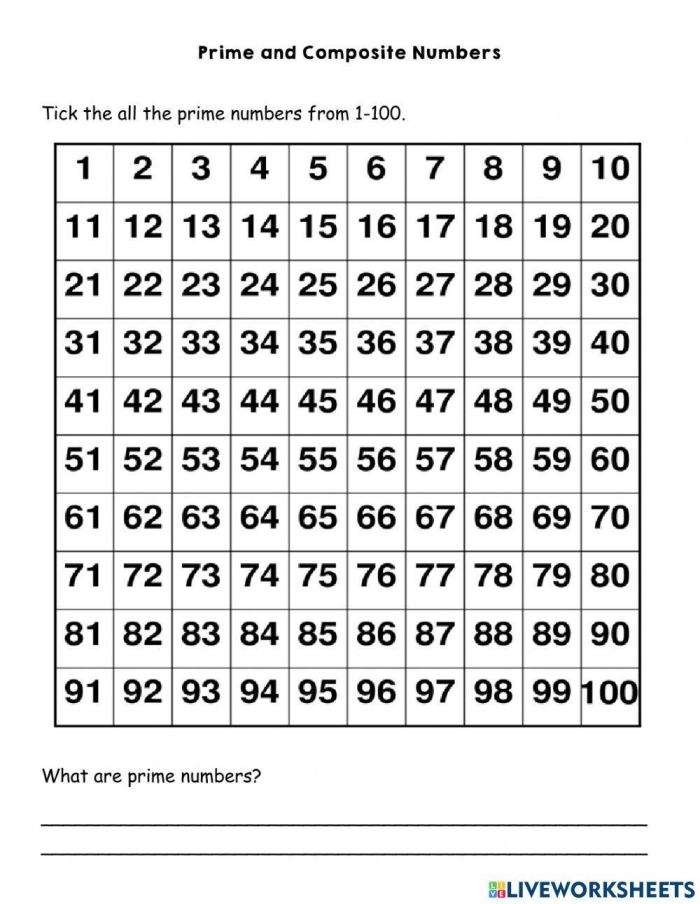
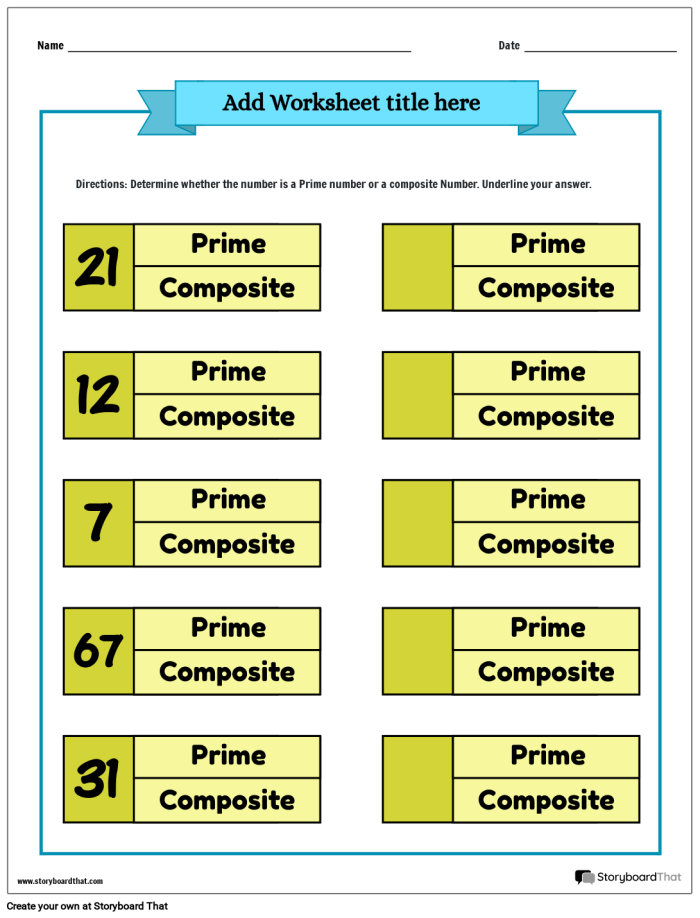
To support this learning, educators can provide resources like Printable Which Numbers Are Prime? Worksheets. These worksheets can offer varied practice, helping students to solidify their grasp on both fractions and prime numbers. Combining these two concepts allows students to see the interconnectedness of mathematics, enhancing their analytical skills.
As students grow more comfortable with equations and prime numbers, they develop confidence in their mathematical abilities. This knowledge not only prepares them for more complex math topics but also equips them with critical thinking skills that are valuable in their overall education.
Try These Printable Worksheets