Learning Spanish vocabulary opens doors to understanding different cultures, and the ocean provides a rich collection of words that fourth grade students can explore. Rather than memorizing isolated terms, students benefit from understanding these words in context, imagining the creatures in their natural habitat.
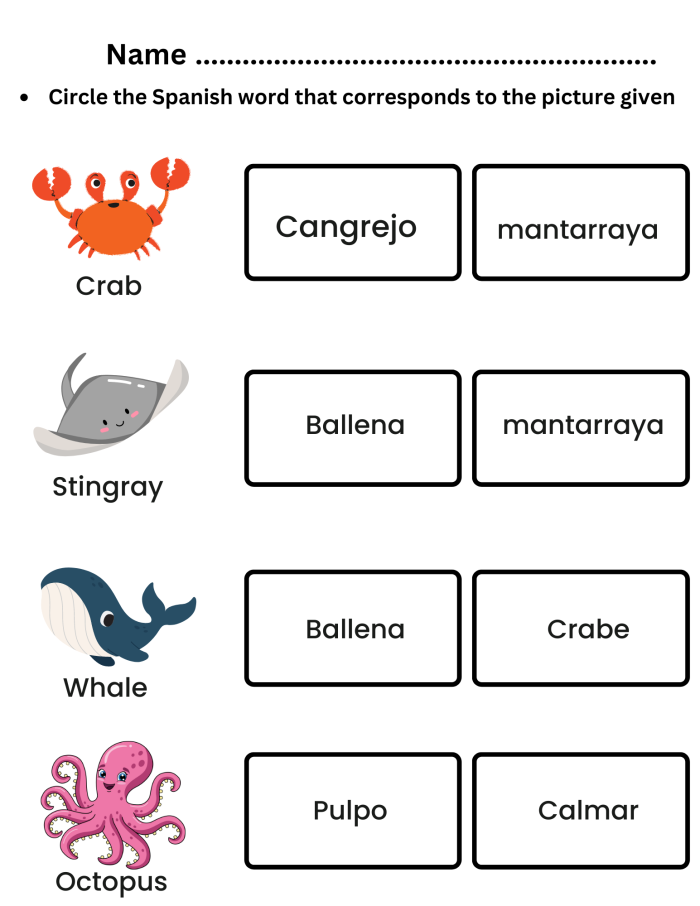
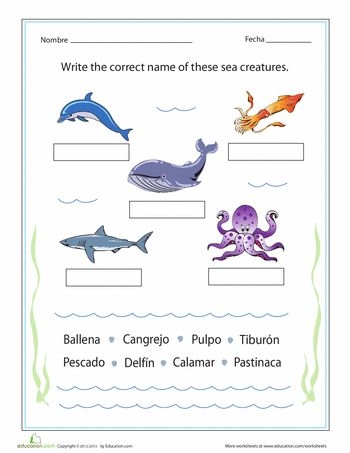
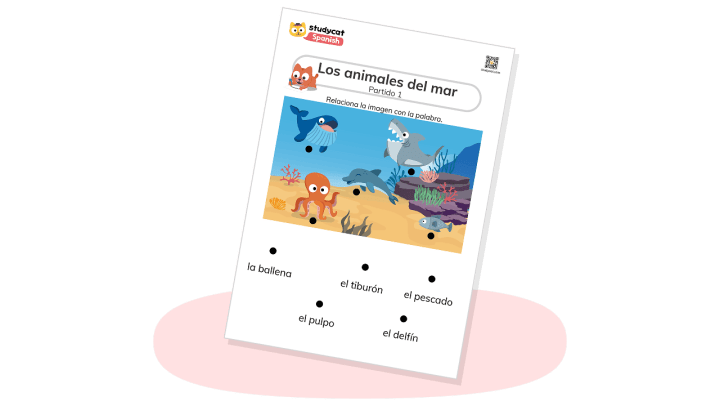
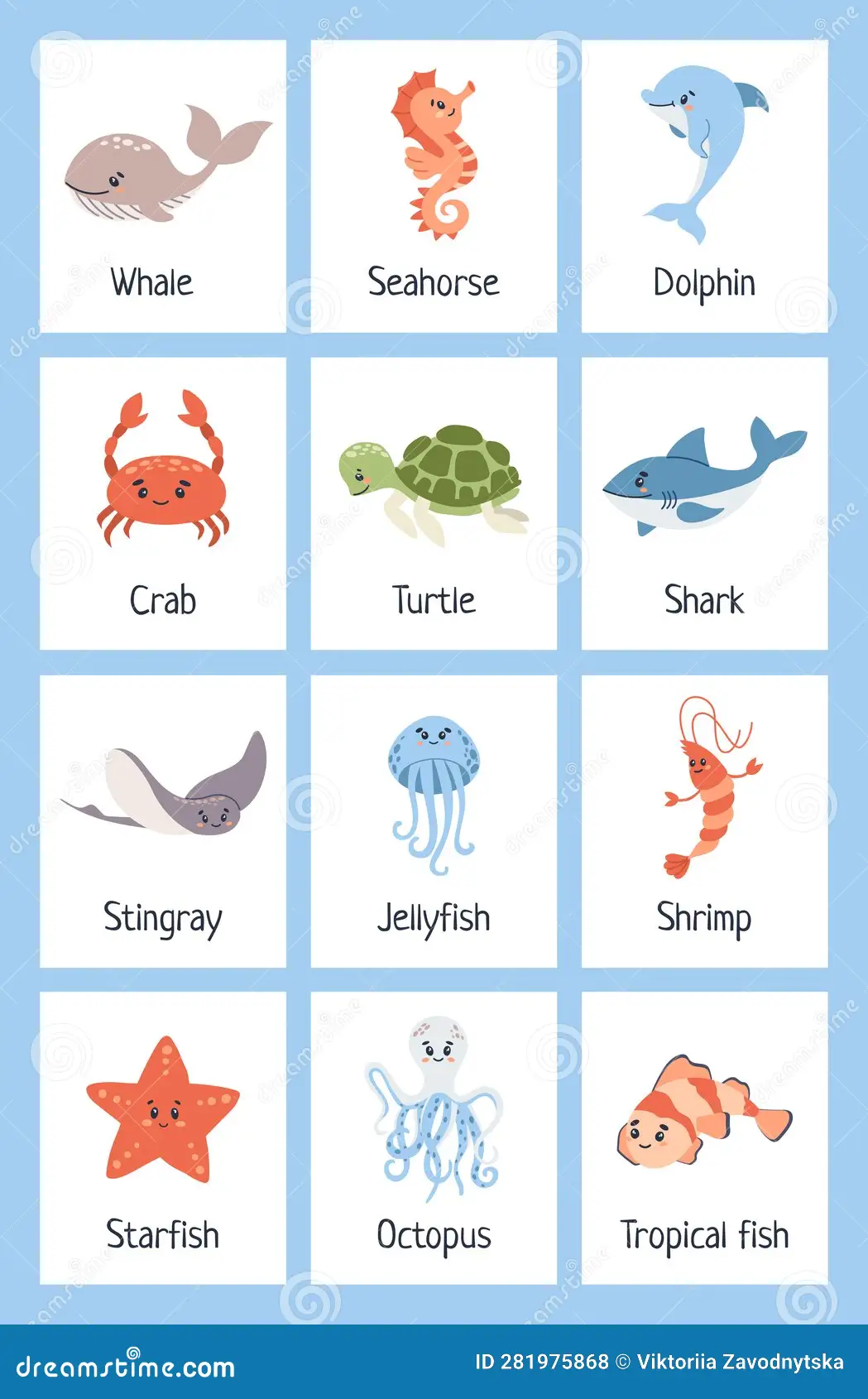
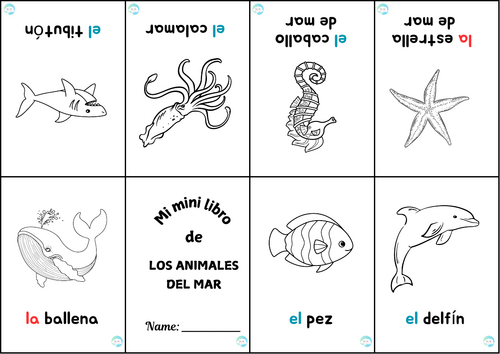
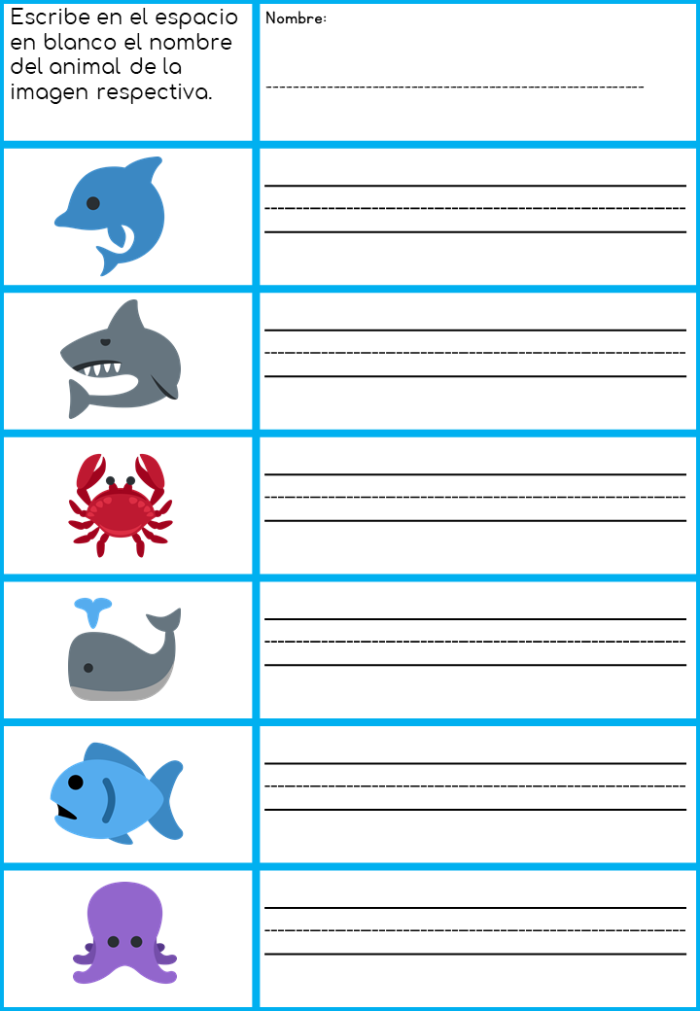
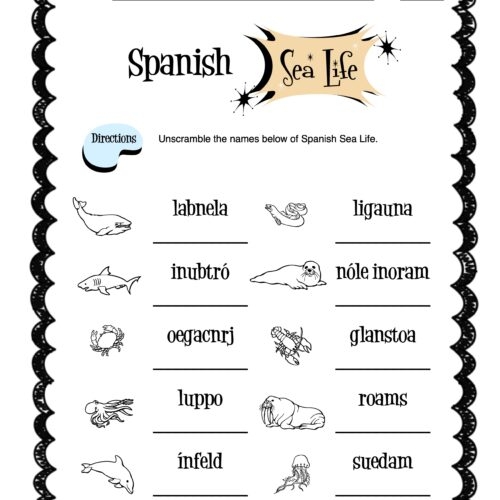
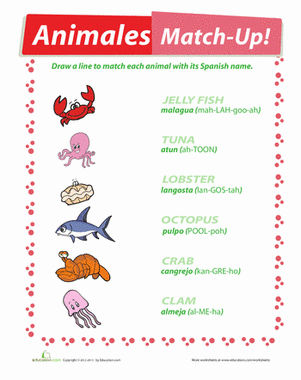
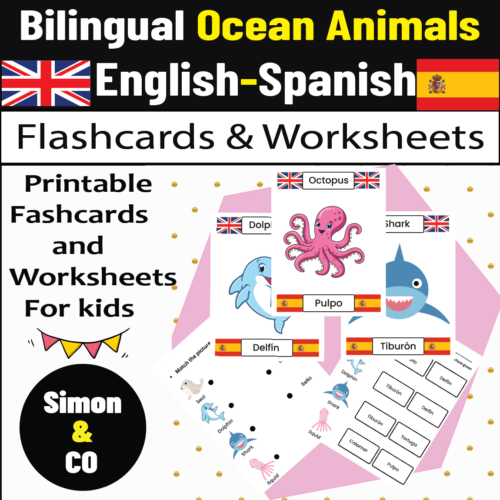
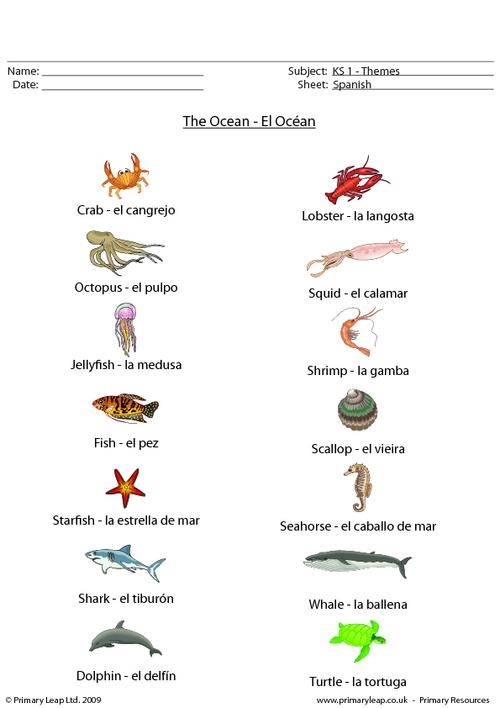
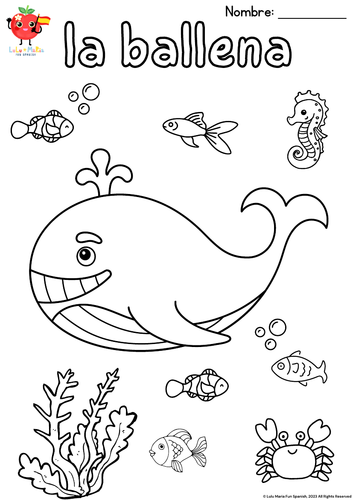
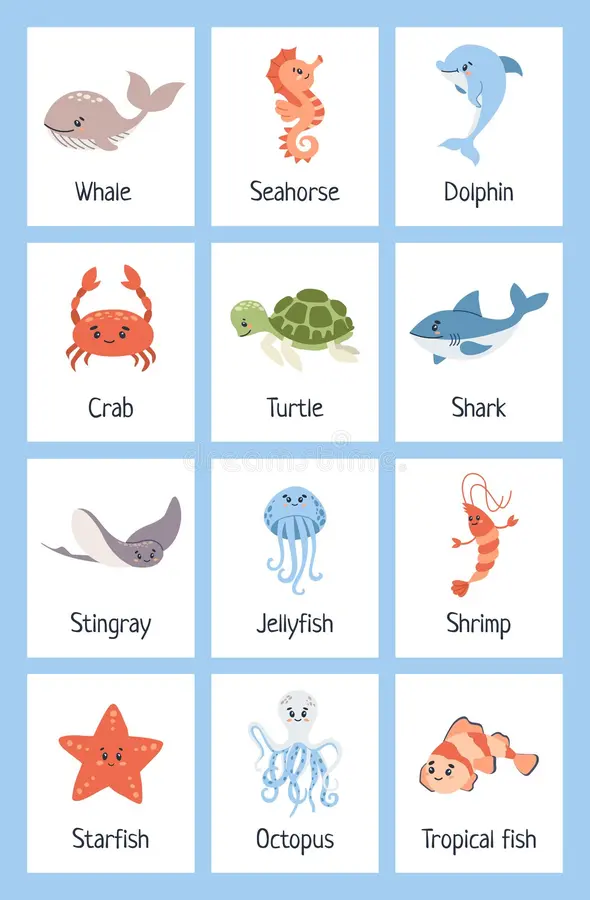
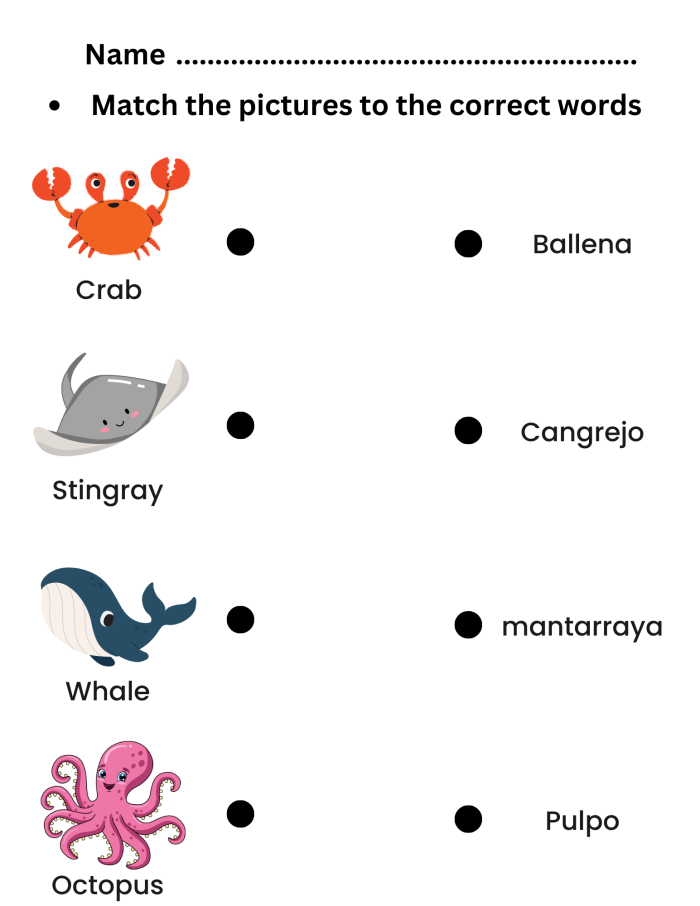
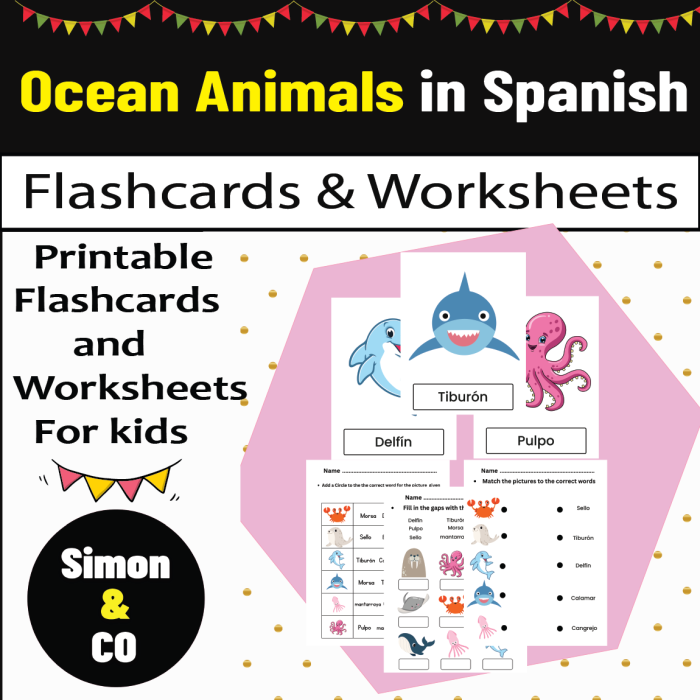
The Spanish language offers distinct names for common sea creatures. A fish is un pez, while an octopus becomes un pulpo. Students often find la ballena (whale) fascinating because of its size, and el delfín (dolphin) captures attention due to its intelligence. A starfish, una estrella de mar, literally translates to “sea star,” which helps students remember the connection between the words. Crabs are los cangrejos, and jellyfish are las medusas.
For smaller creatures, el camarón refers to shrimp, while la langosta means lobster. Sea turtles are las tortugas marinas, combining the word for turtle with the descriptor for marine. Sharks, los tiburones, often intrigue young learners with their powerful presence in the ocean ecosystem.
When teaching these words, connecting them to visual materials helps retention. Fourth grade students can benefit from resources that combine vocabulary with other subjects, such as activities exploring how creatures interact within food webs. Understanding Spanish grammar alongside vocabulary, particularly how to use commas correctly in descriptions, strengthens writing skills when students compose sentences about sea life in Spanish.
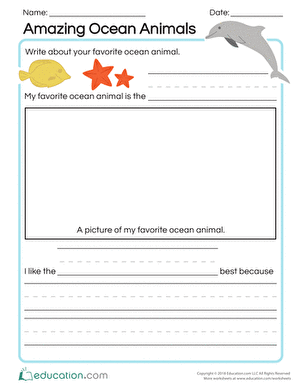
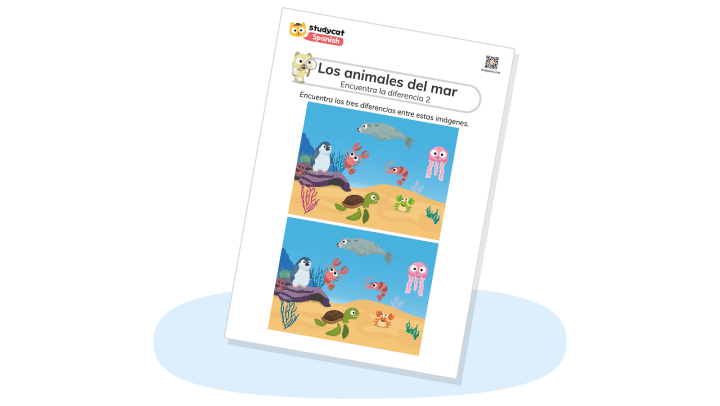
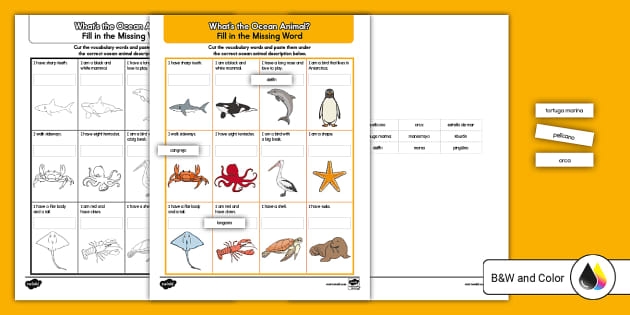
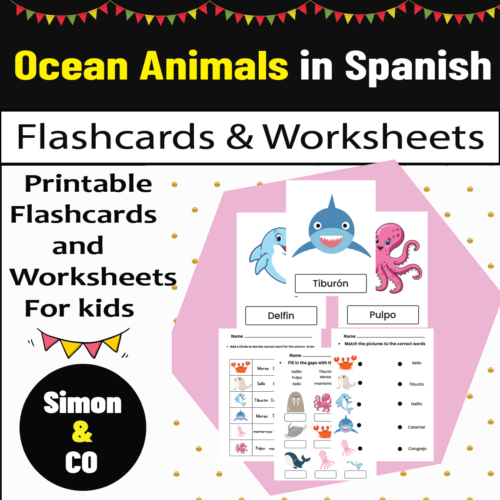
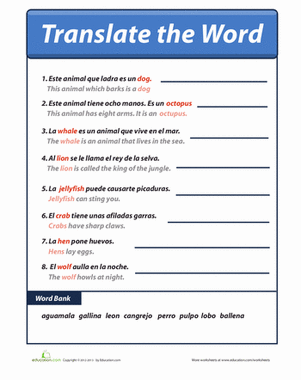
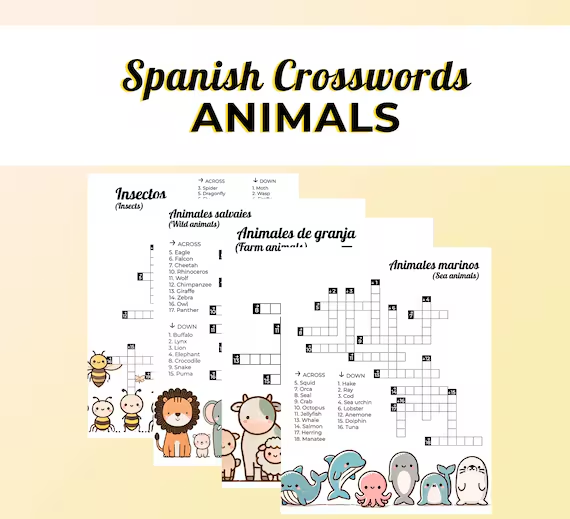
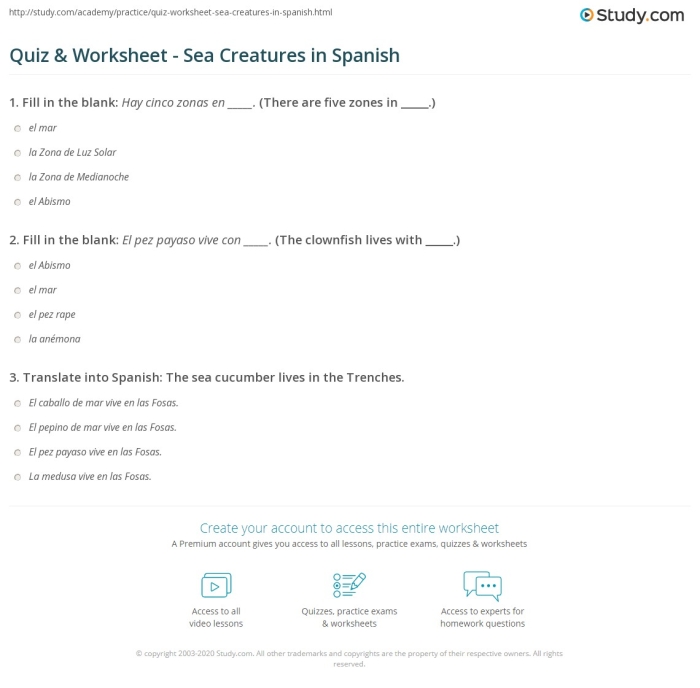
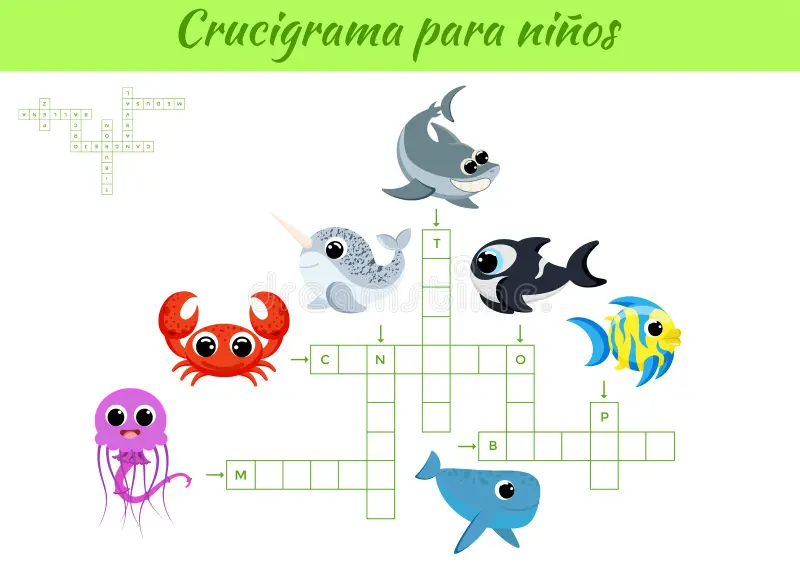
Practice with printable Spanish sea creatures worksheets allows students to write, match, and identify these animals repeatedly. The combination of vocabulary, visual recognition, and written practice creates stronger neural pathways than passive reading alone, making the learning experience stick with students long after the lesson ends.
Start Practicing with These Worksheets