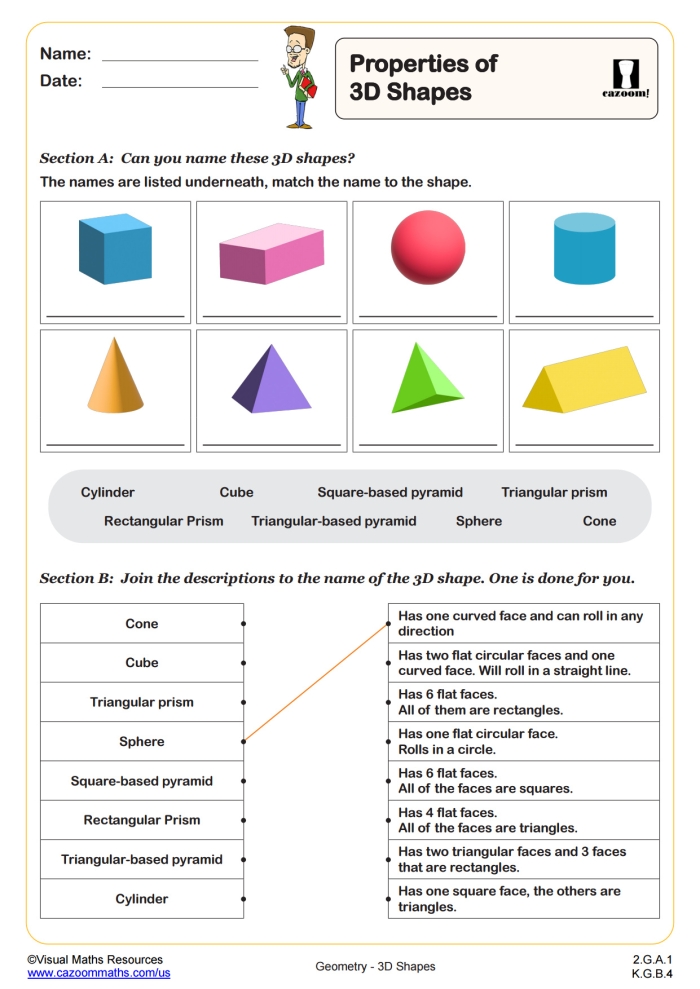
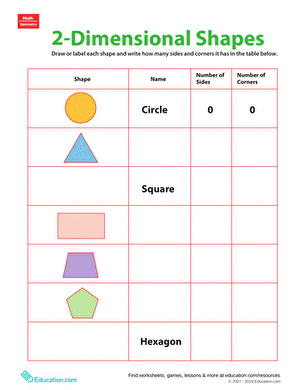
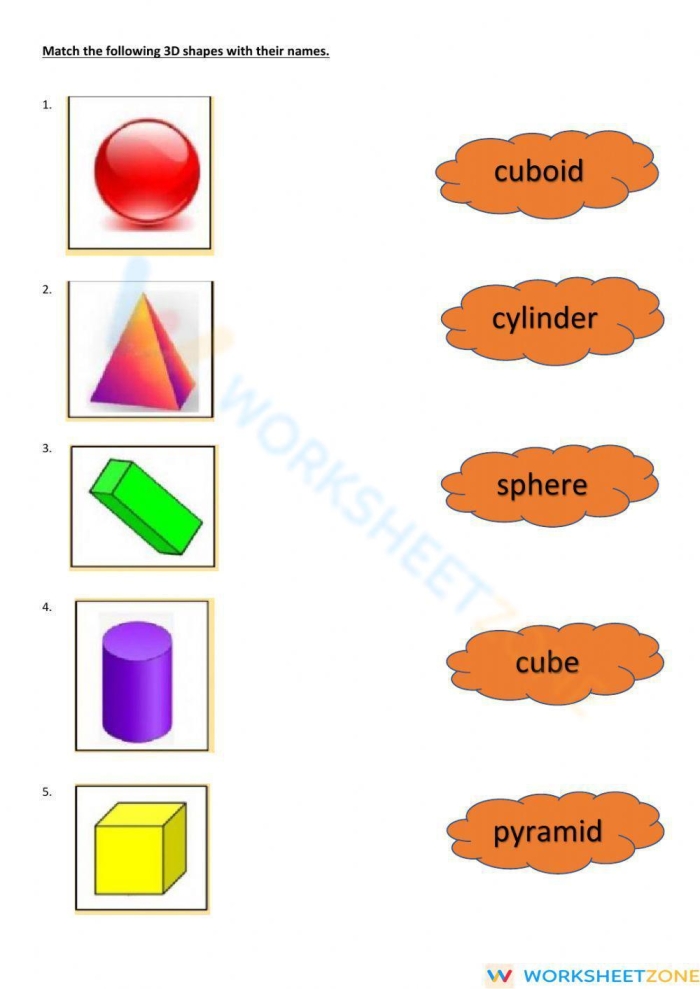
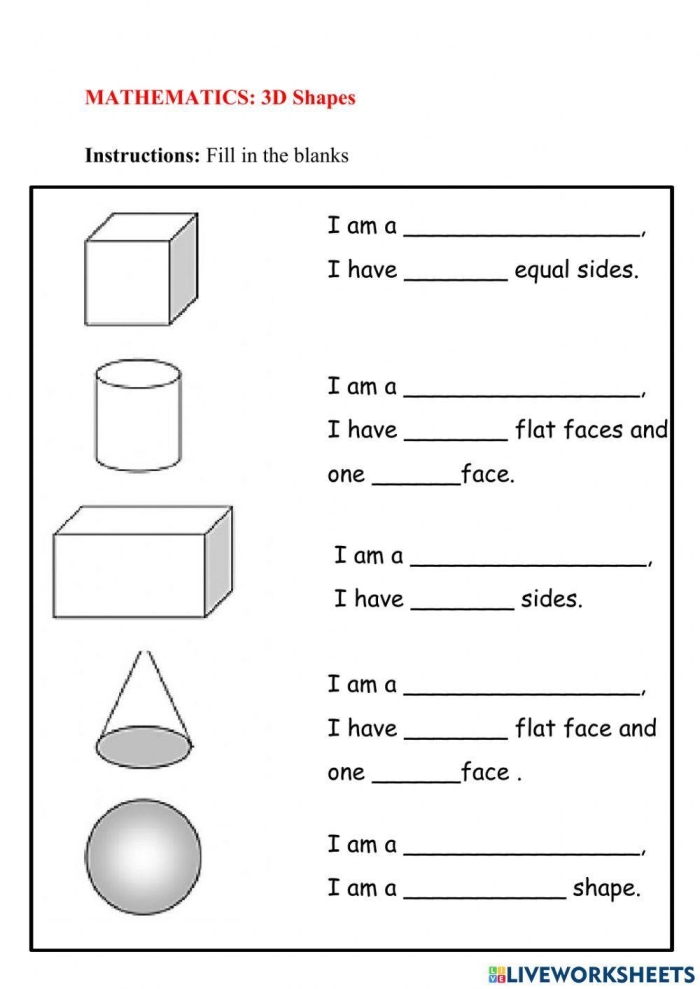
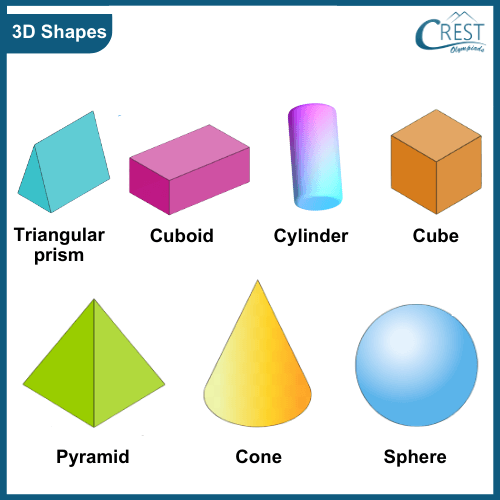
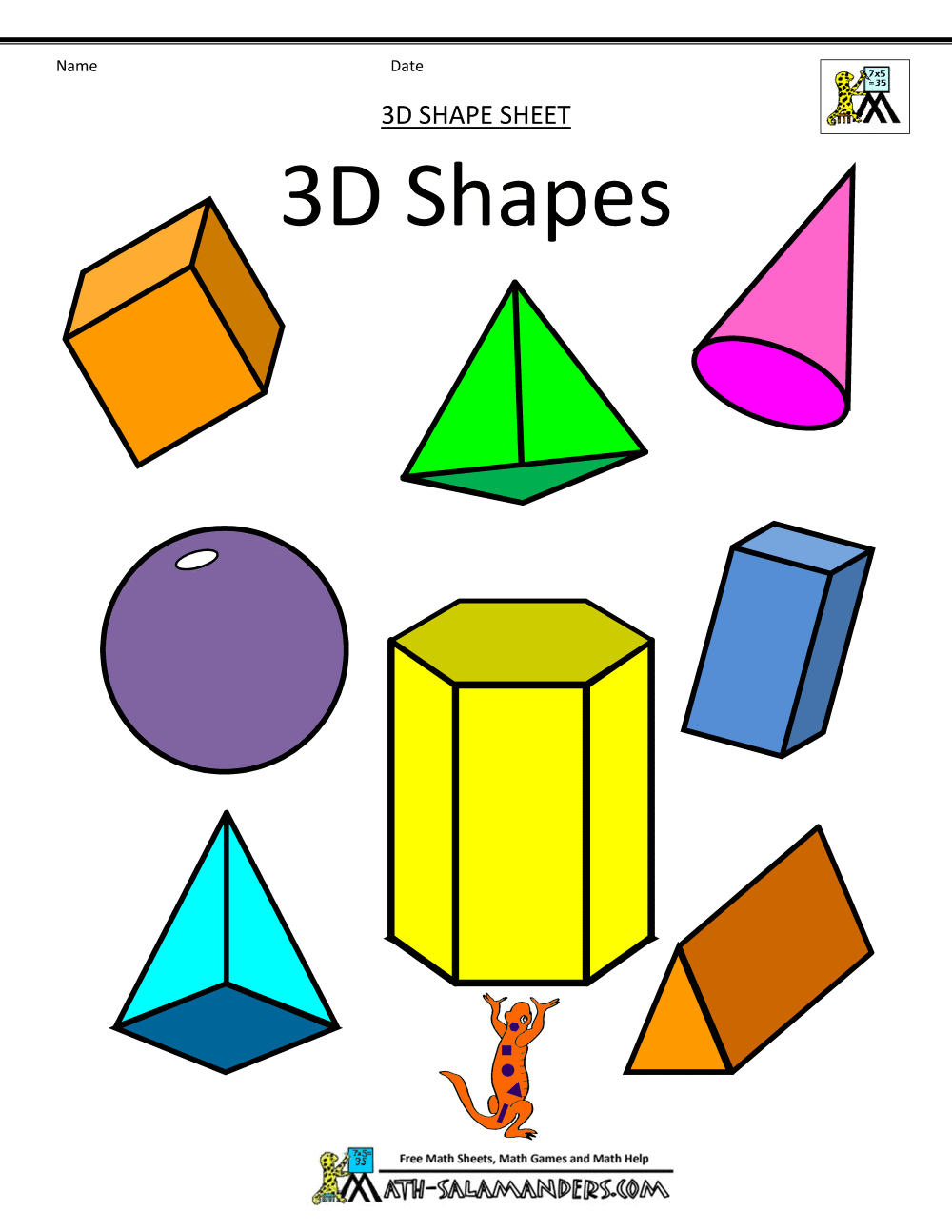
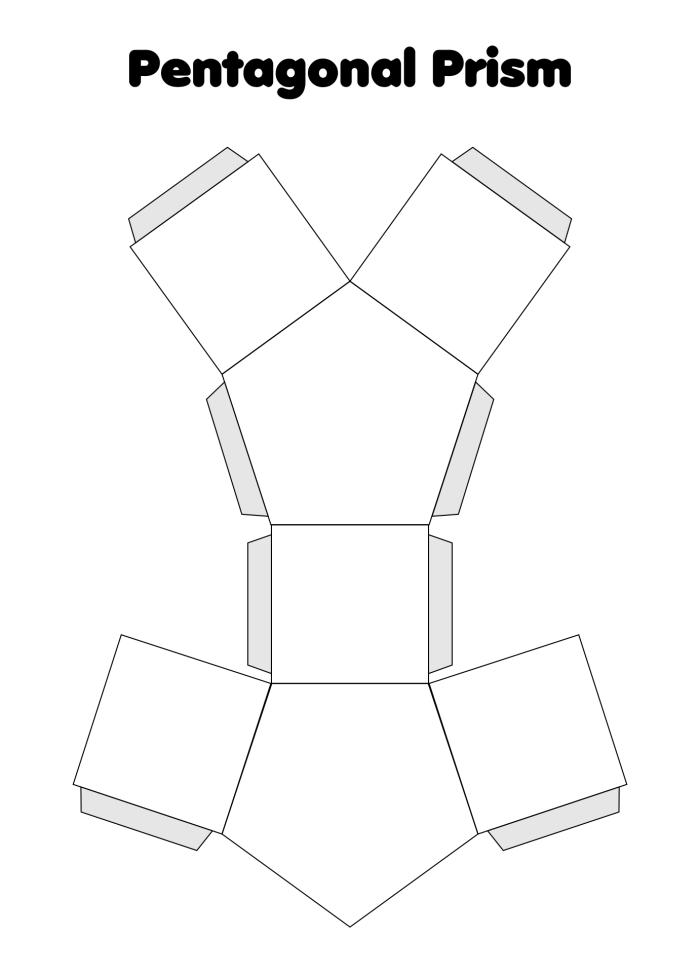
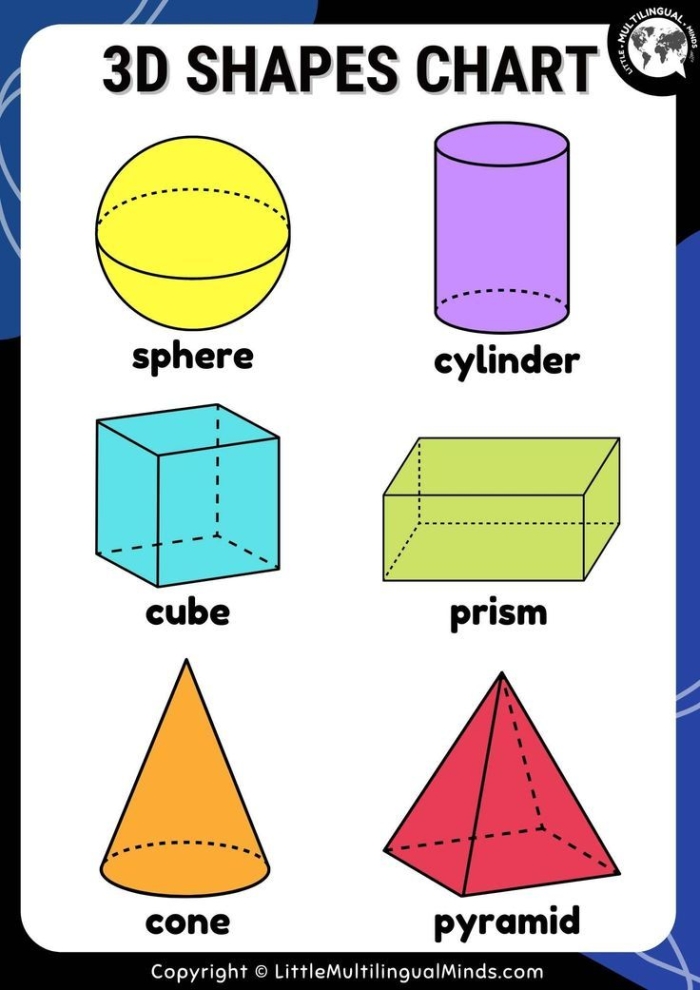
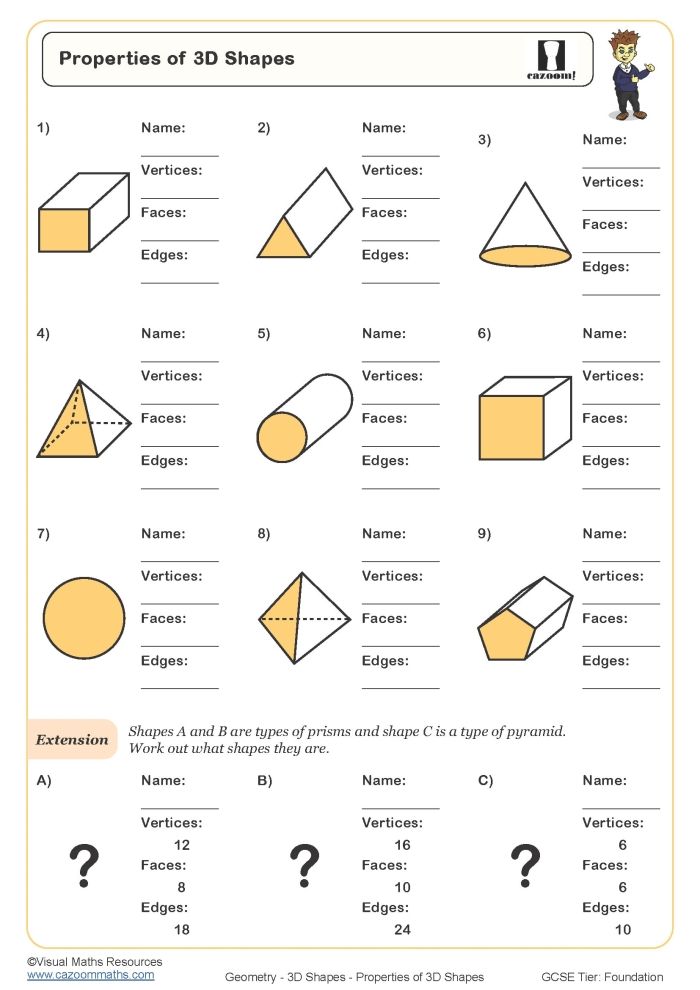
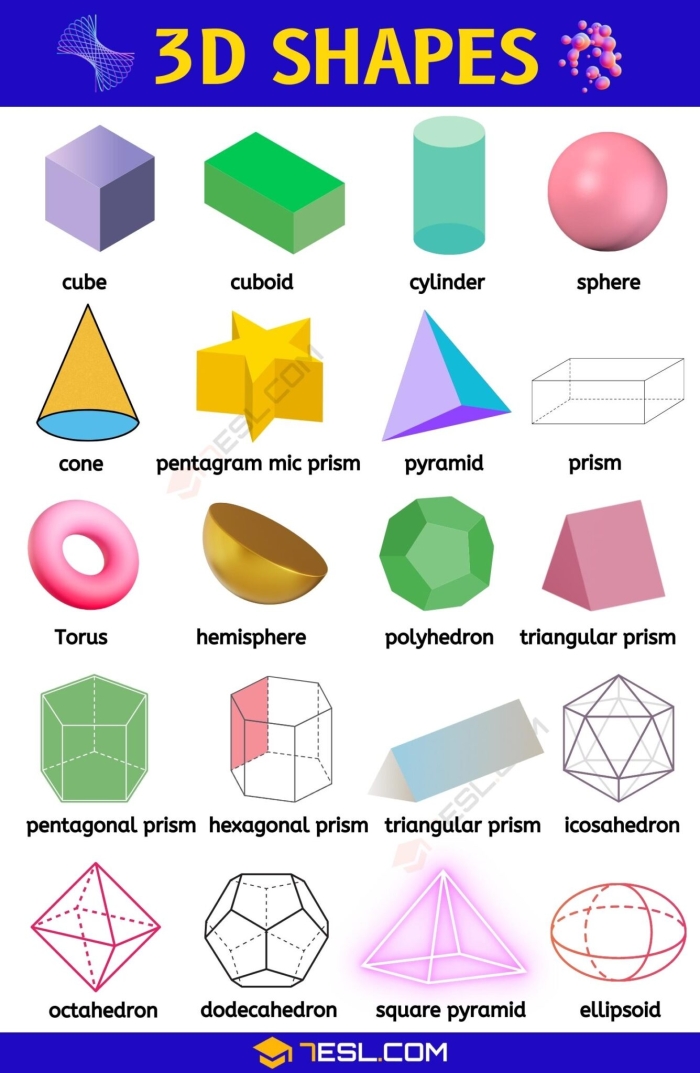
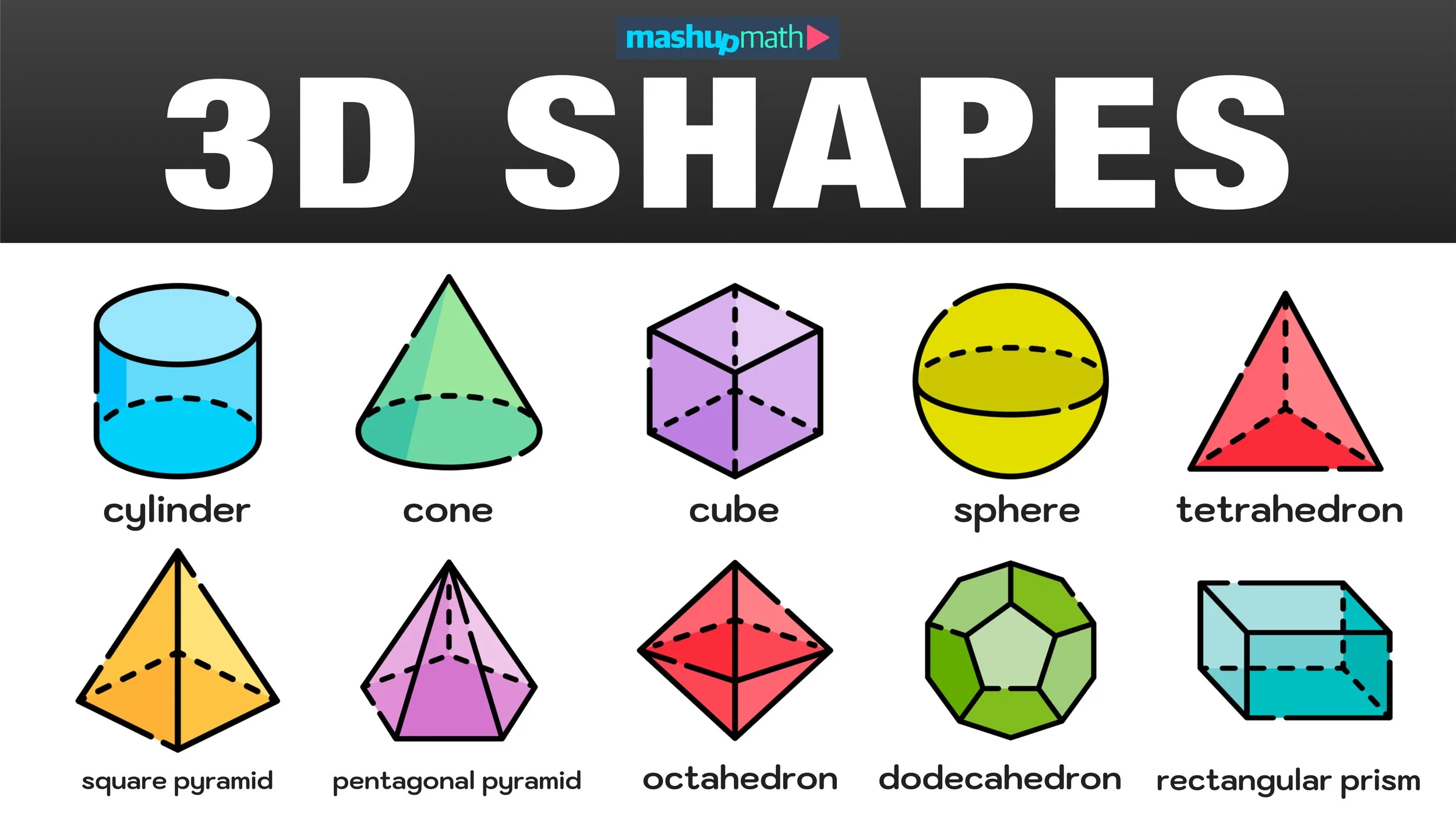
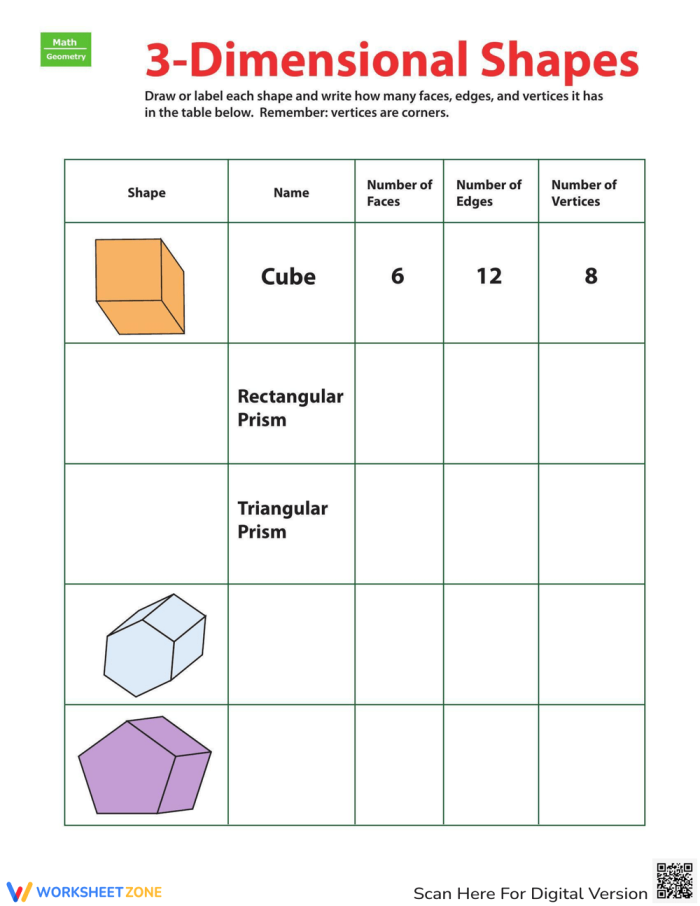
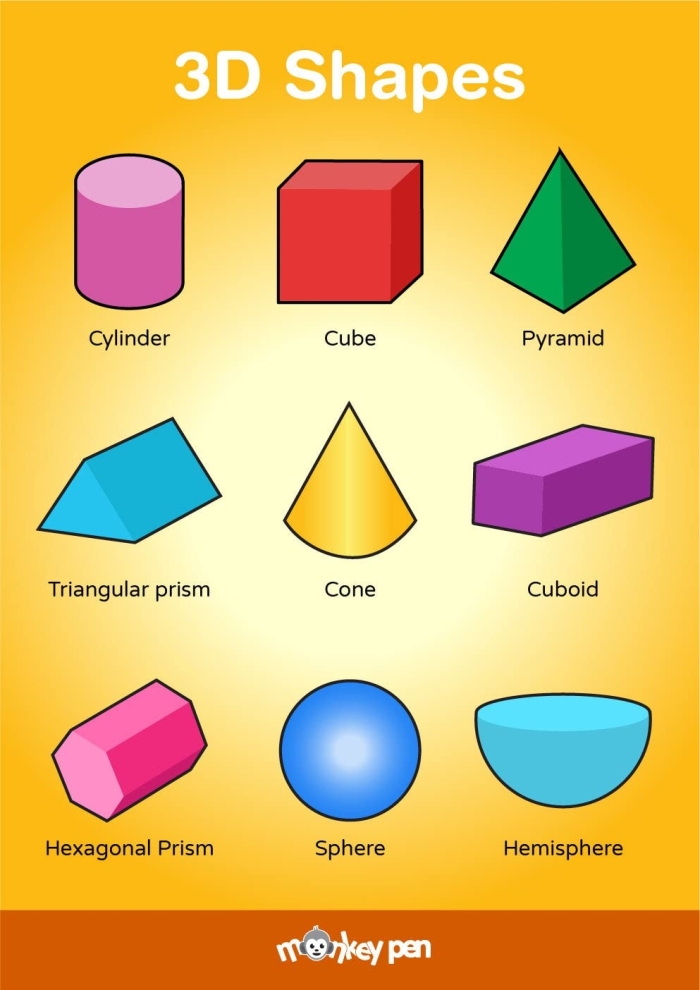
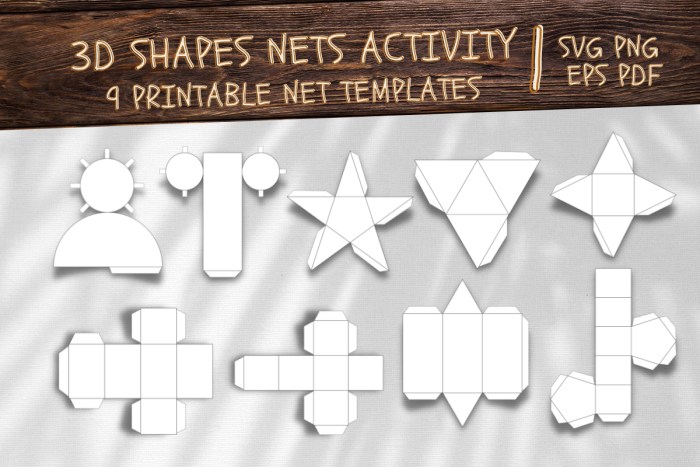
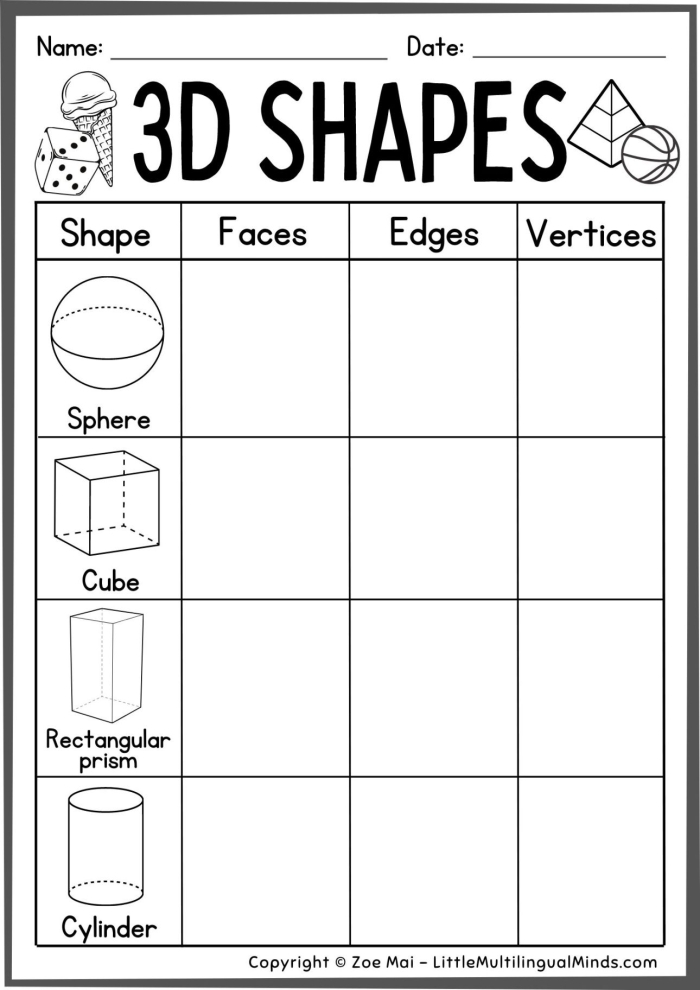
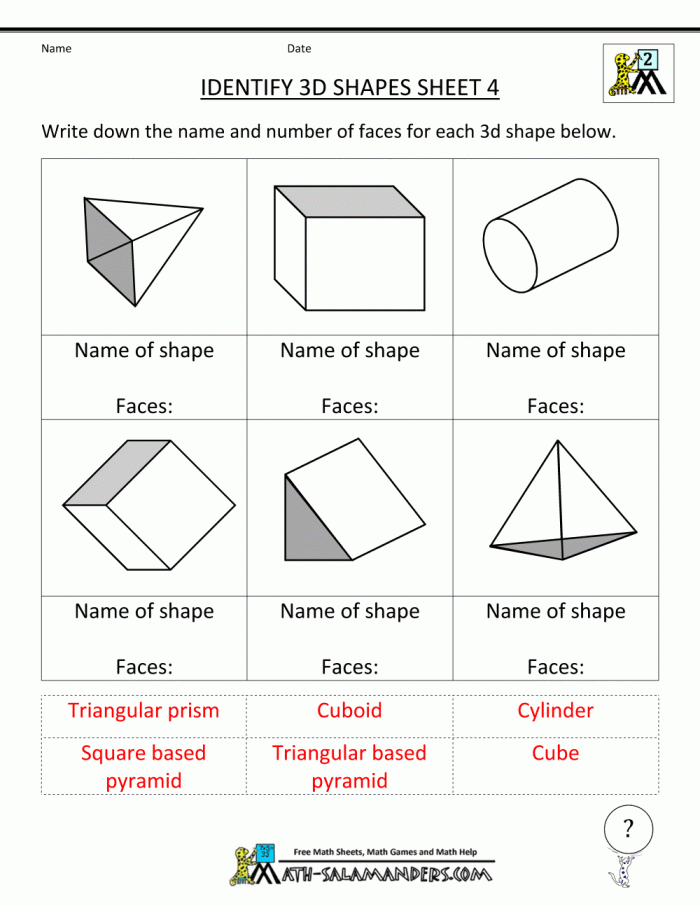
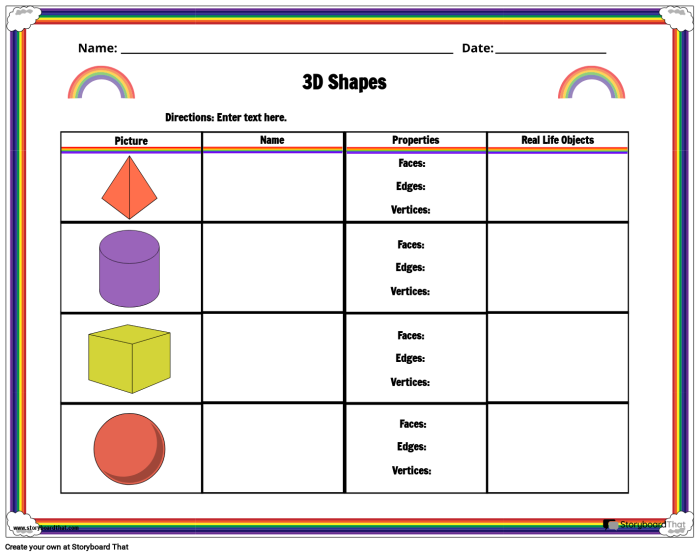
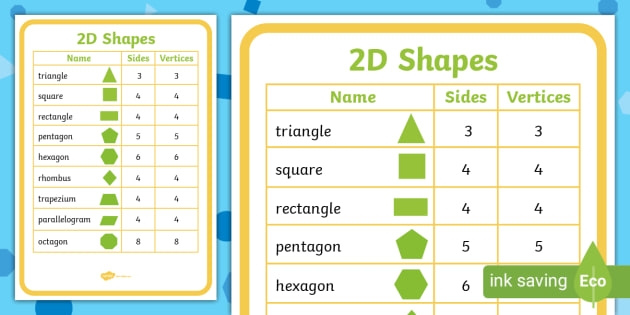
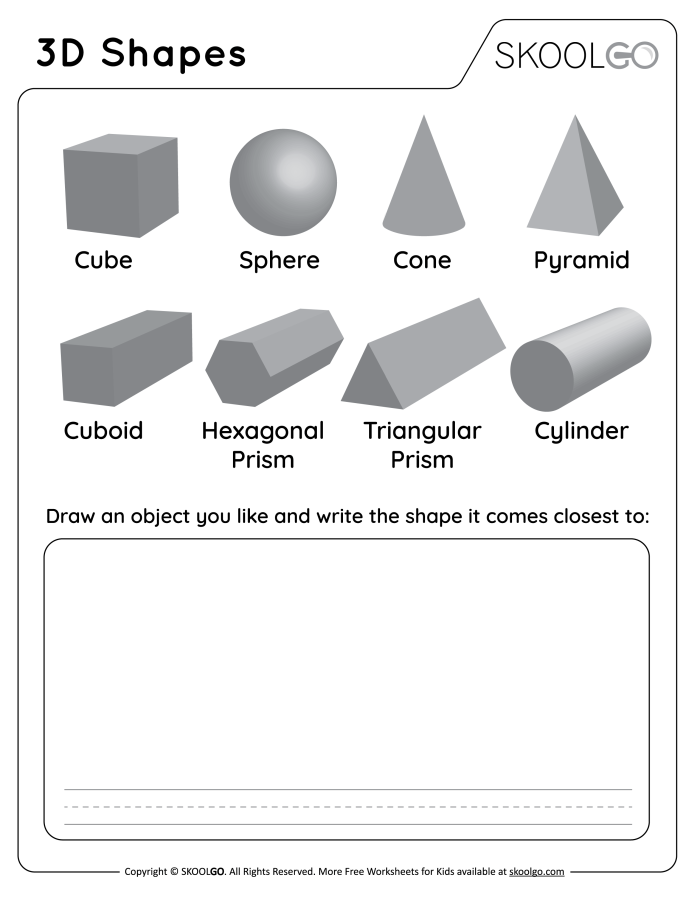
Understanding 3-D shapes is an essential part of second-grade geometry that helps kids visualize and comprehend the world around them. If you’re looking for a fun way for children to engage with these concepts, a hands-on activity can be a great approach. One such activity involves completing a table where kids label or draw various 3-D shapes and then identify key characteristics such as the number of faces, sides, and vertices each shape has.
For instance, when working with a cube, kids can draw the shape in the designated space of the table. They should note that a cube has 6 faces, 12 edges, and 8 vertices. This kind of exercise not only reinforces their understanding of the shapes but also introduces them to basic geometry terminology. Engaging in these activities can help solidify their grasp of spatial relationships, which is crucial for further math studies.
Another example is the pyramid. After drawing it, children can count and write down that it has 5 faces, 8 edges, and 5 vertices. By actively participating in these exercises, students can develop a deeper understanding of how different shapes relate to one another. This knowledge is foundational as they progress in their studies.
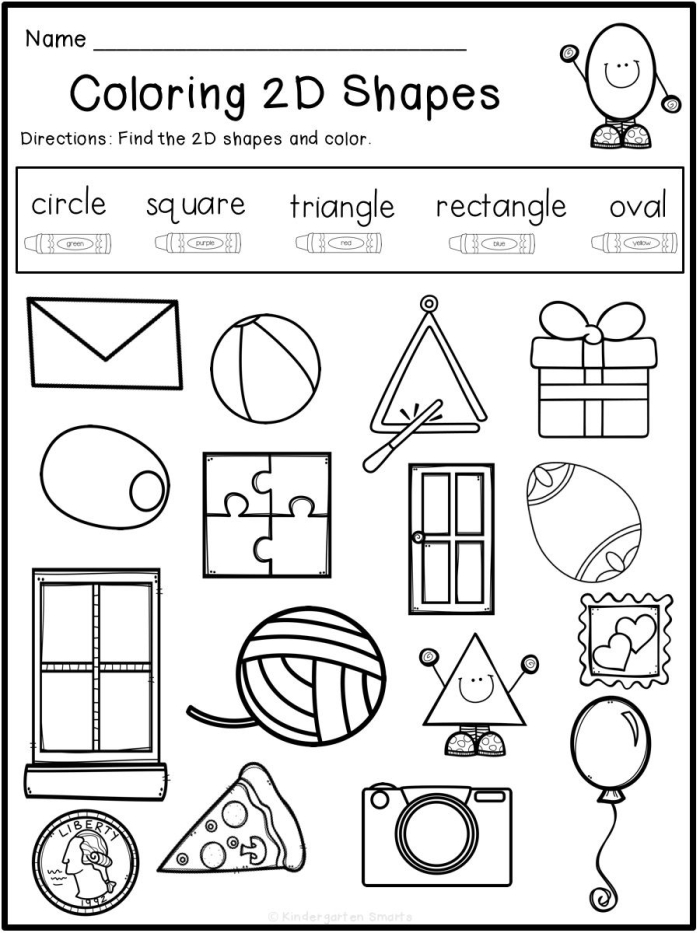
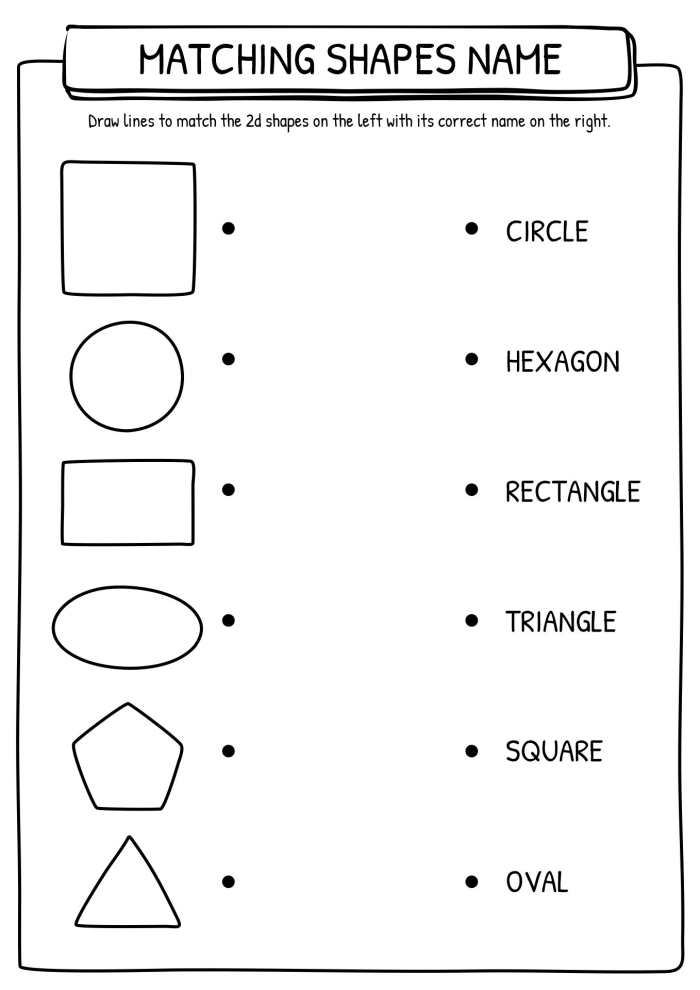
Printable resources can enhance this learning experience. For example, worksheets that guide children through identifying various shapes can be beneficial. You can find useful materials like place value worksheets or coloring sheets that make learning engaging and interactive.
Ultimately, allowing kids to explore 3-D shapes through drawing and labeling will foster not only their math skills but also their creativity. Such activities can be both educational and enjoyable, making geometry a subject they look forward to.
Download These Worksheets for Practice