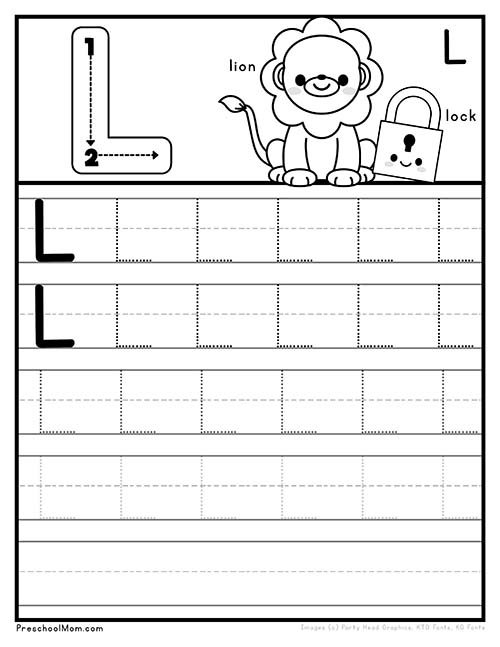
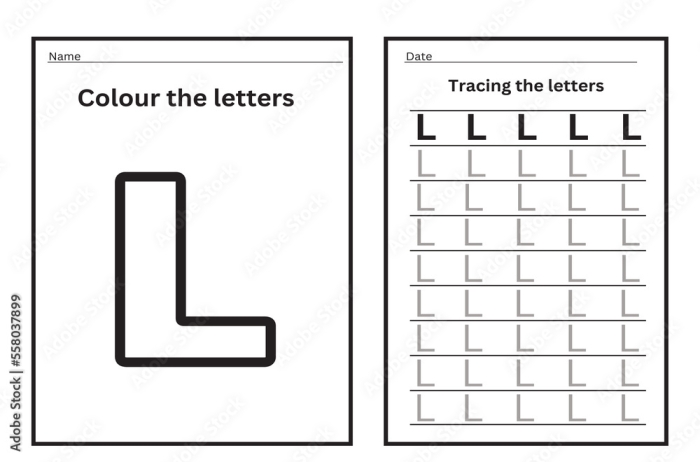
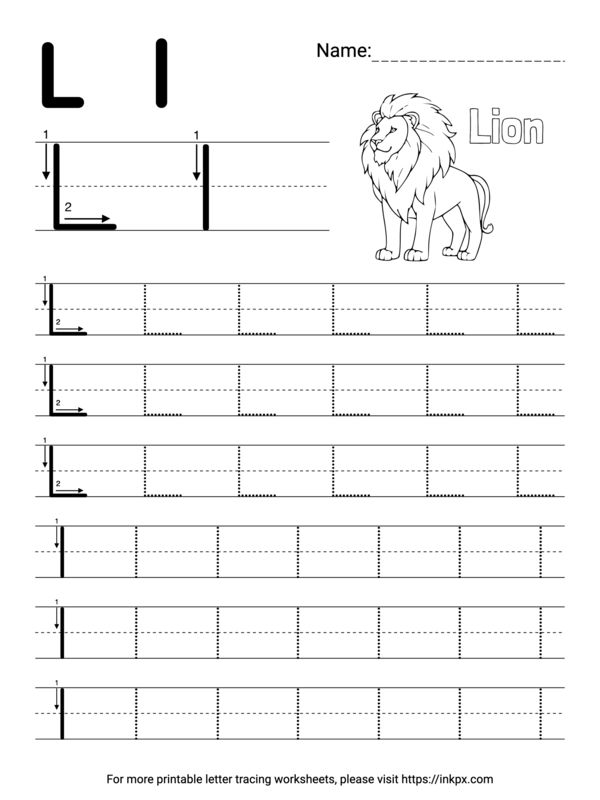
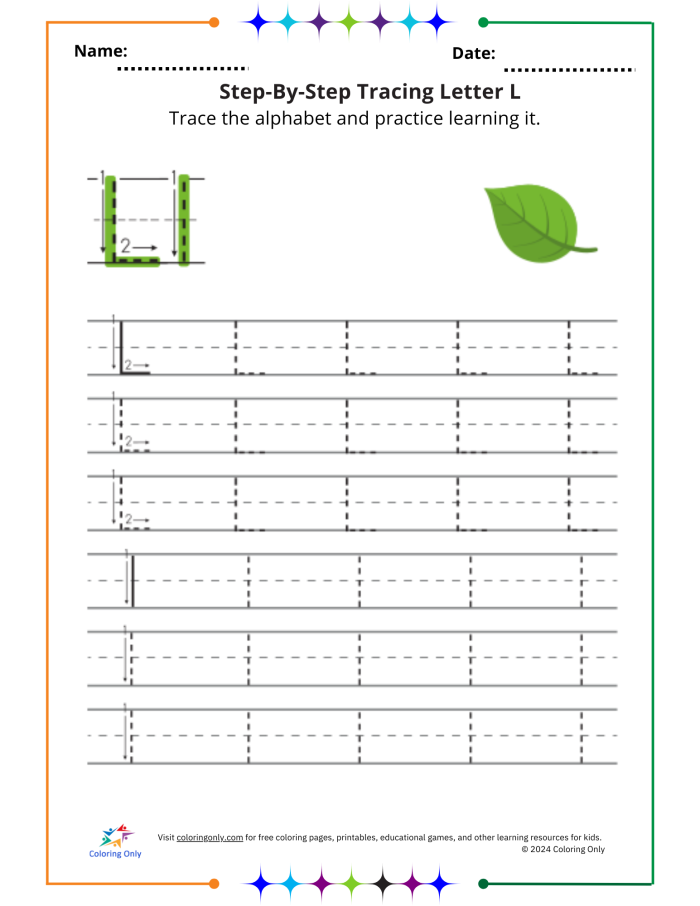
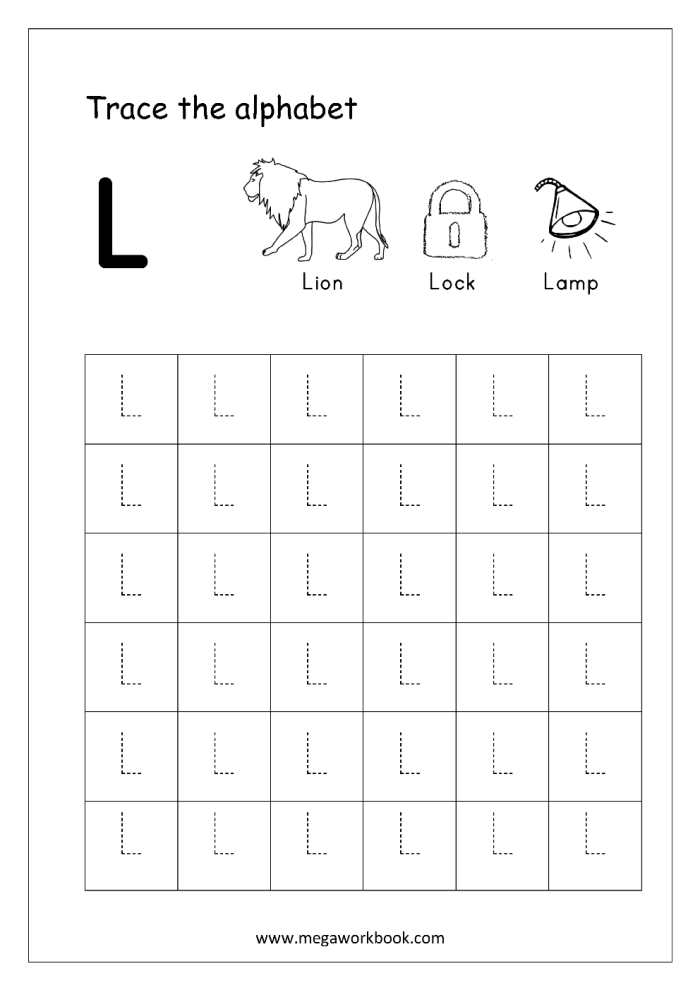
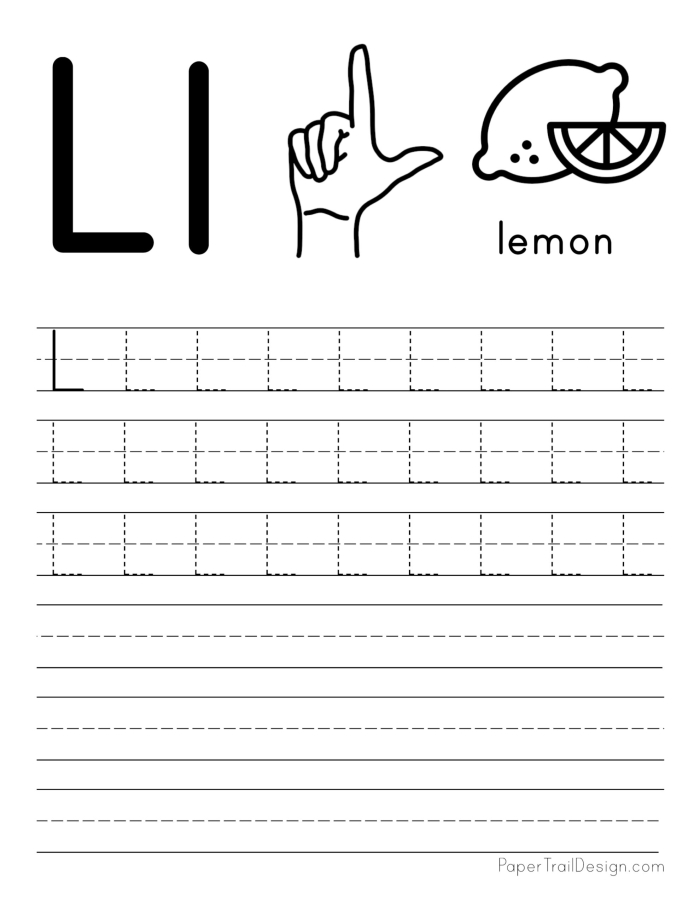
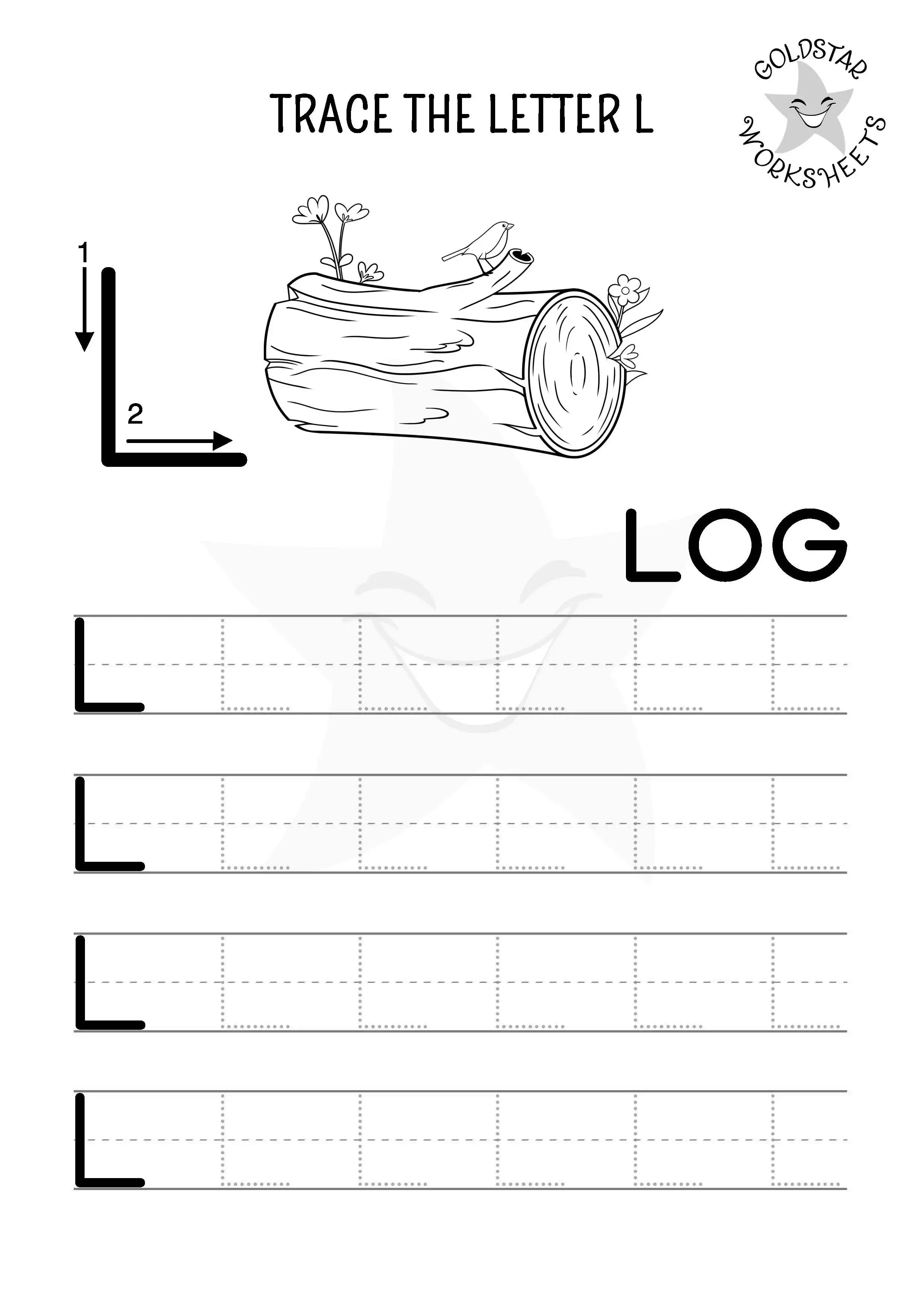
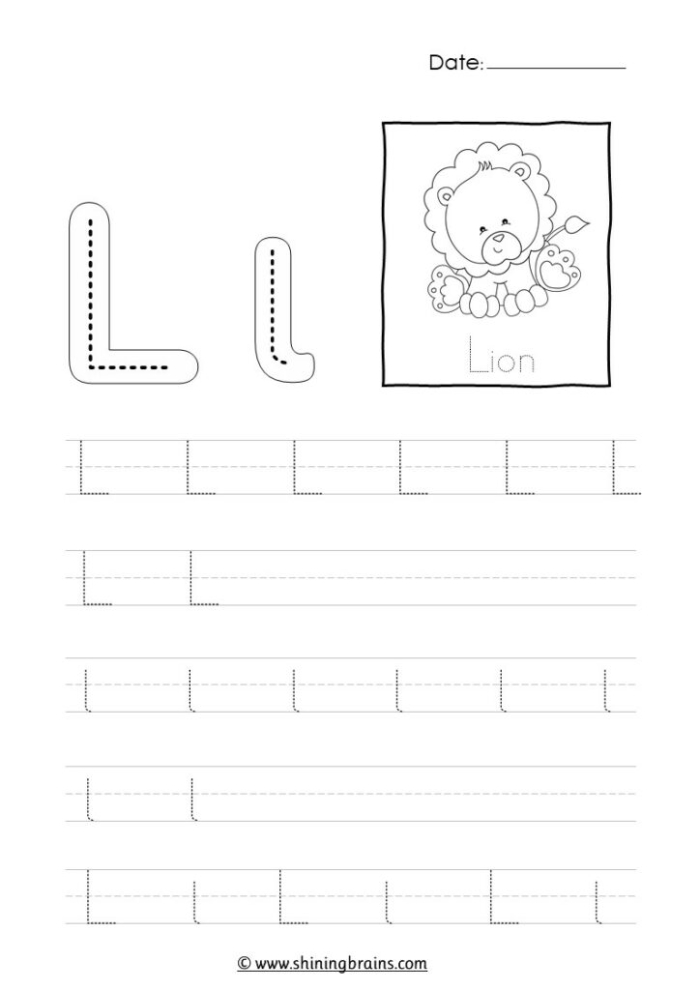
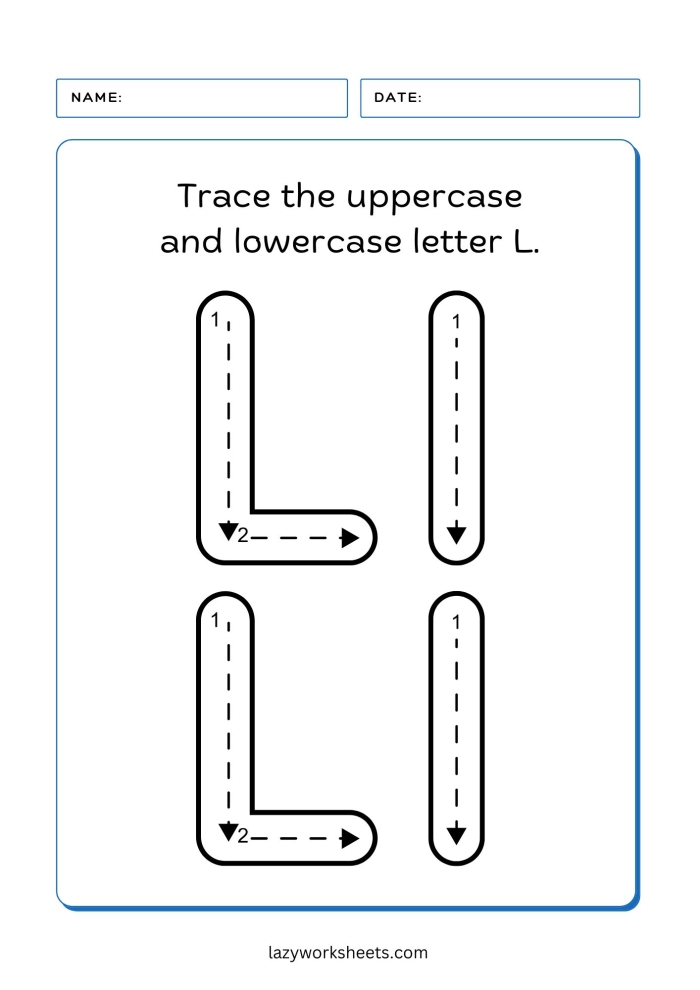
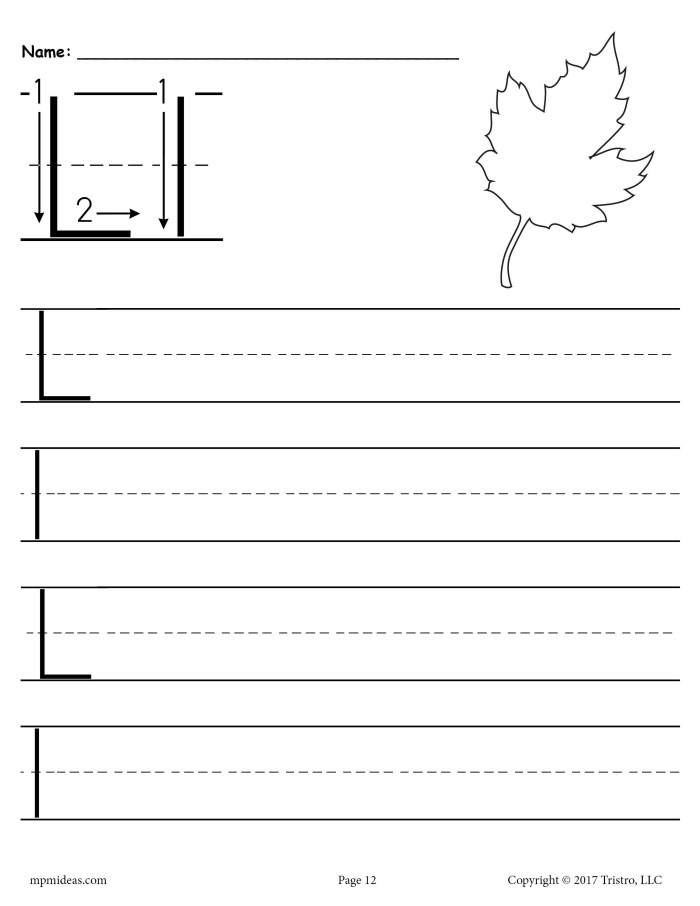
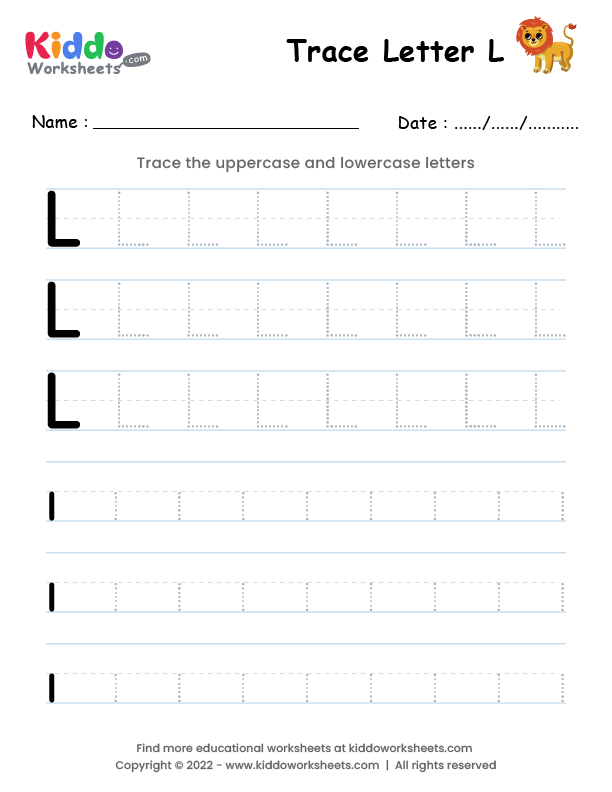
Tracing letters is a fundamental step in early childhood education, and learning to form the letter L can be both fun and beneficial for young learners. First, kids engage with a prekindergarten writing worksheet that encourages them to trace lines, helping to strengthen their fine motor skills. These skills are crucial for tasks such as holding a pencil correctly and controlling hand movements, which are essential for writing.
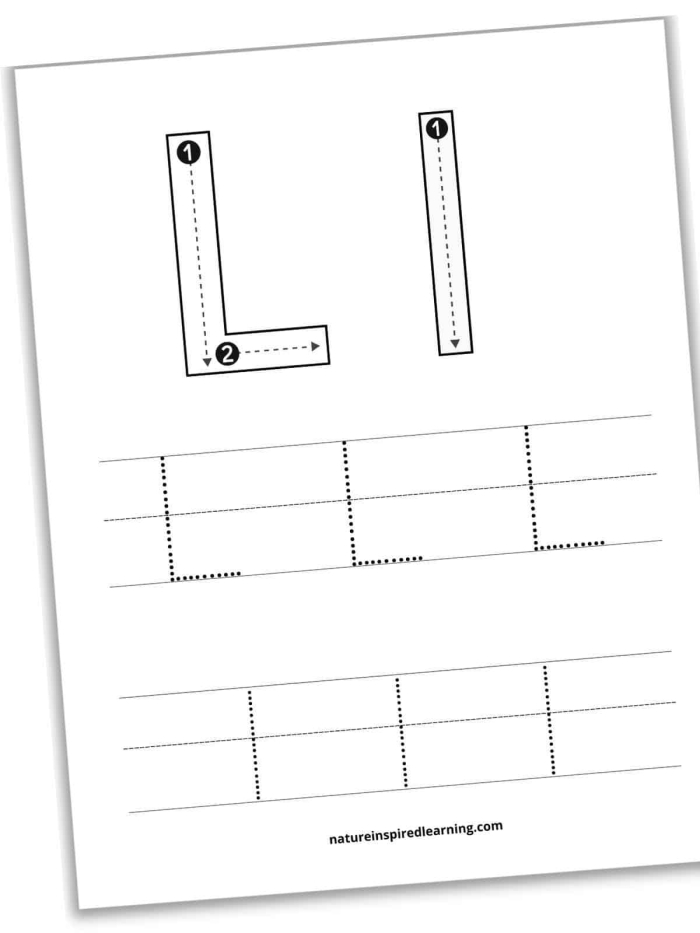
The action of tracing lines prepares children for the complexities of letter formation. By practicing these basic strokes, they develop hand-eye coordination and muscle memory. As they progress, they move on to tracing the letter L itself. This is not just an exercise in repetition; it’s a hands-on way for children to understand the shape and structure of the letter. In fact, mastering the letter L is often a stepping stone to writing other letters, making it an important part of the pre-K curriculum.
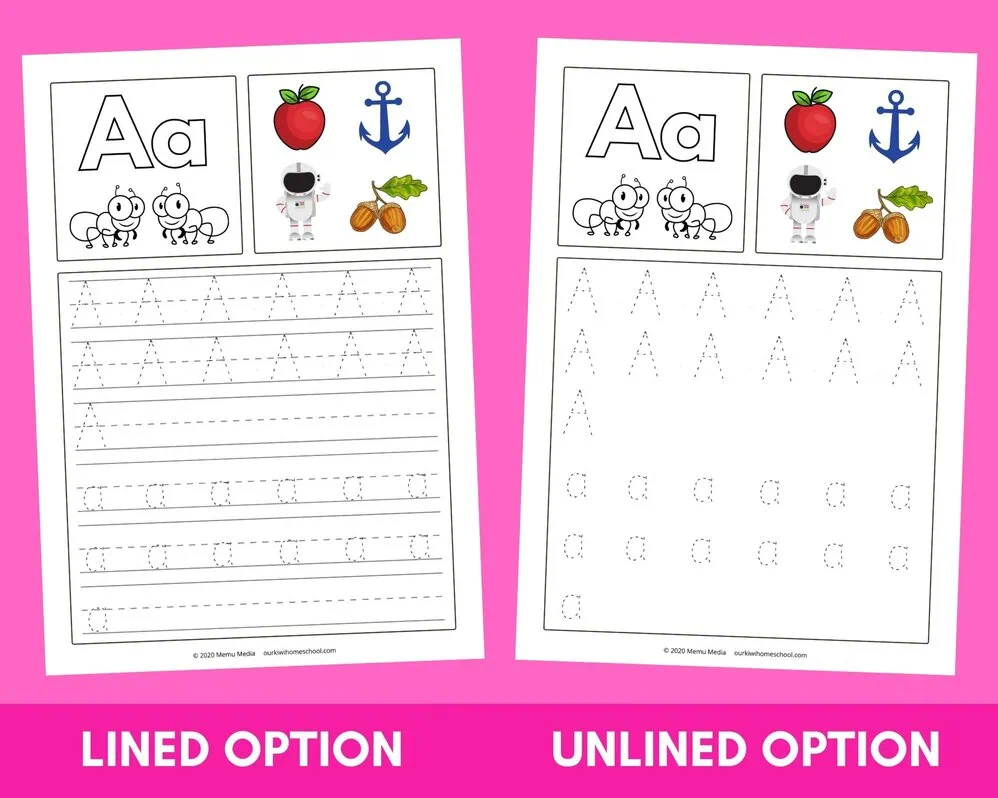
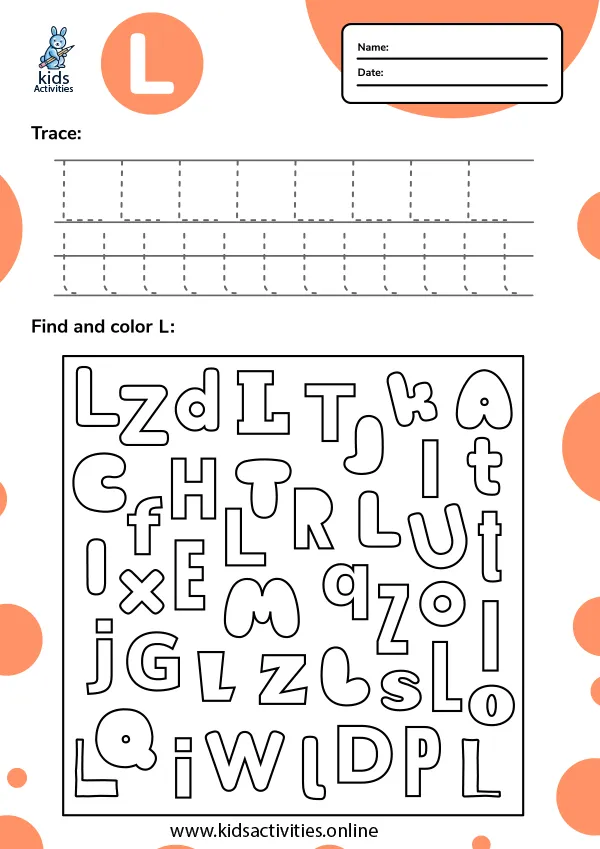
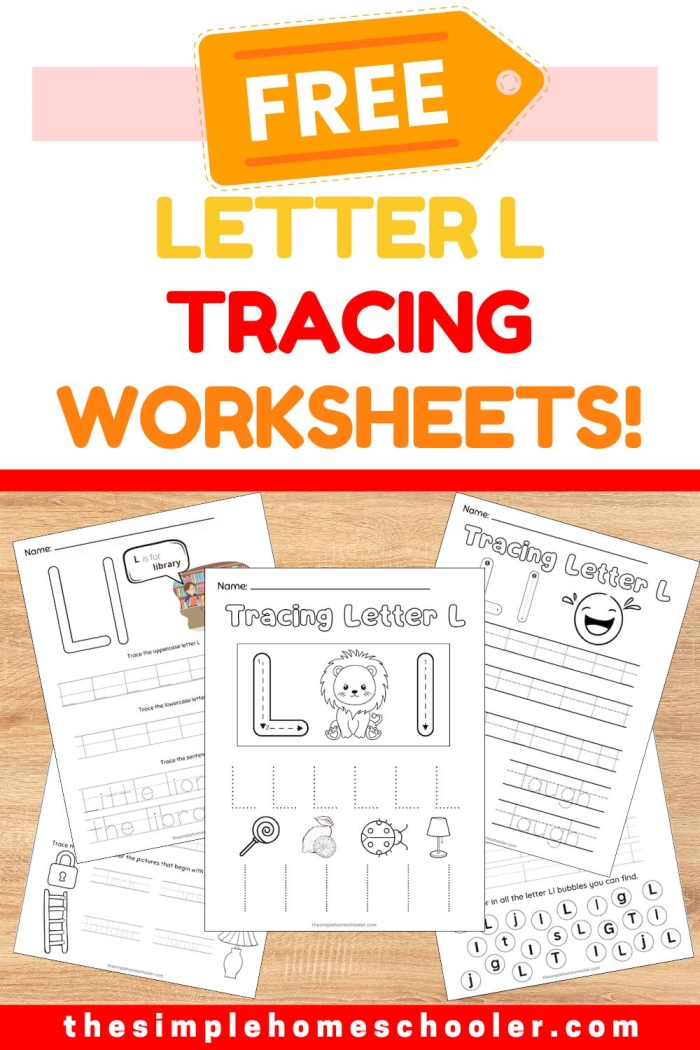
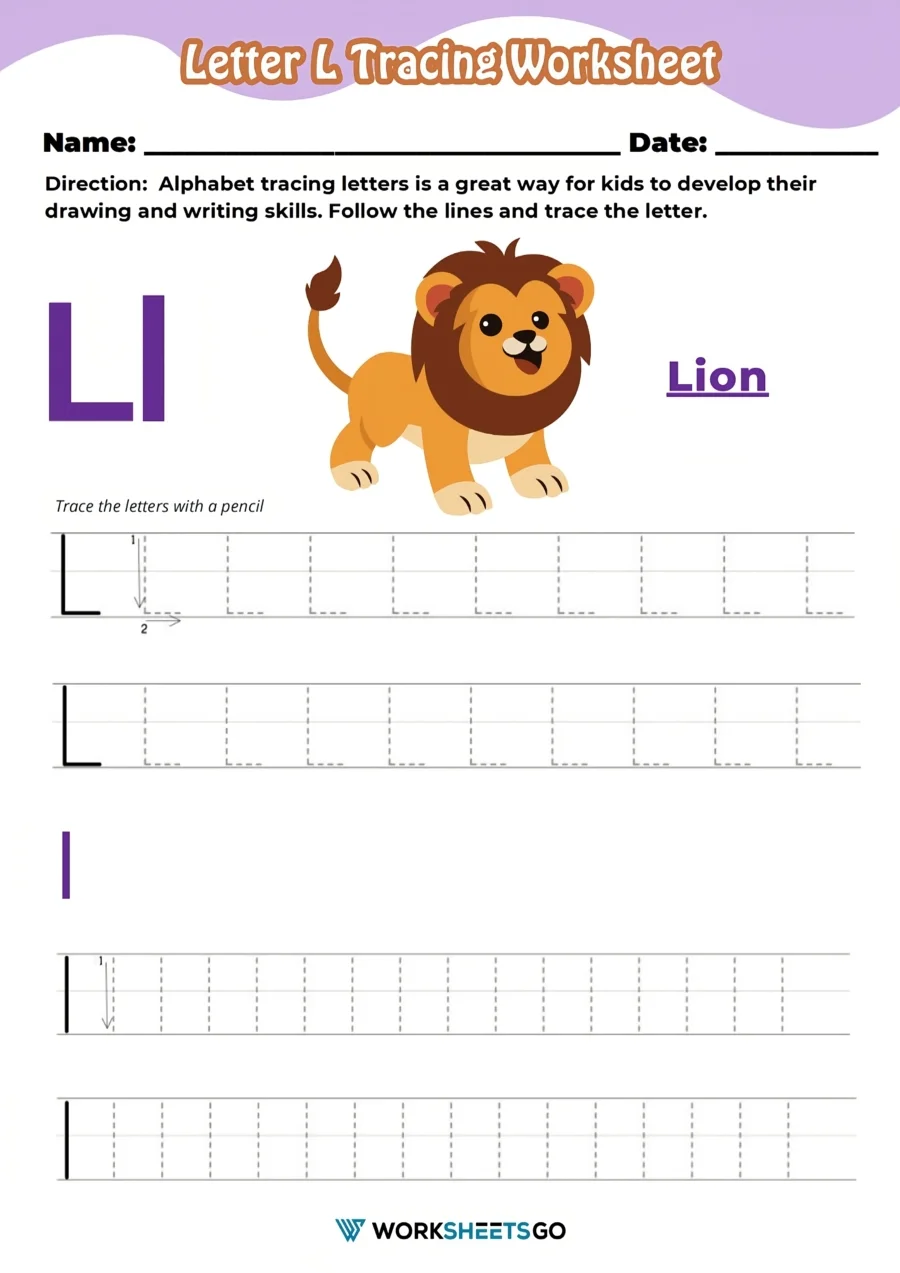
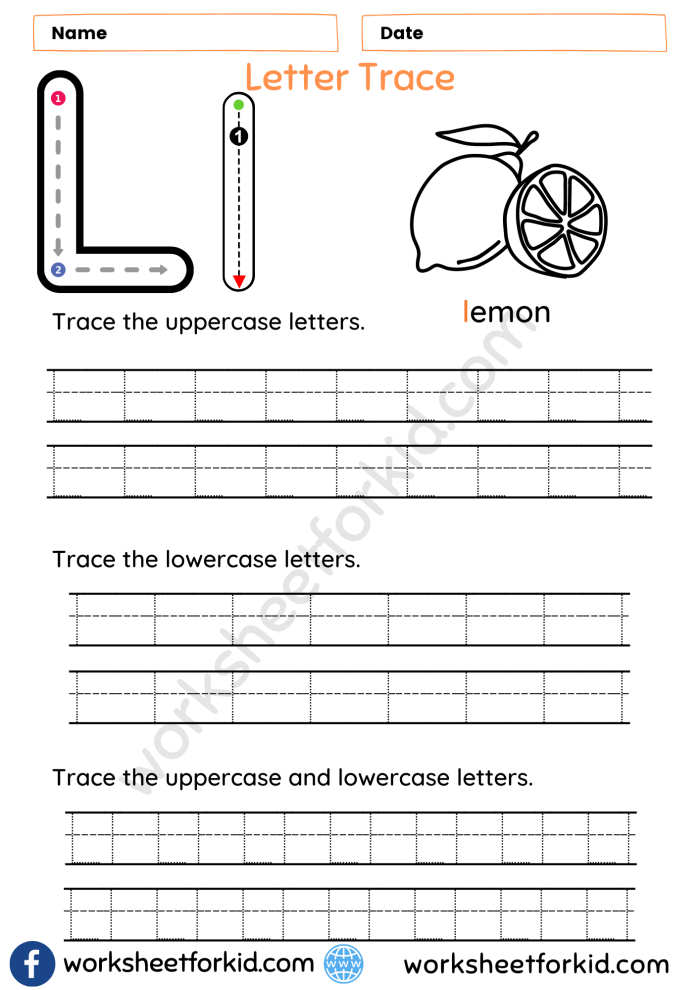
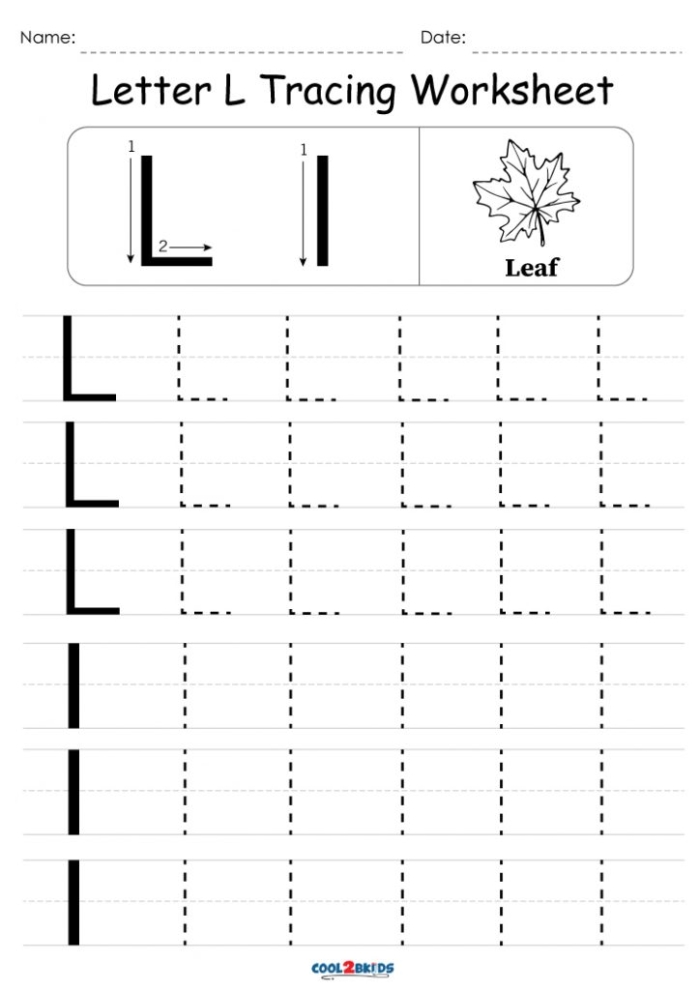
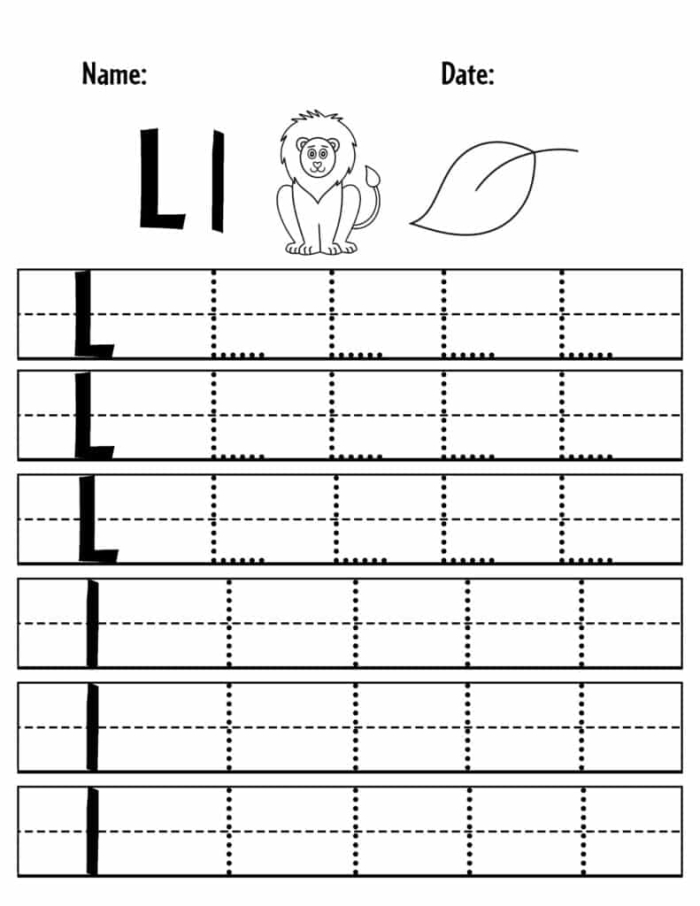
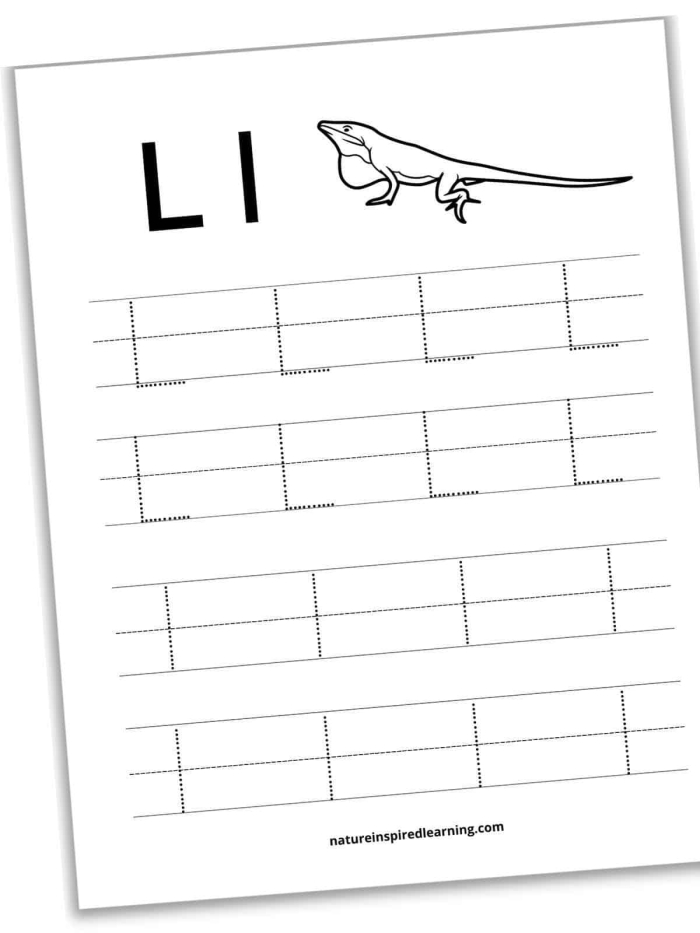
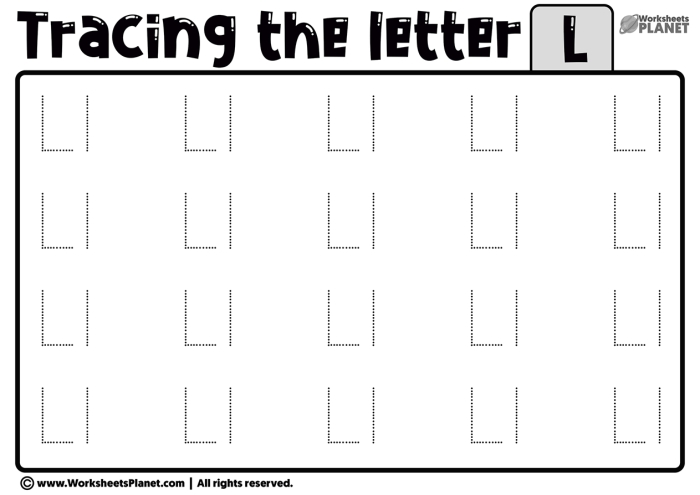
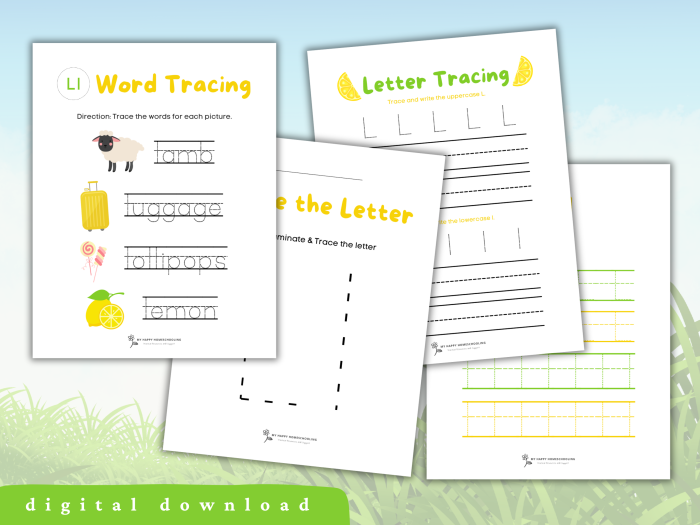
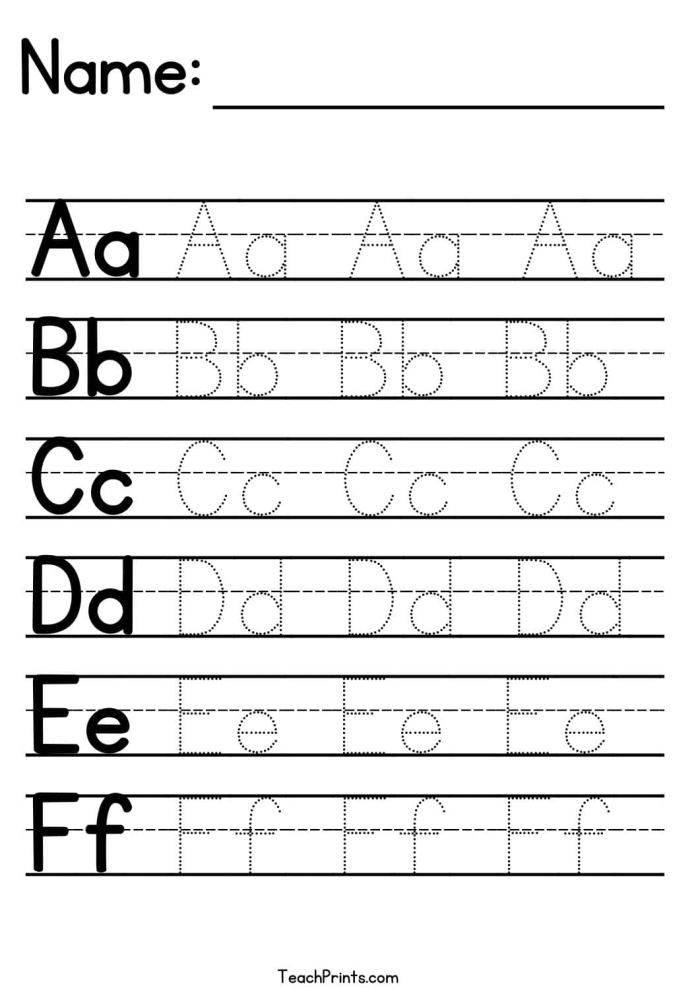
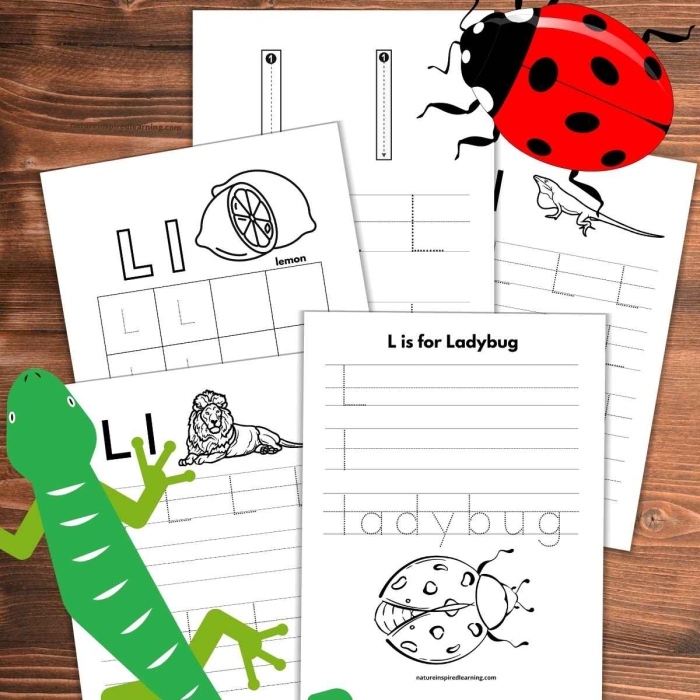
Worksheets designed for this purpose can make learning more engaging. For example, you might find Printable Practice Tracing the Letter L Worksheets that provide a variety of tracing activities. These worksheets often incorporate playful themes or characters that capture children’s interest, making the learning process enjoyable.
In addition to tracing, children can benefit from related activities, such as identifying words that start with L or matching letters to pictures, which reinforces vocabulary. Integrating different types of learning activities can deepen their understanding of language while keeping them engaged. For further practice, resources like Get Ready for Reading Worksheets can be useful.
By focusing on fine motor skills and letter recognition, children set a solid foundation for future literacy. As they trace the letter L, they not only learn how to write but also gain confidence in their abilities. This combination of skill development and encouragement is what makes pre-K learning so vital.
Printable Worksheets for Practice