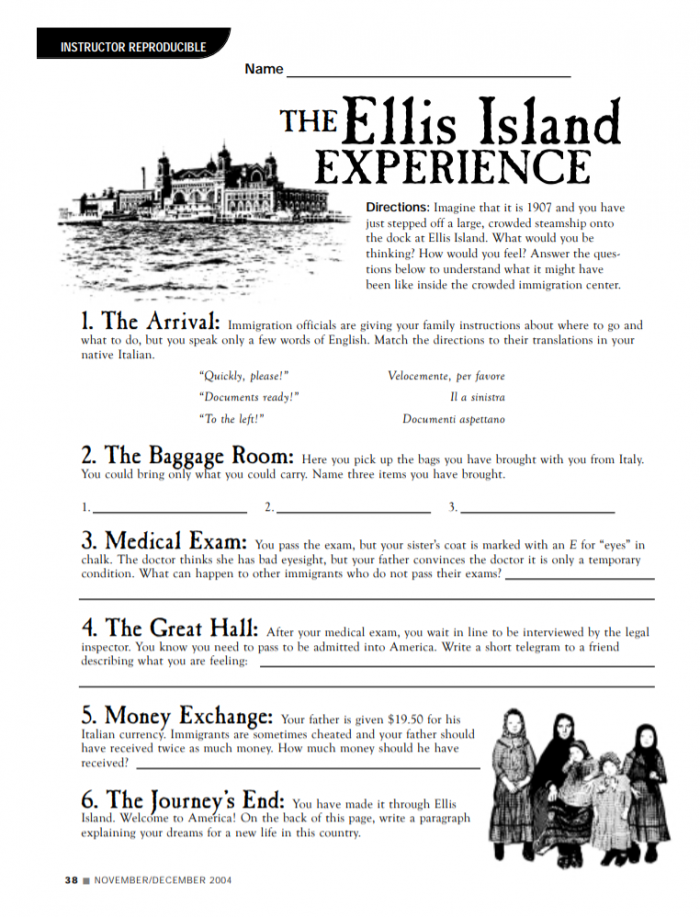
When immigrants stepped off ships at Ellis Island in the late 1800s and early 1900s, they faced a question that still matters today: how light can you pack? These travelers didn’t have moving trucks, roller bags, or the luxury of shipping their belongings ahead. Everything they owned had to fit into what their bodies could carry across an ocean and through crowded processing centers.
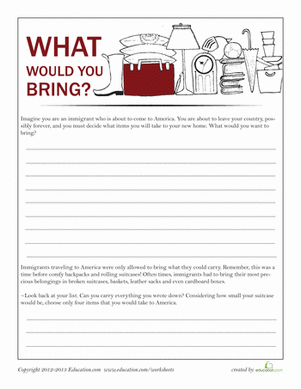
Most immigrants arrived with one or two trunks, cloth bags, or simple wooden crates. A family might share a single large trunk packed with clothing, tools, documents, and a few precious items from home. A mother might tuck in a family Bible or a piece of lace from her grandmother. A father would bring work clothes and whatever tools matched his trade. Children’s belongings were minimal, often just extra shirts and socks wrapped in cloth.
The weight mattered enormously. Ships charged by the piece of luggage, and many families scraped together every penny just for passage. Steerage passengers, who made up the majority of arrivals, paid the lowest fares and had the least space. They couldn’t afford excess baggage fees. Every pound counted.
This historical constraint teaches us something practical about necessity and choice. Fifth Grade history lessons often explore how immigrants prepared for their journey, and understanding their packing decisions reveals what people truly valued. They brought skills, not possessions. They brought hope, not furniture.
For students studying this period, examining what immigrants packed connects directly to larger themes about migration and survival. When learning about geography and movement, like understanding coordinate systems and mapping routes across oceans, the human story of Ellis Island becomes concrete and real. Those trunks and bags represent real people making impossible choices about what mattered most.
Boost Skills with These Worksheets