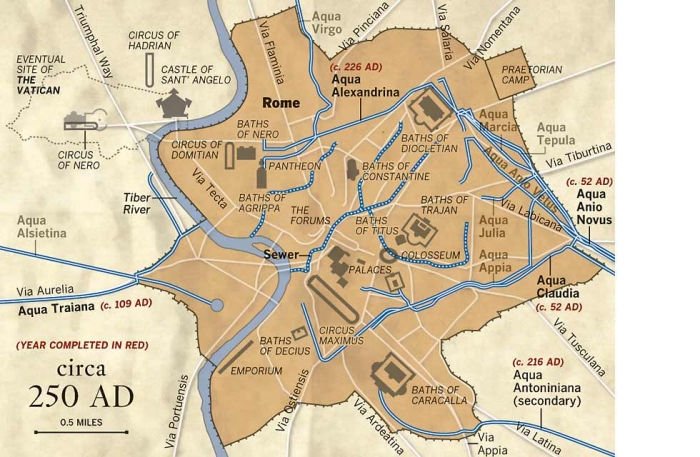
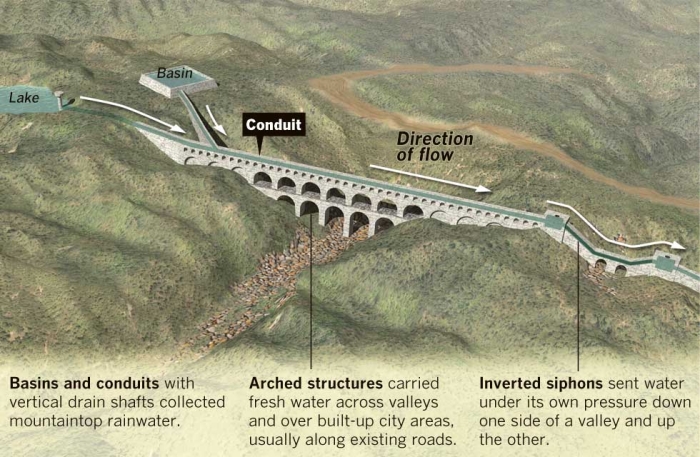
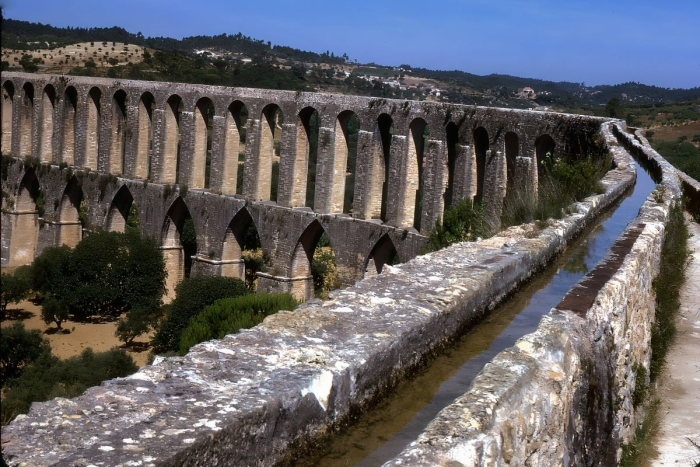
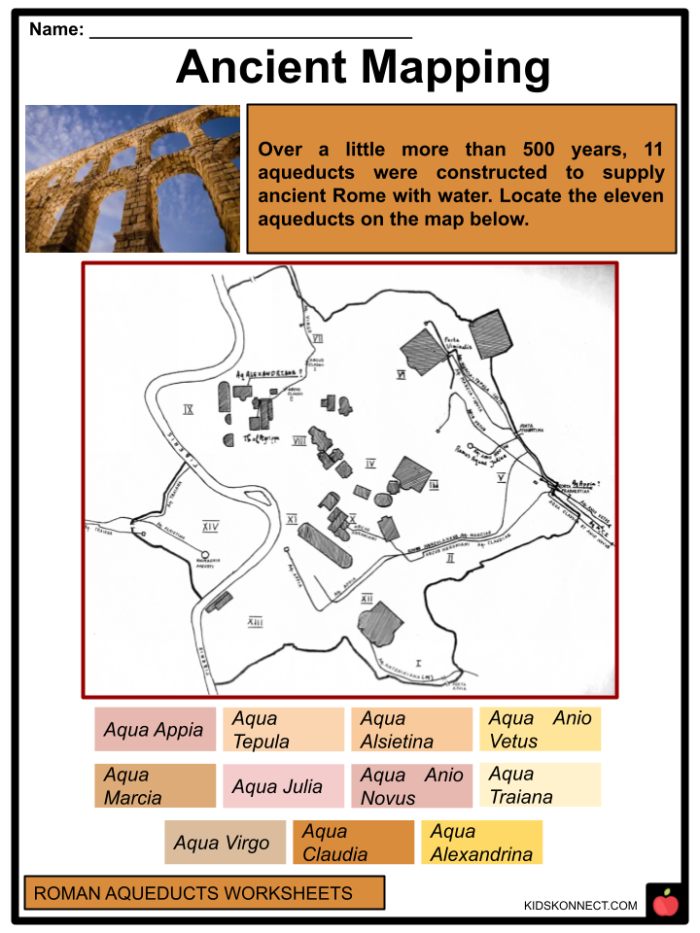
Ancient Rome is renowned for its remarkable engineering feats, and the aqueducts stand out as one of its most impressive accomplishments. These structures were built to transport water from distant sources into cities and towns, ensuring a steady supply for drinking, bathing, and irrigation. The ingenuity behind aqueducts not only showcases the Romans’ architectural skills but also their understanding of gravity and hydraulics.
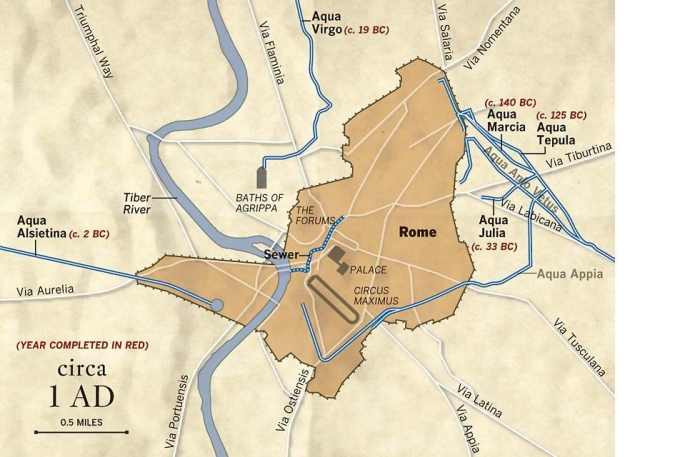
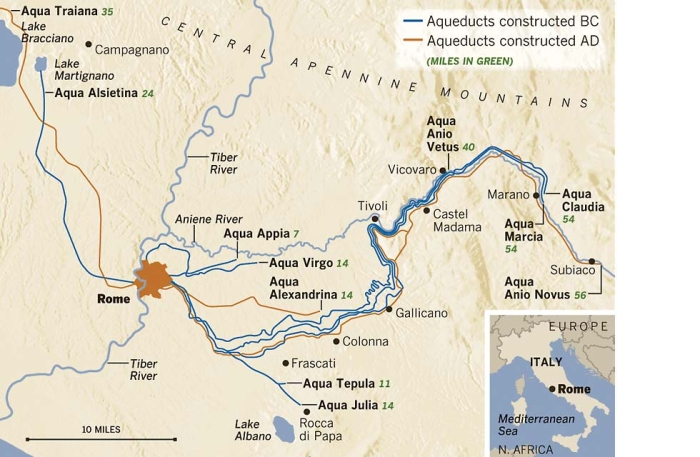
To truly appreciate the significance of aqueducts, consider the Aqua Appia, one of the first aqueducts constructed in 312 BCE. Spanning over 16 kilometers, it primarily relied on underground channels to deliver water. This method minimized evaporation while protecting the water from contamination. By using gravity to guide the flow, the Romans could maintain a consistent water supply, which greatly improved public health and sanitation in urban areas.
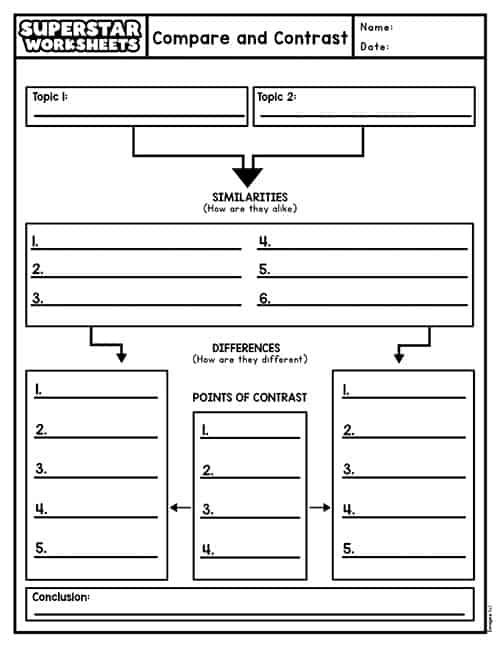
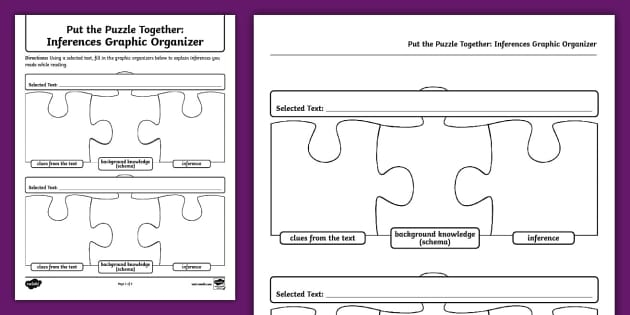
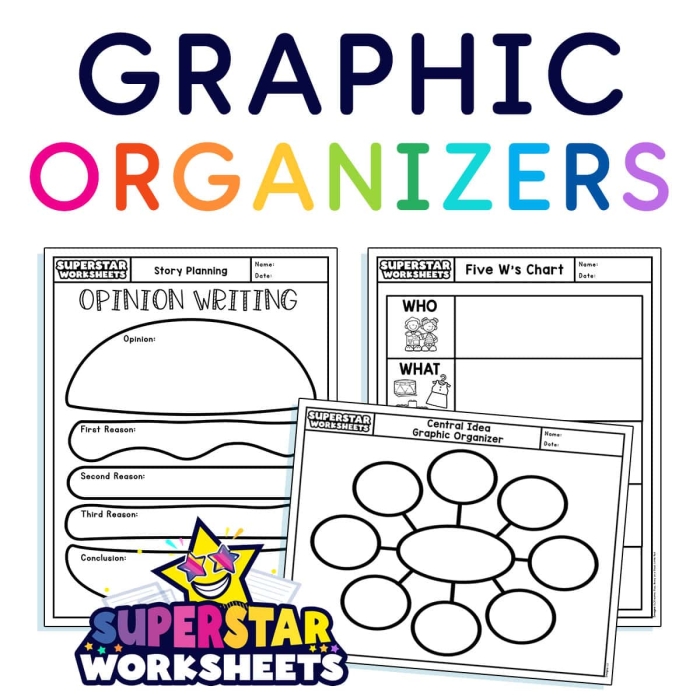
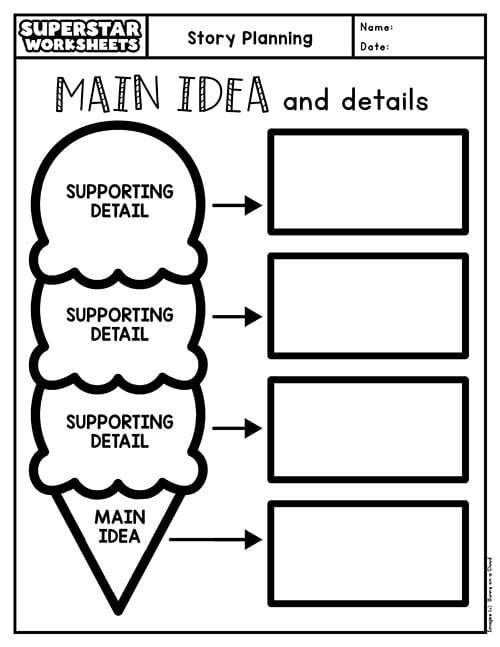
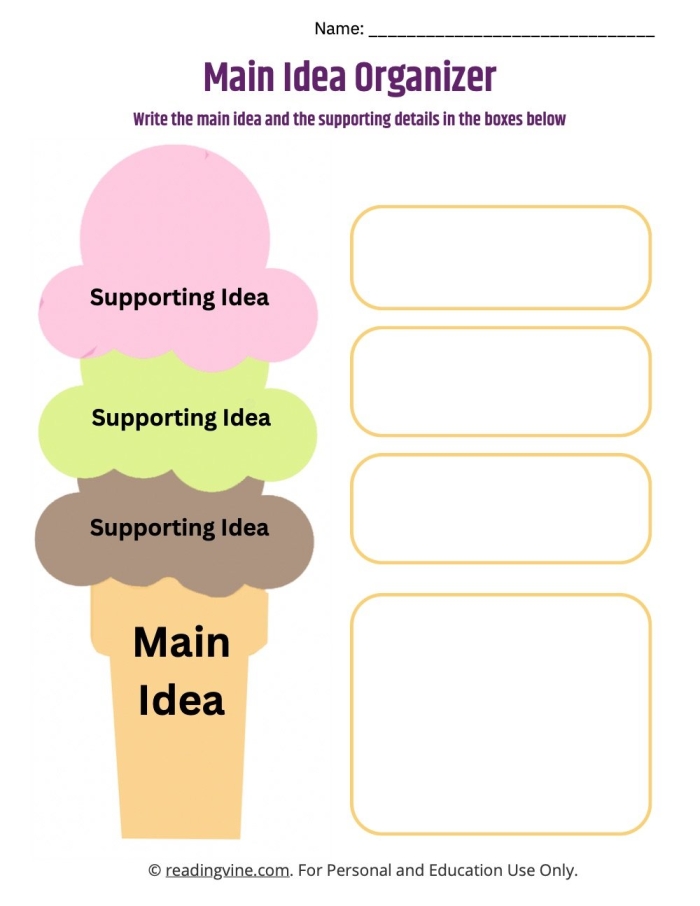
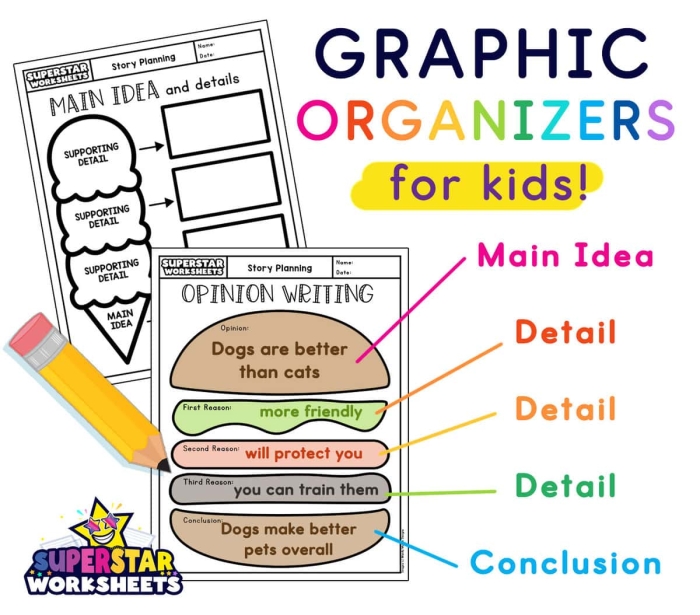
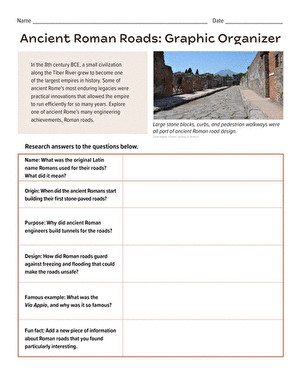
For sixth graders studying these engineering marvels, utilizing a graphic organizer can enhance their understanding. This tool allows students to break down the components and functions of aqueducts, making complex information more manageable. Organizing details such as the materials used, construction techniques, and the significance of water supply can help reinforce learning.
Moreover, aqueducts often featured impressive arches and bridges, designed not only for functionality but also for aesthetics. The Pont du Gard in France, for example, is a stunning example of Roman engineering that still stands today, attracting visitors from around the globe. This structure highlights the dual purpose of aqueducts: to serve practical needs while also showcasing artistic achievement.
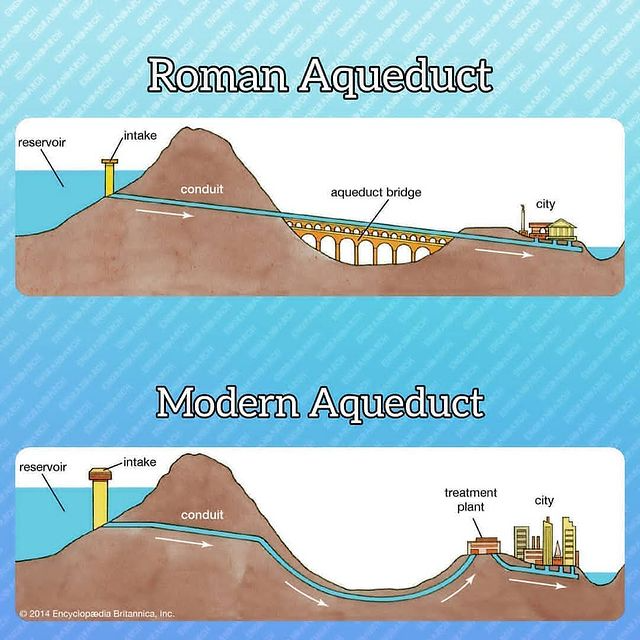
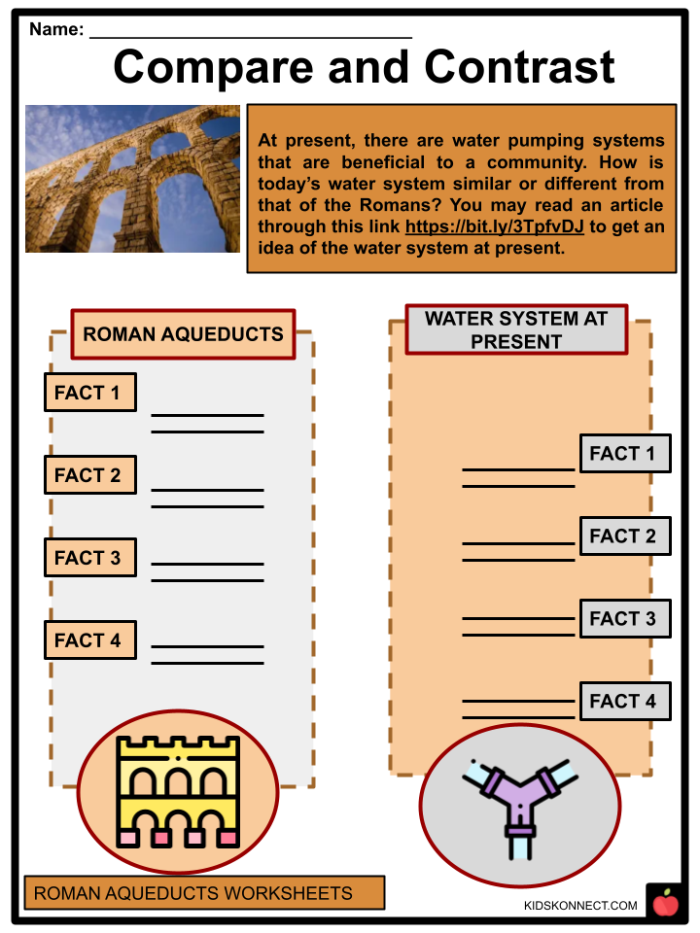
By exploring the importance of aqueducts, students can gain insights into how these ancient systems influenced modern water supply methods. Understanding the historical context and engineering principles behind these structures provides sixth graders with a deeper appreciation of Roman civilization and its lasting impact on engineering practices.
Boost Skills with These Worksheets