Understanding a story is an essential skill for first graders, and one effective way to enhance this comprehension is through the use of graphic organizers. These tools help young learners break down the elements of a story, such as the characters, setting, and important events. By asking, “What happened in the story?” students can engage with the text on a deeper level.
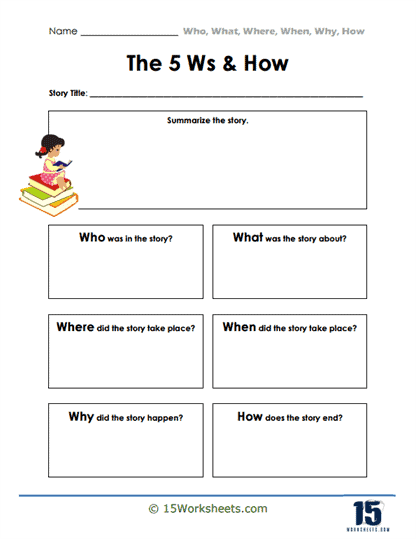
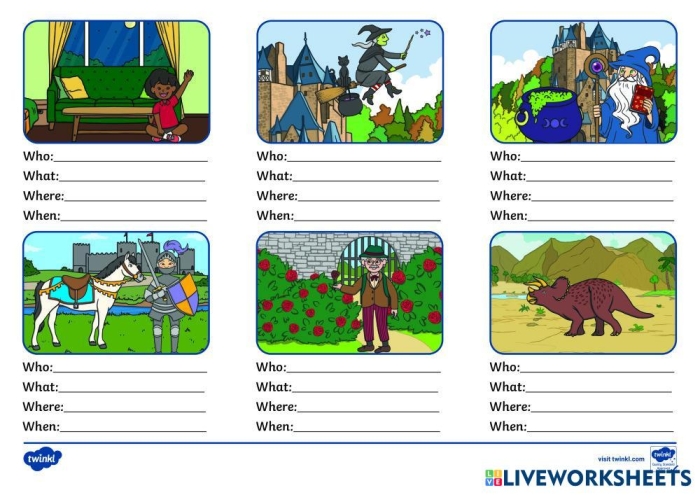
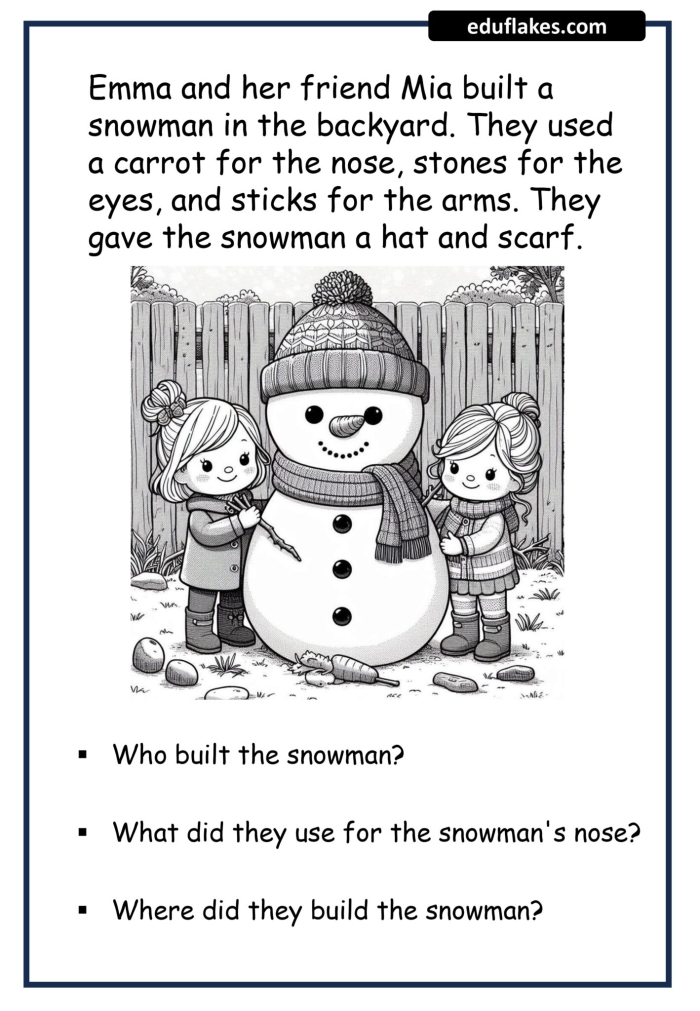
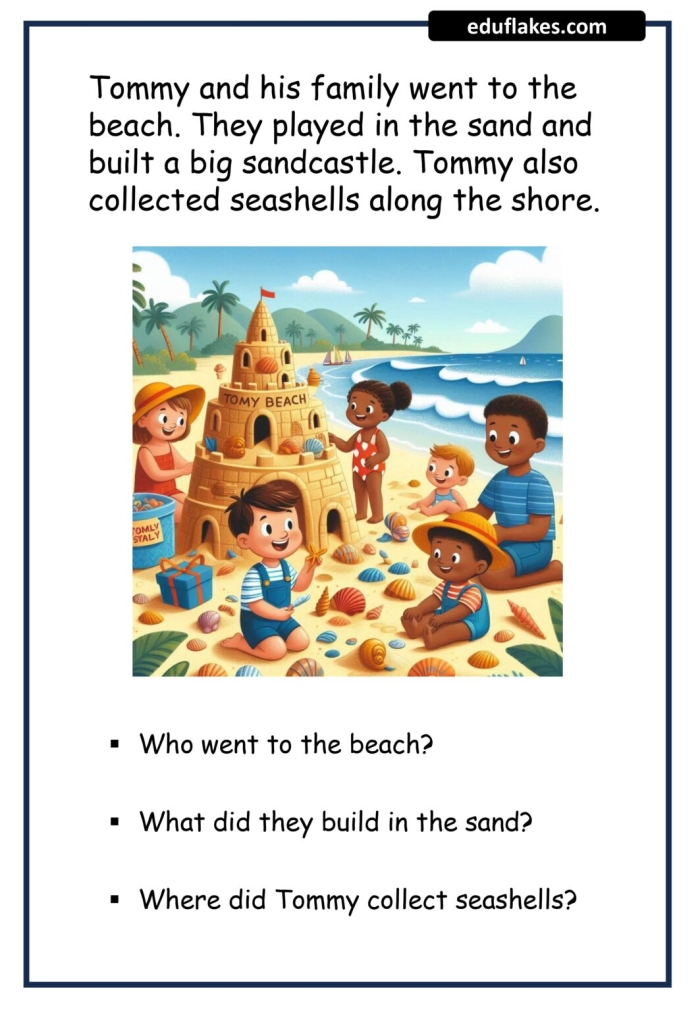
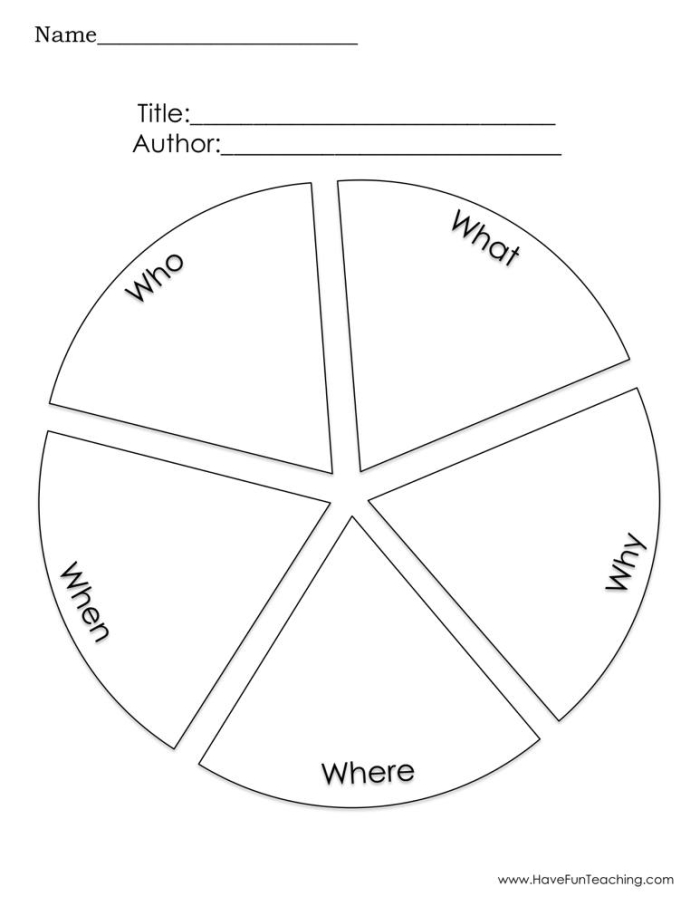
Graphic organizers serve as visual aids that organize information clearly. For instance, when students read a fictional text, they can fill out a graphic organizer that prompts them to identify who the main characters are, where the story takes place, and what key events unfold. This structured approach not only aids in comprehension but also encourages critical thinking as students sift through details to find the most relevant information.
Take, for example, a story about a young girl who loves to bake. When using a graphic organizer, students would identify the characters—perhaps her family and friends—along with the setting, which could be her home kitchen. Important events might include her gathering ingredients, mixing batter, and finally sharing her baked goods with others. This clear breakdown helps students retain the story’s sequence and significance.
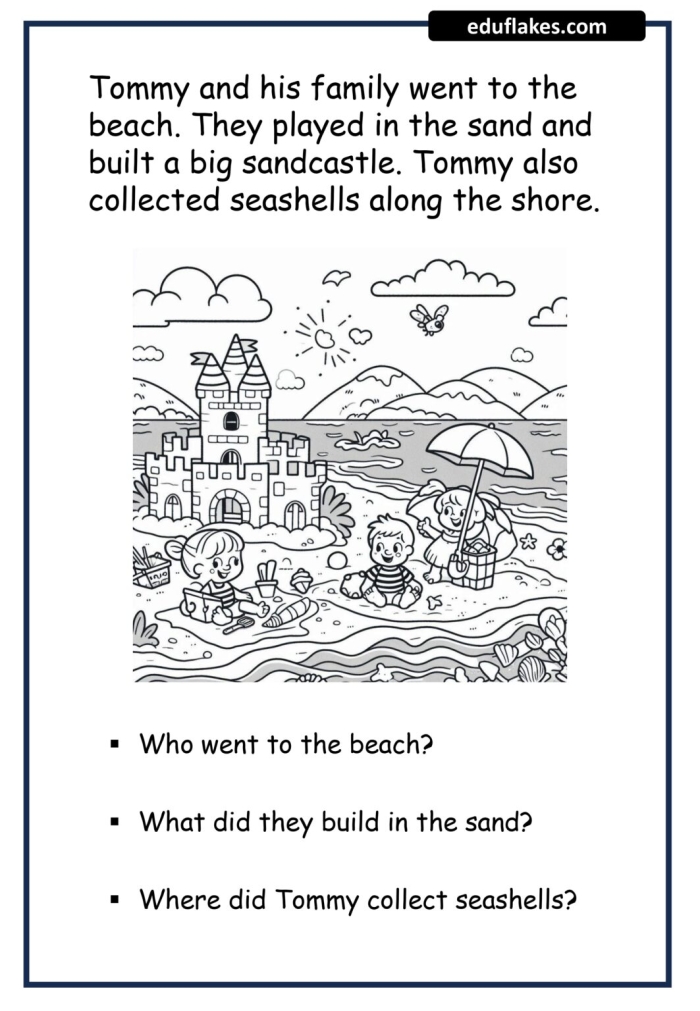
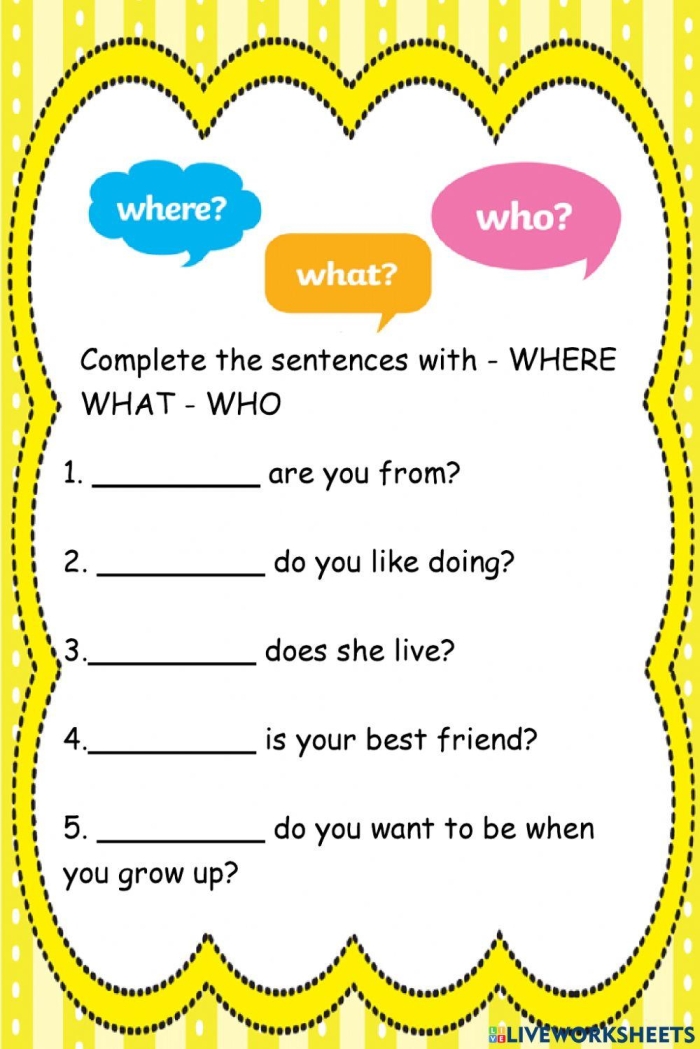
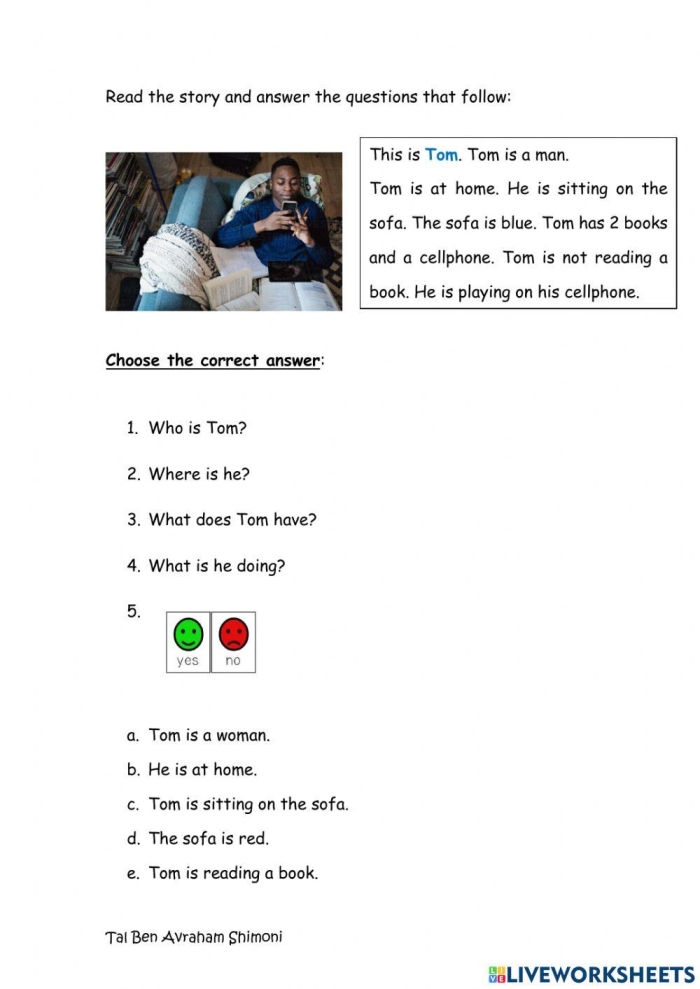
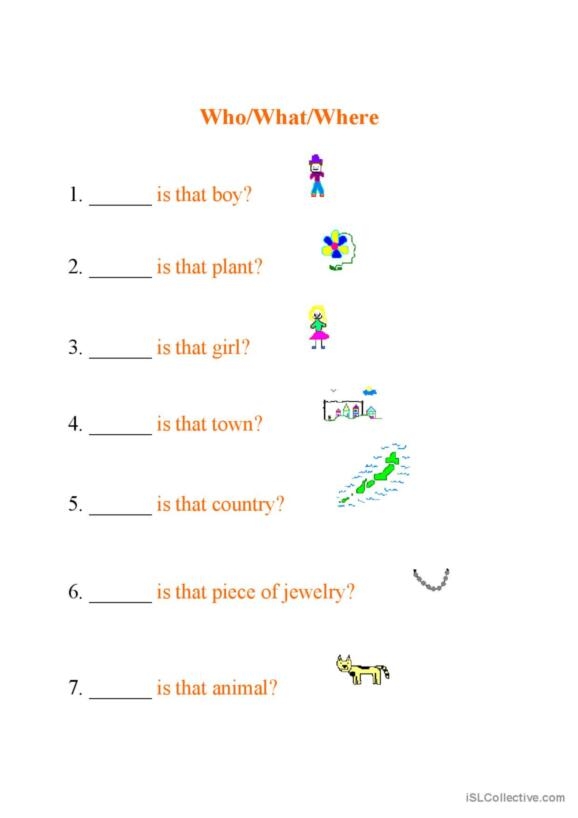
Incorporating printable worksheets can further enhance this learning process. Resources like this story map worksheet provide a hands-on approach to learning. Students can visualize the story while practicing their writing skills, making it a fun and engaging activity, especially for first graders beginning to explore fractions in math.
Using graphic organizers not only supports story comprehension but also lays the groundwork for later analysis in reading and writing. As students become adept at identifying key story elements, they develop skills that will benefit them in future academic endeavors. This method is a powerful tool for teachers aiming to foster a love for reading in their students.
Grab These Worksheets Now