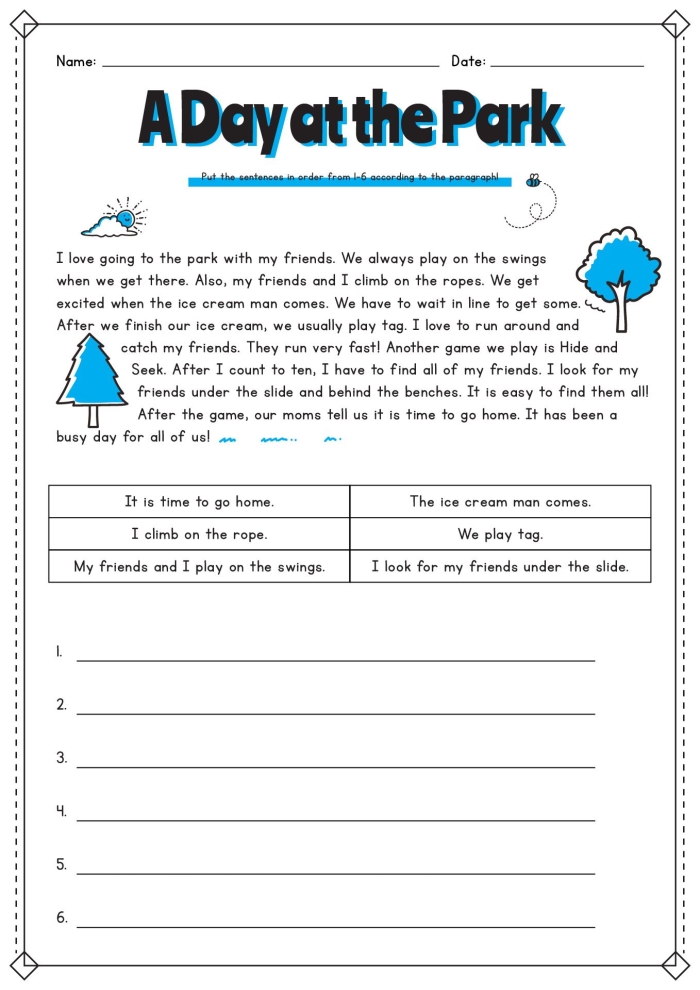
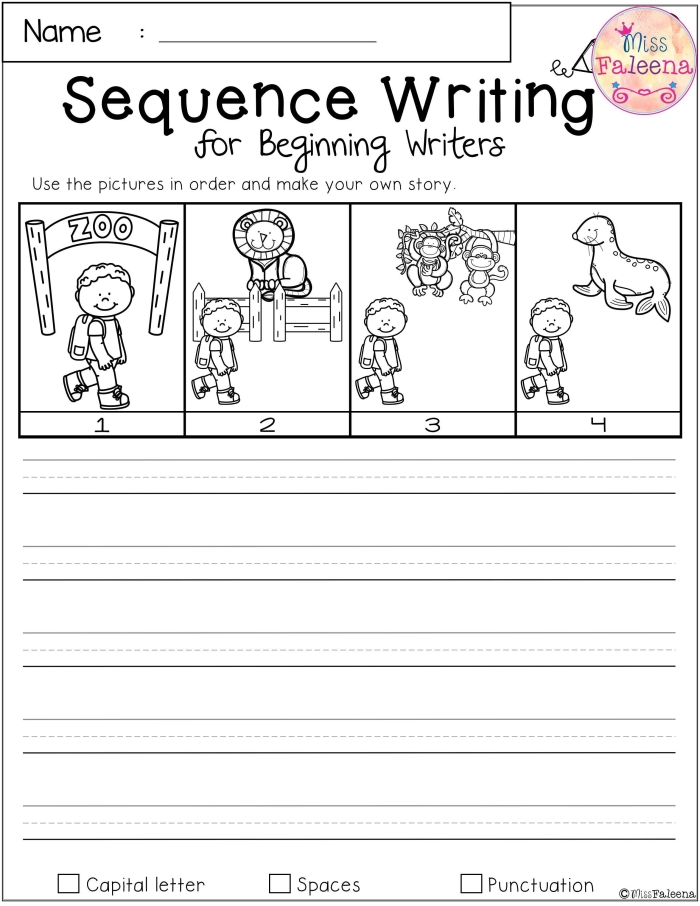
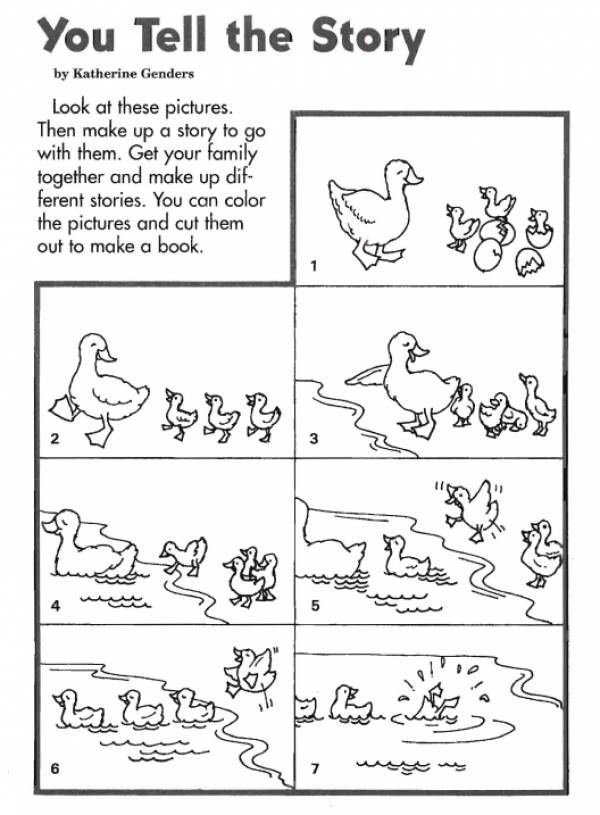
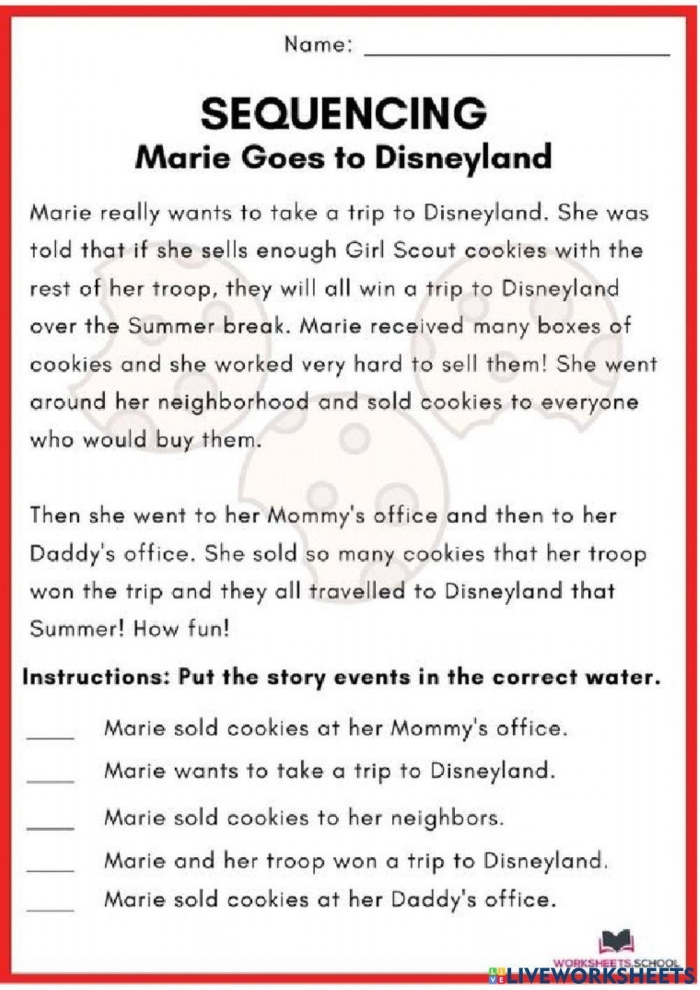
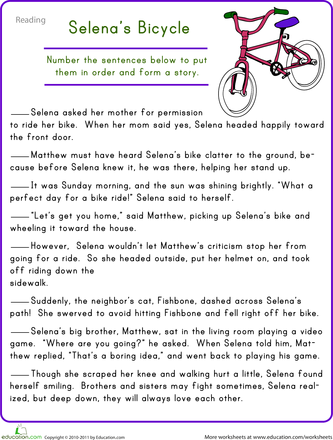
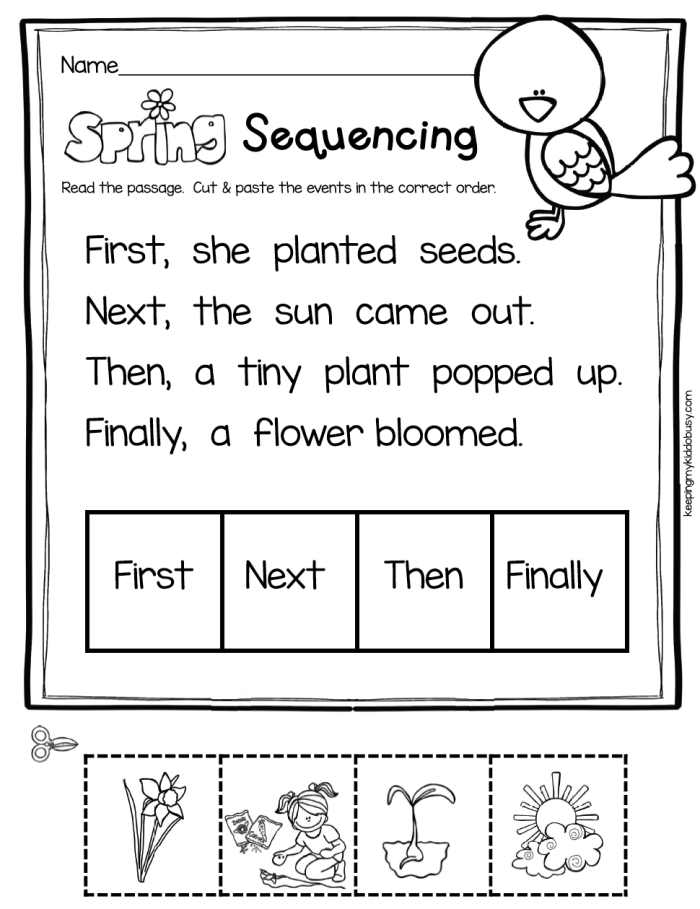
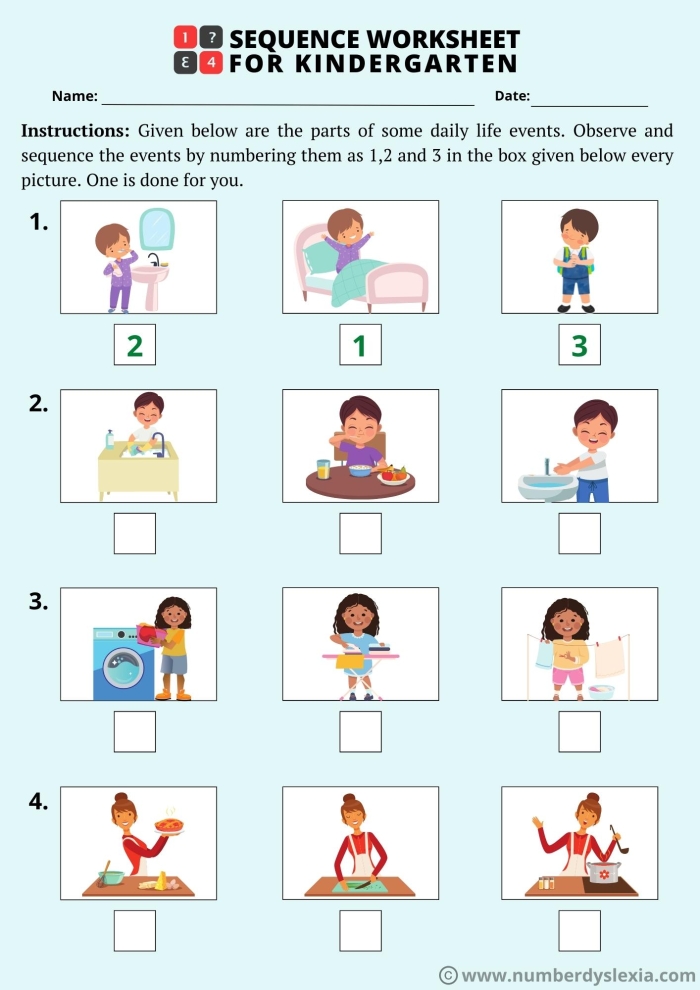
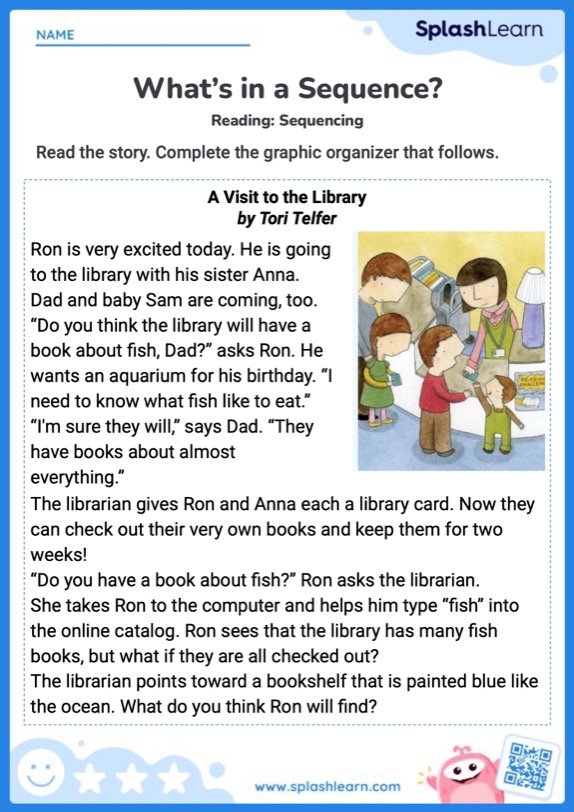
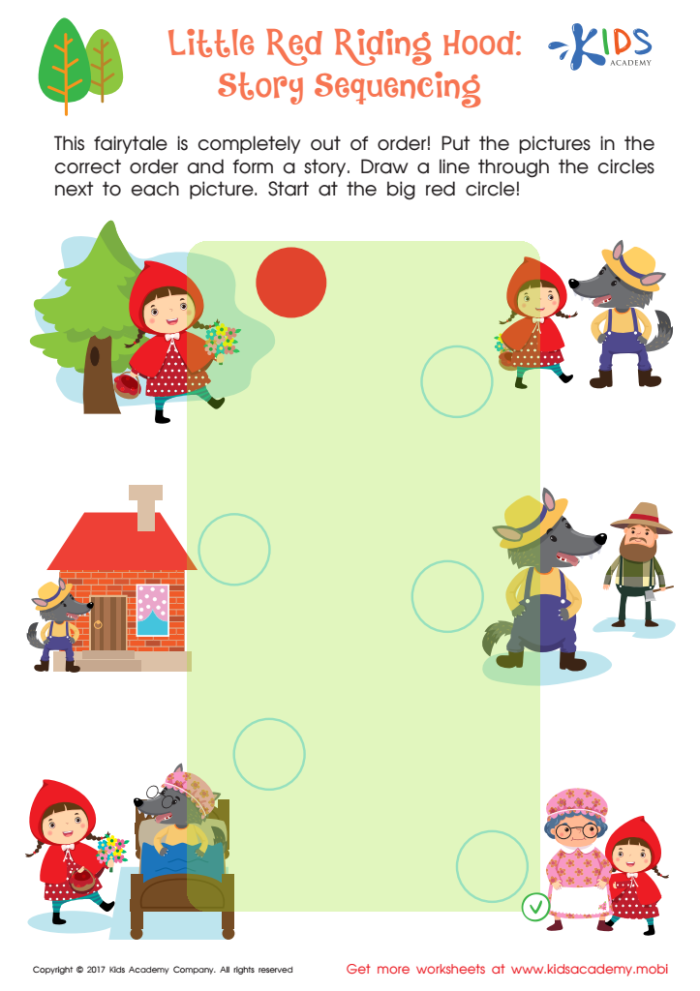
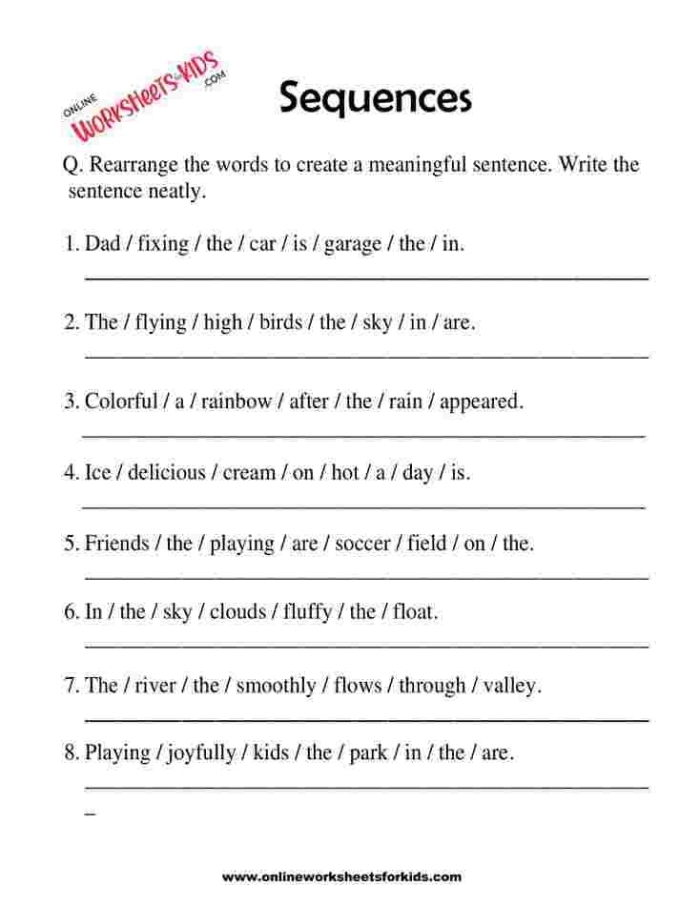
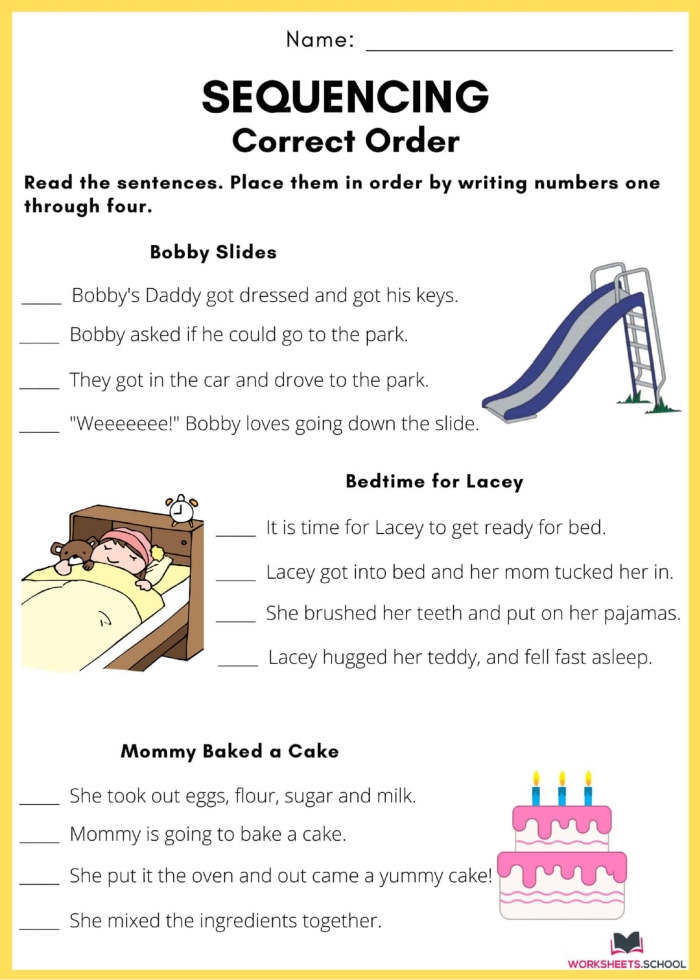
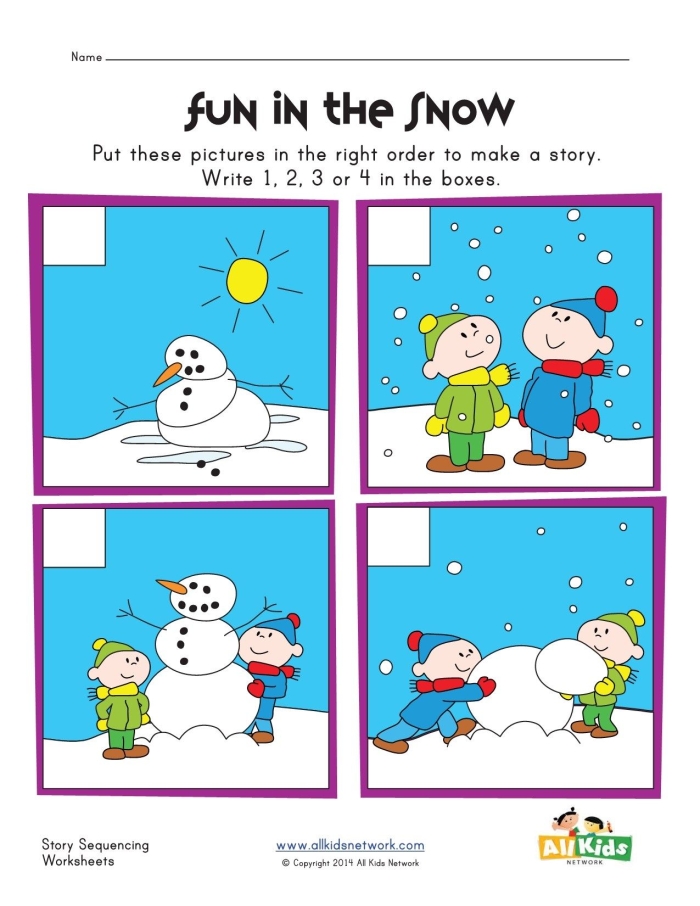
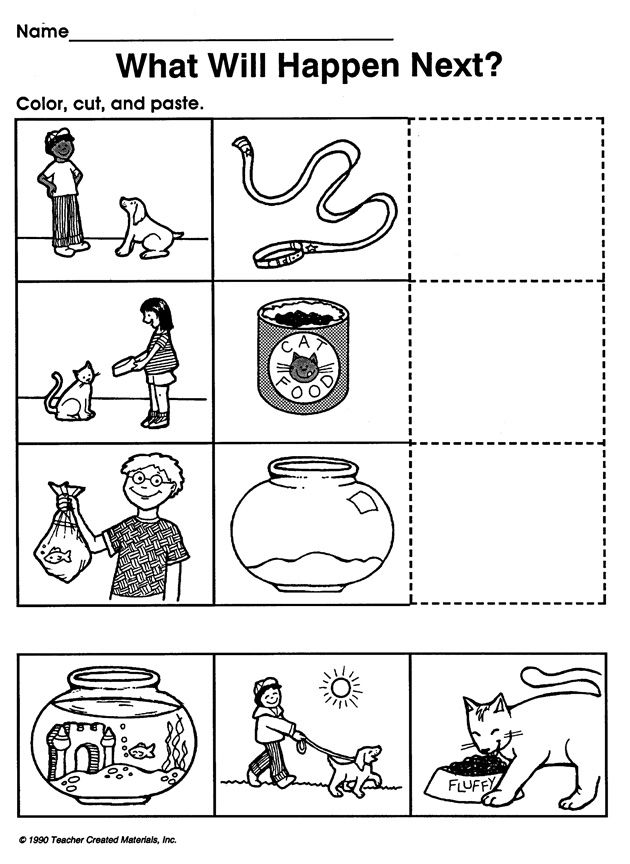
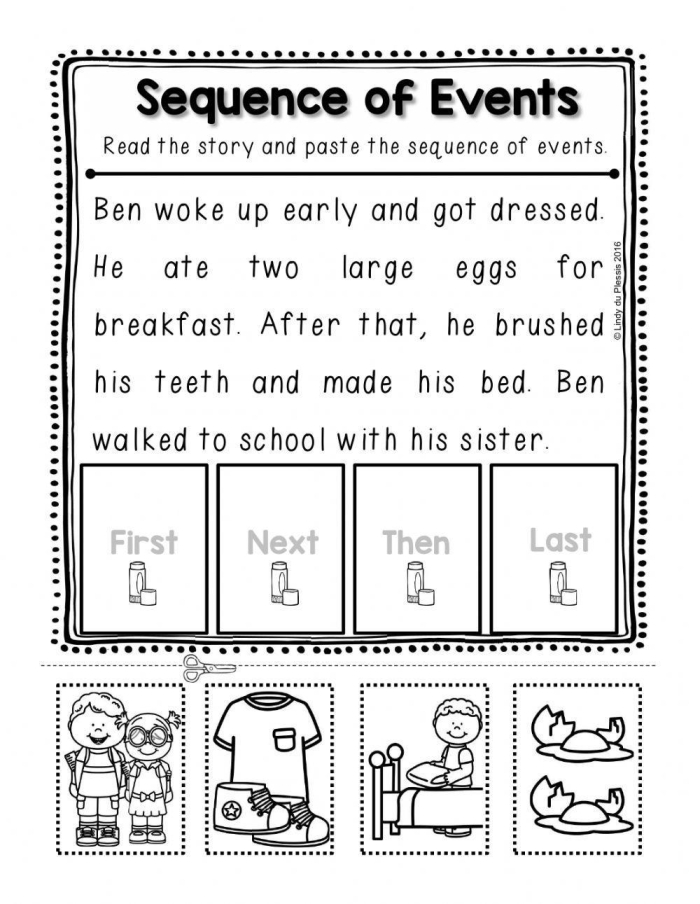
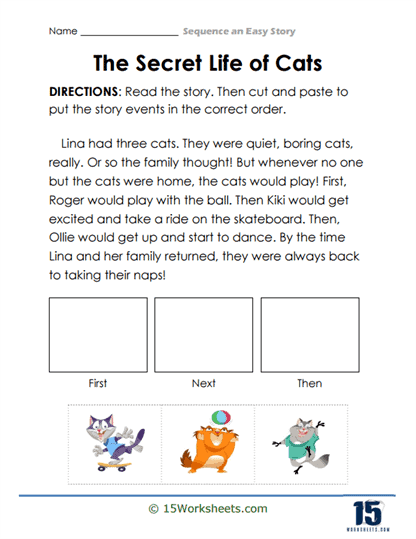
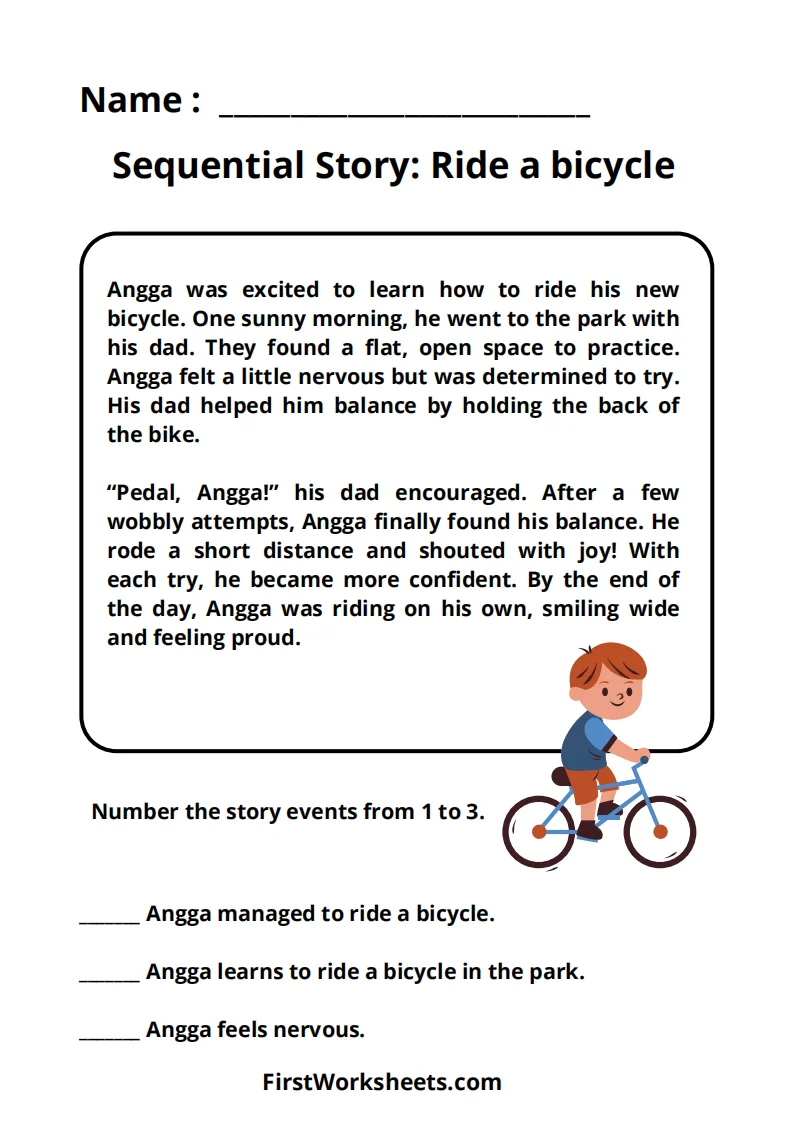
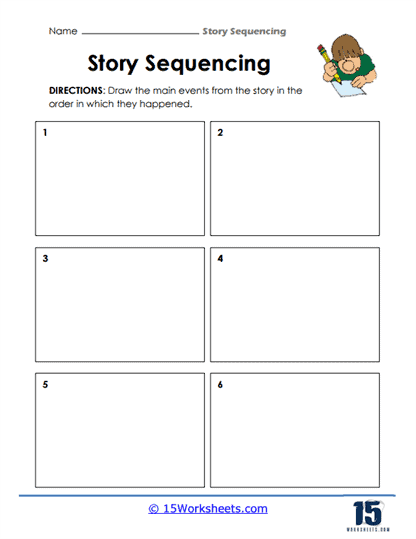
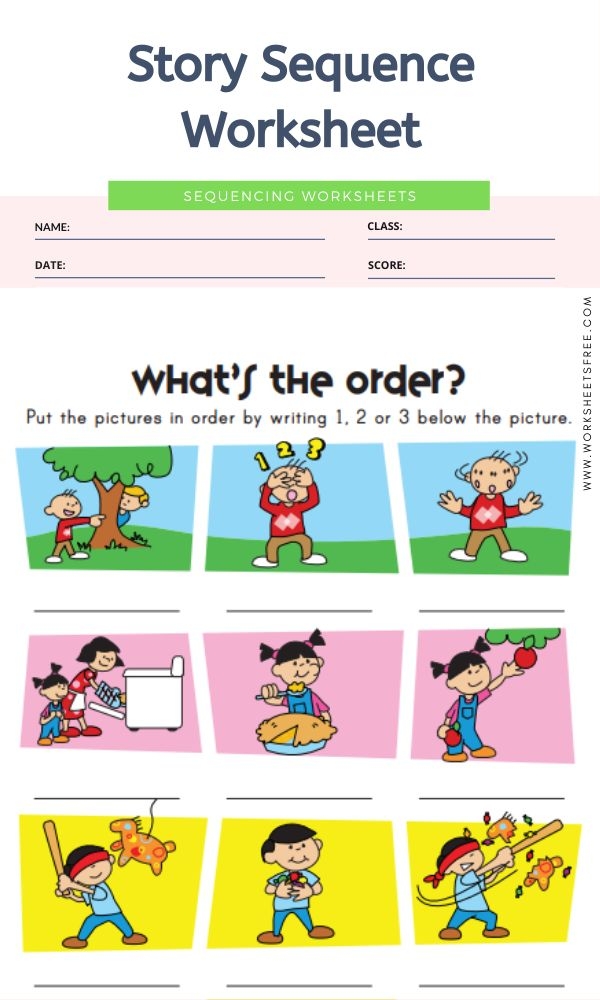
Sequencing a story is an essential skill for young learners, and it becomes even more engaging when students can participate in a hands-on writing process. In the Fourth Grade, children will practice sequencing a simple story through an interactive worksheet focused on “Selena’s Bicycle.” This worksheet not only helps them grasp the concept of story structure but also encourages creativity and critical thinking.
As children work through the worksheet, they will learn to identify the beginning, middle, and end of the story. This exercise is fundamental in developing their narrative skills. By arranging events in the correct order, students gain a better understanding of how plots unfold. For instance, they might start with Selena discovering her bicycle, move on to her exciting ride around the park, and conclude with her returning home to share her adventure. This clear structure helps reinforce their comprehension and storytelling abilities.
Moreover, sequencing stories like “Selena’s Bicycle” can enhance vocabulary and writing skills. As children fill out the worksheet, they will likely encounter new words and phrases relevant to the story. This exposure can lead to improved language use in their writing assignments. Engaging with the narrative encourages them to think about the emotions and motivations of the characters, which is a vital part of storytelling.
Parents and educators looking for additional resources may find value in exploring other worksheets that focus on different subjects. For example, worksheets that cover topics like writing equations in slope-intercept form, or coloring worksheets for reading are excellent for reinforcing skills in various areas.
Through activities like the story sequencing worksheet, children not only learn to organize their thoughts but also develop a love for storytelling. By nurturing these skills in a fun, hands-on environment, educators can help foster a lifelong appreciation for reading and writing.
Printable Worksheets for Practice