Understanding the dimensions of a cube is a fundamental concept in measurement, particularly for fifth graders. When we talk about cubes, we’re referring to three-dimensional shapes where all sides are equal. To fully grasp the properties of cubes, it’s essential to know the formulas to find their length, width, and height. This knowledge is not only applicable in math classes but also in real-world scenarios, such as when packing boxes or designing structures.
To fill in the missing values for the length, width, and height of each cube, start by identifying what you already know. Each dimension of a cube must be equal, meaning if you have the length, both the width and height will match it. For example, if a cube has a length of 4 inches, then its width and height will also be 4 inches. This relationship simplifies the process of determining the dimensions when some values are missing.
Let’s consider a practical example. Suppose you have a cube with a known height of 5 cm but need to find its length and width. Since all sides of a cube are equal, you can confidently say that the length and width are also 5 cm. This straightforward approach helps students easily visualize the concept and apply it to various problems.
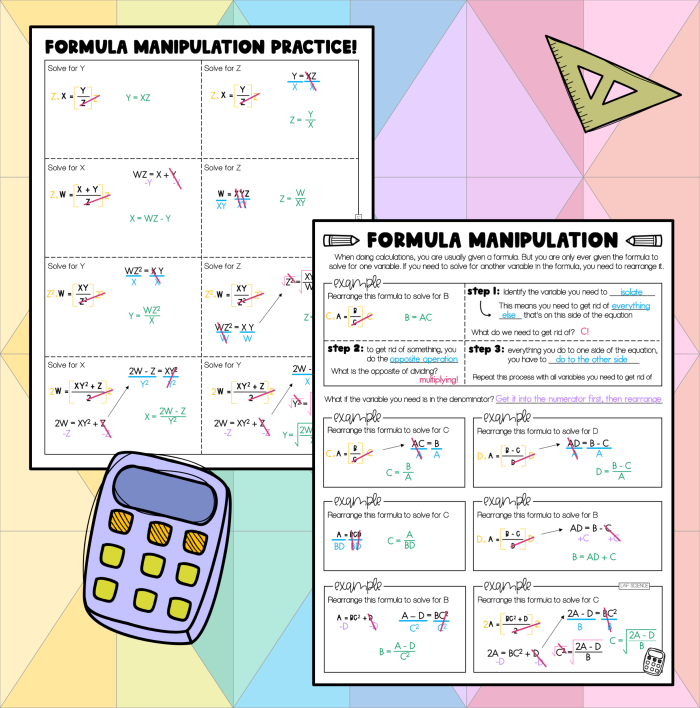
For those interested in enhancing their skills, there are many resources available, such as worksheets on multiplying and dividing fractions that can further explore related topics. Additionally, practicing with printable worksheets like evaluating square roots can solidify your understanding of measurement principles.
By engaging with these concepts and practicing regularly, fifth graders can develop a strong grasp of measurement, making it easier to tackle more complex mathematical challenges in the future.
Boost Skills with These Worksheets