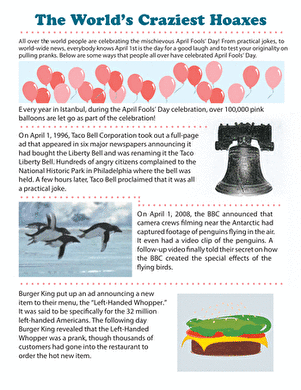
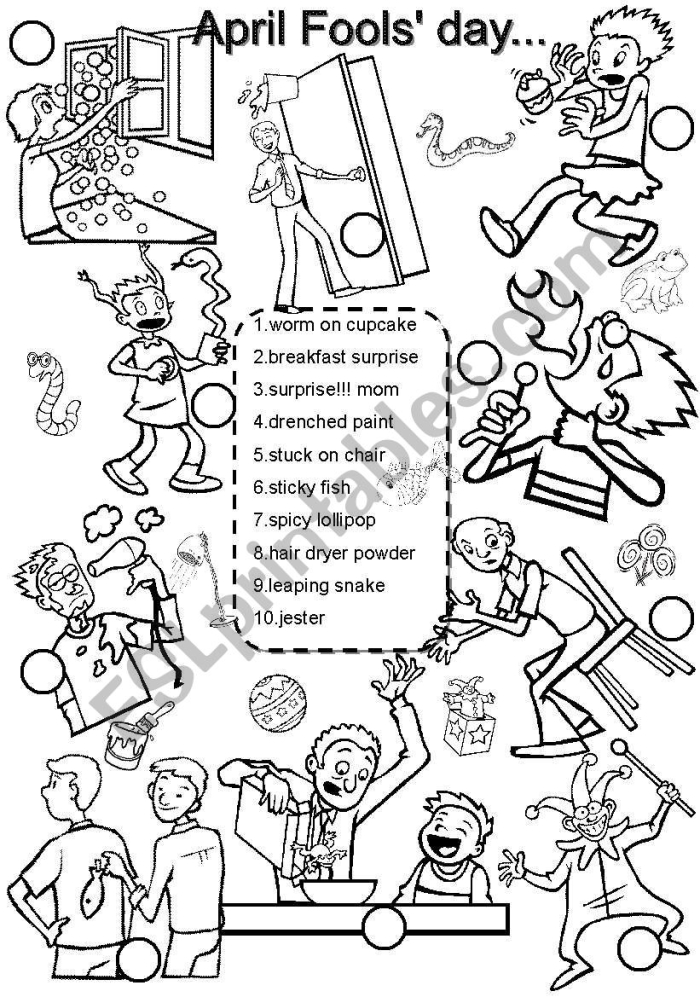
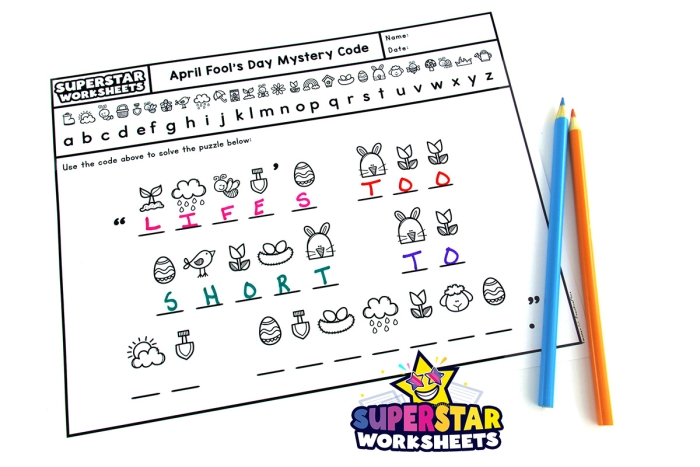
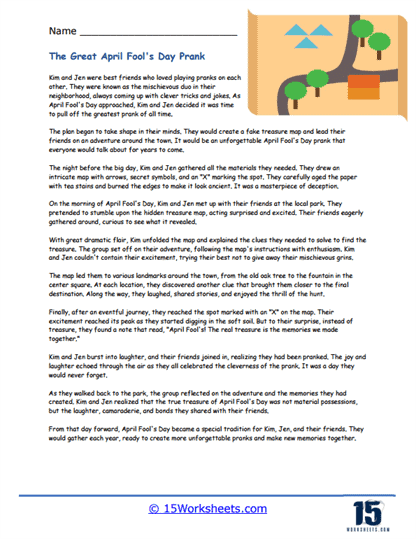
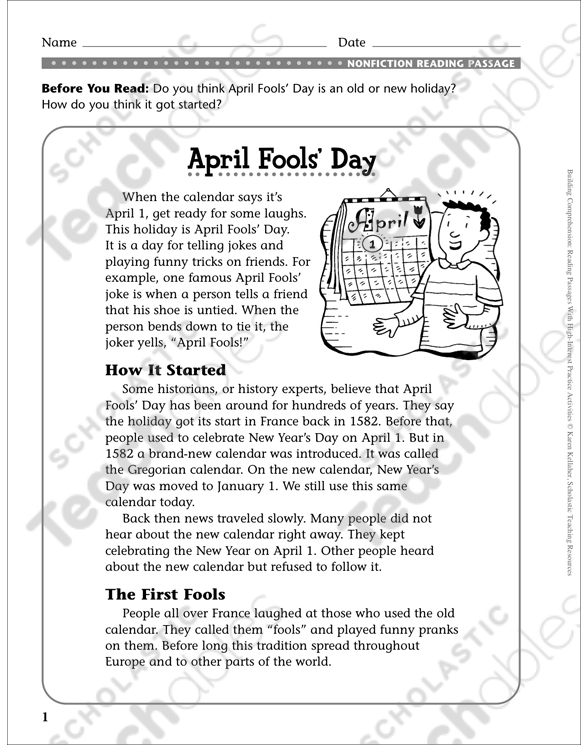
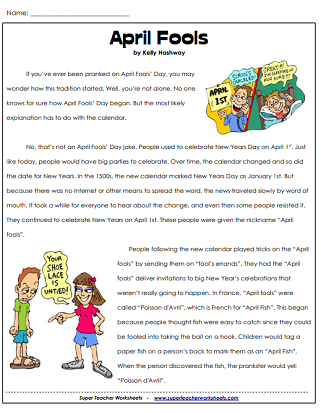
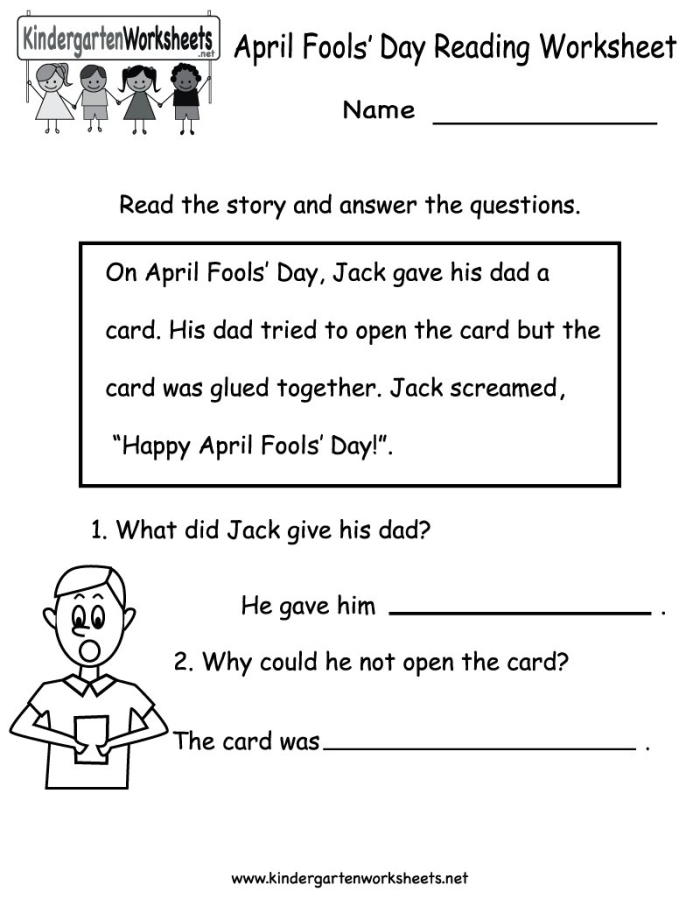
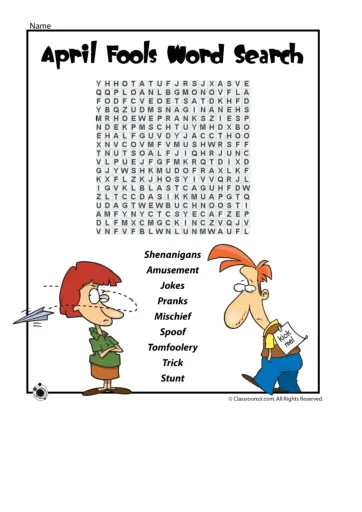
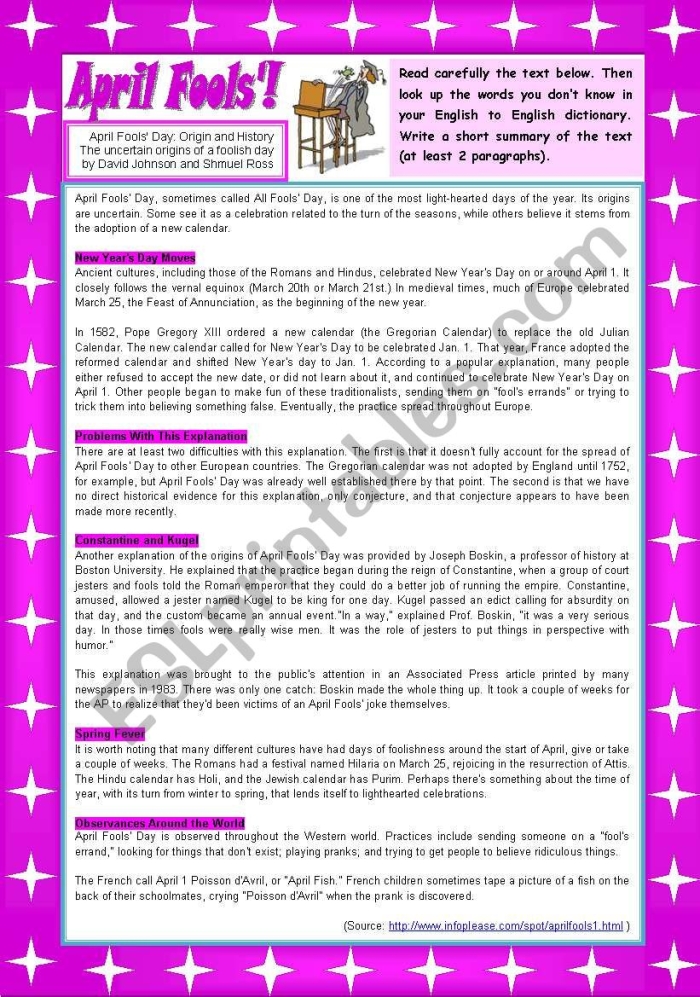
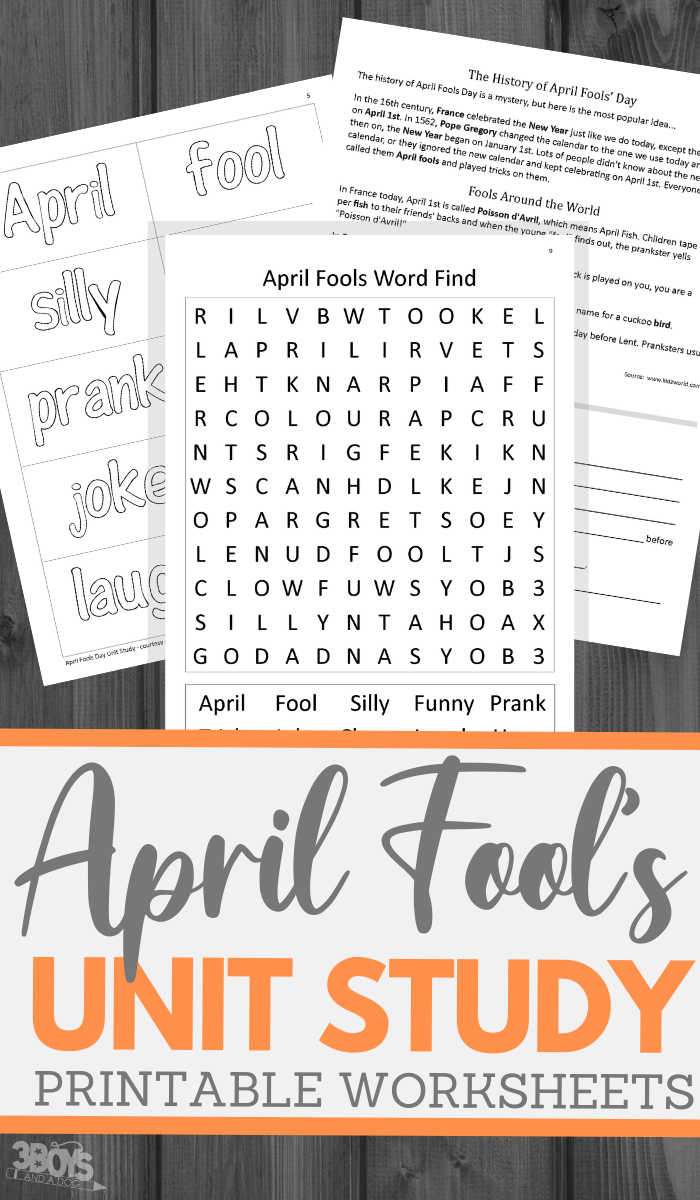
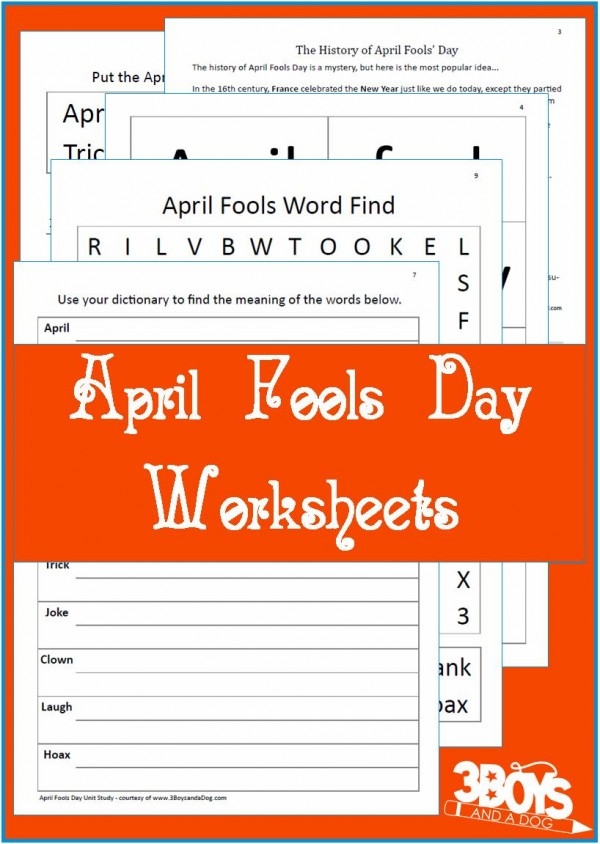
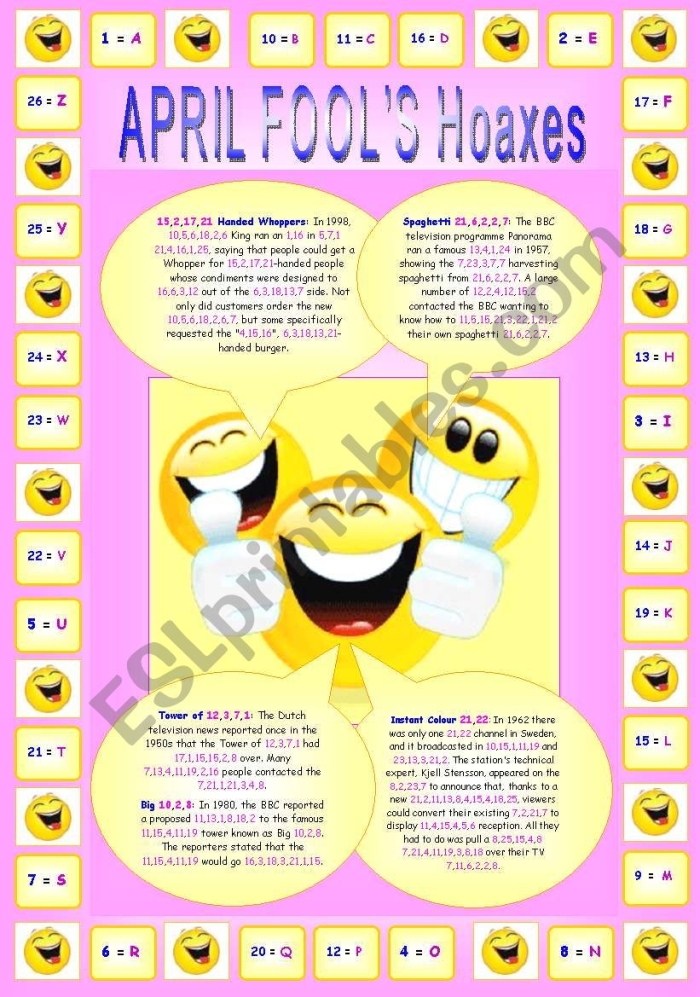
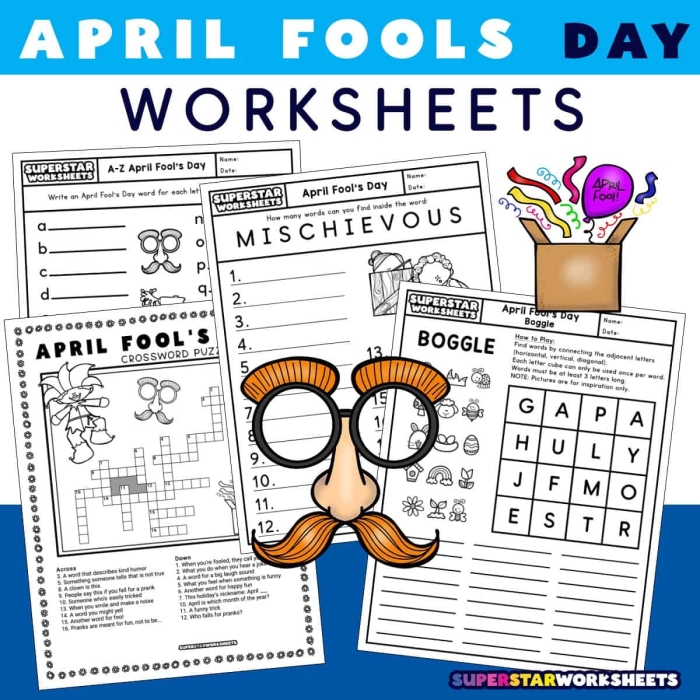
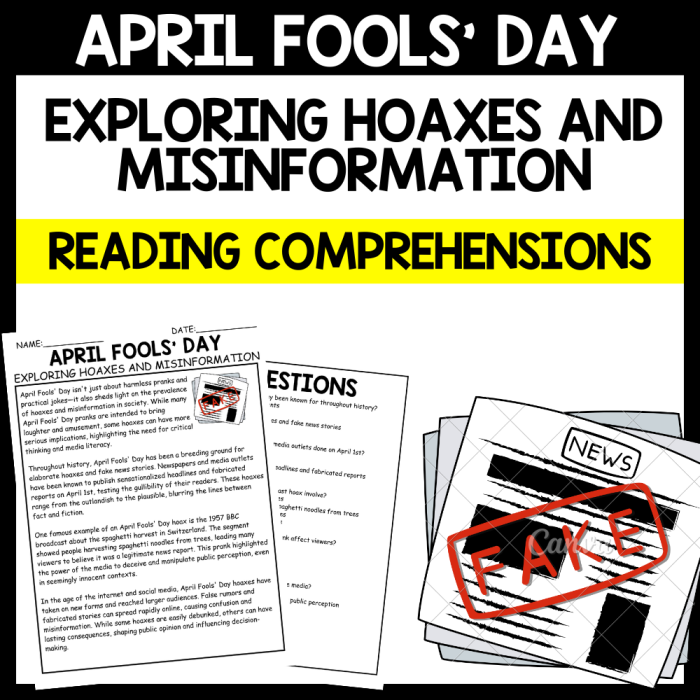
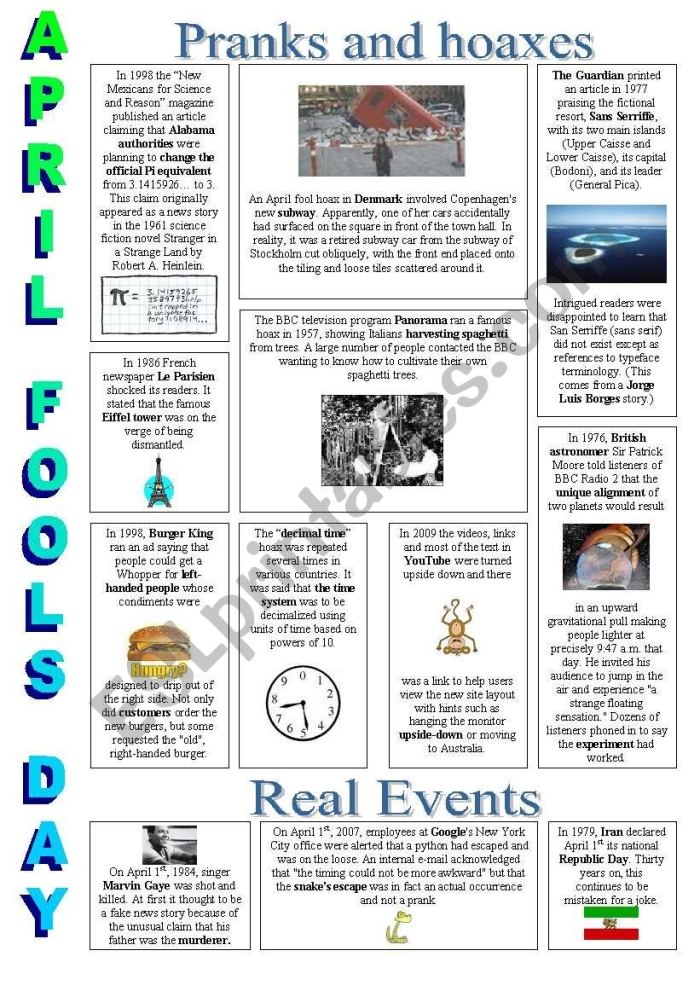
April Fools’ Day is a time when creativity and humor collide, leading to some of the most memorable pranks in history. For third graders, learning about these epic hoaxes can be both entertaining and educational. A reading comprehension worksheet that explores six of the most famous April Fools’ Day hoaxes will not only spark laughter but also provide valuable reading practice.
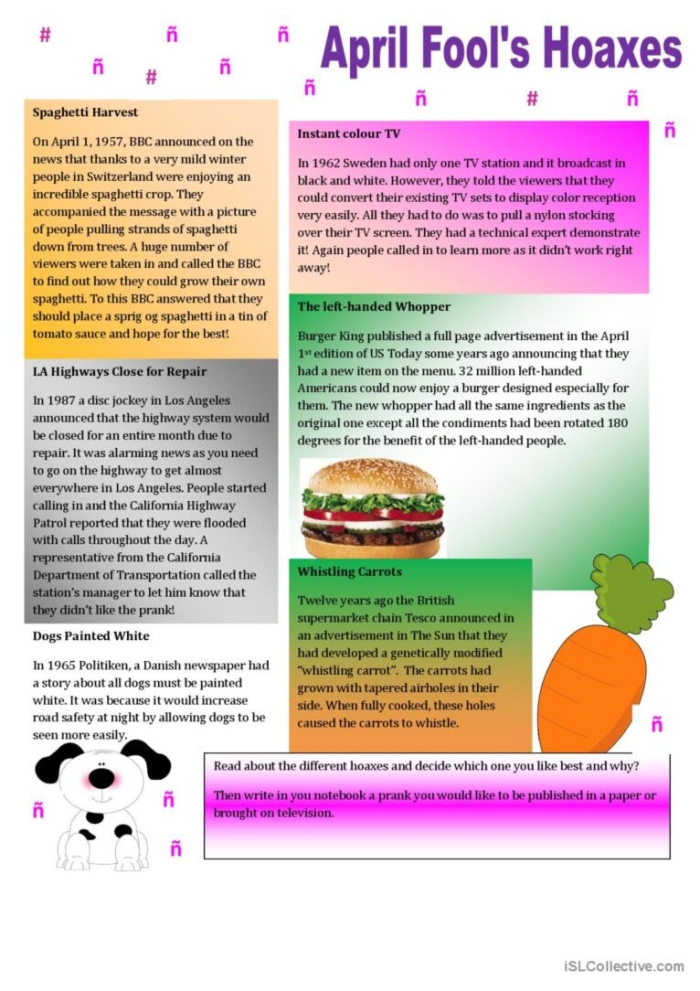
One of the most notable hoaxes occurred in 1957 when the BBC aired a segment about Swiss farmers harvesting spaghetti from trees. Viewers were captivated as they watched footage of women carefully plucking strands of spaghetti from branches. Many were left wondering if they could grow their own pasta trees, showcasing how easily misinformation can spread. This story serves as a fantastic example for young readers to analyze the impact of media on public perception.
Another classic is the Taco Liberty Bell prank from 1996, where Taco Bell announced it had purchased the Liberty Bell and was renaming it the Taco Liberty Bell. The outcry was immediate, with many Americans outraged. This incident illustrates how humor can intersect with national symbols, providing rich discussion material for students.
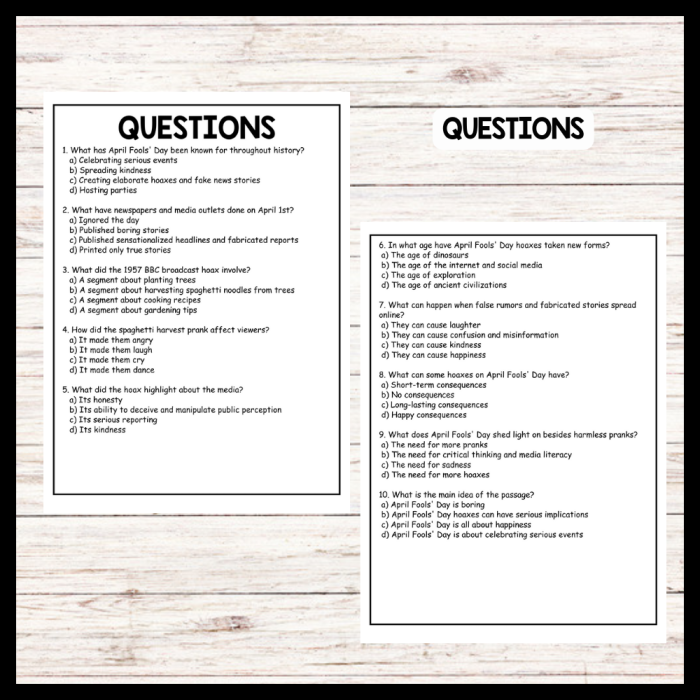
These examples highlight the importance of critical thinking. When students learn about these pranks, they develop skills to differentiate between fact and fiction. Engaging with printable April Fools’ Day hoaxes worksheets allows third graders to practice reading comprehension while enjoying the hilarious side of history. They can explore questions that prompt them to think critically about each hoax’s context and execution.
Incorporating these lessons into the classroom not only enhances reading skills but also encourages creativity and laughter. As students reflect on these memorable pranks, they gain insight into how humor can shape narratives and influence public opinion. It’s an enjoyable way to enrich their learning experience and foster a love for reading.
Boost Skills with These Worksheets