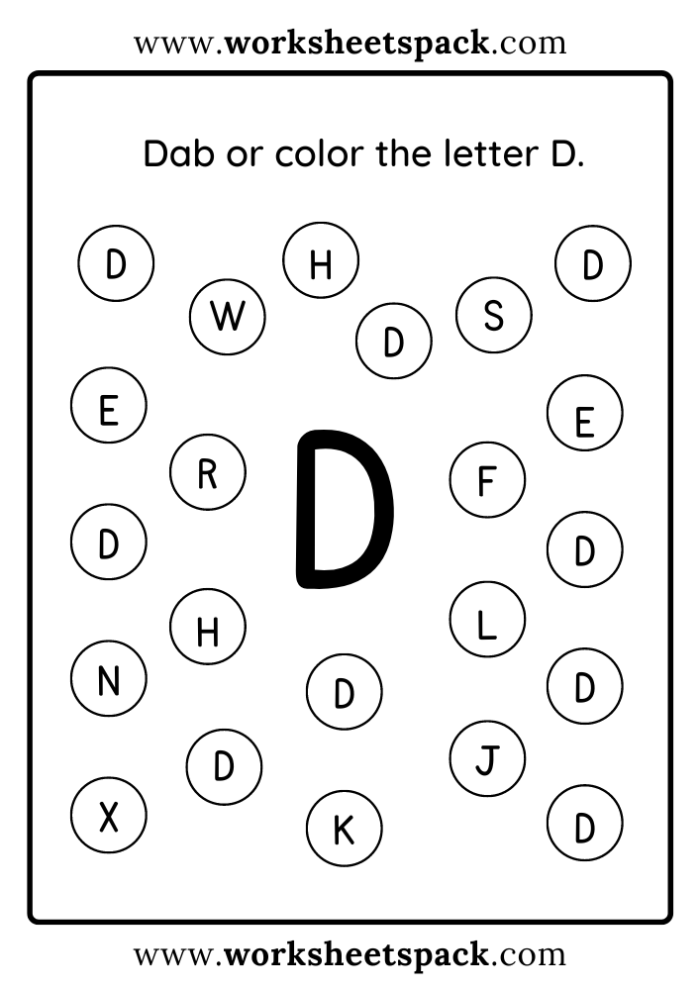
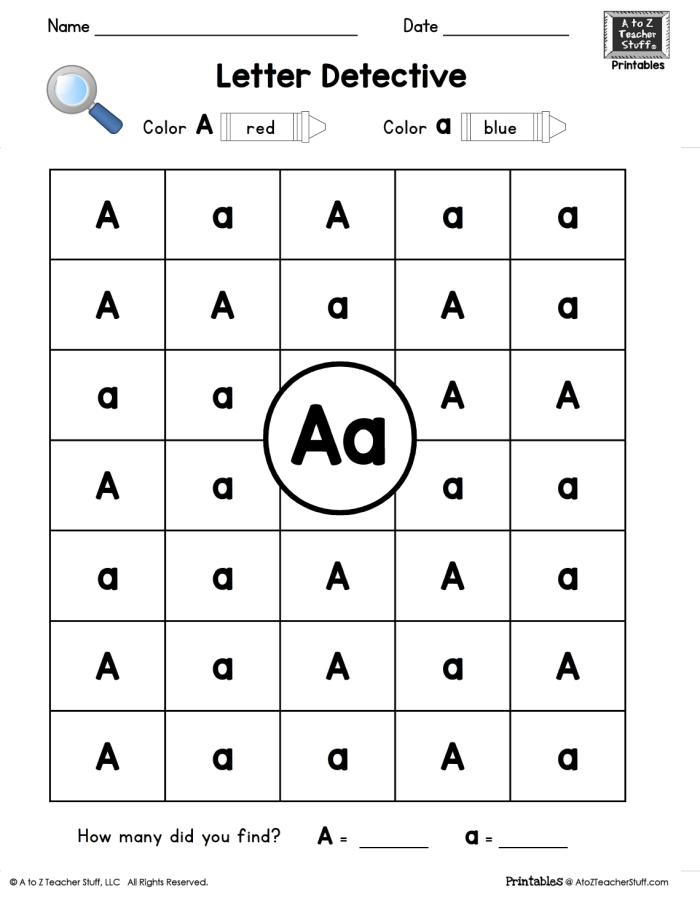
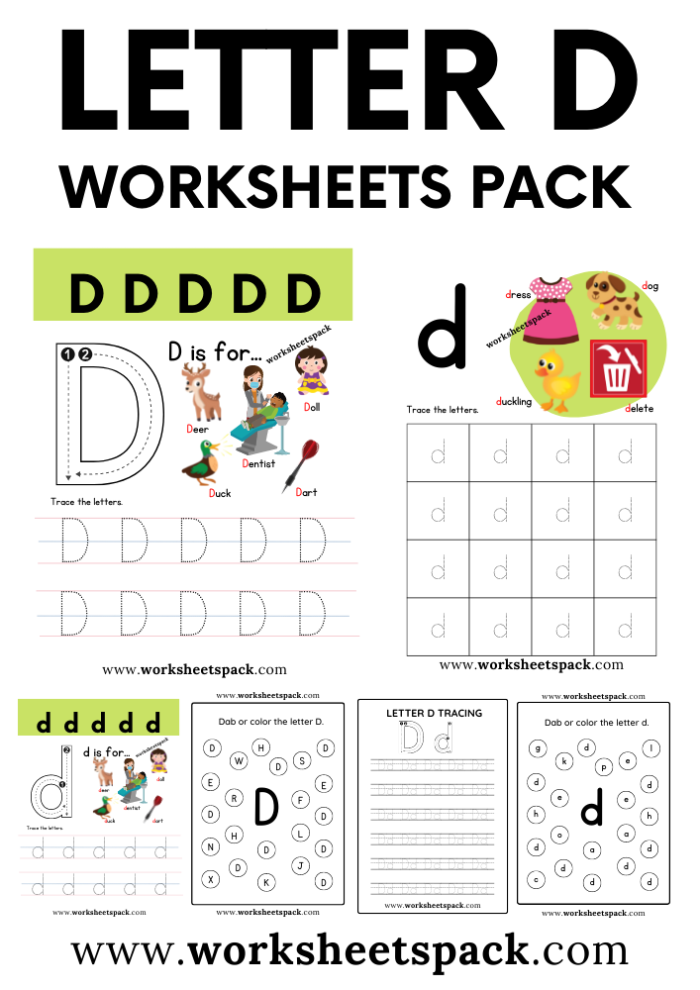
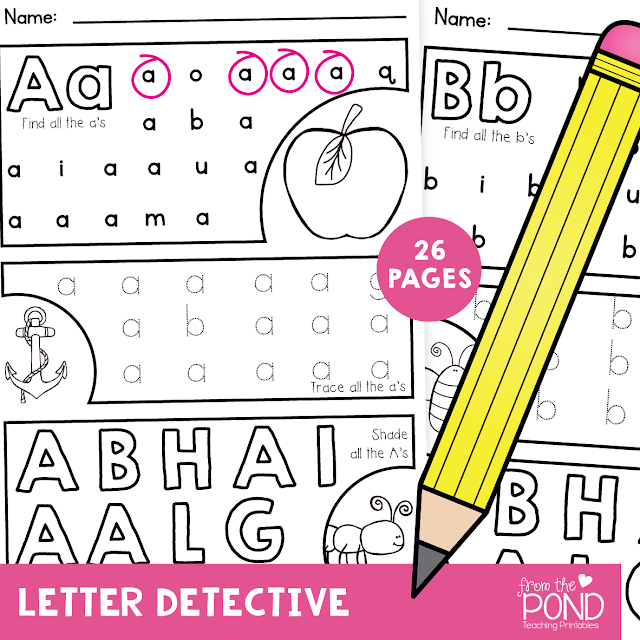
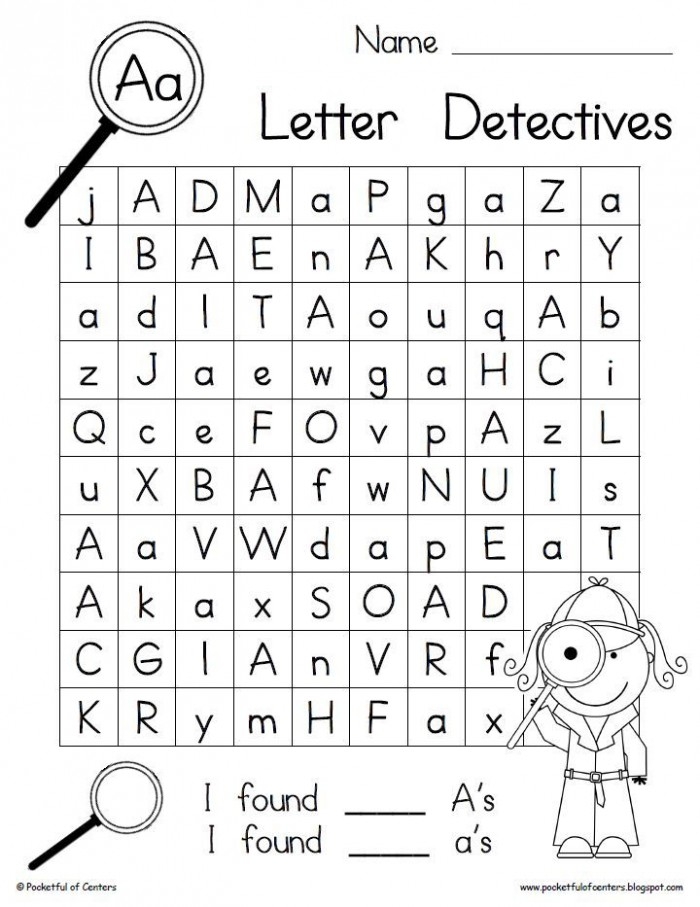
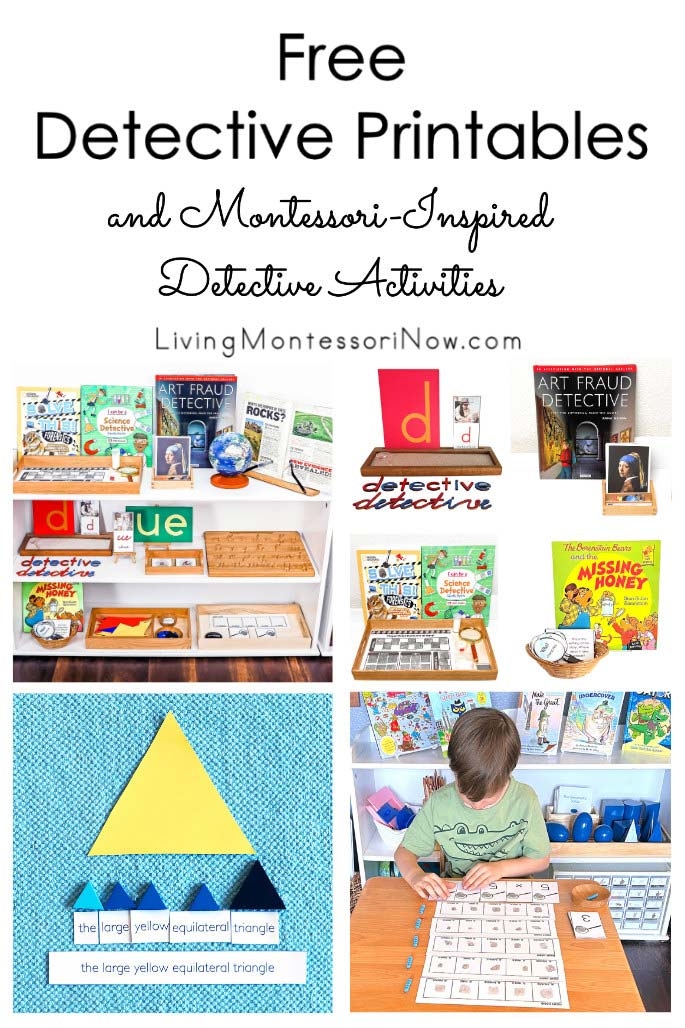
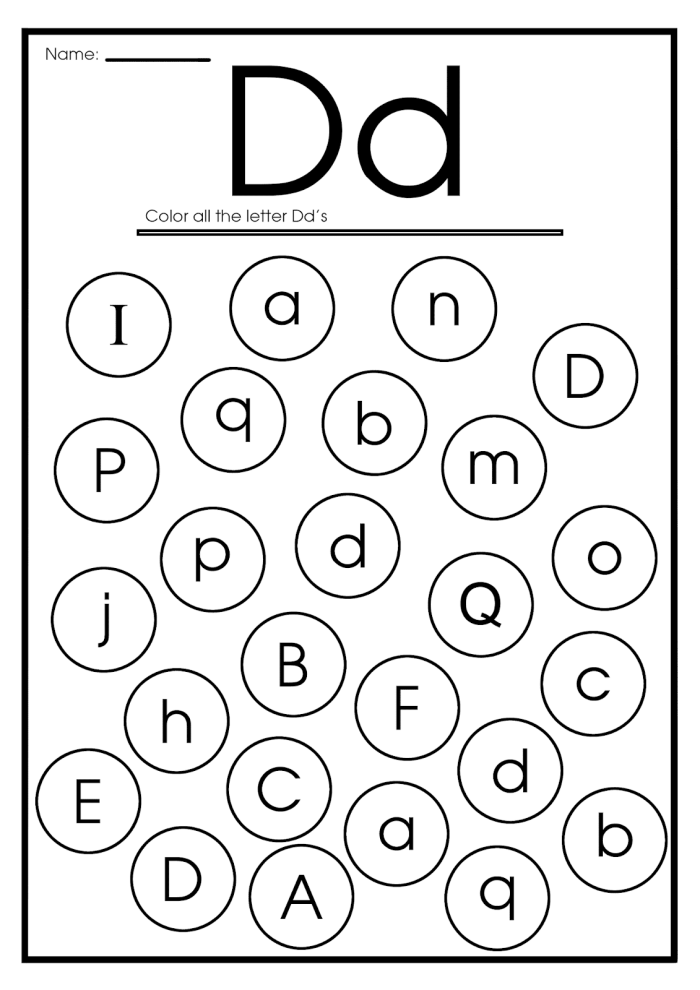
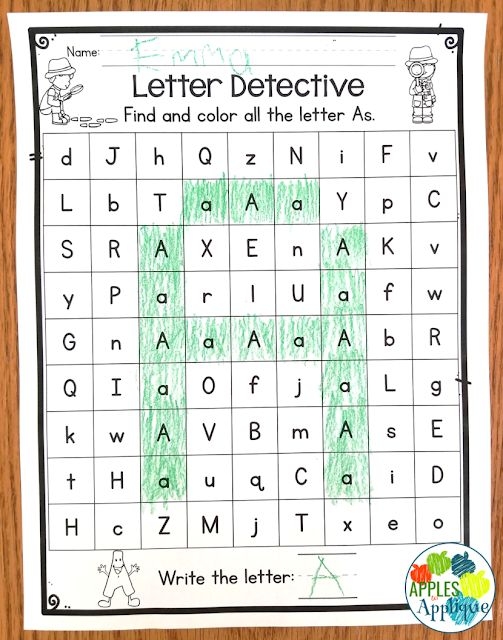
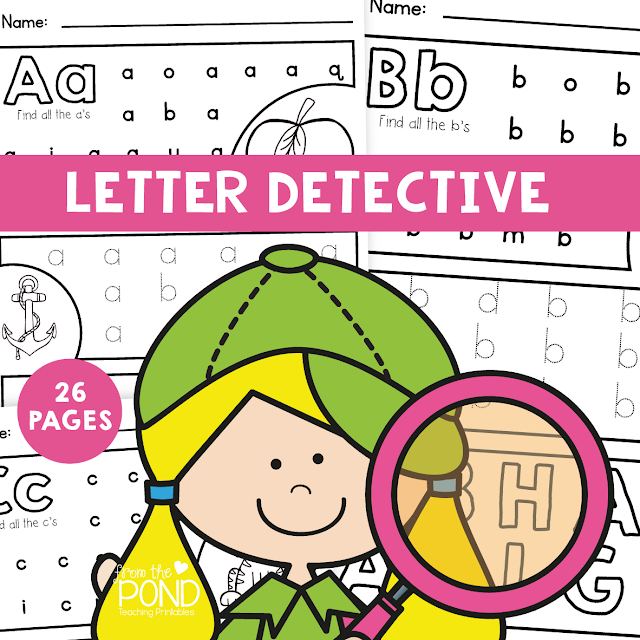
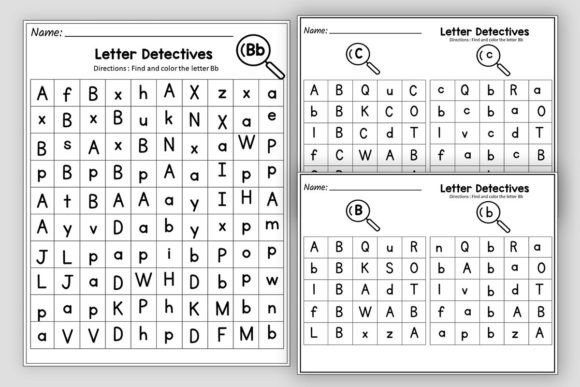
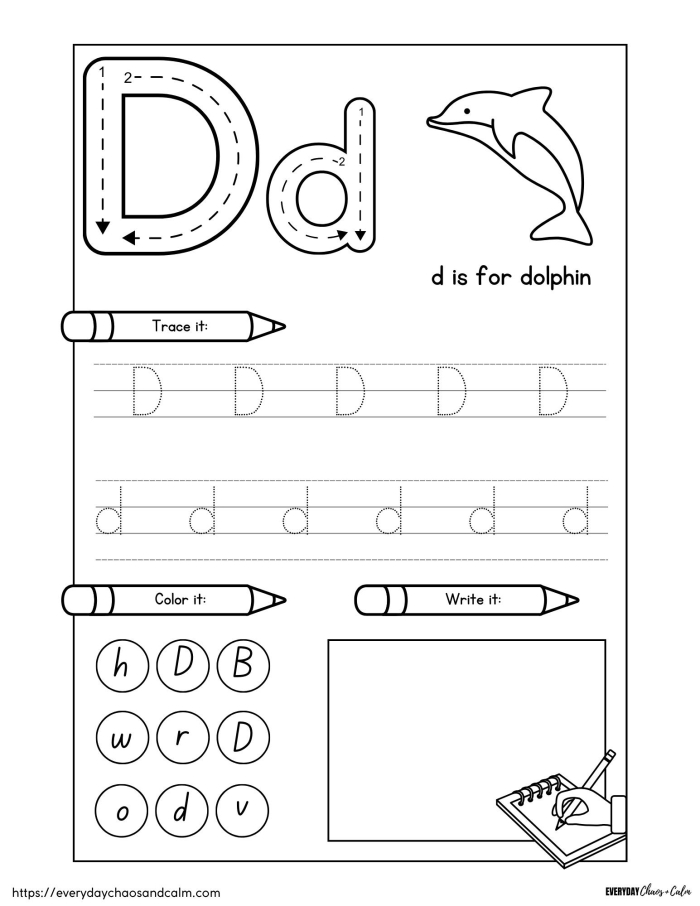
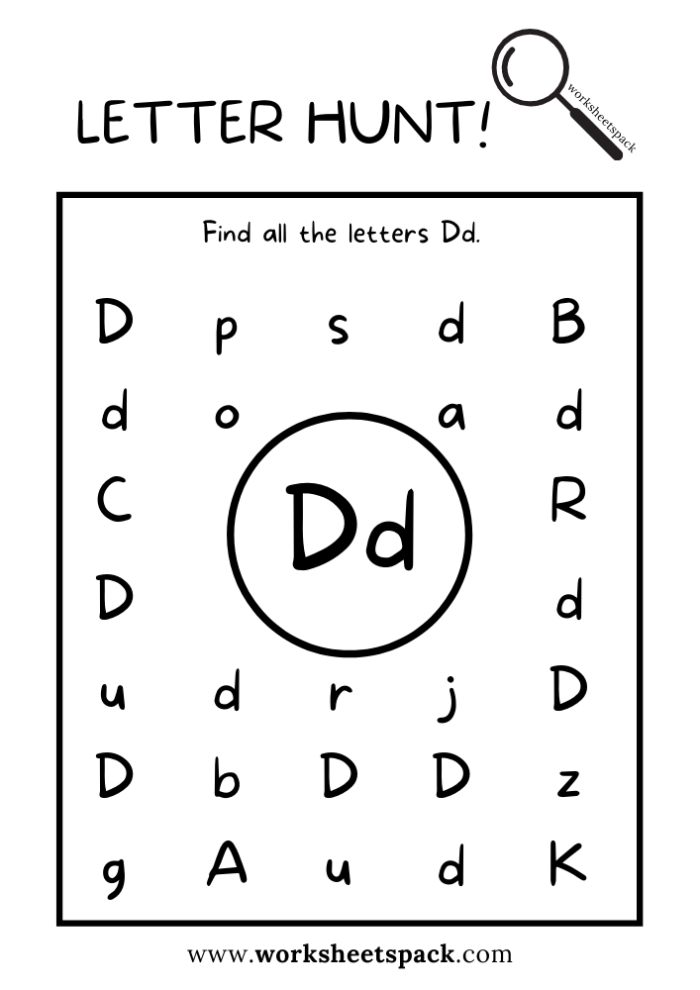
Letter recognition forms the foundation of reading, and one of the most effective ways to build this skill is through detective-style activities that turn learning into a game. When your kindergartener spots the letter D hidden throughout a puzzle, they’re not just identifying shapes—they’re developing visual discrimination and attention to detail that will serve them well as they progress through alphabet instruction.
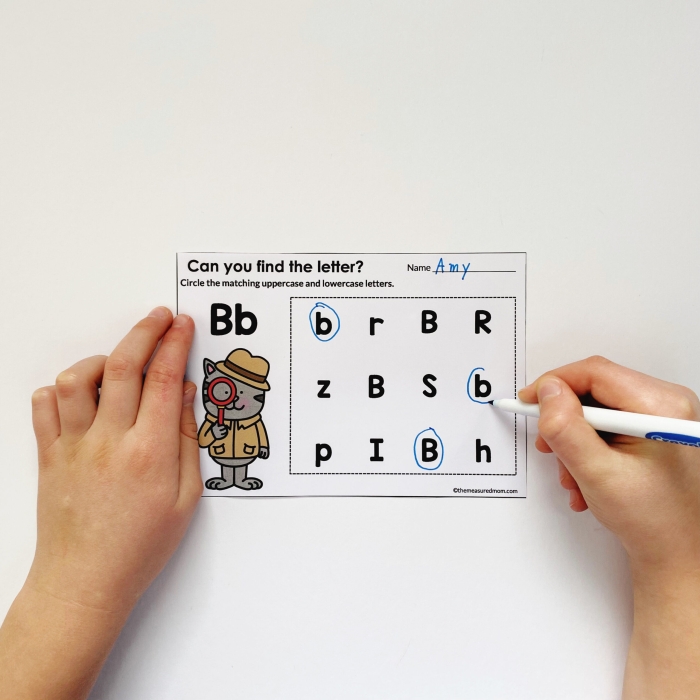
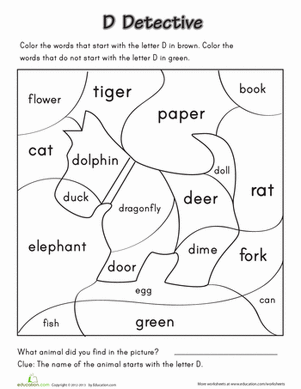
The appeal of this approach lies in its simplicity combined with immediate reward. A child searches through a picture, finds every instance of the letter D, and watches a complete drawing emerge as they color or mark each one. This cause-and-effect relationship keeps young learners engaged far longer than traditional flashcard drills. The satisfaction of revealing a hidden picture motivates them to stay focused and complete the task without resistance.
These puzzles work particularly well because they combine multiple learning objectives in a single activity. Beyond letter recognition, children practice fine motor skills through marking or coloring, spatial awareness as they scan the entire page, and persistence as they hunt for each letter. For kindergarten classrooms and homeschools, this efficiency matters when instructional time is limited.
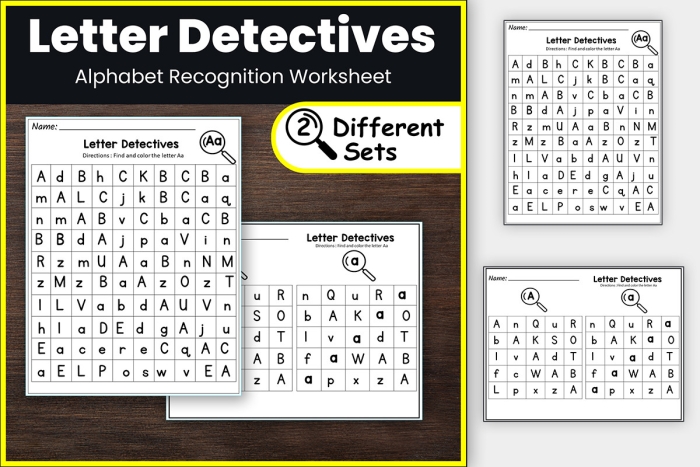
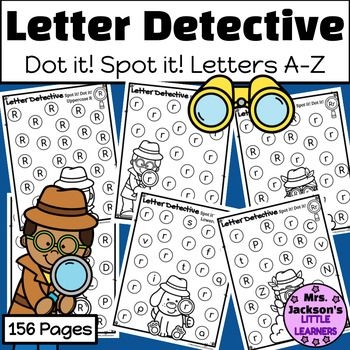
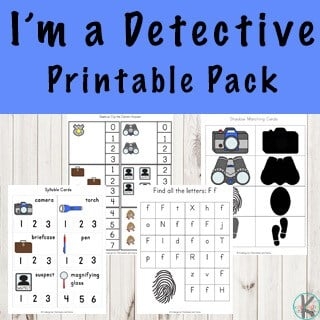
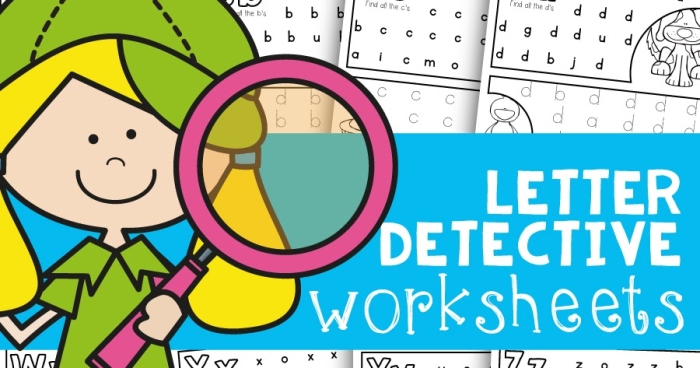
If you’re looking to strengthen letter identification skills, letter D detective worksheets offer a structured yet playful approach. You might also explore object-finding activities focused on the letter D to provide variety in your alphabet practice routine.
The beauty of this method is that it works regardless of a child’s starting point. Whether your kindergartener is just beginning alphabet recognition or consolidating their knowledge, the detective format makes the task feel like play rather than instruction, which often determines whether young learners return to practice willingly.
Practice with These Worksheets