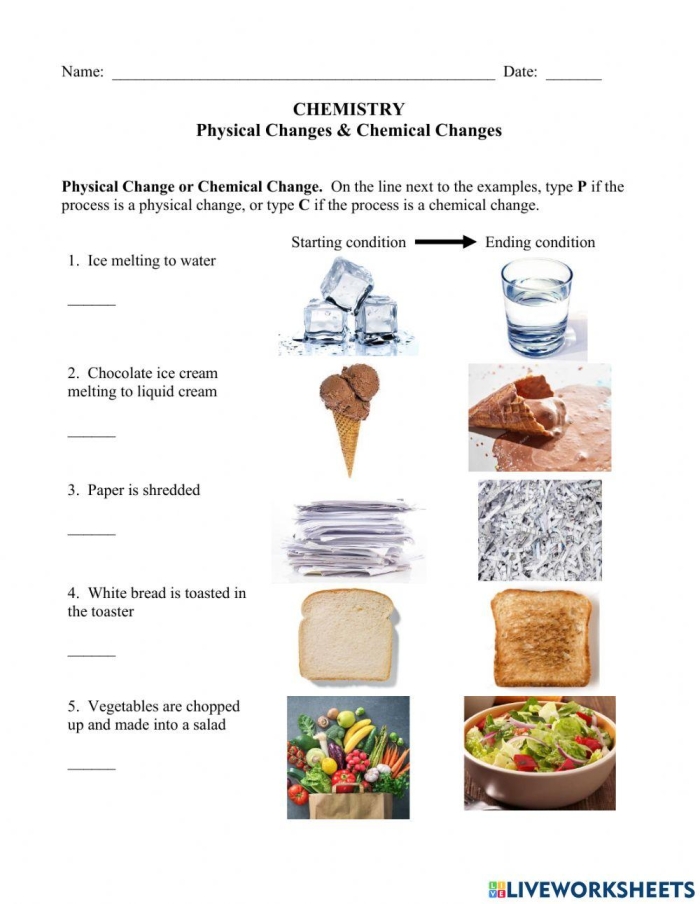
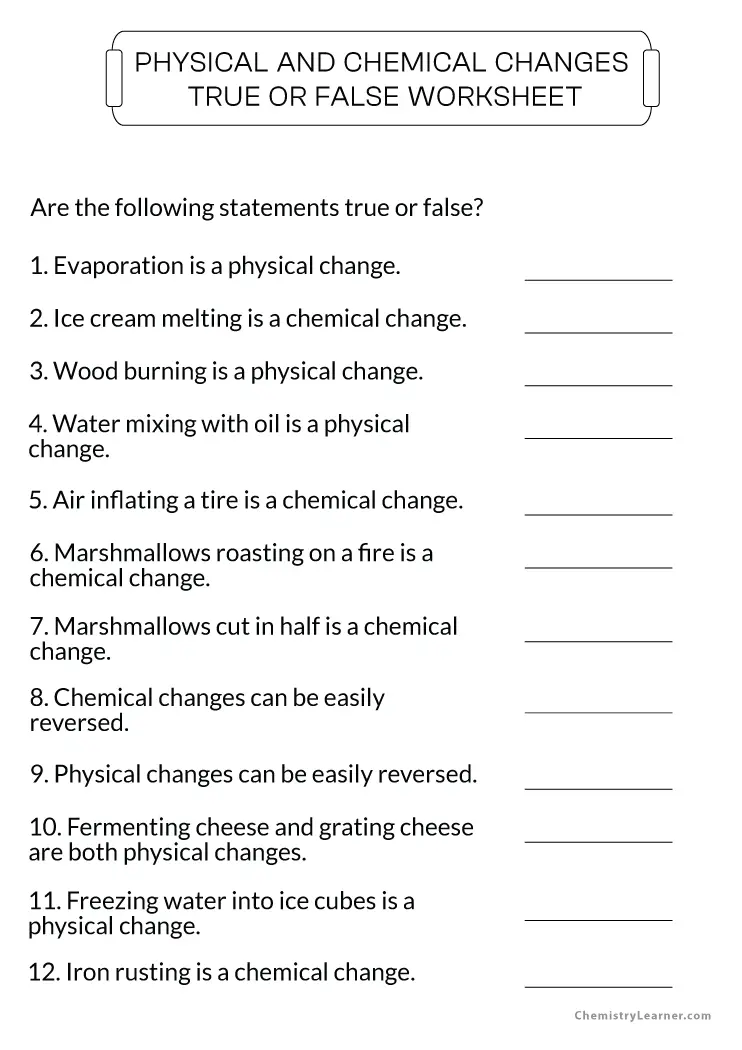
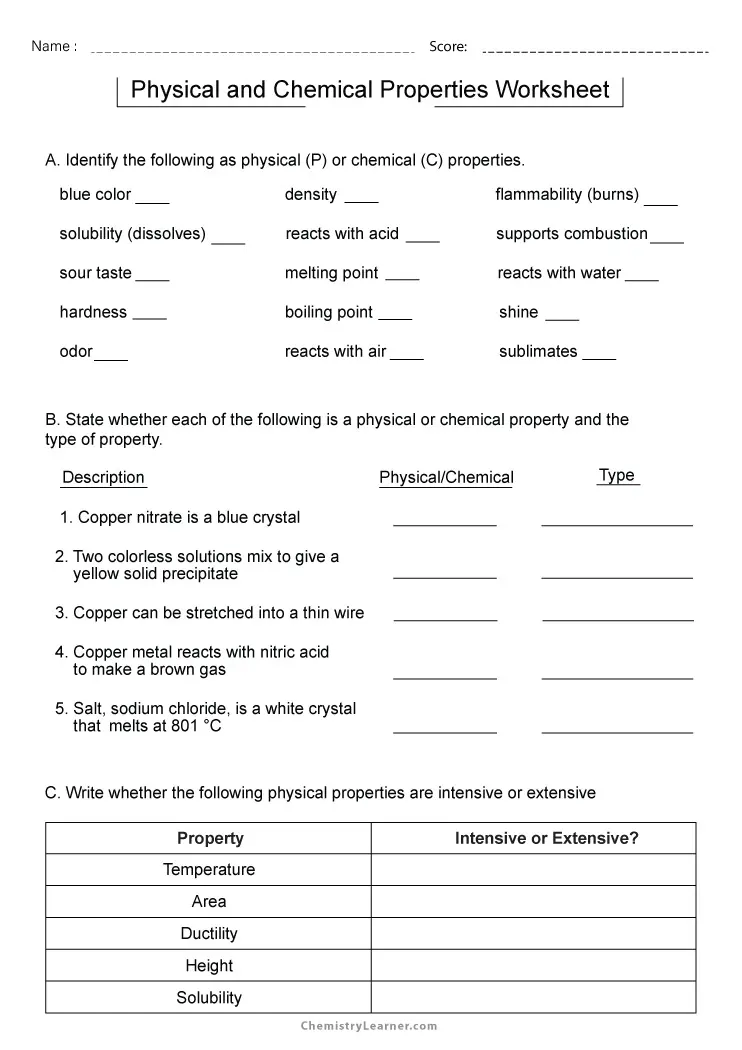
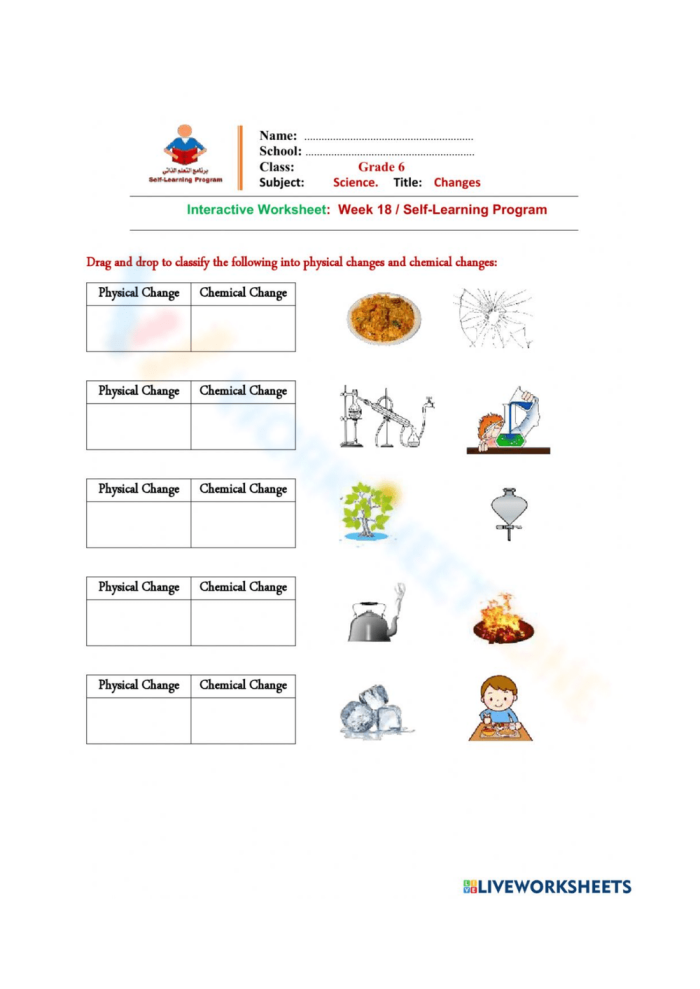
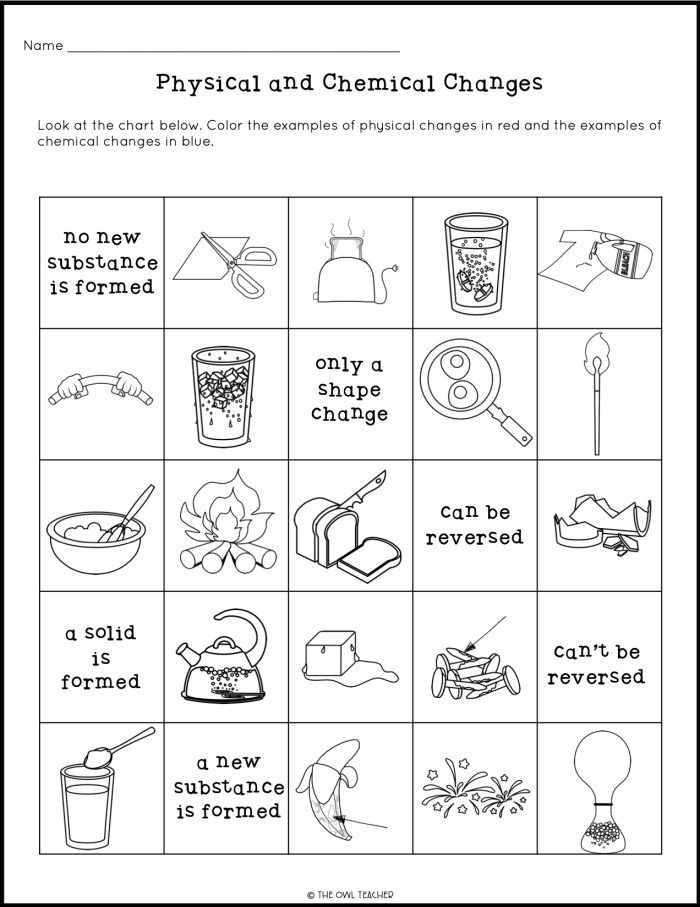
Understanding the distinction between physical and chemical changes can ignite a young scientist’s curiosity. At the fifth-grade level, grasping these concepts lays the groundwork for deeper scientific exploration. The difference is not just about observable changes; it’s about what happens at the molecular level.
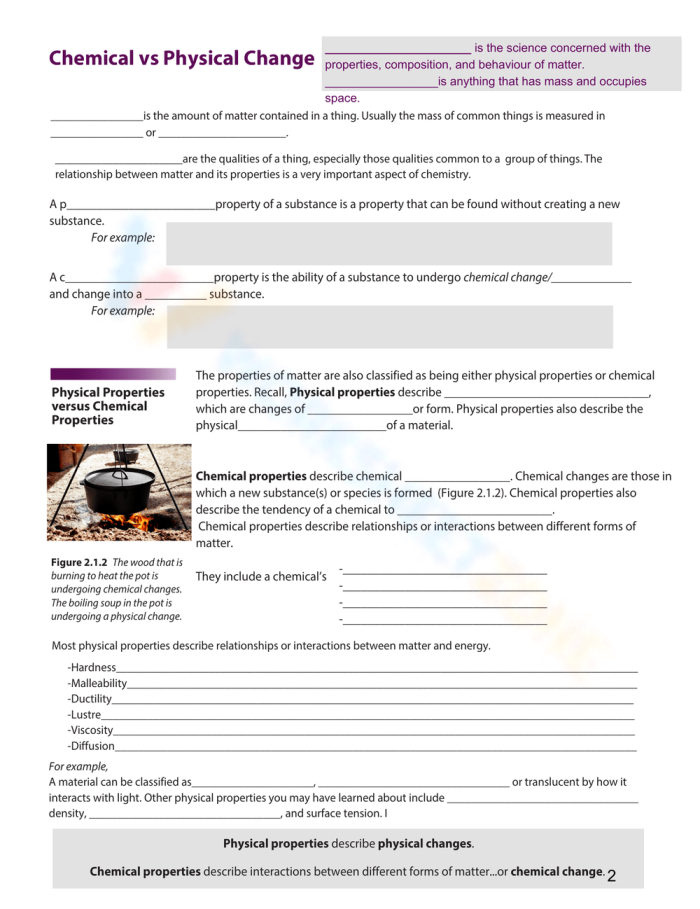
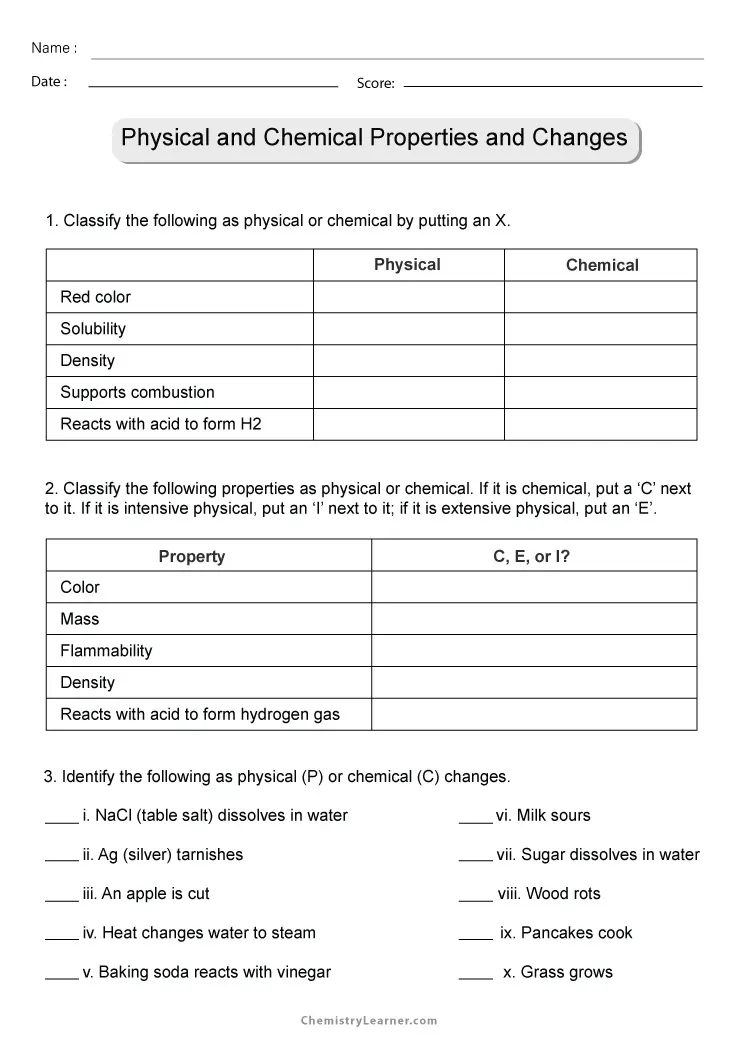
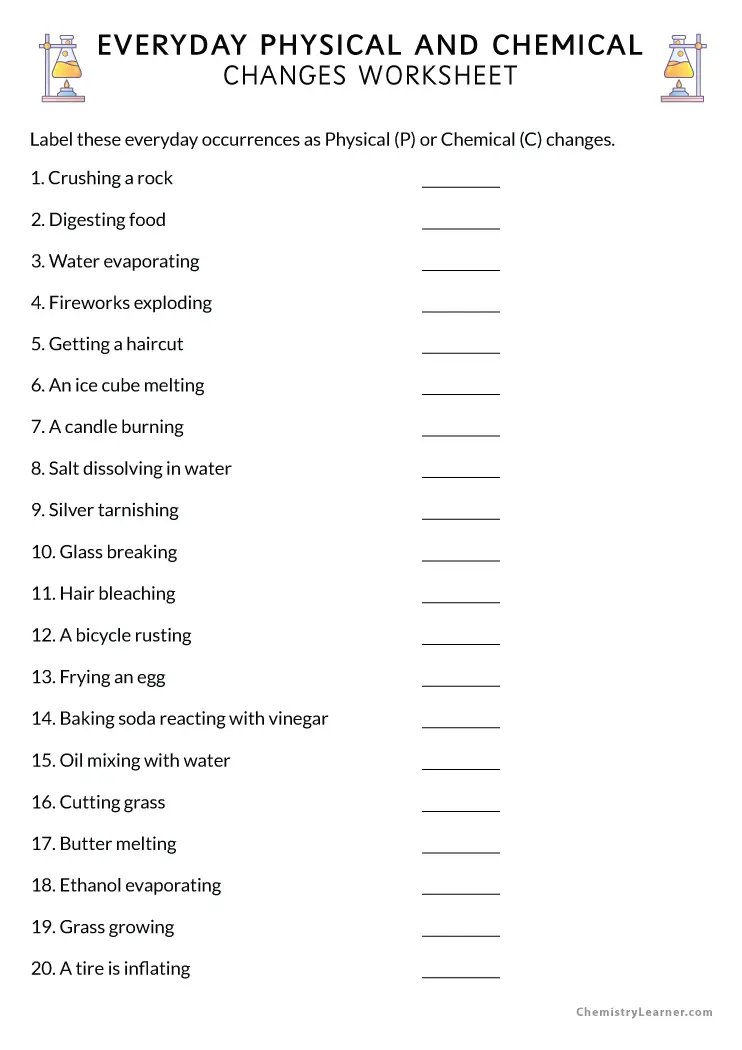
A physical change alters the form or appearance of a substance without changing its chemical composition. For instance, when ice melts into water, the molecular structure of H2O remains unchanged, even though the state of matter shifts from solid to liquid. Similarly, tearing a piece of paper or mixing sand and salt are physical changes. The substances involved maintain their inherent properties despite their altered state.
On the other hand, chemical changes involve a transformation that results in the formation of new substances. This occurs when the bonds between atoms are broken and rearranged. A classic example is the rusting of iron. When iron reacts with oxygen in the presence of moisture, it forms iron oxide, a completely different compound. This reaction signifies a chemical change, as the original elements cannot be recovered simply by reversing the process.
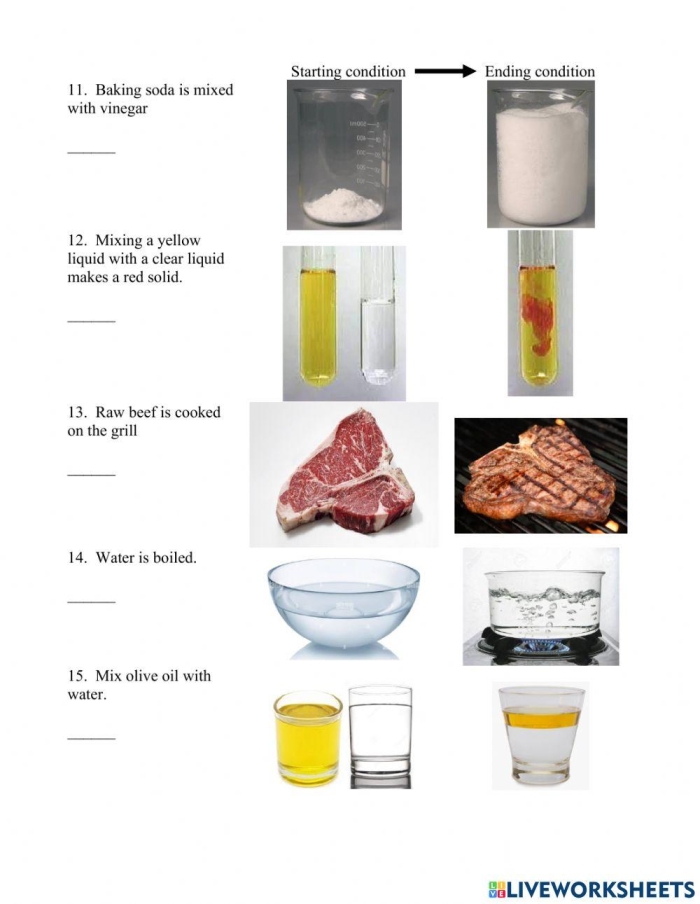
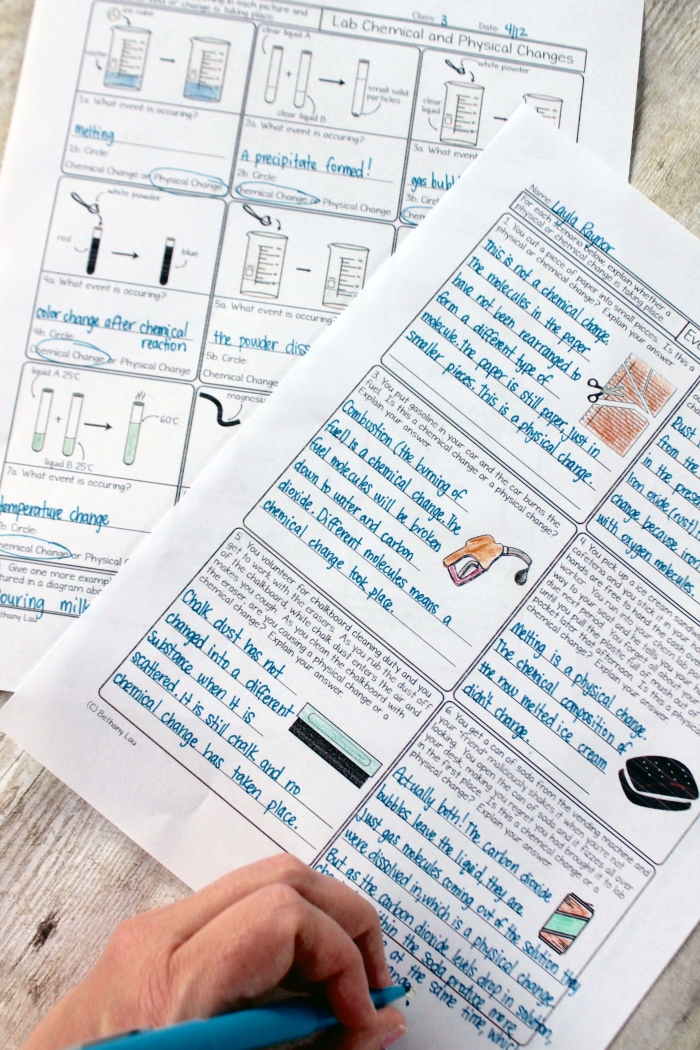
Teaching these concepts can be interactive. Consider conducting simple experiments at home or in the classroom. You could create a fun activity where students mix vinegar and baking soda, observing the fizzing reaction. This not only illustrates a chemical change but also engages students in hands-on learning.
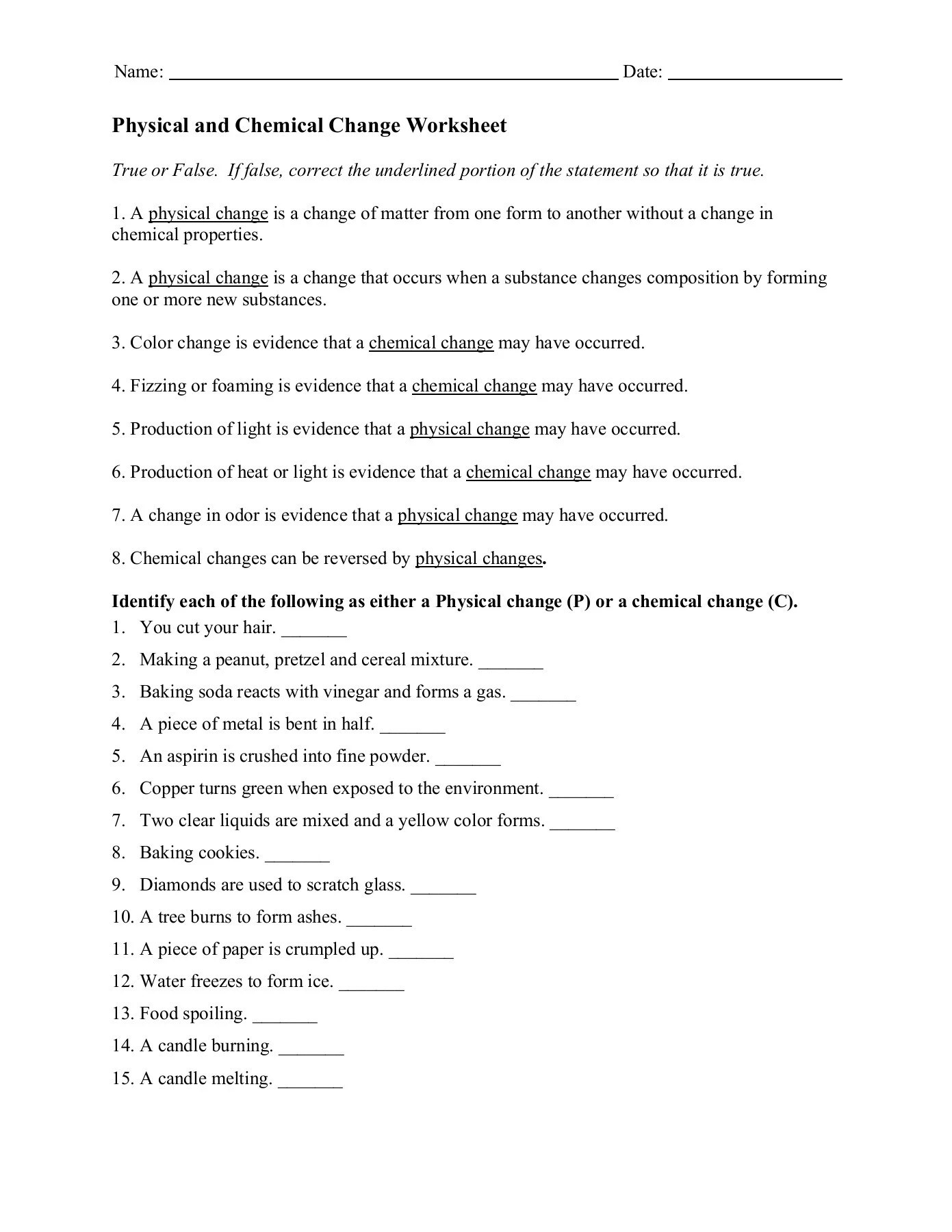
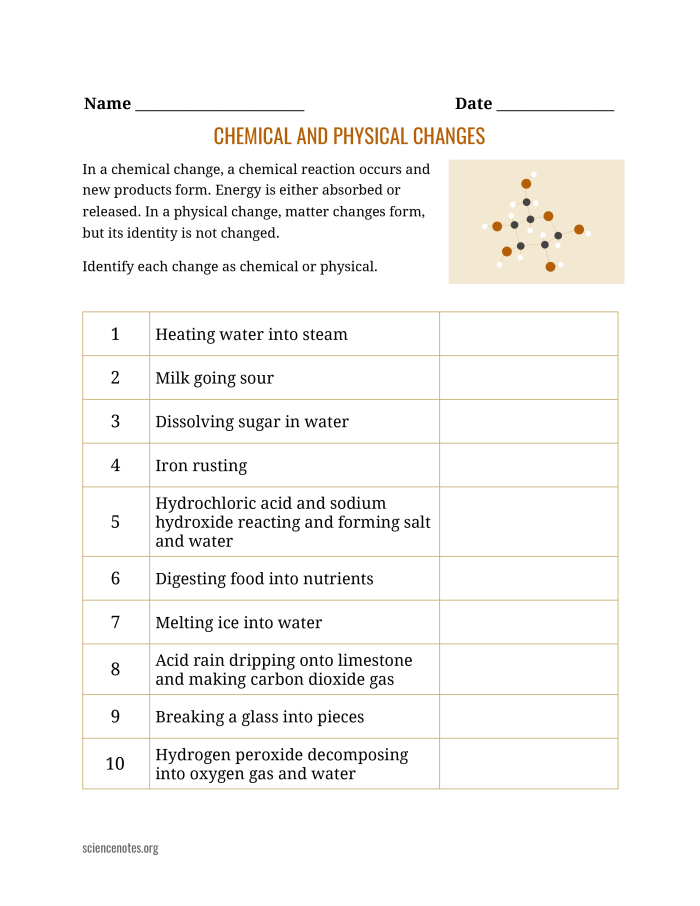
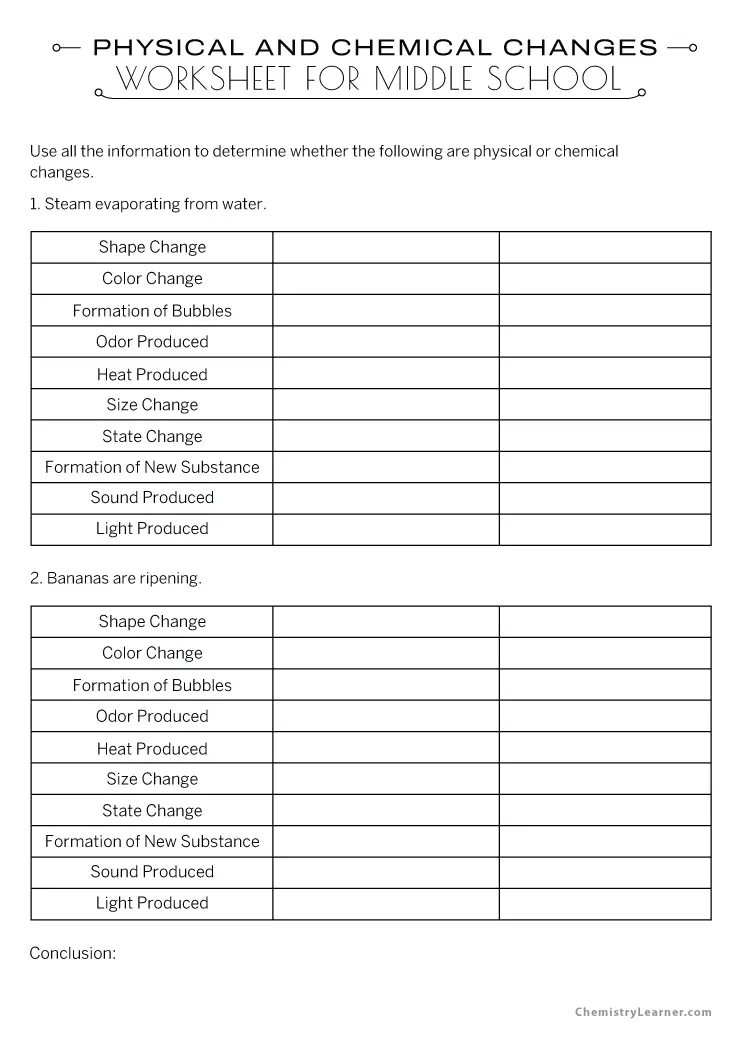
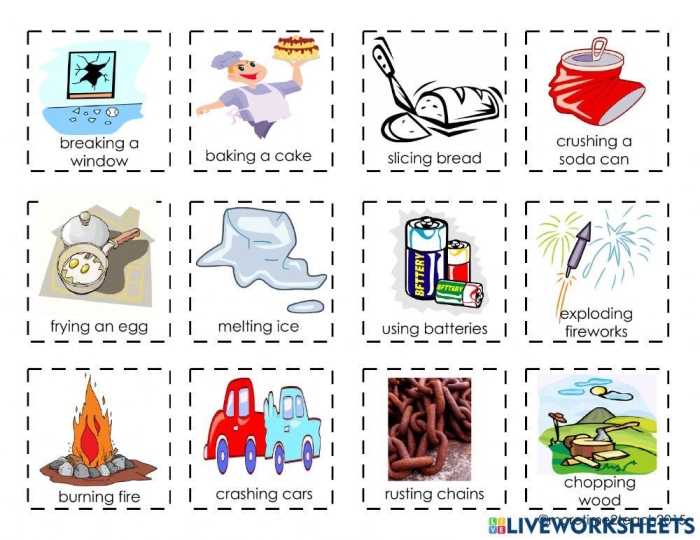
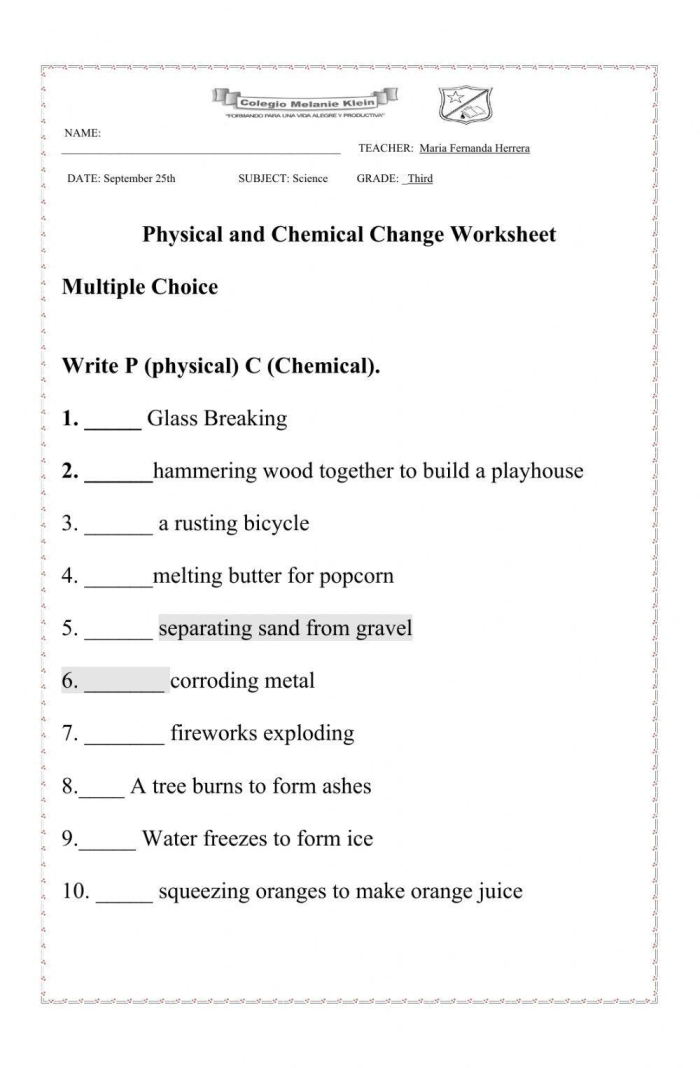
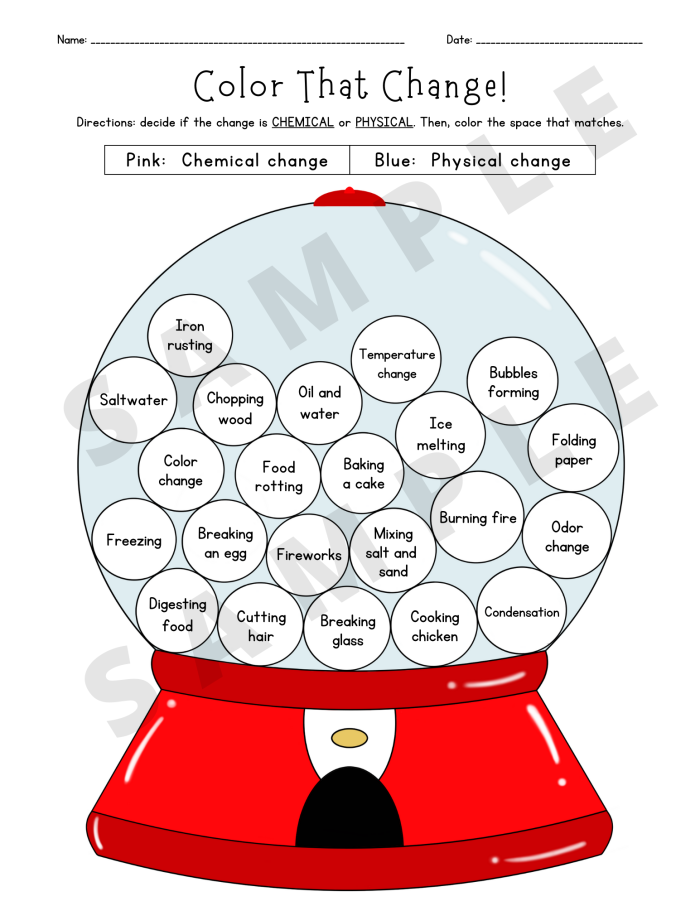
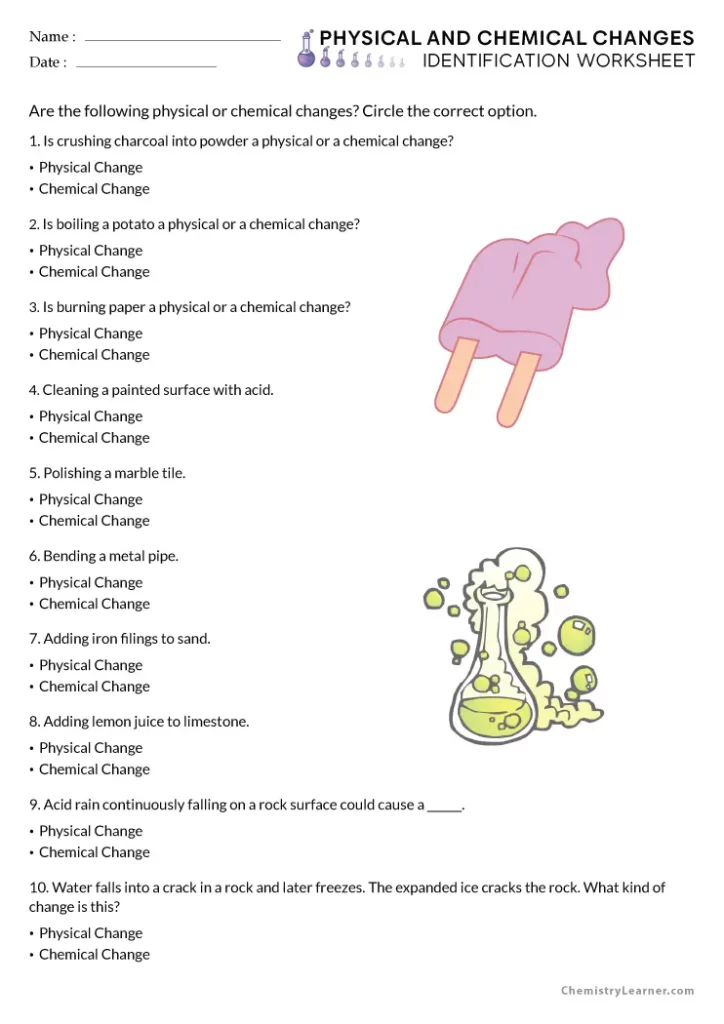
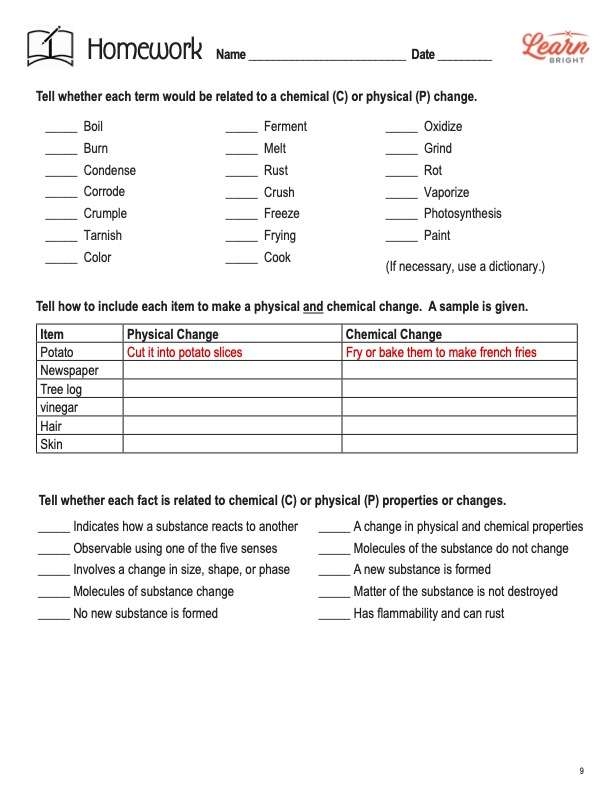
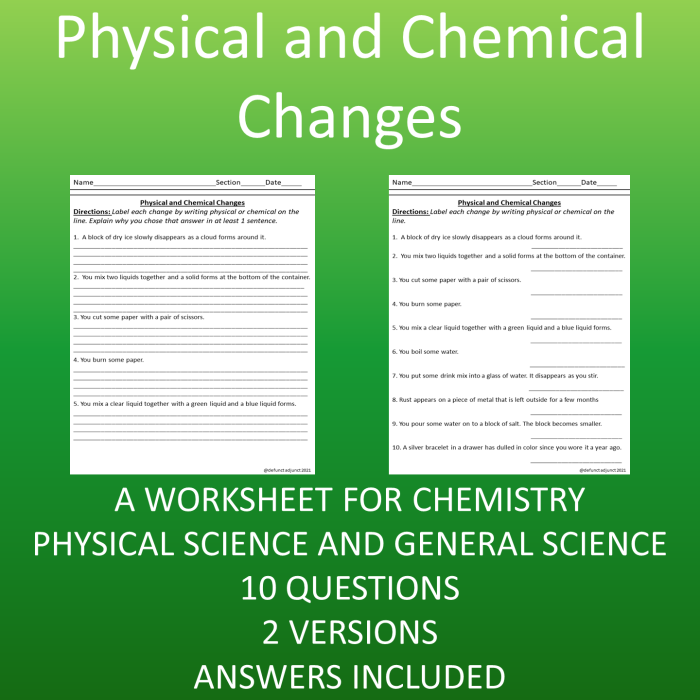
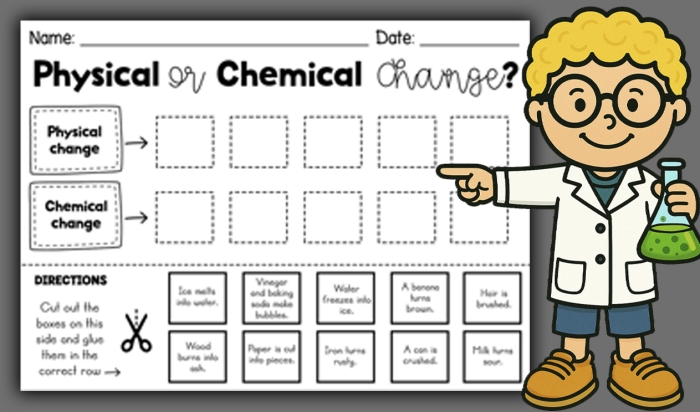
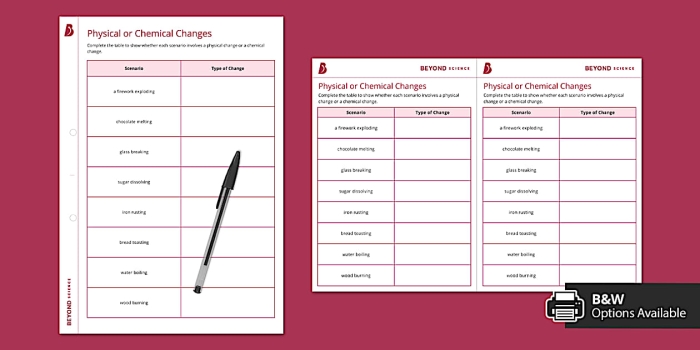
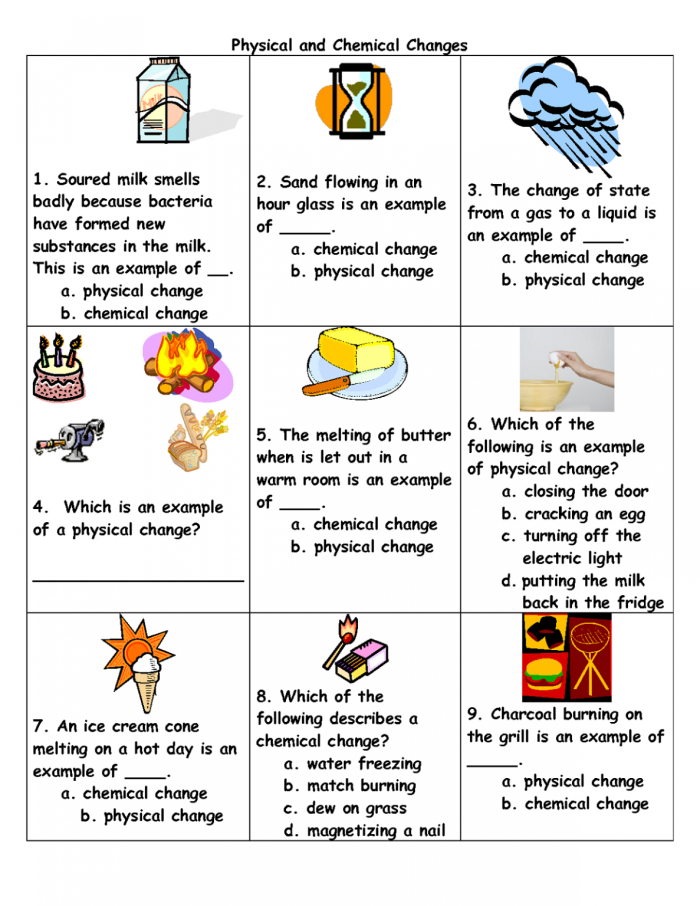
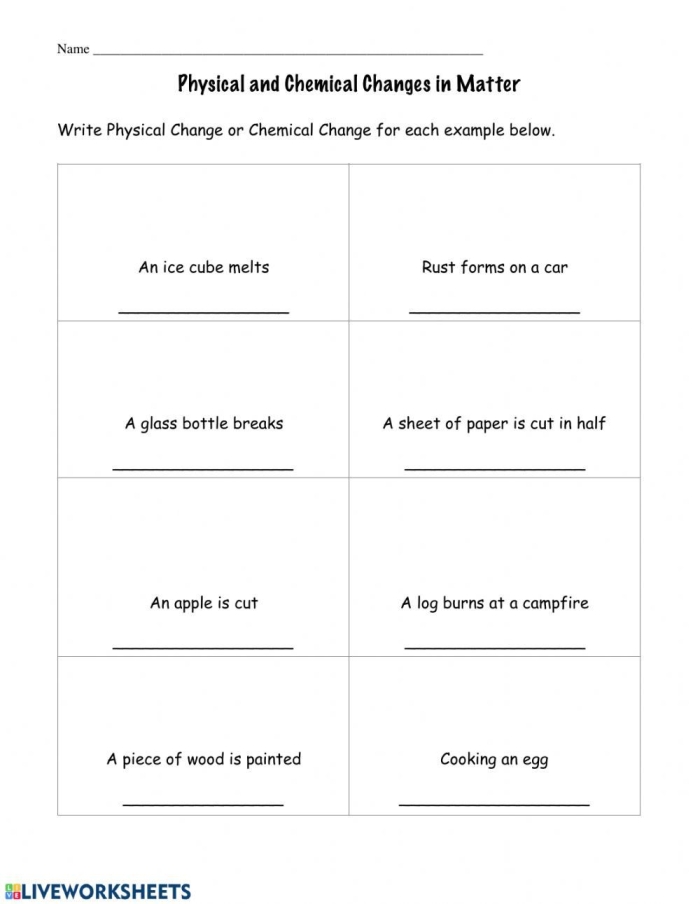
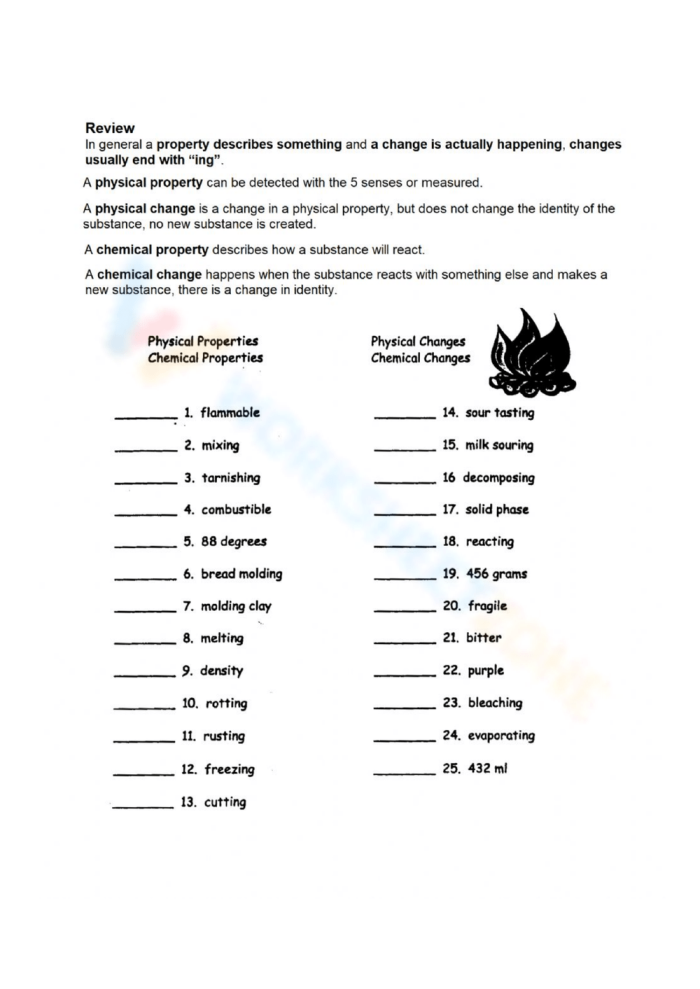
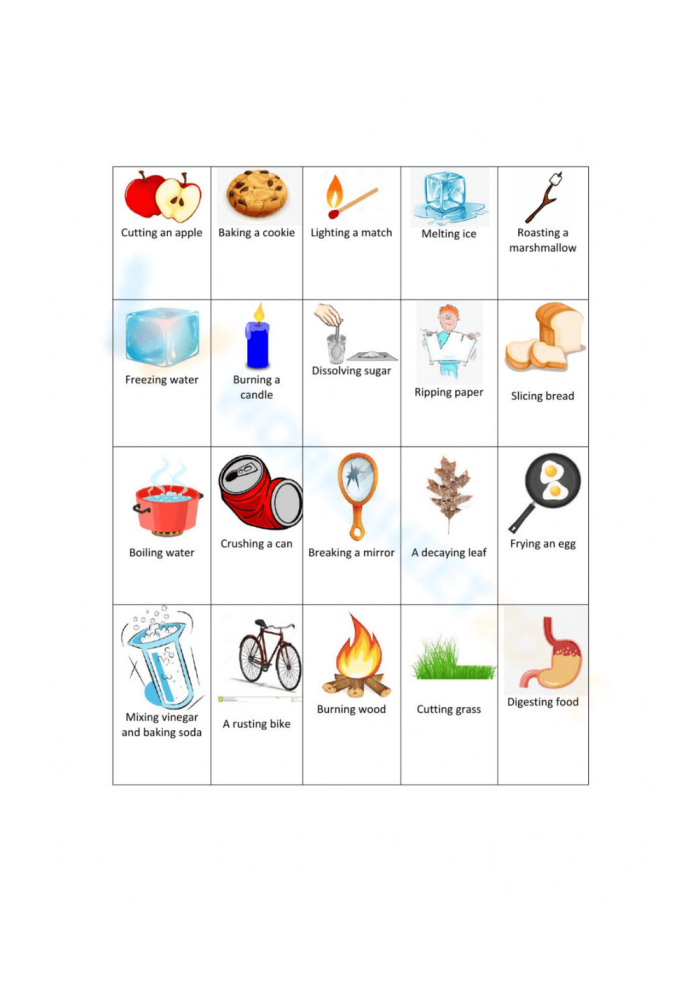
To enhance understanding, printable resources can be helpful. Worksheets that focus on physical and chemical changes provide students with opportunities to practice identifying examples. These are readily available for fifth-grade learners, making it easy to incorporate into lessons. For additional resources, check out these worksheets that can support your teaching efforts.
By exploring the differences between physical and chemical changes, you equip your little scientist with valuable knowledge that can spark a lifelong interest in science. Whether through discussion or engaging activities, fostering this understanding is a crucial step in their educational journey.
Grab These Worksheets Now