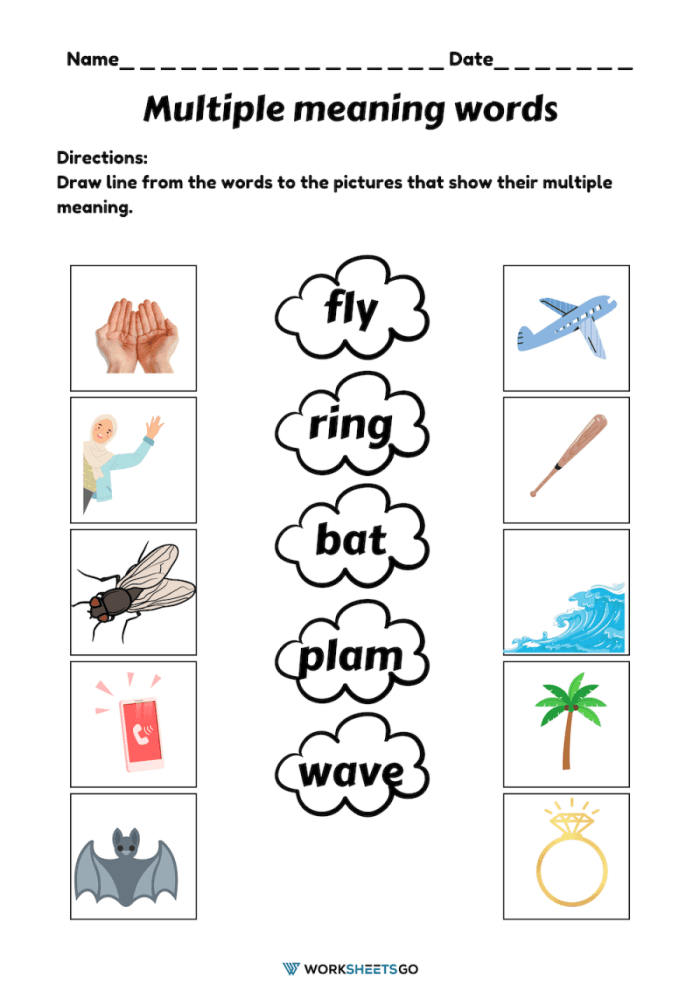
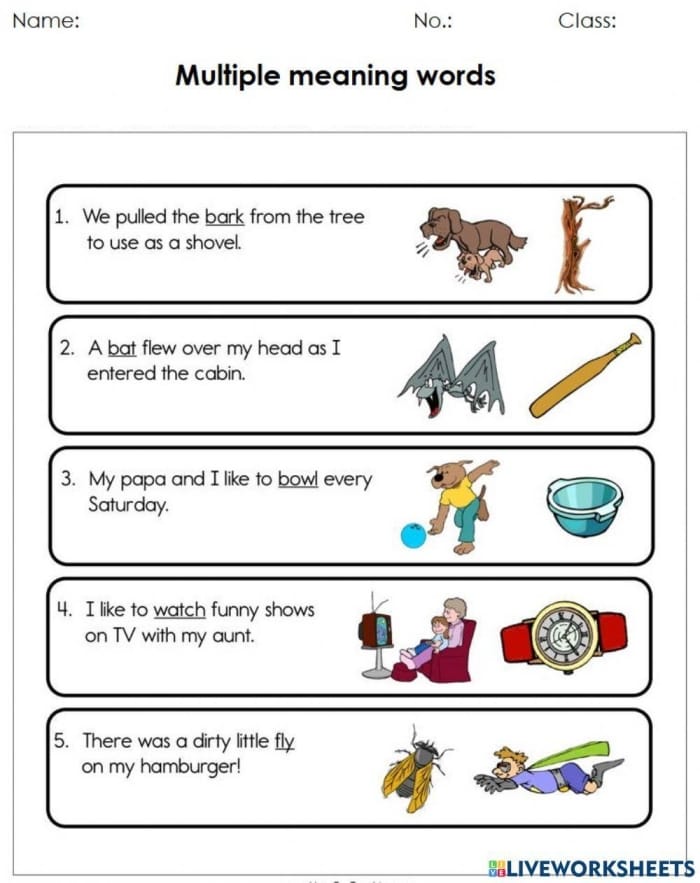
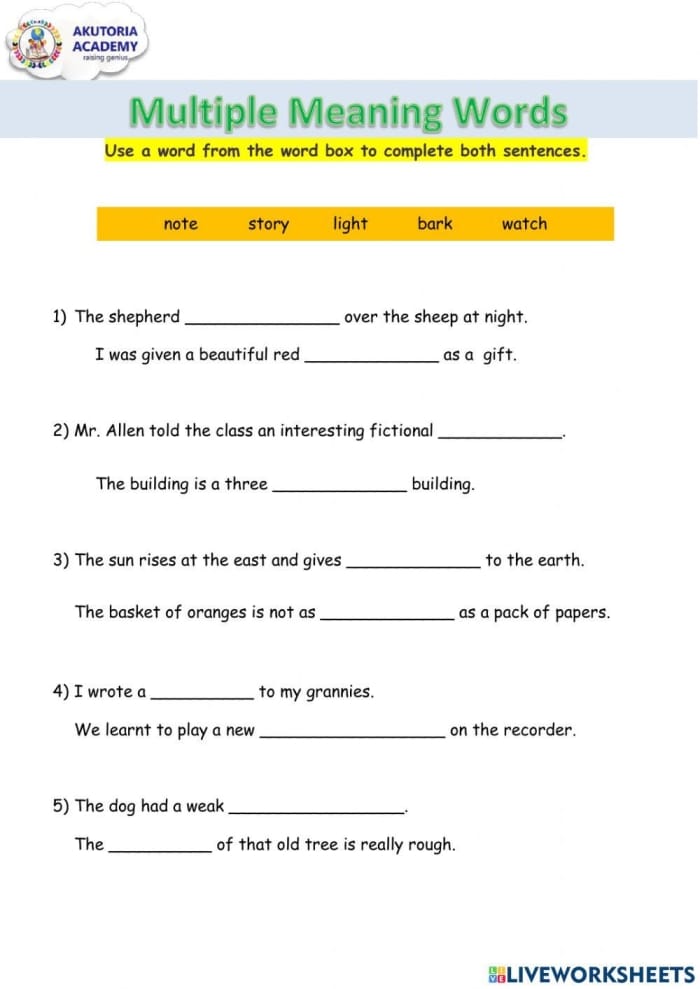
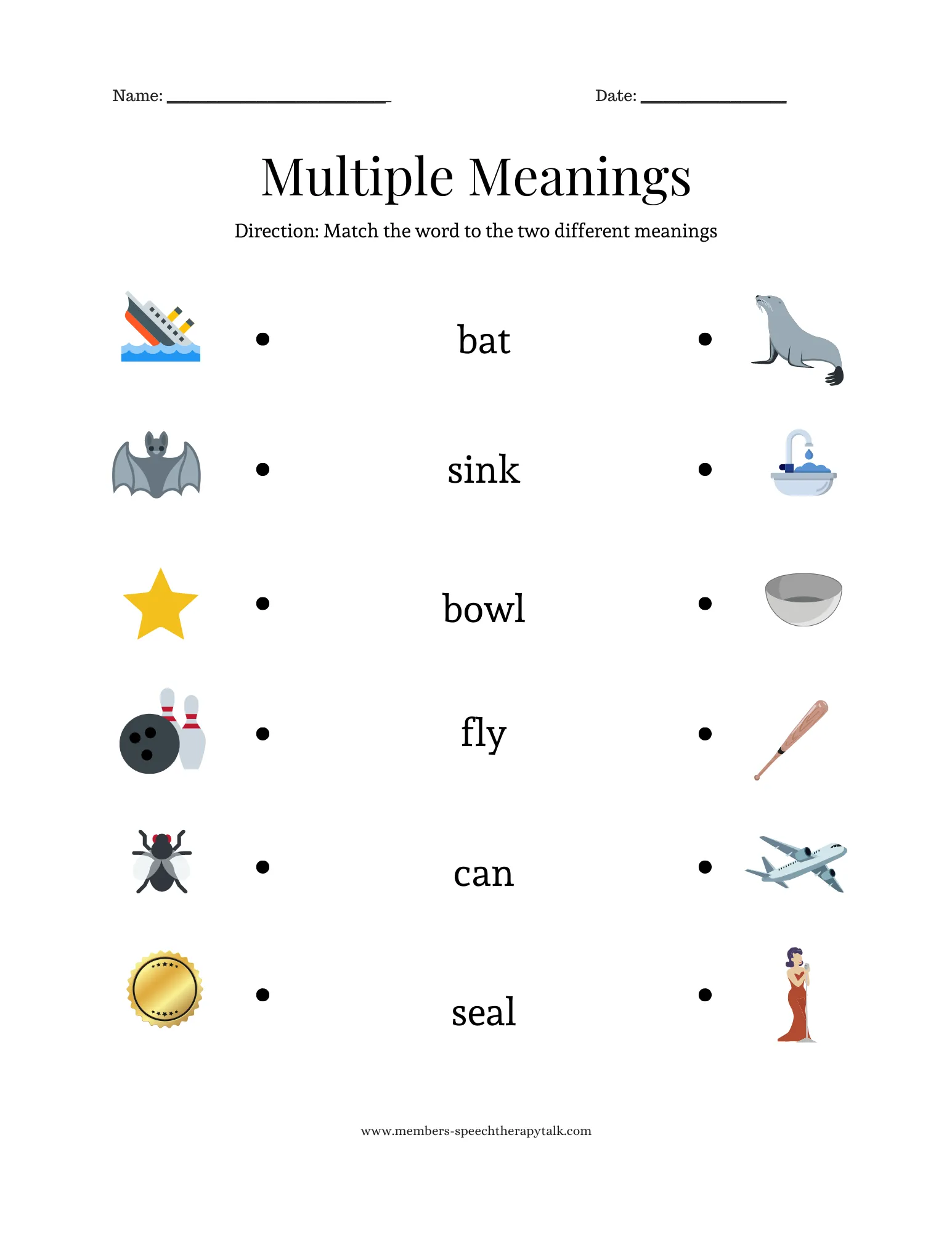
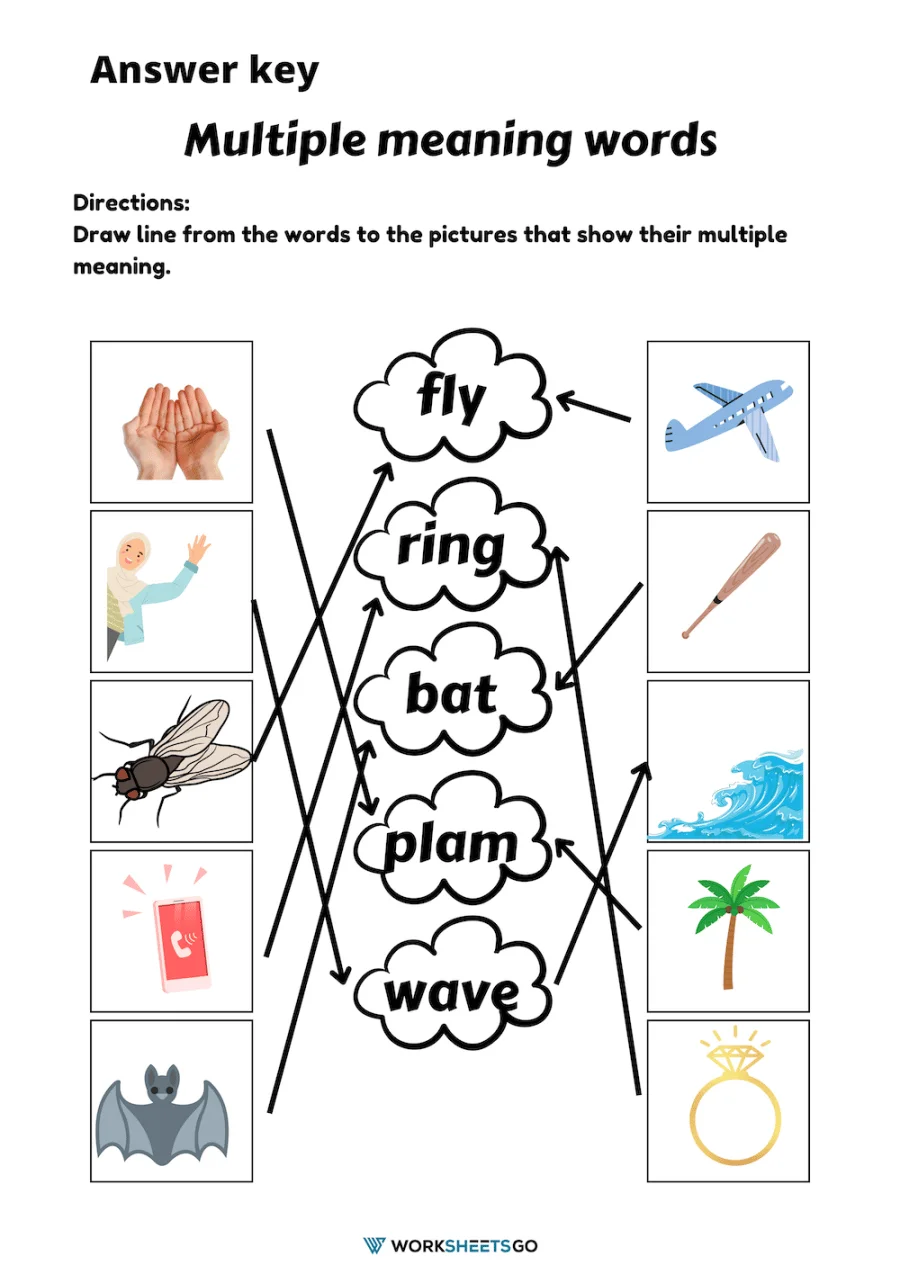
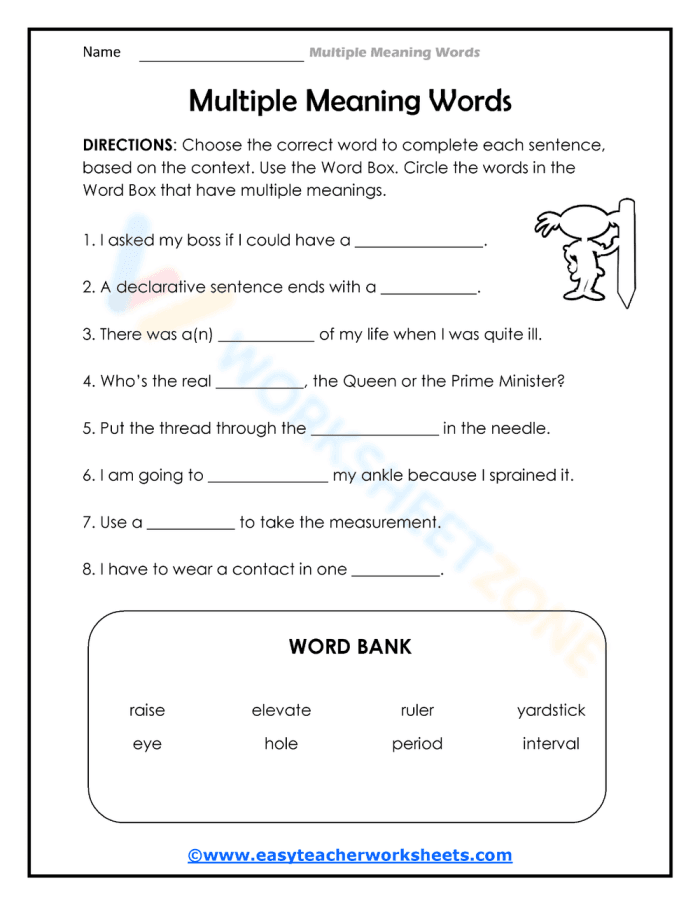
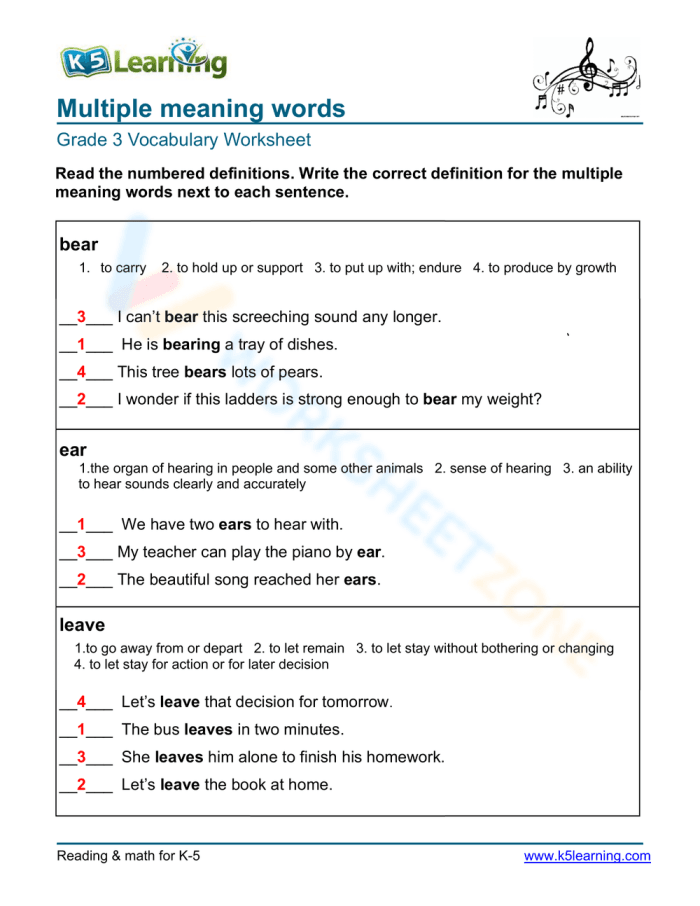
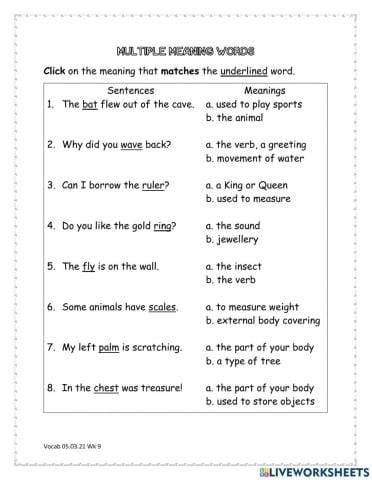
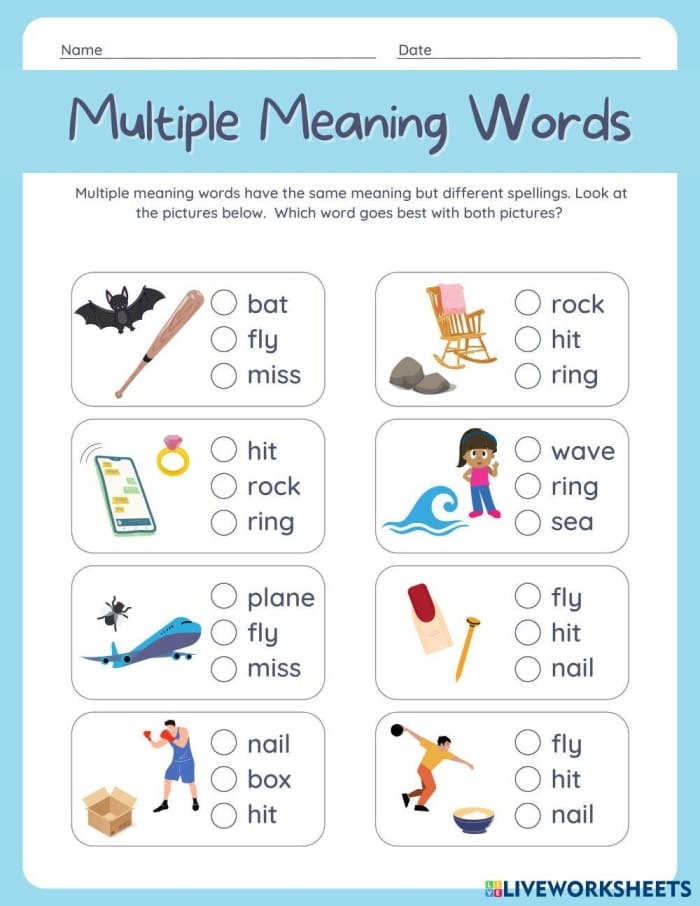
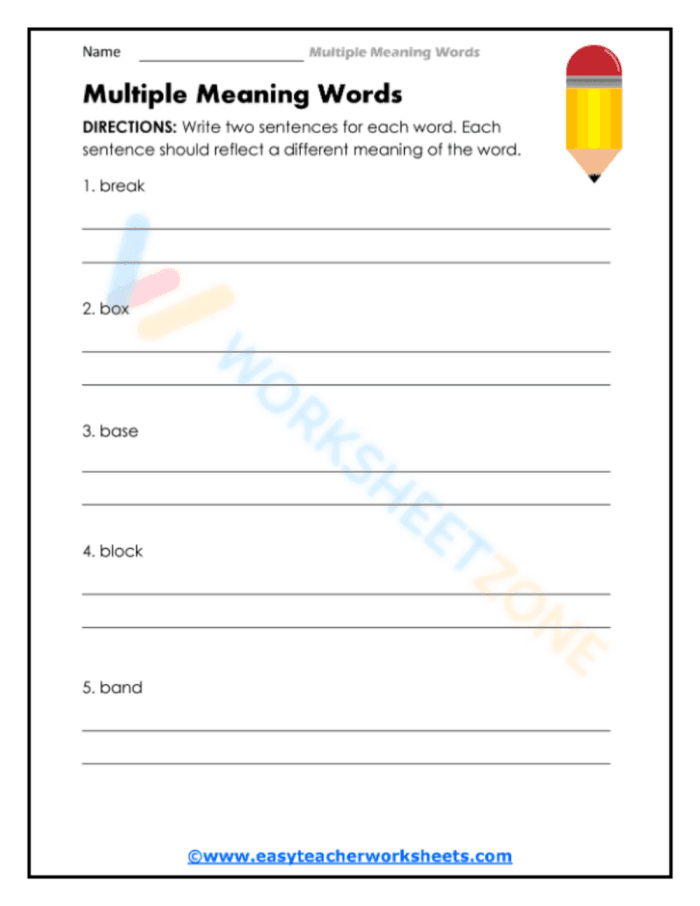
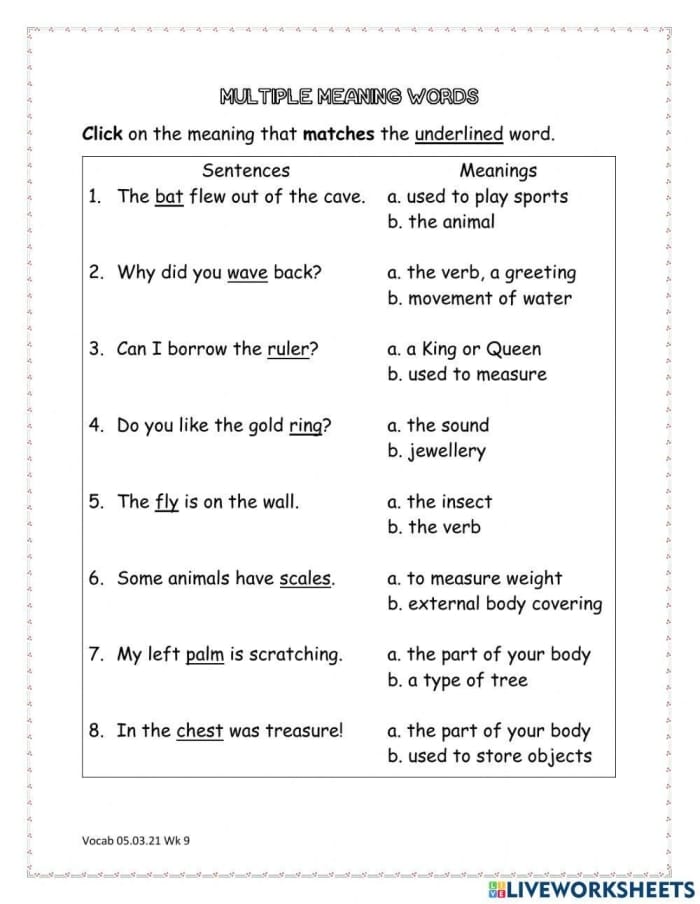
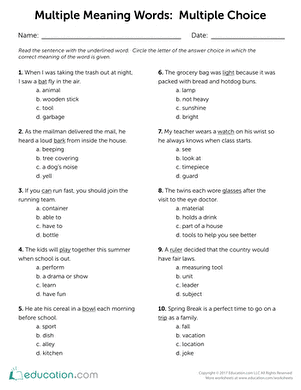
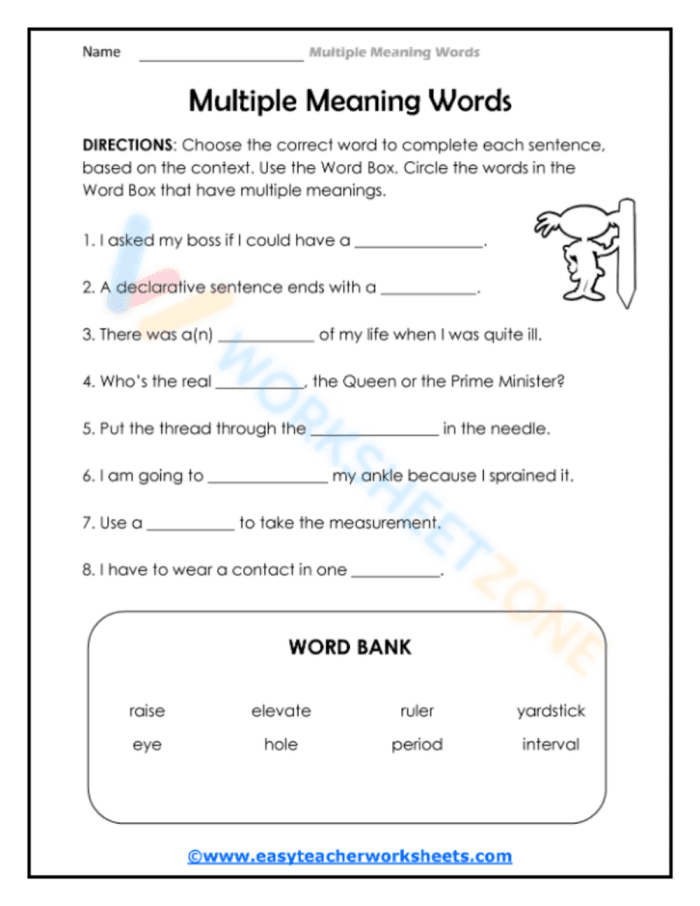
Homographs trip up readers because they look identical on the page but shift meaning based on context. Words like “read” (present tense versus past tense), “lead” (the metal versus to guide), and “tear” (to rip versus a drop from the eye) require students to slow down and think carefully about which definition applies. This is where sentence clues become essential tools.
When your students encounter a homograph, the surrounding words provide clues about which meaning the author intended. A sentence like “She will read the book tonight” signals the present tense, while “She read the book yesterday” signals the past. Teaching students to notice these contextual signals builds stronger reading comprehension and prevents them from getting stuck on unfamiliar words.
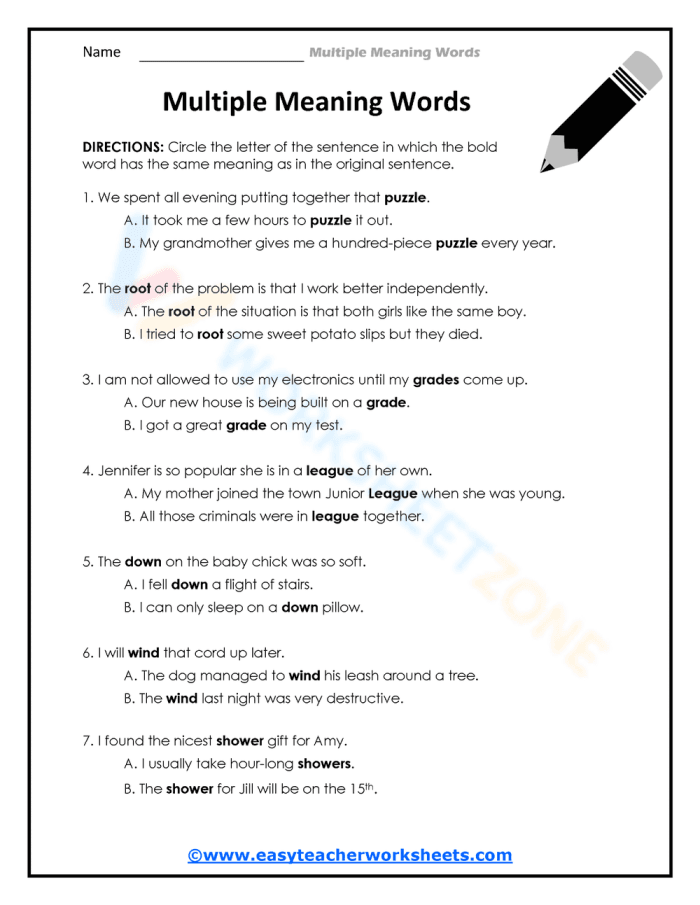
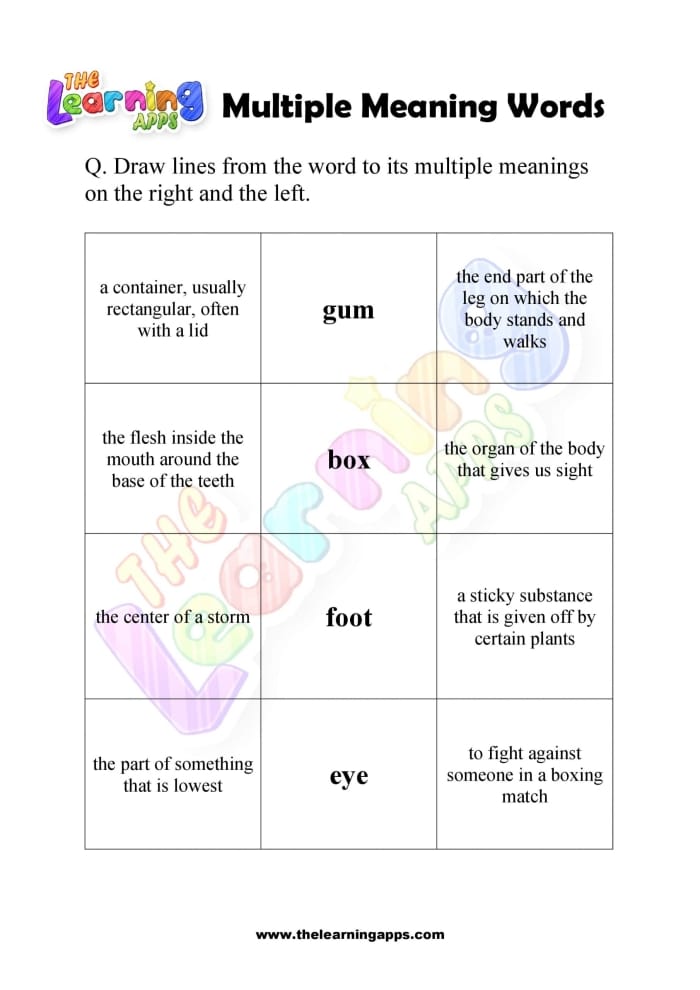
Third grade vocabulary instruction benefits significantly from targeted practice with homographs. Students at this level are moving beyond simple decoding and starting to understand that words can have multiple meanings. By working through exercises that require them to match homographs to their correct definitions based on sentence context, they develop a habit of reading more carefully and thinking about word relationships.
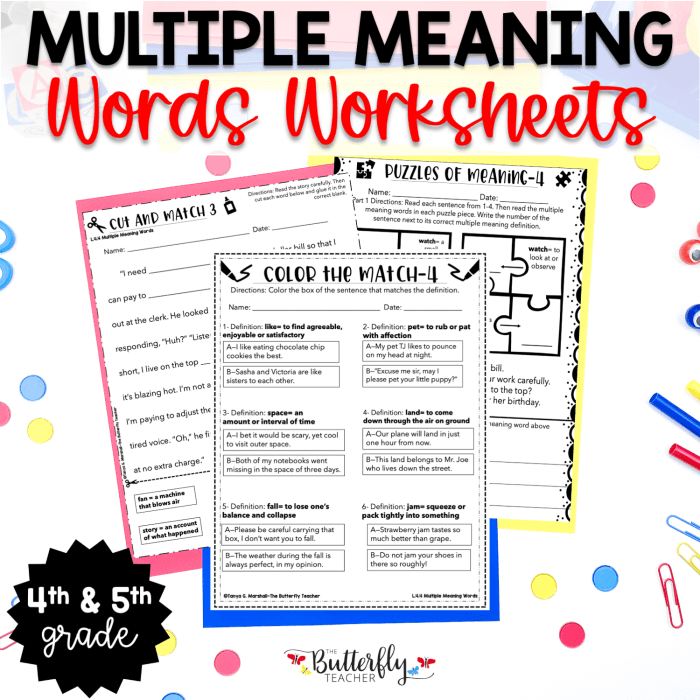
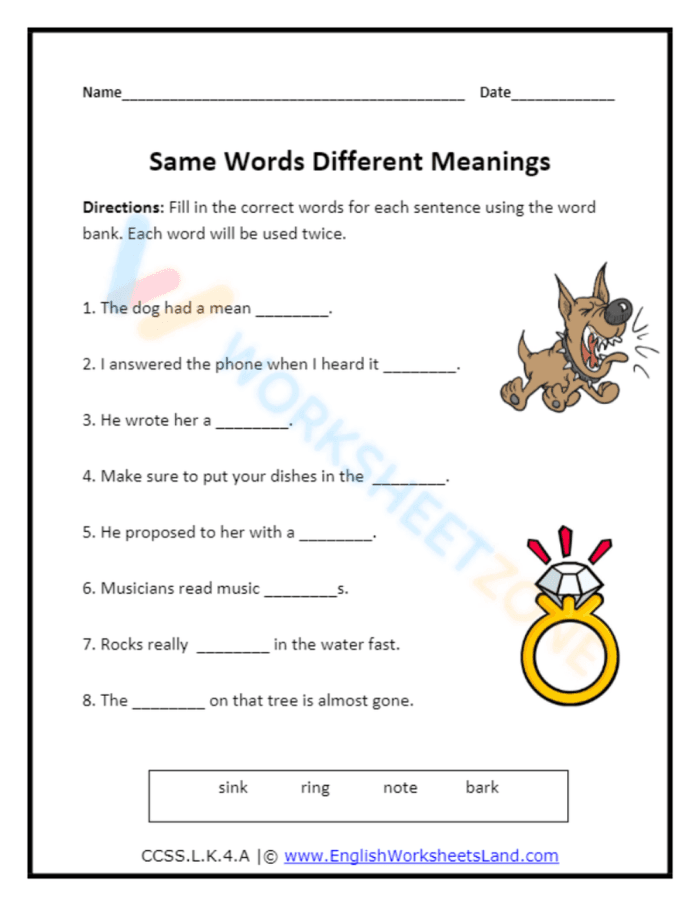
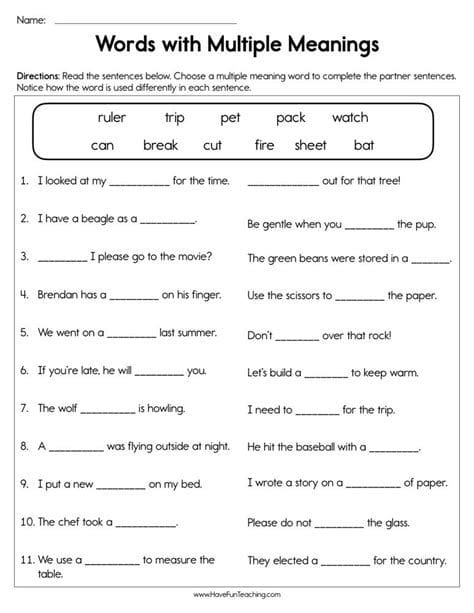
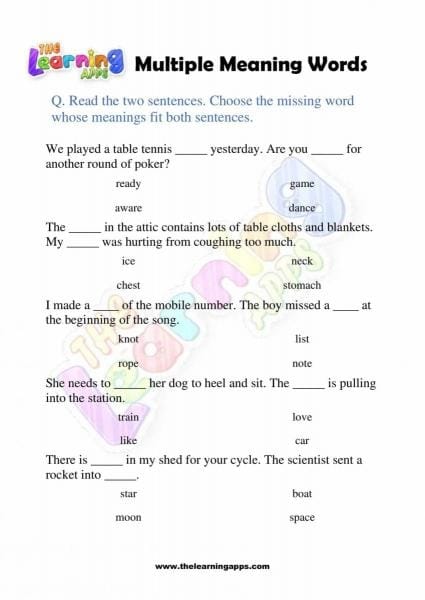
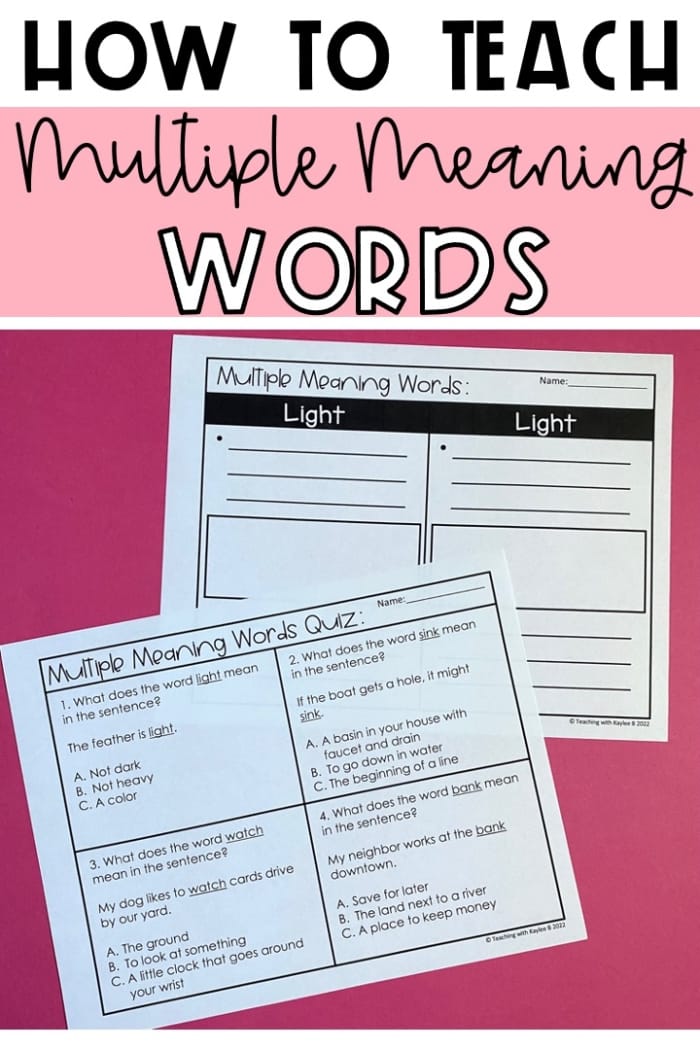
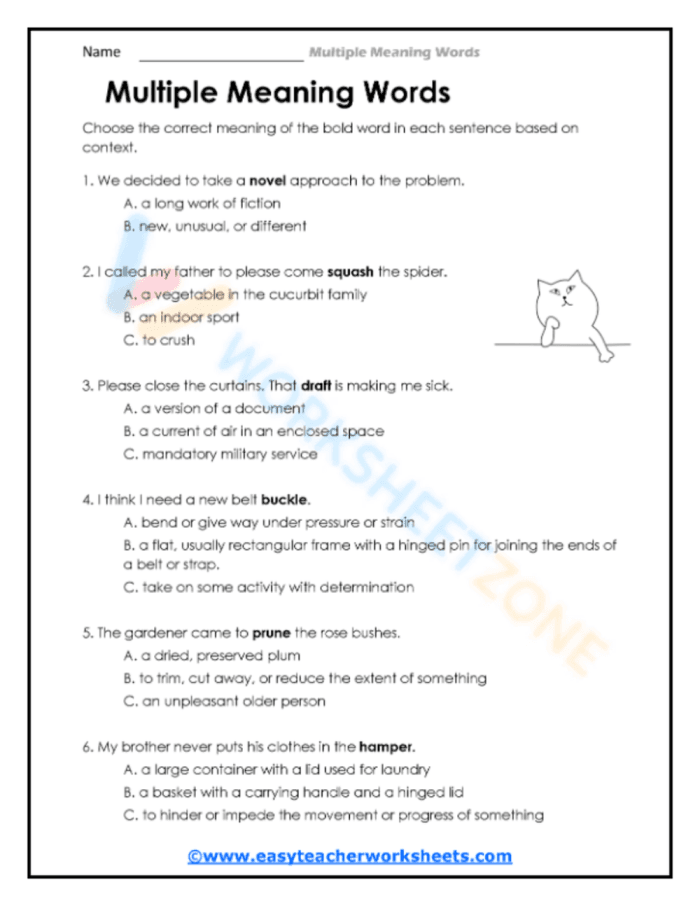
Practical activities help reinforce this skill. When students work through context clues exercises for finding word meanings, they practice identifying the specific details that reveal a word’s intended definition. Pairing this with multiple choice activities focused on multiple meaning words gives them confidence in making correct choices independently.
Homograph practice also connects naturally to other vocabulary work. Students who master sentence clues for homographs often apply the same strategy when learning about prefixes and how they create new words. The underlying skill remains the same: understanding how context shapes meaning.
Use These Worksheets Today