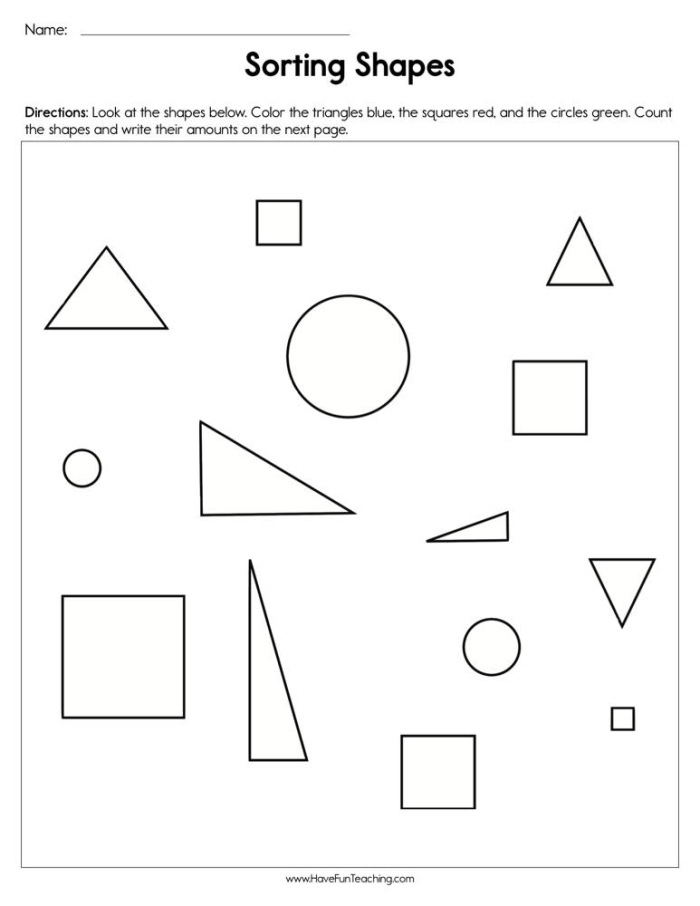
Sorting polygons can be an engaging activity that allows third-grade students to explore shapes in a way that resonates with their understanding. When you give your students a chance to sort polygons into categories that make sense to them, you’re not just teaching geometry; you’re fostering critical thinking and creativity.
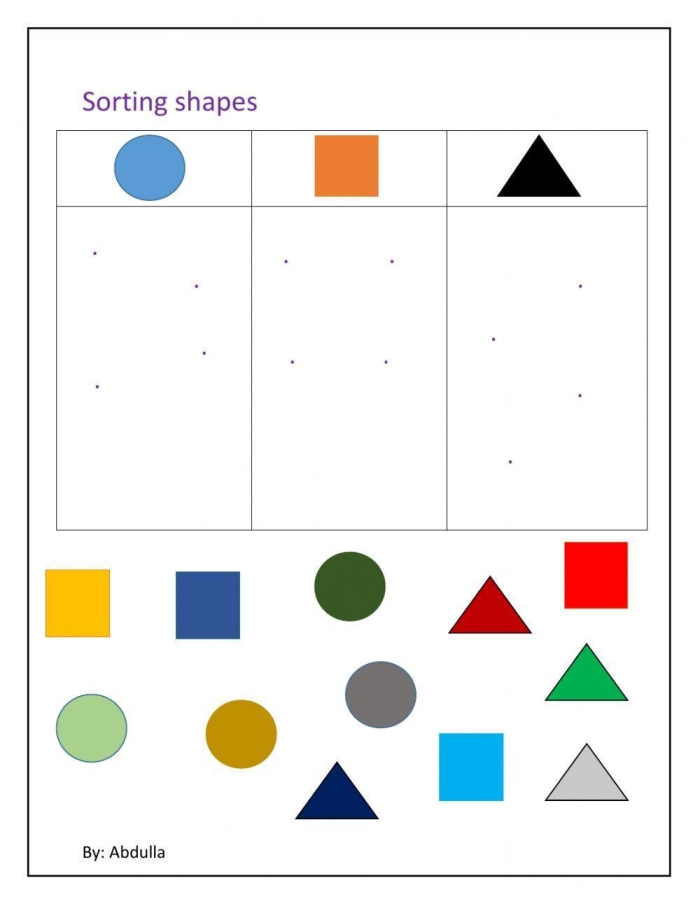
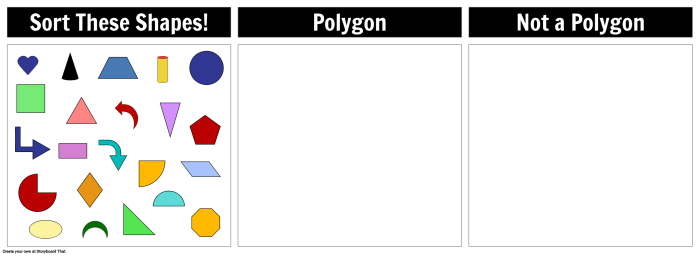
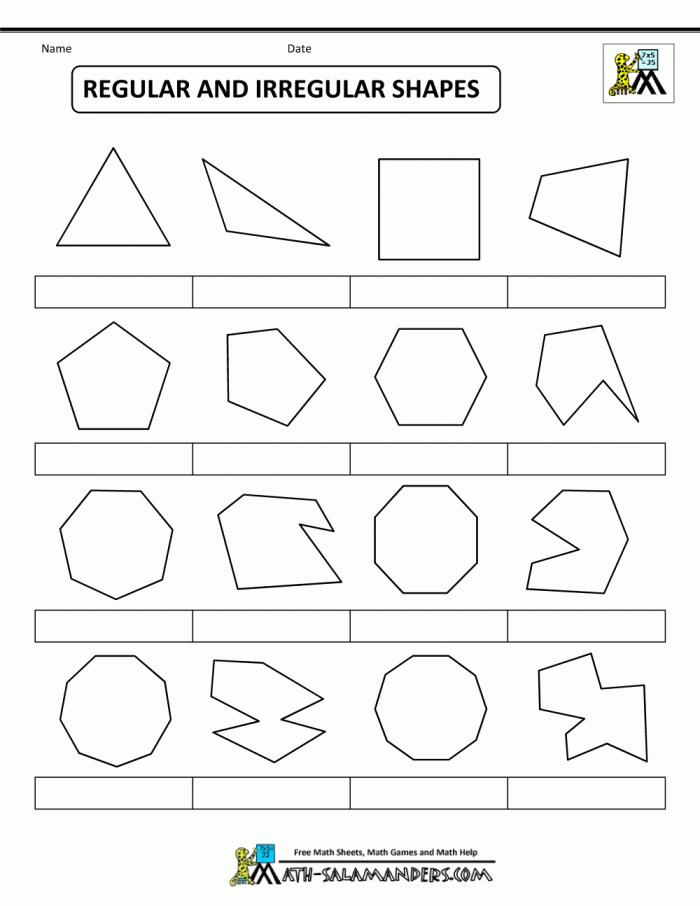
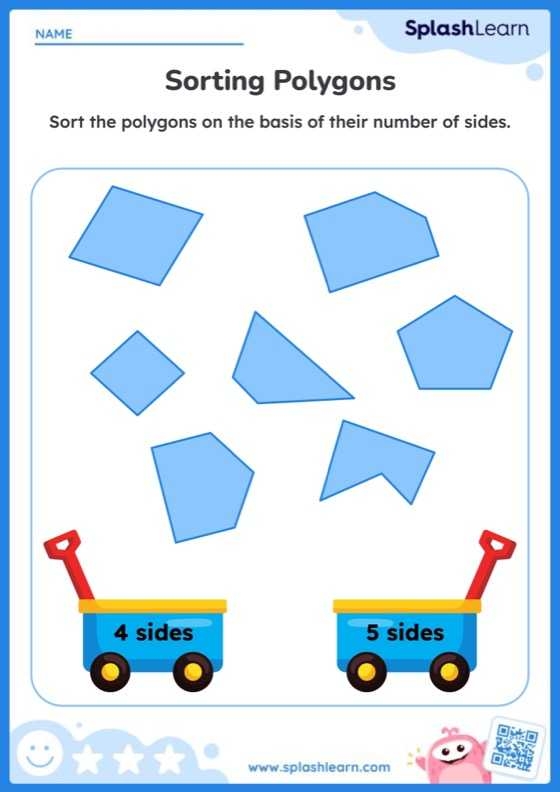
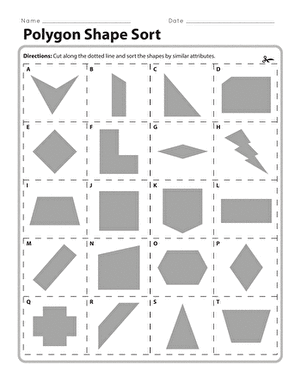
Consider providing a variety of polygon shapes, such as triangles, quadrilaterals, pentagons, and hexagons. Ask your students to group these polygons based on their own criteria. They might categorize them by the number of sides, angles, or even visual characteristics like size or color. This flexibility encourages them to think independently and articulate their reasoning. For instance, one group might categorize polygons by the number of sides, while another might focus on whether the shapes are regular or irregular.
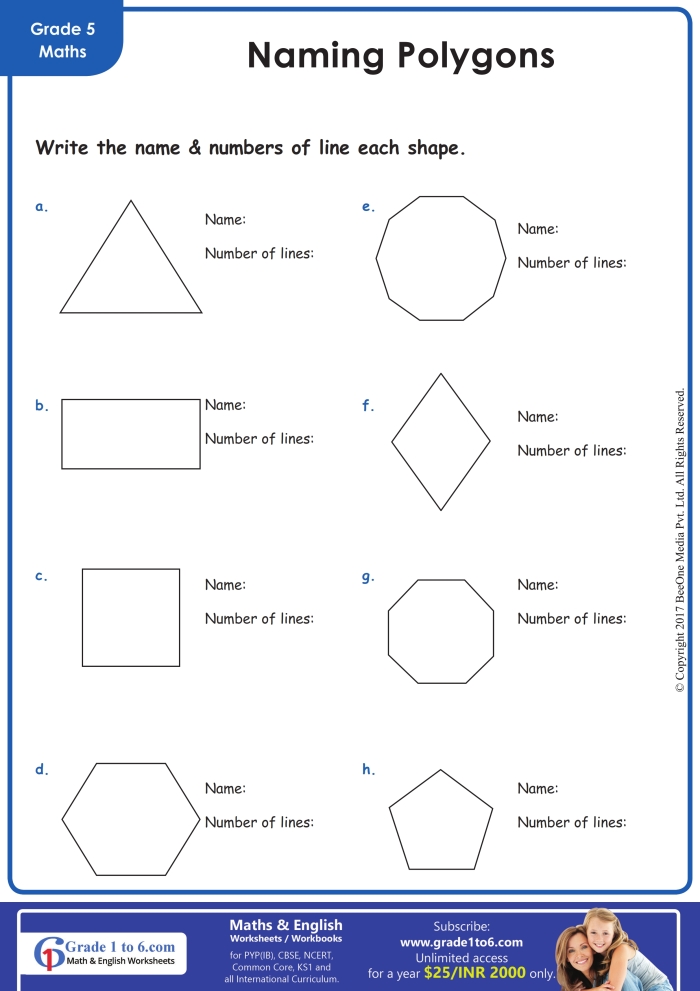
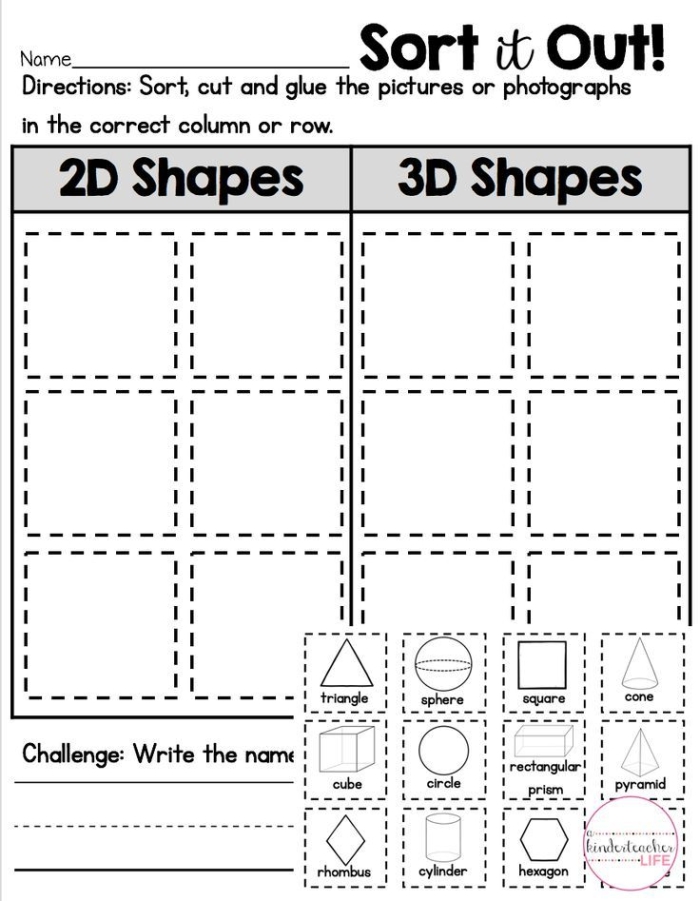
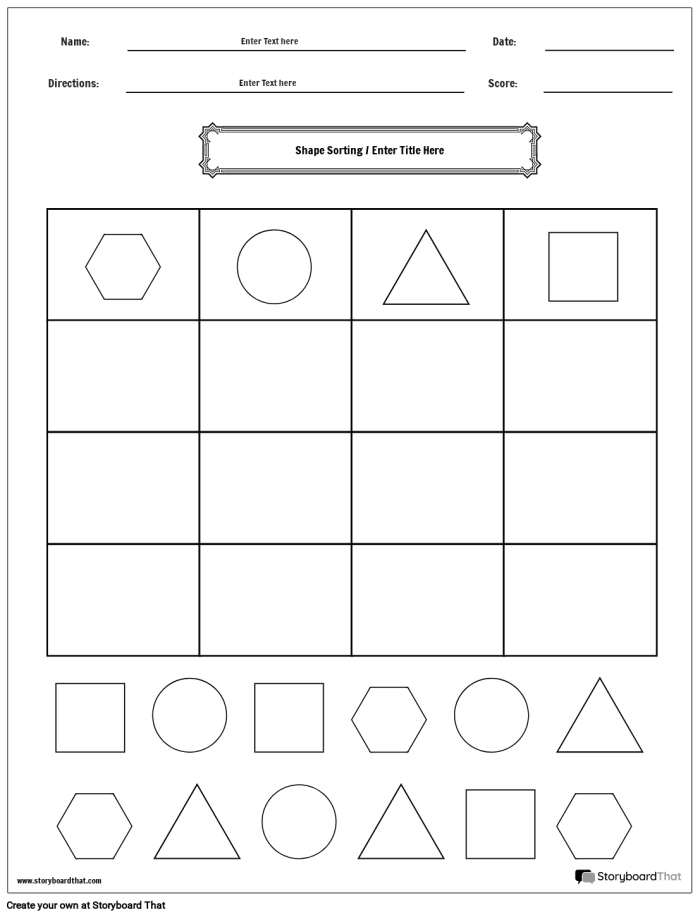
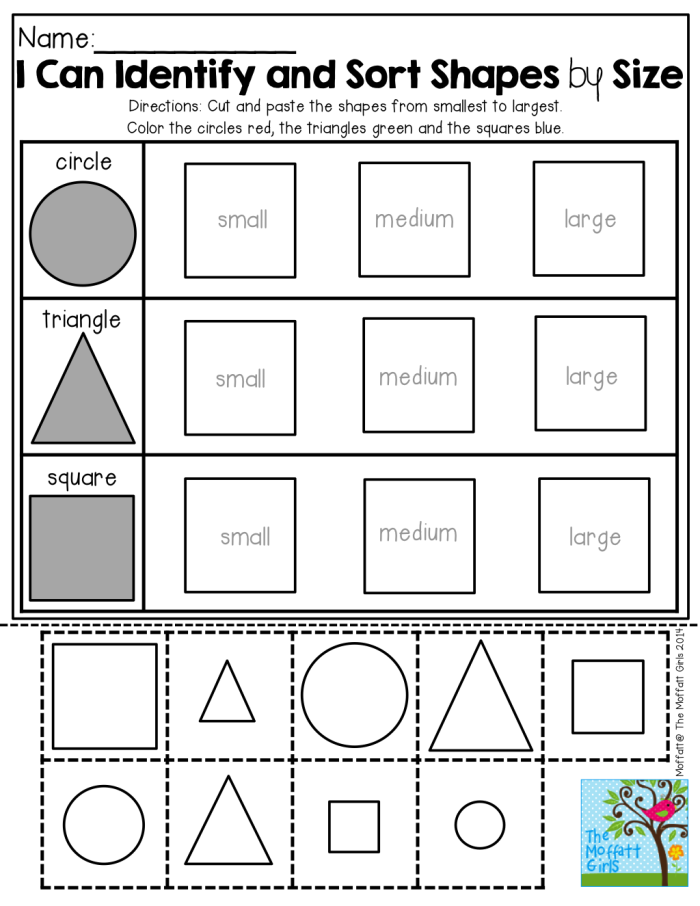
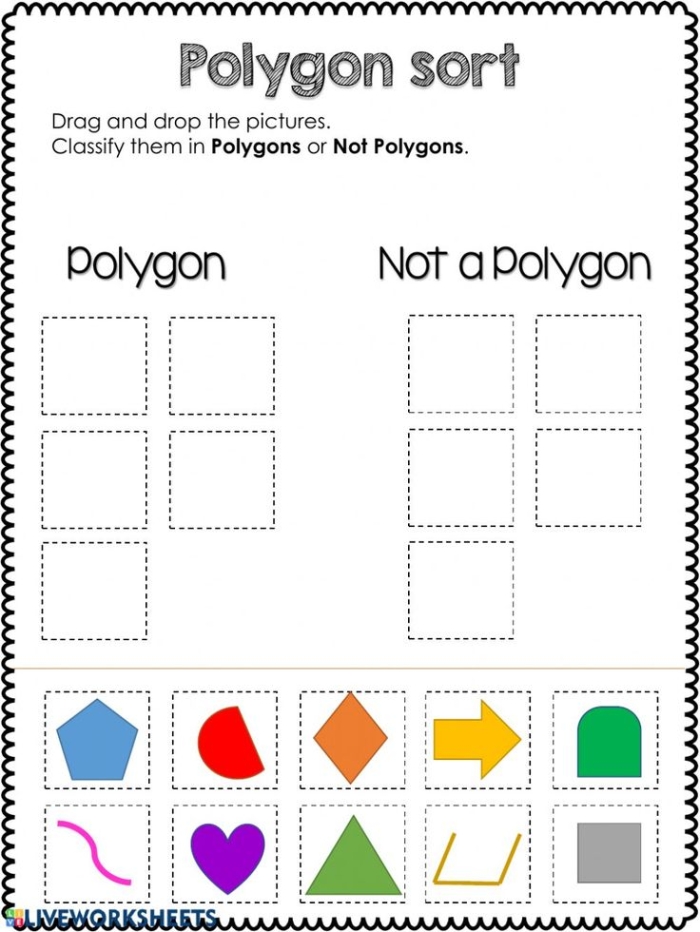
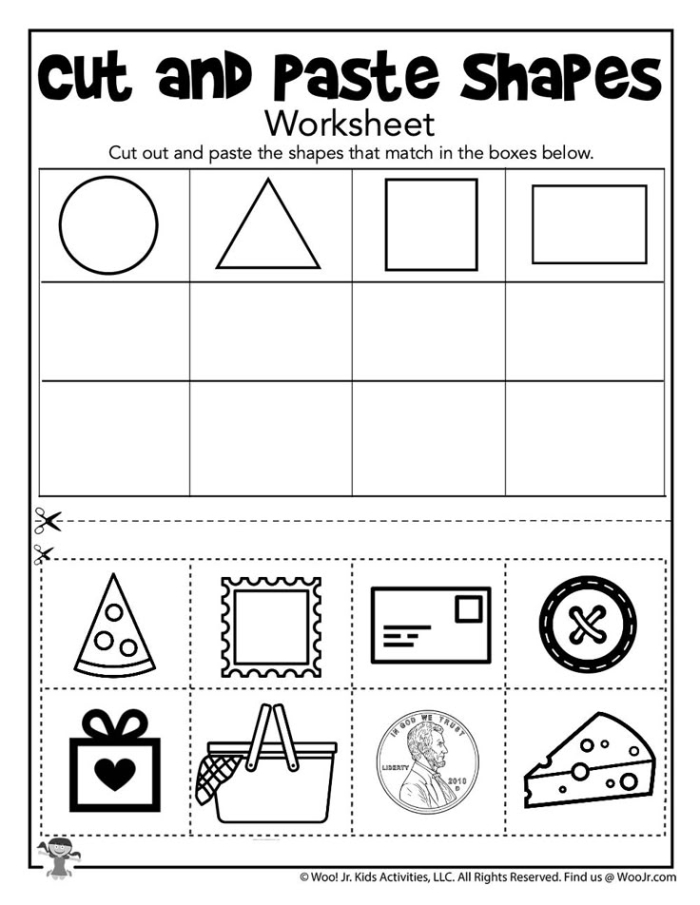
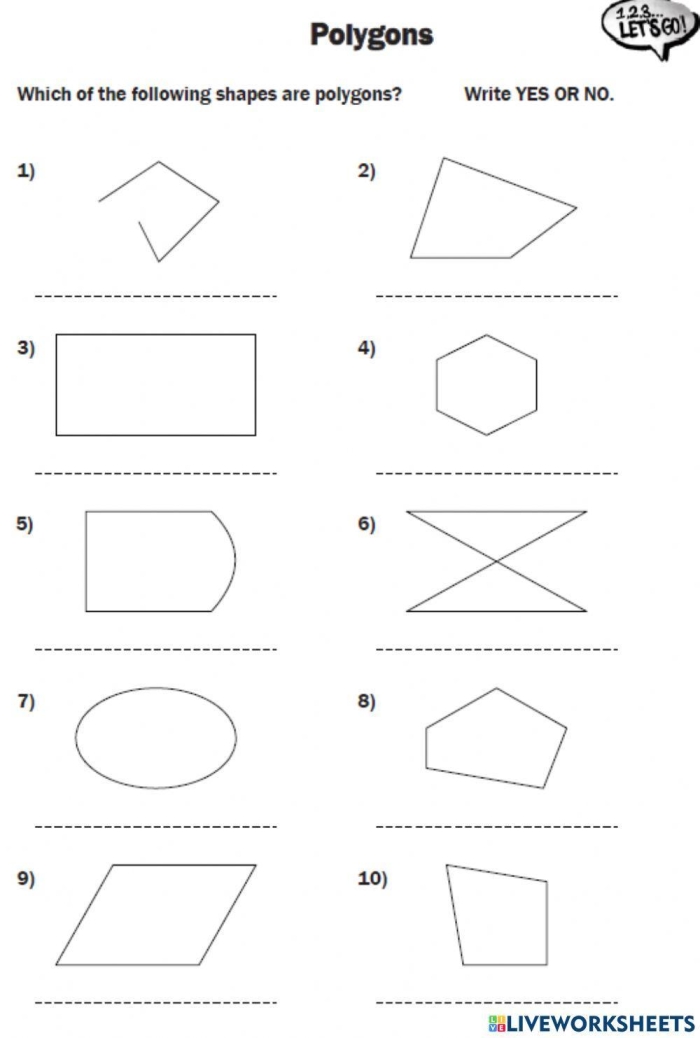
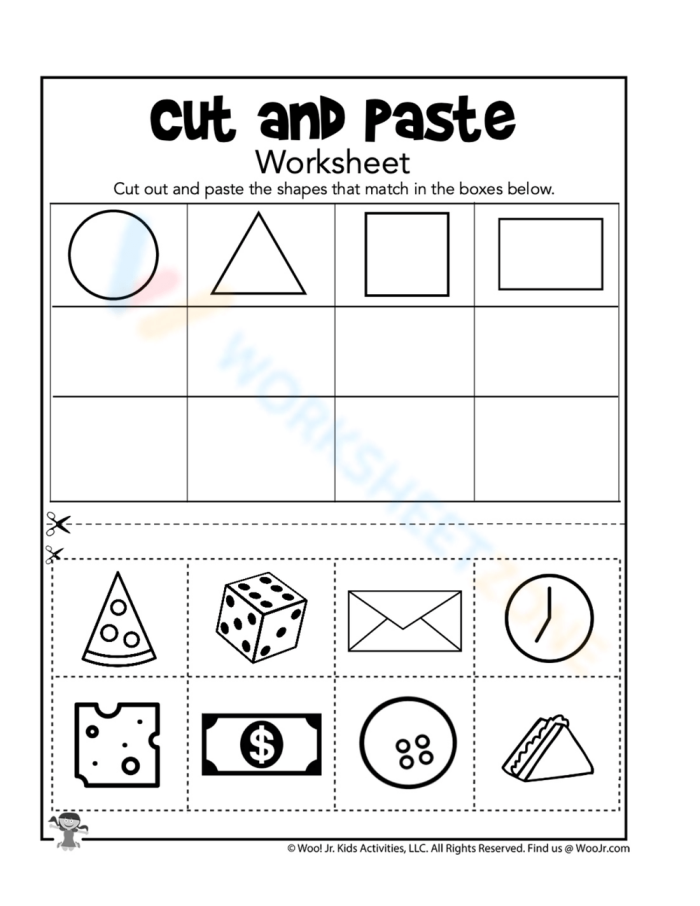
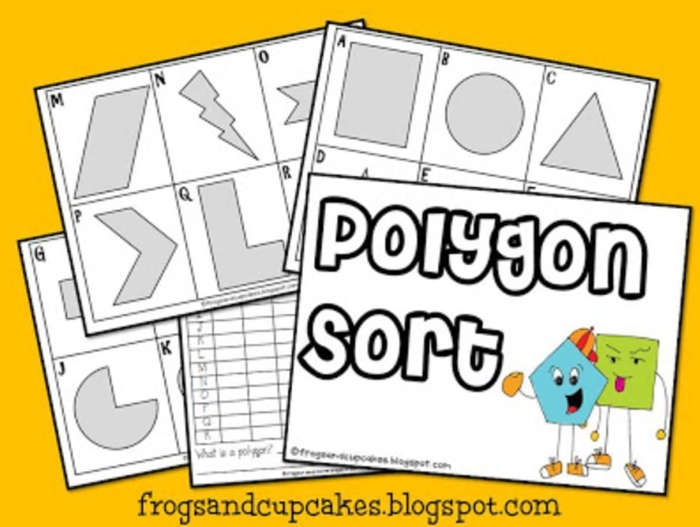
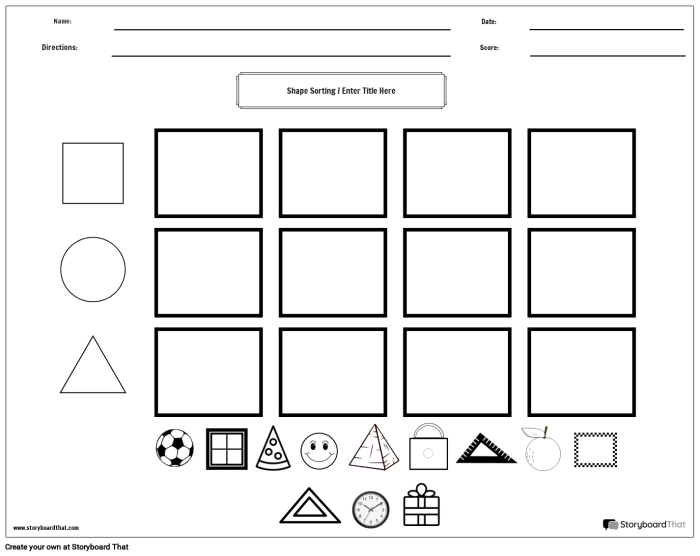
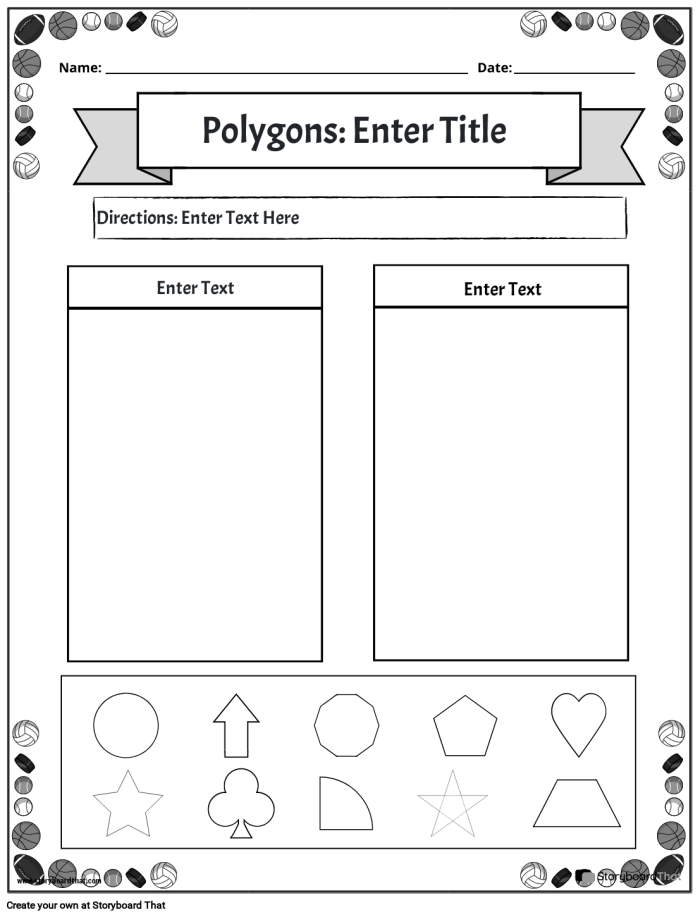
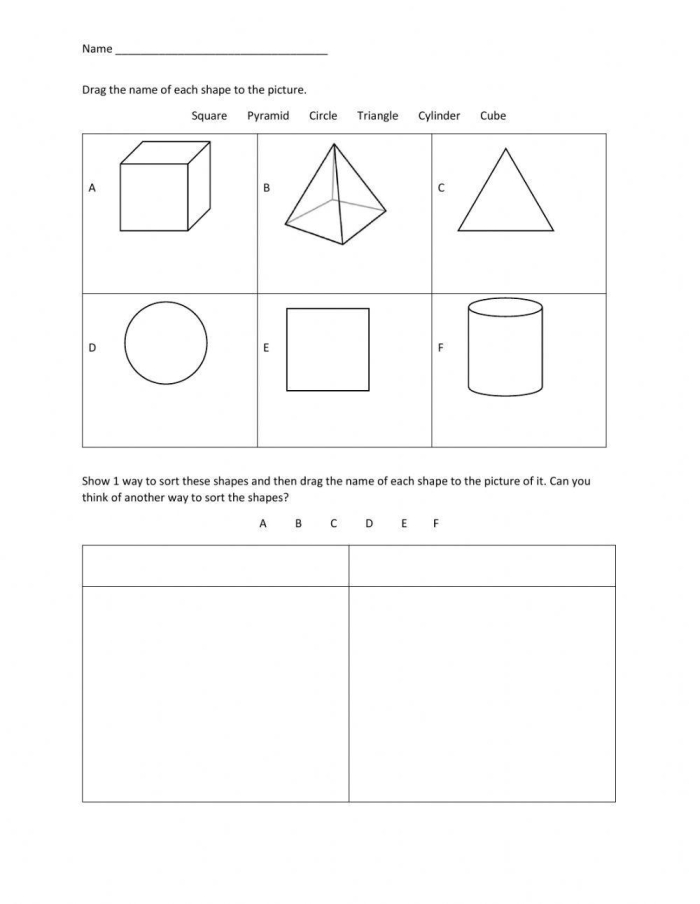
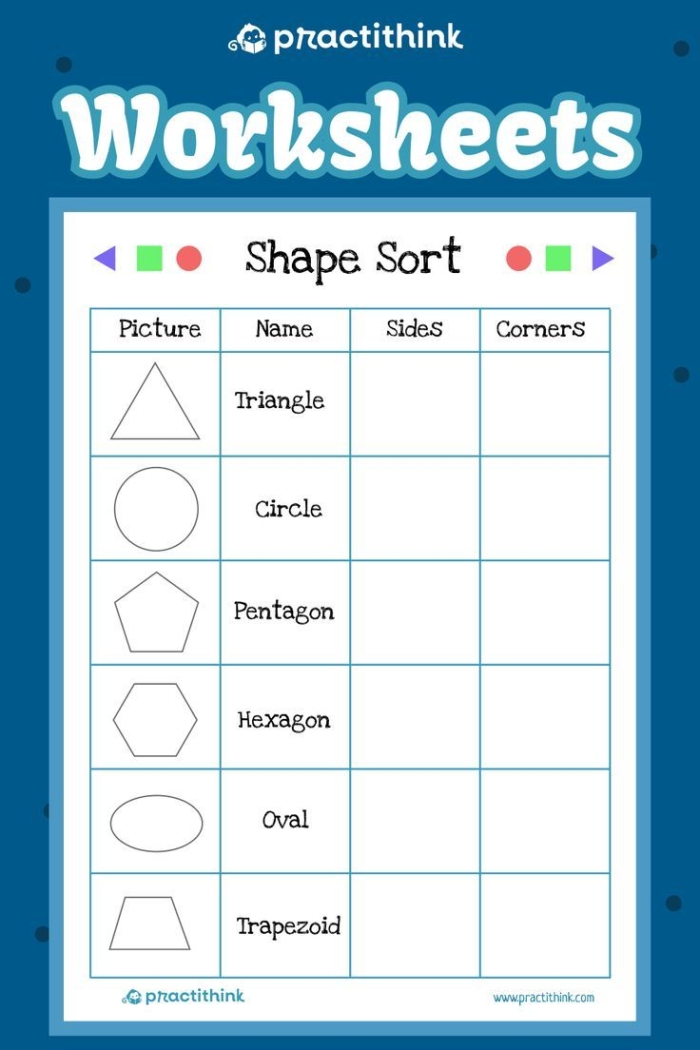
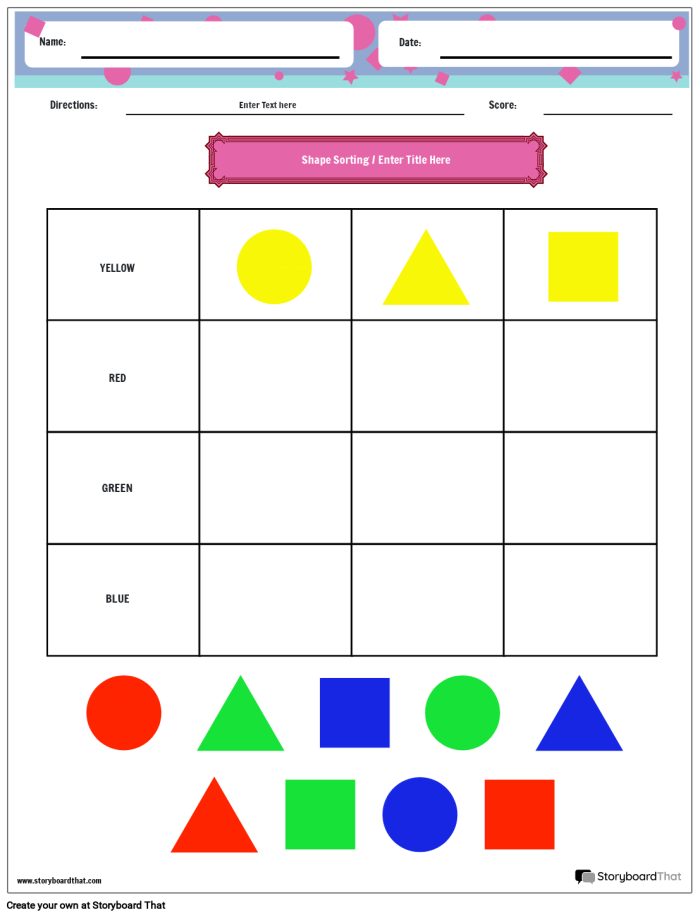
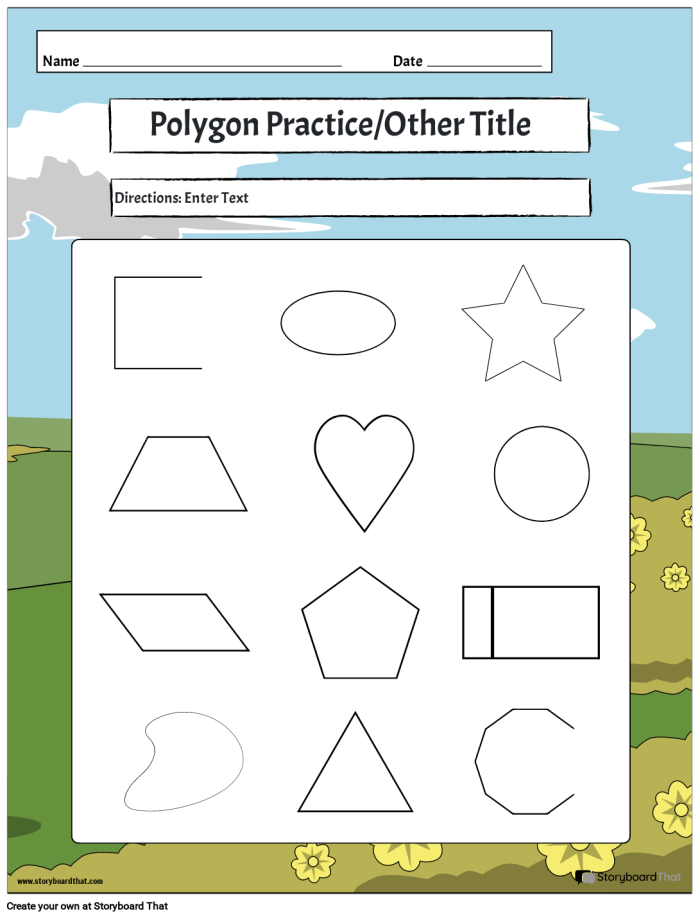
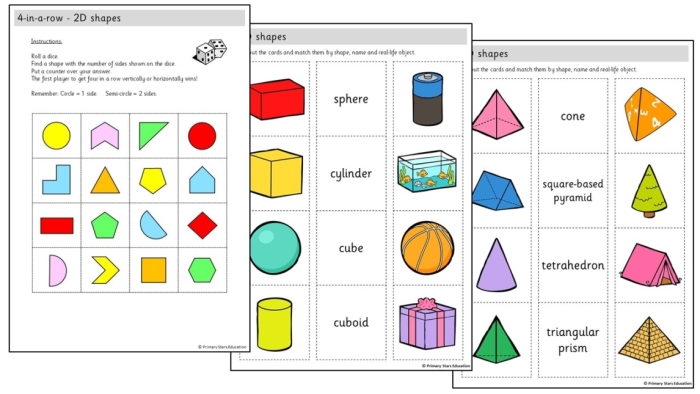
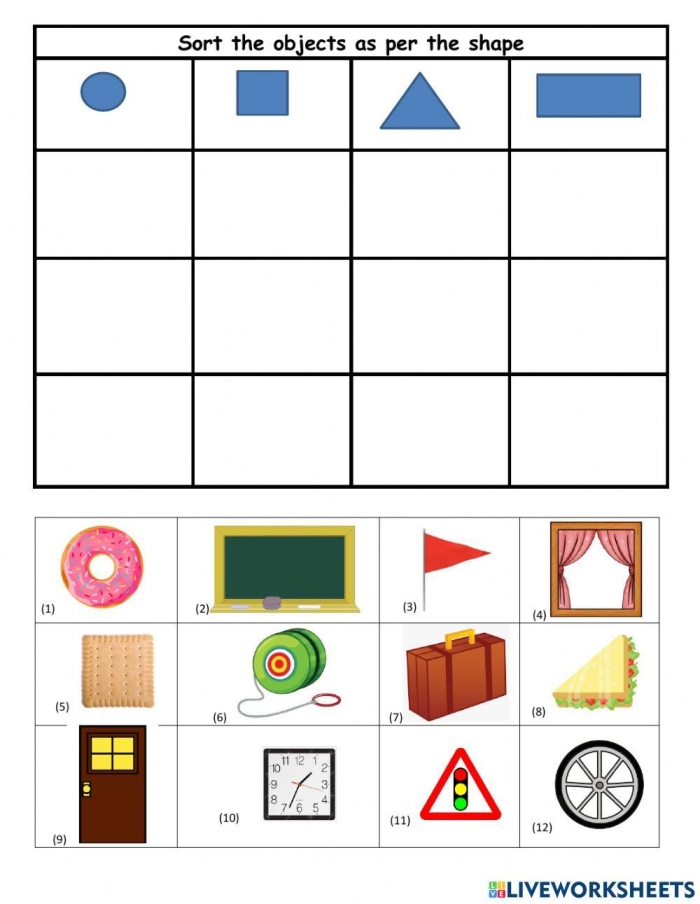
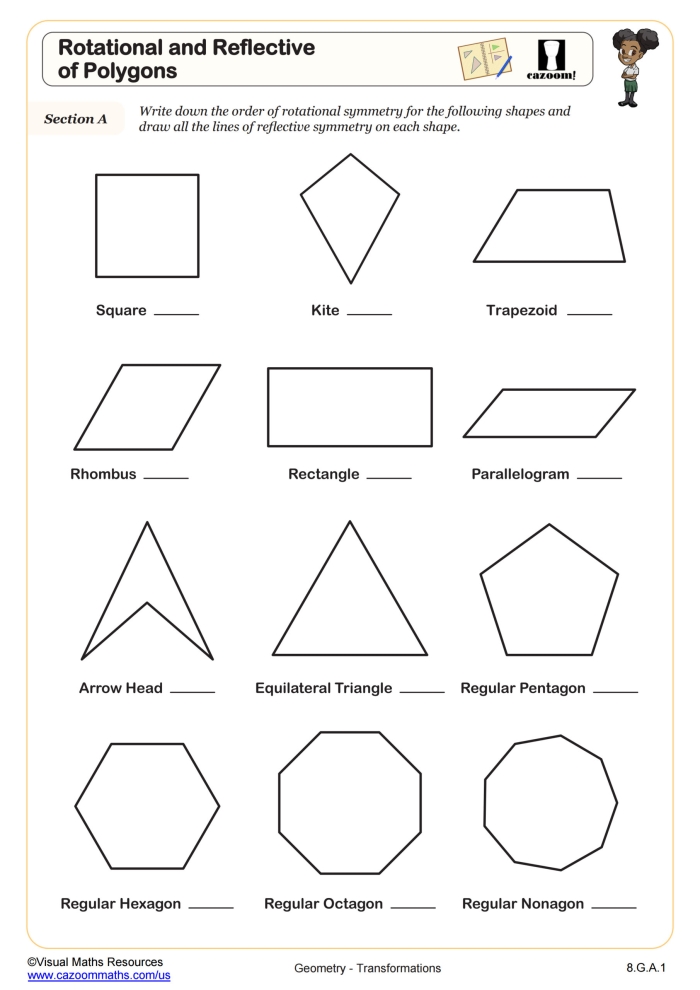
Using printable polygon shape sort worksheets can enhance this learning experience. These worksheets can provide a structured way for students to visually sort and record their findings. When students engage with these resources, they can also practice skills like measurement and spatial awareness, which are important at this age.
Moreover, this approach supports the development of language skills. As students discuss their sorting strategies, they will use mathematical vocabulary and concepts, enhancing their understanding of terms like “parallel” and “symmetry.” Integrating sorting activities with discussions allows for a more comprehensive grasp of geometric principles.
Encouraging students to sort shapes in their own way not only makes learning enjoyable but also reinforces their understanding of polygons in a meaningful context. By allowing them to take the lead in their exploration, you empower them to connect with the material, paving the way for deeper learning.
Start Practicing with These Worksheets