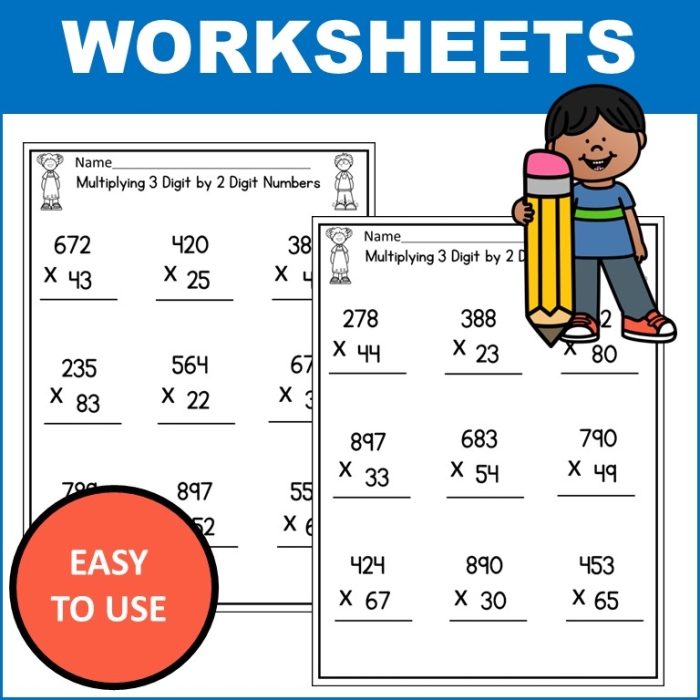
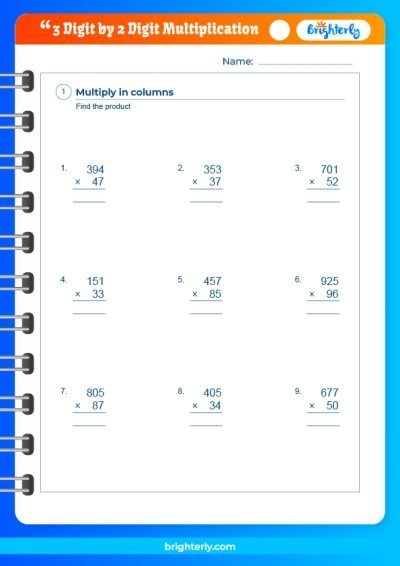
Three-digit by two-digit multiplication trips up plenty of fifth graders, but it doesn’t have to. This skill sits at the crossroads between basic facts and more complex arithmetic, making it the perfect moment to solidify your child’s confidence with numbers.
The core challenge here is managing multiple partial products. When you multiply 234 by 56, you’re really doing two separate multiplications: 234 times 6, then 234 times 50. Most students understand this conceptually but struggle with keeping track of place values and alignment on the page. That’s where focused practice becomes essential.
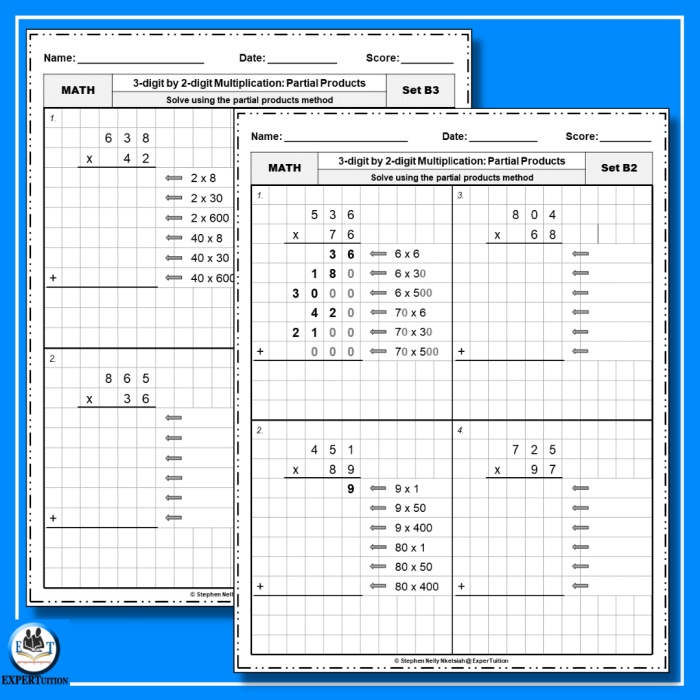
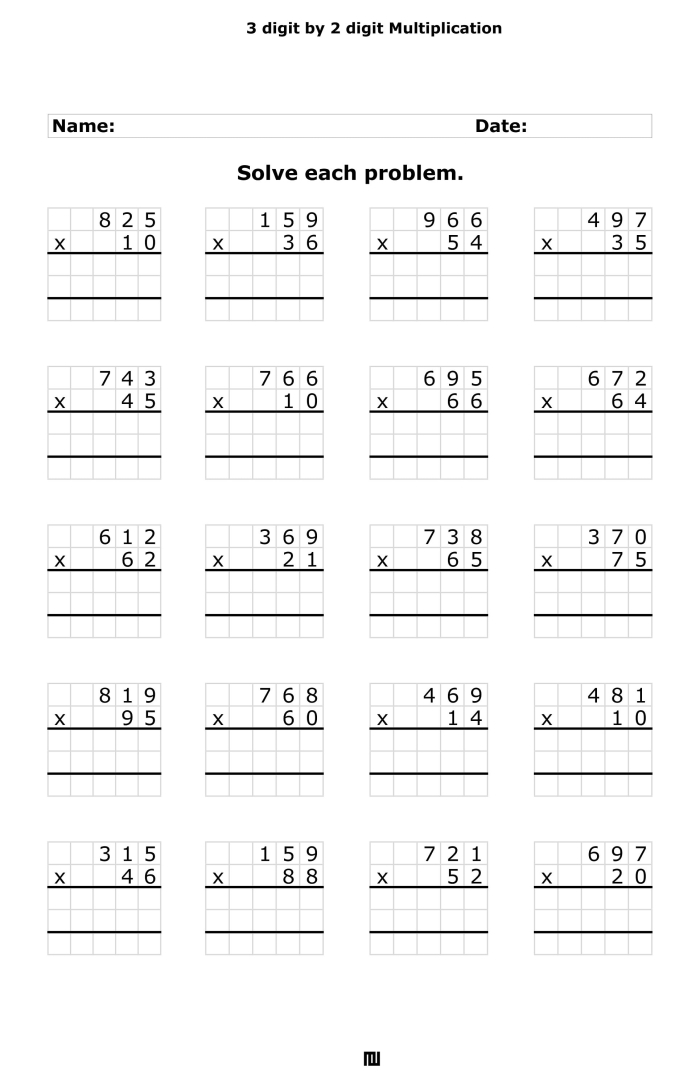
A solid worksheet breaks the process into manageable steps. Start with problems where the two-digit multiplier has a zero in the ones place, like 234 times 20. These feel simpler because you’re essentially multiplying by a single digit and then shifting. Once students gain confidence, move to messier combinations where both digits require full multiplication.
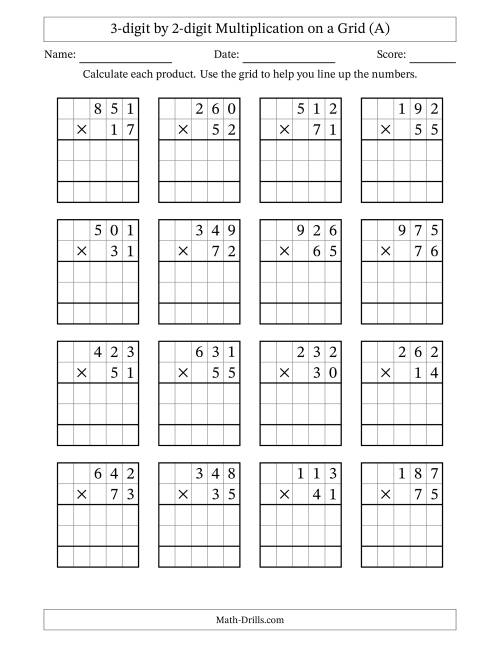
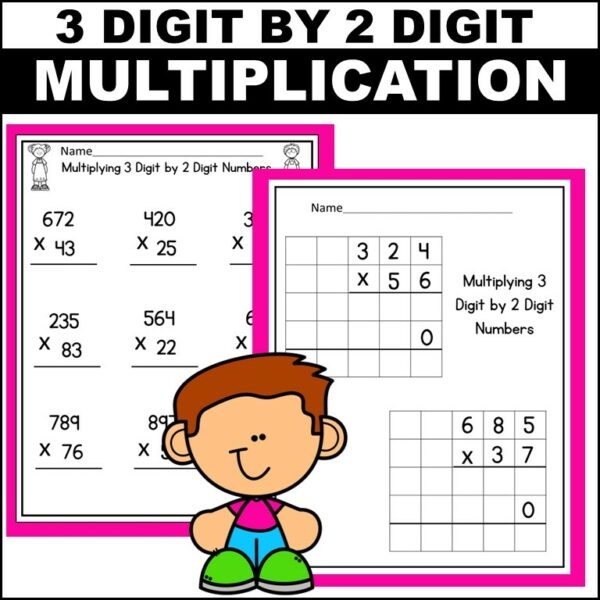
The strategy matters as much as the repetition. Many fifth graders benefit from writing out the partial products separately before adding them together, rather than trying to combine steps. Using graph paper or lined paper turned sideways helps keep columns aligned, which prevents careless errors that look like understanding problems.
Beyond basic multiplication worksheets, connecting this skill to broader math concepts strengthens retention. Exploring multiplying fractions by fractions later in the year becomes less intimidating when students already trust their multiplication foundation. Similarly, building vocabulary strategies for multiplication helps students articulate what they’re doing, which deepens understanding.
The key is consistent, purposeful practice with problems that gradually increase in difficulty. Your fifth grader will move from hesitant to capable with the right approach.
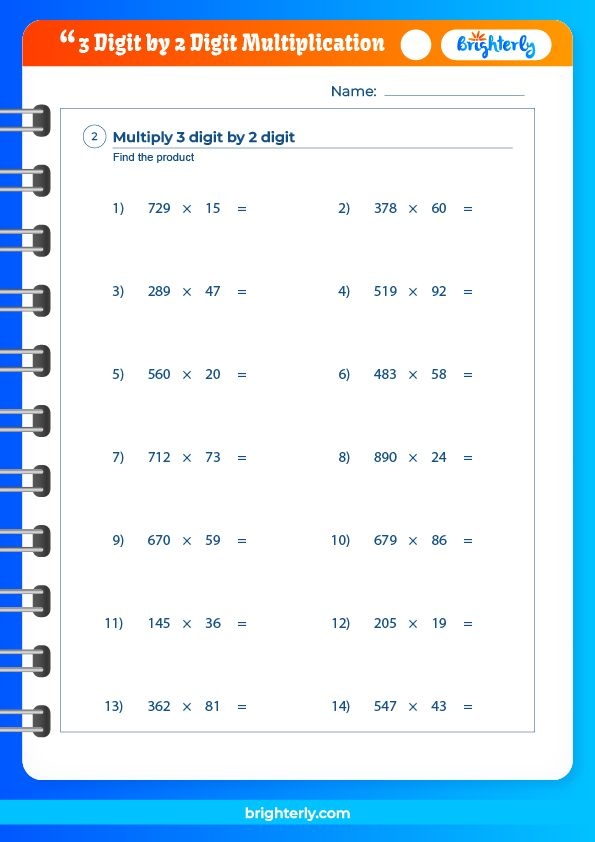
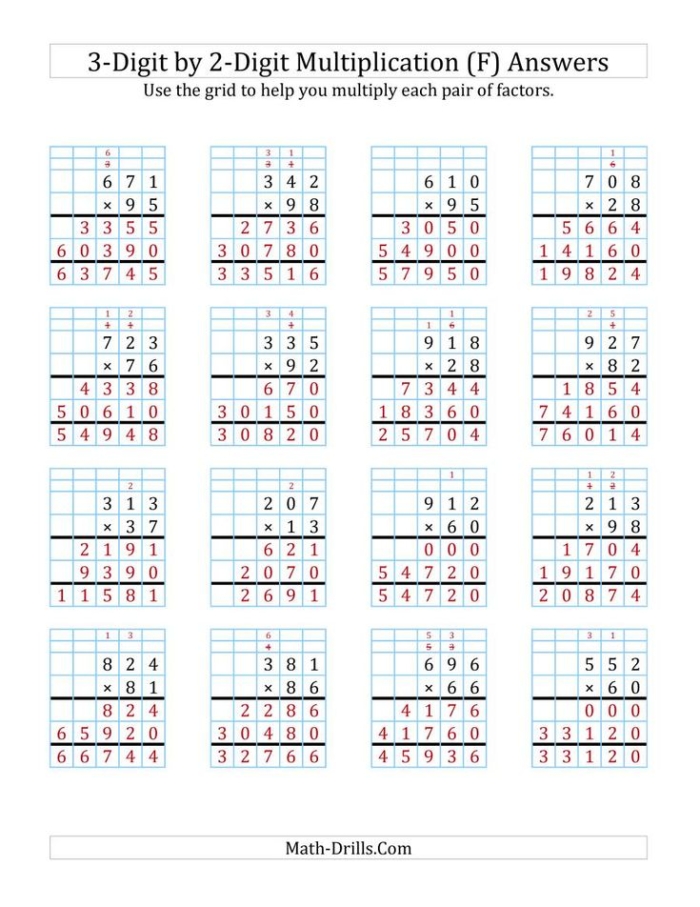
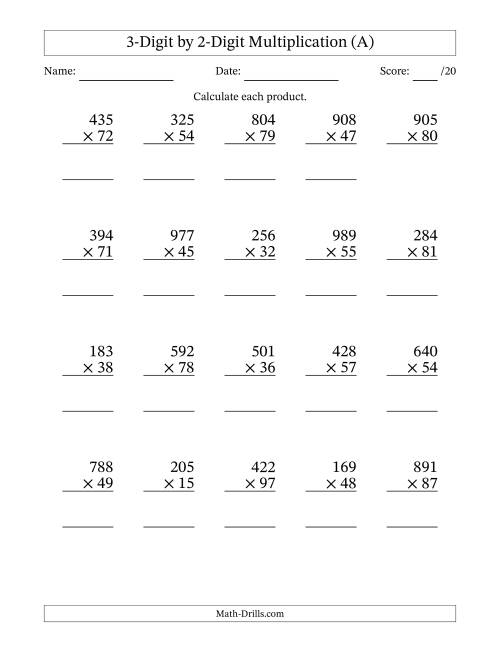
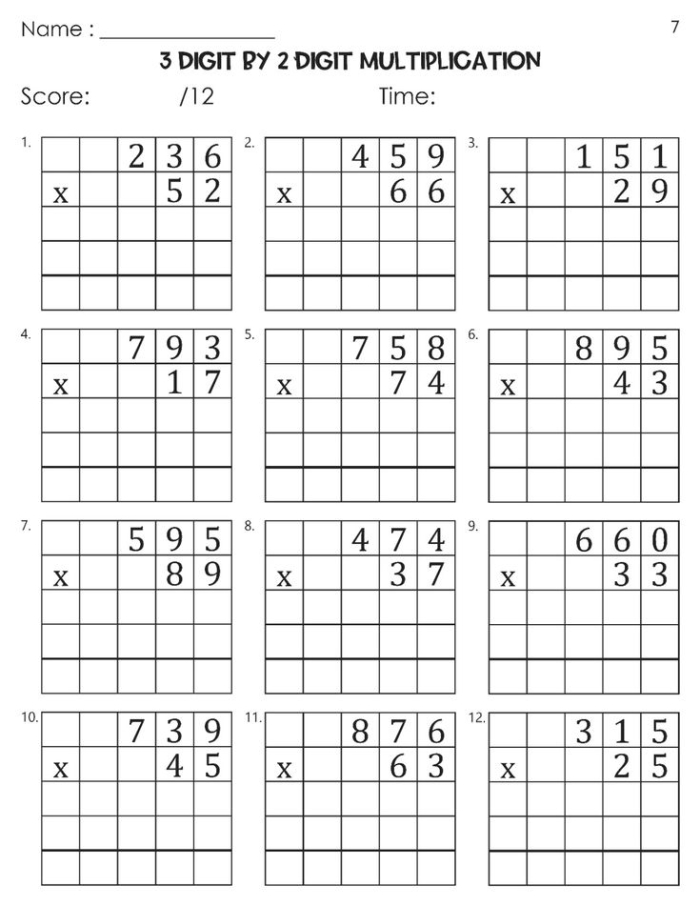
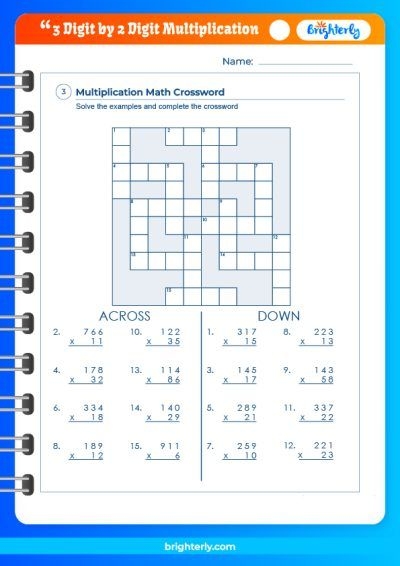
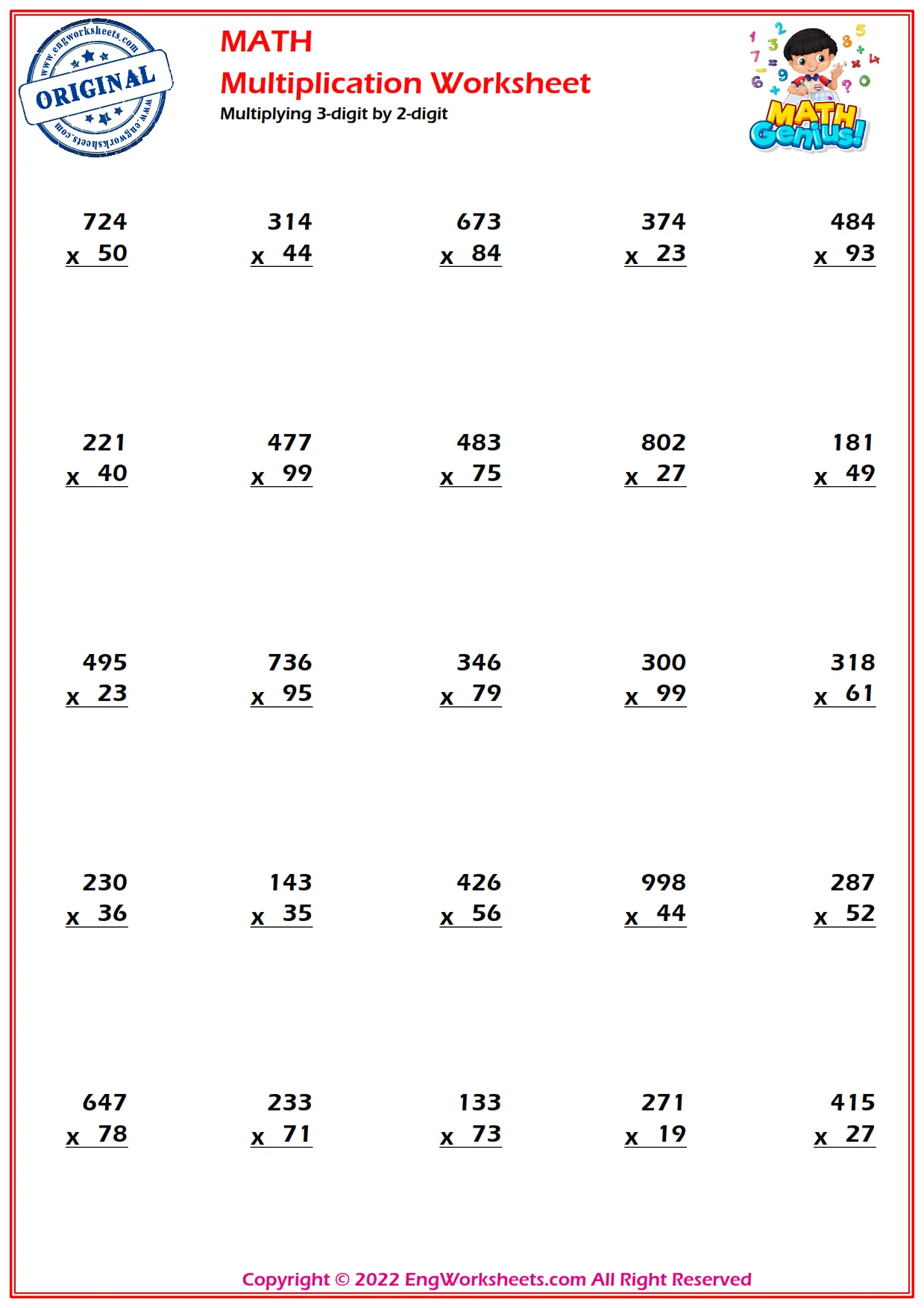
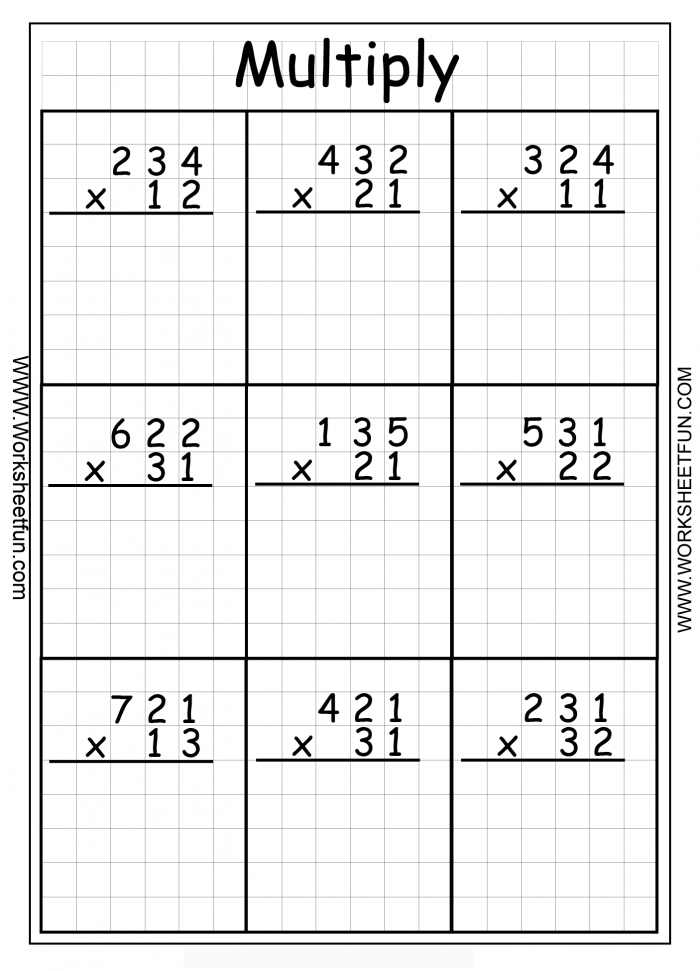
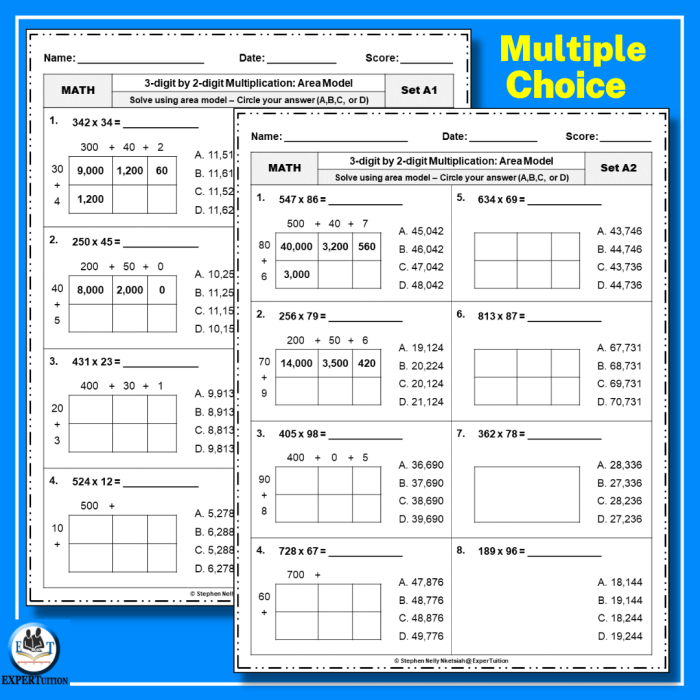
Printable Worksheets for Practice