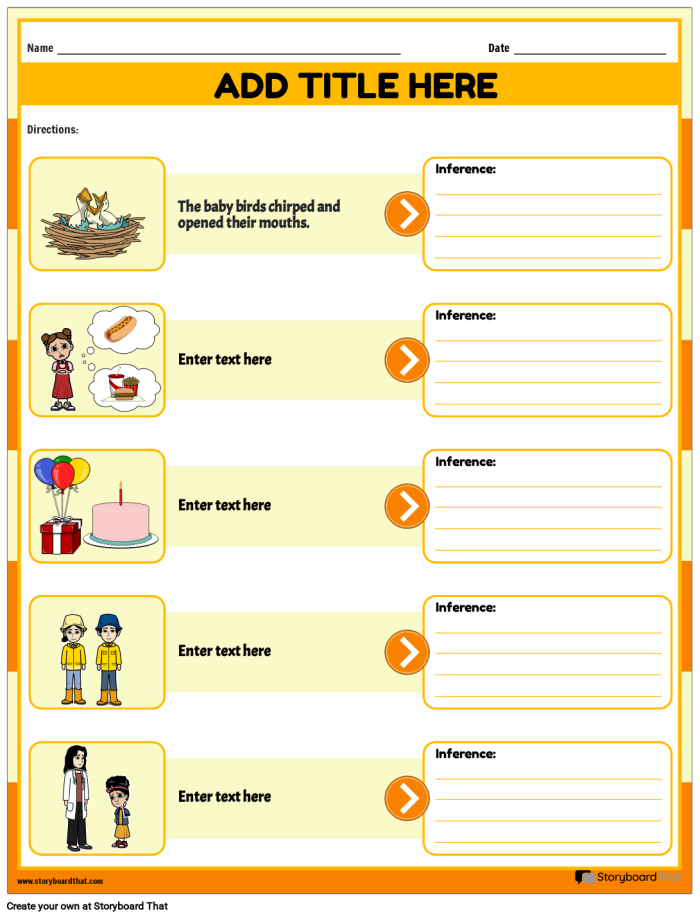
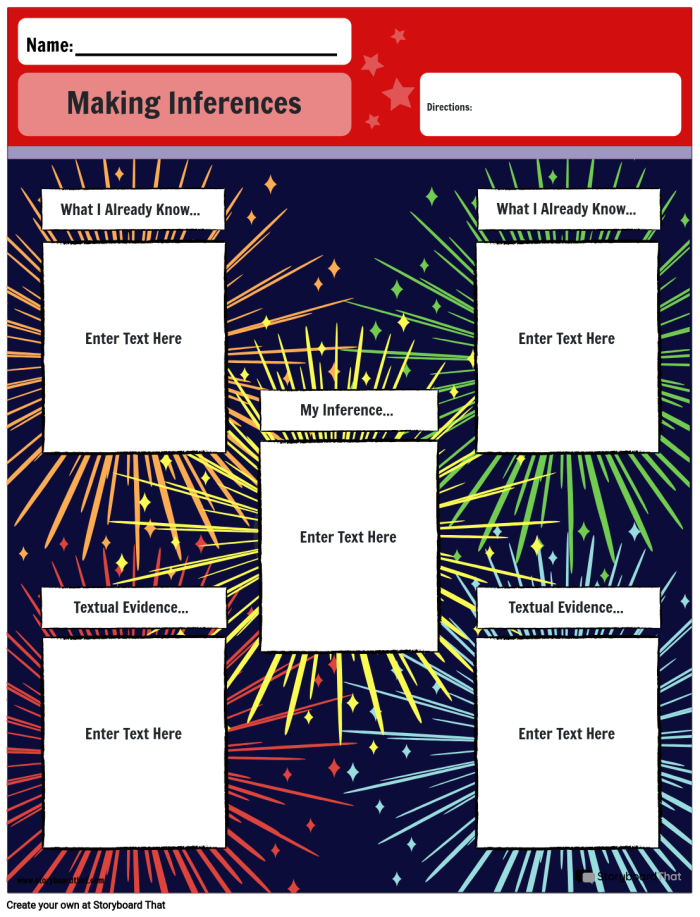
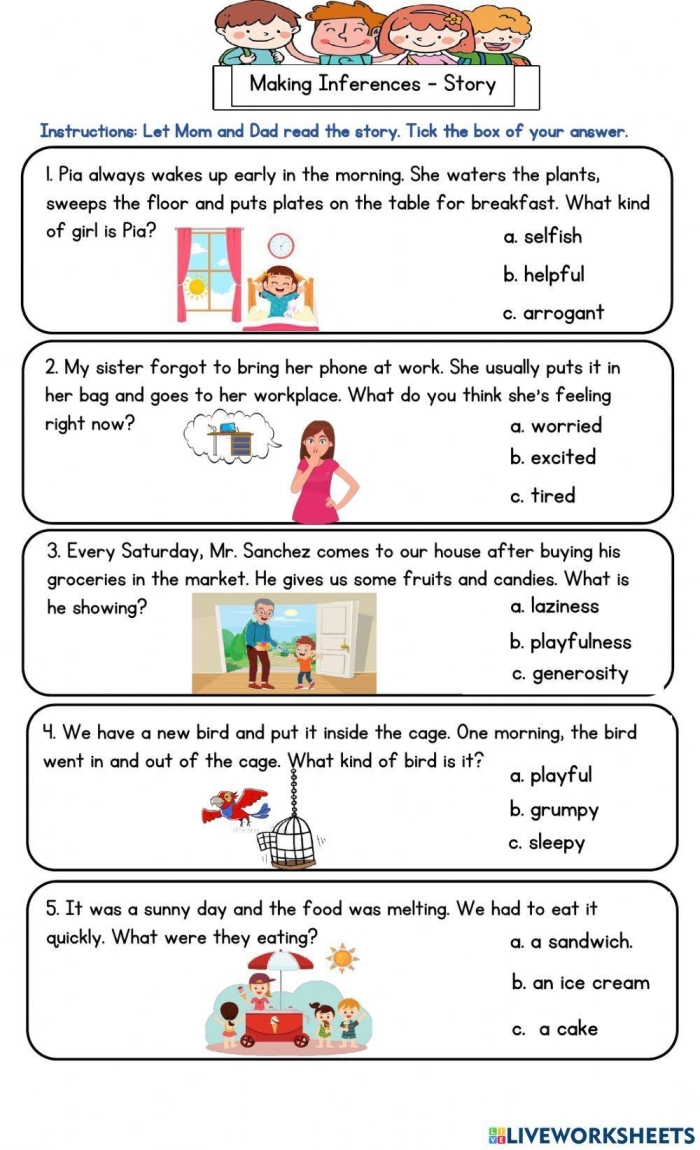
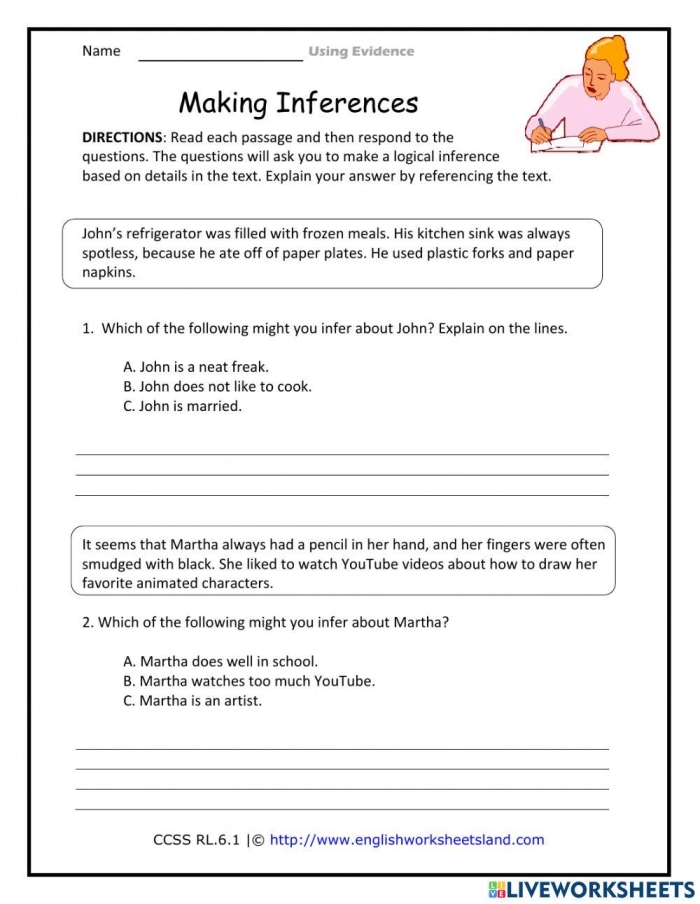
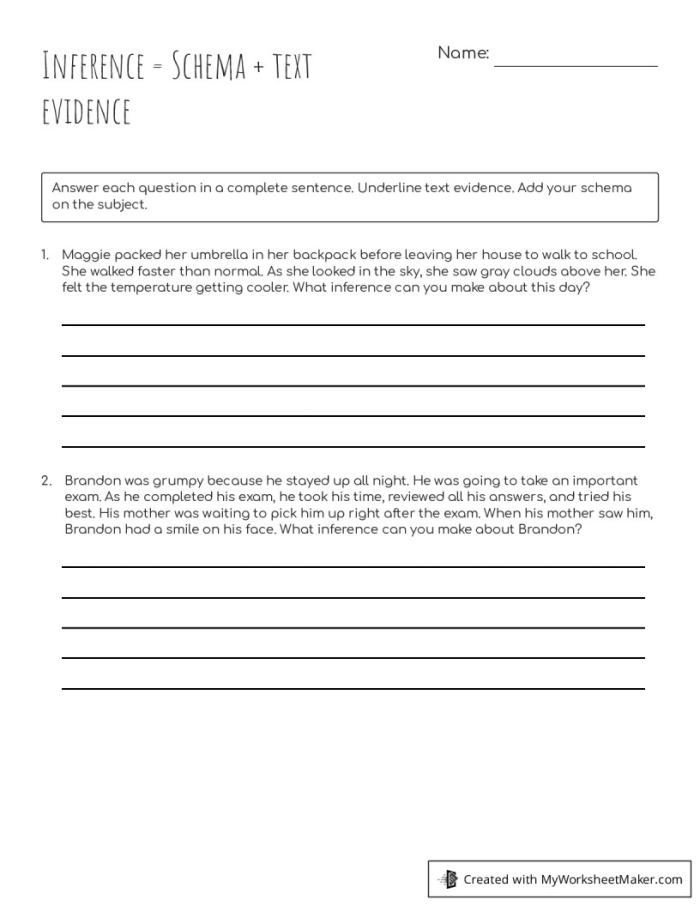
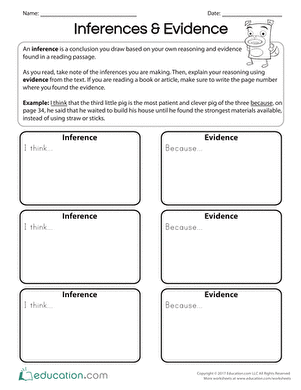
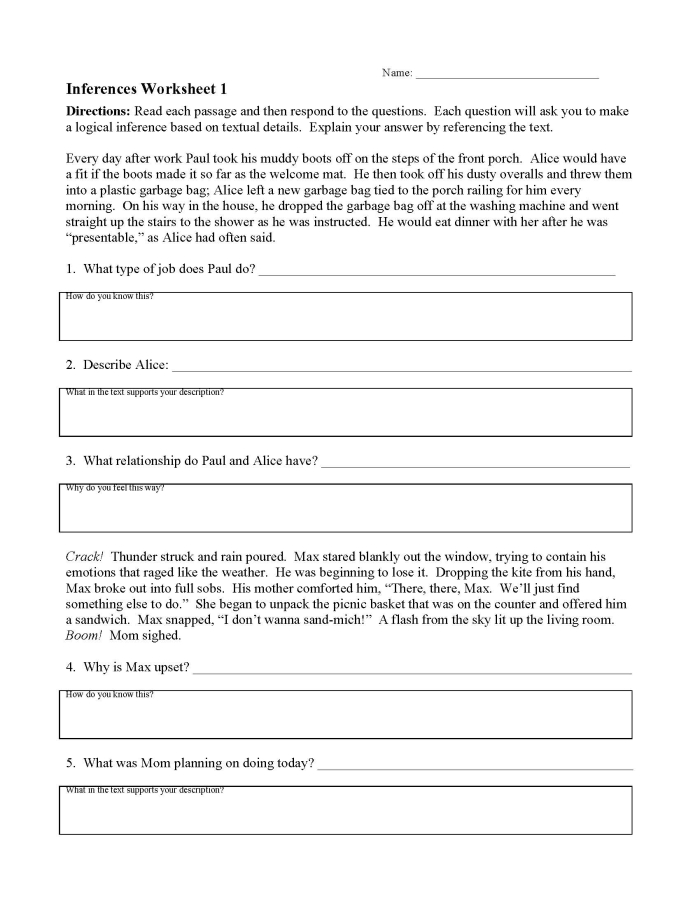
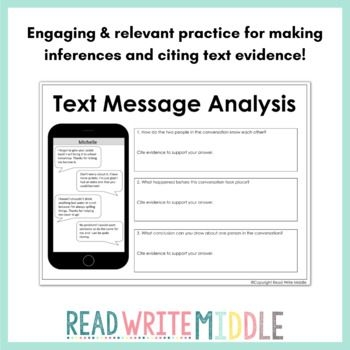
Graphic organizers can be invaluable tools for students, especially when it comes to making inferences while reading. For fourth graders tackling both fiction and nonfiction texts, a well-designed graphic organizer helps clarify thoughts and organize evidence effectively.
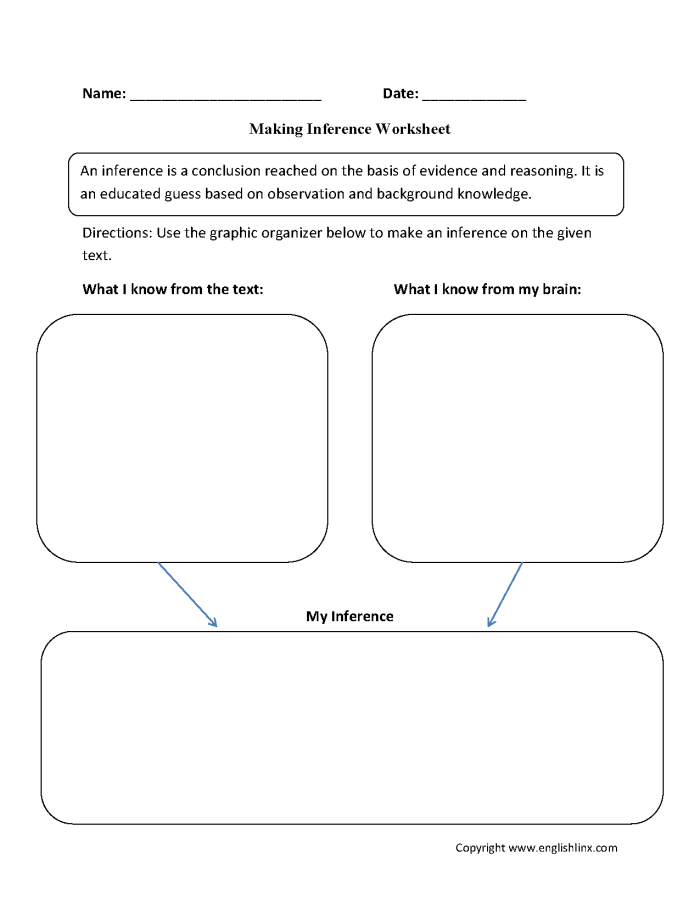
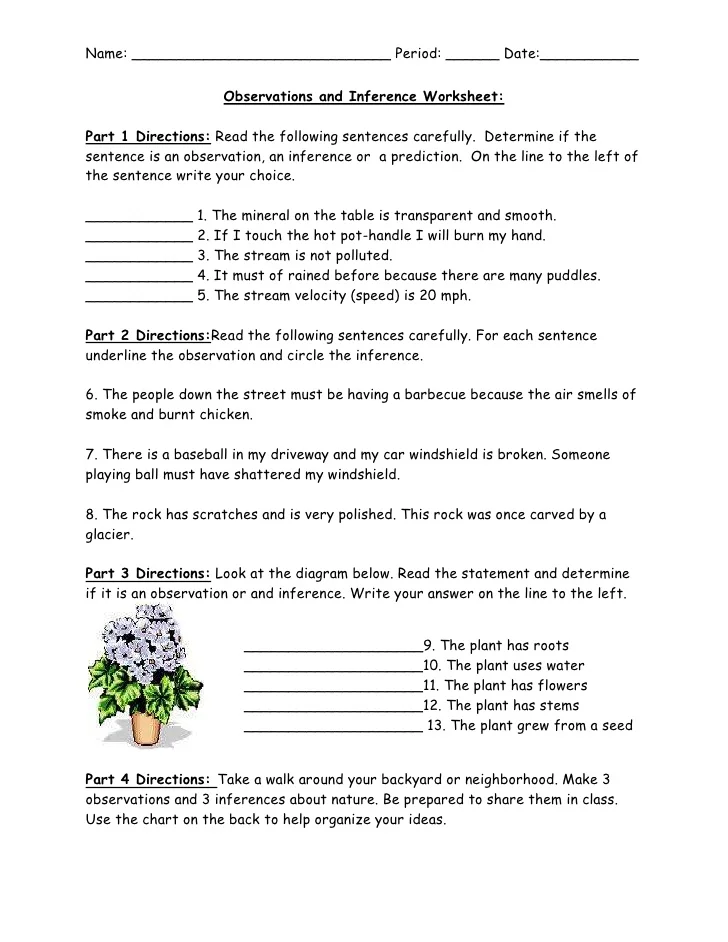
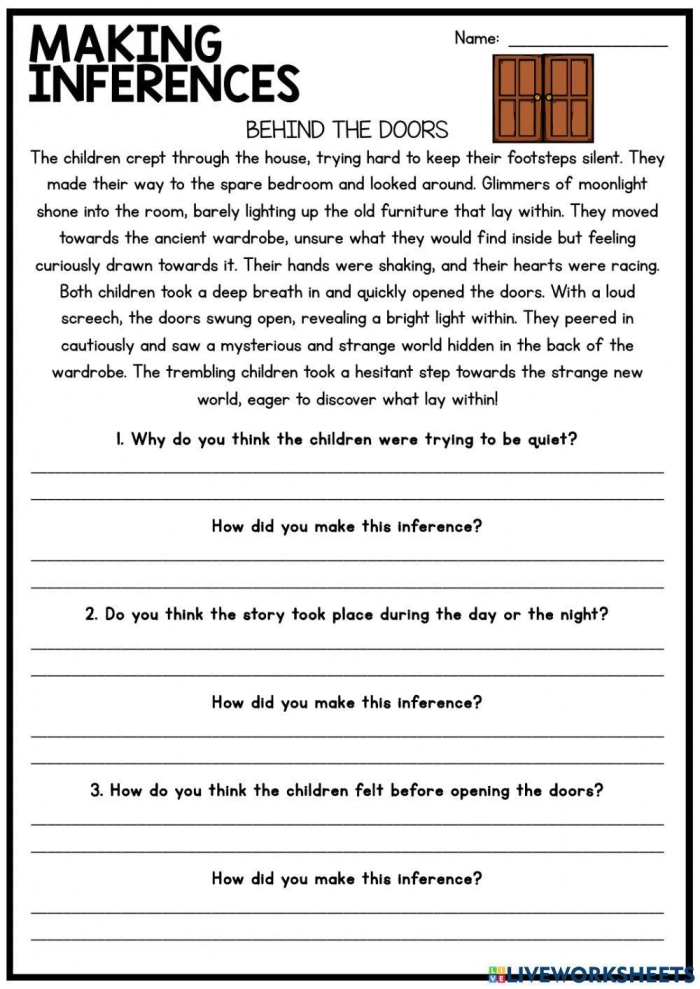
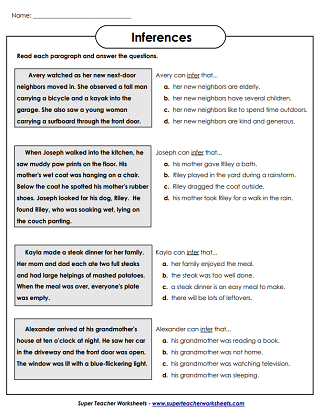
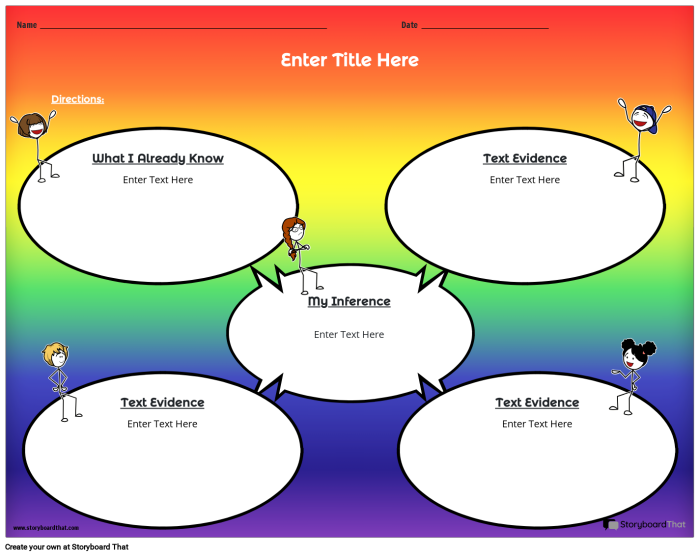
When students read, they often encounter information that requires them to go beyond the text. Making inferences involves piecing together clues from the text, using prior knowledge, and drawing reasonable conclusions. A graphic organizer provides a visual structure that guides students through this process, allowing them to jot down their thoughts and the evidence that supports their inferences.
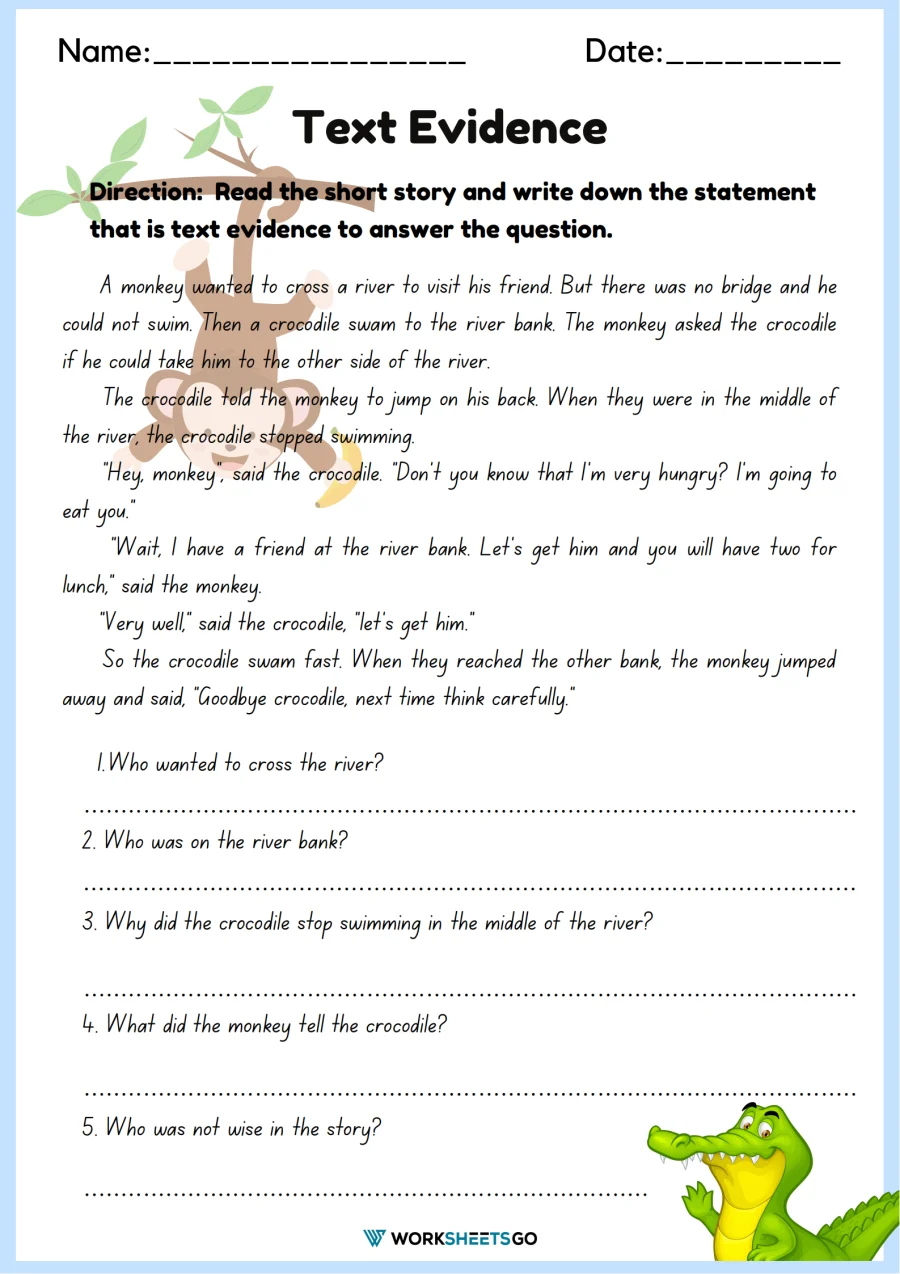
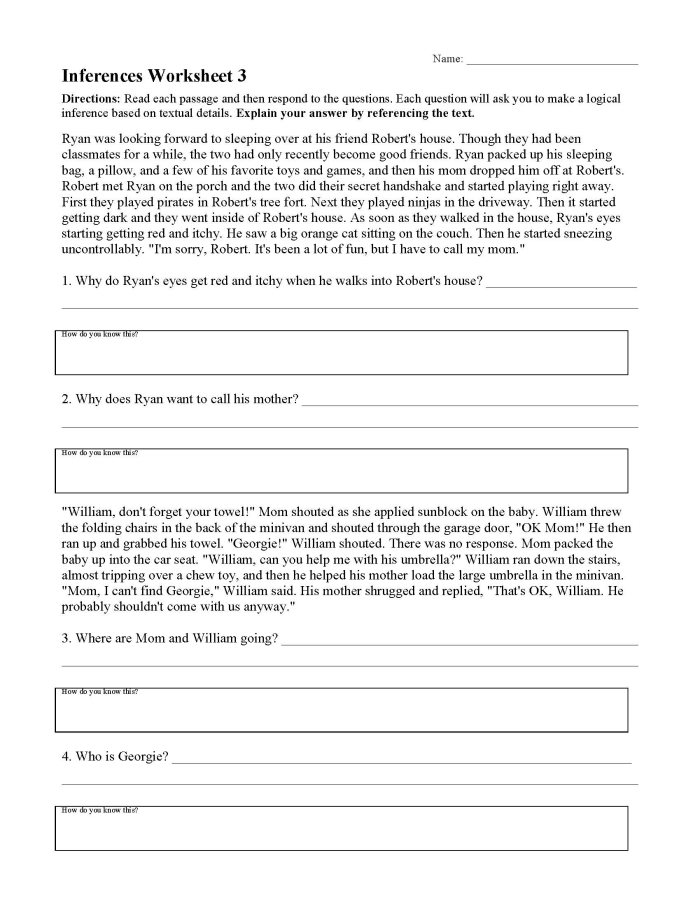
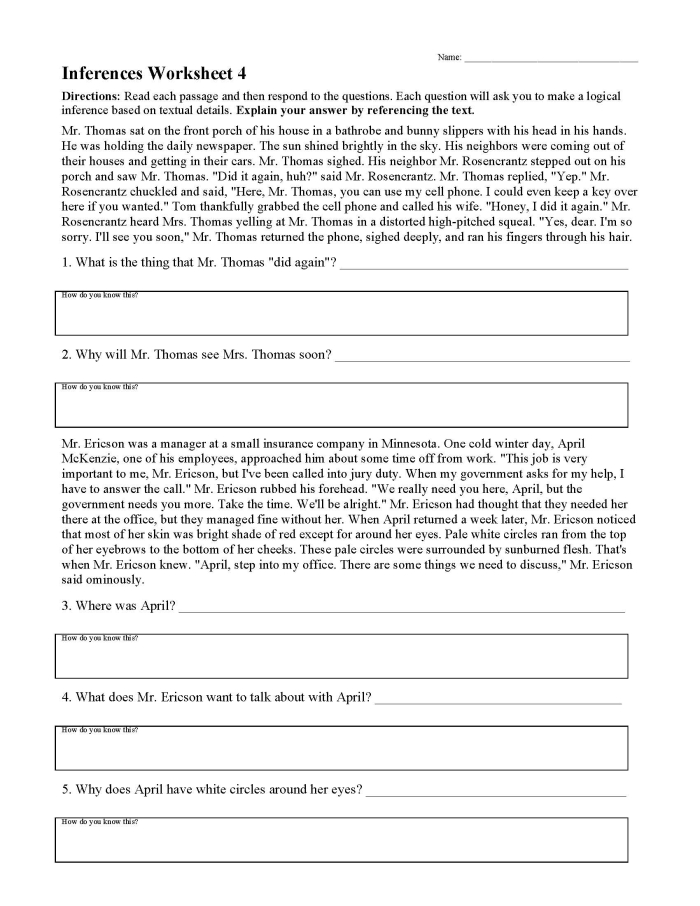
For example, while reading a story, a student might notice a character’s actions and dialogue. Using the graphic organizer, they can write down specific quotes or descriptions that hint at the character’s feelings or motivations. This not only helps solidify their understanding of the narrative but also enhances critical thinking skills. Similarly, when reading nonfiction, students can extract facts and details that lead to broader conclusions about a topic. The organizer keeps their ideas organized and accessible, making it easier to review and discuss later.
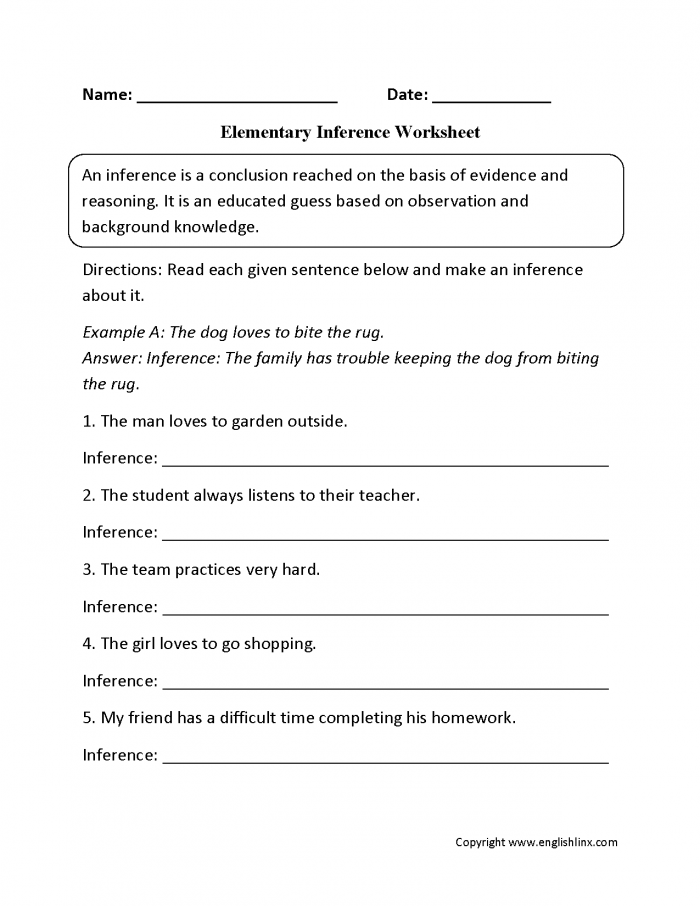
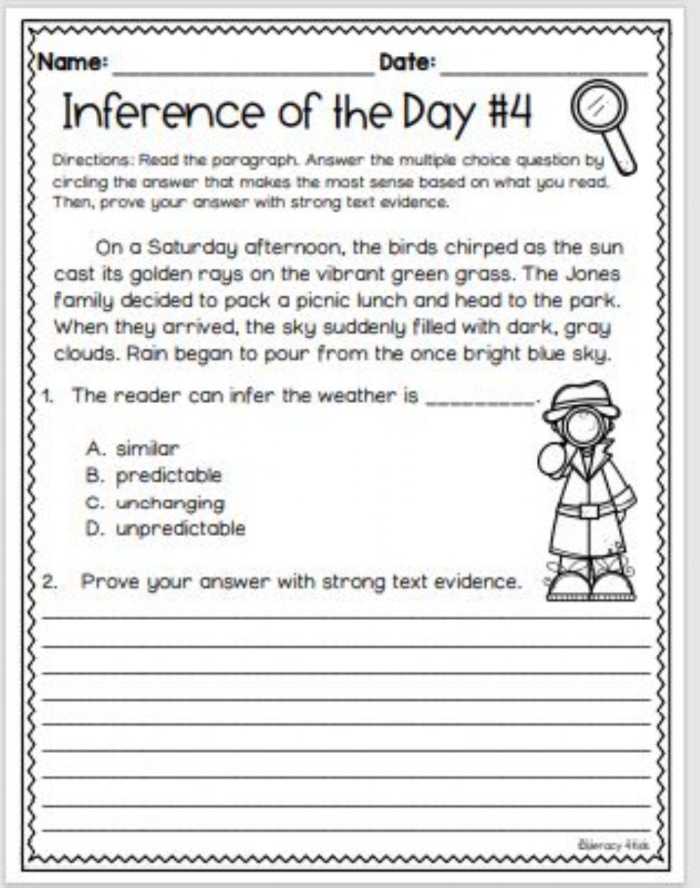
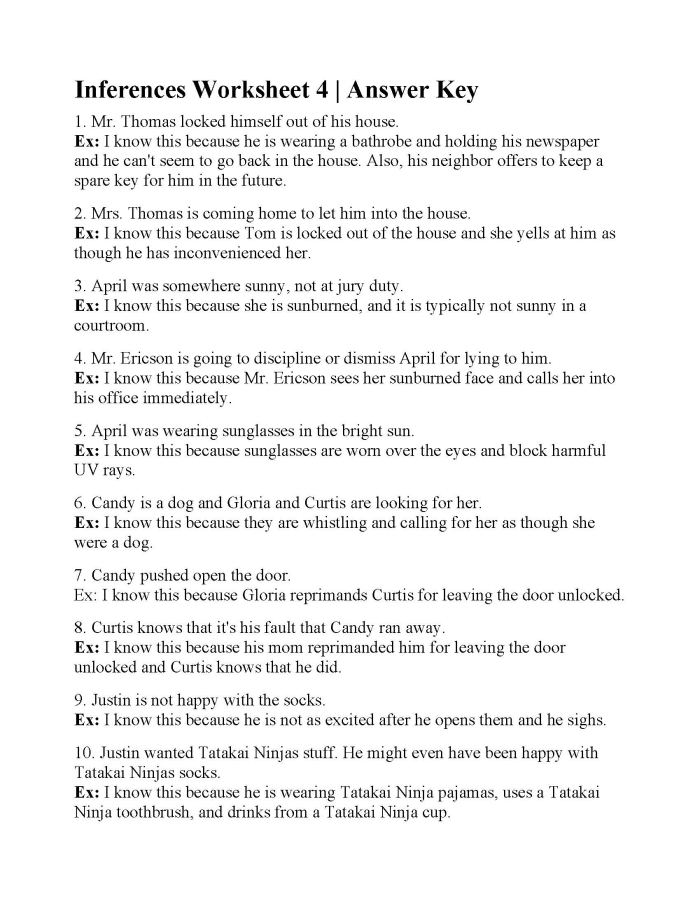
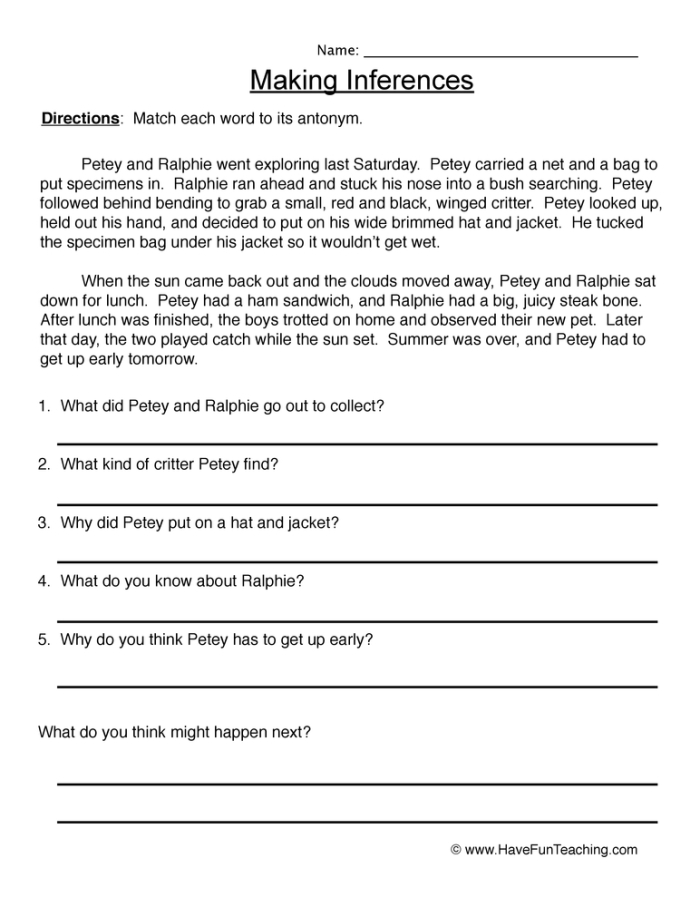
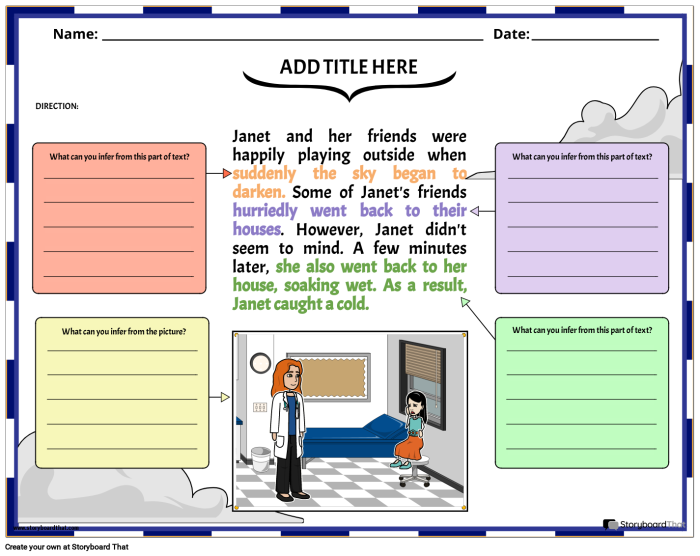
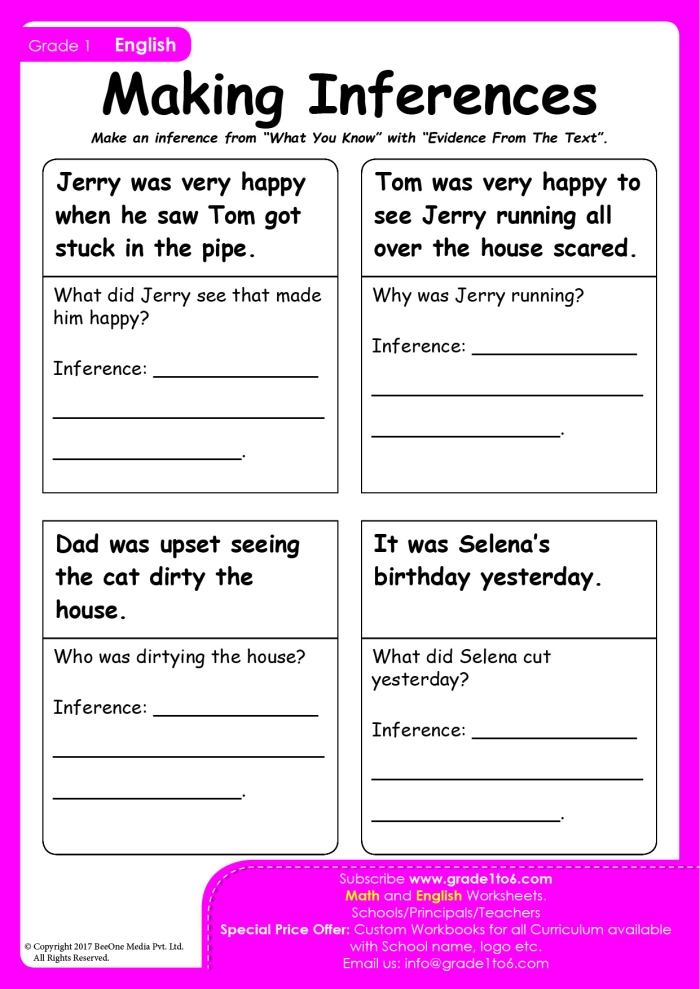
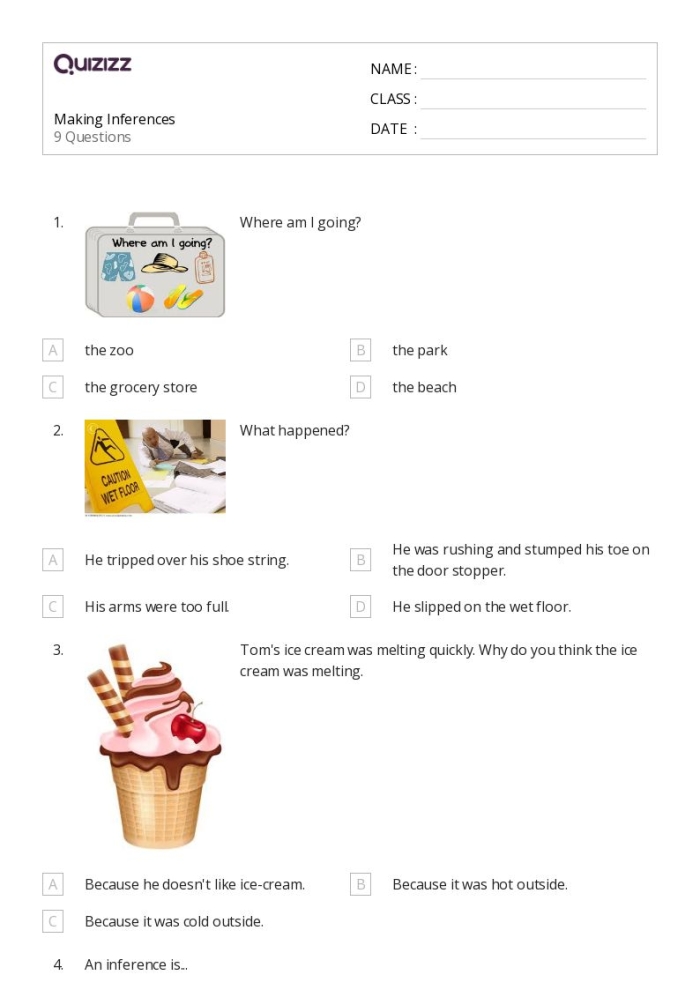
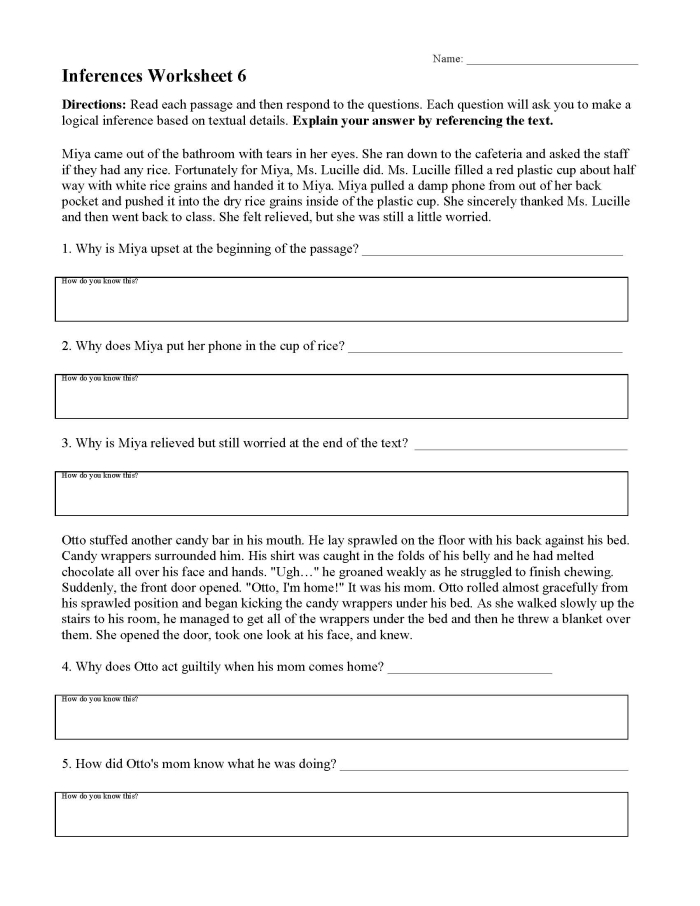
Incorporating this approach into the Fourth Grade curriculum aligns well with grammar and mechanics lessons. By focusing on how to identify key pieces of information and categorize them, students learn to support their ideas with evidence. Teachers can find useful printable worksheets that facilitate this process, ensuring students practice these essential skills.
Ultimately, using a graphic organizer empowers students to make informed inferences, enhancing their reading comprehension. As they gain confidence in their analytical skills, they become more engaged readers, ready to tackle a variety of texts with greater insight. This method not only boosts their academic performance but also fosters a lifelong love for reading.
Download These Worksheets for Practice