What time do you wake up in the morning? For many first graders, this simple question can open up a world of learning opportunities, particularly in the realm of telling time. Morning routines often involve a sequence of activities that can be tracked with both analog and digital clocks, making it a perfect subject for engaging lessons.
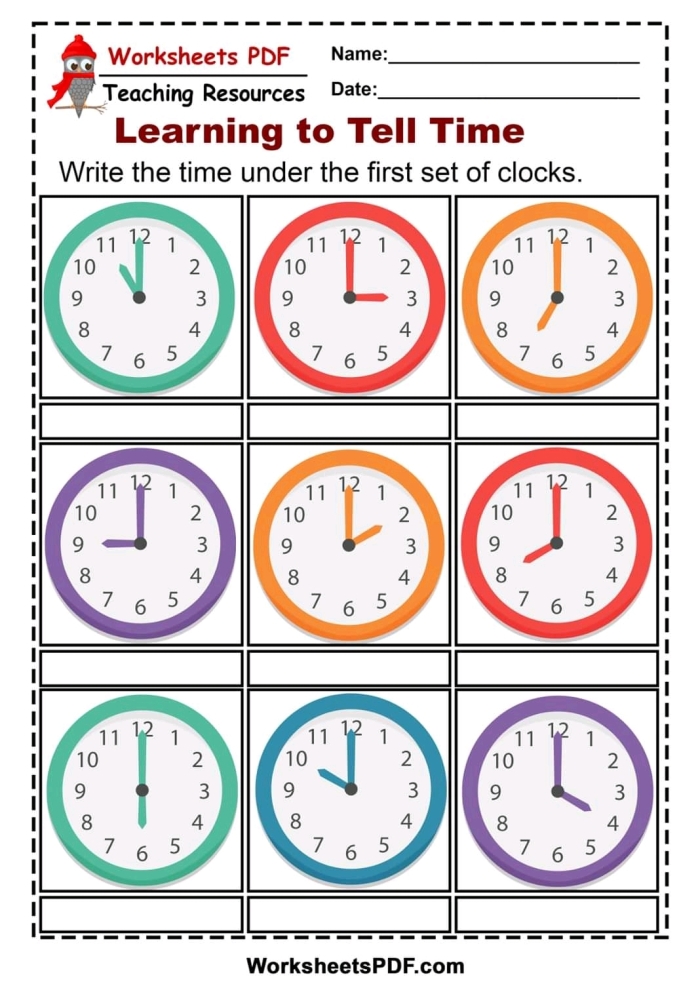
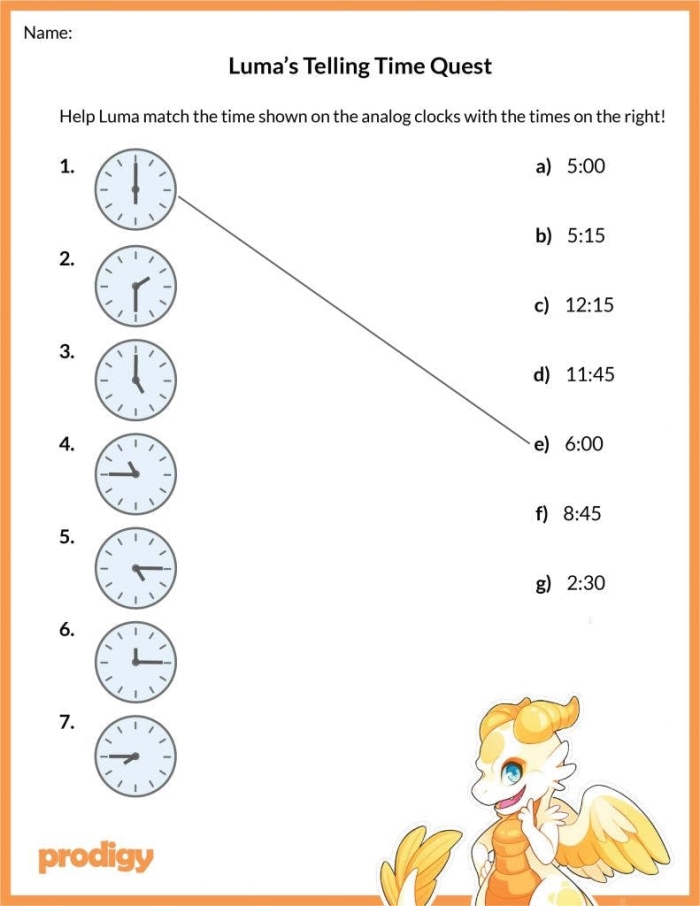
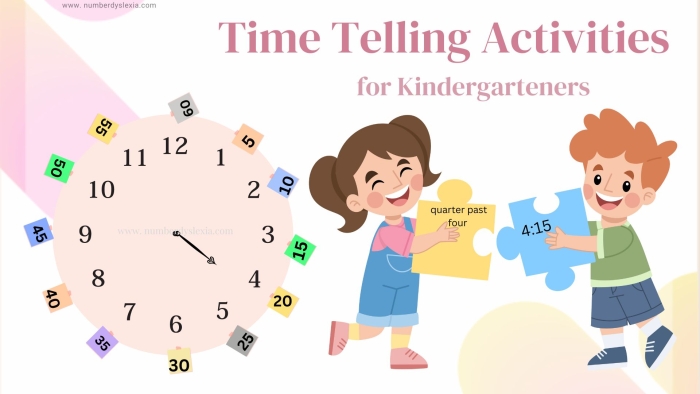
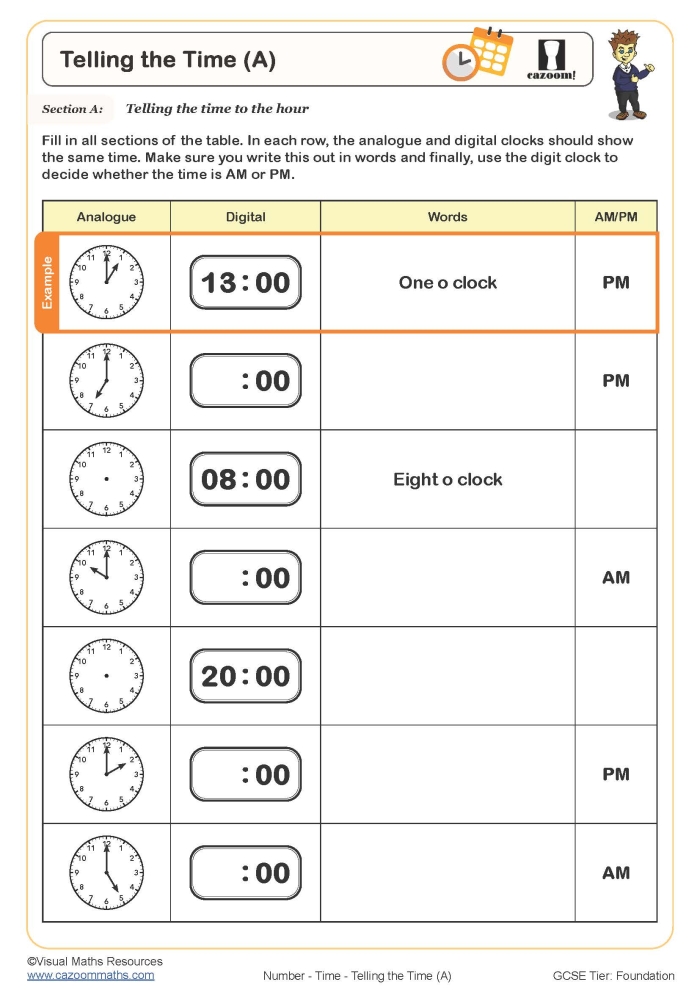
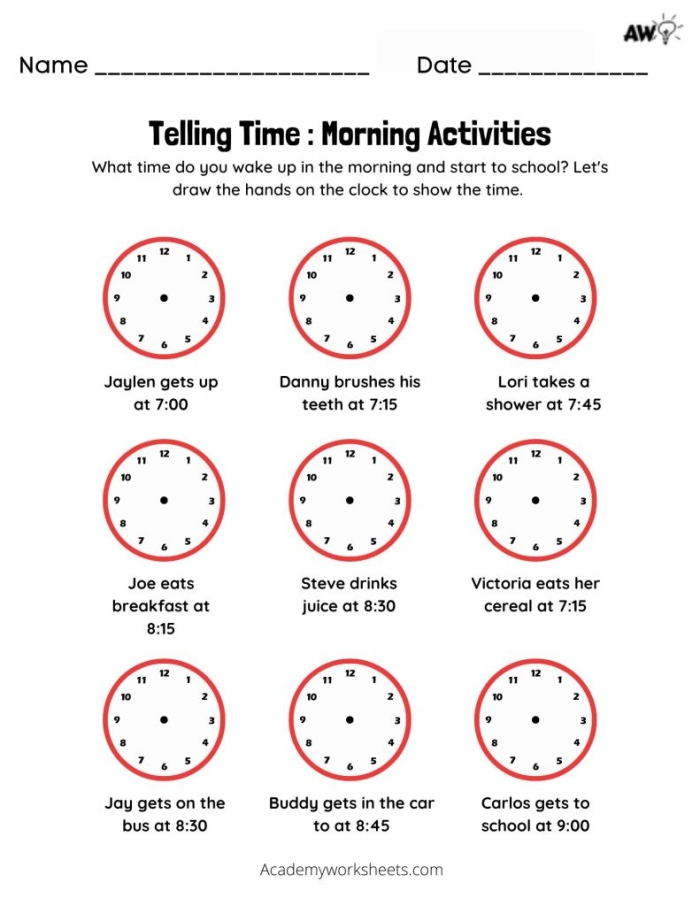
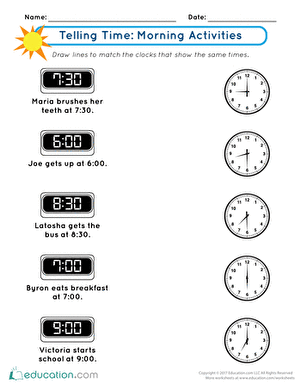
Imagine starting the day with a fun exercise where students match analog clocks displaying 7:00 AM with their digital counterparts. This activity not only reinforces time-telling skills but also connects to everyday experiences. For instance, a child may wake up at 7:00 AM, have breakfast at 7:30 AM, and leave for school at 8:00 AM. By relating these times to common morning activities, students can better understand the concept of time in a practical context.
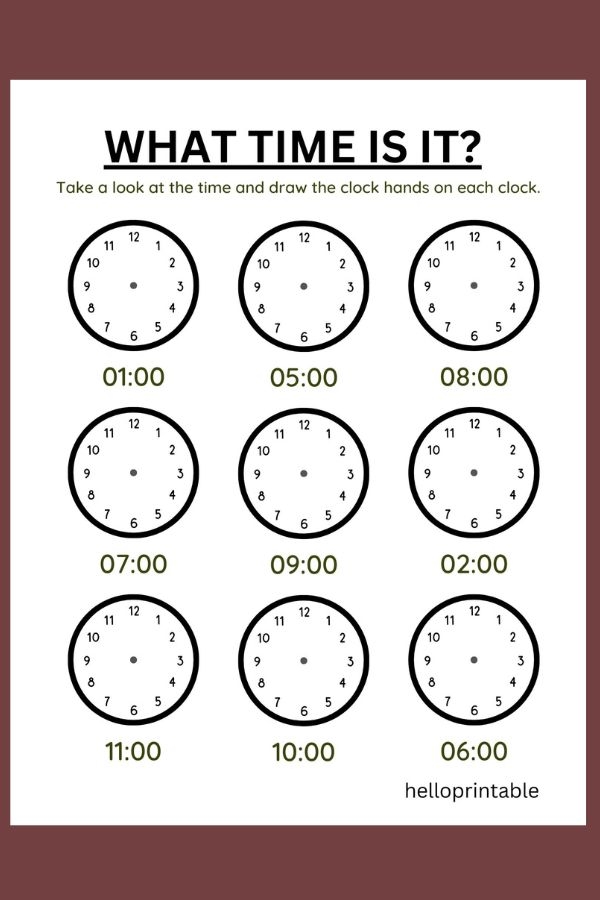
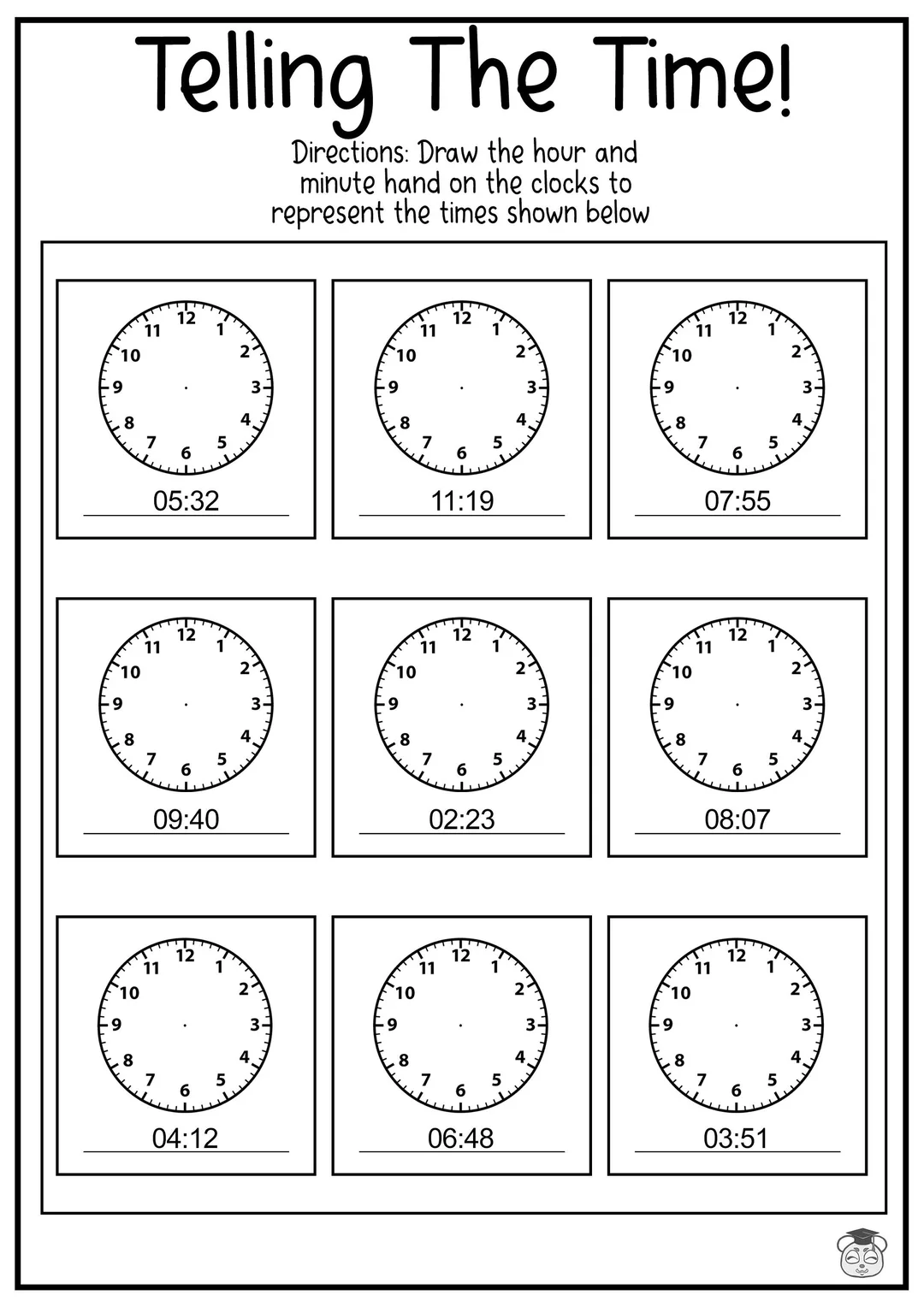
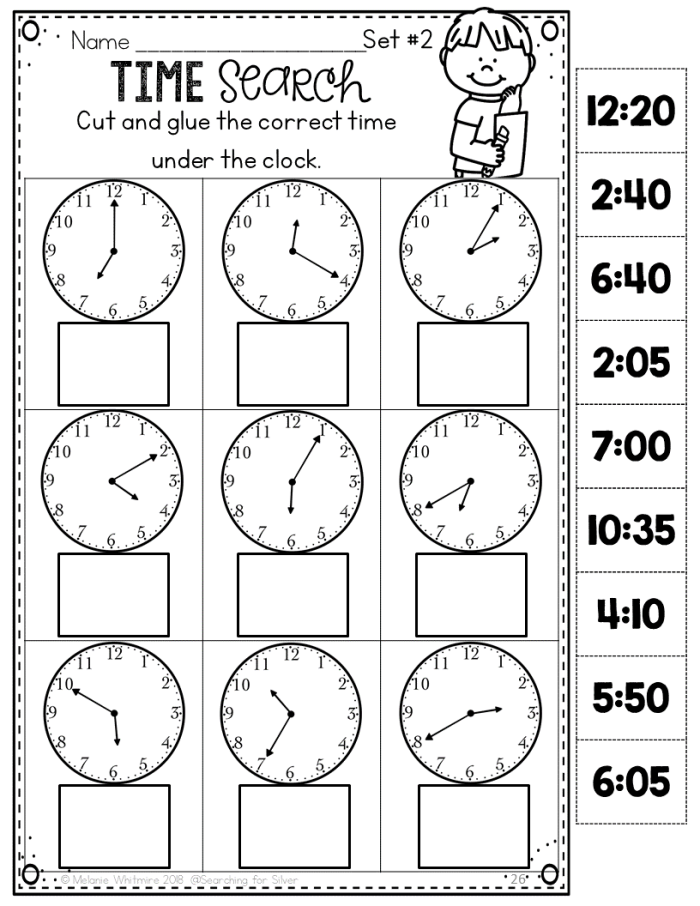
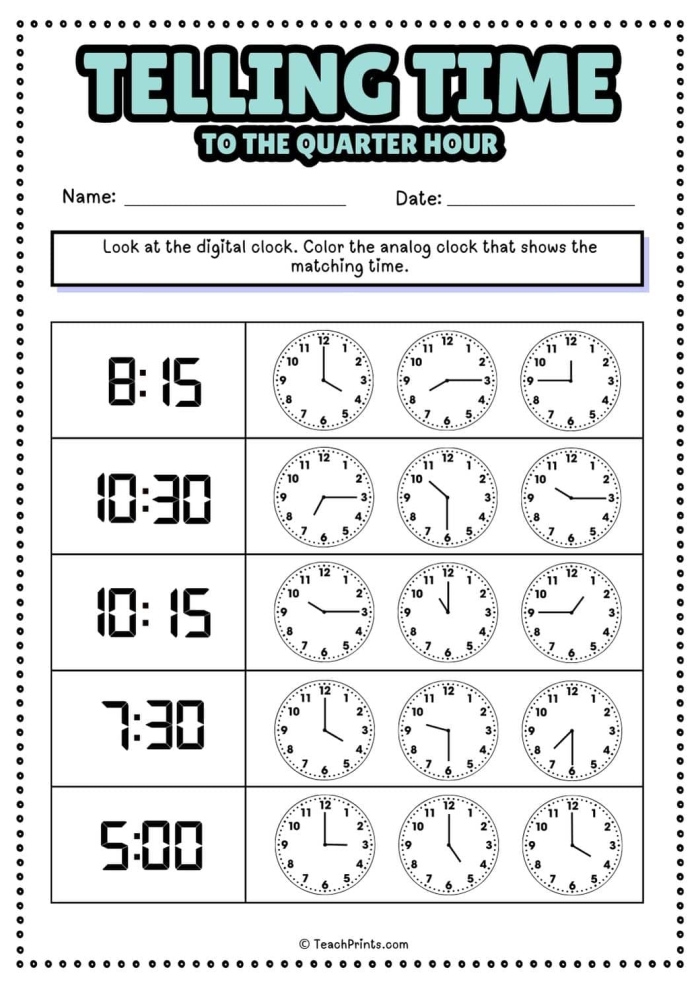
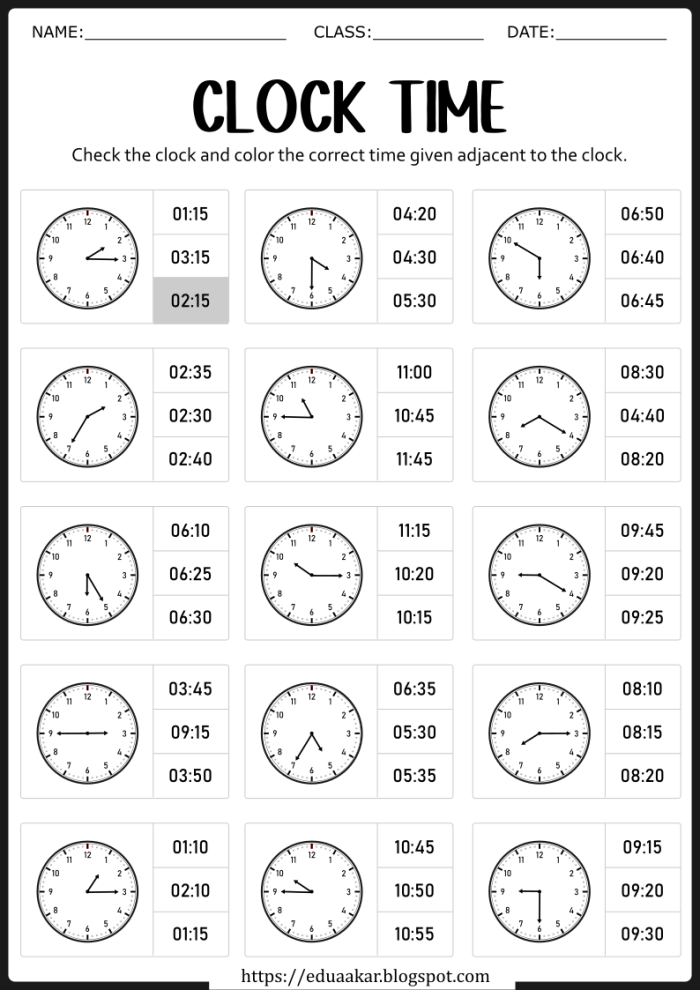
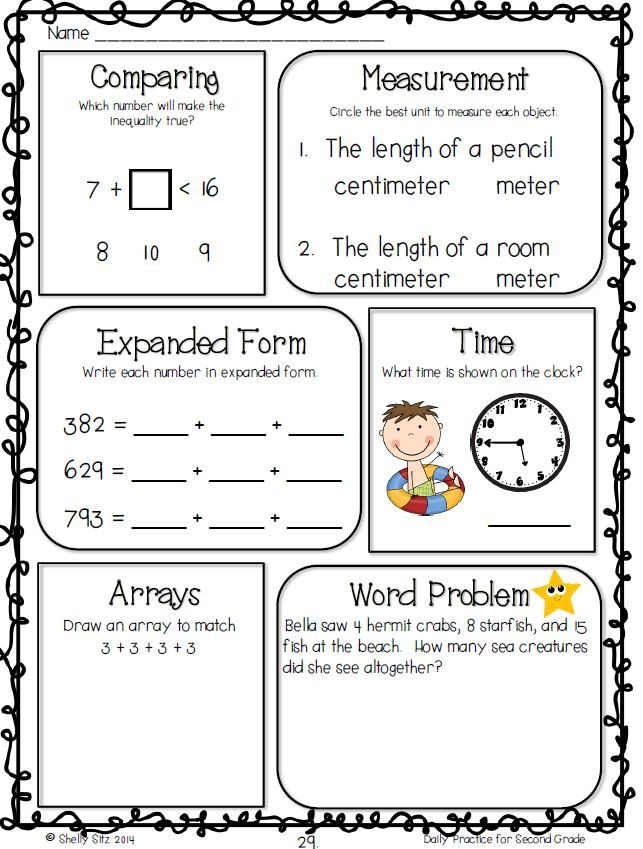
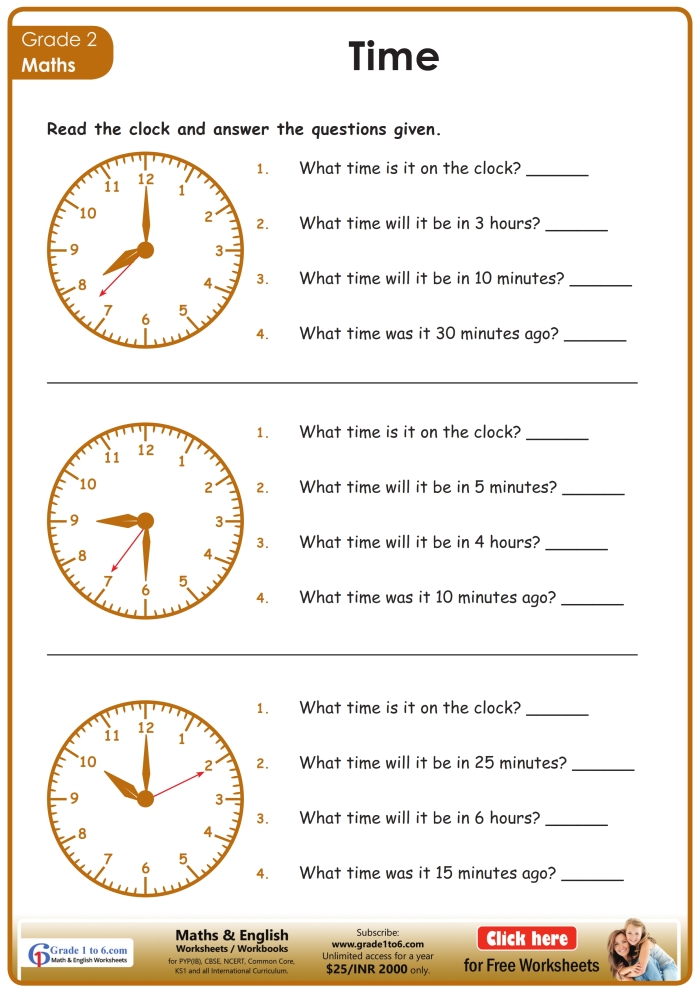
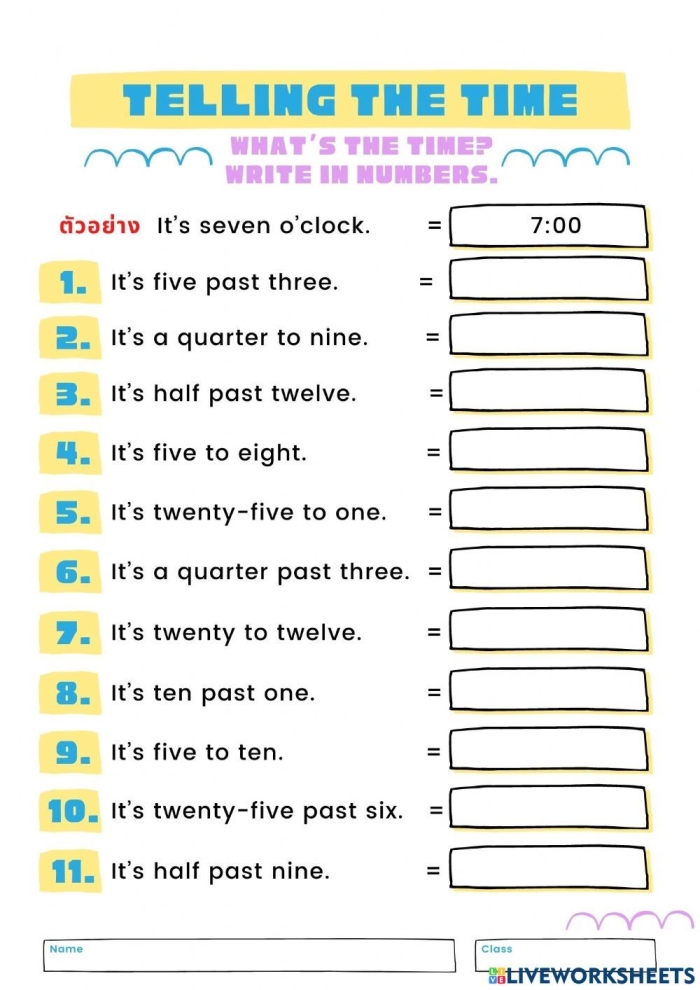
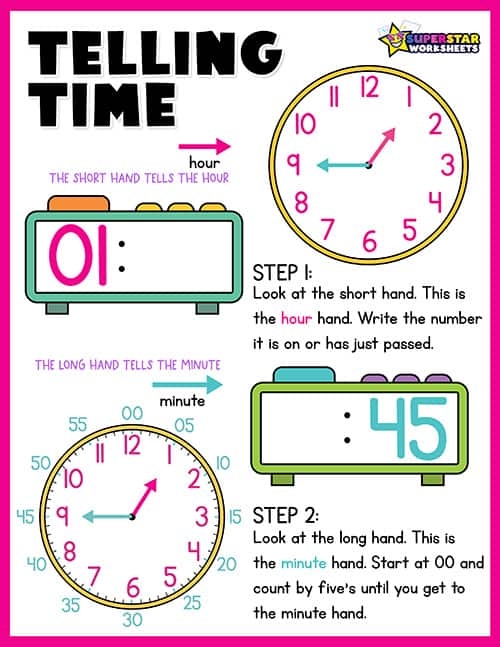
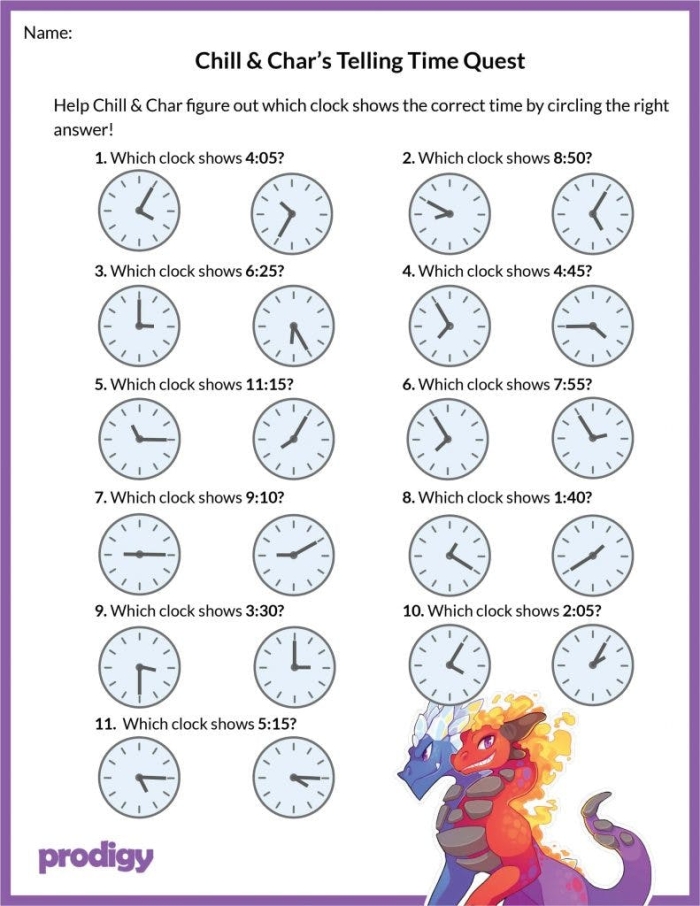
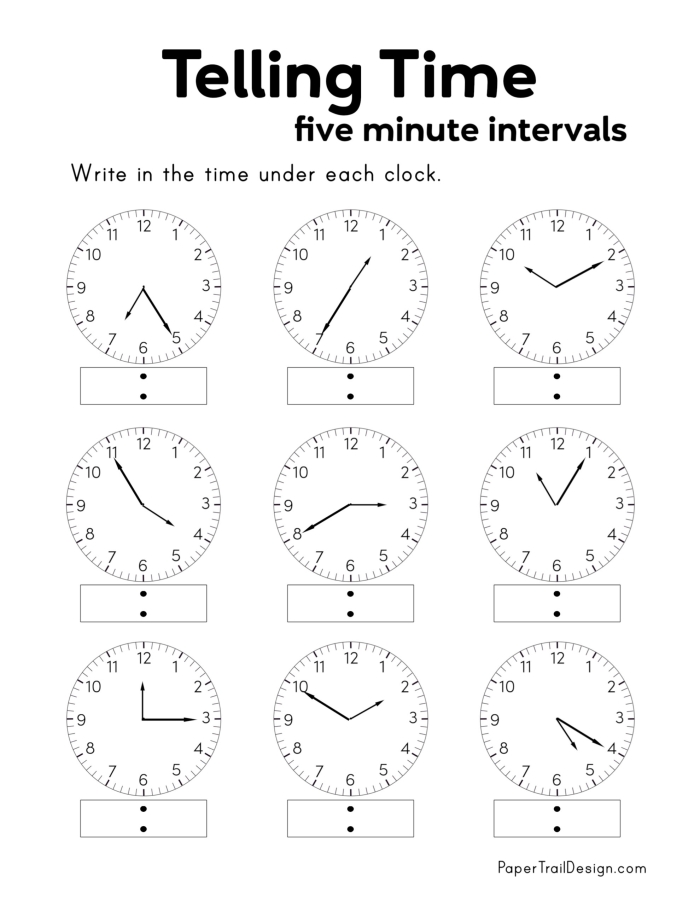
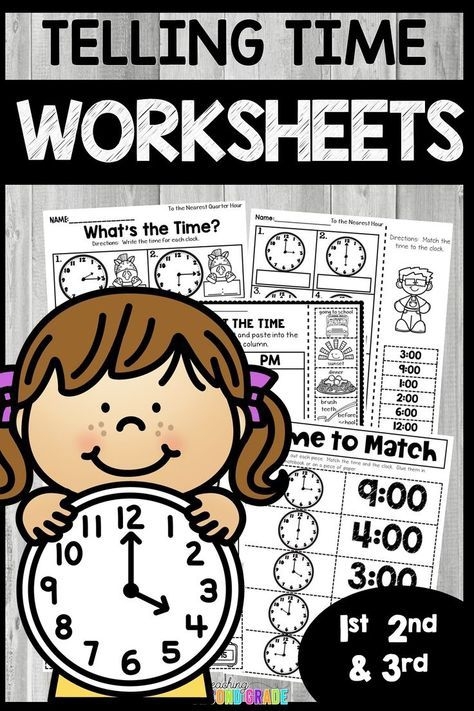
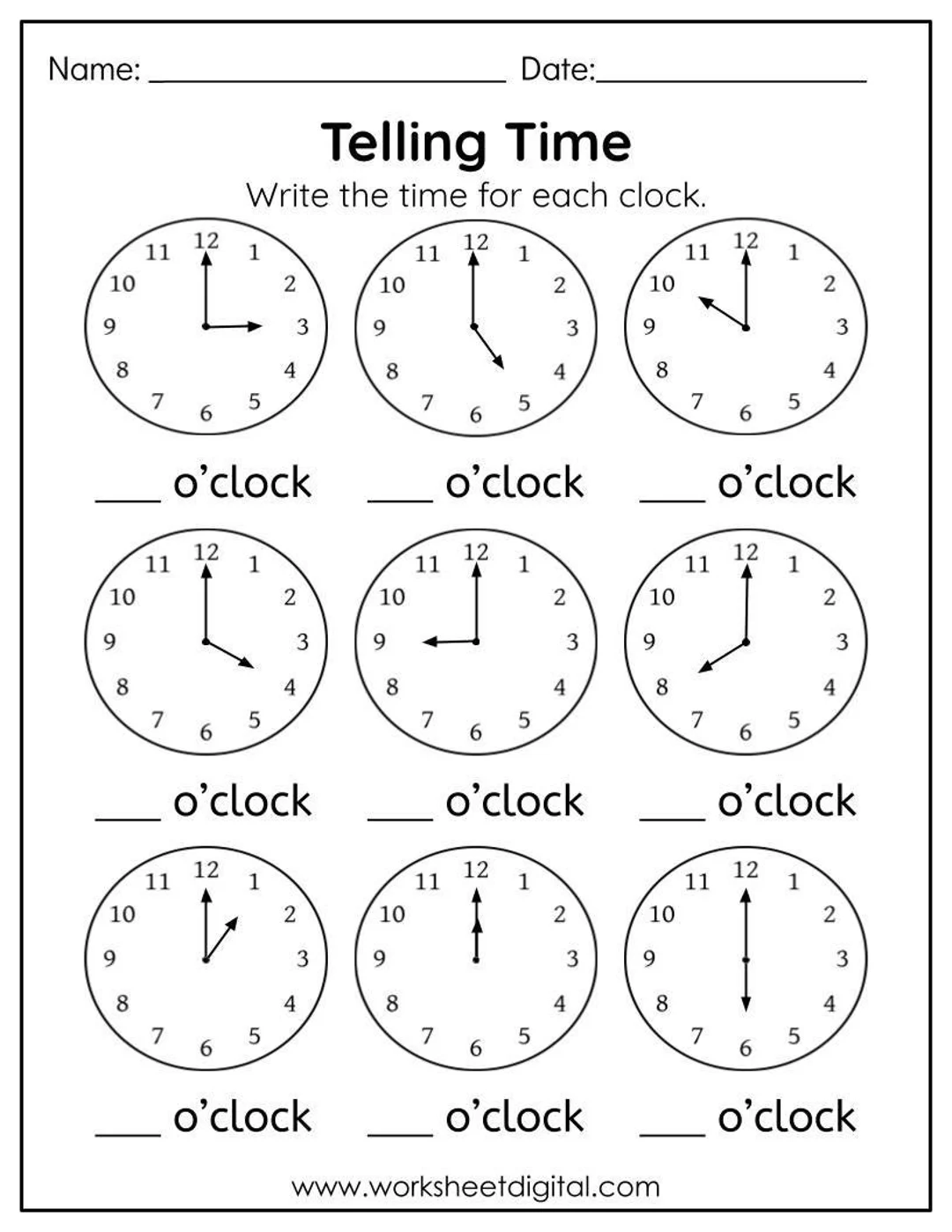
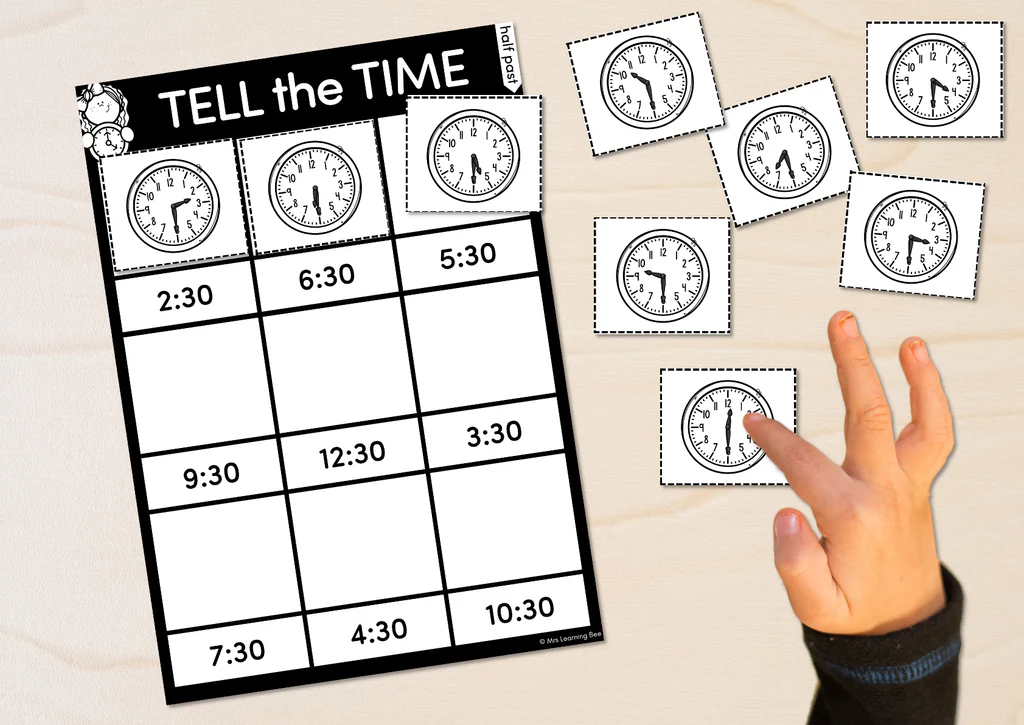
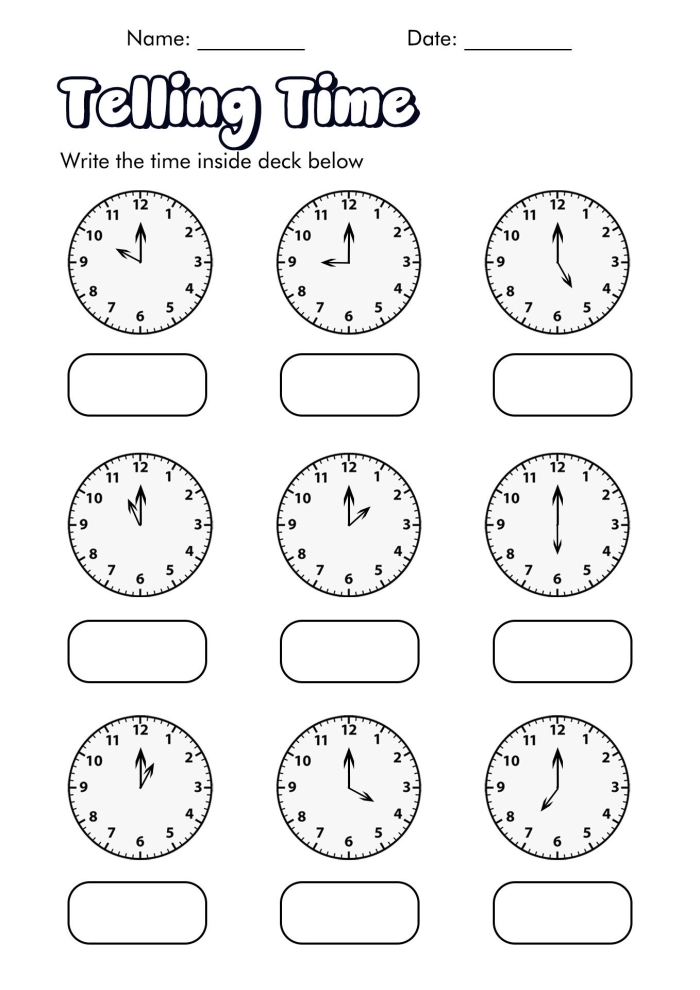
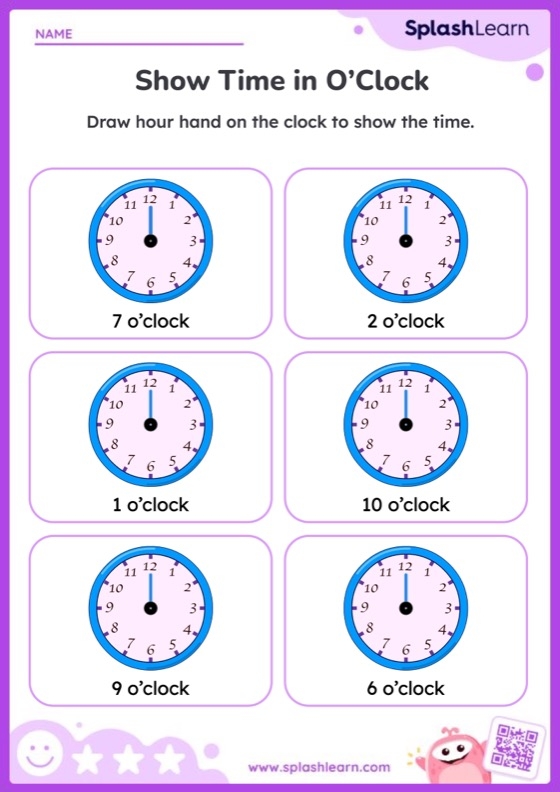
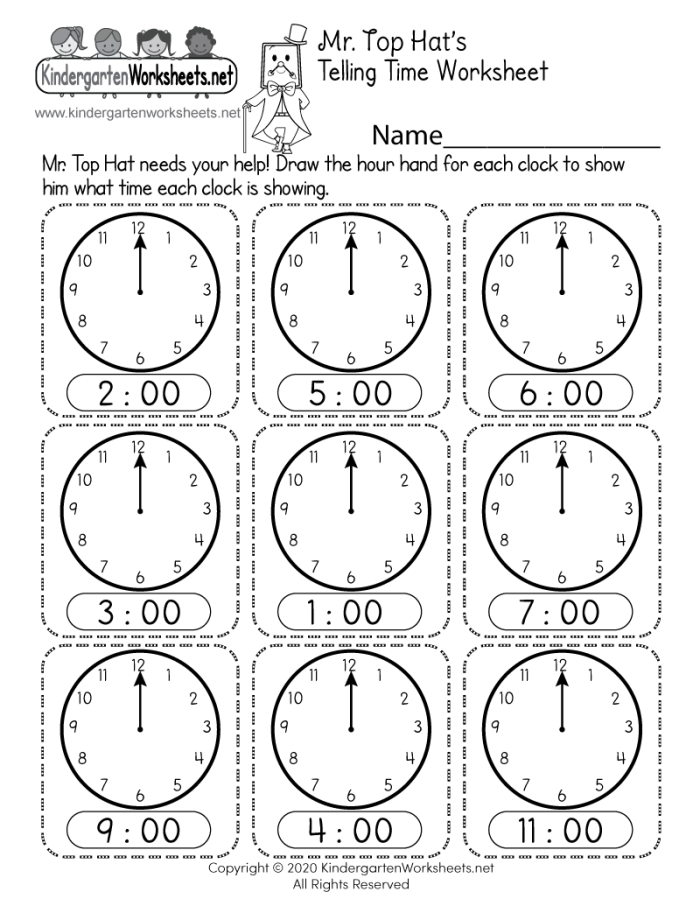
To make learning even more interactive, consider incorporating printable worksheets focused on telling time. Activities can include matching clocks with different times, filling in the blanks for morning schedules, or even drawing their own clocks. Resources such as number cards can be incredibly helpful in reinforcing these concepts. These worksheets enhance the grammar and mechanics of time-telling, allowing students to practice in a structured way.
Furthermore, as students engage with these tasks, they also develop critical thinking and problem-solving skills. They learn to analyze not only what time it is but also how to plan their activities accordingly. This is crucial for first graders, who are just beginning to navigate their daily schedules independently.
Incorporating lessons about time into the classroom not only prepares students for future learning but also helps them become more responsible and aware of their routines. As they master these skills, they gain confidence and a sense of autonomy in managing their time effectively.
Boost Skills with These Worksheets