When a second grader loses their glasses, they might say they’re “as blind as a bat.” But wait, is that actually true? Bats aren’t blind at all, they navigate using echolocation. This kind of confusion is exactly what makes similes so fun to explore in the classroom, and it’s why fill-in-the-blank activities work so well for teaching figurative language.
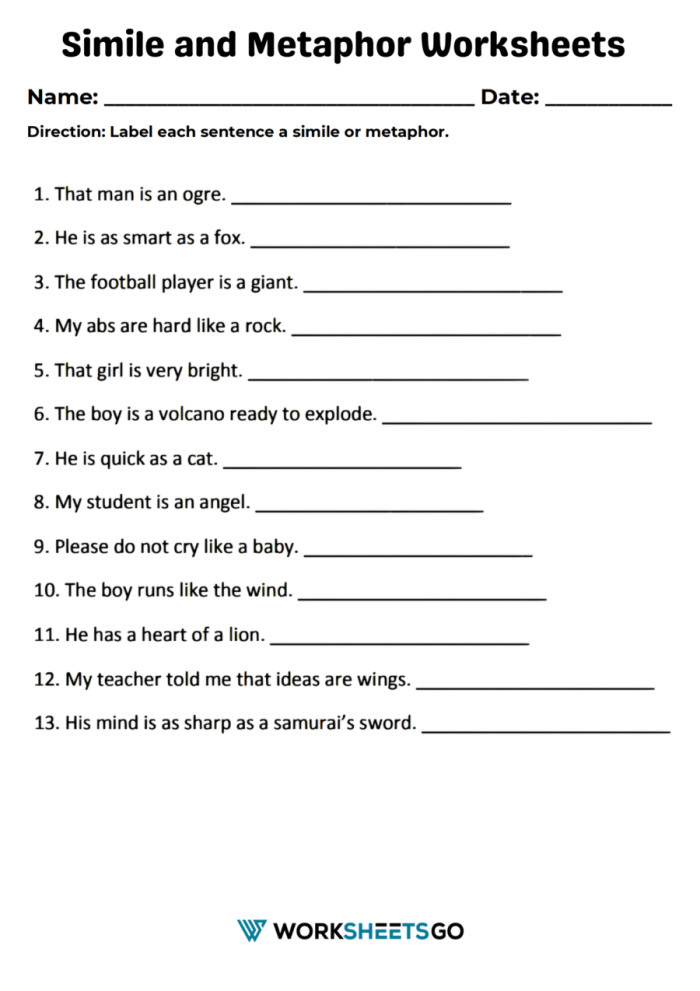
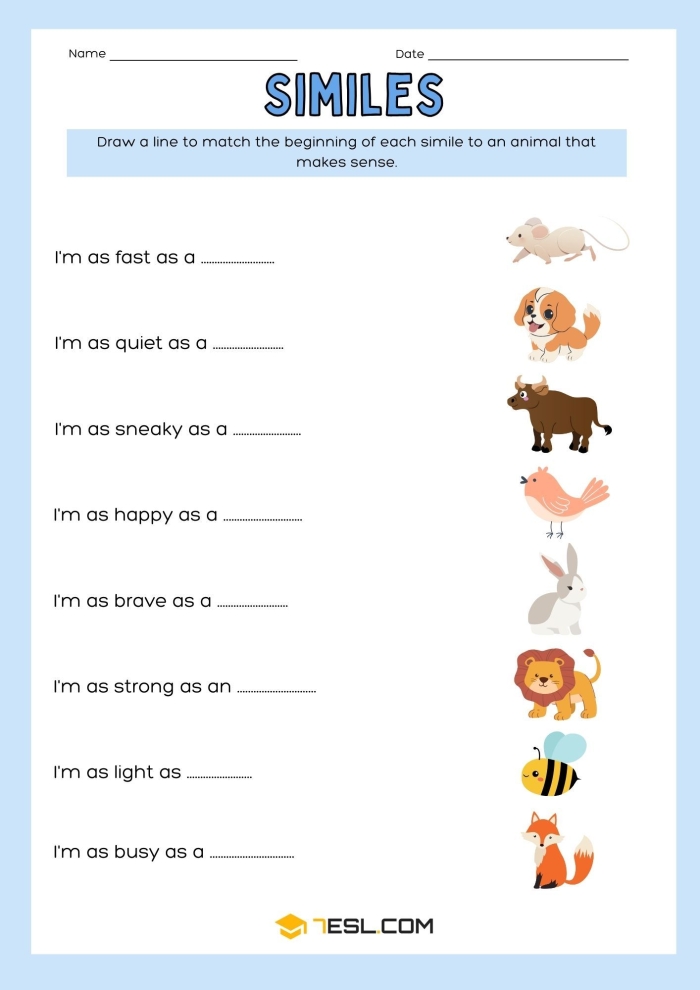
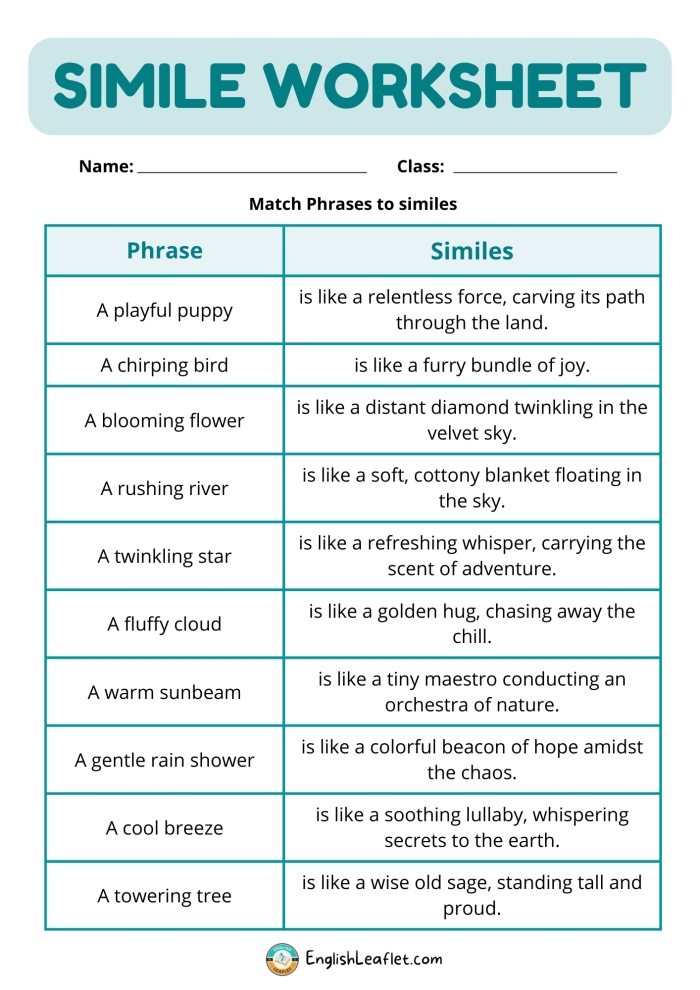
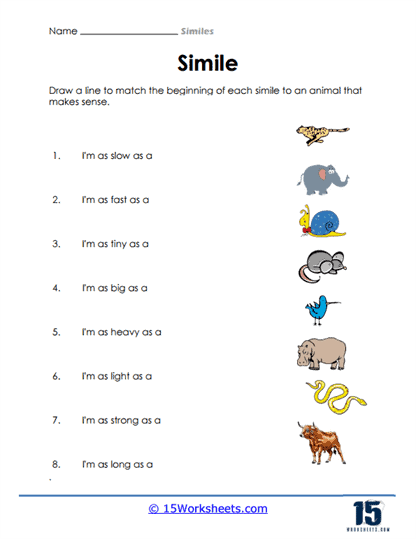
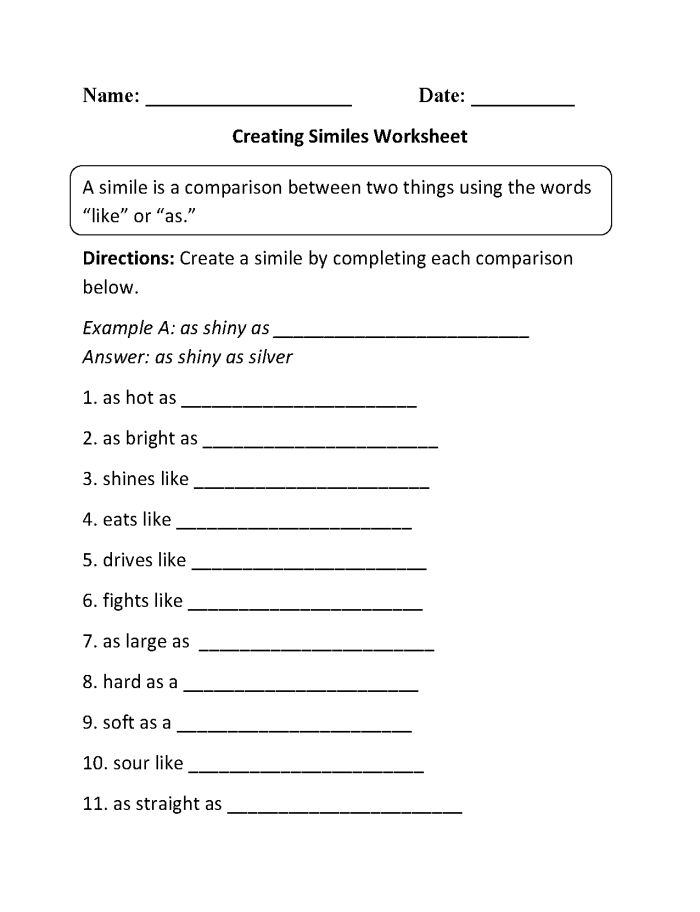
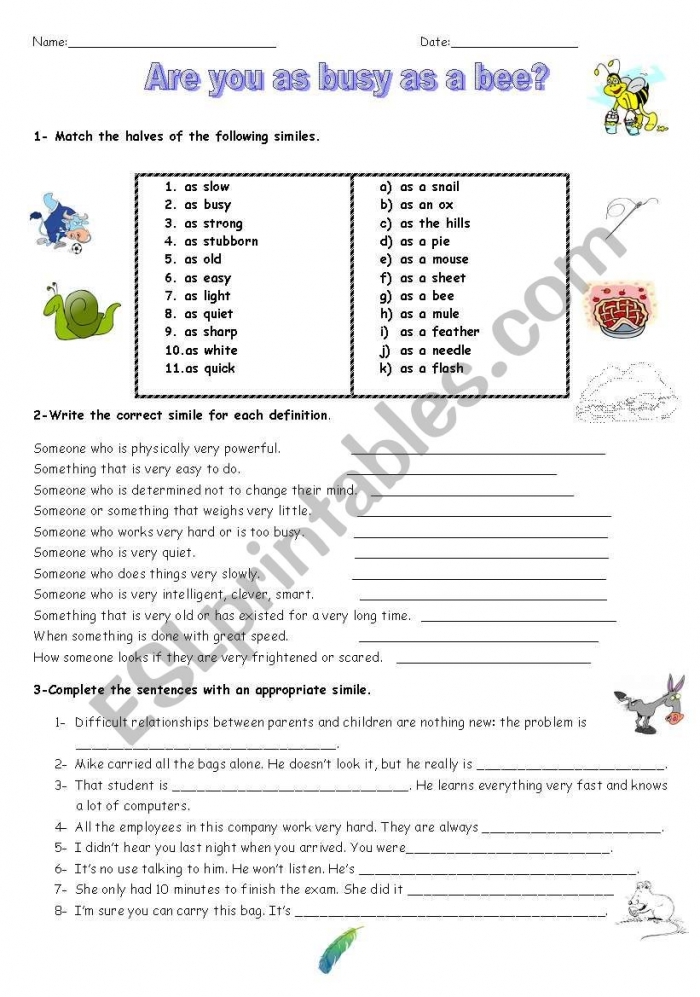
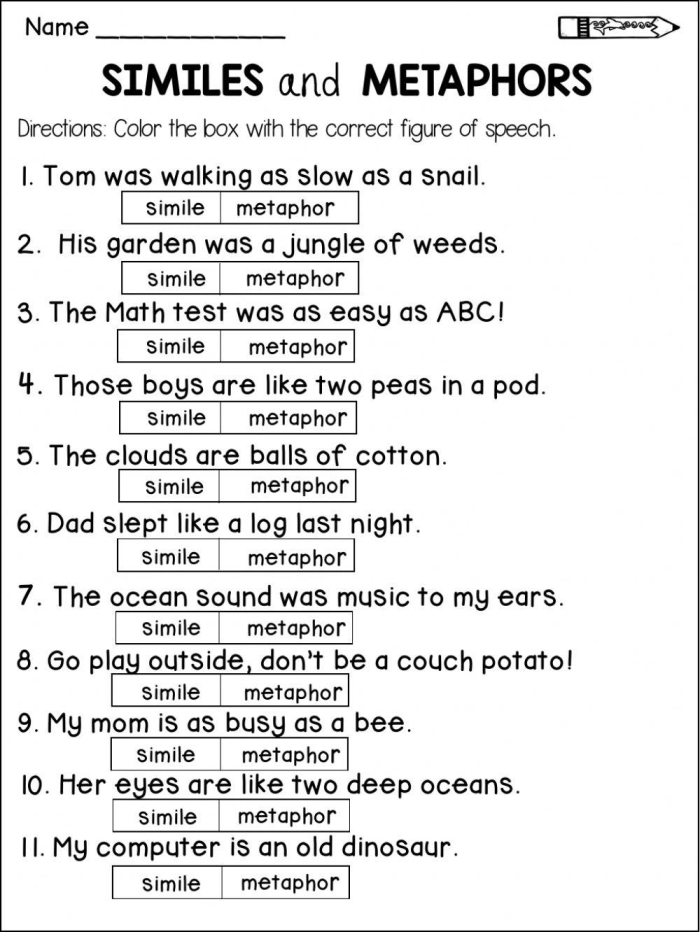
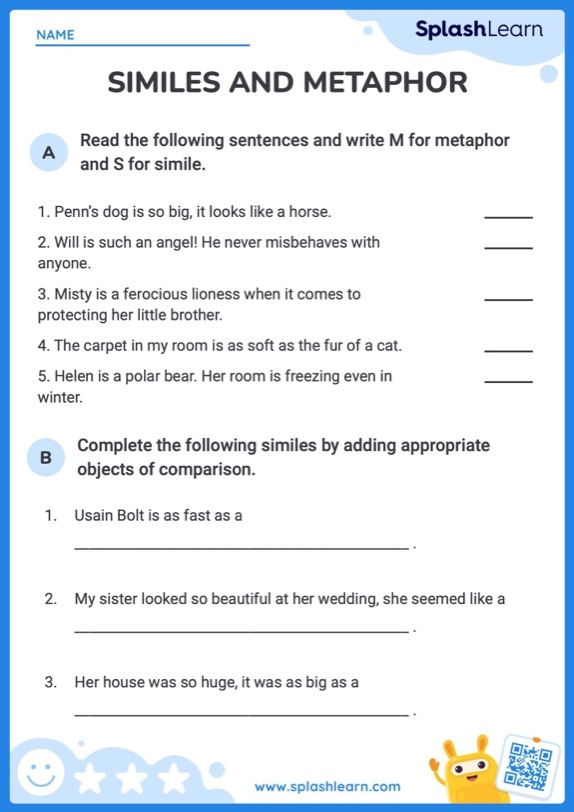
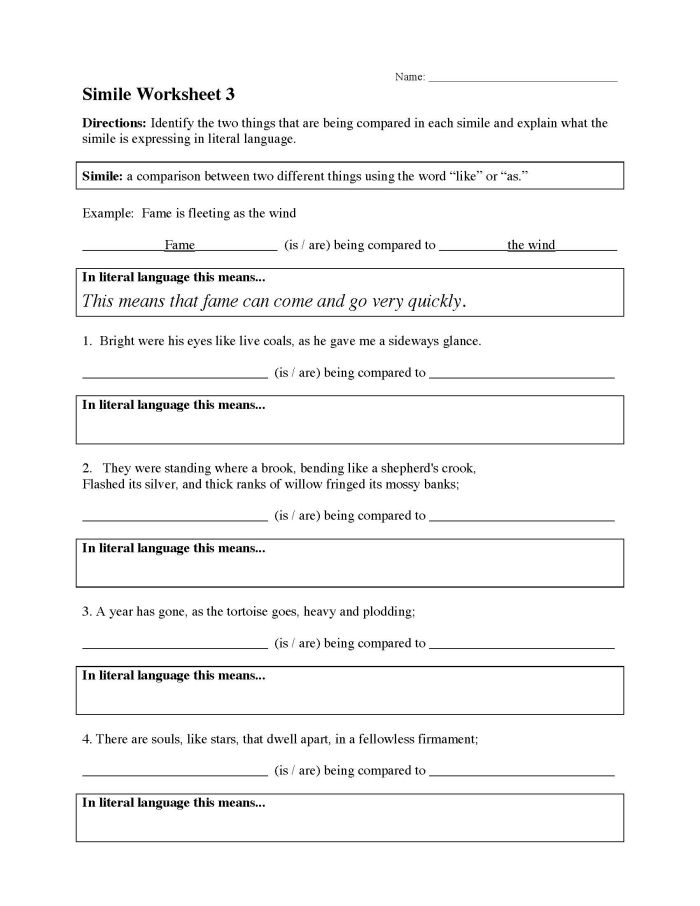
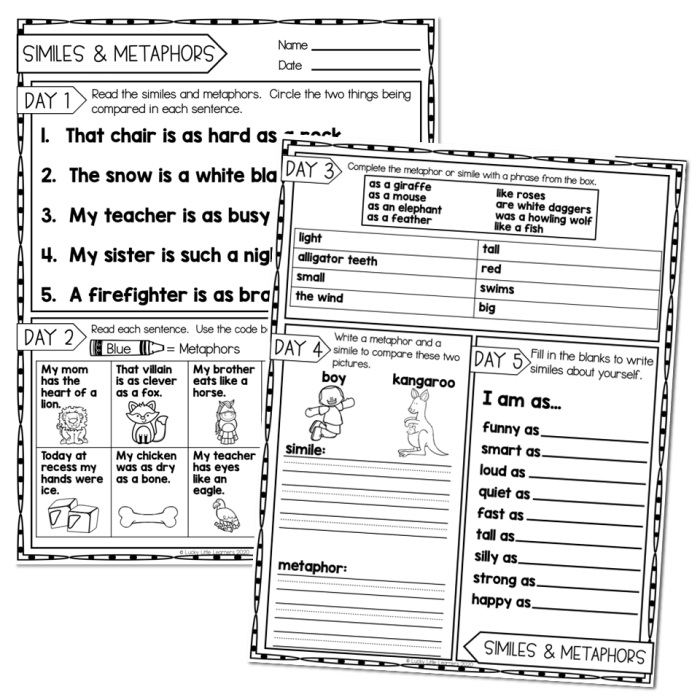
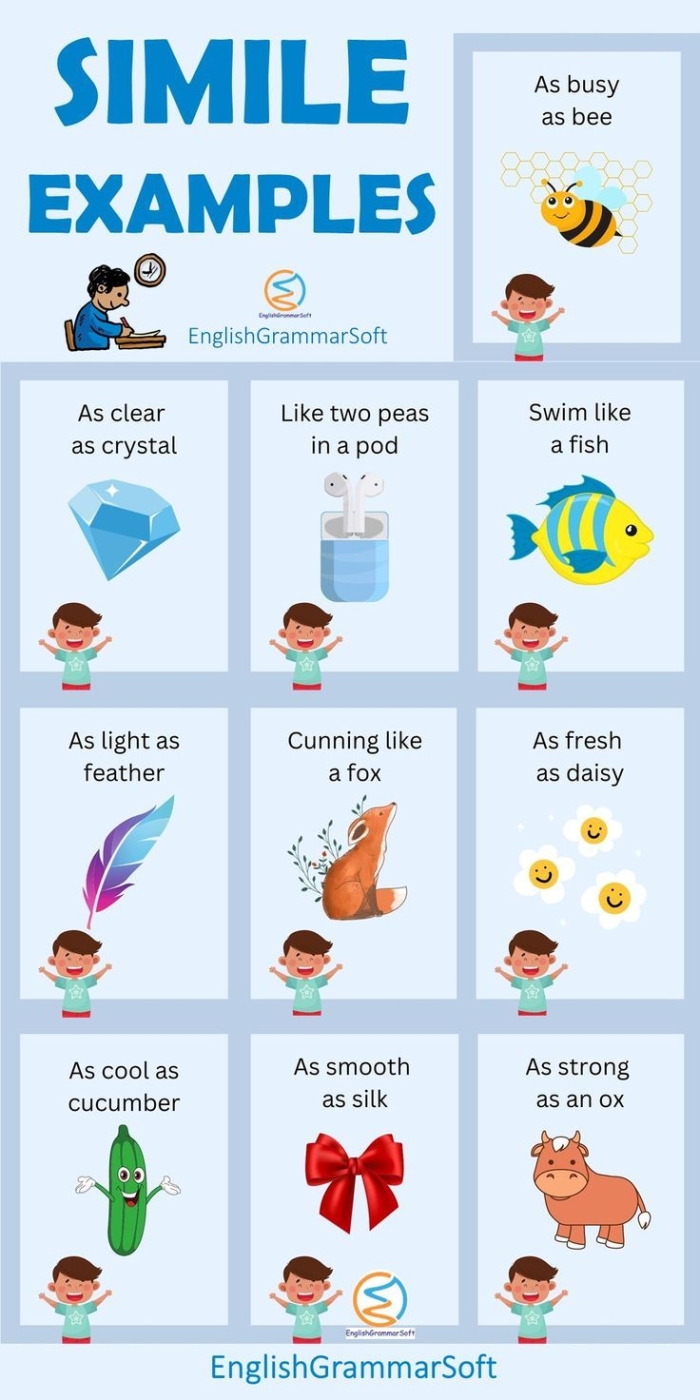
Similes are comparisons between two different things using “like” or “as.” They help writers paint vivid pictures and make abstract ideas concrete. When we say someone is “as quiet as a mouse” or “as fast as a cheetah,” we’re not being literal. We’re using familiar comparisons to help others understand what we mean. Second grade is the perfect time to introduce these comparisons because children at this age are starting to think beyond the literal meaning of words.
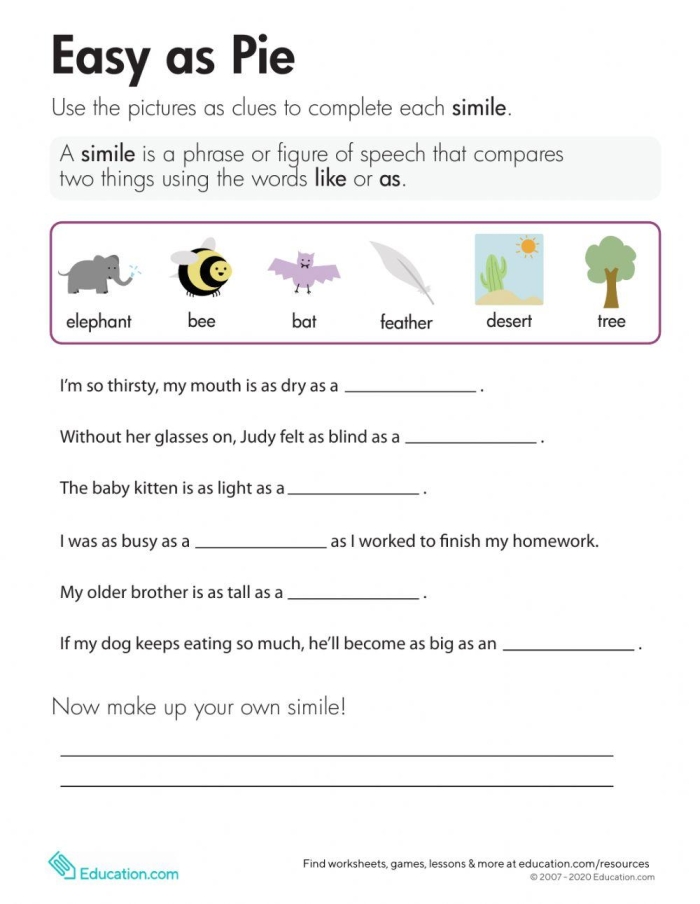
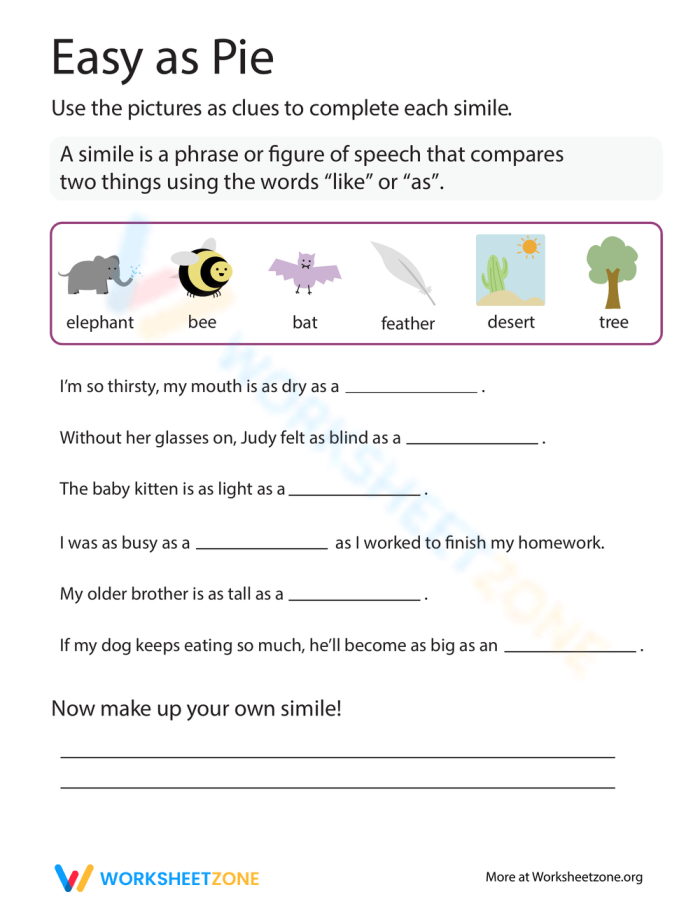
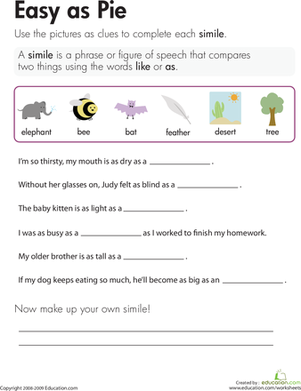
The glasses worksheet uses this exact approach. By asking whether losing glasses makes someone “as blind as a bee or a bat,” it forces kids to think about what these animals actually do. They discover that bees and bats aren’t blind, which makes them question the simile itself. This kind of critical thinking strengthens their understanding of how figurative language works.
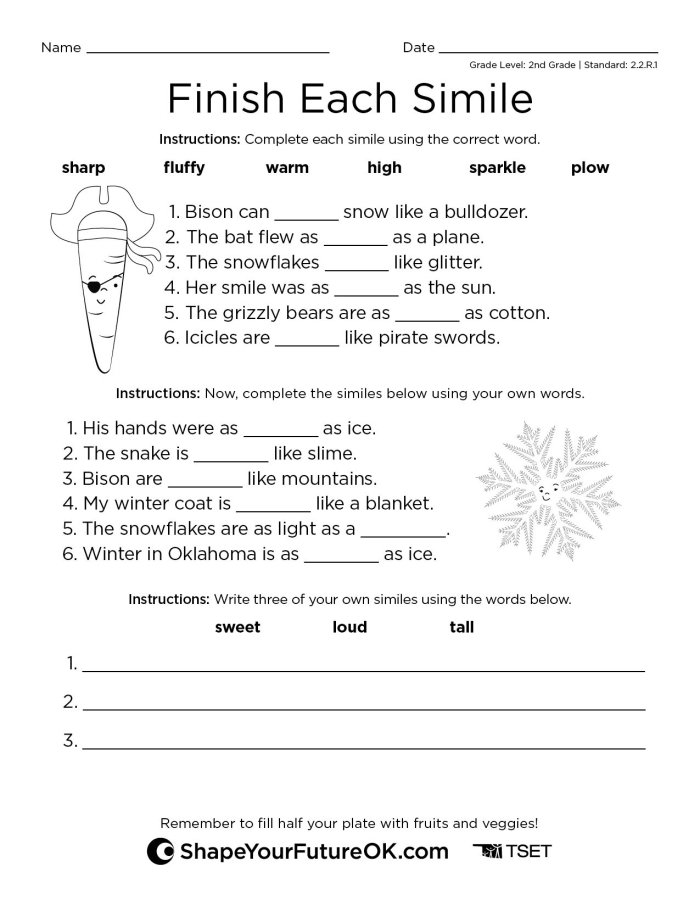
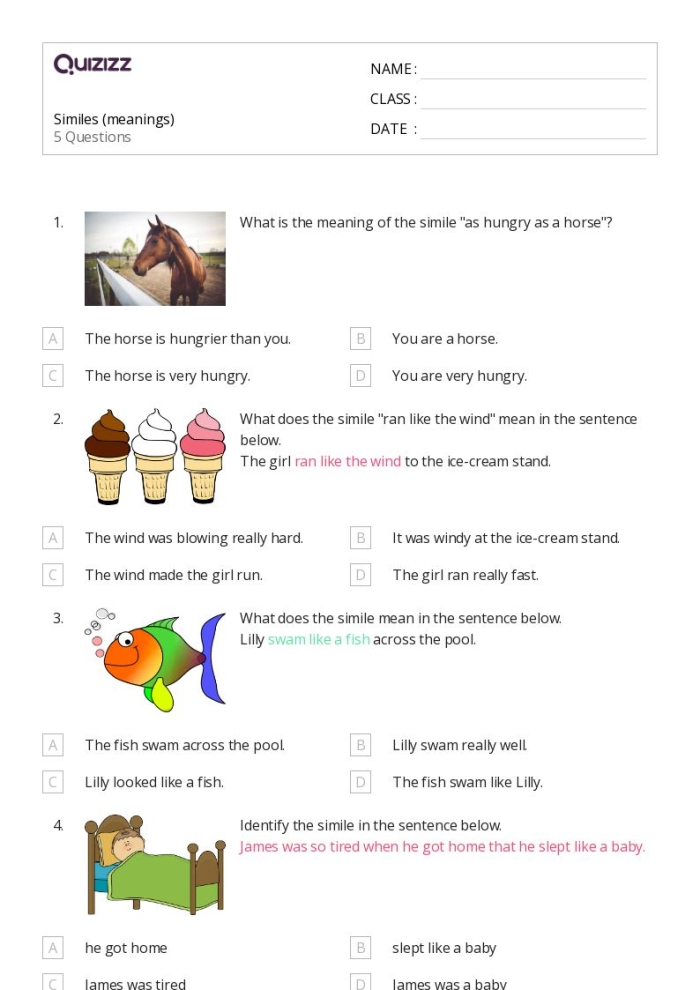
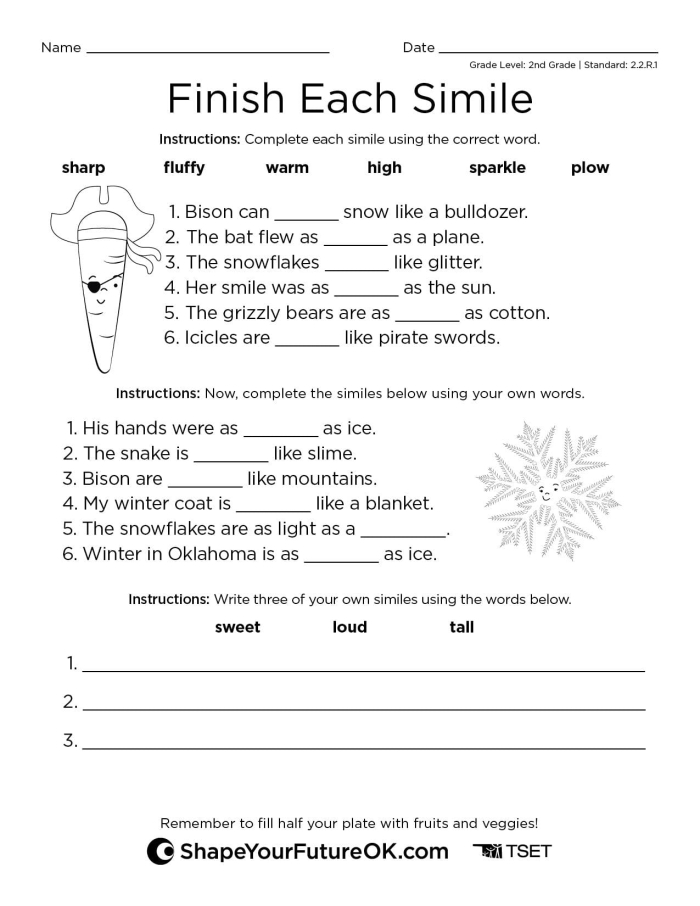
Fill-in-the-blank exercises are particularly effective because they guide students without giving away the answer. Your child has to choose between options, consider what each comparison means, and decide which one actually makes sense. It’s active learning rather than passive reading.
These activities build confidence with figurative language early on. Once students grasp similes, they’re ready to explore metaphors, idioms, and other literary devices. If you’re looking for more structured practice, printable similes worksheets designed for second grade can reinforce these concepts at home or in the classroom.
Try These Printable Worksheets