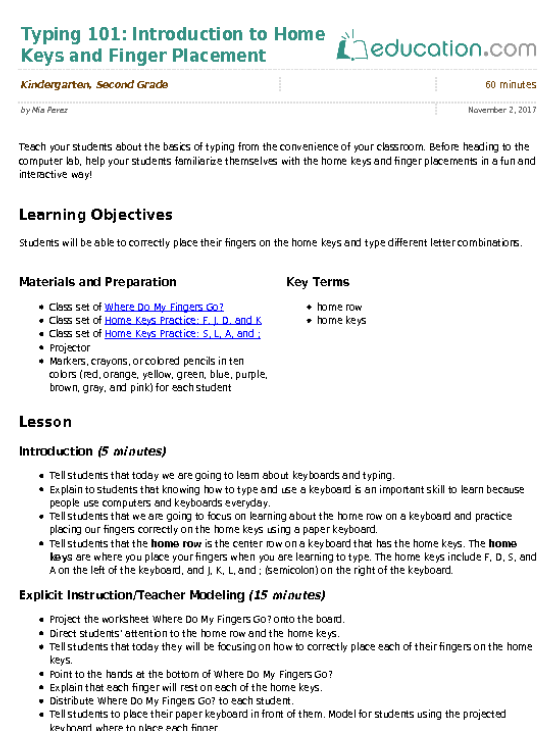
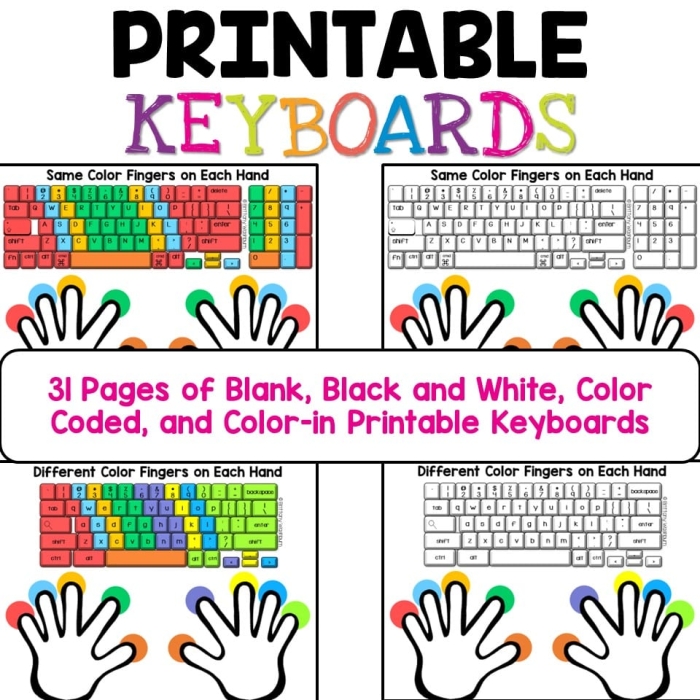
Teaching young students the correct finger placement on a keyboard is crucial for developing their typing skills. A fun, engaging way to help your kindergarteners familiarize themselves with where to place their fingers on F, J, D, and K is through a hands-on activity that doesn’t even require a computer. This method not only makes learning enjoyable but also reinforces muscle memory.
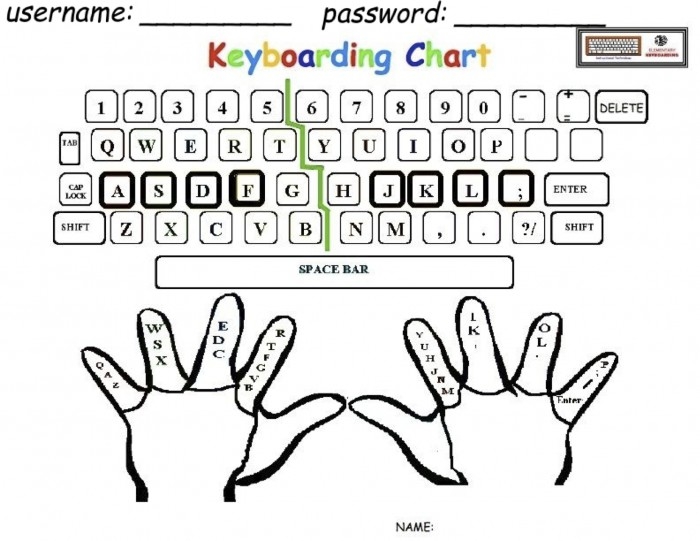
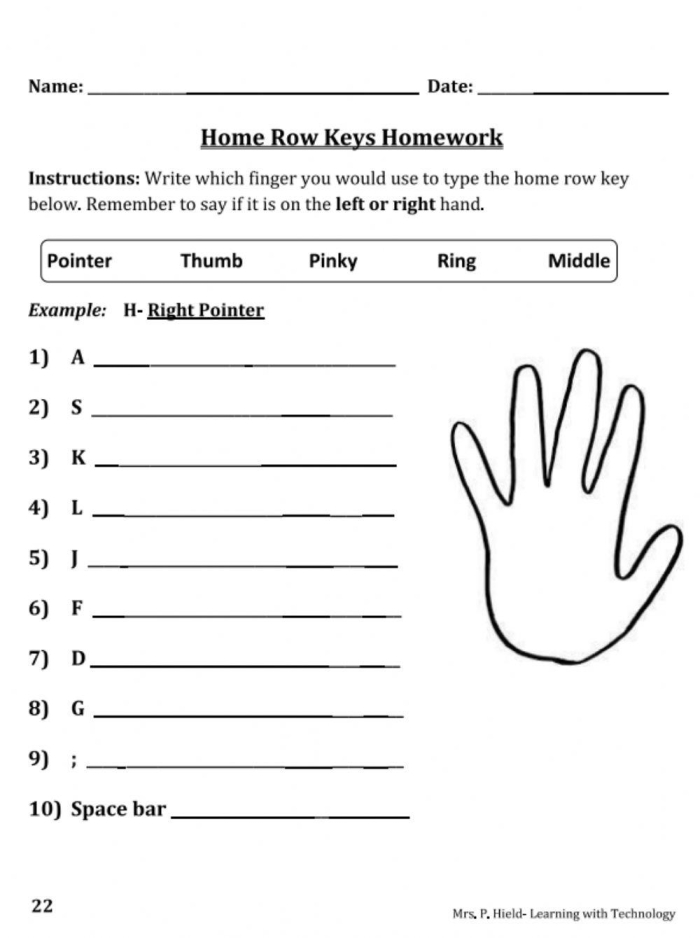
Start by introducing the concept of home row keys to your students. Explain that the fingers rest gently on the F, J, D, and K keys. You can have them place their hands on a desk or a flat surface, simulating the keyboard layout. Using a simple visual aid, like a printed diagram or a drawn grid, can further clarify the finger placements. Highlight that the F and J keys usually have small bumps that help guide their fingers back to the home row.
To make the activity interactive, consider using a game format. For instance, you might call out a letter and have students quickly place their fingers over the corresponding keys. You could also incorporate a fun song or rhyme that includes the letters F, J, D, and K, so students can sing along while practicing their finger placements. This playful approach can help them remember where their fingers should go.
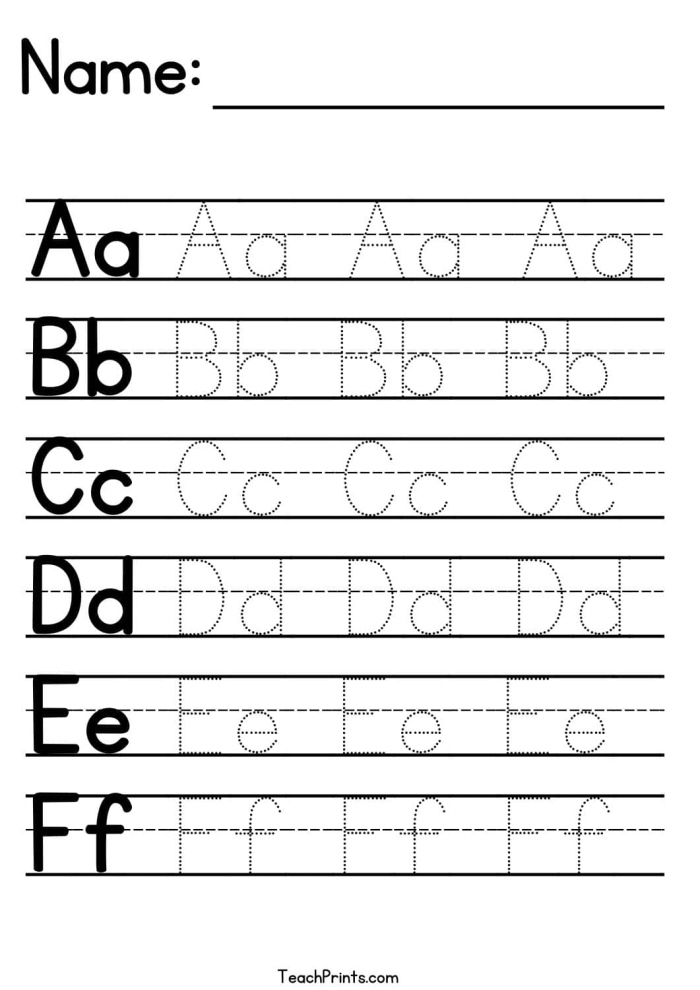
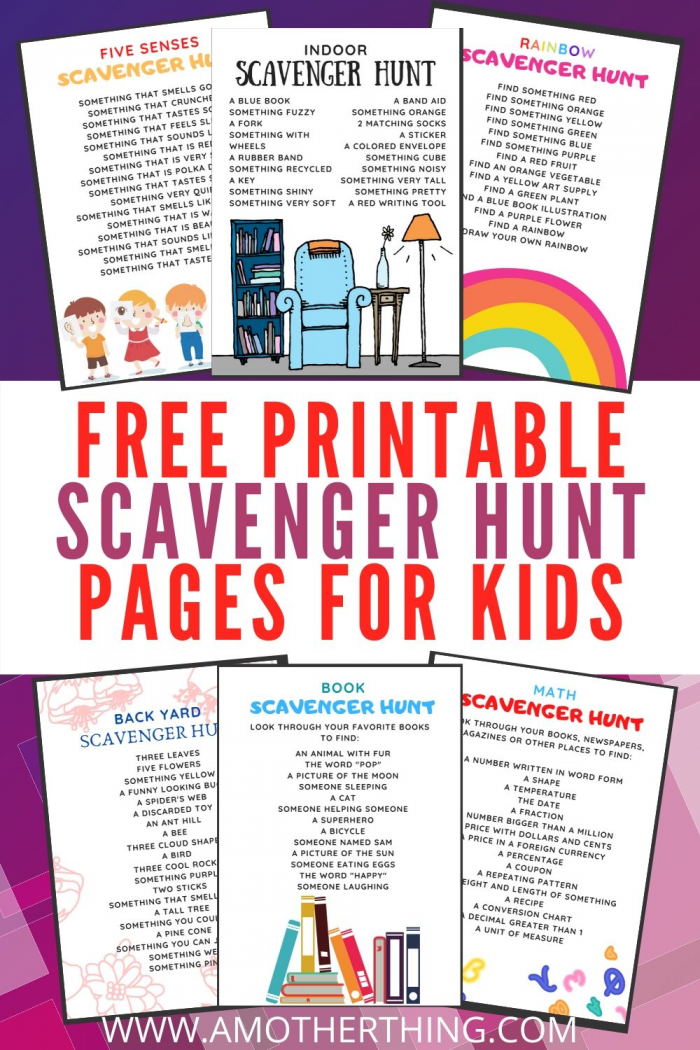
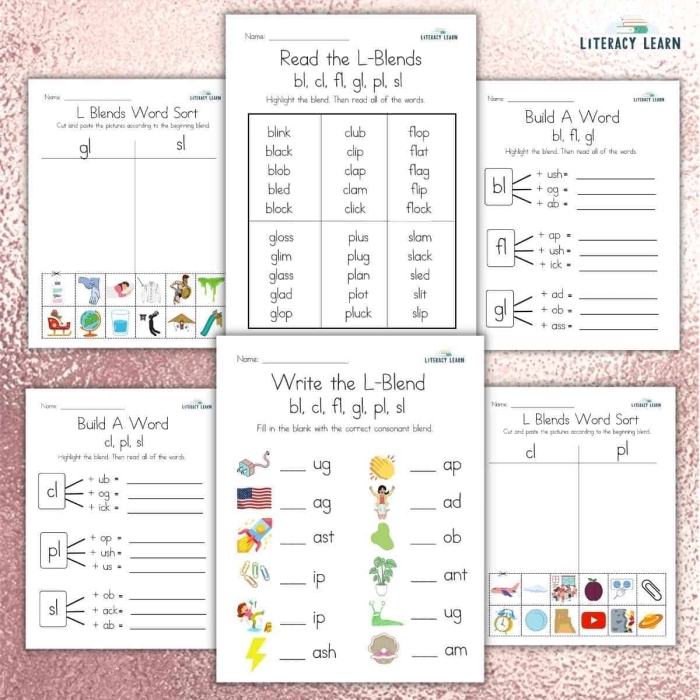
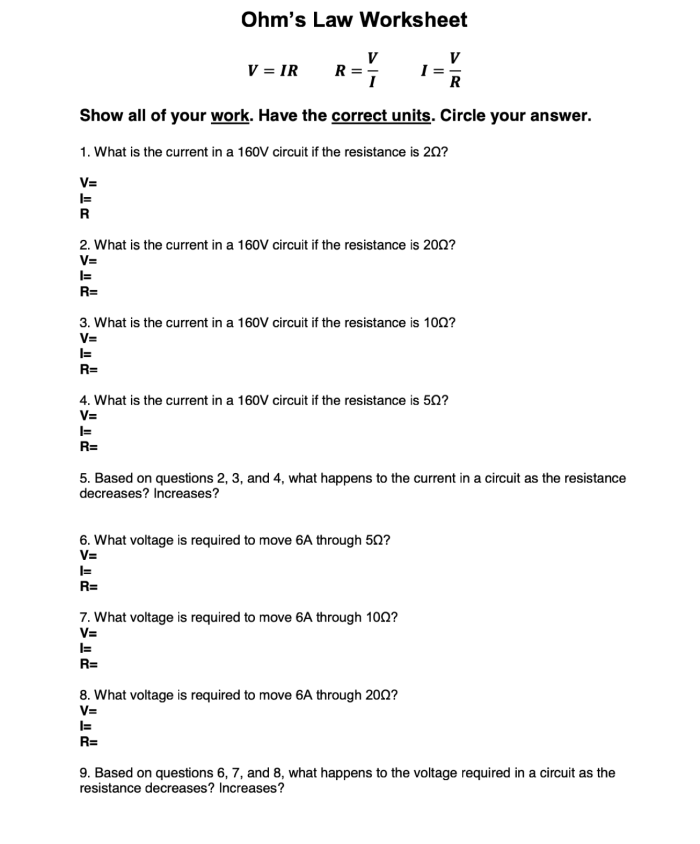
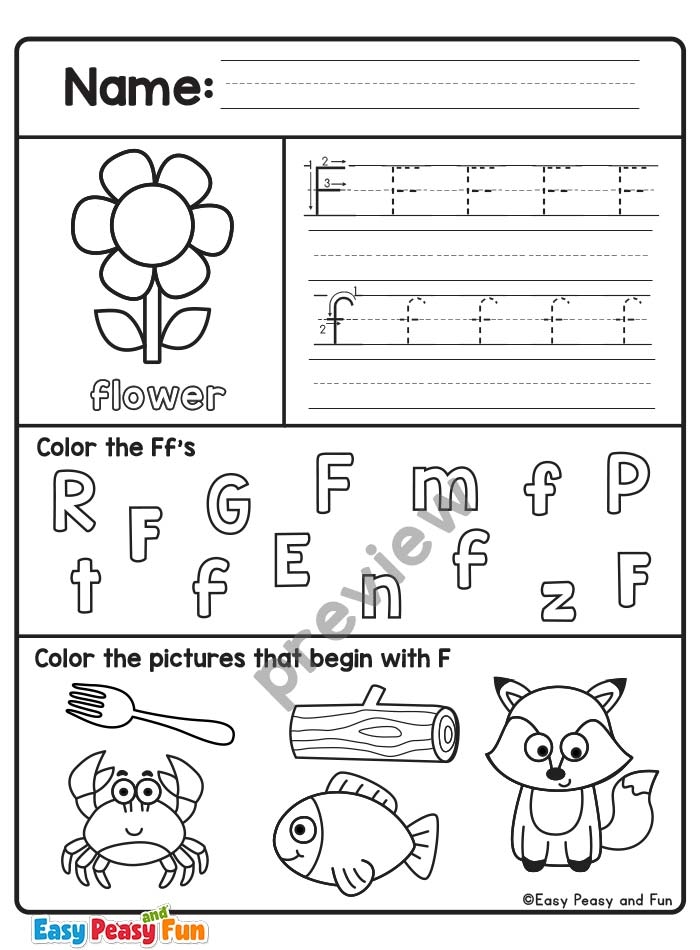
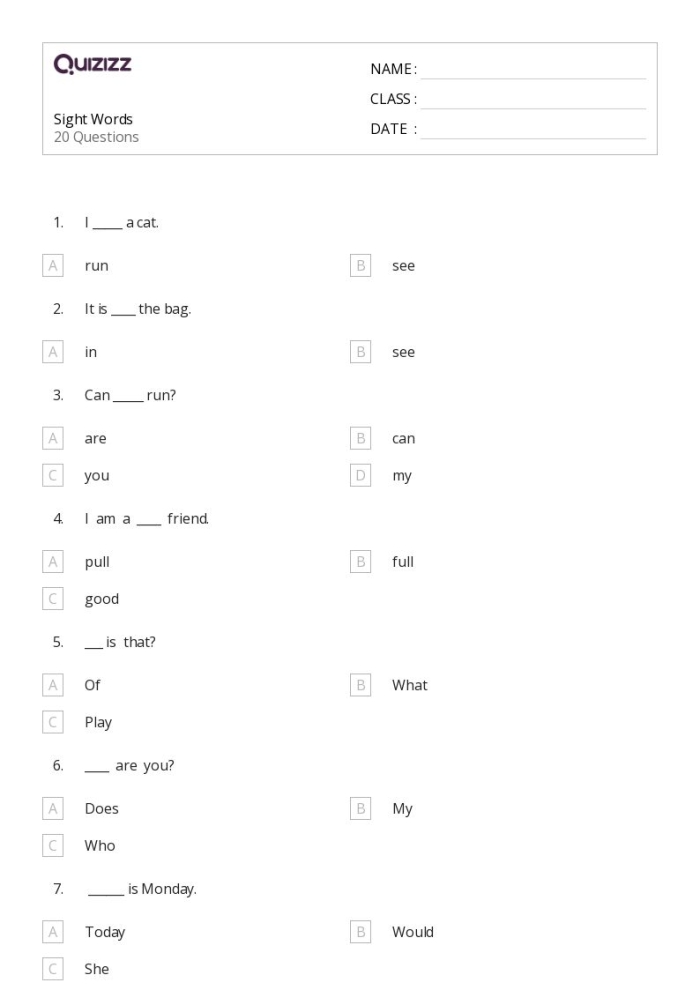
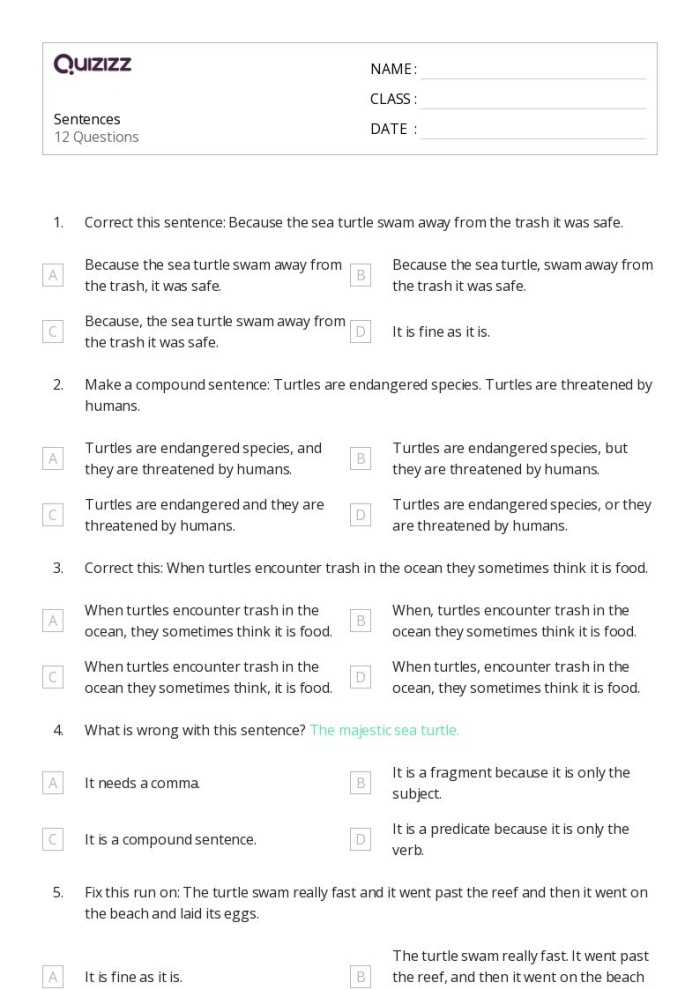
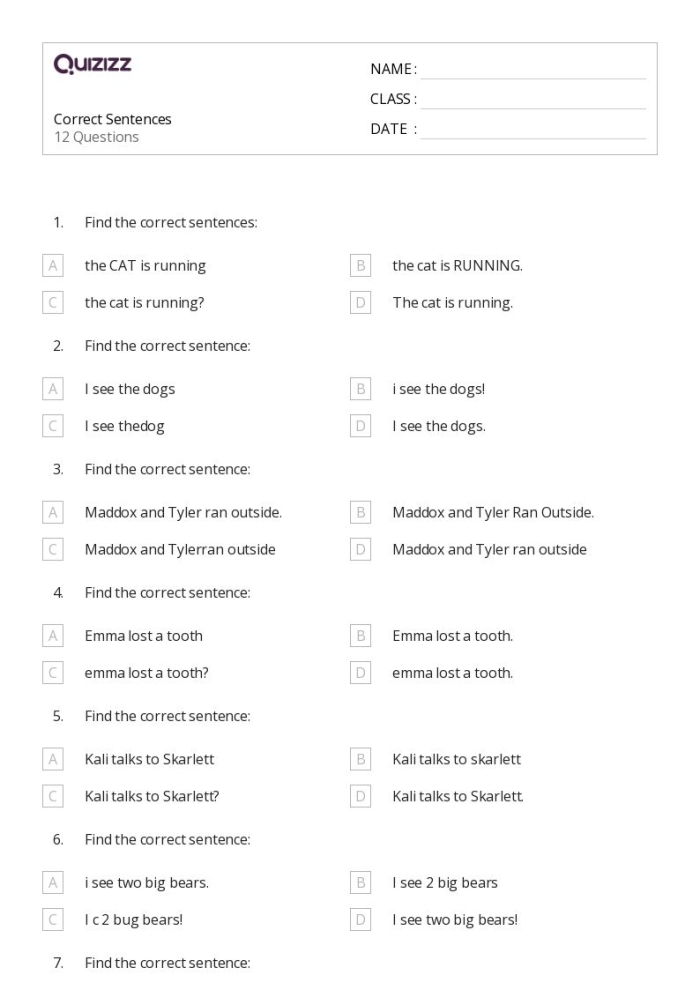
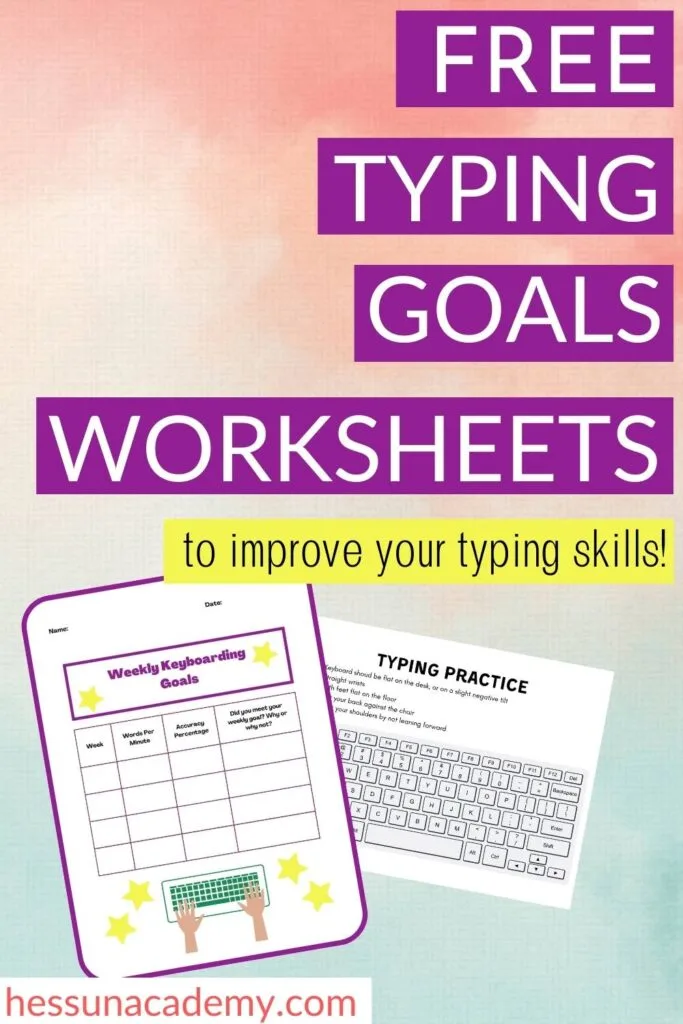
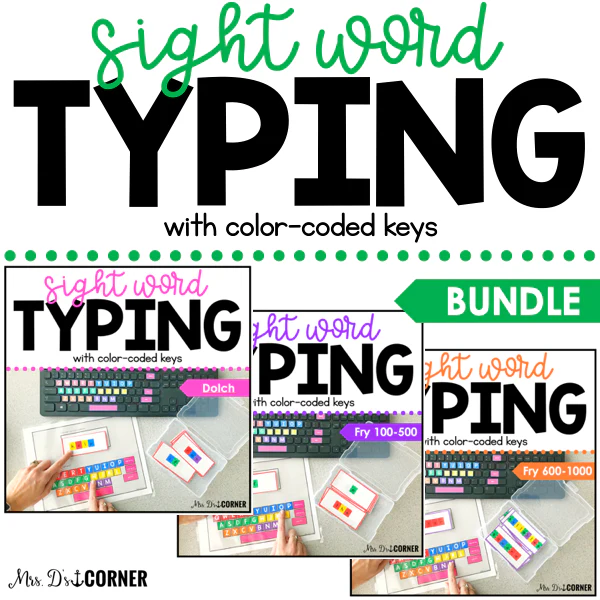
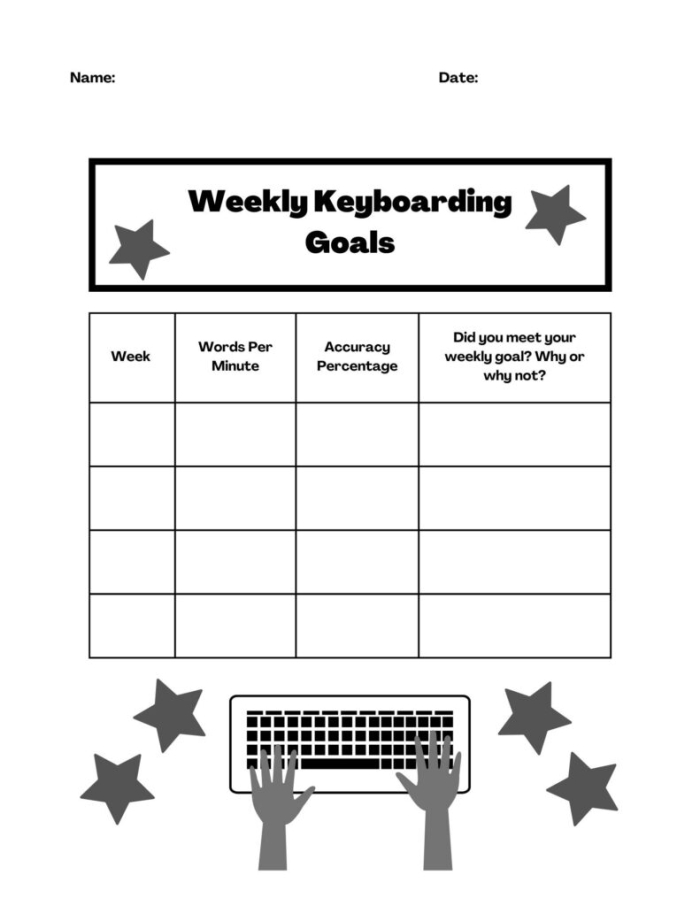
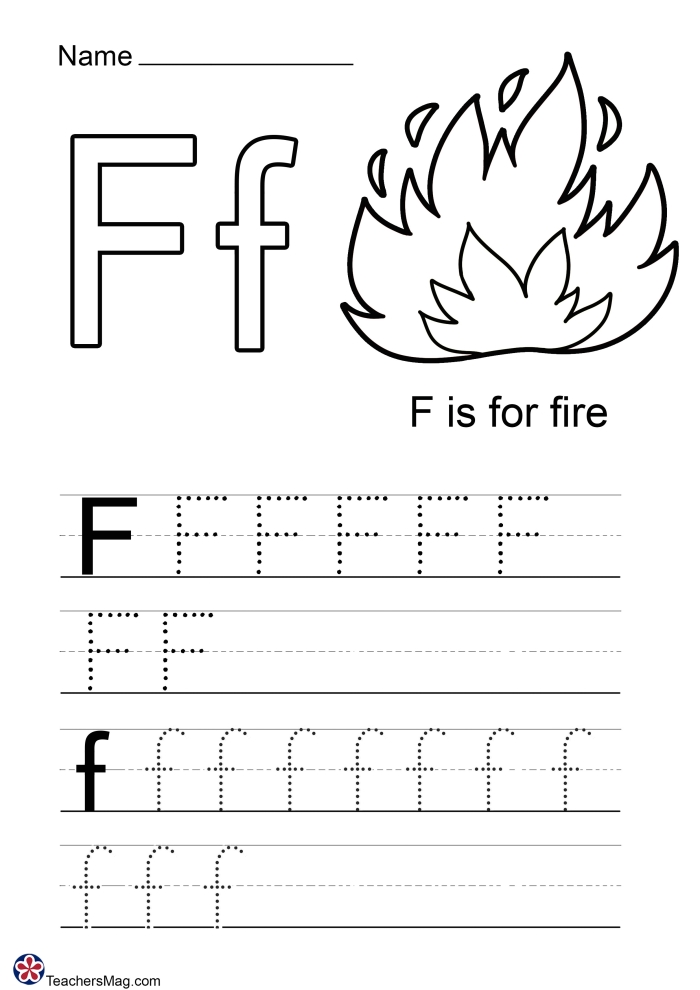
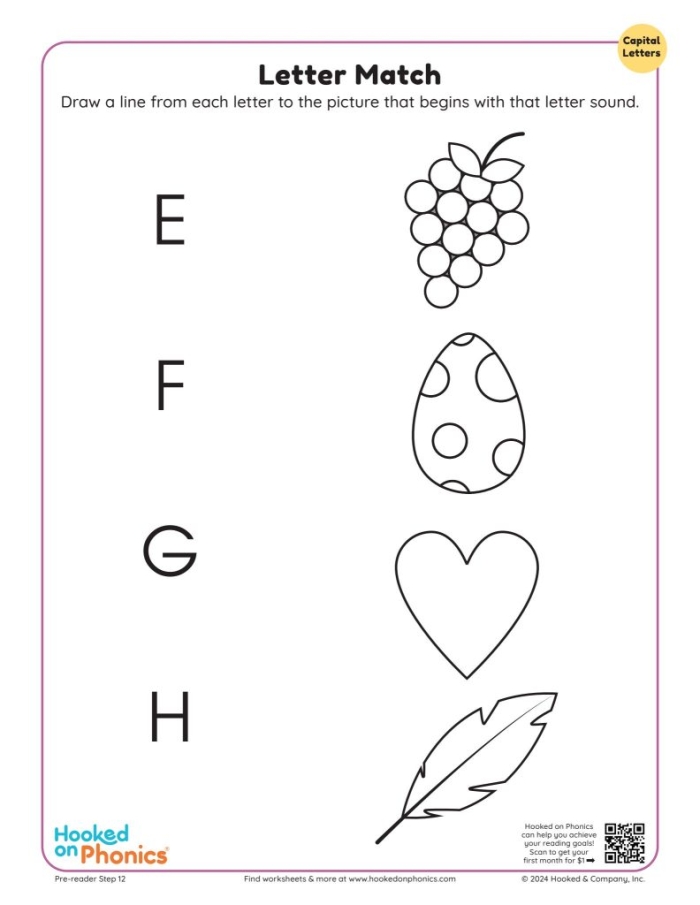
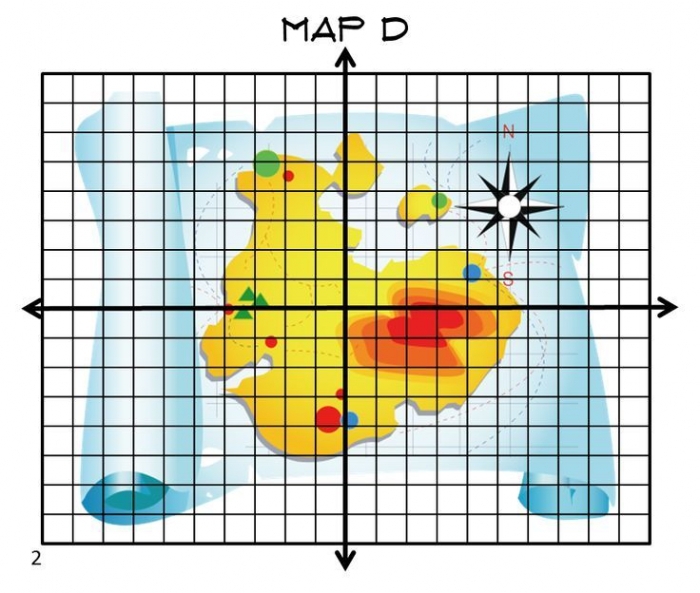
If you’re looking for additional resources, printable worksheets can be a valuable supplement to your lessons. These worksheets allow students to engage in activities that promote understanding of key placements while also integrating data and graphing skills, essential components of kindergarten learning.
By incorporating activities that focus on finger placement without the distraction of screens, you can cultivate a solid foundation for your students’ typing abilities. This approach not only helps them become familiar with the layout of the keyboard but also builds confidence as they begin their journey into the world of typing.
Download These Worksheets for Practice