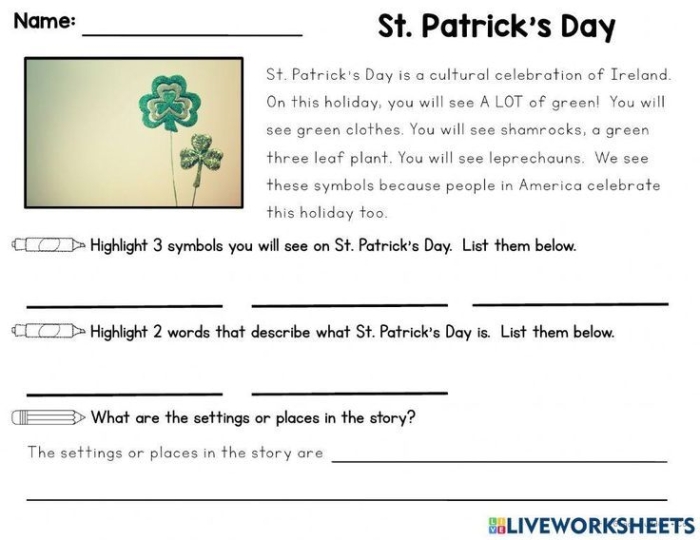
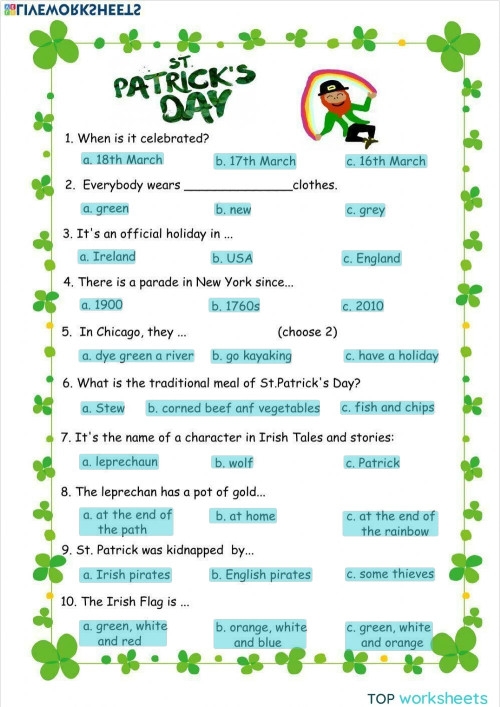
St. Patrick’s Day offers a perfect teaching moment for third grade students to explore Irish culture beyond the green decorations and gold coins. Rather than treating it as just another holiday, you can help your child understand the real traditions and history behind this March 17th celebration.
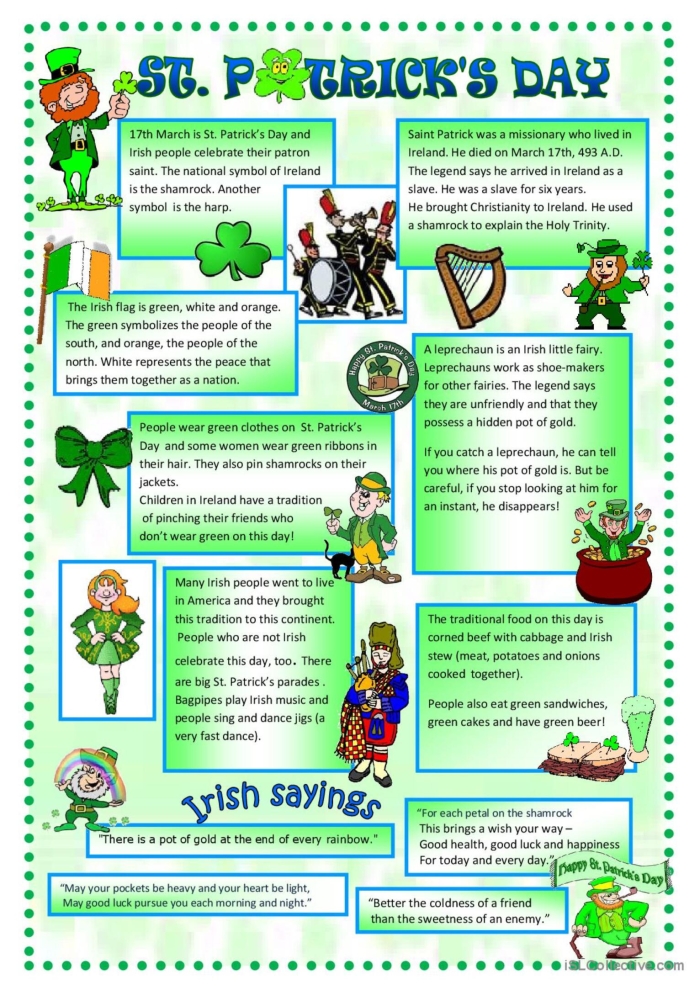
The holiday honors Saint Patrick, a real historical figure who brought Christianity to Ireland in the 5th century. Many children learn about him through stories, but the actual details make the day more meaningful. Saint Patrick wasn’t Irish by birth, he was captured and enslaved in Ireland as a teenager before escaping and eventually returning as a missionary. This personal journey of resilience and purpose gives children something substantive to connect with beyond the surface-level festivities.
Teaching your child about authentic traditions helps them appreciate cultural heritage. The shamrock, for example, wasn’t randomly chosen for decoration. Saint Patrick supposedly used the three-leafed plant to explain the Holy Trinity to the Irish people he was converting. When your child sees shamrocks during the holiday, they’ll understand the symbol carries real meaning.
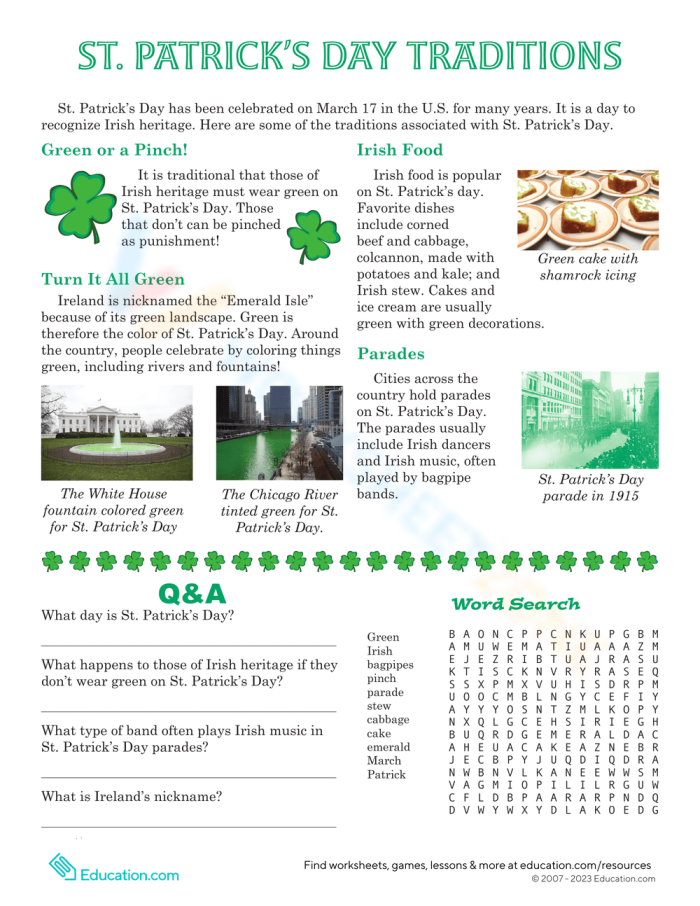
Wearing green on St. Patrick’s Day has roots in Irish nationalism and pride, though the color wasn’t always associated with Ireland. The holiday also includes traditional Irish music, dancing, and special foods like soda bread and corned beef. Many Irish communities hold parades and celebrations that showcase their cultural identity.
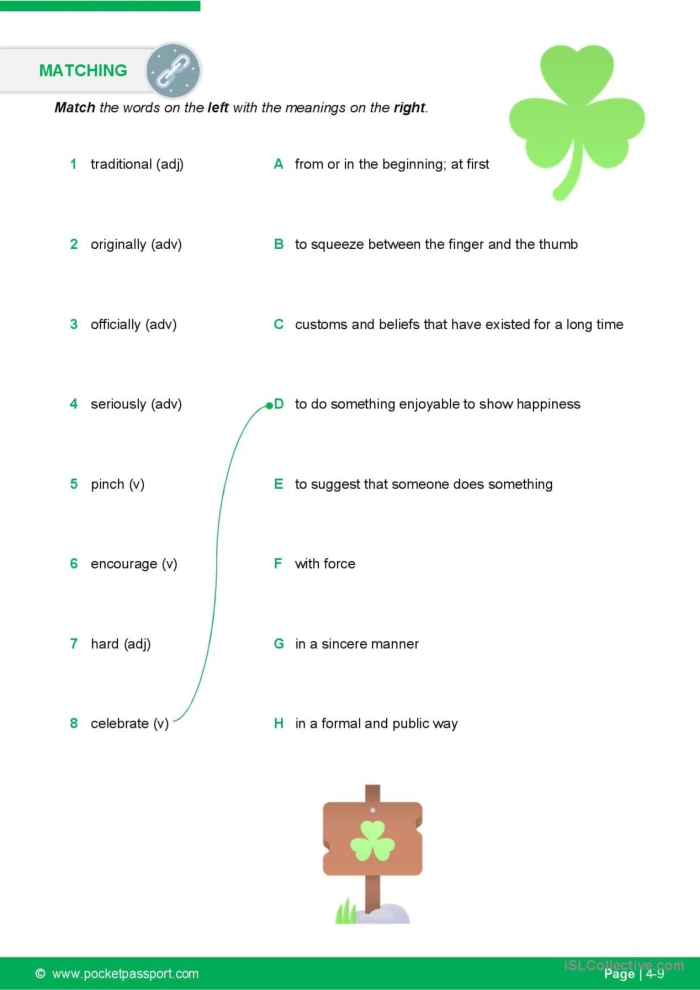
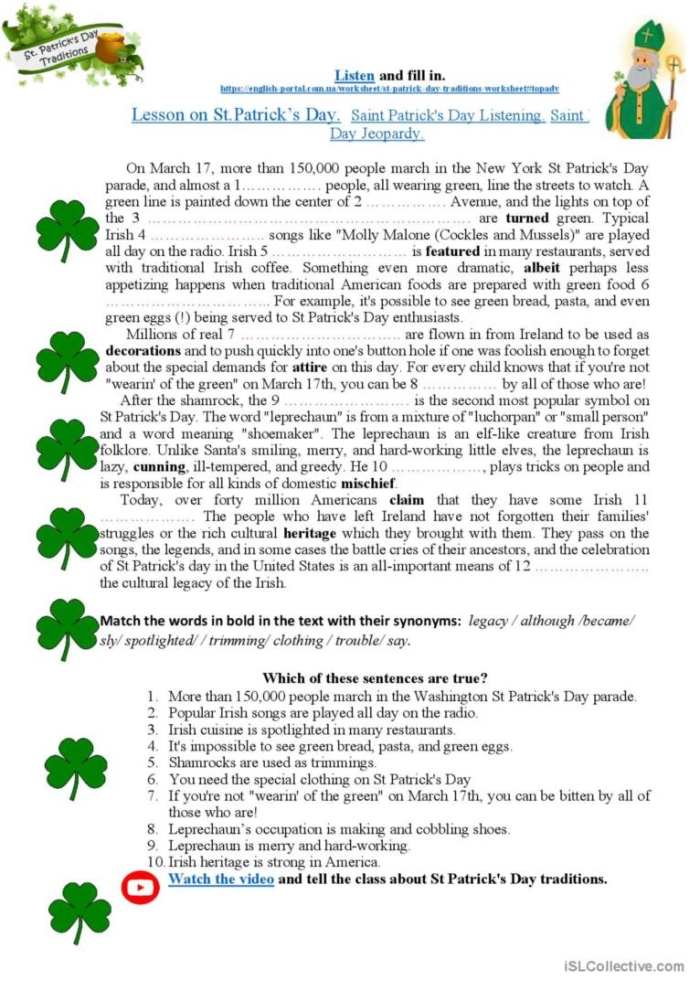
For third grade reading practice, consider using nonfiction text features worksheets to help your child read articles about Saint Patrick’s actual life. You can also incorporate authors’ purpose task cards when discussing why people write about holidays and traditions. These learning tools make cultural education interactive and academically valuable at the same time.
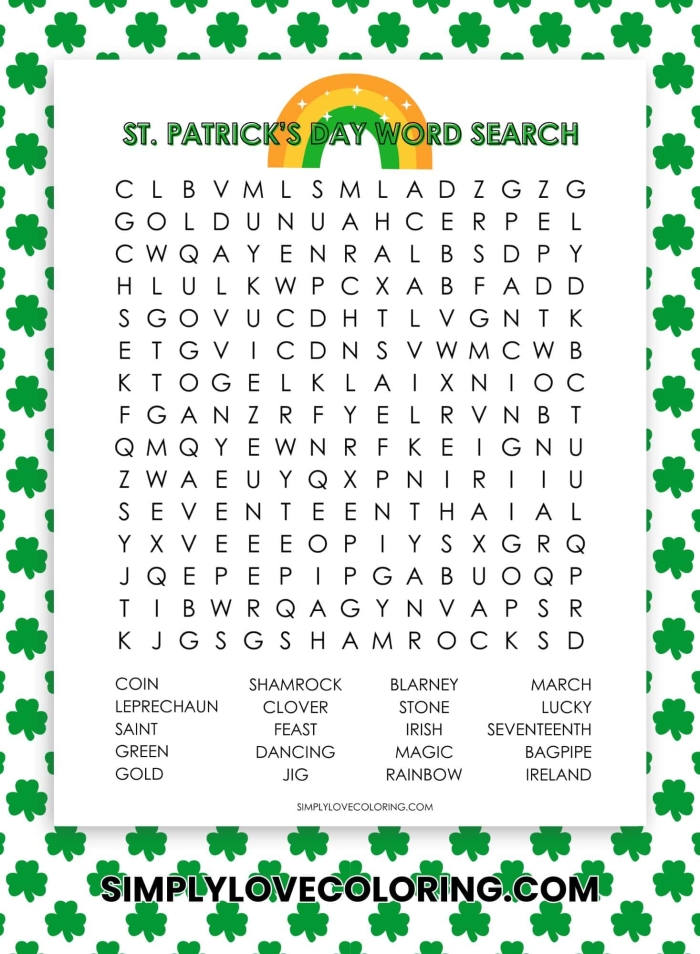
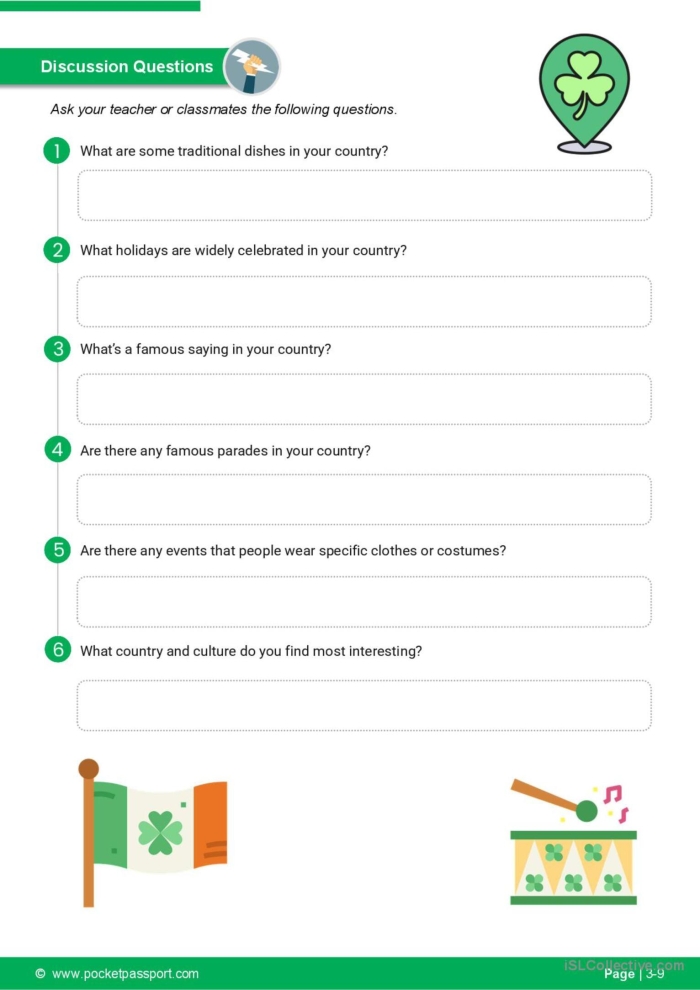
Try These Printable Worksheets