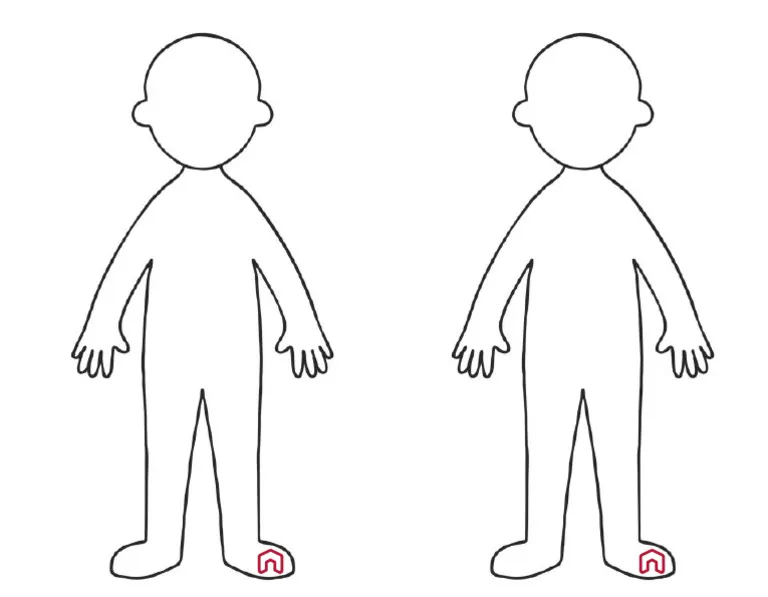
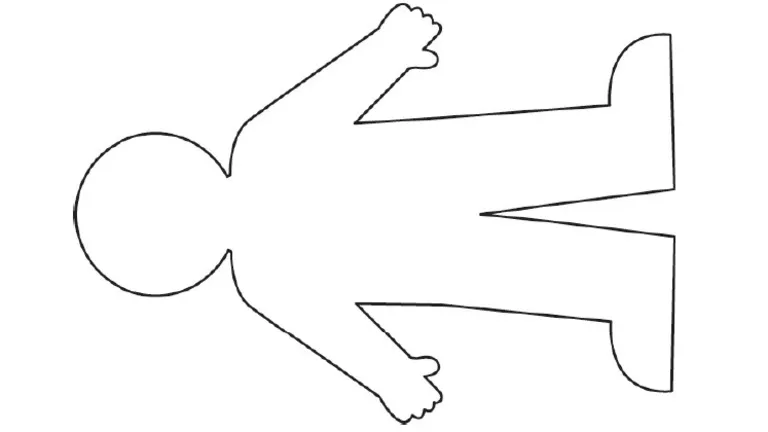
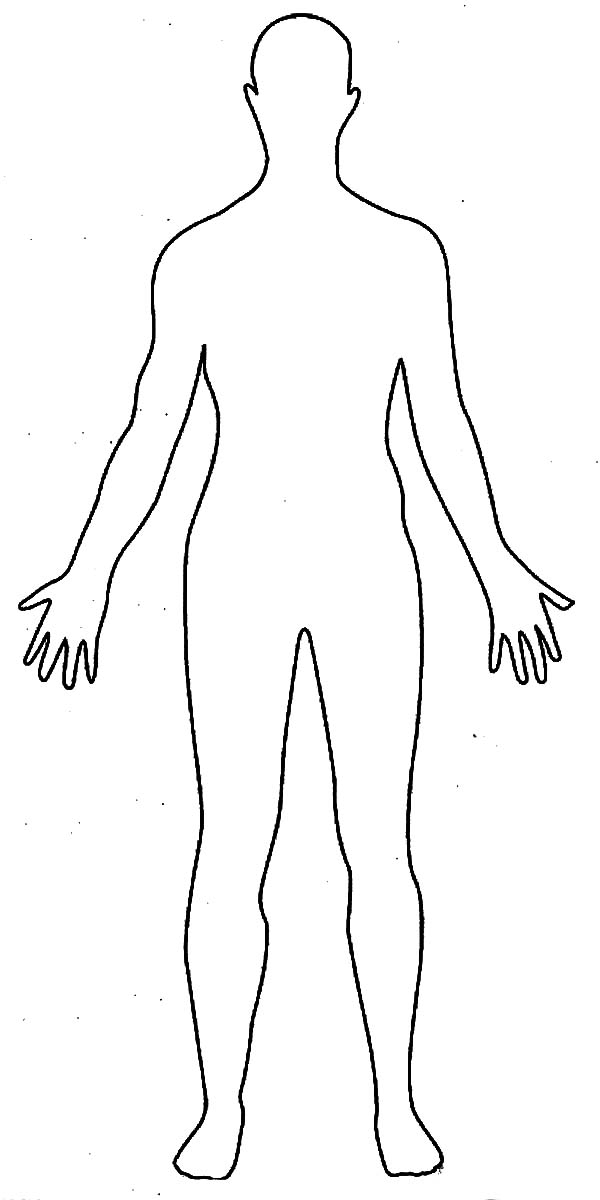
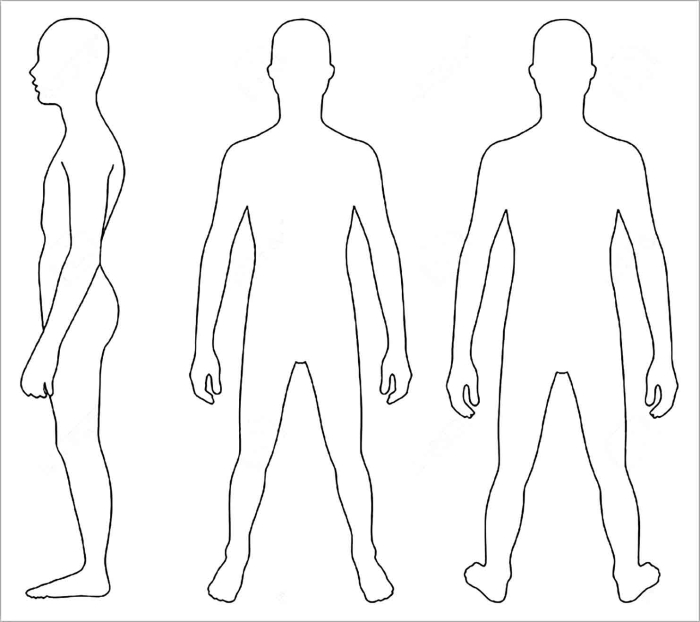
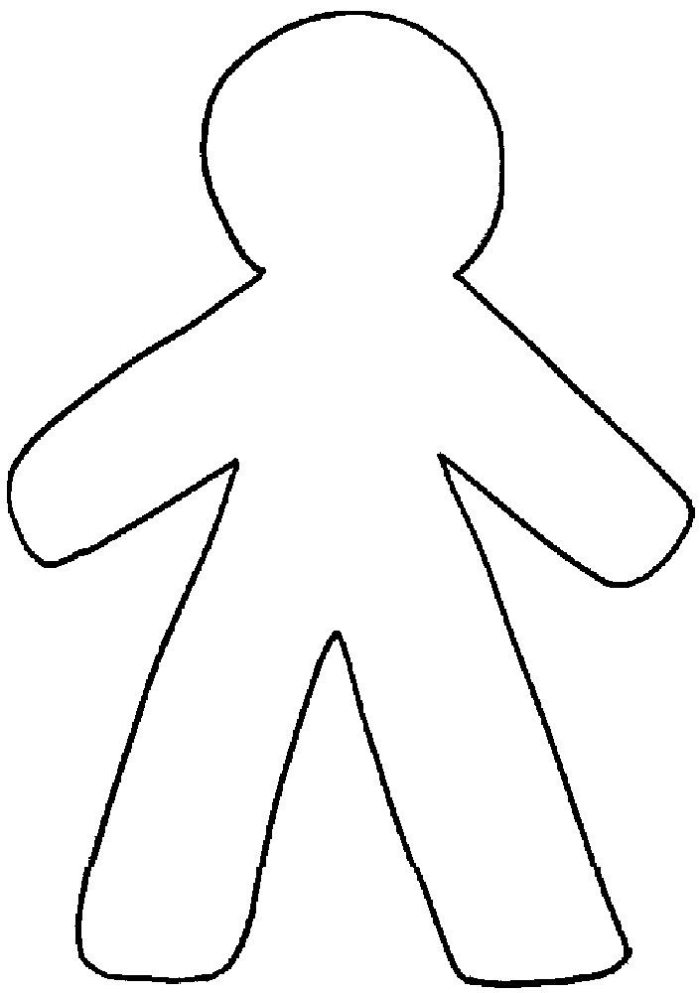
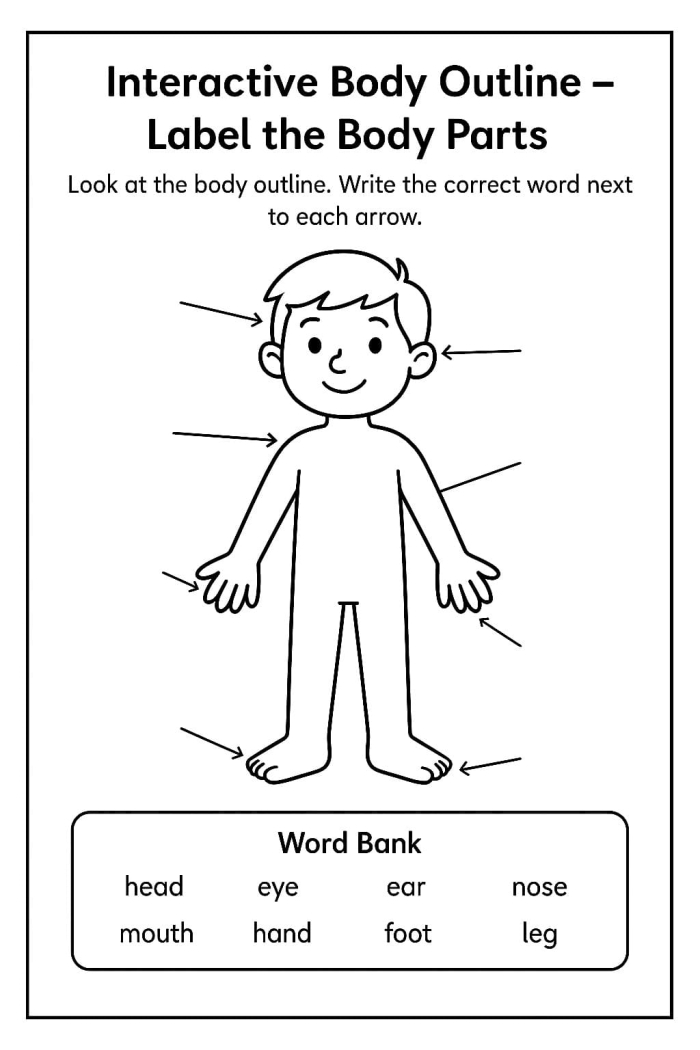
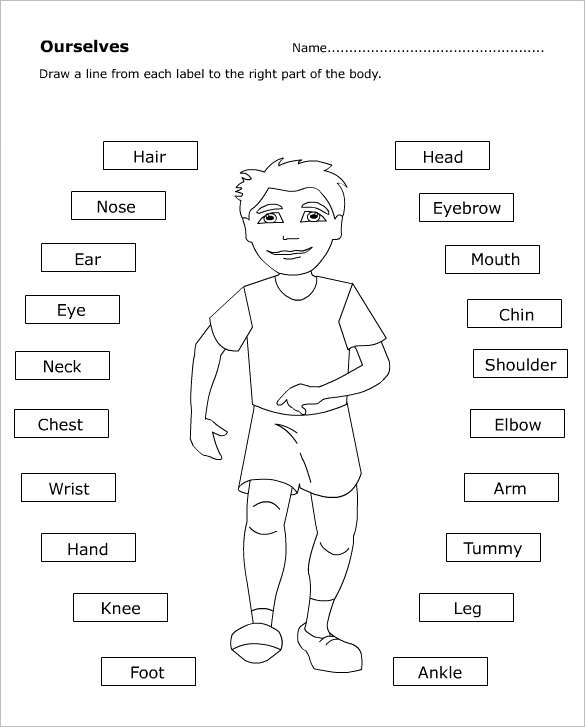
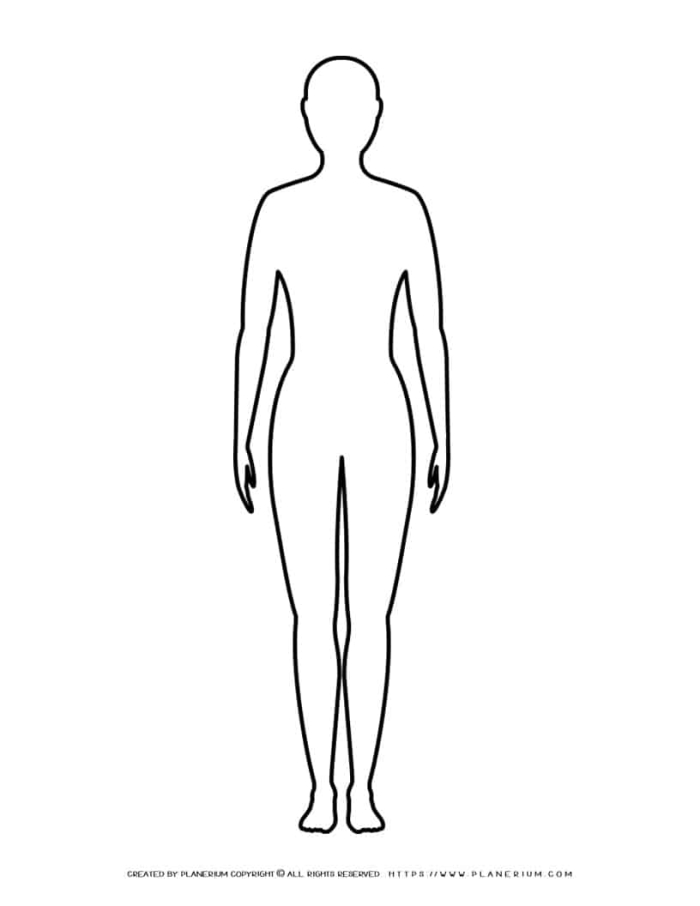
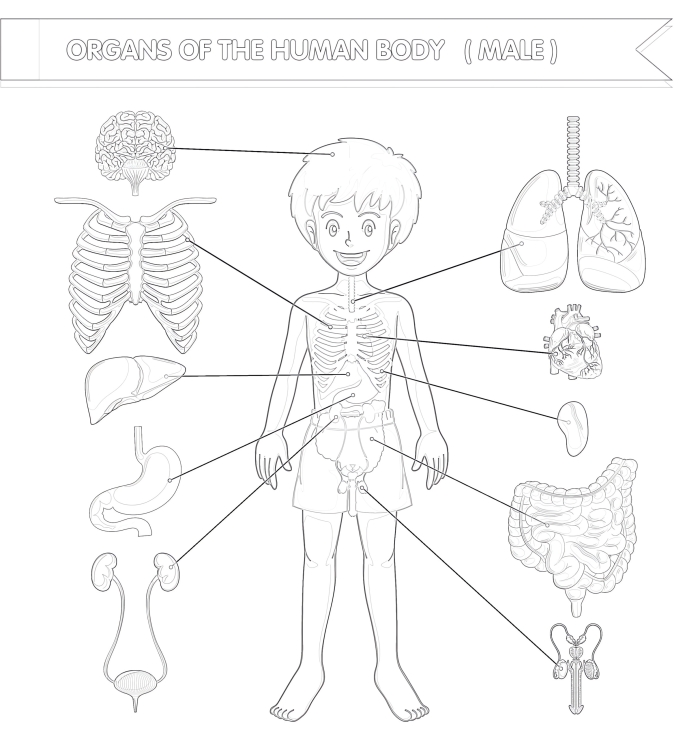
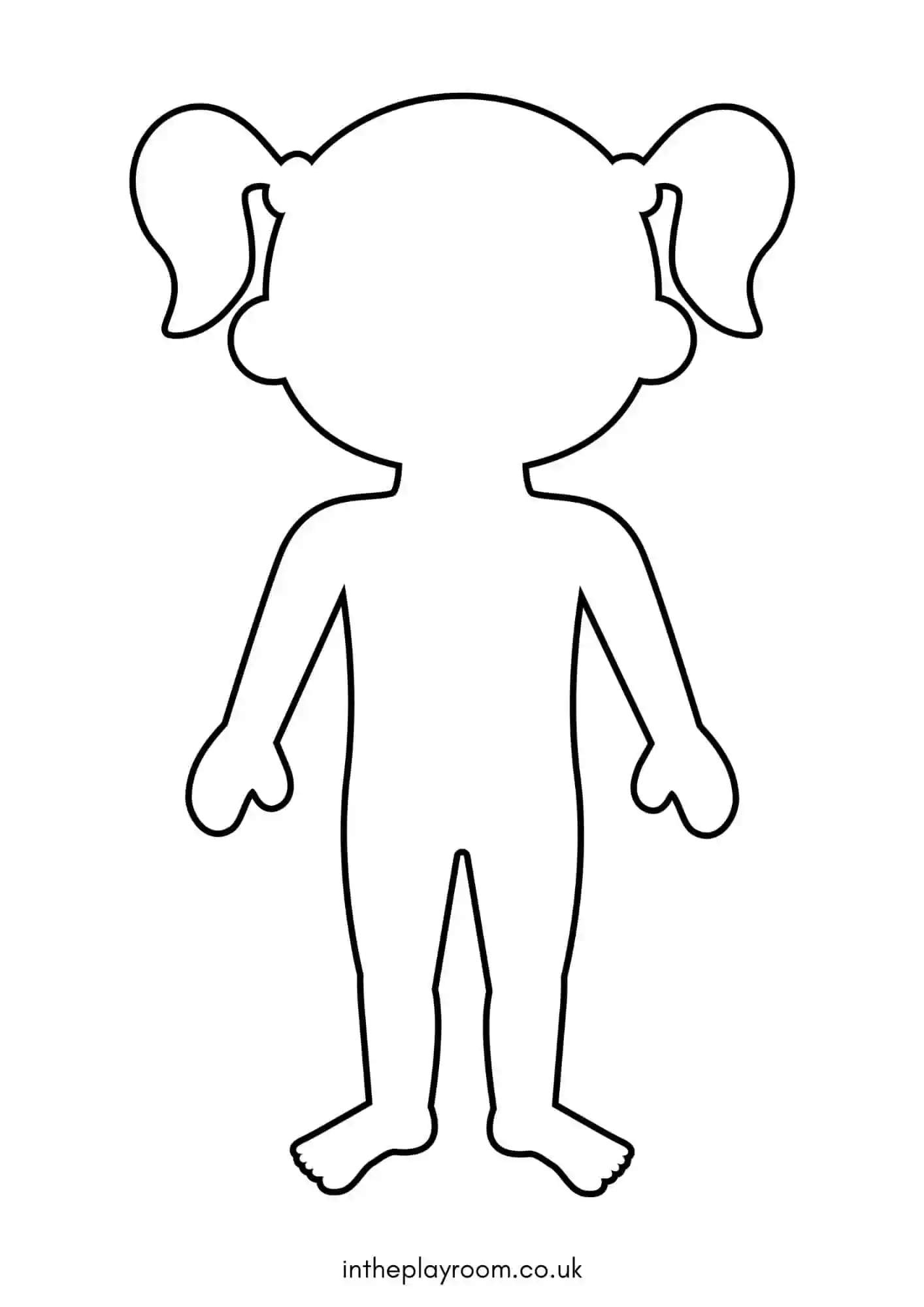
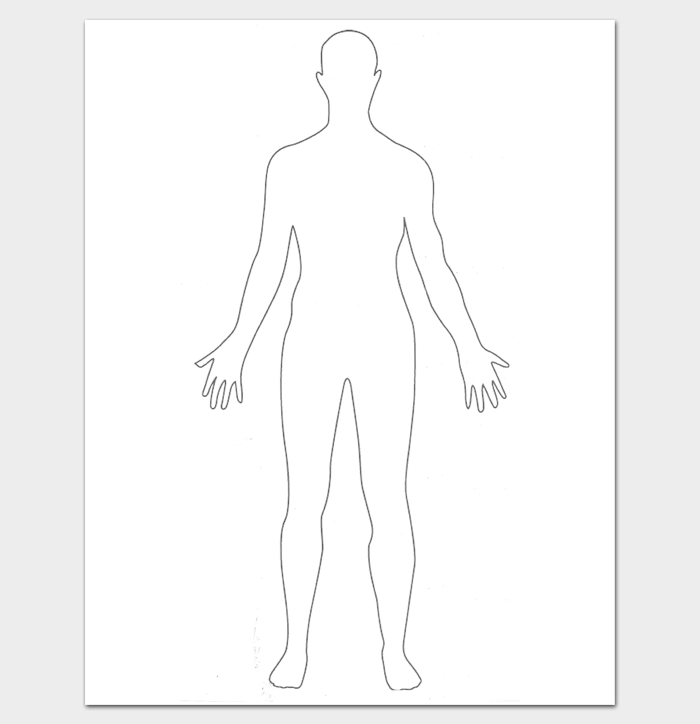
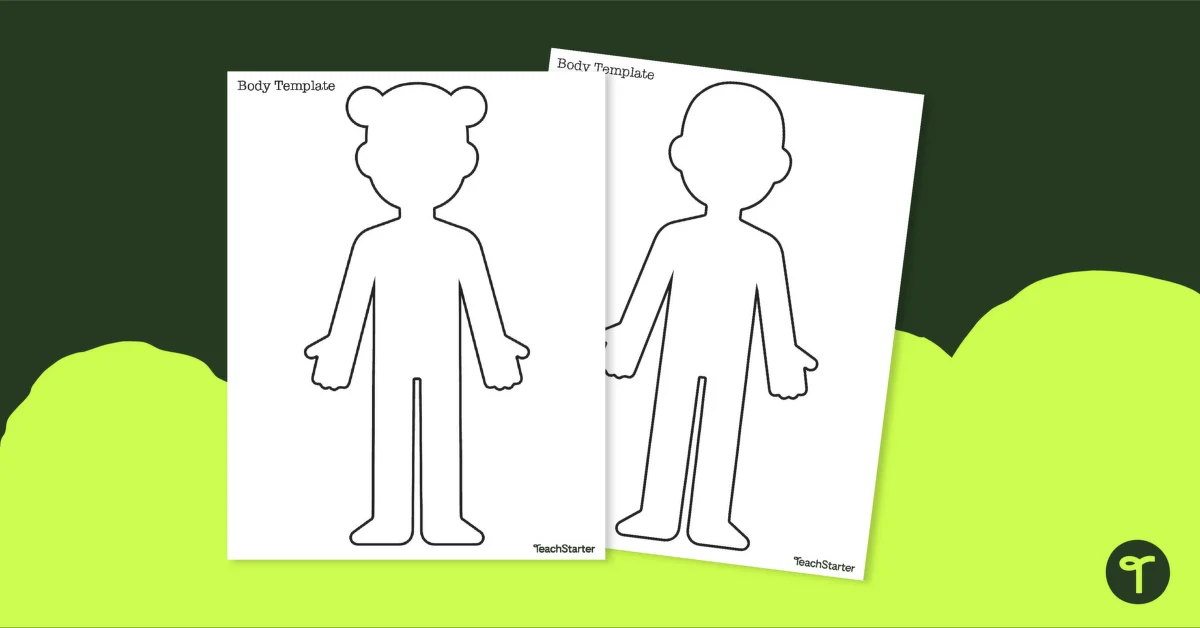
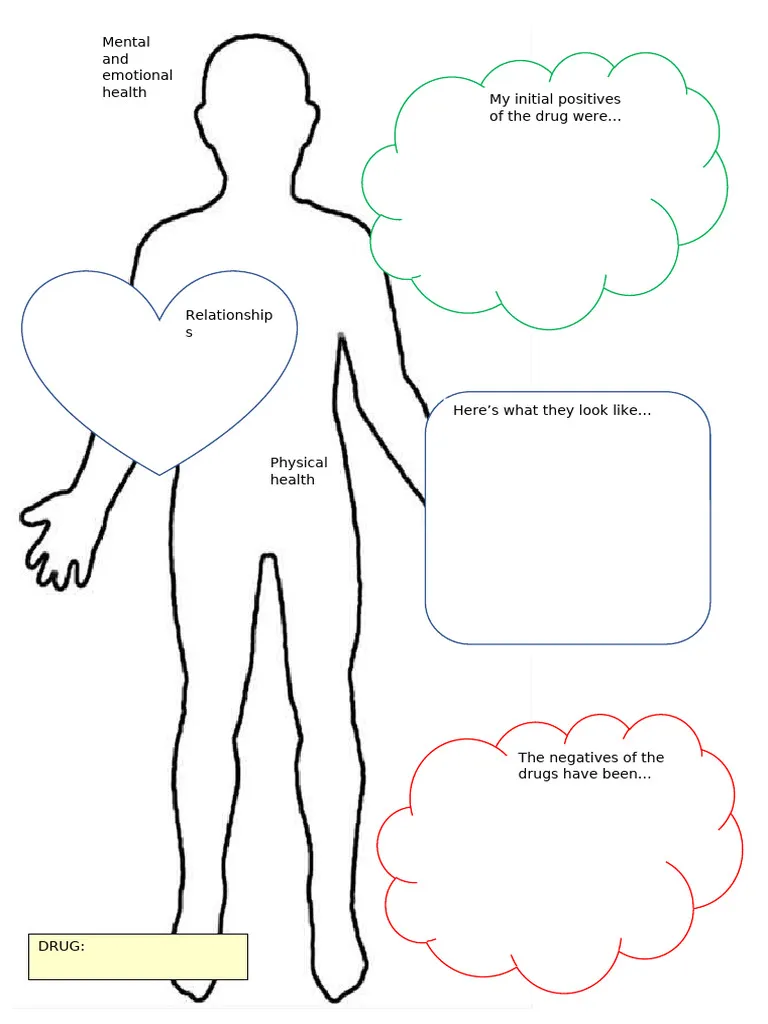
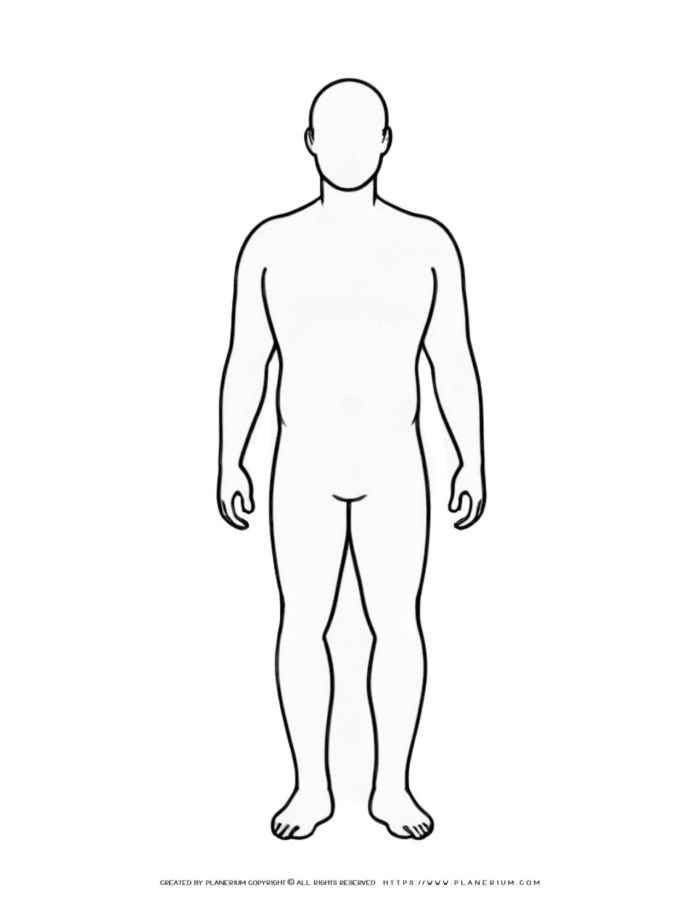
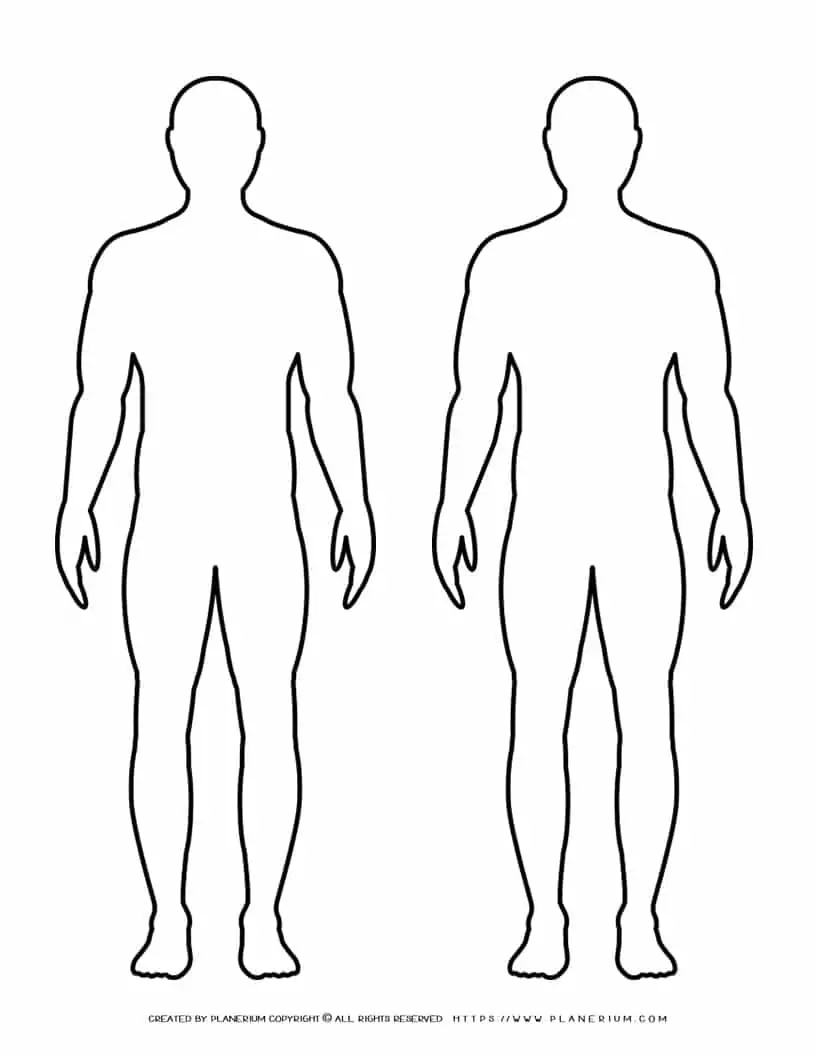
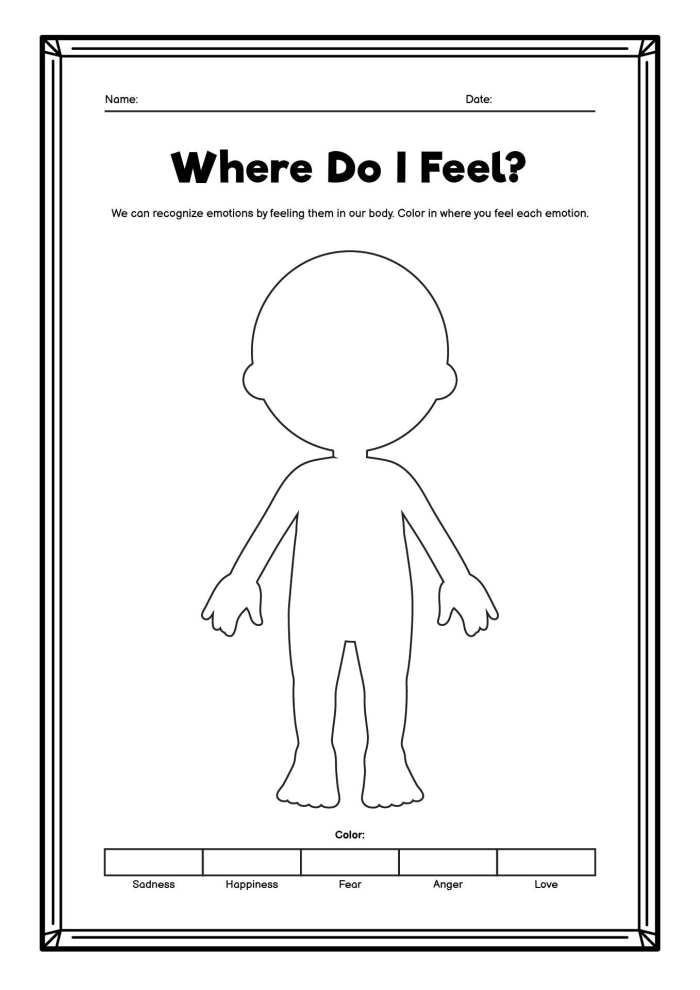
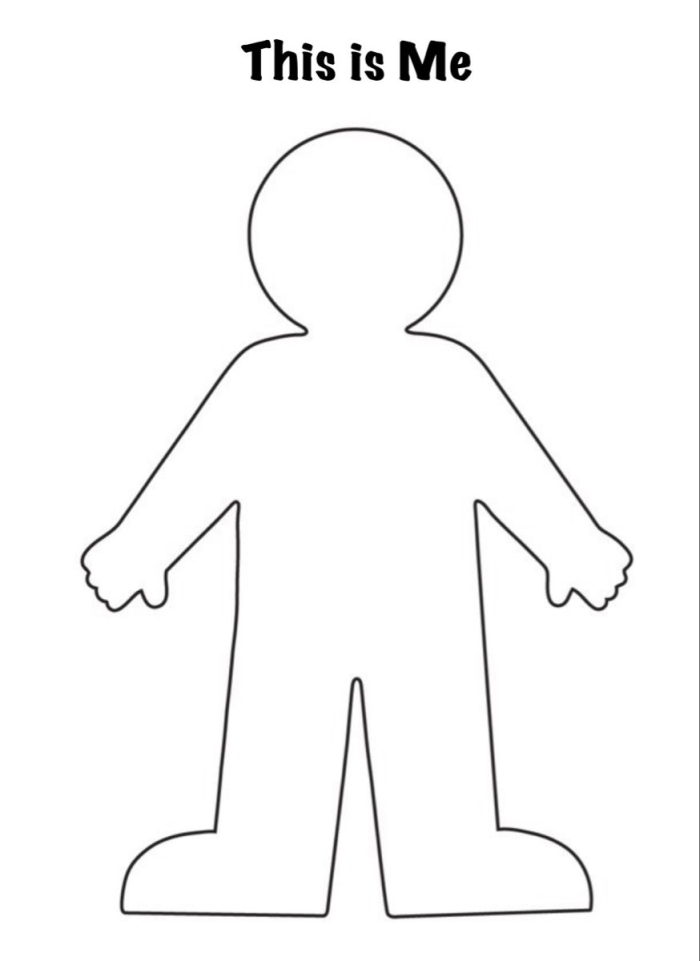
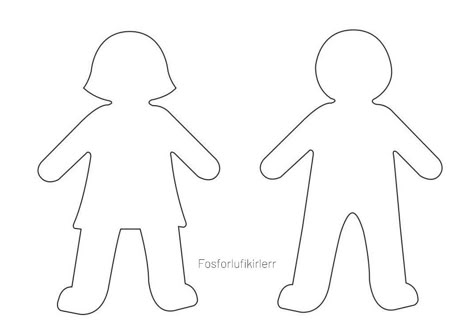
Creating a body outline is one of those fifth grade life science activities that sounds simple but opens up a whole world of discovery for kids. When students trace around a partner’s body on large paper and start labeling the systems inside, something clicks. They move from abstract textbook knowledge to understanding that their own bodies are intricate networks working together every single moment.
The beauty of this hands-on project is that it naturally leads kids to ask questions they wouldn’t otherwise think to ask. Why does my heart beat faster when I run? Where do my muscles actually attach? How does food travel through my body? These questions drive real learning because the kids are investigating their own anatomy rather than passively reading about it.
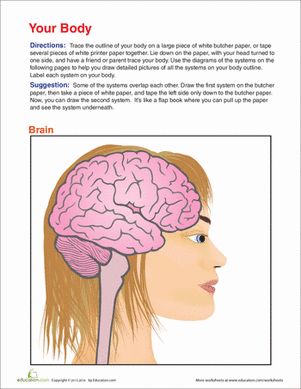
To get the most out of a body outline activity, have students start by sketching the major systems. The circulatory system with its branching blood vessels, the skeletal system showing how bones connect, the digestive system tracing from mouth to stomach to intestines. As they work, they begin to see how these systems overlap and depend on each other. Understanding muscle anatomy becomes much clearer when they can see where muscles actually sit on the skeleton.
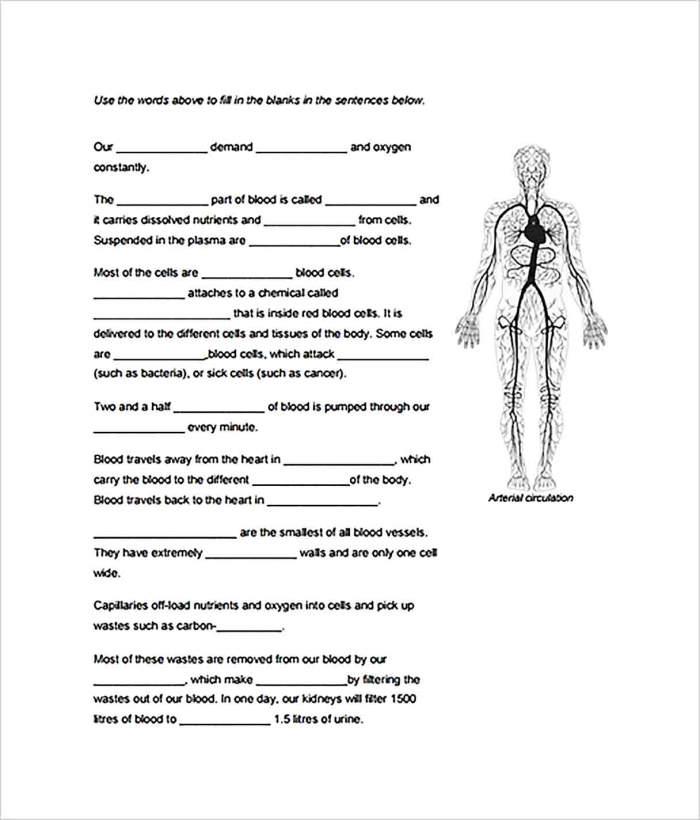
You can extend this project by having students research specific systems more deeply. Learning about how the heart pumps blood becomes more meaningful when they’ve already drawn where the heart sits in their outline. Some teachers pair this with supplementary worksheets that help students organize information about different body systems they’ve discovered.
The finished outlines make excellent classroom displays and serve as personal reference tools students keep long after the project ends. They’ve created something tangible that represents their growing understanding of how their bodies actually work.
Download These Worksheets for Practice